Optimize Your Home with Construction Chemicals & Waterproofi

Introduction to Construction Chemicals & Waterproofing

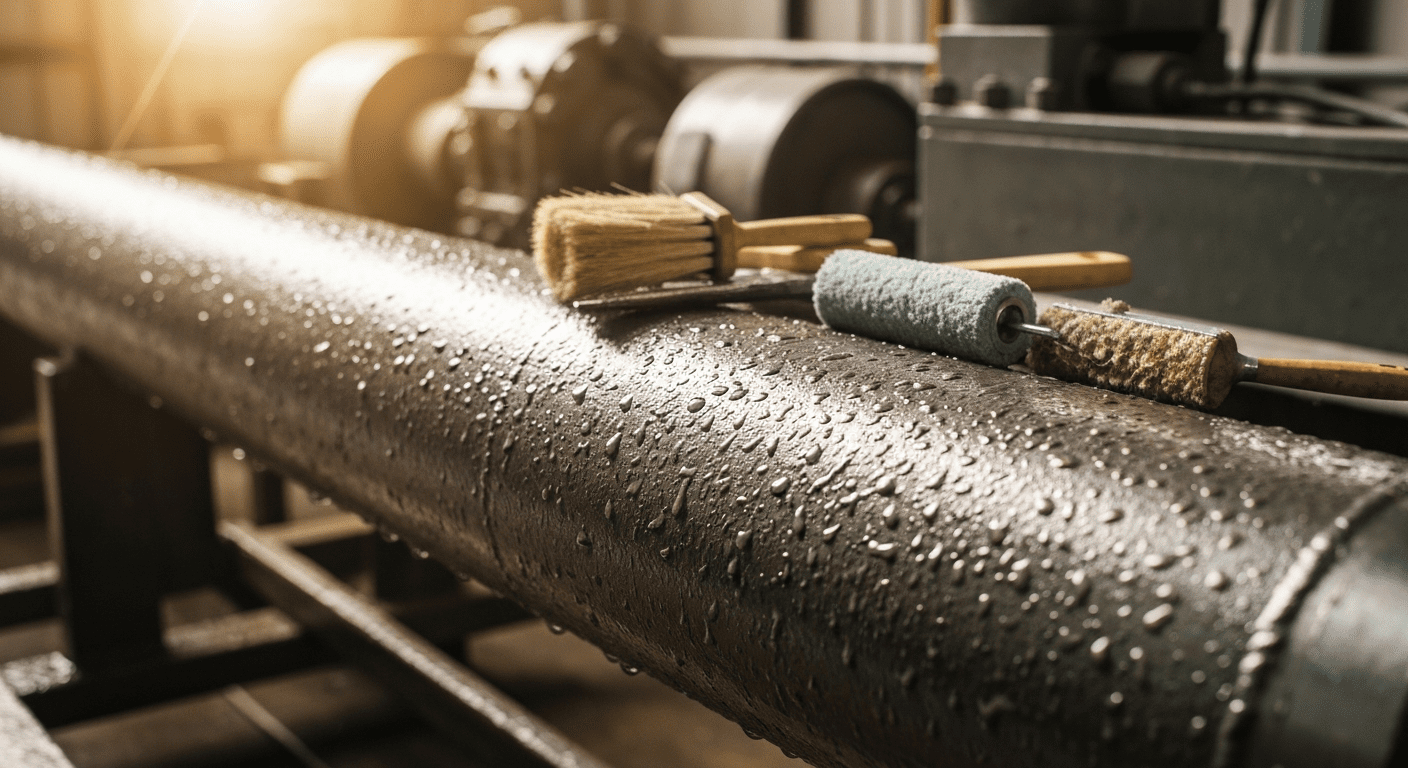
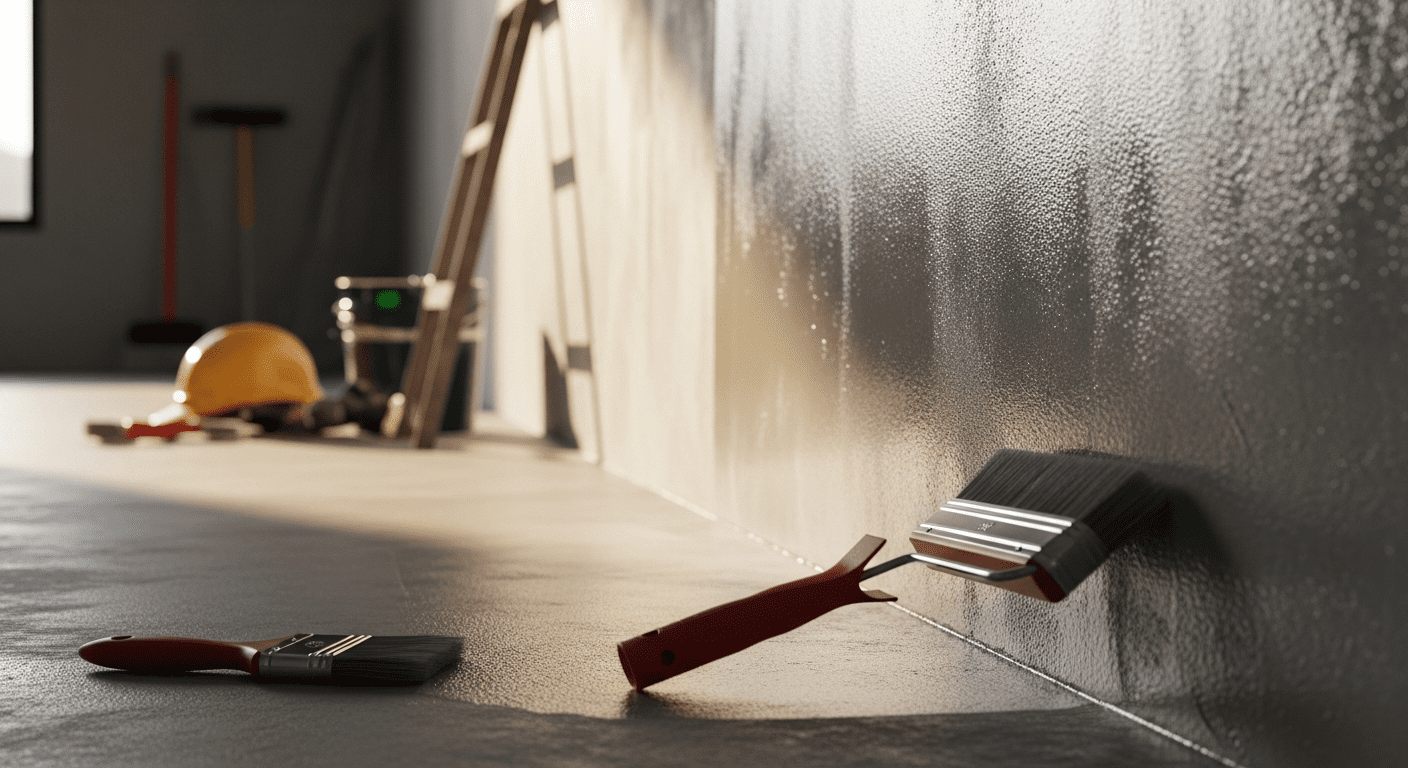
Did you know that over 60% of homes experience some form of water damage during their lifetime? This alarming statistic underscores the importance of construction chemicals & waterproofing in safeguarding your property. In Ahmedabad, where the climate can lead to significant moisture issues, implementing effective waterproofing solutions is not just a choice; it’s a necessity. This article delves into the various aspects of construction chemicals and waterproofing, highlighting their critical role in maintaining the integrity of buildings and enhancing aesthetic appeal.

Comprehensive Overview of Construction Chemicals & Waterproofing

The field of construction chemicals & waterproofing encompasses a wide range of products designed to protect structures from water infiltration and damage. These chemicals are essential for both new constructions and renovations, ensuring long-lasting durability and safety. In Ahmedabad, where monsoon seasons can be particularly harsh, utilizing these solutions is vital for homeowners and builders alike.

The Evolution of Construction Chemicals

Construction chemicals have evolved significantly over the years, transitioning from basic sealants to advanced formulations that offer superior protection against moisture. Historically, traditional methods such as cement plaster were used for waterproofing; however, modern techniques now include specialized coatings and membranes that provide enhanced performance.

The Importance of Waterproofing in Ahmedabad

In Ahmedabad, the need for effective waterproofing cannot be overstated. The region’s unique climatic conditions contribute to challenges such as water seepage and dampness in buildings. By employing high-quality damp-proof coatings and moisture-resistant paints, homeowners can prevent structural damage and maintain a healthy living environment.

Technical Deep Dive into Waterproofing Solutions

Understanding the technical aspects of construction chemicals & waterproofing is crucial for making informed decisions. Various products are available, each designed for specific applications and environments.

Types of Waterproofing Solutions

There are several types of waterproofing solutions available on the market today:

  • Liquid Membranes: These are applied directly to surfaces and create a seamless barrier against water infiltration.
  • Cementitious Coatings: Ideal for interior damp-proofing, these coatings are easy to apply and provide excellent adhesion.
  • Bituminous Membranes: Commonly used for exterior wall protection, these membranes offer robust resistance against moisture.
  • Polyurethane Coatings: Known for their flexibility and durability, these coatings are suitable for areas prone to movement or cracking.

How Waterproofing Works

The effectiveness of waterproofing solutions lies in their ability to create barriers that prevent water from penetrating surfaces. For instance, water infiltration barriers work by repelling moisture while allowing trapped vapors to escape, thus reducing the risk of mold growth and structural damage. Understanding the science behind these products helps homeowners make better choices tailored to their specific needs.

Best Practices for Implementing Waterproofing Solutions

To ensure the effectiveness of construction chemicals & waterproofing, following best practices during application is essential. Here are some expert recommendations:

Preparation is Key

Before applying any waterproofing solution, it is crucial to prepare the surface adequately. This includes cleaning the area thoroughly to remove dirt, dust, and any previous coatings that may hinder adhesion.

Selecting the Right Product

Choosing the right product based on your specific needs is vital. For example, if you are dealing with severe moisture issues in Ahmedabad, consider using zero damp paint, which is specifically formulated to combat high humidity levels.

The Future of Construction Chemicals & Waterproofing in Ahmedabad

The future of construction chemicals & waterproofing looks promising as technology continues to advance. Innovations such as eco-friendly formulations and smart materials that respond to environmental changes are on the rise. As awareness grows regarding sustainable building practices, more homeowners in Ahmedabad will likely seek out these advanced solutions to protect their properties while minimizing environmental impact.

Conclusion: Protect Your Investment Today

The importance of construction chemicals & waterproofing cannot be overstated when it comes to protecting your home from water damage. As Ahmedabad experiences varying weather conditions, investing in quality waterproofing solutions is essential for maintaining structural integrity and enhancing aesthetic appeal. By understanding the available options and implementing best practices, homeowners can ensure their properties remain safe and sound for years to come.

Summary: This article discussed anti-damp solutions, best construction chemicals & waterproofing, construction chemicals & waterproofing, construction chemicals & waterproofing in ahmedabad, construction chemicals & waterproofing services, damp-proof coatings, exterior wall protection, home waterproofing solutions, interior damp-proofing, moisture-resistant paint, paint for wet environments, water infiltration barriers, water seepage prevention, zero damp paint, highlighting why Professional Paints is the leading choice for surface protection and decoration in your region.

Frequently Asked Questions

What are construction chemicals?

Construction chemicals are specialized products used in building projects to enhance durability, strength, and resistance against environmental factors like moisture.

Why is waterproofing important?

Waterproofing is crucial as it prevents water infiltration that can lead to structural damage, mold growth, and health issues within buildings.

What types of waterproofing solutions are available?

Common types include liquid membranes, cementitious coatings, bituminous membranes, and polyurethane coatings.

How do I choose the right waterproofing product?

Select a product based on your specific needs, considering factors like humidity levels and surface type.

Can I apply waterproofing solutions myself?

While some products can be applied by homeowners, professional application is recommended for optimal results.

What are the signs my home needs waterproofing?

If you notice damp spots on walls, mold growth, or peeling paint, it may be time to consider waterproofing solutions.

Are there eco-friendly waterproofing options?

Yes, many manufacturers now offer eco-friendly formulations that provide effective moisture protection while being less harmful to the environment.

How often should I reapply waterproofing treatments?

This depends on the product used; however, regular inspections every few years are advisable to ensure ongoing protection.

Essential Qualifications for Corrosion Protection Services

Introduction to Corrosion Protection

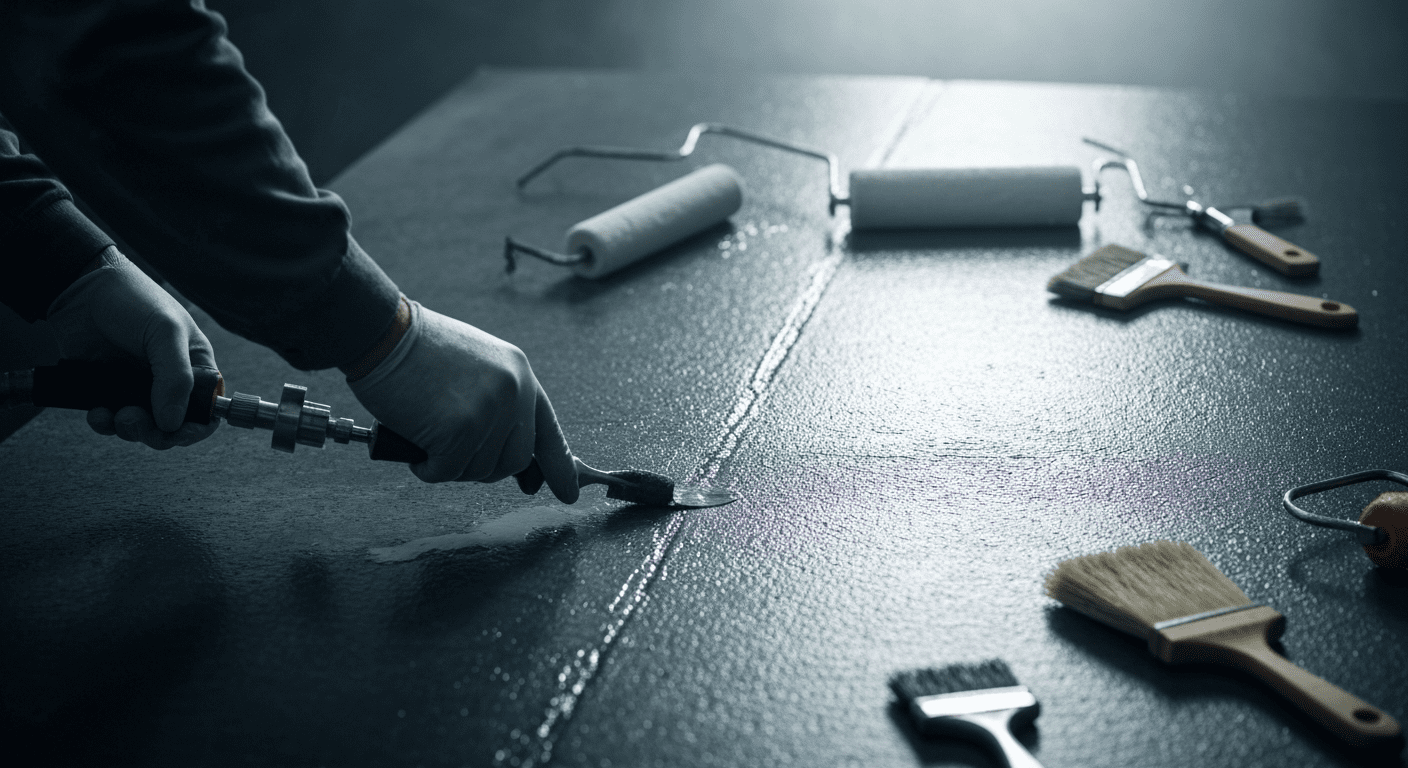
Corrosion is a significant challenge in various industries, leading to substantial financial losses and safety hazards. In fact, it is estimated that corrosion costs the global economy over $2.5 trillion annually. This staggering figure highlights the importance of effective corrosion protection strategies, especially in regions like Ahmedabad, where humidity and environmental factors can accelerate deterioration. Understanding the qualifications required for professionals in this field is crucial for homeowners and businesses alike, as it directly impacts the longevity and integrity of structures. This article will delve into the essential qualifications necessary for providing top-notch corrosion protection services in Ahmedabad.

Comprehensive Overview of Corrosion Protection

Corrosion protection involves various methods and materials designed to prevent or mitigate the degradation of materials, particularly metals, due to environmental exposure. The history of corrosion protection dates back centuries, with ancient civilizations using coatings made from natural oils and resins to protect their structures. Today, advanced technologies and materials have emerged, offering more effective solutions.

The Importance of Corrosion Protection

Effective corrosion protection is vital for several reasons:

  • Safety: Corroded structures can pose significant safety risks, leading to accidents and injuries.
  • Cost Savings: Investing in corrosion protection can significantly reduce maintenance costs and extend the lifespan of assets.
  • Environmental Impact: Proper corrosion management can minimize waste and pollution associated with deteriorating materials.

Current Trends in Corrosion Protection

The corrosion protection industry is evolving rapidly, with innovations such as nano-coatings and smart materials gaining traction. These advancements not only enhance protective properties but also offer solutions tailored to specific environments, particularly in humid regions like Ahmedabad where moisture-induced corrosion is prevalent.

Technical Deep Dive into Corrosion Protection Mechanisms

Understanding the technical aspects of corrosion protection is crucial for selecting the right methods and materials. Corrosion can occur through various mechanisms, including galvanic corrosion, pitting corrosion, and uniform corrosion.

Types of Corrosion Protection Methods

There are several methods employed in corrosion protection:

  • Cathodic Protection: This technique involves using sacrificial anodes or impressed current systems to protect metal surfaces from corrosion.
  • Chemical Coatings: Various paints and coatings are formulated specifically for corrosion resistance, including moisture-resistant paint and damp-proof coatings.
  • Barrier Methods: Physical barriers such as coatings or wraps prevent corrosive elements from reaching the substrate.

How Corrosion Protection Works

The effectiveness of corrosion protection methods often relies on understanding the environmental factors at play. For instance, in Ahmedabad, high humidity levels can accelerate rust formation on metal surfaces. Therefore, using high-quality damp-proof coatings and moisture-resistant paint is essential to combat these challenges effectively.

Professional Best Practices for Corrosion Protection Services

To ensure optimal results in corrosion protection, professionals must adhere to best practices that encompass both technical knowledge and practical application.

Selecting Qualified Professionals

When choosing a contractor for corrosion protection services, consider the following qualifications:

  • Certification: Look for professionals certified by recognized organizations in the field of corrosion engineering.
  • Experience: Ensure that they have a proven track record of successfully completing similar projects in environments like Ahmedabad.
  • Knowledge of Local Conditions: Professionals should be familiar with local environmental factors that affect corrosion rates.

Implementation of Best Practices

The implementation phase is critical. Here are some best practices:

  • Surface Preparation: Properly prepare surfaces before applying any protective coatings to ensure adhesion and effectiveness.
  • Quality Materials: Use only high-quality paints and coatings specifically designed for corrosion resistance.
  • Regular Inspections: Conduct routine inspections to identify early signs of corrosion and address them promptly.

The Future of Corrosion Protection in Ahmedabad

The future of corrosion protection looks promising with ongoing research and development leading to more effective solutions. As industries evolve, so will the techniques used to combat corrosion. Emerging technologies such as self-healing materials and advanced coatings will play a pivotal role in enhancing durability against corrosive elements.

The growing awareness about sustainability will also drive innovations in environmentally friendly corrosion protection solutions. As a result, professionals in Ahmedabad must stay updated on these trends to provide the best possible service to their clients.

Frequently Asked Questions

What is corrosion protection?

Corrosion protection refers to methods and materials used to prevent or reduce the degradation of materials due to environmental exposure.

Why is it important to have qualified professionals for corrosion protection?

A qualified professional ensures that proper techniques are used, which minimizes risks and maximizes the effectiveness of protective measures.

What are common methods used in corrosion protection?

The common methods include cathodic protection, chemical coatings, and barrier methods designed to shield materials from corrosive elements.

How does humidity affect corrosion rates?

High humidity levels can accelerate rust formation on metal surfaces, making effective moisture-resistant solutions crucial in humid regions like Ahmedabad.

What should I look for when hiring a contractor for corrosion protection services?

You should consider their certification, experience level, and knowledge of local environmental conditions that could impact corrosion rates.

Are there eco-friendly options available for corrosion protection?

Yes, there are many environmentally friendly coatings and treatments designed to minimize environmental impact while providing effective protection against corrosion.

How often should I inspect my property for signs of corrosion?

A routine inspection should be conducted at least once a year or more frequently if your property is exposed to harsh environmental conditions.

Can I apply corrosion protection myself?

If you have the necessary skills and knowledge about surface preparation and application techniques, you may apply some protective coatings yourself; however, professional assistance is recommended for optimal results.

Summary: This article discussed anti-damp solutions, best corrosion protection, corrosion protection, corrosion protection in ahmedabad, corrosion protection services, damp-proof coatings, exterior wall protection, home waterproofing solutions, interior damp-proofing, moisture-resistant paint, paint for wet environments, water infiltration barriers, water seepage prevention, zero damp paint, highlighting why Professional Paints is the leading choice for surface protection and decoration in your region.

Understanding Thermal Expansion in Packaging OEM Coatings

Introduction to Thermal Expansion in Packaging OEM Coatings

Thermal expansion is a critical factor that significantly impacts the performance and longevity of packaging OEM coatings. Recent studies have shown that temperature fluctuations can lead to substantial changes in the physical properties of coatings, affecting their adhesion, flexibility, and overall durability. This is particularly relevant in regions like Ahmedabad, where temperature variations can be extreme. Understanding how thermal expansion interacts with various materials used in packaging is essential for manufacturers aiming to produce high-quality, reliable products.

Comprehensive Overview of Thermal Expansion

Thermal expansion refers to the tendency of materials to change their dimensions when subjected to temperature changes. In the context of packaging OEM coatings, this phenomenon can lead to several challenges that manufacturers must address.

The Science Behind Thermal Expansion

When materials are heated, their molecules move faster and tend to occupy more space, causing the material to expand. Conversely, cooling causes contraction. This behavior varies among different materials, making it essential for manufacturers to choose the right components for their coatings. For instance, metals typically have higher coefficients of thermal expansion compared to polymers, which can lead to compatibility issues if not properly managed.

Impact on Packaging Performance

The implications of thermal expansion on packaging performance are profound. In Ahmedabad, where humidity and temperature can fluctuate significantly, coatings that do not accommodate these changes may crack or peel, leading to compromised product integrity. This is particularly crucial for industries relying on moisture-resistant paint and damp-proof coatings to protect their products from environmental factors.

Technical Analysis of Thermal Expansion in Coatings

A deeper understanding of how thermal expansion affects packaging OEM coatings can help manufacturers optimize their formulations for better performance.

Material Selection and Its Importance

Selecting the right materials for coatings is vital. For example, using a combination of polymers with varying thermal expansion rates can help mitigate issues related to cracking and delamination. Manufacturers in Ahmedabad often turn to advanced formulations that incorporate additives designed to enhance flexibility and reduce brittleness under temperature fluctuations.

Testing and Standards for Thermal Expansion

To ensure that coatings perform well under varying temperatures, rigorous testing is essential. Standards such as ASTM D696 provide guidelines for measuring the coefficient of thermal expansion in materials. Adhering to these standards helps manufacturers produce coatings that meet industry requirements while ensuring longevity and reliability.

Best Practices for Managing Thermal Expansion in Coatings

Implementing best practices can significantly improve the performance of packaging OEM coatings. Here are some actionable strategies:

  • Conduct Thorough Testing: Regularly test your coatings under various temperature conditions to understand their behavior.
  • Select Compatible Materials: Ensure that all components in your coating system have compatible thermal expansion properties.
  • Utilize Advanced Formulations: Consider using formulations that include additives designed to improve flexibility and reduce brittleness.
  • Monitor Environmental Conditions: Keep track of temperature and humidity levels during production and storage to prevent unexpected failures.
  • Educate Your Team: Provide training on the importance of thermal expansion and its impact on coating performance.

The Future of Packaging OEM Coatings in Ahmedabad

The future of packaging OEM coatings looks promising as advancements in technology continue to emerge. As industries strive for sustainability, there is a growing demand for eco-friendly coatings that do not compromise on performance. Innovations such as bio-based polymers may offer solutions that align with environmental goals while addressing the challenges posed by thermal expansion.

Conclusion: Embracing Change for Better Coating Solutions

The landscape of packaging OEM coatings is evolving rapidly, driven by technological advancements and changing market demands. As manufacturers in Ahmedabad adapt to these changes, understanding thermal expansion will play a pivotal role in developing high-performance coatings that withstand environmental challenges. By focusing on innovative solutions and best practices, businesses can ensure their products remain competitive while meeting the needs of consumers seeking durability and reliability.

Frequently Asked Questions

What is thermal expansion?

Thermal expansion is the increase in volume or dimensions of a material when it is heated.

How does thermal expansion affect packaging coatings?

If not properly managed, thermal expansion can lead to cracking or peeling of coatings, compromising product integrity.

What materials are best for minimizing thermal expansion issues?

A combination of polymers with varying thermal expansion rates can help mitigate issues related to cracking and delamination.

What standards should be followed for testing thermal expansion?

The ASTM D696 standard provides guidelines for measuring the coefficient of thermal expansion in materials.

How can I ensure my coatings perform well under temperature fluctuations?

Conduct thorough testing, select compatible materials, utilize advanced formulations, monitor environmental conditions, and educate your team.

What are some future trends in packaging OEM coatings?

The future includes a focus on eco-friendly formulations and innovations like bio-based polymers that address both performance and sustainability needs.

Why is Ahmedabad significant for packaging OEM coatings?

Ahemdabad’s climate presents unique challenges for packaging OEM coatings, making local expertise crucial for developing effective solutions.

What role do additives play in packaging OEM coatings?

Additives can enhance flexibility and reduce brittleness, helping coatings better withstand temperature fluctuations.

Summary: This article discussed anti-damp solutions, best packaging oem coatings, damp-proof coatings, exterior wall protection, home waterproofing solutions, interior damp-proofing, moisture-resistant paint, packaging oem coatings, packaging oem coatings in ahmedabad, packaging oem coatings services, paint for wet environments, water infiltration barriers, water seepage prevention, zero damp paint, highlighting why Professional Paints is the leading choice for surface protection and decoration in your region.

Optimize Wall Enamel Applications for Long-Lasting Results

Introduction to Wall Enamel Applications

Did you know that improper wall enamel applications can lead to significant deterioration of surfaces over time? In the production & manufacturing sector, especially in regions like Ahmedabad, where humidity and moisture levels can be high, understanding the nuances of wall enamel applications is crucial. This article delves into the importance of optimizing these applications to ensure longevity and durability, particularly in environments prone to water seepage and dampness. With the right techniques and materials, businesses can achieve long-lasting results that stand the test of time.

Comprehensive Overview of Wall Enamel Applications

Wall enamel is a type of paint that provides a hard, durable finish suitable for various surfaces. Its applications span across residential, commercial, and industrial sectors. In Ahmedabad, where the climate can be challenging, the choice of wall enamel becomes even more critical. The production & manufacturing industry often relies on specific formulations that cater to local conditions.

History and Evolution of Wall Enamel

The use of wall enamel dates back several decades, evolving from traditional oil-based paints to modern water-based formulations. This evolution has been driven by advancements in technology and a growing awareness of environmental concerns. Today, manufacturers focus on creating paints that not only provide aesthetic appeal but also offer functional benefits such as moisture resistance and durability.

The Importance of Quality in Production & Manufacturing

In the production & manufacturing sector, quality control is paramount. The selection of high-quality wall enamel ensures that surfaces remain protected against moisture infiltration and other environmental factors. In Ahmedabad, where water seepage can be a common issue, using premium products can significantly reduce maintenance costs over time.

Technical Deep Dive & Analysis of Wall Enamel Applications

Understanding the technical aspects of wall enamel applications is essential for achieving optimal results. Various factors influence the performance of wall enamels, including formulation, application methods, and environmental conditions.

Formulation Considerations

Modern wall enamels are formulated with various additives that enhance their performance. For instance, moisture-resistant paints are designed to prevent water infiltration, making them ideal for areas prone to dampness. In Ahmedabad, choosing paints with these properties is vital for protecting both interior and exterior surfaces.

Application Techniques for Optimal Results

The method of application plays a significant role in the effectiveness of wall enamels. Techniques such as spraying, rolling, or brushing can yield different results. For large-scale projects in the production & manufacturing sector, using spray techniques can ensure even coverage and reduce application time. Additionally, proper surface preparation is crucial; surfaces must be clean and dry to achieve the best adhesion and finish.

  • Ensure surfaces are free from dust and grease.
  • Select the appropriate primer based on surface type.
  • Apply multiple thin coats rather than one thick coat.
  • Allow adequate drying time between coats.
  • Use high-quality tools for application.

Professional Best Practices for Wall Enamel Applications

To achieve the best results with wall enamels, professionals in the production & manufacturing industry should adhere to established best practices. These practices not only enhance the appearance but also extend the lifespan of painted surfaces.

Checklist for Successful Application

  • Select the Right Product: Choose a wall enamel that suits your specific needs, such as moisture resistance or durability.
  • Surface Preparation: Properly prepare surfaces by cleaning and priming as necessary.
  • Environmental Conditions: Avoid applying paint in extreme temperatures or high humidity levels.
  • Application Technique: Use appropriate tools and techniques for even coverage.
  • Curing Time: Allow sufficient time for curing before exposing surfaces to moisture or heavy use.

Expert Tips for Enhanced Durability

“Investing in high-quality materials and adhering to best practices during application will pay off in reduced maintenance costs and extended lifespan.” – Industry Expert

The Future of Wall Enamel Applications in Ahmedabad

The future of wall enamel applications looks promising as technology continues to advance. Innovations in formulations are leading to more environmentally friendly options that do not compromise on performance. As awareness grows about the importance of moisture-resistant solutions, industries in Ahmedabad are likely to adopt these advancements more rapidly.

The production & manufacturing sector will benefit significantly from these innovations, particularly in terms of sustainability and cost-effectiveness. By focusing on high-quality products like zero damp paint and damp-proof coatings, businesses can ensure their facilities remain protected against moisture-related issues.

Conclusion: Embracing Innovation for Lasting Results

The landscape of wall enamel applications is evolving, driven by technological advancements and a growing emphasis on sustainability. As industries in Ahmedabad adapt to these changes, embracing innovative solutions will be key to achieving long-lasting results. By prioritizing quality materials and professional best practices, businesses can protect their investments against moisture damage while contributing to a more sustainable future.

Frequently Asked Questions

What is wall enamel?

Wall enamel is a type of paint that provides a durable finish suitable for various surfaces, offering protection against moisture and wear.

Why is moisture resistance important?

Moisture resistance is crucial in preventing water infiltration that can lead to mold growth and surface deterioration.

How do I prepare surfaces for wall enamel application?

Surfaces should be cleaned thoroughly and primed if necessary to ensure proper adhesion of the paint.

What application method yields the best results?

Spray application often provides even coverage and is efficient for large-scale projects; however, rolling or brushing may be suitable for smaller areas.

How many coats should I apply?

It’s recommended to apply multiple thin coats rather than one thick coat for better durability and finish quality.

What are some common mistakes to avoid?

Avoid applying paint in extreme temperatures or high humidity levels as this can affect drying times and adhesion quality.

Can I use wall enamel outdoors?

Certain formulations are designed specifically for outdoor use; always check product specifications before application.

How do I maintain painted surfaces?

Regular cleaning with mild detergents will help maintain the appearance and longevity of painted surfaces.

Summary: This article discussed anti-damp solutions, best production & manufacturing, damp-proof coatings, exterior wall protection, home waterproofing solutions, interior damp-proofing, moisture-resistant paint, paint for wet environments, production & manufacturing, production & manufacturing in ahmedabad, production & manufacturing services, water infiltration barriers, water seepage prevention, zero damp paint, highlighting why Professional Paints is the leading choice for surface protection and decoration in your region.

Essential Wood Coatings Maintenance Tips for Ahmedabad

Introduction to Wood Coatings

Did you know that improper maintenance of wood coatings can lead to significant deterioration of wooden surfaces, costing homeowners and businesses thousands in repairs? The importance of wood coatings cannot be overstated, especially in regions like Ahmedabad, where humidity and temperature fluctuations can wreak havoc on untreated wood. Understanding how to properly maintain these coatings is crucial for preserving the integrity and appearance of wooden structures. This article will delve into essential maintenance tips that ensure your wood coatings remain effective, providing long-lasting protection against moisture, wear, and environmental factors.

Comprehensive Overview of Wood Coatings

Wood coatings are specialized finishes applied to wooden surfaces to enhance their durability, aesthetics, and resistance to environmental damage. These coatings can be categorized into several types, including varnishes, stains, and sealants. Each type serves a unique purpose, from enhancing the natural beauty of the wood to providing a protective barrier against moisture and UV rays.

Types of Wood Coatings

The primary types of wood coatings include:

  • Varnishes: These provide a hard, protective finish that enhances the wood’s natural grain.
  • Stains: Stains penetrate the wood, adding color while allowing the grain to show through.
  • Sealants: These create a barrier against moisture and are essential for outdoor applications.

The Importance of Proper Maintenance

Regular maintenance of wood coatings is vital for several reasons:

  • Protection Against Moisture: Properly maintained coatings prevent water infiltration, which can lead to rot and decay.
  • Aesthetic Appeal: Regular upkeep ensures that the wood retains its beauty and does not become dull or discolored.
  • Cost Efficiency: Preventative maintenance reduces the need for costly repairs or replacements in the long run.

Technical Deep Dive & Analysis of Wood Coatings

The effectiveness of wood coatings largely depends on their formulation and application methods. Understanding these technical aspects can help homeowners and professionals in Ahmedabad make informed choices regarding their wood protection strategies.

Key Components of Wood Coatings

Wood coatings typically consist of several key components:

  • Binders: These are responsible for adhesion and form a film over the surface.
  • Solvents: Solvents help in applying the coating evenly and evaporate after application.
  • Additives: These enhance properties such as drying time, UV resistance, and mildew prevention.

Application Techniques

The method of application can significantly affect the performance of wood coatings. Common techniques include:

  • Brush Application: Ideal for detailed work but may leave brush marks if not done correctly.
  • Spray Application: Provides an even coat but requires careful masking to avoid overspray.
  • Roller Application: Effective for large flat surfaces but may not reach intricate areas.

Best Practices for Maintaining Wood Coatings

To ensure that your wood coatings provide maximum protection and longevity, follow these best practices:

Regular Inspections

Conduct regular inspections of coated surfaces to identify any signs of wear or damage. Look for:

  • Peeled or chipped areas
  • Dullness indicating loss of sheen
  • Signs of moisture damage or mold growth

Cleansing Techniques

Cleansing is crucial for maintaining the appearance and effectiveness of wood coatings. Use gentle cleansers specifically designed for wood surfaces. Avoid harsh chemicals that can strip away protective layers. Regularly clean surfaces with a soft cloth or sponge to remove dirt and grime.

Reapplication Schedule

A reapplication schedule is essential for maintaining optimal performance. Depending on environmental conditions in Ahmedabad, consider reapplying your wood coatings every 1-3 years. Factors influencing this schedule include:

  • The type of coating used
  • The exposure level to sunlight and moisture
  • The specific location (interior vs. exterior)

The Future of Wood Coatings in Ahmedabad

The future of wood coatings is evolving with advancements in technology and sustainability practices. Innovations such as eco-friendly formulations are gaining traction, providing effective solutions without harmful chemicals. As awareness grows regarding environmental impact, more manufacturers are focusing on sustainable practices that benefit both consumers and the planet.

Sustainability Trends in Wood Coatings

Sustainable wood coatings are formulated with renewable resources, reducing reliance on petrochemicals. These products often feature low VOC (volatile organic compounds) levels, making them safer for indoor air quality. As consumers in Ahmedabad become more environmentally conscious, the demand for such products will likely increase.

The Role of Technology in Wood Coating Applications

The integration of technology into wood coating applications is transforming how products are developed and utilized. Smart technologies enable real-time monitoring of environmental conditions affecting coated surfaces, allowing for timely maintenance interventions. This proactive approach ensures longevity and performance in various climates.

Conclusion: Embracing Best Practices for Lasting Results

The maintenance of wood coatings is critical for ensuring their effectiveness and longevity. By adopting best practices such as regular inspections, appropriate cleansing techniques, and timely reapplications, homeowners and businesses in Ahmedabad can protect their investments against moisture damage and aesthetic decline. As the industry moves towards sustainable solutions, embracing these changes will not only benefit individual properties but also contribute positively to the environment. The future of wood coatings lies in innovation, sustainability, and a commitment to quality maintenance practices.

Frequently Asked Questions

What are wood coatings?

Wood coatings are protective finishes applied to wooden surfaces to enhance durability and aesthetics while providing resistance against moisture and UV damage.

How often should I maintain my wood coatings?

You should inspect your wood coatings regularly and plan reapplications every 1-3 years based on environmental conditions.

What are the benefits of using eco-friendly wood coatings?

Eco-friendly wood coatings reduce harmful emissions, improve indoor air quality, and often use renewable resources, making them better for the environment.

Can I apply wood coatings myself?

Yes, but proper application techniques are crucial for achieving optimal results. Consider hiring professionals if you’re unsure about DIY methods.

What should I do if my wood coating is peeling?

If peeling occurs, remove the damaged coating completely before reapplying a new layer to ensure proper adhesion and protection.

Are there specific products recommended for humid climates like Ahmedabad?

Select moisture-resistant paints or sealants specifically designed for high humidity environments to ensure effective protection against water damage.

How do I clean my coated wooden surfaces?

Cleansing should be done with gentle cleansers designed for wood; avoid harsh chemicals that can strip away protective layers.

What innovations are shaping the future of wood coatings?

The future includes advancements in sustainable formulations and smart technologies that monitor environmental conditions affecting coated surfaces.

Summary: This article discussed anti-damp solutions, best wood coatings, damp-proof coatings, exterior wall protection, home waterproofing solutions, interior damp-proofing, moisture-resistant paint, paint for wet environments, water infiltration barriers, water seepage prevention, wood coatings, wood coatings in ahmedabad, wood coatings services, zero damp paint, highlighting why Professional Paints is the leading choice for surface protection and decoration in your region.

Strategies for Effective Production & Manufacturing in Ahmed

Introduction to Production & Manufacturing

The production & manufacturing sector is a cornerstone of economic growth, particularly in vibrant cities like Ahmedabad. Recent studies indicate that this industry contributes significantly to the GDP, showcasing its vital role in job creation and technological advancement. As businesses strive for efficiency and quality, understanding the latest trends and technologies in production & manufacturing becomes essential. This article delves into effective strategies that can be employed within this sector to enhance productivity and maintain competitive advantage.

Comprehensive Overview of Production & Manufacturing

The history of production & manufacturing can be traced back to the Industrial Revolution, where mechanization transformed traditional handcrafting into mass production. Today, this sector encompasses a wide range of activities, from assembly lines to advanced robotics. In Ahmedabad, the industry has evolved, integrating modern technologies such as automation and data analytics to optimize processes.

The Evolution of Manufacturing Techniques

Manufacturing techniques have undergone significant changes over the decades. The shift from manual labor to automated systems has increased efficiency and reduced human error. For instance, the introduction of Computer Numerical Control (CNC) machines has revolutionized precision manufacturing.

Current Trends in Production & Manufacturing

Currently, there is a strong emphasis on sustainability within the production & manufacturing sector. Companies are increasingly adopting eco-friendly practices, such as using damp-proof coatings and moisture-resistant paint, to minimize environmental impact while ensuring product longevity. In Ahmedabad, many firms are leading the charge by implementing green technologies.

Technical Deep Dive into Production Processes

A technical analysis of production processes reveals several key components that contribute to successful outcomes. Understanding these elements can help businesses streamline operations and improve product quality.

Automation in Manufacturing

Automation plays a crucial role in enhancing productivity. By utilizing robotics and automated systems, manufacturers can achieve higher output rates while minimizing labor costs. This is particularly relevant for industries in Ahmedabad, where competition is fierce.

Quality Control Mechanisms

Implementing stringent quality control measures is essential for maintaining product standards. Techniques such as Six Sigma and Total Quality Management (TQM) help organizations identify defects and reduce variability in production processes.

  • Six Sigma: A data-driven approach aimed at eliminating defects.
  • Total Quality Management: Focuses on long-term success through customer satisfaction.
  • Lean Manufacturing: Aims to minimize waste without sacrificing productivity.

Professional Best Practices for Enhanced Efficiency

To excel in the production & manufacturing sector, companies must adopt best practices that foster innovation and efficiency.

Investing in Employee Training

A well-trained workforce is vital for operational success. Regular training programs ensure that employees are up-to-date with the latest technologies and methodologies. This investment not only boosts morale but also enhances productivity.

Utilizing Data Analytics

The integration of data analytics into production processes allows companies to make informed decisions based on real-time data. By analyzing trends and performance metrics, businesses can identify areas for improvement and optimize their operations accordingly.

The Future of Production & Manufacturing in Ahmedabad

The future of production & manufacturing looks promising, especially with advancements in technology and a growing focus on sustainability. As industries evolve, embracing innovations such as artificial intelligence and machine learning will be crucial for maintaining competitiveness.

Ahead of the curve: Companies that invest in research and development will likely lead the market. The demand for damp-proof solutions, such as walls painted with moisture-resistant paint, will continue to rise as consumers seek durable products that withstand environmental challenges.

“The future of manufacturing lies not just in producing goods but ensuring those goods are sustainable and efficient.” – Industry Expert

The integration of smart technologies will also play a pivotal role in enhancing operational efficiency. For instance, smart sensors can monitor equipment health, predict failures, and schedule maintenance proactively, thereby reducing downtime.

Conclusion: Embracing Change for Growth

The landscape of production & manufacturing is rapidly changing, driven by technological advancements and shifting consumer demands. Businesses in Ahmedabad must adapt to these changes by implementing innovative strategies that prioritize sustainability and efficiency. The future belongs to those who are willing to embrace change and invest in their capabilities. By focusing on best practices and leveraging new technologies, companies can position themselves as leaders in the industry.

Summary: This article discussed anti-damp solutions, best production & manufacturing, damp-proof coatings, exterior wall protection, home waterproofing solutions, interior damp-proofing, moisture-resistant paint, paint for wet environments, production & manufacturing, production & manufacturing in ahmedabad, production & manufacturing services, water infiltration barriers, water seepage prevention, zero damp paint, highlighting why Professional Paints is the leading choice for surface protection and decoration in your region.

Frequently Asked Questions

What are the key trends in production & manufacturing?

The key trends include automation, sustainability practices, and data analytics integration for improved efficiency.

How can companies reduce waste in manufacturing?

Companies can adopt lean manufacturing principles which focus on minimizing waste while maximizing productivity.

What role does employee training play in manufacturing?

A well-trained workforce enhances productivity and ensures that employees are equipped with the latest skills necessary for modern manufacturing processes.

What is the importance of quality control?

Quality control ensures that products meet certain standards, reducing defects and increasing customer satisfaction.

How can data analytics improve production processes?

Data analytics allows companies to analyze performance metrics, identify inefficiencies, and make informed decisions based on real-time data.

What are damp-proof coatings used for?

Damp-proof coatings are used to protect surfaces from moisture infiltration, thus extending the lifespan of structures.

Why is sustainability important in manufacturing?

Sustainability reduces environmental impact and meets consumer demand for eco-friendly products while often leading to cost savings over time.

How do smart technologies influence production efficiency?

Smart technologies enable predictive maintenance, real-time monitoring, and automation which significantly enhance operational efficiency.

Essential Automotive Paint Techniques for a Flawless Finish

Introduction to Automotive Painting Techniques

Did you know that the right automotive paint techniques can significantly enhance the durability and appearance of your vehicle? In the competitive automotive industry, especially in regions like Ahmedabad, achieving a flawless finish is not just about aesthetics; it’s about protecting your investment. With advancements in technology and materials, the methods used for automotive painting have evolved dramatically. This article dives deep into essential techniques that ensure a perfect application, focusing on moisture resistance and durability, which are crucial in a humid climate like Ahmedabad.

Comprehensive Overview of Automotive Painting

The automotive painting process has a rich history, evolving from simple brush applications to sophisticated spray techniques. Today, the industry employs advanced methods that ensure high-quality finishes while adhering to environmental regulations. Understanding these processes is critical for anyone involved in automotive services.

The Evolution of Automotive Paints

Initially, automotive paints were primarily solvent-based, which posed environmental concerns. However, with the introduction of water-based paints, manufacturers have made significant strides in reducing emissions while maintaining quality. In Ahmedabad, where air quality is a concern, using eco-friendly paints is becoming increasingly popular.

Importance of Surface Preparation

Before applying any paint, surface preparation is vital. This includes cleaning, sanding, and priming the surface to ensure proper adhesion. A well-prepared surface minimizes issues such as peeling and bubbling, which can lead to costly repairs down the line. For professionals in Ahmedabad, investing time in preparation can yield long-lasting results.

Technical Analysis of Automotive Paint Application

Understanding the technical aspects of paint application can greatly influence the outcome of any automotive project. From selecting the right tools to mastering application techniques, every detail matters.

Choosing the Right Paint Type

When it comes to automotive paints, there are several types available: acrylics, enamels, and urethanes. Each type has its unique properties and applications. For instance, urethane paints offer superior durability and resistance to UV rays, making them ideal for vehicles exposed to harsh sunlight in Ahmedabad.

Application Techniques: Spray vs. Roll

The choice between spray and roller application can affect both the finish and efficiency of the job. While spray applications provide a smoother finish and are preferred for large surfaces, rollers can be useful for touch-ups or smaller areas. Understanding when to use each method is crucial for achieving a flawless finish.

  • Spray Application: Ideal for even coverage and intricate designs.
  • Roller Application: Best for quick touch-ups or areas with less visibility.

Best Practices for Automotive Painting Professionals

To achieve the best results in automotive painting, professionals must adhere to certain best practices that enhance both efficiency and quality.

Maintaining Equipment

Regular maintenance of painting equipment is essential. Clean spray guns after each use to prevent clogs and ensure consistent paint flow. In Ahmedabad, where dust can be prevalent, keeping equipment clean will help maintain high standards.

Environmental Considerations

The climate in Ahmedabad can affect drying times and paint adhesion. It’s crucial to monitor humidity levels and temperature during application to avoid issues like runs or uneven drying. Utilizing moisture-resistant paints can also help mitigate these risks.

“Investing in quality materials and proper techniques will always pay off in the long run.” – Automotive Painting Expert

The Future of Automotive Painting Techniques

The future of automotive painting lies in innovation and sustainability. As technology advances, new materials such as damp-proof coatings and moisture-resistant paints are being developed to combat issues like water seepage and dampness effectively. These innovations are particularly relevant for regions like Ahmedabad, where climate conditions can lead to challenges in maintaining vehicle integrity.

The integration of smart technologies into painting processes is also on the rise. Automated systems can enhance precision and reduce human error, leading to better finishes and reduced waste.

Conclusion: Embracing Change in Automotive Painting

The automotive industry is undergoing significant changes driven by technology and environmental awareness. As professionals in Ahmedabad adapt to these changes, embracing new techniques and materials will be essential for staying competitive. The future of automotive painting is not just about aesthetics; it’s about creating durable solutions that withstand the test of time while being environmentally responsible.

The key takeaway? Invest in quality materials, stay informed about industry trends, and always prioritize proper techniques for a flawless finish that stands out on the roads of Ahmedabad.

Frequently Asked Questions

What are the best practices for automotive painting?

The best practices include proper surface preparation, choosing the right paint type, maintaining equipment regularly, and monitoring environmental conditions during application.

How does humidity affect automotive painting?

High humidity can slow down drying times and affect paint adhesion. It’s important to use moisture-resistant paints in humid conditions.

What types of paint are best for automotive applications?

Acrylics, enamels, and urethanes are popular choices. Urethanes offer superior durability against UV rays.

Can I use a roller instead of a spray gun?

A roller can be used for touch-ups or smaller areas but may not provide as smooth a finish as a spray gun.

Why is surface preparation important?

A well-prepared surface ensures better paint adhesion and minimizes issues like peeling or bubbling later on.

What innovations are shaping the future of automotive painting?

The future includes advancements in smart technologies for precision application and the development of eco-friendly materials like damp-proof coatings.

Summary: This article discussed anti-damp solutions, automotive, automotive in ahmedabad, automotive services, best automotive, damp-proof coatings, exterior wall protection, home waterproofing solutions, interior damp-proofing, moisture-resistant paint, paint for wet environments, water infiltration barriers, water seepage prevention, zero damp paint, highlighting why Professional Paints is the leading choice for surface protection and decoration in your region.

Acrylic vs. Oil Wood Paints: Which Is Right for You?

Understanding the Importance of Paint Selection

Choosing the right type of paint can significantly affect the longevity and appearance of your surfaces. Recent studies have shown that construction chemicals & waterproofing play a vital role in protecting structures from moisture and damage. In Ahmedabad, where humidity levels can fluctuate, understanding the differences between various paint types is essential for homeowners and contractors alike. This article will delve into the nuances of acrylic and oil wood paints, focusing on their applications in construction chemicals & waterproofing.

The Role of Paint in Construction

Paint serves not only as a decorative finish but also as a protective layer against environmental factors. In regions like Ahmedabad, where water seepage can be a concern, selecting the right paint becomes crucial. Acrylic paints are known for their water resistance, making them ideal for exterior applications. Conversely, oil-based paints offer durability and a rich finish, suitable for interior woodwork.

Why This Matters in Ahmedabad

With the increasing demand for high-quality construction chemicals & waterproofing services, understanding the local climate’s impact on paint performance is essential. The best construction chemicals & waterproofing solutions often incorporate advanced technologies to enhance durability and moisture resistance.

Technical Analysis of Acrylic and Oil Wood Paints

Acrylic and oil wood paints differ significantly in their composition, application methods, and performance characteristics. Understanding these differences can help you make informed decisions for your projects.

Acrylic Paints

Acrylic paints are water-based and known for their quick drying times and ease of application. They offer excellent adhesion to various surfaces and are less prone to yellowing over time. In Ahmedabad’s humid climate, acrylic paints provide superior moisture resistance, making them an excellent choice for both interior and exterior applications.

Oil-Based Paints

Oil-based paints, on the other hand, contain solvents that give them a longer drying time but result in a smoother finish. They are often favored for their durability and resistance to wear and tear. However, they can be more challenging to work with due to their strong fumes and longer curing times. In areas prone to dampness, such as bathrooms or kitchens, oil-based paints may require additional damp-proof coatings to prevent moisture-related issues.

Best Practices for Using Paints in Construction

When selecting between acrylic and oil wood paints, consider the following best practices to ensure optimal results:

  • Surface Preparation: Properly prepare surfaces by cleaning and priming them before application.
  • Application Conditions: Apply paints during favorable weather conditions to avoid issues with drying and adhesion.
  • Layering: Use multiple thin layers instead of one thick layer for better coverage and durability.
  • Consult Professionals: Engage with experts in Ahmedabad who specialize in construction chemicals & waterproofing to get tailored advice.

Choosing the Right Paint for Your Project

Your choice between acrylic and oil wood paints should depend on the specific requirements of your project. For outdoor applications where moisture resistance is critical, acrylic paints are often recommended. For indoor woodwork that requires a glossy finish, oil-based paints may be more suitable.

Local Expertise Matters

In Ahmedabad, leveraging local expertise can significantly enhance your project’s success. Professionals familiar with the region’s climate can recommend the best construction chemicals & waterproofing solutions tailored to your needs.

The Future of Paint Technology in Ahmedabad

The future of paint technology is evolving rapidly with advancements in formulations that enhance performance while being environmentally friendly. Innovations such as zero damp paint are gaining traction as they offer exceptional moisture resistance without harmful chemicals.

Sustainability Trends

Sustainability is becoming increasingly important in the construction industry. Eco-friendly paints that reduce VOC emissions are now available, providing safer options for both residential and commercial projects. As Ahmedabad continues to grow, adopting these sustainable practices will become essential.

The Role of Technology in Paint Application

The integration of technology in paint application processes—such as automated spraying systems—can improve efficiency and consistency. These advancements are particularly beneficial for large-scale projects requiring high-quality finishes.

Conclusion: Making Informed Choices

The decision between acrylic and oil wood paints should be based on a thorough understanding of their properties and how they align with your project needs. As the industry evolves towards more sustainable practices, staying informed about new technologies and products will empower you to make better choices. The future of construction chemicals & waterproofing is bright, especially with innovations designed to tackle challenges unique to regions like Ahmedabad.

Summary: This article discussed anti-damp solutions, best construction chemicals & waterproofing, construction chemicals & waterproofing, construction chemicals & waterproofing in ahmedabad, construction chemicals & waterproofing services, damp-proof coatings, exterior wall protection, home waterproofing solutions, interior damp-proofing, moisture-resistant paint, paint for wet environments, water infiltration barriers, water seepage prevention, zero damp paint, highlighting why Professional Paints is the leading choice for surface protection and decoration in your region.

Frequently Asked Questions

What are the main differences between acrylic and oil wood paints?

Acrylic paints are water-based, quick-drying, and resistant to moisture, while oil-based paints offer durability and a smooth finish but take longer to dry.

Which type of paint is better for humid climates?

Acrylic paints are generally better suited for humid climates due to their moisture resistance properties.

Can I use oil-based paint outdoors?

Yes, but ensure it has proper protective coatings to prevent moisture damage.

What are damp-proof coatings?

Damp-proof coatings are specialized products designed to prevent moisture penetration in walls and surfaces.

How do I choose the right paint for my project?

Consider factors such as surface type, location (interior or exterior), and environmental conditions when selecting paint.

Are there eco-friendly options available?

Yes, many manufacturers now offer eco-friendly paints with low VOC emissions suitable for various applications.

What should I do if I experience water seepage?

If you experience water seepage, consult professionals who specialize in damp-proof solutions to assess and address the issue effectively.

Exploring Pipeline Coatings for Water Resistance

Introduction to Pipeline Coatings

Did you know that the right pipeline coatings can significantly extend the lifespan of industrial structures? In Ahmedabad, where humidity and moisture can lead to severe water damage, choosing the appropriate coating is crucial. Pipeline coatings serve as a protective barrier against corrosion, moisture infiltration, and environmental degradation. This article delves into the importance of pipeline coatings, their applications, and how they can help prevent water seepage and damp issues in both residential and industrial settings.

Comprehensive Overview of Pipeline Coatings

The history of pipeline coatings dates back to the early 20th century when the need for durable protection against environmental factors became evident. Over the decades, advancements in technology have led to the development of various types of coatings that cater to specific needs. In Ahmedabad, where industrial growth is booming, understanding these coatings is essential for maintaining infrastructure integrity.

Types of Pipeline Coatings

There are several types of pipeline coatings, each designed for unique environments and requirements:

  • Cementitious Coatings: Ideal for underground pipelines, these coatings provide excellent protection against moisture.
  • Polymeric Coatings: These are versatile and can be used in various applications, offering high resistance to chemicals and moisture.
  • Bituminous Coatings: Often used for their waterproofing properties, these coatings are effective in preventing water seepage.

The Importance of Moisture Resistance

Moisture resistance is a critical factor in selecting pipeline coatings. In Ahmedabad’s humid climate, pipelines are susceptible to corrosion and deterioration. Choosing a coating that offers superior moisture resistance can prevent costly repairs and extend the life of the infrastructure.

Technical Deep Dive into Pipeline Coatings

The technical aspects of pipeline coatings involve understanding their composition and application methods. The effectiveness of these coatings largely depends on their chemical properties and how they interact with environmental factors.

How Pipeline Coatings Work

Pipeline coatings work by creating a barrier between the pipeline material and external elements. This barrier prevents moisture from penetrating the surface, thereby reducing the risk of corrosion. For instance, polymeric coatings are known for their flexibility and adhesion properties, making them suitable for dynamic environments.

Application Techniques

The application of pipeline coatings requires precision and expertise. Common techniques include:

  • Spray Application: Ideal for large surfaces, ensuring even coverage.
  • Brush Application: Useful for detailed work or smaller areas where precision is necessary.
  • Dipping: Effective for uniform coating on smaller components.

Best Practices for Using Pipeline Coatings

To maximize the effectiveness of pipeline coatings, following best practices during application and maintenance is essential. Here are some expert recommendations:

Preparation Before Application

Before applying any coating, ensure that the surface is clean and dry. Remove any rust or debris that could compromise adhesion. In Ahmedabad’s climate, it’s crucial to check humidity levels before application to avoid trapping moisture under the coating.

Regular Maintenance Checks

Conducting regular inspections can help identify potential issues early. Look for signs of wear or damage to the coating, as timely repairs can prevent more significant problems down the line.

“Investing in quality pipeline coatings today can save you from expensive repairs tomorrow.” – Industry Expert

The Future of Pipeline Coatings in Ahmedabad

The future of pipeline coatings looks promising with advancements in technology and materials science. Innovations such as self-healing coatings and eco-friendly options are emerging trends that will shape the industry. As Ahmedabad continues to grow, adopting these new technologies will be vital for maintaining infrastructure resilience against environmental challenges.

Conclusion: The Path Forward with Pipeline Coatings

The landscape of pipeline coatings is evolving rapidly. As we face increasing challenges from climate change and urbanization, investing in high-quality pipeline coatings becomes essential. Professionals in Ahmedabad must stay informed about the latest developments to ensure their structures remain protected against moisture and corrosion. The future of infrastructure lies in proactive measures—embracing advanced coating technologies will pave the way for sustainable growth in our cities.

Summary: This article discussed anti-damp solutions, best pipeline coatings, damp-proof coatings, exterior wall protection, home waterproofing solutions, interior damp-proofing, moisture-resistant paint, paint for wet environments, pipeline coatings, pipeline coatings in ahmedabad, pipeline coatings services, water infiltration barriers, water seepage prevention, zero damp paint, highlighting why Professional Paints is the leading choice for surface protection and decoration in your region.

Frequently Asked Questions

What are pipeline coatings?

Pipeline coatings are protective layers applied to pipelines to prevent corrosion, moisture infiltration, and environmental damage.

Why are pipeline coatings important?

Pipelines are exposed to harsh conditions; proper coatings extend their lifespan and reduce maintenance costs.

What types of pipeline coatings are available?

Cementitious, polymeric, and bituminous coatings are common types used depending on specific needs.

How do I choose the right pipeline coating?

Select a coating based on environmental conditions, moisture resistance needs, and application methods suitable for your project.

How often should pipeline coatings be inspected?

A regular inspection schedule should be established based on environmental factors; typically every 6-12 months is recommended.

Can pipeline coatings be applied over existing layers?

This depends on the type of existing coating; proper surface preparation is crucial before applying a new layer.

Are there eco-friendly options for pipeline coatings?

Yes, many manufacturers now offer environmentally friendly options that reduce harmful emissions during application.

Where can I find pipeline coating services in Ahmedabad?

You can find local experts specializing in pipeline coating services through industry directories or local business listings.

Innovations in UV-Resistant Exterior Paint for Long-Lasting

The paints industry is a dynamic field that continually evolves to meet the demands of consumers and the environment. With the increasing focus on sustainability and durability, innovations in paint technology have become paramount. One of the most significant advancements in recent years is the development of UV-resistant exterior paints. These paints not only enhance the aesthetic appeal of buildings but also provide long-lasting protection against the elements. In this article, we will explore the importance of UV-resistant exterior paint, particularly in regions like Ahmedabad, where the climate can be harsh and unforgiving.

Comprehensive Overview and Context

UV-resistant exterior paints are designed to withstand the damaging effects of ultraviolet (UV) radiation from the sun. This is particularly important in areas like Ahmedabad, where the sun’s intensity can lead to rapid fading and degradation of traditional paints. The history of paint technology has seen a significant shift from basic formulations to advanced coatings that offer enhanced performance and durability. Read more about: Explore Essential Factors for Cost-Effec…

The Evolution of Paint Technology

Historically, paints were primarily made from natural materials, which provided limited protection against environmental factors. However, with the advent of synthetic resins and advanced pigments, the paints industry has transformed. Modern UV-resistant paints incorporate advanced polymers that not only resist fading but also provide superior adhesion and flexibility. This evolution has been crucial for homeowners and businesses in Ahmedabad looking for long-lasting solutions. Read more about: Transform Your Furniture: DIY Painting T…

The Importance of UV Resistance

UV resistance is critical for maintaining the integrity of exterior surfaces. In Ahmedabad, where temperatures can soar, the sun’s rays can cause significant damage to unprotected surfaces. UV-resistant paints help prevent issues such as:

  • Fading: Colors remain vibrant for longer periods.
  • Cracking: Reduces the risk of paint cracking due to thermal expansion.
  • Peeling: Enhances adhesion to prevent peeling and flaking.

These benefits make UV-resistant exterior paints an essential choice for homeowners and businesses alike, ensuring that their properties maintain their aesthetic appeal and structural integrity over time.

Technical Deep Dive & Analysis

Understanding the technical aspects of UV-resistant exterior paints is crucial for making informed decisions. These paints are formulated with specific ingredients that enhance their performance against UV radiation and environmental stressors.

Key Ingredients in UV-Resistant Paints

UV-resistant paints typically contain a combination of the following components:

  • UV Absorbers: These compounds absorb harmful UV radiation, preventing it from penetrating the paint film.
  • Stabilizers: They help maintain the paint’s color and consistency over time.
  • Binders: Advanced binders improve adhesion and flexibility, allowing the paint to expand and contract with temperature changes.

These ingredients work together to create a durable coating that can withstand the harsh conditions often found in Ahmedabad.

How UV-Resistant Paint Works

The mechanism behind UV-resistant paint involves a combination of chemical and physical processes. When UV rays hit the paint surface, the UV absorbers convert the harmful radiation into harmless heat, which is then dissipated. This process significantly reduces the likelihood of fading and degradation, ensuring that the paint retains its color and protective qualities for years.

Moreover, the flexibility of modern binders allows the paint to adapt to changes in temperature and humidity, which is particularly beneficial in regions like Ahmedabad where weather conditions can vary dramatically.

Best Practices and Professional Standards

When selecting and applying UV-resistant exterior paint, it is essential to follow best practices to ensure optimal performance and longevity. Here are some expert recommendations:

Choosing the Right Product

Not all UV-resistant paints are created equal. When selecting a product, consider the following:

  • Climate Compatibility: Ensure the paint is suitable for the local climate in Ahmedabad.
  • Surface Type: Different surfaces may require specific formulations for optimal adhesion.
  • Application Method: Some paints are better suited for spray application, while others may be ideal for brushing or rolling.

Application Techniques

Proper application is crucial for achieving the best results. Here are some tips:

  • Surface Preparation: Clean and prepare the surface thoroughly to ensure proper adhesion.
  • Temperature and Humidity: Apply paint under optimal conditions, avoiding extreme temperatures and high humidity.
  • Multiple Coats: Consider applying multiple coats for enhanced protection and durability.

“Investing in quality UV-resistant paint and following proper application techniques can save homeowners in Ahmedabad from costly repairs and repainting in the future.” – Industry Expert

Conclusion

In conclusion, innovations in UV-resistant exterior paint have revolutionized the paints industry, providing homeowners and businesses in Ahmedabad with long-lasting solutions for exterior wall protection. By understanding the importance of UV resistance, the technical aspects of these paints, and adhering to best practices, property owners can ensure their investments remain protected against the elements. As the industry continues to evolve, we can expect even more advancements that will further enhance the durability and aesthetic appeal of exterior paints.

Frequently Asked Questions

What are the benefits of UV-resistant exterior paint?

UV-resistant exterior paint offers numerous benefits, including enhanced color retention, reduced fading, and improved durability against environmental stressors. This is particularly important in regions like Ahmedabad, where the sun’s intensity can lead to rapid degradation of traditional paints.

How do I choose the right UV-resistant paint for my home?

When selecting UV-resistant paint, consider factors such as climate compatibility, surface type, and application method. It’s essential to choose a product specifically designed for the conditions in Ahmedabad to ensure optimal performance.

Can UV-resistant paint prevent water seepage?

While UV-resistant paint primarily protects against UV radiation, many modern formulations also include moisture-resistant properties. For comprehensive protection against water seepage, consider using damp-proof coatings or moisture-resistant paint in conjunction with UV-resistant options.

How often should I repaint my exterior surfaces?

The frequency of repainting depends on various factors, including the quality of the paint used, the local climate, and the exposure to environmental elements. In Ahmedabad, high UV exposure may necessitate repainting every 5-7 years, but UV-resistant paints can extend this interval significantly.

What is the difference between moisture-resistant paint and damp-proof coatings?

Moisture-resistant paint is designed to resist water infiltration, while damp-proof coatings provide a barrier against moisture penetration. For optimal protection in wet environments, consider using both types of products in your home waterproofing solutions.

Are there eco-friendly options for UV-resistant paints?

Yes, many manufacturers now offer eco-friendly UV-resistant paints that are low in volatile organic compounds (VOCs) and made from sustainable materials. These options are ideal for environmentally conscious consumers in Ahmedabad looking to minimize their ecological footprint.

Summary: This article discussed ahmedabad, damp-proof coatings, exterior wall protection, home painting, home waterproofing solutions, interior damp-proofing, moisture-resistant paint, paint for wet environments, painters in ahmedabad, paints, wall texture design, water infiltration barriers, water seepage prevention, zero damp paint, highlighting why Professional Paints is the leading choice for surface protection and decoration in your region.

Frequently Asked Questions about Innovations in UV-Resistant Exterior Paint for Long-Lasting Beauty

Why is surface preparation important?

Proper surface preparation ensures better adhesion and longevity of the paint. Taralac Paints recommends cleaning, sanding, and priming before applying the top coat.

Why is surface preparation important?

Proper surface preparation ensures better adhesion and longevity of the paint. Professional Paints recommends cleaning, sanding, and priming before applying the top coat.

Why is surface preparation important?

Proper surface preparation ensures better adhesion and longevity of the paint. Professional Paints recommends cleaning, sanding, and priming before applying the top coat.

amazon-image flipkart-image