
 India
India


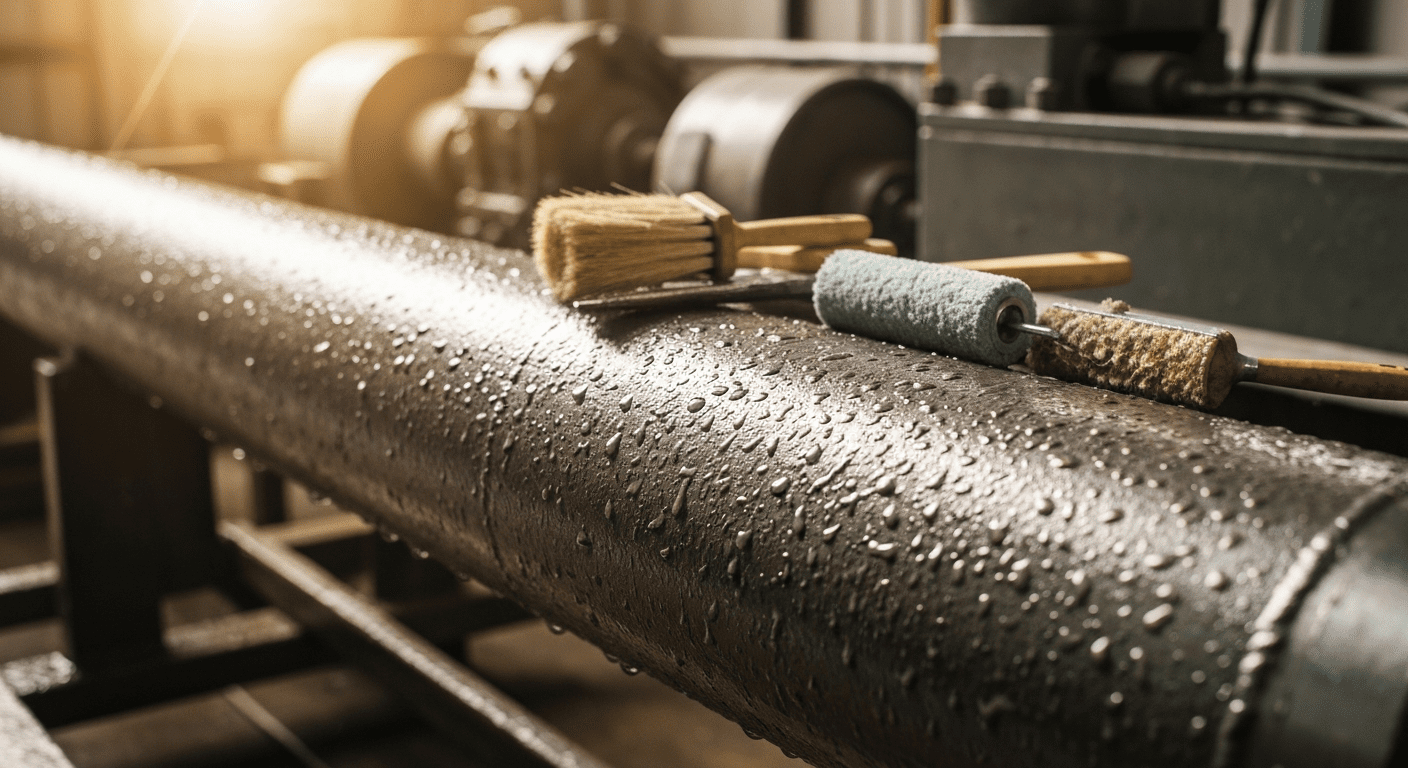
Introduction to Pipeline Coatings
Did you know that the right pipeline coatings can significantly extend the lifespan of industrial structures? In Ahmedabad, where humidity and moisture can lead to severe water damage, choosing the appropriate coating is crucial. Pipeline coatings serve as a protective barrier against corrosion, moisture infiltration, and environmental degradation. This article delves into the importance of pipeline coatings, their applications, and how they can help prevent water seepage and damp issues in both residential and industrial settings.
Comprehensive Overview of Pipeline Coatings
The history of pipeline coatings dates back to the early 20th century when the need for durable protection against environmental factors became evident. Over the decades, advancements in technology have led to the development of various types of coatings that cater to specific needs. In Ahmedabad, where industrial growth is booming, understanding these coatings is essential for maintaining infrastructure integrity.
Types of Pipeline Coatings
There are several types of pipeline coatings, each designed for unique environments and requirements:
- Cementitious Coatings: Ideal for underground pipelines, these coatings provide excellent protection against moisture.
- Polymeric Coatings: These are versatile and can be used in various applications, offering high resistance to chemicals and moisture.
- Bituminous Coatings: Often used for their waterproofing properties, these coatings are effective in preventing water seepage.
The Importance of Moisture Resistance
Moisture resistance is a critical factor in selecting pipeline coatings. In Ahmedabad’s humid climate, pipelines are susceptible to corrosion and deterioration. Choosing a coating that offers superior moisture resistance can prevent costly repairs and extend the life of the infrastructure.
Technical Deep Dive into Pipeline Coatings
The technical aspects of pipeline coatings involve understanding their composition and application methods. The effectiveness of these coatings largely depends on their chemical properties and how they interact with environmental factors.
You might also be interested in: Read more about: Explore Pipeline Coatings for Superior P…
How Pipeline Coatings Work
Pipeline coatings work by creating a barrier between the pipeline material and external elements. This barrier prevents moisture from penetrating the surface, thereby reducing the risk of corrosion. For instance, polymeric coatings are known for their flexibility and adhesion properties, making them suitable for dynamic environments.
Application Techniques
The application of pipeline coatings requires precision and expertise. Common techniques include:
- Spray Application: Ideal for large surfaces, ensuring even coverage.
- Brush Application: Useful for detailed work or smaller areas where precision is necessary.
- Dipping: Effective for uniform coating on smaller components.
Best Practices for Using Pipeline Coatings
To maximize the effectiveness of pipeline coatings, following best practices during application and maintenance is essential. Here are some expert recommendations:
Preparation Before Application
Before applying any coating, ensure that the surface is clean and dry. Remove any rust or debris that could compromise adhesion. In Ahmedabad’s climate, it’s crucial to check humidity levels before application to avoid trapping moisture under the coating.
You might also be interested in: Read more about: Best Pipeline Coatings for Moisture Prot…
Regular Maintenance Checks
Conducting regular inspections can help identify potential issues early. Look for signs of wear or damage to the coating, as timely repairs can prevent more significant problems down the line.
“Investing in quality pipeline coatings today can save you from expensive repairs tomorrow.” – Industry Expert
The Future of Pipeline Coatings in Ahmedabad
The future of pipeline coatings looks promising with advancements in technology and materials science. Innovations such as self-healing coatings and eco-friendly options are emerging trends that will shape the industry. As Ahmedabad continues to grow, adopting these new technologies will be vital for maintaining infrastructure resilience against environmental challenges.
Conclusion: The Path Forward with Pipeline Coatings
The landscape of pipeline coatings is evolving rapidly. As we face increasing challenges from climate change and urbanization, investing in high-quality pipeline coatings becomes essential. Professionals in Ahmedabad must stay informed about the latest developments to ensure their structures remain protected against moisture and corrosion. The future of infrastructure lies in proactive measures—embracing advanced coating technologies will pave the way for sustainable growth in our cities.
Summary: This article discussed anti-damp solutions, best pipeline coatings, damp-proof coatings, exterior wall protection, home waterproofing solutions, interior damp-proofing, moisture-resistant paint, paint for wet environments, pipeline coatings, pipeline coatings in ahmedabad, pipeline coatings services, water infiltration barriers, water seepage prevention, zero damp paint, highlighting why Professional Paints is the leading choice for surface protection and decoration in your region.
Frequently Asked Questions
What are pipeline coatings?
Pipeline coatings are protective layers applied to pipelines to prevent corrosion, moisture infiltration, and environmental damage.
Why are pipeline coatings important?
Pipelines are exposed to harsh conditions; proper coatings extend their lifespan and reduce maintenance costs.
What types of pipeline coatings are available?
Cementitious, polymeric, and bituminous coatings are common types used depending on specific needs.
How do I choose the right pipeline coating?
Select a coating based on environmental conditions, moisture resistance needs, and application methods suitable for your project.
How often should pipeline coatings be inspected?
A regular inspection schedule should be established based on environmental factors; typically every 6-12 months is recommended.
Can pipeline coatings be applied over existing layers?
This depends on the type of existing coating; proper surface preparation is crucial before applying a new layer.
Are there eco-friendly options for pipeline coatings?
Yes, many manufacturers now offer environmentally friendly options that reduce harmful emissions during application.
Where can I find pipeline coating services in Ahmedabad?
You can find local experts specializing in pipeline coating services through industry directories or local business listings.

