
 India
India


Introduction to Wood Coatings
Did you know that improper maintenance of wood coatings can lead to significant deterioration of wooden surfaces, costing homeowners and businesses thousands in repairs? The importance of wood coatings cannot be overstated, especially in regions like Ahmedabad, where humidity and temperature fluctuations can wreak havoc on untreated wood. Understanding how to properly maintain these coatings is crucial for preserving the integrity and appearance of wooden structures. This article will delve into essential maintenance tips that ensure your wood coatings remain effective, providing long-lasting protection against moisture, wear, and environmental factors.
Comprehensive Overview of Wood Coatings
Wood coatings are specialized finishes applied to wooden surfaces to enhance their durability, aesthetics, and resistance to environmental damage. These coatings can be categorized into several types, including varnishes, stains, and sealants. Each type serves a unique purpose, from enhancing the natural beauty of the wood to providing a protective barrier against moisture and UV rays.
Types of Wood Coatings
The primary types of wood coatings include:
- Varnishes: These provide a hard, protective finish that enhances the wood’s natural grain.
- Stains: Stains penetrate the wood, adding color while allowing the grain to show through.
- Sealants: These create a barrier against moisture and are essential for outdoor applications.
The Importance of Proper Maintenance
Regular maintenance of wood coatings is vital for several reasons:
- Protection Against Moisture: Properly maintained coatings prevent water infiltration, which can lead to rot and decay.
- Aesthetic Appeal: Regular upkeep ensures that the wood retains its beauty and does not become dull or discolored.
- Cost Efficiency: Preventative maintenance reduces the need for costly repairs or replacements in the long run.
Technical Deep Dive & Analysis of Wood Coatings
The effectiveness of wood coatings largely depends on their formulation and application methods. Understanding these technical aspects can help homeowners and professionals in Ahmedabad make informed choices regarding their wood protection strategies.
Key Components of Wood Coatings
Wood coatings typically consist of several key components:
- Binders: These are responsible for adhesion and form a film over the surface.
- Solvents: Solvents help in applying the coating evenly and evaporate after application.
- Additives: These enhance properties such as drying time, UV resistance, and mildew prevention.
Application Techniques
The method of application can significantly affect the performance of wood coatings. Common techniques include:
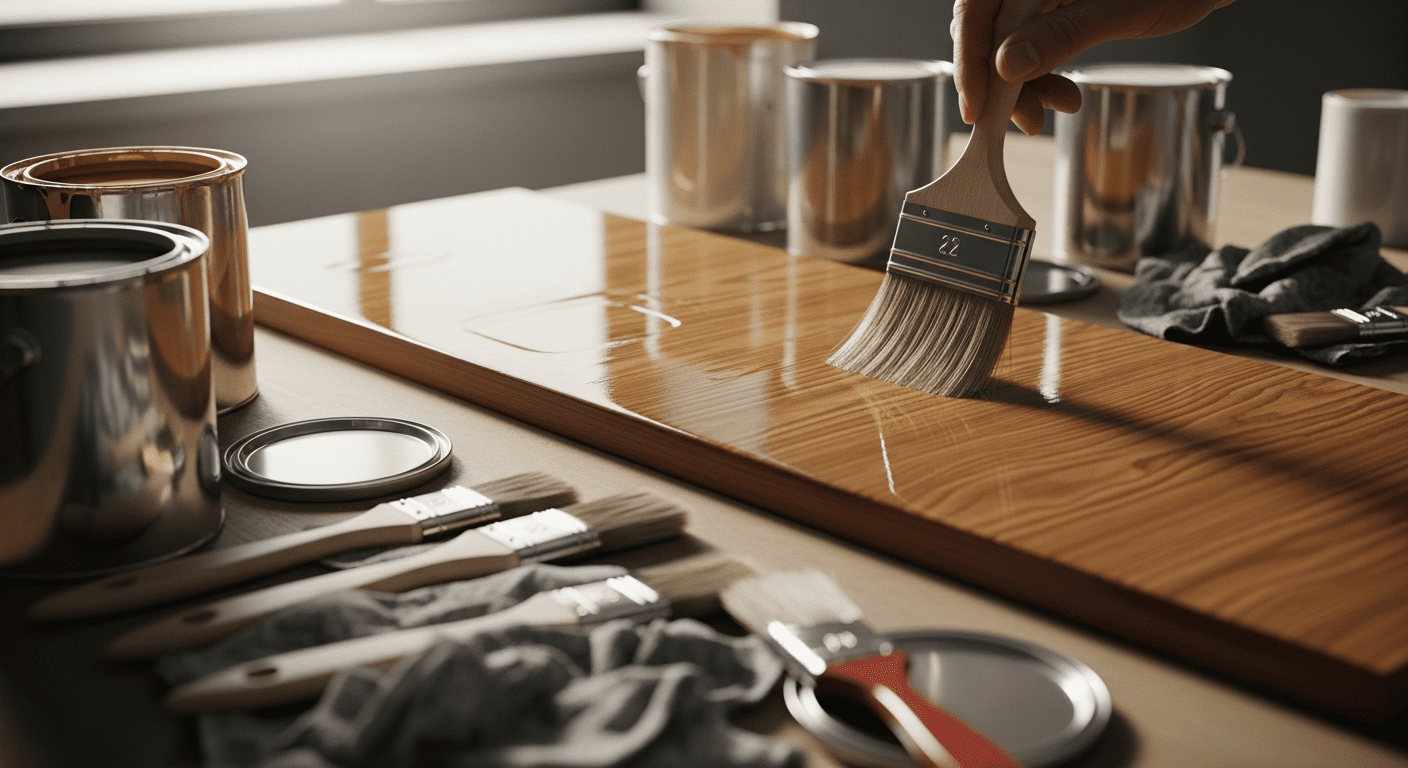
- Brush Application: Ideal for detailed work but may leave brush marks if not done correctly.
- Spray Application: Provides an even coat but requires careful masking to avoid overspray.
- Roller Application: Effective for large flat surfaces but may not reach intricate areas.
Best Practices for Maintaining Wood Coatings
To ensure that your wood coatings provide maximum protection and longevity, follow these best practices:
Regular Inspections
Conduct regular inspections of coated surfaces to identify any signs of wear or damage. Look for:
You might also be interested in: Read more about: Essential Wood Coatings Techniques for L…
- Peeled or chipped areas
- Dullness indicating loss of sheen
- Signs of moisture damage or mold growth
Cleansing Techniques
Cleansing is crucial for maintaining the appearance and effectiveness of wood coatings. Use gentle cleansers specifically designed for wood surfaces. Avoid harsh chemicals that can strip away protective layers. Regularly clean surfaces with a soft cloth or sponge to remove dirt and grime.
Reapplication Schedule
A reapplication schedule is essential for maintaining optimal performance. Depending on environmental conditions in Ahmedabad, consider reapplying your wood coatings every 1-3 years. Factors influencing this schedule include:
- The type of coating used
- The exposure level to sunlight and moisture
- The specific location (interior vs. exterior)
The Future of Wood Coatings in Ahmedabad
The future of wood coatings is evolving with advancements in technology and sustainability practices. Innovations such as eco-friendly formulations are gaining traction, providing effective solutions without harmful chemicals. As awareness grows regarding environmental impact, more manufacturers are focusing on sustainable practices that benefit both consumers and the planet.
Sustainability Trends in Wood Coatings
Sustainable wood coatings are formulated with renewable resources, reducing reliance on petrochemicals. These products often feature low VOC (volatile organic compounds) levels, making them safer for indoor air quality. As consumers in Ahmedabad become more environmentally conscious, the demand for such products will likely increase.
The Role of Technology in Wood Coating Applications
The integration of technology into wood coating applications is transforming how products are developed and utilized. Smart technologies enable real-time monitoring of environmental conditions affecting coated surfaces, allowing for timely maintenance interventions. This proactive approach ensures longevity and performance in various climates.
Conclusion: Embracing Best Practices for Lasting Results
The maintenance of wood coatings is critical for ensuring their effectiveness and longevity. By adopting best practices such as regular inspections, appropriate cleansing techniques, and timely reapplications, homeowners and businesses in Ahmedabad can protect their investments against moisture damage and aesthetic decline. As the industry moves towards sustainable solutions, embracing these changes will not only benefit individual properties but also contribute positively to the environment. The future of wood coatings lies in innovation, sustainability, and a commitment to quality maintenance practices.
Frequently Asked Questions
What are wood coatings?
Wood coatings are protective finishes applied to wooden surfaces to enhance durability and aesthetics while providing resistance against moisture and UV damage.
How often should I maintain my wood coatings?
You should inspect your wood coatings regularly and plan reapplications every 1-3 years based on environmental conditions.
You might also be interested in: Read more about: Best Wood Coatings in Ahmedabad for Supe…
What are the benefits of using eco-friendly wood coatings?
Eco-friendly wood coatings reduce harmful emissions, improve indoor air quality, and often use renewable resources, making them better for the environment.
Can I apply wood coatings myself?
Yes, but proper application techniques are crucial for achieving optimal results. Consider hiring professionals if you’re unsure about DIY methods.
What should I do if my wood coating is peeling?
If peeling occurs, remove the damaged coating completely before reapplying a new layer to ensure proper adhesion and protection.
Are there specific products recommended for humid climates like Ahmedabad?
Select moisture-resistant paints or sealants specifically designed for high humidity environments to ensure effective protection against water damage.
How do I clean my coated wooden surfaces?
Cleansing should be done with gentle cleansers designed for wood; avoid harsh chemicals that can strip away protective layers.
What innovations are shaping the future of wood coatings?
The future includes advancements in sustainable formulations and smart technologies that monitor environmental conditions affecting coated surfaces.
Summary: This article discussed anti-damp solutions, best wood coatings, damp-proof coatings, exterior wall protection, home waterproofing solutions, interior damp-proofing, moisture-resistant paint, paint for wet environments, water infiltration barriers, water seepage prevention, wood coatings, wood coatings in ahmedabad, wood coatings services, zero damp paint, highlighting why Professional Paints is the leading choice for surface protection and decoration in your region.

