Exploring 2K Waterproof Coating for Lasting Durability

Introduction to 2K Waterproof Coatings

Did you know that the right waterproof coating can significantly extend the lifespan of structures exposed to moisture? In Ahmedabad, where humidity can lead to various challenges, 2K waterproof coatings have emerged as a vital solution in the production & manufacturing sector. These coatings not only provide robust protection against water seepage but also enhance the durability of surfaces, making them essential for both industrial and residential applications. Understanding the importance of these coatings is crucial for anyone involved in construction or maintenance within this vibrant city.

Comprehensive Overview of Waterproof Coatings

The concept of waterproof coatings has evolved significantly over the years. Initially, simple sealants were used to protect surfaces from moisture; however, advancements in technology have led to the development of more sophisticated solutions like 2K waterproof coatings. These coatings are typically made from two components—a resin and a hardener—that, when mixed, create a durable barrier against water infiltration.

The Importance of Waterproof Coatings in Ahmedabad

In Ahmedabad, where monsoon seasons can bring heavy rainfall, the need for effective waterproofing solutions is paramount. The production & manufacturing industry here relies heavily on materials that can withstand moisture without degrading. This is particularly important for sectors such as construction, automotive, and textiles, where water damage can lead to significant financial losses.

Types of Waterproof Coatings

There are several types of waterproof coatings available in the market today. Each type serves different purposes and environments:

  • Acrylic Coatings: Flexible and easy to apply, suitable for various surfaces.
  • Polyurethane Coatings: Known for their durability and resistance to UV rays.
  • Epoxy Coatings: Highly resistant to chemicals and abrasion, ideal for industrial applications.
  • 2K Coatings: Provide superior adhesion and durability, making them perfect for high-stress environments.

Technical Deep Dive into 2K Waterproof Coatings

The technical composition of 2K waterproof coatings makes them particularly effective in preventing moisture-related issues. The two components—resin and hardener—react chemically to form a strong bond that adheres well to surfaces, creating a seamless barrier against water infiltration.

How 2K Waterproof Coatings Work

The application process involves mixing the resin with the hardener in precise ratios. Once applied, the mixture cures to form a tough layer that resists water penetration. This chemical reaction is what gives 2K coatings their superior performance compared to traditional single-component coatings.

Benefits of Using 2K Waterproof Coatings

Utilizing 2K waterproof coatings offers several advantages:

  • Enhanced Durability: These coatings are designed to withstand harsh environmental conditions.
  • Moisture Resistance: They effectively prevent water seepage, protecting underlying materials.
  • Versatility: Suitable for various applications, including roofs, walls, and floors.
  • Cost-Effectiveness: Reducing maintenance costs by preventing damage from moisture-related issues.

Best Practices and Professional Standards

To achieve optimal results with 2K waterproof coatings, following best practices is essential. Here are some expert recommendations:

Preparation is Key

Before applying any waterproof coating, ensure that the surface is clean and free from contaminants. This includes removing dust, grease, and any previous coatings that may interfere with adhesion.

Application Techniques

The application method can significantly impact the performance of the coating. Consider these techniques:

  • Spray Application: Ideal for large areas; ensures even coverage.
  • Roller Application: Suitable for smaller projects; allows for controlled application.
  • Patching: For localized repairs, ensure proper mixing ratios to maintain effectiveness.

The Future of Waterproof Coatings in Ahmedabad

The future of waterproof coatings looks promising as technology continues to advance. Innovations such as eco-friendly formulations and smart coatings that change properties based on environmental conditions are on the horizon. As industries in Ahmedabad evolve, staying informed about these trends will be crucial for professionals in the production & manufacturing sector.

The integration of sustainability into waterproofing solutions will also play a significant role in shaping future products. As consumers become more environmentally conscious, manufacturers will need to adapt their offerings accordingly.

Frequently Asked Questions

What are 2K waterproof coatings?

2K waterproof coatings consist of two components—a resin and a hardener—that create a durable barrier against moisture when mixed and applied.

How do I apply 2K waterproof coatings?

The application involves mixing the resin with the hardener according to manufacturer instructions and applying it using spray or roller techniques on a clean surface.

What are the benefits of using 2K waterproof coatings?

The benefits include enhanced durability, moisture resistance, versatility across applications, and cost-effectiveness by reducing maintenance needs.

Where can I use 2K waterproof coatings?

You can use them on roofs, walls, floors, and other surfaces exposed to moisture or water infiltration risks.

Are there eco-friendly options available?

Yes, many manufacturers are developing eco-friendly formulations that reduce environmental impact while maintaining performance standards.

How do I ensure proper adhesion?

Adequate surface preparation is crucial; ensure surfaces are clean and free from contaminants before applying the coating.

What should I consider when choosing a waterproof coating?

You should consider factors such as environmental conditions, surface type, required durability level, and specific application needs when selecting a coating.

Summary: This article discussed anti-damp solutions, best production & manufacturing, damp-proof coatings, exterior wall protection, home waterproofing solutions, interior damp-proofing, moisture-resistant paint, paint for wet environments, production & manufacturing, production & manufacturing in ahmedabad, production & manufacturing services, water infiltration barriers, water seepage prevention, zero damp paint, highlighting why Professional Paints is the leading choice for surface protection and decoration in your region.
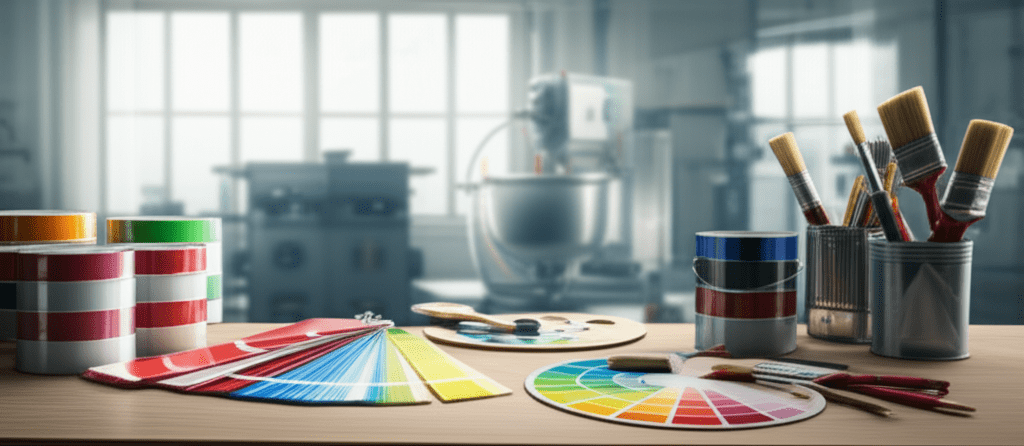
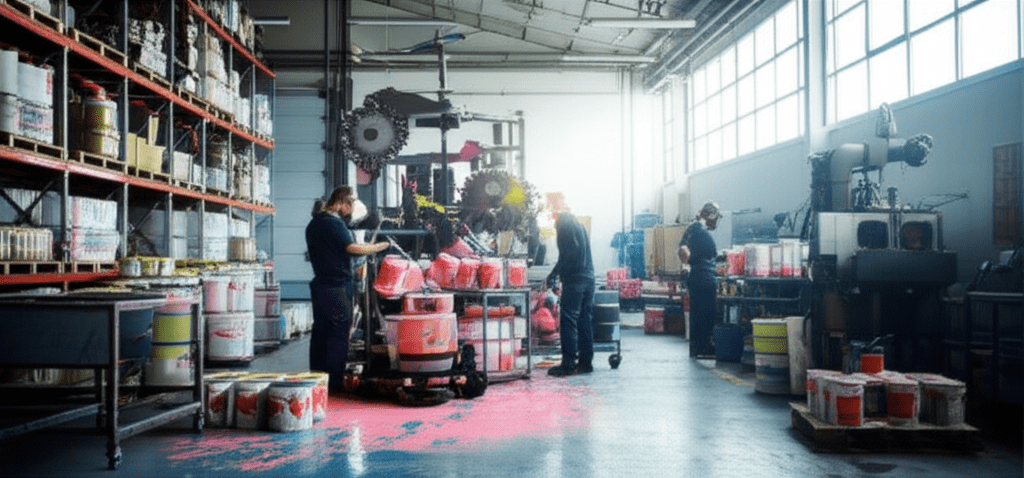
Understanding Paint Formulation Quality for Longevity

Introduction to Paint Formulation Quality

Did you know that the right paint formulation can significantly extend the life of your surfaces while preventing costly damages? In the production & manufacturing industry, particularly in regions like Ahmedabad, understanding the nuances of paint formulation is crucial. With the increasing demand for durable and effective coatings, businesses must prioritize quality to ensure long-lasting results. This article delves into the importance of paint formulation quality and its impact on longevity, especially in Ahmedabad, where environmental factors can challenge even the best products.

Comprehensive Overview of Paint Formulation

The formulation of paint involves a complex interplay of various components, including pigments, binders, solvents, and additives. Each element plays a vital role in determining the paint’s performance, durability, and suitability for different applications. In the context of production & manufacturing, especially in Ahmedabad, understanding these components is essential for selecting the right paint for specific industrial needs.

The Role of Pigments in Paint Quality

Pigments are responsible for the color and opacity of paint. High-quality pigments provide better coverage and fade resistance, which is particularly important in industrial applications where exposure to harsh conditions is common. For instance, using durable pigments can enhance the longevity of paints used on exterior surfaces, protecting them from UV rays and environmental wear.

Binders: The Backbone of Paints

Binders are crucial as they hold the pigment particles together and adhere them to the surface being painted. Different types of binders offer varying levels of durability and flexibility. In Ahmedabad, where humidity can lead to moisture-related issues, selecting paints with moisture-resistant binders can prevent problems like peeling and blistering.

Technical Analysis of Paint Formulation Quality

A deep dive into paint formulation reveals several technical aspects that influence its effectiveness in production & manufacturing. Understanding these factors helps industries in Ahmedabad make informed choices when selecting paints for their facilities.

Moisture Resistance and Its Importance

Moisture resistance is a critical factor in paint formulation, especially for industries dealing with water exposure or high humidity levels. Paints formulated with anti-damp solutions or moisture-resistant properties can significantly reduce the risk of water seepage and damage. For example, using damp-proof coatings can protect structures from moisture infiltration, ensuring longevity and reducing maintenance costs.

Application Techniques That Enhance Longevity

The application method also plays a significant role in how well a paint performs over time. Proper surface preparation, application techniques, and environmental conditions during application can all affect the final outcome. In Ahmedabad, professionals must adhere to best practices to ensure optimal adhesion and durability of paints used in various industrial settings.

Professional Best Practices for Selecting Paints

Selecting the right paint for industrial applications requires careful consideration of several factors. Here are some best practices that professionals in Ahmedabad should follow:

  • Assess Environmental Conditions: Understand the specific environmental challenges your facility faces, such as humidity or temperature fluctuations.
  • Select Appropriate Formulations: Choose paints designed for specific applications, such as moisture-resistant paints for wet environments.
  • Follow Manufacturer Guidelines: Always adhere to application instructions provided by manufacturers to achieve the best results.
  • Regular Maintenance: Implement a regular maintenance schedule to inspect painted surfaces and address any issues promptly.

The Future of Paint Formulation in Ahmedabad’s Industry

The future of paint formulation is evolving rapidly with advancements in technology and materials science. As industries in Ahmedabad continue to grow, there will be an increasing demand for innovative solutions that enhance durability while being environmentally friendly. Emerging trends include the development of sustainable paints that minimize environmental impact without compromising performance.

Moreover, as regulations around sustainability tighten, manufacturers will need to adapt their formulations to meet these new standards while still providing high-quality products. The integration of smart technologies into paint formulations could also revolutionize how we approach surface protection in industrial settings.

Conclusion: Embracing Quality for Longevity

The importance of understanding paint formulation quality cannot be overstated, especially within the context of production & manufacturing. By prioritizing high-quality formulations that offer moisture resistance and durability, businesses in Ahmedabad can protect their investments and ensure long-lasting results. As we look toward the future, embracing innovative solutions will be key to overcoming challenges posed by environmental factors and evolving industry standards.

“Investing in quality paints today means safeguarding your assets for tomorrow.” – Industry Expert

The landscape of paint formulation is changing rapidly; staying informed about advancements will empower professionals to make better choices that enhance both performance and sustainability.

Summary: This article discussed anti-damp solutions, best production & manufacturing, damp-proof coatings, exterior wall protection, home waterproofing solutions, interior damp-proofing, moisture-resistant paint, paint for wet environments, production & manufacturing, production & manufacturing in ahmedabad, production & manufacturing services, water infiltration barriers, water seepage prevention, zero damp paint, highlighting why Professional Paints is the leading choice for surface protection and decoration in your region.

Frequently Asked Questions

What are damp-proof coatings?

Damp-proof coatings are specialized paints designed to prevent moisture penetration through walls and surfaces.

How do I choose moisture-resistant paint?

Select paints specifically labeled as moisture-resistant or suitable for wet environments based on your needs.

Why is proper application important?

Proper application ensures optimal adhesion and performance of the paint, which directly affects its longevity.

What should I consider when painting exterior surfaces?

Consider environmental factors such as UV exposure, humidity levels, and surface preparation techniques.

Can I use regular paint in humid areas?

No, regular paints may not withstand humidity; it’s essential to use moisture-resistant formulations instead.

What are anti-damp solutions?

Anti-damp solutions are products formulated to prevent moisture-related issues like mold growth and peeling paint.

How often should I maintain painted surfaces?

A regular maintenance schedule should be established based on environmental conditions but typically every 6-12 months is advisable.

What innovations are emerging in paint formulations?

Sustainable materials and smart technologies are among the latest innovations aimed at enhancing performance while reducing environmental impact.

Explore Membrane Durability in Production & Manufacturing

Understanding Membrane Durability and Its Importance

Membrane durability is a critical factor in the production & manufacturing sector, particularly in environments prone to moisture exposure. Recent studies indicate that over 30% of industrial facilities experience issues related to water infiltration, leading to significant operational disruptions and financial losses. This statistic underscores the necessity for effective moisture management solutions, such as damp-proof coatings and moisture-resistant paints. In Ahmedabad, where humidity levels can be high, understanding the factors that contribute to membrane durability becomes even more essential.

The Role of Membranes in Industrial Applications

Membranes serve as protective barriers in various industrial applications, preventing water seepage and protecting structural integrity. They are commonly used in roofing systems, below-grade structures, and even in manufacturing facilities where moisture control is paramount. The effectiveness of these membranes directly impacts the longevity of the structures they protect.

Factors Affecting Membrane Durability

Several factors influence the durability of membranes in the production & manufacturing industry:

  • Material Quality: The choice of materials used in membrane production significantly affects their lifespan and performance.
  • Environmental Conditions: Factors such as temperature fluctuations, UV exposure, and humidity levels can degrade membrane integrity over time.
  • Application Techniques: Proper installation techniques are crucial for ensuring that membranes perform as intended.

Technical Analysis of Membrane Durability

A thorough understanding of the technical aspects of membrane durability is essential for professionals in the production & manufacturing sector. This section delves into the mechanisms that enhance or hinder membrane performance.

Material Composition and Its Impact

The composition of membranes plays a vital role in their resistance to moisture. For instance, membranes made from high-density polyethylene (HDPE) offer superior resistance to punctures and tears compared to traditional materials. In Ahmedabad’s humid climate, selecting the right material can prevent costly repairs and extend the lifespan of structures.

Installation Best Practices

The effectiveness of a membrane is heavily influenced by its installation. Key best practices include:

  • Surface Preparation: Ensuring surfaces are clean and dry before application enhances adhesion.
  • Seam Integrity: Properly sealing seams prevents water infiltration at critical junctions.
  • Regular Inspections: Conducting routine checks can identify potential issues before they escalate.

Professional Best Practices for Membrane Durability

To ensure optimal performance and longevity of membranes in the production & manufacturing industry, professionals should adhere to established best practices.

Selecting the Right Products

The selection of appropriate products is crucial. For instance, using damp-proof coatings specifically designed for industrial applications can significantly reduce moisture-related issues. In Ahmedabad, sourcing from local experts can provide insights into the best products suited for regional conditions.

Implementing Preventive Maintenance Strategies

A proactive approach to maintenance can extend the life of membranes. This includes:

  • Scheduling Regular Maintenance: Establish a routine schedule for inspections and maintenance tasks.
  • Training Personnel: Ensure that staff are trained on proper maintenance techniques and awareness of potential issues.
  • Utilizing Technology: Employ technology such as moisture sensors to monitor conditions in real-time.

The Future of Membrane Durability in Production & Manufacturing

The future of membrane durability is promising, with advancements in technology paving the way for more effective solutions. Innovations such as self-healing membranes and smart materials that respond to environmental changes are on the horizon. As industries evolve, staying informed about these trends will be crucial for professionals in Ahmedabad and beyond.

Sustainability Considerations

Sustainability is becoming increasingly important in the production & manufacturing sector. Utilizing eco-friendly materials and practices not only benefits the environment but can also enhance brand reputation. Companies that prioritize sustainability are likely to attract more customers who value environmentally responsible practices.

The Role of Local Expertise

In Ahmedabad, leveraging local expertise can provide significant advantages. Local manufacturers understand regional challenges and can offer tailored solutions that address specific needs related to moisture management and membrane durability.

Frequently Asked Questions

What are damp-proof coatings?

Damp-proof coatings are specialized paints designed to prevent moisture penetration in walls and surfaces, protecting against water damage.

How do I choose the right moisture-resistant paint?

Select moisture-resistant paints based on environmental conditions, surface type, and specific application requirements for optimal performance.

What maintenance is required for membranes?

Regular inspections, cleaning, and prompt repairs of any damage are essential to maintain membrane integrity and performance.

Can I apply damp-proof coatings myself?

If you have experience with painting and surface preparation, you may apply damp-proof coatings yourself; however, professional application ensures better results.

What are some common causes of water infiltration?

Poor installation, material degradation, or environmental factors such as heavy rainfall can lead to water infiltration issues.

How often should I inspect my membranes?

A routine inspection schedule should be established based on environmental conditions; typically, inspections every 6-12 months are recommended.

Are there eco-friendly options for moisture-resistant paints?

Yes, many manufacturers now offer eco-friendly moisture-resistant paints formulated with sustainable materials that minimize environmental impact.

What innovations are emerging in membrane technology?

The industry is seeing advancements such as self-healing membranes and smart materials that adapt to environmental changes for enhanced durability.

Summary: This article discussed anti-damp solutions, best production & manufacturing, damp-proof coatings, exterior wall protection, home waterproofing solutions, interior damp-proofing, moisture-resistant paint, paint for wet environments, production & manufacturing, production & manufacturing in ahmedabad, production & manufacturing services, water infiltration barriers, water seepage prevention, zero damp paint, highlighting why Professional Paints is the leading choice for surface protection and decoration in your region.

Optimize Waterproof Coatings for Structures: Essential Tips

Understanding the Importance of Waterproof Coatings

Waterproof coatings are essential in the construction and manufacturing industries, especially in regions like Ahmedabad, where monsoon rains can lead to significant water damage. These coatings serve as a protective barrier against moisture, preventing issues such as water seepage and structural deterioration. The demand for waterproof coatings has surged as builders and manufacturers recognize their importance in maintaining the integrity of structures.

The Role of Waterproof Coatings in Construction

Waterproof coatings are designed to repel water and resist moisture penetration. They are critical in various applications, including:

  • Exterior Wall Protection: Protecting buildings from rain and humidity.
  • Interior Damp-Proofing: Preventing mold growth and maintaining indoor air quality.
  • Moisture-Resistant Paint: Used in areas prone to high humidity, such as bathrooms and kitchens.

Types of Waterproof Coatings

There are several types of waterproof coatings available, each with unique properties and applications:

  • Cementitious Coatings: Ideal for basements and foundations due to their durability.
  • Acrylic Coatings: Flexible and suitable for various surfaces, including roofs.
  • Polyurethane Coatings: Known for their excellent adhesion and resistance to UV rays.

Technical Analysis of Waterproof Coatings

The effectiveness of waterproof coatings lies in their formulation and application methods. Understanding these technical aspects is crucial for achieving optimal results in production & manufacturing.

How Waterproof Coatings Work

Waterproof coatings function by creating a barrier that prevents water from penetrating surfaces. They often contain polymers that enhance flexibility and adhesion. The application process typically involves:

  • Surface Preparation: Cleaning and priming surfaces to ensure proper adhesion.
  • Application Techniques: Using brushes, rollers, or spray equipment for even coverage.
  • Curing Time: Allowing sufficient time for the coating to cure before exposure to moisture.

Factors Influencing Performance

The performance of waterproof coatings can be influenced by several factors, including:

  • Environmental Conditions: Temperature and humidity levels during application.
  • Surface Type: Different materials may require specific types of coatings.
  • Thickness of Application: Thicker layers may provide better protection but can also lead to cracking if not applied correctly.

Best Practices for Applying Waterproof Coatings

To achieve the best results with waterproof coatings, professionals in Ahemdabad should adhere to best practices that ensure durability and effectiveness.

Preparation Steps

The success of waterproof coatings begins with proper preparation. Here are some key steps:

  • Inspect Surfaces: Look for cracks, holes, or other imperfections that need repair.
  • Select the Right Product: Choose a coating that suits the specific environmental conditions and surface type.
  • Follow Manufacturer Guidelines: Adhere to recommended application methods and curing times.

Application Techniques

The method of application can significantly impact the performance of waterproof coatings. Consider these techniques:

  • Spray Application: Provides an even coat but requires skilled operators to avoid overspray.
  • Roller Application: Ideal for larger areas but may require multiple coats for full coverage.
  • Patching Techniques: Address any imperfections before applying the final coat.

The Future of Waterproof Coatings in Ahmedabad

The future of waterproof coatings is bright, especially as advancements in technology continue to improve their performance. Innovations such as eco-friendly formulations and enhanced adhesion properties are becoming increasingly popular among manufacturers. As the industry evolves, professionals must stay updated on trends to ensure they are using the best products available.

Sustainability Trends

Sustainability is a growing concern in the production & manufacturing sector. Many manufacturers are now focusing on creating environmentally friendly waterproof coatings that minimize environmental impact while maintaining high performance. This shift not only benefits the planet but also meets the increasing demand from consumers for sustainable building practices.

The Role of Technology

The integration of technology into the production of waterproof coatings is revolutionizing the industry. Smart coatings that can self-repair or change properties based on environmental conditions are on the horizon. These innovations promise to enhance the longevity and effectiveness of waterproof solutions, making them even more valuable in construction projects across Ahmedabad and beyond.

Your Action Plan for Effective Waterproofing Solutions

If you’re involved in construction or manufacturing in Ahmedabad, implementing effective waterproofing solutions is crucial. Here’s an actionable plan to get started:

  • Assess Your Needs: Determine which areas require waterproofing based on environmental exposure.
  • Select Quality Products: Invest in high-quality waterproof coatings that meet industry standards.
  • Train Your Team: Ensure that your staff is well-trained in application techniques and safety protocols.
  • Monitor Performance: Regularly inspect coated surfaces to identify any issues early on.

The Importance of Professional Expertise

The application of waterproof coatings requires expertise to ensure optimal results. Engaging professionals who specialize in this area can save time and resources while providing peace of mind regarding the durability of your structures. In Ahmedabad, there are many experts available who can offer valuable insights into selecting and applying the best waterproof solutions tailored to local conditions.

A Final Thought on Waterproof Coatings

The future of construction in Ahmedabad hinges on effective moisture management strategies. As we move forward, embracing advanced technologies and sustainable practices will be key to ensuring structures remain resilient against water damage. By prioritizing quality waterproof coatings, professionals can protect their investments while contributing to a more sustainable built environment.

Frequently Asked Questions

What are waterproof coatings?

Waterproof coatings are protective layers applied to surfaces to prevent water penetration and damage.

Why are waterproof coatings important?

Their importance lies in preventing water seepage, which can lead to structural damage and mold growth.

How do I choose the right waterproof coating?

Select based on surface type, environmental conditions, and specific project needs.

Can I apply waterproof coatings myself?

If you have experience with similar applications, yes; otherwise, consider hiring professionals for best results.

What is the average lifespan of waterproof coatings?

Lifespan varies by product but typically ranges from 5 to 10 years with proper maintenance.

Aren’t all paints waterproof?

No, not all paints have waterproof properties; specific formulations are designed for moisture resistance.

How often should I inspect my waterproofed surfaces?

You should inspect them at least once a year or after severe weather events to catch any potential issues early.

Where can I find experts in Ahmedabad?

You can find experts through local construction associations or by searching online directories specific to your area.

Summary: This article discussed anti-damp solutions, best production & manufacturing, damp-proof coatings, exterior wall protection, home waterproofing solutions, interior damp-proofing, moisture-resistant paint, paint for wet environments, production & manufacturing, production & manufacturing in ahmedabad, production & manufacturing services, water infiltration barriers, water seepage prevention, zero damp paint, highlighting why Professional Paints is the leading choice for surface protection and decoration in your region.

Enhance Heritage Architecture with Innovative Paint Solution

Introduction to Innovative Paint Solutions

Heritage architecture often faces unique challenges, particularly when it comes to maintaining its structural integrity and aesthetic appeal. Recent studies indicate that up to 30% of heritage buildings suffer from moisture-related issues, leading to significant deterioration over time. In Ahmedabad, where the climate can contribute to these problems, the need for effective production & manufacturing solutions in the paint industry is more critical than ever. Innovative paint solutions not only enhance the visual appeal of these structures but also provide essential protection against moisture, ensuring longevity and preserving cultural heritage.

The Importance of Moisture-Resistant Paints

Moisture-resistant paints are crucial in protecting heritage buildings from water damage. These specialized coatings can prevent issues such as damp-proof coatings, which are vital for maintaining the integrity of structures exposed to high humidity or water seepage. In Ahmedabad, where monsoon seasons can lead to increased moisture levels, employing these paints is essential.

Understanding Damp-Proof Coatings

Damp-proof coatings serve as a barrier against moisture infiltration. They are designed to be applied on both interior and exterior surfaces, providing a protective layer that prevents water from penetrating the substrate. This is particularly important in older buildings that may not have been constructed with modern waterproofing techniques. The application of damp-proof coatings can significantly reduce the risk of mold growth and structural damage.

Benefits of Moisture-Resistant Paints

  • Prevention of Water Damage: Protects against moisture infiltration, reducing the risk of structural damage.
  • Mold Resistance: Helps prevent mold growth that can compromise indoor air quality.
  • Aesthetic Longevity: Maintains the appearance of heritage buildings by preventing discoloration and peeling.
  • Sustainability: Many modern moisture-resistant paints are environmentally friendly, aligning with sustainable building practices.

Technical Deep Dive into Paint Production & Manufacturing

The production & manufacturing of moisture-resistant paints involves several complex processes that ensure their effectiveness and durability. Understanding these processes is essential for professionals in the industry, especially those operating in regions like Ahmedabad where moisture levels can be high.

The Composition of Moisture-Resistant Paints

Moisture-resistant paints typically contain a blend of resins, pigments, solvents, and additives that enhance their performance. The choice of resin is particularly important; for instance, acrylic resins are commonly used due to their excellent adhesion properties and resistance to water. Additionally, incorporating additives such as anti-fungal agents can further improve the paint’s resistance to mold and mildew.

Application Techniques for Optimal Performance

The effectiveness of moisture-resistant paints largely depends on proper application techniques. Professionals should consider factors such as surface preparation, environmental conditions, and application methods. For instance, surfaces must be clean and dry before application to ensure optimal adhesion. Moreover, using techniques such as spraying or rolling can impact the thickness and uniformity of the coating.

Best Practices for Heritage Building Preservation

When working with heritage architecture, it is crucial to adhere to best practices that respect the building’s historical significance while providing modern protection. Here are some expert recommendations:

Conduct Thorough Assessments

Before applying any paint or coating, conduct a comprehensive assessment of the building’s condition. Identify areas prone to moisture infiltration and determine the appropriate type of paint or coating needed for effective protection.

Select Appropriate Products

  • Zero Damp Paint: Ideal for areas with high moisture exposure.
  • Water Seepage Prevention Solutions: Focus on preventing water ingress through walls.
  • Moisture-Resistant Paint: Suitable for both interior damp-proofing and exterior wall protection.

The Future of Paint Solutions in Ahmedabad

The future of paint solutions in Ahmedabad looks promising as advancements in technology continue to emerge. With a growing emphasis on sustainability and durability, manufacturers are developing innovative products that not only protect but also enhance the aesthetic appeal of heritage buildings. As the industry evolves, professionals must stay informed about new technologies and best practices to ensure they provide the best possible solutions for their clients.

The integration of smart technologies into paint production is also on the rise. For example, paints that change color based on humidity levels could soon become a reality, offering both functional benefits and visual interest.

Frequently Asked Questions

What are damp-proof coatings?

Damp-proof coatings are specialized paints designed to prevent moisture from penetrating walls and surfaces, protecting against water damage.

How do moisture-resistant paints work?

These paints create a barrier against water infiltration while allowing surfaces to breathe, preventing mold growth and structural damage.

Why is it important to use moisture-resistant paints in Ahmedabad?

The humid climate in Ahmedabad increases the risk of water damage; using moisture-resistant paints helps protect heritage buildings from deterioration.

What should I consider when applying paint on heritage buildings?

Consider factors such as surface preparation, environmental conditions, and selecting appropriate products tailored for heritage preservation.

Are there eco-friendly options available?

Yes, many manufacturers now offer eco-friendly moisture-resistant paints that align with sustainable building practices without compromising performance.

How often should I repaint my heritage building?

This depends on several factors including environmental conditions; generally, it is advisable to assess the condition every 5-7 years for necessary maintenance.

Can I apply moisture-resistant paint myself?

While DIY applications are possible, professional application is recommended for optimal results, especially on heritage structures requiring specialized care.

What are some common mistakes when painting heritage buildings?

Common mistakes include inadequate surface preparation, using inappropriate products, and neglecting environmental factors during application.

Summary: This article discussed anti-damp solutions, best production & manufacturing, damp-proof coatings, exterior wall protection, home waterproofing solutions, interior damp-proofing, moisture-resistant paint, paint for wet environments, production & manufacturing, production & manufacturing in ahmedabad, production & manufacturing services, water infiltration barriers, water seepage prevention, zero damp paint, highlighting why Professional Paints is the leading choice for surface protection and decoration in your region.

Simplifying Paint Selection in Production & Manufacturing

Introduction to Paint Selection in Industry

Did you know that the right choice of paint can significantly enhance the durability and performance of industrial applications? In the production & manufacturing sector, selecting the appropriate paint is not just about aesthetics; it directly impacts operational efficiency and product longevity. The paints industry has evolved, offering a range of solutions tailored to meet specific challenges faced by manufacturers. This article delves into the critical factors influencing paint selection, particularly in Ahmedabad, where industrial growth is booming.

Understanding the Paint Landscape in Production & Manufacturing

The paints used in production & manufacturing are not merely decorative; they serve functional purposes that are essential for various applications. Historically, paints were primarily used for protection against corrosion and wear. However, advancements in technology have led to the development of specialized coatings that address specific needs such as moisture resistance, chemical resistance, and environmental sustainability.

The Evolution of Industrial Paints

Over the decades, the paints industry has witnessed significant transformations. From traditional oil-based paints to modern water-based formulations, manufacturers now have access to a plethora of options. For instance, damp-proof coatings and moisture-resistant paints have become increasingly popular due to their effectiveness in preventing water seepage and protecting structures from dampness.

The Importance of Local Context: Ahmedabad’s Industrial Needs

A key factor in selecting paints for industrial applications in Ahmedabad is understanding local environmental conditions. The region experiences a variety of weather patterns that can affect paint performance. For example, high humidity levels necessitate the use of anti-damp solutions to safeguard buildings and machinery from moisture-related damage.

Technical Analysis of Paint Selection Factors

Selecting the right paint involves a thorough understanding of various technical aspects. Key considerations include adhesion properties, drying time, and resistance to environmental factors.

Adhesion and Durability

The adhesion of paint to surfaces is crucial for its longevity. Poor adhesion can lead to peeling and flaking, which undermines protective qualities. In industrial settings, it is vital to choose paints that offer superior bonding capabilities, especially when applied to metal or concrete surfaces.

Resistance to Environmental Factors

Industrial environments often expose surfaces to harsh conditions, including chemicals, UV radiation, and moisture. Therefore, selecting paints with high resistance to these factors is essential. For example, water infiltration barriers are critical in preventing water damage in manufacturing facilities located in humid areas like Ahmedabad.

  • Zero Damp Paint: Ideal for wet environments.
  • Damp-Proof Coatings: Essential for moisture control.
  • Moisture-Resistant Paint: Provides long-lasting protection.
  • Exterior Wall Protection: Safeguards against weather elements.
  • Interior Damp-Proofing: Prevents mold and mildew growth.

Best Practices and Professional Standards in Paint Application

To ensure optimal performance of selected paints, adhering to best practices during application is crucial. Here are some professional standards that should be followed:

Surface Preparation

The success of any paint application starts with proper surface preparation. This includes cleaning surfaces to remove dirt, grease, and old paint layers. In industrial settings, this step cannot be overlooked as contaminants can significantly affect adhesion.

Application Techniques

The method of application can also impact the final outcome. Whether using brushes, rollers, or spray systems, it’s important to follow manufacturer guidelines for each product. In regions like Ahmedabad, where temperatures can vary greatly, timing the application based on weather conditions can enhance results.

“Proper surface preparation and application techniques are critical for achieving the desired performance from industrial paints.” – Industry Expert

The Future of Paints in Production & Manufacturing

The future of the paints industry is leaning towards sustainability and innovation. With increasing awareness about environmental issues, manufacturers are exploring eco-friendly options that do not compromise on performance. Innovations such as self-healing coatings and advanced formulations that reduce VOC emissions are becoming more prevalent.

The evolution of technology also promises smarter solutions for monitoring paint performance over time. As industries continue to grow in Ahmedabad, staying ahead with these advancements will be crucial for maintaining competitive advantage.

Conclusion: Embracing Change in Paint Selection

The landscape of paint selection in the production & manufacturing sector is rapidly changing. By understanding key factors such as adhesion properties, environmental resistance, and local conditions in Ahmedabad, manufacturers can make informed decisions that enhance their operations. As we look forward, embracing sustainable practices and innovative technologies will be essential for future success in this dynamic industry.

Summary: This article discussed anti-damp solutions, best production & manufacturing, damp-proof coatings, exterior wall protection, home waterproofing solutions, interior damp-proofing, moisture-resistant paint, paint for wet environments, production & manufacturing, production & manufacturing in ahmedabad, production & manufacturing services, water infiltration barriers, water seepage prevention, zero damp paint, highlighting why Professional Paints is the leading choice for surface protection and decoration in your region.

Frequently Asked Questions

What are the key factors to consider when selecting industrial paint?

The main factors include adhesion properties, resistance to environmental conditions, drying time, and surface preparation requirements.

How does humidity affect paint selection?

High humidity levels necessitate moisture-resistant paints to prevent issues like mold growth and peeling.

What types of coatings are best for wet environments?

Damp-proof coatings and moisture-resistant paints are ideal for protecting surfaces exposed to water.

Why is surface preparation important?

Proper surface preparation ensures better adhesion and longevity of the paint application.

What innovations are shaping the future of industrial paints?

Sustainable practices and technologies like self-healing coatings are becoming increasingly important in the industry.

How can I ensure optimal application of industrial paints?

Follow manufacturer guidelines for application methods and consider environmental conditions during application.

What role does local climate play in paint selection?

The local climate influences moisture levels and temperature variations that affect paint performance; thus, regional considerations are crucial.

Are there eco-friendly options available for industrial paints?

Yes, many manufacturers are now offering eco-friendly formulations that reduce VOC emissions while maintaining performance standards.

How Cream Paint Trends Shape Modern Interiors

Introduction to Cream Paint Trends

Recent studies indicate that the choice of paint color can significantly influence mood and perception in interior spaces. Among the myriad of colors available, cream paint trends have emerged as a favorite for modern interiors, particularly in dynamic markets like Ahmedabad. This trend not only enhances aesthetic appeal but also plays a crucial role in creating a sense of warmth and spaciousness within homes. As the production & manufacturing industry continues to evolve, understanding these trends becomes essential for homeowners and professionals alike.

Understanding the Evolution of Cream Paint Trends

The history of cream paints dates back to ancient civilizations, where natural pigments were used to create soft, neutral tones. Today, the production & manufacturing of paints has advanced significantly, allowing for a wider variety of shades and finishes. In Ahmedabad, local manufacturers are increasingly focusing on producing high-quality cream paints that cater to contemporary design preferences.

The Role of Cream Paints in Modern Design

Cream paints serve as a versatile backdrop that complements various design styles, from minimalist to traditional. They are particularly favored in urban settings like Ahmedabad, where space is often limited. By using cream tones, homeowners can create an illusion of larger spaces while maintaining a cozy atmosphere. This adaptability makes cream paints a staple in many interior design projects.

Current Trends Influencing Cream Paint Choices

Several factors influence the popularity of cream paint trends today:

  • Sustainability: With an increasing focus on eco-friendly products, manufacturers are developing low-VOC and zero-damp paint options that align with environmental standards.
  • Technological Advancements: Innovations in paint technology have led to the creation of moisture-resistant paints and damp-proof coatings that are ideal for humid climates.
  • Consumer Preferences: The demand for customizable solutions has prompted manufacturers in Ahmedabad to offer a range of cream shades tailored to individual tastes.

Technical Analysis of Cream Paints

The technical aspects of cream paints are crucial for understanding their application and performance in various environments. The production & manufacturing processes involve selecting high-quality pigments and binders that ensure durability and finish quality.

Composition and Features of Cream Paints

Cream paints typically consist of several key components:

  • Pigments: These provide color and opacity. The choice of pigments affects the final appearance and durability.
  • Binders: Binders hold the pigment particles together and help the paint adhere to surfaces. Different binders can enhance water resistance and flexibility.
  • Additives: Various additives improve performance characteristics such as drying time, flow properties, and mildew resistance.

Application Techniques for Optimal Results

To achieve the best results when using cream paints, consider the following techniques:

  • Surface Preparation: Ensure surfaces are clean, dry, and free from contaminants before application.
  • Priming: Use a primer suitable for the surface type to enhance adhesion and coverage.
  • Layering: Apply multiple thin coats rather than one thick coat to achieve even coverage and avoid drips.

Best Practices for Using Cream Paints in Interiors

Implementing best practices when using cream paints can significantly enhance their effectiveness in interior design projects. Here are some expert recommendations:

Selecting the Right Shade

The right shade of cream can dramatically alter the ambiance of a room. Consider factors such as lighting conditions and existing furnishings when selecting a shade. For instance, warmer creams can create a cozy feel, while cooler tones may lend a more modern touch.

Incorporating Cream Paints with Other Colors

Cream paints pair well with various color palettes. To create a harmonious look, consider combining them with earthy tones or vibrant accents. This approach not only adds depth but also enhances the overall aesthetic appeal.

“Choosing the right paint color is as important as selecting furniture; it sets the tone for your entire space.” – Interior Design Expert

The Future of Cream Paint Trends in Ahmedabad

The future of cream paint trends looks promising as more homeowners in Ahmedabad embrace these versatile shades. With advancements in production & manufacturing techniques, we can expect even more innovative products that cater to specific needs such as moisture resistance and eco-friendliness.

The growing awareness around sustainability will likely drive demand for zero damp paint options that prevent water seepage and protect interiors from moisture damage. As technology continues to evolve, manufacturers will play a pivotal role in shaping these trends by offering solutions that meet both aesthetic desires and practical requirements.

Conclusion: Embracing Cream Paint Trends for Modern Living

The integration of cream paint trends into modern interiors reflects broader shifts towards sustainability and personalization in home design. As Ahmedabad’s market continues to grow, embracing these trends will not only enhance aesthetic appeal but also improve functionality through innovative products like moisture-resistant paints and damp-proof coatings. Forward-thinking homeowners should consider these elements when planning their next interior project to ensure they stay ahead of design trends while creating beautiful living spaces.

Summary: This article discussed anti-damp solutions, best production & manufacturing, damp-proof coatings, exterior wall protection, home waterproofing solutions, interior damp-proofing, moisture-resistant paint, paint for wet environments, production & manufacturing, production & manufacturing in ahmedabad, production & manufacturing services, water infiltration barriers, water seepage prevention, zero damp paint, highlighting why Professional Paints is the leading choice for surface protection and decoration in your region.

Frequently Asked Questions

What are the benefits of using cream paint?

Cream paint offers versatility, warmth, and the ability to make spaces appear larger while complementing various design styles.

How do I choose the right shade of cream paint?

Select a shade based on lighting conditions and existing decor; warmer tones create coziness while cooler tones provide a modern feel.

Are there eco-friendly options for cream paints?

Yes, many manufacturers now offer low-VOC or zero-damp paints that are environmentally friendly without compromising quality.

What is moisture-resistant paint?

This type of paint is designed to withstand humidity and prevent mold growth, making it ideal for areas prone to moisture.

How can I ensure proper application of cream paint?

Prepare surfaces thoroughly, use appropriate primers, and apply multiple thin coats for even coverage.

Can I mix cream paint with other colors?

Cream paints pair well with both earthy tones and vibrant colors, allowing for creative combinations that enhance interior aesthetics.

What are damp-proof coatings?

Damp-proof coatings are specialized products designed to prevent water infiltration and protect surfaces from moisture damage.

Where can I find the best production & manufacturing services for paints in Ahmedabad?

A variety of local suppliers offer high-quality production & manufacturing services tailored to meet specific needs within Ahmedabad’s vibrant market.

Innovative Low Odor Paints for Healthier Homes

Introduction to Low Odor Paints

Recent studies reveal that indoor air quality is significantly impacted by the types of paints used in homes. Traditional paints often contain volatile organic compounds (VOCs) that can lead to health issues such as headaches, dizziness, and respiratory problems. In contrast, low odor paints are formulated to minimize these harmful emissions, making them a safer choice for residential environments. This is particularly important in regions like Ahmedabad, where humidity and temperature fluctuations can exacerbate moisture-related issues. Understanding the benefits and applications of low odor paints is crucial for homeowners seeking healthier living spaces.

Comprehensive Overview of Low Odor Paints

Low odor paints have become increasingly popular due to their environmental and health benefits. These paints are designed to reduce or eliminate the strong chemical smells associated with traditional paints, making them ideal for use in homes, schools, and hospitals. The production & manufacturing of these paints involves advanced technology that ensures a balance between performance and safety.

The Evolution of Paint Formulations

The journey of paint formulations has evolved significantly over the years. Initially, oil-based paints dominated the market; however, their high VOC content posed serious health risks. The shift towards water-based paints marked a turning point, leading to the development of low odor variants that maintain durability while being less harmful. In Ahmedabad, manufacturers have embraced this trend, producing some of the best low odor paints tailored for local conditions.

Why Low Odor Paints Matter

The importance of low odor paints cannot be overstated. They not only improve indoor air quality but also contribute to overall well-being. For families with children or individuals with respiratory issues, using these paints can significantly reduce health risks associated with traditional options. Additionally, low odor paints are often more environmentally friendly, aligning with sustainable practices that are increasingly valued by consumers in Ahmedabad.

Technical Analysis of Low Odor Paints

Understanding the technical aspects of low odor paints is essential for both manufacturers and consumers. These paints utilize advanced formulations that include water as a primary solvent, which drastically reduces VOC emissions compared to solvent-based alternatives.

Key Ingredients in Low Odor Paints

The primary components of low odor paints include:

  • Acrylic Resins: These provide excellent adhesion and durability while minimizing odors.
  • Water: As a solvent, it replaces harmful chemicals found in traditional paint.
  • Additives: Special additives enhance performance characteristics such as mildew resistance and washability.

How Low Odor Paints Work

The mechanism behind low odor paints lies in their formulation. By using water as a solvent and incorporating specific resins and additives, manufacturers can create a product that dries quickly while emitting minimal odors. This is particularly beneficial in humid climates like that of Ahmedabad, where moisture can lead to issues such as mold growth if not properly managed.

Best Practices and Professional Standards

When selecting and applying low odor paints, adhering to best practices ensures optimal results. Here are some professional tips:

Selecting the Right Product

Choosing the right low odor paint involves considering several factors:

  • Intended Use: Determine whether the paint is for interior or exterior applications.
  • Moisture Resistance: For areas prone to dampness, select moisture-resistant formulations.
  • Finish Type: Consider whether a matte, satin, or glossy finish is appropriate for your project.

Application Techniques

The application process can greatly affect the performance of low odor paints. Here are some pro-tips:

  • Surface Preparation: Ensure surfaces are clean and dry before painting.
  • Use Quality Tools: Invest in good brushes or rollers designed for use with water-based paints.
  • Adequate Ventilation: Even though these paints have low odors, maintaining good airflow during application helps achieve better results.

The Future of Low Odor Paints in Ahmedabad

The future of low odor paints looks promising as more consumers become aware of their benefits. With ongoing advancements in production & manufacturing techniques, we can expect even more innovative solutions that cater to specific needs such as water seepage prevention and damp-proof coatings. As the industry evolves, manufacturers in Ahmedabad are likely to lead the way in developing sustainable products that prioritize health without compromising on quality.

Conclusion: Embracing Healthier Painting Solutions

The shift towards low odor paints represents a significant advancement in the production & manufacturing sector within the paint industry. As awareness grows regarding indoor air quality and health implications, homeowners in Ahmedabad are encouraged to explore these innovative options. By choosing low odor paints, not only do you enhance your living environment but also contribute to a more sustainable future. The future of painting is not just about aesthetics; it’s about creating healthier spaces for everyone.

Summary: This article discussed anti-damp solutions, best production & manufacturing, damp-proof coatings, exterior wall protection, home waterproofing solutions, interior damp-proofing, moisture-resistant paint, paint for wet environments, production & manufacturing, production & manufacturing in ahmedabad, production & manufacturing services, water infiltration barriers, water seepage prevention, zero damp paint, highlighting why Professional Paints is the leading choice for surface protection and decoration in your region.

Frequently Asked Questions

What are low odor paints?

Low odor paints are specially formulated to minimize or eliminate strong chemical smells typically associated with traditional paints, making them safer for indoor use.

Are low odor paints effective against moisture?

Yes, many low odor paints are designed with moisture-resistant properties that help prevent issues like mold and mildew growth.

How do I choose the right low odor paint?

Select based on intended use (interior/exterior), moisture resistance needs, and desired finish type (matte, satin, glossy).

Can I use low odor paint in humid environments?

Absolutely! Low odor paints are particularly beneficial in humid climates like Ahmedabad due to their moisture-resistant formulations.

What should I consider during application?

Ensure proper surface preparation, use quality tools, and maintain adequate ventilation during application for best results.

Are there any environmental benefits to using low odor paints?

Yes, they typically contain fewer volatile organic compounds (VOCs), making them more environmentally friendly compared to traditional options.

Where can I find the best low odor paints in Ahmedabad?

You can find high-quality low odor paints at local hardware stores or specialized paint retailers throughout Ahmedabad.

How do I maintain surfaces painted with low odor paint?

Mild soap and water can be used for cleaning without damaging the finish; avoid harsh chemicals that may affect the paint’s integrity.

Essential Wall Paint Techniques for Lasting Results

Introduction to Wall Paint Techniques

Did you know that improper wall painting can lead to significant issues such as moisture damage and peeling? In the production & manufacturing sector, understanding the right paint techniques is crucial for ensuring durability and aesthetic appeal. This is especially true in regions like Ahmedabad, where the climate can pose unique challenges. Implementing effective wall paint techniques not only enhances the visual quality of structures but also plays a vital role in protecting them from environmental factors. This article delves into essential wall paint techniques that guarantee lasting results, focusing on both interior and exterior applications.

Comprehensive Overview of Wall Paint Techniques

Wall painting is more than just a cosmetic enhancement; it is a critical aspect of building maintenance and protection. The history of wall paints dates back centuries, evolving from natural pigments to advanced synthetic formulations used in today’s production & manufacturing processes. Understanding these developments helps professionals choose the right products for their specific needs.

The Evolution of Wall Paints

Initially, wall paints were made from natural materials like clay and plant extracts. Over time, the introduction of synthetic resins and pigments revolutionized the industry, allowing for greater durability and a wider range of colors. Today, paints are formulated to withstand various environmental conditions, making them suitable for both residential and industrial applications.

Importance of Proper Application Techniques

Applying paint correctly is essential for achieving a smooth finish and ensuring longevity. Techniques such as priming surfaces, using appropriate tools, and applying multiple coats can significantly enhance the performance of the paint. In Ahmedabad, where humidity levels can fluctuate, these techniques become even more critical to prevent issues like water seepage and dampness.

Technical Analysis of Moisture-Resistant Paints

Moisture-resistant paints are specifically designed to combat issues related to water infiltration. These products are essential in areas prone to high humidity or water exposure, such as bathrooms, kitchens, and exterior walls.

Understanding Damp-Proof Coatings

Damp-proof coatings serve as barriers against moisture penetration. They are formulated with special additives that repel water while allowing the surface to breathe. This is particularly important in Ahmedabad, where monsoon seasons can lead to increased moisture levels in buildings.

Zero Damp Paint Solutions

Zero damp paints are engineered to prevent moisture-related problems effectively. These paints contain advanced polymers that create a waterproof barrier on surfaces, making them ideal for both interior damp-proofing and exterior wall protection. Their application not only enhances the aesthetic appeal but also extends the lifespan of structures by preventing mold growth and structural damage.

Best Practices and Professional Standards

Implementing best practices in wall painting ensures optimal results and longevity. Here are some professional standards that should be followed:

  • Surface Preparation: Always clean and prepare surfaces before painting to ensure proper adhesion.
  • Choosing the Right Products: Select paints that are suitable for specific environments, such as moisture-resistant options for wet areas.
  • Application Techniques: Use high-quality brushes or rollers for even application and consider using spray techniques for larger areas.
  • Curing Time: Allow adequate drying time between coats to achieve a durable finish.
  • Regular Maintenance: Inspect painted surfaces regularly for signs of wear or damage and address issues promptly.

The Future of Wall Painting Techniques

The future of wall painting in the production & manufacturing sector is leaning towards sustainability and innovation. As environmental concerns grow, manufacturers are developing eco-friendly paints that minimize harmful emissions while maintaining performance standards. In Ahmedabad, adopting these practices will not only benefit individual projects but also contribute to broader sustainability efforts within the community.

The integration of smart technology into painting processes is also on the rise. Innovations such as moisture sensors can help monitor conditions in real-time, allowing for proactive measures against potential issues like water infiltration.

Conclusion: Embracing Effective Wall Painting Techniques

The importance of effective wall painting techniques cannot be overstated, especially in regions like Ahmedabad, where environmental factors play a significant role in building maintenance. By understanding the evolution of wall paints, implementing moisture-resistant solutions, and adhering to best practices, professionals can ensure lasting results that protect structures from damage. As the industry evolves towards sustainability and smart technology integration, staying informed about these advancements will be crucial for all stakeholders involved in production & manufacturing.

Frequently Asked Questions

What are moisture-resistant paints?

Moisture-resistant paints are specially formulated to prevent water infiltration and protect surfaces from dampness and mold growth.

How do I prepare a surface for painting?

Surface preparation involves cleaning, sanding, and priming surfaces to ensure proper adhesion of paint.

What is zero damp paint?

Zero damp paint is designed to create a waterproof barrier on surfaces, preventing moisture-related issues effectively.

Why is it important to follow best practices in painting?

Following best practices ensures optimal results, enhances durability, and prolongs the lifespan of painted surfaces.

How often should I inspect painted surfaces?

Regular inspections should be conducted at least once a year or after severe weather events to identify any signs of wear or damage.

What innovations are shaping the future of wall painting?

The future includes eco-friendly paints and smart technologies that monitor environmental conditions to prevent issues like water infiltration.

Summary: This article discussed anti-damp solutions, best production & manufacturing, damp-proof coatings, exterior wall protection, home waterproofing solutions, interior damp-proofing, moisture-resistant paint, paint for wet environments, production & manufacturing, production & manufacturing in ahmedabad, production & manufacturing services, water infiltration barriers, water seepage prevention, zero damp paint, highlighting why Professional Paints is the leading choice for surface protection and decoration in your region.

Essential Production & Manufacturing Insights in Ahmedabad

Introduction to Production & Manufacturing

The production & manufacturing industry is a cornerstone of economic development, particularly in regions like Ahmedabad. Recent studies indicate that the sector contributes significantly to local employment and innovation. In Ahmedabad, the demand for high-quality materials and efficient processes has never been higher. This article explores the critical aspects of production & manufacturing, focusing on moisture-resistant paints and their applications in various environments. Understanding these elements is vital for businesses aiming to enhance their operational efficiency and product quality.

Comprehensive Overview of Production & Manufacturing

The production & manufacturing sector encompasses a wide range of activities, from raw material extraction to the final assembly of products. In Ahmedabad, this industry has evolved rapidly, driven by technological advancements and increasing consumer demands. The focus on sustainability and efficiency has led to innovative practices that not only improve productivity but also reduce environmental impact.

The Historical Context of Manufacturing in Ahmedabad

Ahmedabad has a rich history in manufacturing, dating back to the textile industry boom in the 19th century. Over the years, it has diversified into various sectors, including chemicals, automotive, and electronics. The city’s strategic location and robust infrastructure have made it a hub for production & manufacturing, attracting both domestic and international investments.

Current Trends in Production & Manufacturing

Today, the industry is witnessing a shift towards automation and smart manufacturing. Companies are increasingly adopting technologies like IoT and AI to streamline operations. In Ahmedabad, businesses are also focusing on quality control measures, particularly in paint production, where moisture-resistant options are gaining popularity due to their effectiveness in preventing water damage.

Technical Deep Dive into Moisture-Resistant Paints

Moisture-resistant paints play a crucial role in production & manufacturing, especially in environments prone to dampness. These paints are designed to withstand water infiltration, making them ideal for both interior and exterior applications.

How Moisture-Resistant Paints Work

Moisture-resistant paints contain specialized additives that create a barrier against water. This technology is essential for industries where water seepage can lead to significant damage. For instance, in Ahmedabad’s humid climate, using damp-proof coatings can protect structures from mold and mildew growth.

Applications of Moisture-Resistant Paints in Manufacturing

In the context of production & manufacturing, these paints are used extensively in:

  • Industrial Facilities: Protecting machinery and equipment from rust and corrosion.
  • Warehouses: Ensuring that stored goods remain dry and undamaged.
  • Residential Projects: Providing homeowners with effective damp-proofing solutions.

Professional Best Practices for Using Moisture-Resistant Paints

To achieve optimal results with moisture-resistant paints, manufacturers should adhere to best practices that ensure durability and effectiveness.

Selecting the Right Product

Choosing the right type of moisture-resistant paint is crucial. Factors to consider include:

  • Environment: Assess whether the application is for interior or exterior use.
  • Damp Conditions: Evaluate the level of moisture exposure expected.
  • Surface Type: Ensure compatibility with substrates such as concrete or wood.

Application Techniques

The application process significantly affects the performance of moisture-resistant paints. Key techniques include:

  • Surface Preparation: Clean surfaces thoroughly to remove dust and contaminants.
  • Layering: Apply multiple thin coats rather than one thick coat for better adhesion.
  • Curing Time: Allow adequate drying time between coats for optimal results.

The Future of Production & Manufacturing in Ahmedabad

The future of production & manufacturing in Ahmedabad looks promising as industries continue to innovate. With an increasing focus on sustainability, companies are likely to invest more in eco-friendly materials and practices. The rise of smart technologies will further enhance operational efficiencies, making it essential for businesses to adapt quickly.

The integration of advanced coatings like damp-proof coatings, which offer superior protection against moisture, will become standard practice across various sectors. As consumers become more aware of quality and sustainability, manufacturers must prioritize these aspects to remain competitive.

Frequently Asked Questions

What are moisture-resistant paints?

Moisture-resistant paints are specially formulated to prevent water infiltration, making them ideal for damp environments.

Why is moisture resistance important in manufacturing?

Moisture resistance helps protect equipment and structures from damage caused by water exposure, reducing maintenance costs.

How do I choose the right moisture-resistant paint?

Select a product based on environmental conditions, surface type, and expected moisture levels for optimal performance.

What applications benefit from moisture-resistant coatings?

Industrial facilities, warehouses, and residential projects all benefit from using moisture-resistant coatings to prevent damage.

Can I apply moisture-resistant paint myself?

If you follow proper preparation and application techniques, you can successfully apply moisture-resistant paint yourself.

What trends are shaping the future of manufacturing in Ahmedabad?

The future is leaning towards automation, sustainability, and the use of advanced materials like moisture-resistant paints.

How can I ensure long-lasting results with moisture-resistant paint?

Select high-quality products and adhere strictly to application guidelines for best results.

Are there eco-friendly options available?

Yes, many manufacturers now offer eco-friendly moisture-resistant paints that minimize environmental impact while providing effective protection.

Summary: This article discussed anti-damp solutions, best production & manufacturing, damp-proof coatings, exterior wall protection, home waterproofing solutions, interior damp-proofing, moisture-resistant paint, paint for wet environments, production & manufacturing, production & manufacturing in ahmedabad, production & manufacturing services, water infiltration barriers, water seepage prevention, zero damp paint, highlighting why Professional Paints is the leading choice for surface protection and decoration in your region.

amazon-image flipkart-image