Paint Bubbling? Meaning, Causes and Prevention

Paint Bubbling: What It Is and How You Can Prevent It

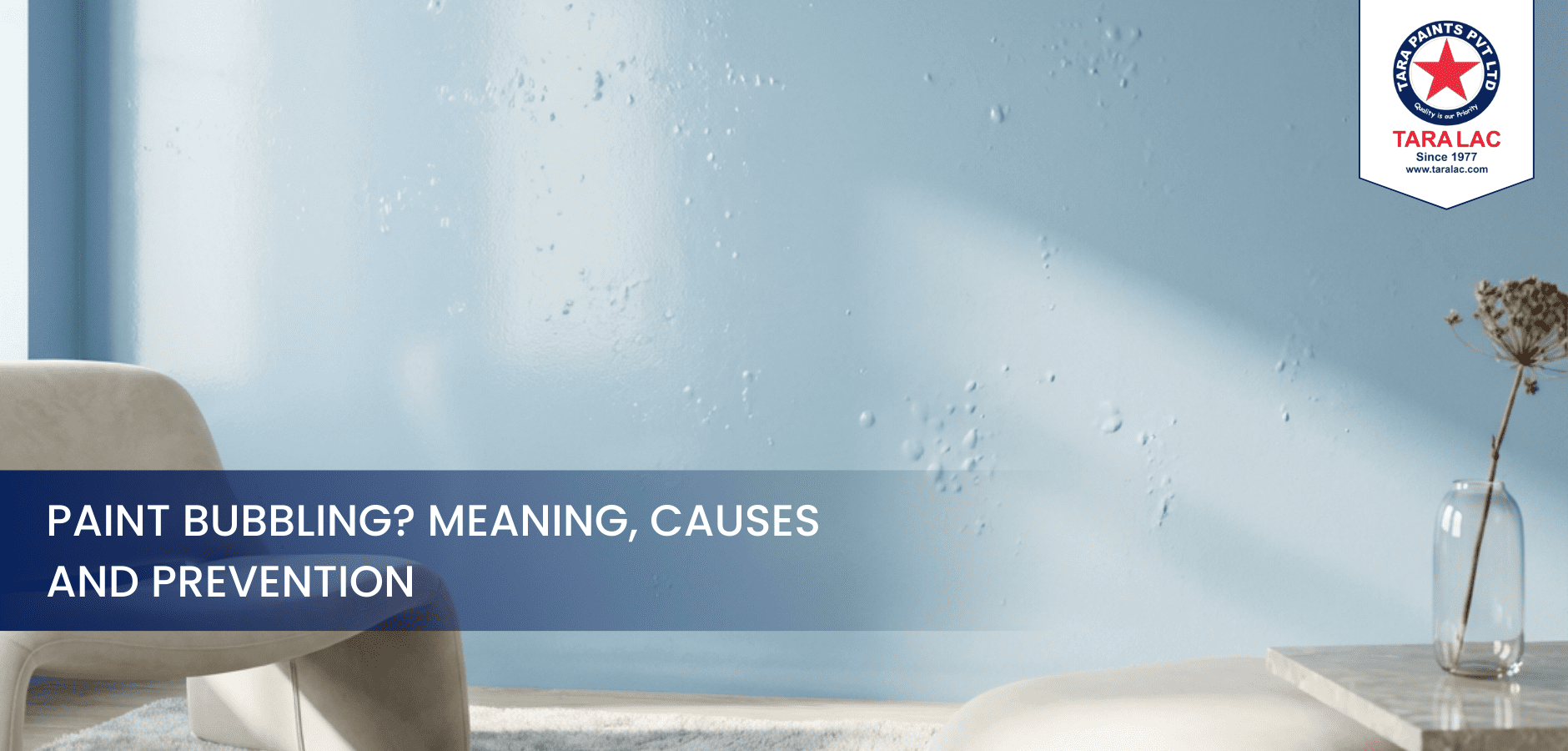
When paint begins to lift or develop small, rounded patches, it signals that the surface and the coating are no longer holding together as they should. This effect, known as paint bubbling, forms when air or moisture becomes trapped beneath the layer and pushes it outward. As the surface starts to look uneven, the immediate question is what caused it in the first place. 

Understanding the typical triggers makes the issue far easier to assess. Paint bubbling is common, but the reasons behind it can differ from one surface to another, which is why identifying the exact cause can feel uncertain. In many cases, the problem relates to adhesion failures, moisture activity, or conditions during application.

This article explains what bubbling is, why it happens, and how to prevent it before the problem spreads.
What Is Paint Bubbling?

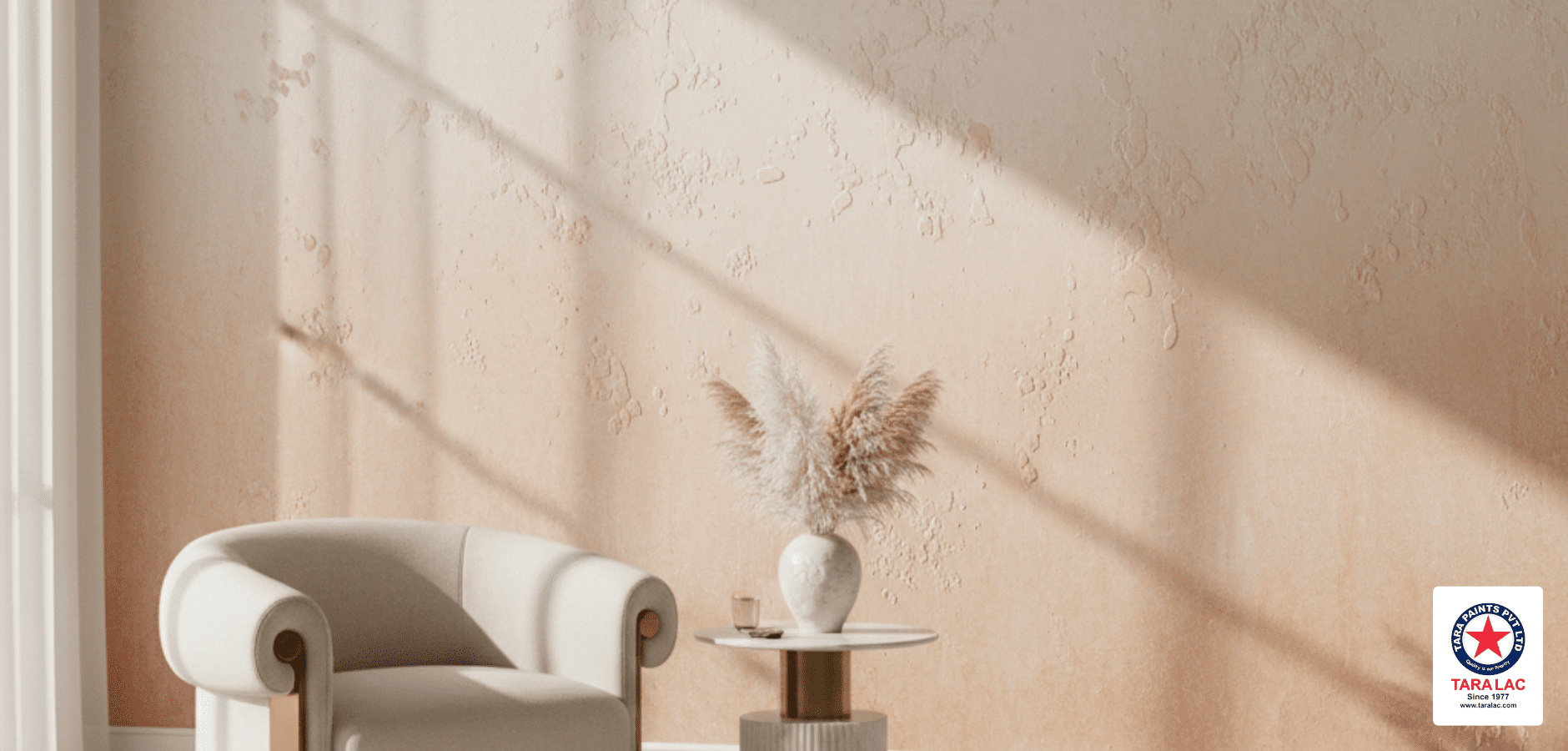
Paint bubbling occurs when pockets of air, moisture, or vapour get trapped beneath the paint film. The surface begins to lift slightly, forming small domes beneath the colour. If you press them, they may feel soft or crisp depending on how long they have been forming. Sometimes these bubbles appear immediately after painting, and sometimes they show up weeks later.

In many homes, paint bubbling on the wall begins near damp corners, bathrooms, or exterior-facing surfaces. In other cases, it appears without warning on a ceiling, above a shower, or next to a window, leading people to wonder whether the structure is shifting. The reality is usually a combination of natural building behaviour and small issues during preparation or application.
Causes Of Paint Bubbling on Walls

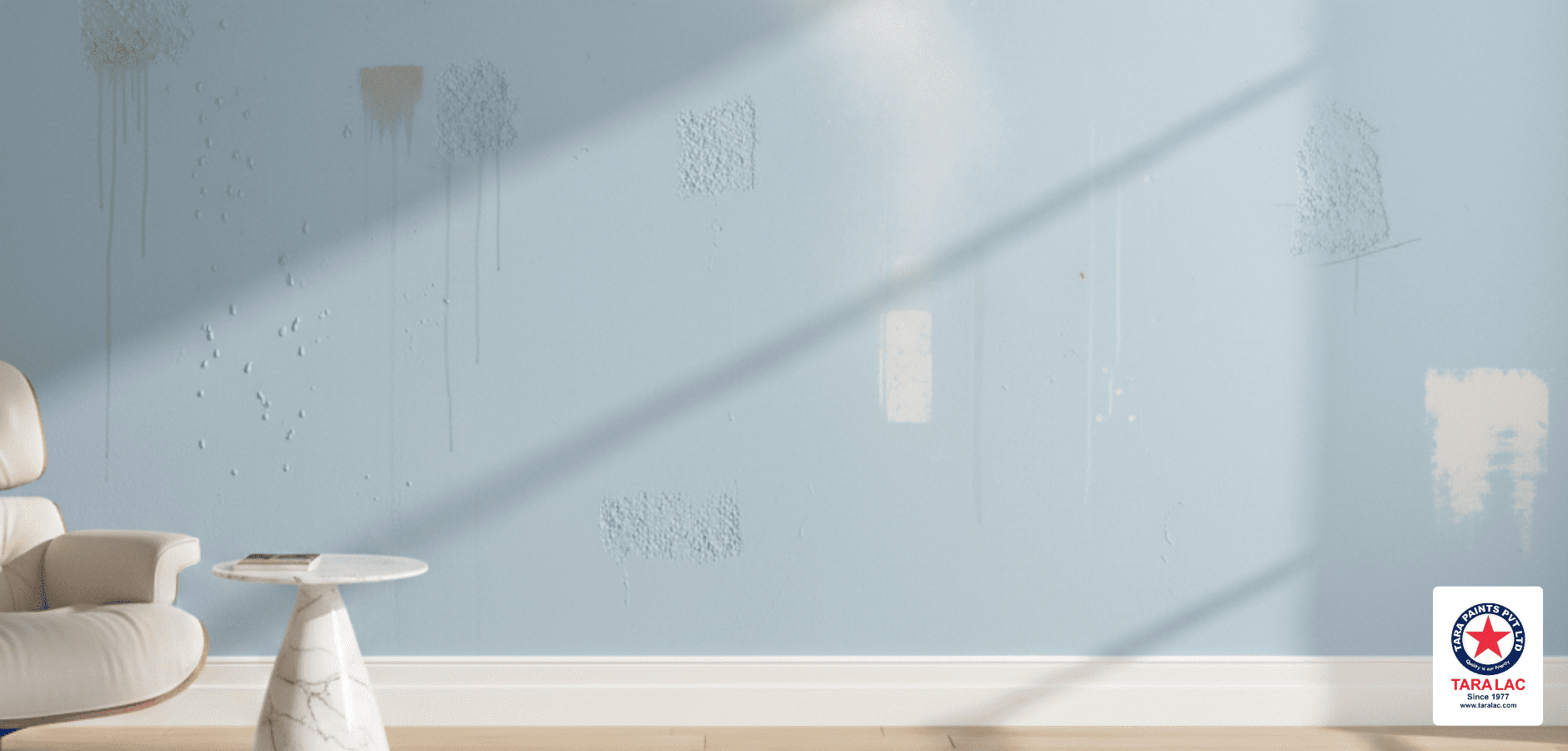
There is rarely one singular cause. Bubbling can come from moisture, heat, rushed painting, or the nature of the surface itself. Each factor plays its part.

Moisture Infiltration

When a wall contains moisture, the paint film does not bond well. Water tries to escape through the layer, which forces the paint to lift and form blisters. You might notice a damp smell, or the wall might feel slightly cooler in that patch. Sometimes there is no visible sign of dampness. The only signal is paint on the ceiling bubbling or a wall water bubble that appears after a rainy spell.

Moisture is the most common reason for bubbling. Painters often share stories of walls that looked completely dry but had hidden seepage from another room. The fresh paint held up for a week, then started forming clusters of bubbles. It rarely happens dramatically, and yet it is one of the most persistent issues.

Poor Surface Preparation

If dust, grease, or old flaking paint is left on the wall, the new coat cannot grip properly. This weak bond forms a space where air or moisture collects. Even a thin layer of invisible dirt from daily activity can cause trouble.

Many people assume that one quick wipe is enough. Most of the time, it is not. Preparation feels tedious, so it gets shortened. Then, a few days later, you see paint bubbling on the wall in the exact areas where the surface wasn’t thoroughly prepped.

Excessive Humidity

Areas where moisture tends to linger, particularly kitchens and bathrooms, can make painted surfaces more prone to bubbling. Heavy air slows down drying. When paint dries too slowly, moisture can become trapped within the film.

This also contributes to paint bubbling on the ceiling because steam rises and settles overhead. Ceilings do not receive the same airflow as walls, so moisture lingers for longer and creates bubbles more easily.

Application in Unfavourable Conditions

Painting during extreme heat, very cold weather, or damp conditions creates instability. Paint expands or contracts as the temperature shifts. When that movement is too sudden, the paint separates from the surface. You may notice a cluster of bubbles under the paint near a window where the sun hits directly.

This is easy to underestimate. You open a can, apply the colour, and assume it will behave consistently everywhere. Then the next morning reveals small raised spots in the areas that dried unevenly.

Using Low-Quality Paint Products

Some paints lack strong adhesion or moisture resistance. When a product cannot withstand temperature changes or dampness, bubbling becomes more likely.

This is where reputable paint manufacturers in India make a noticeable difference. Their formulations are designed to bond better and remain stable under varying conditions.

Substrate Shifts and Their Impact

Walls and ceilings expand and contract throughout the year. Timber swells when humidity rises. Cement shifts slightly when a building settles. These movements are small, but the paint film reacts immediately. If the base layer moves more than the coating can tolerate, the bond breaks and a bubble forms.

This often shows up as bubbling drywall in newer construction or as paint bubbling along joint lines on the ceiling. Many people assume the painter made a mistake when the cause is actually structural movement.
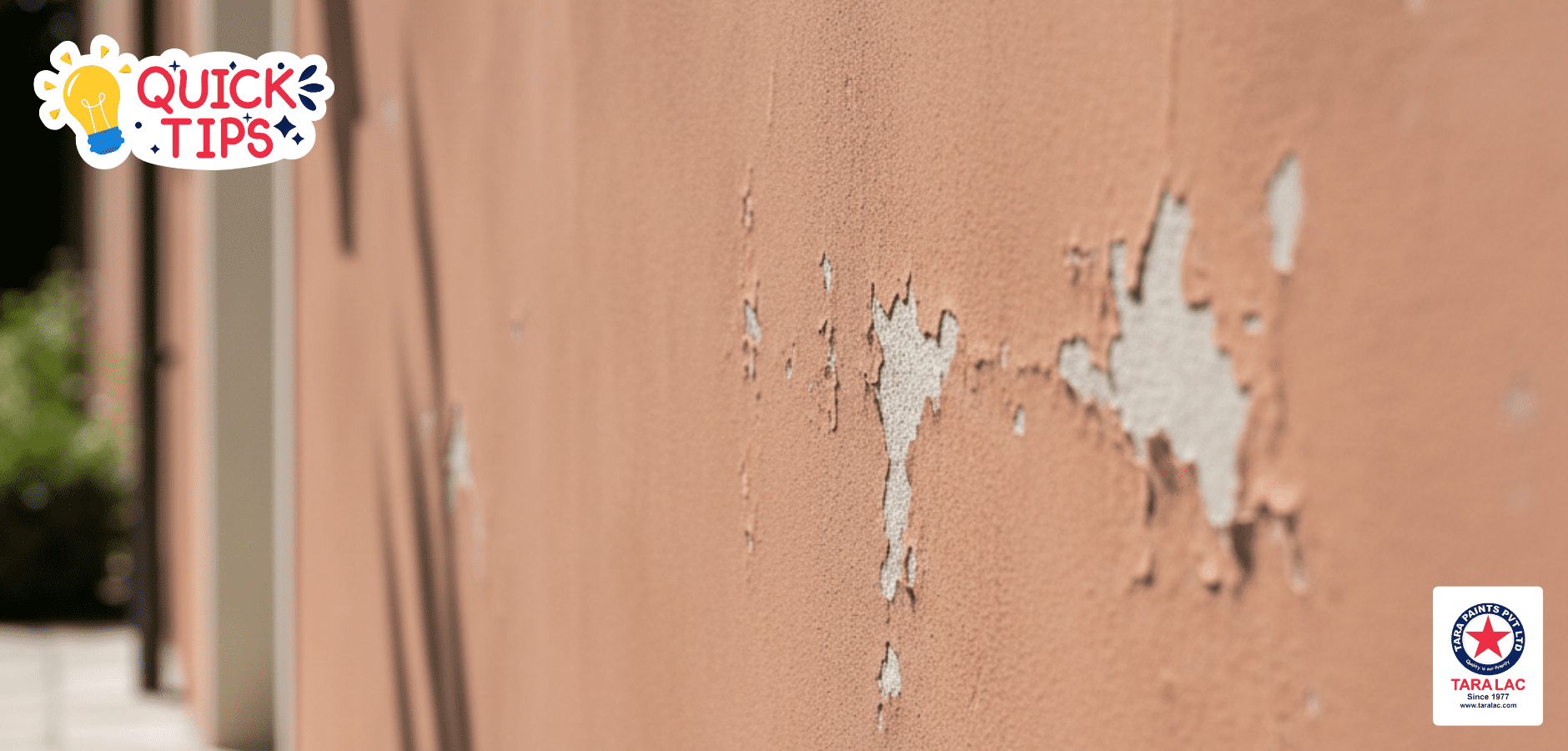
Tips to Avoid Paint Blistering on the Wall and How to Fix It

Even when you paint thoughtfully, the results do not always turn out predictable. The steps below help reduce bubbling and also offer a path to repairing existing problem areas.

Prevention Tips

Proper Surface Preparation

Preparing the surface has more impact on the final result than most people realise. Cleaning, sanding lightly, removing loose flakes, and filling cracks all create a stable base.

When this is done well, the risk of paint bubbling on the wall decreases significantly. The improvement is not always obvious on day one, but it becomes clear over time.

Repair Damaged Areas

If there is seepage, repair it before painting. This might involve fixing plumbing, sealing exterior cracks, or waterproofing vulnerable walls. A wall water bubble almost always indicates deeper moisture. Painting over it only postpones the issue.

Choose High-Quality Paints

Premium coatings offer stronger bonding and better humidity resistance. Many wood coating manufacturers and paint producers develop formulas that endure temperature swings and damp air. These products are more dependable for kitchens, bathrooms, and exterior walls.

Choose the Ideal Time to Apply Paint

Choose a time of day or season when the temperature and humidity are moderate. Mid-morning and late afternoon are usually safe. Extreme heat causes paint to dry too fast, while damp evenings trap moisture inside the film.

Ensure Sufficient Ventilation

Air movement helps the paint cure evenly. Good ventilation also pushes moisture out instead of trapping it beneath the surface. This simple practice can help prevent bubbling ceiling paint and other irregularities in closed rooms.
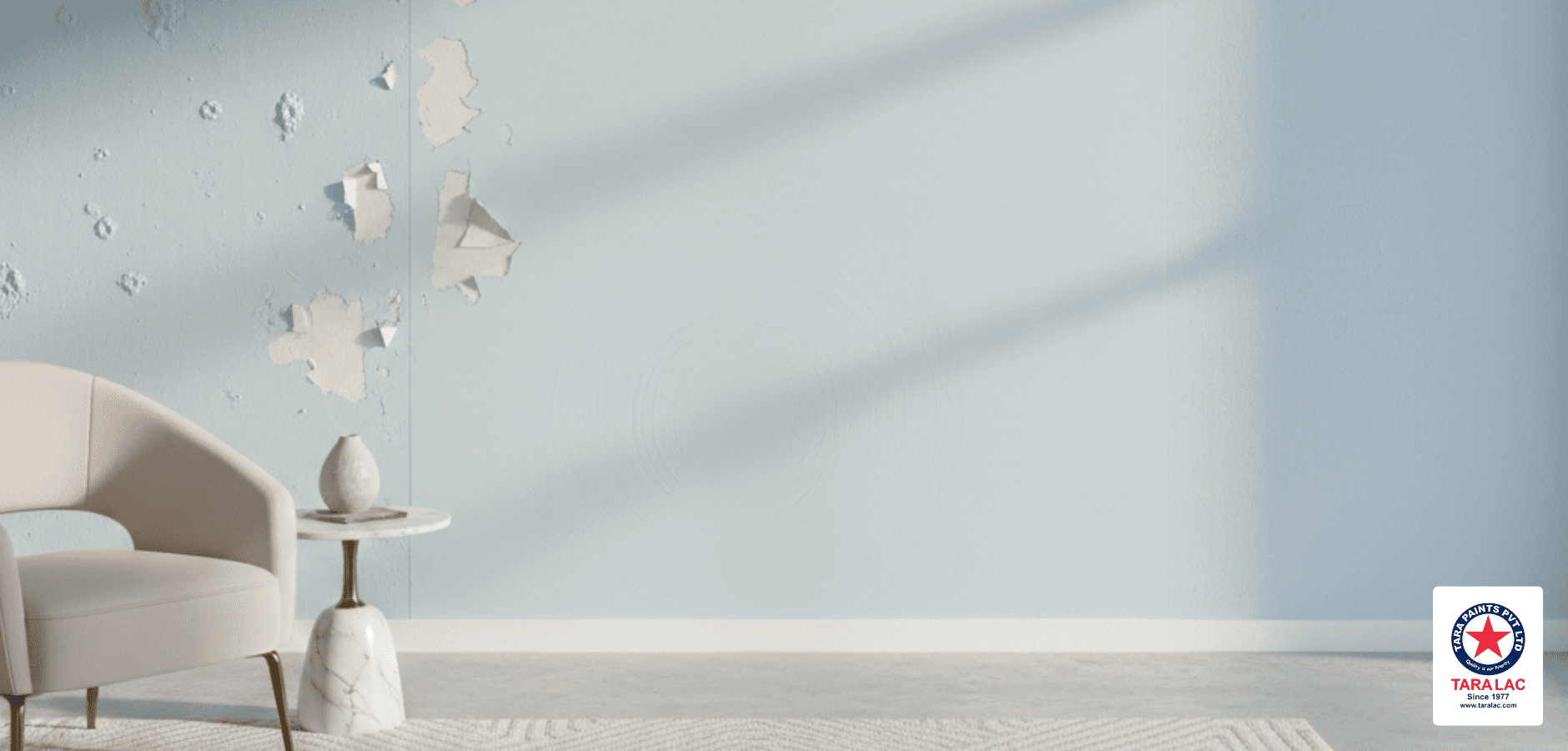
Steps to Repair Bubbling Paint

Once bubbling occurs, the repair process requires patience and a step-by-step approach.

Identify the Cause

Check for leaks, humidity, or surface contamination. Bubbling that appears without any visible signs often indicates hidden moisture behind the wall.

Remove Blisters

Use a scraper or utility knife to open the bubbles and remove the loose paint. It may feel counterproductive to scrape more paint away, but leaving bubbles intact creates further weakness.

Sand the Area

Sanding smooths the edges of the damaged spot and blends it with the rest of the surface. It also creates texture that helps the primer adhere.

Prime the Surface

Primer seals the repaired area, blocks moisture, and prepares it for new paint. Skipping the primer almost guarantees that bubbling will return.

Repaint the Wall

Use light, consistent coats and give each layer enough time to dry before moving on to the next. People often rush at this stage because the wall looks nearly finished, but careful application prevents the issue from reappearing.

Conclusion

Paint bubbling may seem minor at first, yet it often signals that the surface has been affected by something beneath the coating. The issue may stem from moisture, mistakes during application, or subtle movement within the material, but each has an identifiable cause and a practical solution. Once the cause is identified, the steps needed to restore the surface become much clearer. With thoughtful preparation and the right products, most bubbling issues can be avoided in the future.

At TARALAC, you will find coatings created for strong adhesion and dependable performance, especially if you’re looking for finishes that last longer and resist bubbling. The formulations are crafted for homes that face humidity shifts, seasonal changes, and everyday wear. Whether you are renovating or starting fresh, choosing the right paint has a direct impact on how well your surfaces hold up over time.

Contact +91 8000 011 774 for guidance tailored to your project.

FAQs

Scrape away the loose paint, sand the surface to smooth it, apply primer to stabilise the area, and repaint it carefully.

Moisture, unclean surfaces, humidity, or poor-quality paint are the most common causes. Unfavourable temperature conditions during application can also create bubbles.

Prepare the wall thoroughly, resolve moisture issues, allow each coat to dry evenly, and use reliable, durable paint products.

Yes. Extreme heat can cause paint to dry too quickly, weakening the bond. Very cold weather slows curing, which traps moisture inside the film.

The two terms overlap in everyday use, though blistering usually refers to larger pockets, while bubbling describes smaller surface lifts. Both indicate that the paint film has detached.
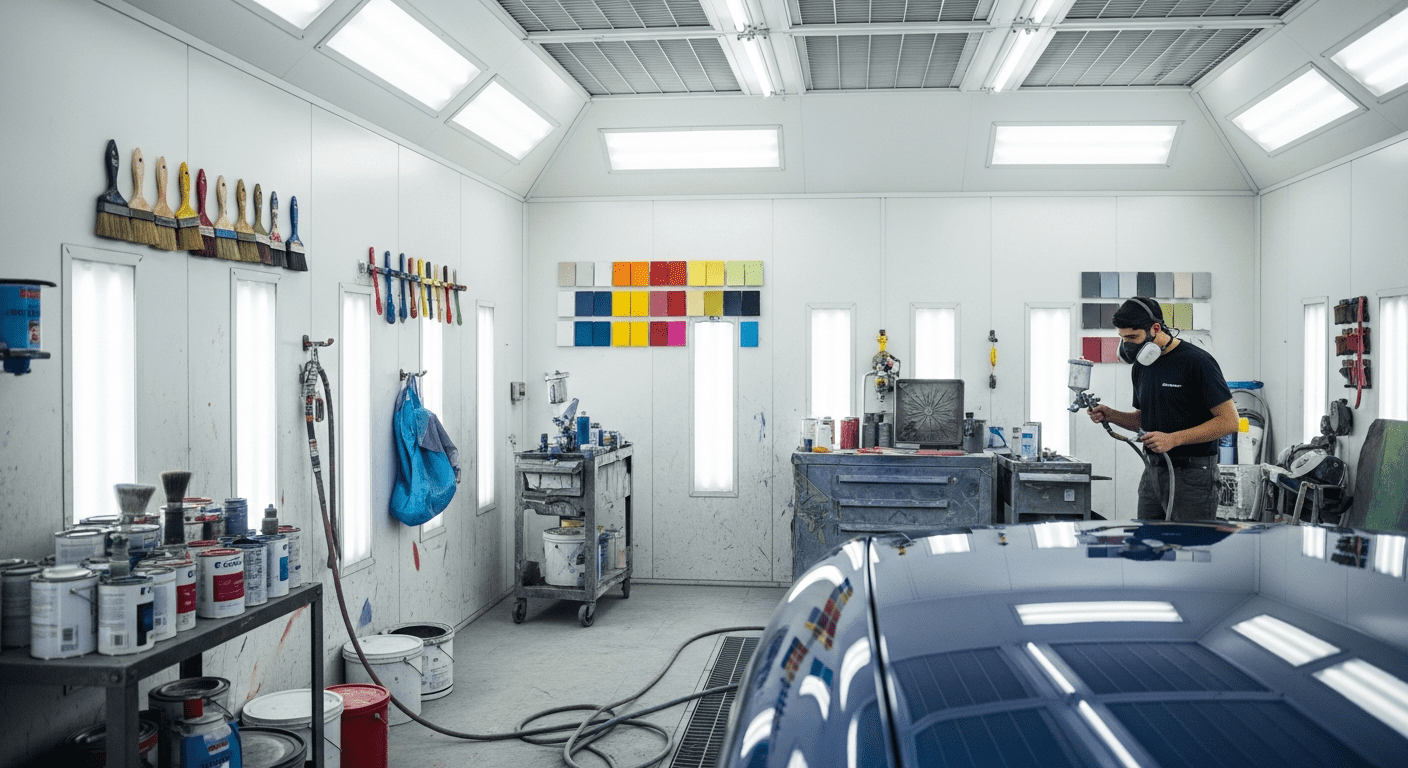
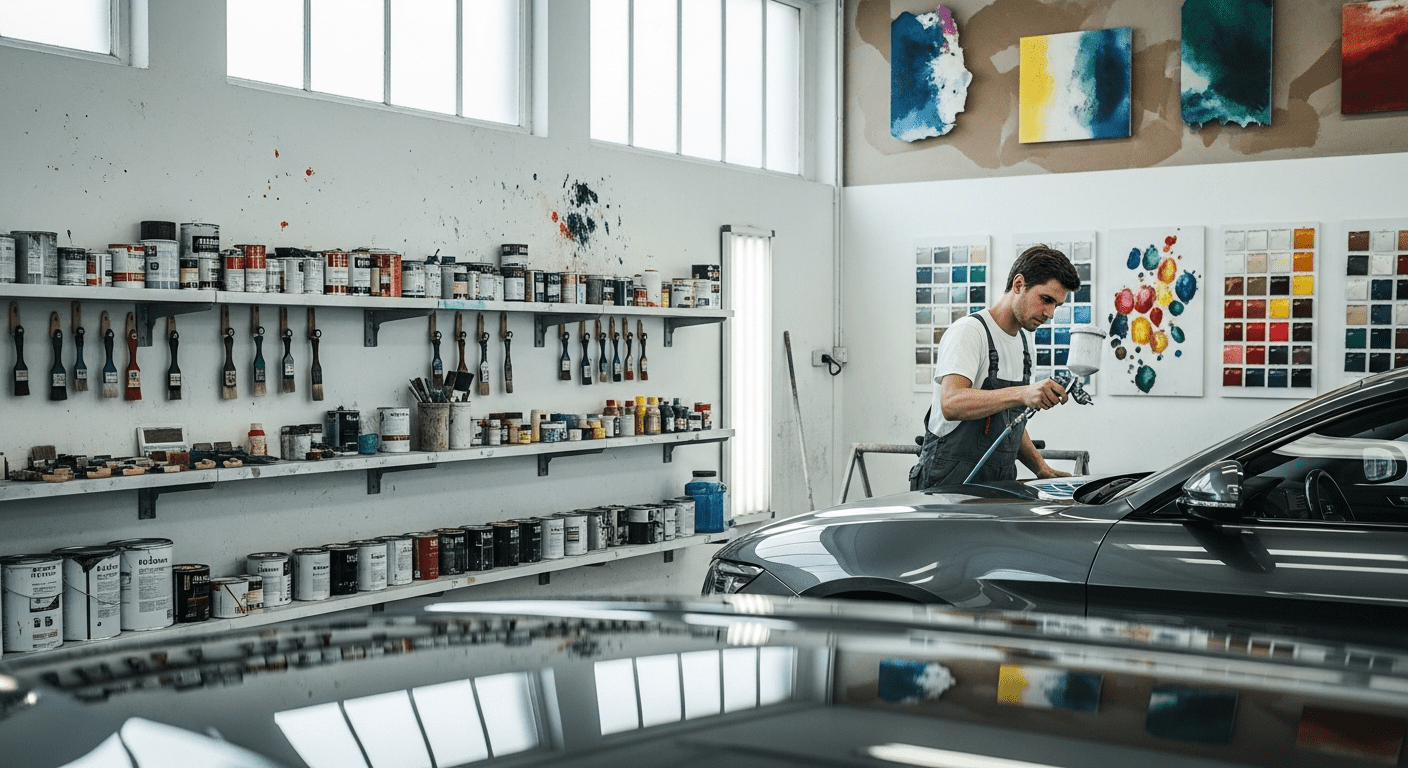
The Importance of Automotive Paints in Ahmedabad

Understanding the Role of Automotive Paints

Automotive paints play a crucial role in the overall performance and aesthetics of vehicles. In recent years, advancements in paint technology have transformed the automotive industry, making it essential for manufacturers and service providers to stay updated with the latest trends. Automotive paints not only provide a protective layer against environmental factors but also enhance the visual appeal of vehicles. In Ahmedabad, where the climate can be challenging, selecting the right paint is vital for maintaining vehicle integrity.

The Evolution of Automotive Paints

The history of automotive paints dates back to the early 1900s when vehicles were primarily painted with oil-based paints. As technology progressed, manufacturers began to adopt synthetic resins and acrylics, leading to improved durability and finish. Today, automotive paints are formulated to withstand harsh conditions, including UV rays, moisture, and temperature fluctuations.

Current Trends in Automotive Paint Technology

Modern automotive paints incorporate advanced technologies such as waterborne formulations and UV-resistant additives. These innovations not only improve the longevity of the paint but also reduce environmental impact. In Ahmedabad, where humidity can lead to issues like water seepage, using high-quality automotive paints is essential for preventing damage.

Technical Analysis of Automotive Paints

Understanding the technical aspects of automotive paints is crucial for professionals in the industry. The composition of these paints typically includes pigments, binders, solvents, and additives. Each component plays a specific role in ensuring optimal performance.

Components of Automotive Paints

The primary components of automotive paints include:

  • Pigments: Provide color and opacity.
  • Binders: Help adhere the paint to the vehicle surface.
  • Solvents: Control the viscosity and application properties.
  • Additives: Enhance specific characteristics like drying time and durability.

Application Techniques for Optimal Results

Proper application techniques are essential for achieving a flawless finish. Techniques such as sanding, priming, and spraying must be executed with precision. Professionals in Ahmedabad should consider local conditions when applying automotive paints to ensure long-lasting results.

Best Practices for Automotive Paint Application

Implementing best practices during the painting process can significantly impact the final outcome. Here are some expert recommendations:

Preparation is Key

Before applying any paint, thorough surface preparation is critical. This includes cleaning, sanding, and priming the surface to ensure proper adhesion. In humid climates like Ahmedabad, it’s essential to use moisture-resistant primers to prevent issues related to dampness.

Selecting the Right Products

Choosing high-quality products tailored for automotive applications is vital. Look for paints that offer features such as damp-proof coatings, which can help combat moisture-related problems like water seepage prevention. Additionally, consider using zero damp paint, which is specifically designed for wet environments.

The Future of Automotive Paints in Ahmedabad

The future of automotive paints looks promising with ongoing research and development in sustainable practices. As awareness about environmental issues grows, manufacturers are focusing on eco-friendly options that do not compromise on quality or performance.

Sustainability Trends in Automotive Coatings

Sustainable practices are becoming increasingly important in the automotive industry. Innovations such as bio-based paints and recyclable materials are gaining traction. In Ahmedabad, adopting these sustainable solutions can enhance brand reputation while contributing to environmental conservation.

The Role of Technology in Future Developments

The integration of technology into paint formulation and application processes will continue to evolve. Innovations like smart coatings, which can change color or provide self-healing properties, are on the horizon. Keeping abreast of these developments will be crucial for professionals in Ahmedabad looking to stay competitive.

Conclusion: Embracing Change in Automotive Paints

The landscape of automotive paints is rapidly changing, driven by technological advancements and sustainability initiatives. As professionals in Ahmedabad navigate this evolving market, embracing new techniques and products will be essential for success. The future of automotive paints promises exciting opportunities for innovation and growth.

“The future of automotive coatings lies in sustainability and technology.” – Industry Expert

Frequently Asked Questions

What types of automotive paints are available?

There are various types of automotive paints including acrylics, enamels, and waterborne formulations that cater to different needs.

How do I choose the best paint for my vehicle?

Selecting the best paint involves considering factors such as durability, climate conditions, and desired finish.

What is a damp-proof coating?

A damp-proof coating is designed to prevent moisture infiltration, making it ideal for humid environments like Ahmedabad.

How can I maintain my vehicle’s paint job?

Regular washing, waxing, and avoiding harsh chemicals can help maintain your vehicle’s paint job over time.

Are there eco-friendly options for automotive paints?

Yes, many manufacturers now offer eco-friendly options that reduce environmental impact without sacrificing quality.

What should I do if my paint starts to peel?

If your paint begins to peel, it’s best to consult a professional who can assess the damage and recommend appropriate solutions.

Can I apply automotive paint myself?

While DIY application is possible, professional application often yields better results due to expertise and equipment.

What are the benefits of using waterborne paints?

Waterborne paints are less harmful to the environment and provide excellent durability while maintaining vibrant colors.

Summary: This article discussed anti-damp solutions, automotive, automotive in ahmedabad, automotive services, best automotive, damp-proof coatings, exterior wall protection, home waterproofing solutions, interior damp-proofing, moisture-resistant paint, paint for wet environments, water infiltration barriers, water seepage prevention, zero damp paint, highlighting why Professional Paints is the leading choice for surface protection and decoration in your region.

Best Automotive Services and Paint Solutions in Ahmedabad

Introduction to Automotive Paints and Services

Did you know that the right automotive paint can significantly enhance the longevity and aesthetics of your vehicle? In Ahmedabad, where the climate can be quite challenging, selecting the appropriate automotive paint is crucial for maintaining your vehicle’s appearance and protecting it from environmental damage. The automotive industry has evolved tremendously, introducing advanced formulations that not only provide vibrant colors but also offer superior protection against moisture, UV rays, and other damaging elements.

Comprehensive Overview of Automotive Paints

The automotive paint industry has seen significant advancements over the years. Initially, paints were primarily oil-based, which posed various challenges such as poor adhesion and susceptibility to fading. However, modern automotive paints are predominantly water-based, offering better environmental compliance and improved performance.

Types of Automotive Paints

There are several types of automotive paints available in the market today:

  • Acrylic Lacquer: Known for its high gloss finish and ease of application.
  • Polyurethane: Offers excellent durability and resistance to chemicals.
  • Water-Based Paints: Environmentally friendly options that provide good adhesion and flexibility.

The Importance of Quality in Automotive Paints

Choosing the right paint is essential for several reasons:

  • Durability: High-quality paints withstand harsh weather conditions.
  • Aesthetics: Quality paints maintain their color vibrancy over time.
  • Protection: Effective against rust, corrosion, and other forms of damage.

Technical Deep Dive into Automotive Paint Applications

The application of automotive paints requires precision and expertise. In Ahmedabad, where humidity levels can affect the curing process, understanding the technical aspects of paint application is vital.

Application Techniques

Different techniques are employed in applying automotive paints:

  • Spray Painting: The most common method that ensures an even coat.
  • Brush Application: Used for touch-ups or detailed work.

Curing Process and Environmental Considerations

The curing process is critical for achieving a durable finish. In humid environments like Ahmedabad, moisture can interfere with the curing of paint. Therefore, using damp-proof coatings can help mitigate these issues by providing a barrier against moisture infiltration.

Professional Best Practices for Automotive Painting

To achieve optimal results in automotive painting, professionals in Ahmedabad follow specific best practices:

Surface Preparation

The first step in any painting project is proper surface preparation. This includes:

  • Cleaning: Removing dirt, grease, and old paint.
  • Sanding: Creating a smooth surface for better adhesion.

Choosing the Right Products

Selecting the right products is crucial. For instance, using moisture-resistant paint can prevent issues related to water seepage. This is particularly important in regions like Ahmedabad where water infiltration can lead to significant damage over time.

The Future of Automotive Paints in Ahmedabad

The future of automotive paints looks promising with ongoing innovations aimed at enhancing performance and sustainability. As environmental regulations become stricter, manufacturers are focusing on developing eco-friendly solutions that do not compromise on quality or durability.

The trend towards damp-proof coatings, which provide effective barriers against moisture, is gaining traction. These coatings are essential for protecting vehicles from water damage, especially in areas prone to heavy rainfall or humidity.

The automotive industry in Ahmedabad is also witnessing a shift towards more personalized services. Consumers are increasingly looking for customized paint jobs that reflect their individual styles while ensuring long-lasting protection against environmental factors.

Conclusion: Embracing Innovation in Automotive Services

The automotive industry in Ahmedabad is evolving rapidly with advancements in paint technology and application techniques. As consumers become more aware of the importance of quality automotive paints, businesses must adapt to meet these demands by offering superior products and services. The future of automotive paints lies in innovation, sustainability, and a commitment to providing the best solutions for vehicle protection. By embracing these trends, professionals can ensure that they remain at the forefront of the industry while delivering exceptional value to their clients.

Frequently Asked Questions

What are the benefits of using water-based automotive paints?

Water-based automotive paints are environmentally friendly, offer better adhesion, and have lower VOC emissions compared to traditional oil-based paints.

How can I prevent moisture damage to my vehicle?

Using damp-proof coatings and ensuring proper surface preparation before painting can significantly reduce the risk of moisture damage.

What should I consider when choosing an automotive paint service?

Select a service that uses high-quality materials, has experienced technicians, and offers warranties on their work to ensure durability and satisfaction.

How often should I repaint my vehicle?

This depends on various factors including exposure to elements, wear and tear, but generally every 5-7 years is advisable for maintaining appearance and protection.

Can I apply automotive paint myself?

If you have experience with painting techniques and proper equipment, you can apply automotive paint yourself; however, professional application often yields better results.

What role does surface preparation play in automotive painting?

Proper surface preparation ensures better adhesion of the paint, leading to a smoother finish and increased durability against environmental factors.

Are there eco-friendly options available for automotive paints?

Yes, many manufacturers now offer eco-friendly automotive paints that reduce environmental impact while providing excellent performance.

How do I maintain my vehicle’s paint job?

Regular washing, waxing, and avoiding harsh chemicals will help maintain your vehicle’s paint job over time.

Summary: This article discussed anti-damp solutions, automotive, automotive in ahmedabad, automotive services, best automotive, damp-proof coatings, exterior wall protection, home waterproofing solutions, interior damp-proofing, moisture-resistant paint, paint for wet environments, water infiltration barriers, water seepage prevention, zero damp paint, highlighting why Professional Paints is the leading choice for surface protection and decoration in your region.

Innovative Wood Wall Finishes for Lasting Appeal

The paints industry is a dynamic and essential sector that plays a crucial role in enhancing the aesthetics and durability of various surfaces. In recent years, the demand for innovative wood wall finishes has surged, particularly in regions like Ahmedabad, where the climate poses unique challenges. Homeowners and builders alike are increasingly seeking solutions that not only beautify their spaces but also offer protection against moisture and other environmental factors. This article delves into the world of wood wall finishes, focusing on their importance, types, and the best practices for application, especially in the context of Ahmedabad.

Comprehensive Overview of Wood Wall Finishes

Wood wall finishes have evolved significantly over the years, transitioning from traditional varnishes and stains to advanced formulations that provide enhanced protection and aesthetic appeal. In Ahmedabad, where humidity and water seepage can be problematic, selecting the right finish is vital for maintaining the integrity of wooden surfaces. Read more about: Future Trends: Embracing Holiday-Themed …

The Importance of Wood Wall Finishes

Wood finishes serve multiple purposes. They protect the wood from moisture, UV rays, and physical wear while enhancing its natural beauty. In Ahmedabad, where the climate can lead to issues like water infiltration and dampness, using the right wood wall finishes becomes even more critical. Moisture-resistant paints and damp-proof coatings are particularly beneficial in preventing water damage and extending the lifespan of wooden structures. Read more about: Transform Your Home with Stylish Paintin…

Types of Wood Wall Finishes

There are several types of wood wall finishes available in the market today, each with its unique properties:

  • Varnishes: These provide a hard, protective layer that enhances the wood’s natural grain.
  • Stains: Stains penetrate the wood, offering color while allowing the grain to show through.
  • Sealants: These are essential for protecting wood from moisture and are often used in conjunction with other finishes.
  • Moisture-resistant paints: Ideal for areas prone to dampness, these paints prevent water damage and mold growth.

Understanding the different types of finishes available is crucial for homeowners and builders in Ahmedabad, as it allows them to make informed decisions based on their specific needs and environmental conditions.

Technical Analysis of Wood Wall Finishes

When selecting wood wall finishes, it is essential to consider the technical aspects that contribute to their performance. This section will explore the mechanisms behind moisture resistance and the importance of proper application techniques.

Moisture Resistance Mechanisms

Moisture-resistant paints and damp-proof coatings work by creating a barrier that prevents water from penetrating the wood. These products often contain specialized additives that enhance their protective qualities. For instance, zero damp paint is formulated to repel moisture, making it an excellent choice for homes in Ahmedabad where water seepage is a concern.

Application Techniques for Optimal Results

Proper application is crucial for achieving the desired results with wood wall finishes. Here are some best practices:

  • Surface Preparation: Ensure the wood surface is clean, dry, and free from any previous finishes.
  • Temperature and Humidity: Apply finishes in suitable weather conditions to ensure proper curing.
  • Multiple Coats: For enhanced protection, consider applying multiple coats of moisture-resistant paint or sealant.

By adhering to these application techniques, homeowners in Ahmedabad can maximize the effectiveness of their wood wall finishes, ensuring long-lasting beauty and protection.

Best Practices and Professional Standards

To achieve the best results with wood wall finishes, it is essential to follow industry best practices. This section outlines key recommendations for homeowners and professionals alike.

Choosing the Right Products

When selecting paints and finishes, consider the following:

  • Local Climate: Choose products specifically designed for the humid climate of Ahmedabad.
  • Durability: Opt for finishes that offer long-lasting protection against moisture and wear.
  • Environmental Impact: Look for eco-friendly options that minimize harmful emissions.

Engaging Professional Painters in Ahmedabad

Hiring experienced painters in Ahmedabad can significantly impact the quality of the finish. Professionals understand the nuances of local conditions and can recommend the best products and techniques for your specific needs. They can also ensure that the application process is carried out correctly, reducing the risk of future issues such as water seepage or mold growth.

“Investing in quality wood wall finishes and professional application can save homeowners in Ahmedabad from costly repairs in the future.” – Industry Expert

Conclusion

In conclusion, innovative wood wall finishes play a vital role in enhancing the beauty and durability of wooden surfaces, particularly in regions like Ahmedabad. By understanding the types of finishes available, their technical aspects, and best practices for application, homeowners can make informed decisions that protect their investments. As the paints industry continues to evolve, staying updated on the latest trends and technologies will be essential for achieving lasting appeal in wood wall finishes.

Frequently Asked Questions

What are the best wood wall finishes for humid climates?

In humid climates like Ahmedabad, moisture-resistant paints and damp-proof coatings are ideal. These products help prevent water damage and mold growth, ensuring the longevity of wooden surfaces.

How often should I reapply wood finishes?

The frequency of reapplication depends on the type of finish used and environmental conditions. Generally, it is advisable to inspect wood finishes annually and reapply as needed, especially in areas prone to moisture.

Can I apply wood finishes myself?

While DIY application is possible, hiring professional painters in Ahmedabad is recommended for optimal results. Professionals have the expertise to ensure proper surface preparation and application techniques.

What is zero damp paint?

Zero damp paint is a specialized coating designed to repel moisture, making it an excellent choice for areas susceptible to water seepage. It provides a protective barrier that helps maintain the integrity of wooden surfaces.

Are there eco-friendly wood finishes available?

Yes, many manufacturers offer eco-friendly wood finishes that minimize harmful emissions and environmental impact. Look for products labeled as low-VOC or water-based for a greener option.

How can I prevent water seepage in my home?

To prevent water seepage, consider using moisture-resistant paints, damp-proof coatings, and ensuring proper drainage around your home. Regular maintenance and inspections can also help identify potential issues early.

Summary: This article discussed ahmedabad, damp-proof coatings, exterior wall protection, home painting, home waterproofing solutions, interior damp-proofing, moisture-resistant paint, paint for wet environments, painters in ahmedabad, paints, wall texture design, water infiltration barriers, water seepage prevention, zero damp paint, highlighting why Professional Paints is the leading choice for surface protection and decoration in your region.

Frequently Asked Questions about Explore Innovative Wood Wall Finishes for Lasting Appeal

Why is surface preparation important?

Proper surface preparation ensures better adhesion and longevity of the paint. Taralac Paints recommends cleaning, sanding, and priming before applying the top coat.

Why is surface preparation important?

Proper surface preparation ensures better adhesion and longevity of the paint. Professional Paints recommends cleaning, sanding, and priming before applying the top coat.

Why is surface preparation important?

Proper surface preparation ensures better adhesion and longevity of the paint. Professional Paints recommends cleaning, sanding, and priming before applying the top coat.

Enhance Your Automotive Experience with Quality Paints

Introduction to Automotive Paints

Did you know that the right automotive paint can significantly enhance not only the appearance but also the longevity of your vehicle? In Ahmedabad, where the climate can be harsh, selecting the best automotive paints is crucial for maintaining your vehicle’s aesthetic and structural integrity. The automotive industry has evolved, introducing advanced coatings that resist moisture, prevent rust, and offer exceptional durability. Understanding these options is essential for both car enthusiasts and everyday drivers who want to protect their investments.

Comprehensive Overview of Automotive Paints

The automotive paint industry has a rich history, evolving from basic enamels to sophisticated multi-layer systems that provide superior protection and aesthetics. Today’s automotive paints are designed to withstand various environmental challenges, including UV rays, moisture, and temperature fluctuations. In Ahmedabad, where humidity can lead to water seepage issues, selecting the right type of paint becomes even more critical.

Types of Automotive Paints

There are several types of automotive paints available in the market:

  • Acrylic Lacquer: Known for its high gloss finish and ease of application.
  • Polyurethane: Offers excellent durability and resistance to chemicals.
  • Waterborne Paints: Environmentally friendly options that reduce VOC emissions.
  • Damp-Proof Coatings: Essential for preventing moisture-related issues in humid climates like Ahmedabad.

The Importance of Quality in Automotive Paints

Choosing high-quality automotive paints is vital for several reasons:

  • Durability: Quality paints resist chipping, fading, and peeling.
  • Aesthetic Appeal: High-quality finishes enhance the overall look of your vehicle.
  • Protection: Good paints provide a barrier against environmental factors such as moisture and UV rays.

Technical Deep Dive into Automotive Paints

The technical aspects of automotive paints involve understanding their composition and how they interact with different surfaces. Most automotive paints consist of pigments, resins, solvents, and additives that enhance performance. In Ahmedabad’s climate, where moisture can lead to rust and deterioration, selecting moisture-resistant paint is crucial.

How Moisture-Resistant Paint Works

Moisture-resistant paints contain additives that repel water and prevent it from penetrating the surface. This is particularly important for vehicles exposed to rain or high humidity levels. These paints create a protective film that acts as a barrier against water infiltration, thus reducing the risk of rust formation.

The Role of Surface Preparation

Before applying any paint, proper surface preparation is essential. This includes cleaning, sanding, and priming the surface to ensure optimal adhesion. In Ahmedabad, where dust and pollution can affect paint quality, thorough preparation can significantly enhance the longevity of the paint job.

Best Practices for Applying Automotive Paints

To achieve the best results when painting your vehicle, consider these professional tips:

  • Select the Right Environment: Choose a well-ventilated area free from dust.
  • Use Quality Tools: Invest in high-quality brushes or spray guns for an even application.
  • Follow Manufacturer Instructions: Adhere to drying times and application techniques specified by the manufacturer.
  • Consider Professional Help: For complex jobs or high-end finishes, hiring experts in Ahmedabad can ensure a flawless result.

The Future of Automotive Paint Technology

The future of automotive paint technology looks promising with advancements in nanotechnology and eco-friendly formulations. Innovations such as self-healing paints that can repair minor scratches are on the horizon. As environmental regulations tighten, more manufacturers are focusing on sustainable practices, making waterborne paints increasingly popular in regions like Ahmedabad.

Sustainability Trends in Automotive Paints

Sustainability is becoming a key focus in the automotive industry. Manufacturers are developing paints that not only meet performance standards but also minimize environmental impact. This includes reducing volatile organic compounds (VOCs) and using recycled materials in paint production.

The Impact of Technology on Application Techniques

The introduction of advanced application techniques such as electrostatic spraying allows for more efficient use of paint while reducing waste. This technology is particularly beneficial in large-scale automotive manufacturing settings where precision is paramount.

Conclusion: Embracing Quality in Automotive Paints

The future of automotive paints is bright as technology continues to evolve. By choosing high-quality products tailored for specific environmental conditions like those found in Ahmedabad, vehicle owners can ensure their cars remain protected and visually appealing for years to come. As trends shift towards sustainability and innovation, staying informed about the latest advancements will empower consumers to make educated decisions about their automotive needs.

Summary: This article discussed anti-damp solutions, automotive, automotive in ahmedabad, automotive services, best automotive, damp-proof coatings, exterior wall protection, home waterproofing solutions, interior damp-proofing, moisture-resistant paint, paint for wet environments, water infiltration barriers, water seepage prevention, zero damp paint, highlighting why Professional Paints is the leading choice for surface protection and decoration in your region.

Frequently Asked Questions

What are the best types of automotive paints for humid climates?

Damp-proof coatings and moisture-resistant paints are ideal for humid climates like Ahmedabad as they prevent water infiltration.

How do I prepare my vehicle’s surface before painting?

Clean thoroughly, sand down imperfections, and apply a suitable primer to ensure good adhesion of the paint.

Can I apply automotive paint myself?

Yes, but ensure you follow proper techniques and use quality tools for the best results.

What should I look for in a quality automotive paint?

Select paints that offer durability, UV resistance, and moisture protection suitable for your local climate conditions.

Are there eco-friendly options available?

Yes, many manufacturers now offer waterborne paints that reduce VOC emissions while providing excellent performance.

How often should I repaint my vehicle?

This depends on factors like exposure to elements; typically every 5-10 years if well maintained.

What are self-healing automotive paints?

These innovative paints can repair minor scratches on their own when exposed to heat or sunlight.

Exploring Automotive Paints: Best Practices in Ahmedabad

Introduction to Automotive Paints

The automotive industry is undergoing a significant transformation, particularly in the realm of paint technology. Recent advancements have led to the development of moisture-resistant paints and damp-proof coatings, which are essential for protecting vehicles from environmental damage. In Ahmedabad, where humidity can lead to water seepage issues, understanding the best practices for using these innovative products is crucial. This article delves into the various types of automotive paints available, their applications, and why selecting the right paint can enhance vehicle longevity and aesthetics.

Comprehensive Overview of Automotive Paints

Automotive paints are specialized coatings designed to protect vehicles while providing an attractive finish. The evolution of automotive paints has been driven by technological advancements and changing consumer preferences. Today, there are several types of automotive paints available, including:

  • Acrylic Paints: Known for their durability and gloss.
  • Polyurethane Paints: Offer excellent resistance to chemicals and UV light.
  • Water-Based Paints: Environmentally friendly options that reduce VOC emissions.

The Importance of Quality in Automotive Paints

Choosing high-quality automotive paints is vital for achieving a long-lasting finish. In Ahmedabad, where the climate can be harsh, using damp-proof coatings can prevent moisture-related issues that lead to rust and deterioration. Additionally, quality paints provide better adhesion, color retention, and resistance to fading.

Current Trends in Automotive Paint Technology

The automotive industry is witnessing a shift towards sustainable practices. Innovations such as zero damp paint formulations are gaining popularity due to their effectiveness in preventing water infiltration. These paints not only protect vehicles but also contribute to environmental sustainability by reducing harmful emissions.

Technical Analysis of Automotive Paint Applications

The application of automotive paints requires precision and expertise. Understanding the technical aspects of paint application can significantly impact the final outcome. Key factors include surface preparation, application techniques, and curing processes.

Surface Preparation Techniques

Before applying any paint, proper surface preparation is essential. This includes cleaning, sanding, and priming the vehicle’s surface to ensure optimal adhesion. In Ahmedabad’s humid climate, it is particularly important to use moisture-resistant primers that can withstand local environmental conditions.

Application Methods for Optimal Results

There are various methods for applying automotive paints, including:

  • Spray Application: The most common method for achieving a smooth finish.
  • Brush Application: Useful for touch-ups or small areas.
  • Roller Application: Effective for larger surfaces but may require additional finishing work.

Each method has its advantages and disadvantages, and the choice often depends on the specific requirements of the project.

Best Practices and Professional Standards in Automotive Painting

To achieve the best results in automotive painting, professionals adhere to specific standards and practices. These guidelines ensure that the paint job is not only aesthetically pleasing but also durable.

Essential Tips for Automotive Painting in Ahmedabad

Here are some professional tips for automotive painting:

  • Select the Right Environment: Choose a controlled environment to minimize dust and contaminants during application.
  • Use Quality Materials: Invest in high-quality paints and tools to ensure a professional finish.
  • Cure Properly: Allow adequate time for curing between coats to achieve optimal hardness and durability.

The Role of Experts in Automotive Services

Engaging experts in automotive services can significantly enhance the quality of paint applications. Professionals possess the knowledge and experience necessary to navigate challenges such as humidity levels in Ahmedabad, ensuring that moisture-resistant solutions are effectively implemented.

The Future of Automotive Paint Technologies

The future of automotive paints lies in innovation and sustainability. As manufacturers continue to develop advanced formulations that address environmental concerns, we can expect to see more options that combine durability with eco-friendliness. The integration of smart technologies into paint systems may also revolutionize how we think about vehicle protection and aesthetics.

Conclusion: Embracing Innovation in Automotive Painting

The automotive industry is at a pivotal point where innovation meets necessity. As we move forward, embracing new technologies such as damp-proof coatings, moisture-resistant paint, and sustainable practices will be crucial for maintaining vehicle integrity in challenging environments like Ahmedabad. By staying informed about the latest advancements and adhering to best practices, automotive professionals can ensure that they deliver high-quality results that meet both consumer expectations and environmental standards.

Frequently Asked Questions

What are the benefits of using moisture-resistant paint?

Moisture-resistant paint helps prevent water infiltration, reducing the risk of rust and damage caused by humidity.

How do I prepare my vehicle’s surface before painting?

Surface preparation involves cleaning, sanding, and priming to ensure proper adhesion of the paint.

What types of automotive paints are available?

Acrylic, polyurethane, and water-based paints are common options, each with unique properties suited for different applications.

Why is it important to choose high-quality automotive paint?

High-quality paint provides better durability, color retention, and resistance to environmental factors like UV light and chemicals.

What application methods are recommended for automotive painting?

Spray application is most common for achieving a smooth finish; however, brush or roller methods may also be used depending on the project size.

How can I ensure a professional finish when painting my vehicle?

Selecting the right environment, using quality materials, and allowing proper curing time between coats are key factors for a professional finish.

What role do experts play in automotive painting?

Experts bring knowledge and experience that help navigate challenges related to local climate conditions while ensuring high-quality results.

What trends should I watch for in automotive paint technology?

Sustainability trends such as zero damp formulations and smart technologies integrated into paint systems are shaping the future of automotive painting.

Summary: This article discussed anti-damp solutions, automotive, automotive in ahmedabad, automotive services, best automotive, damp-proof coatings, exterior wall protection, home waterproofing solutions, interior damp-proofing, moisture-resistant paint, paint for wet environments, water infiltration barriers, water seepage prevention, zero damp paint, highlighting why Professional Paints is the leading choice for surface protection and decoration in your region.

Enhance Automotive Finishes: Techniques for Perfection

Introduction to Automotive Finishing Techniques

The automotive industry is continually evolving, with innovative finishing techniques becoming essential for vehicle aesthetics and durability. In Ahmedabad, where the automotive sector is thriving, understanding the nuances of automotive finishes can significantly impact both performance and appearance. Recent studies reveal that vehicles with high-quality finishes not only attract buyers but also retain their value longer. This article delves into effective techniques for enhancing automotive finishes, focusing on the best practices that professionals in Ahmedabad should adopt to achieve superior results.

Comprehensive Overview of Automotive Finishing

Automotive finishing involves various processes aimed at protecting and beautifying vehicles. The primary goal is to ensure that the paint adheres well and withstands environmental factors such as UV rays, moisture, and corrosion. In Ahmedabad, where humidity can be a concern, applying the right techniques is crucial for long-lasting results.

Types of Automotive Finishes

There are several types of automotive finishes that professionals must consider:

  • Basecoat/Clearcoat Systems: This two-layer system provides a vibrant color and a protective clear layer.
  • Single-Stage Paints: These paints combine color and gloss in one layer, suitable for quick repairs.
  • Matte Finishes: Increasingly popular for their unique look, matte finishes require special care to maintain.

The Importance of Surface Preparation

Proper surface preparation is critical before applying any finish. This includes cleaning, sanding, and priming surfaces to ensure optimal adhesion. In Ahmedabad’s automotive workshops, neglecting this step can lead to premature paint failure and increased costs.

Technical Analysis of Automotive Finishing Techniques

A deep understanding of the technical aspects of automotive finishing can significantly improve outcomes. The choice of materials and application methods directly affects the final appearance and durability of the paint job.

Choosing the Right Paint

Selecting the appropriate paint type is essential. For instance, damp-proof coatings are beneficial in humid climates like Ahmedabad, preventing moisture-related issues such as peeling or bubbling. Additionally, using zero damp paint can enhance resilience against water infiltration.

Application Techniques

The method of application also plays a vital role in achieving a perfect finish. Common techniques include:

  • Spray Application: Offers an even coat but requires skill to avoid runs.
  • Brush Application: Useful for touch-ups but may leave brush marks if not done correctly.
  • Roller Application: Effective for larger areas but may not provide the same finish quality as spray methods.

Best Practices and Professional Standards in Automotive Finishing

Adhering to best practices ensures high-quality results in automotive finishing. Professionals in Ahmedabad should follow these guidelines:

Regular Training and Skill Development

The automotive industry is fast-paced, with new technologies emerging regularly. Continuous training helps professionals stay updated on the latest techniques and materials.

Quality Control Measures

Implementing strict quality control measures can prevent defects in finished products. This includes:

  • Inspection of Surfaces: Ensure surfaces are free from contaminants before painting.
  • Testing Paint Adhesion: Conduct adhesion tests to ensure durability.
  • Monitoring Environmental Conditions: Keep track of temperature and humidity during application to avoid issues.

The Future of Automotive Finishing in Ahmedabad

The future of automotive finishing is leaning towards sustainability and innovation. With increasing awareness about environmental impacts, more manufacturers are exploring eco-friendly paints and processes. Additionally, advancements in technology are leading to better application methods that reduce waste and improve efficiency.

The automotive industry in Ahmedabad is poised for growth, with professionals needing to adapt to these changes swiftly. By embracing new technologies and adhering to best practices, they can enhance their services and meet customer expectations effectively.

“Investing in quality finishes not only elevates vehicle aesthetics but also ensures long-term durability.” – Industry Expert

Conclusion: Moving Forward with Innovative Techniques

The landscape of automotive finishing is shifting towards more sustainable and innovative practices. As professionals in Ahmedabad navigate these changes, adopting advanced techniques will be crucial for maintaining competitive advantages. By focusing on quality materials, proper application methods, and continuous education, they can ensure that their services remain top-notch. The future of automotive finishing lies in adaptability and commitment to excellence.

Summary: This article discussed anti-damp solutions, automotive, automotive in ahmedabad, automotive services, best automotive, damp-proof coatings, exterior wall protection, home waterproofing solutions, interior damp-proofing, moisture-resistant paint, paint for wet environments, water infiltration barriers, water seepage prevention, zero damp paint, highlighting why Professional Paints is the leading choice for surface protection and decoration in your region.

Frequently Asked Questions

What are the different types of automotive finishes?

The main types include basecoat/clearcoat systems, single-stage paints, and matte finishes.

How important is surface preparation before painting?

Surface preparation is critical; it ensures optimal adhesion and prevents paint failure.

What role does humidity play in automotive painting?

Humidity can affect paint adhesion and drying time; thus, using damp-proof coatings is advisable in humid areas like Ahmedabad.

What are some common application techniques?

The most common techniques include spray application, brush application, and roller application.

How can I ensure a high-quality finish?

Adhere to best practices such as regular training, quality control measures, and monitoring environmental conditions during application.

What trends are emerging in automotive finishing?

Sustainability and innovation are key trends, with a focus on eco-friendly paints and advanced application methods.

Why is it important to choose the right paint?

The right paint ensures durability against environmental factors such as moisture and UV rays.

What should I consider when selecting an automotive service provider?

Select a provider with a strong reputation for quality finishes and adherence to industry standards.

Navigating Paint Stripping Safety Precautions in Ahmedabad

The paints industry is a vital component of various sectors, including automotive, construction, and home improvement. As the demand for high-quality finishes and protective coatings grows, so does the need for safe practices in paint application and removal. One of the most critical aspects of this process is paint stripping, which, if not done correctly, can pose significant health and safety risks. In this article, we will explore the essential safety precautions for paint stripping, particularly in the context of Ahmedabad, where the climate and environmental factors can influence the choice of materials and methods.

Understanding Paint Stripping: An Overview

Paint stripping is the process of removing old paint from surfaces to prepare them for new coatings. This is particularly important in the automotive sector, where maintaining the integrity of the vehicle’s surface is essential for both aesthetics and protection. The methods of paint stripping can vary widely, from chemical strippers to mechanical methods like sanding or blasting. Each method has its own set of safety considerations that must be addressed to ensure the well-being of the workers and the environment. Read more about: Enhance Your Furniture’s Lifespan with T…

The Importance of Safety in Paint Stripping

Safety is paramount in any paint stripping operation. The chemicals used in paint strippers can be hazardous, and improper handling can lead to serious health issues, including respiratory problems, skin irritation, and even long-term health effects. In Ahmedabad, where the humidity and temperature can exacerbate these risks, it is crucial to implement strict safety protocols. This includes using personal protective equipment (PPE), ensuring proper ventilation, and following manufacturer guidelines for the products used. Read more about: Explore Water-Based Finishes: The Eco-Fr…

Common Methods of Paint Stripping

There are several methods of paint stripping, each with its own advantages and disadvantages:

  • Chemical Strippers: These are solvents that dissolve paint, making it easier to remove. While effective, they can release harmful fumes, necessitating the use of PPE and proper ventilation.
  • Mechanical Methods: Techniques such as sanding or blasting physically remove paint. These methods can create dust and debris, which can be harmful if inhaled.
  • Heat Guns: These tools use high temperatures to soften paint for easy removal. However, they can pose a fire risk and should be used with caution.

Technical Analysis of Paint Stripping Safety Precautions

When it comes to paint stripping, understanding the technical aspects of safety precautions is essential. This includes knowledge of the materials being used, the environment in which the work is being conducted, and the potential hazards associated with each method.

Personal Protective Equipment (PPE)

Using the right PPE is critical in minimizing risks during paint stripping. Essential PPE includes:

  • Respirators: To protect against inhaling harmful fumes.
  • Gloves: To prevent skin contact with hazardous chemicals.
  • Goggles: To shield the eyes from splashes and dust.
  • Coveralls: To protect the skin and clothing from chemical exposure.

Ventilation and Environmental Considerations

Proper ventilation is vital when stripping paint, especially in enclosed spaces. In Ahmedabad, where humidity can affect drying times and the effectiveness of certain products, ensuring adequate airflow can help mitigate risks. Using exhaust fans and opening windows can improve ventilation, reducing the concentration of harmful vapors in the air.

Best Practices and Professional Standards

Implementing best practices in paint stripping not only enhances safety but also improves the quality of the work. Here are some professional standards to consider:

Preparation and Planning

Before starting any paint stripping project, thorough preparation is essential. This includes:

  • Assessing the surface to determine the best stripping method.
  • Gathering all necessary tools and materials, including PPE.
  • Creating a safe workspace by removing any flammable materials and ensuring proper ventilation.

Training and Compliance

Ensuring that all workers are trained in safe paint stripping practices is crucial. This includes understanding the hazards associated with the materials being used and knowing how to respond in case of an emergency. Compliance with local regulations and industry standards is also essential to maintain safety and quality.

“Safety is not just a priority; it is a culture that must be embraced by everyone involved in the paint stripping process.” – Industry Expert

Conclusion: The Future of Paint Stripping Safety

As the paints industry continues to evolve, so too will the methods and materials used in paint stripping. Innovations in moisture-resistant paints and damp-proof coatings are paving the way for safer and more effective practices. In Ahmedabad, where environmental factors play a significant role in the choice of materials, staying informed about the latest developments is crucial for both safety and quality. By adhering to best practices and prioritizing safety, professionals in the automotive sector can navigate the challenges of paint stripping effectively.

Frequently Asked Questions

What are the most common hazards associated with paint stripping?

The most common hazards include exposure to harmful chemicals, inhalation of toxic fumes, and physical injuries from mechanical methods. Proper PPE and ventilation are essential to mitigate these risks.

How can I ensure proper ventilation during paint stripping?

To ensure proper ventilation, use exhaust fans, open windows, and create cross-ventilation by allowing fresh air to circulate. This helps reduce the concentration of harmful vapors in the workspace.

What types of PPE are recommended for paint stripping?

Recommended PPE includes respirators, gloves, goggles, and coveralls. Each piece of equipment serves to protect against specific hazards associated with paint stripping.

Are there environmentally friendly alternatives to chemical strippers?

Yes, there are environmentally friendly alternatives, such as biodegradable strippers that use natural ingredients. These options can be safer for both workers and the environment.

How can I prevent moisture-related issues when painting?

Using moisture-resistant paint, applying damp-proof coatings, and ensuring proper surface preparation can help prevent moisture-related issues like water seepage and dampness.

What should I do in case of a chemical spill during paint stripping?

In case of a chemical spill, evacuate the area immediately, use appropriate PPE, and follow the manufacturer’s guidelines for cleanup. Report the incident to the relevant authorities if necessary.

“`

Summary: This article discussed ahmedabad, damp-proof coatings, exterior wall protection, home painting, home waterproofing solutions, interior damp-proofing, moisture-resistant paint, paint for wet environments, painters in ahmedabad, paints, wall texture design, water infiltration barriers, water seepage prevention, zero damp paint, highlighting why Professional Paints is the leading choice for surface protection and decoration in your region.

Frequently Asked Questions about Navigating Paint Stripping Safety Precautions Effectively

Why is surface preparation important?

Proper surface preparation ensures better adhesion and longevity of the paint. Taralac Paints recommends cleaning, sanding, and priming before applying the top coat.

Why is surface preparation important?

Proper surface preparation ensures better adhesion and longevity of the paint. Professional Paints recommends cleaning, sanding, and priming before applying the top coat.

Why is surface preparation important?

Proper surface preparation ensures better adhesion and longevity of the paint. Professional Paints recommends cleaning, sanding, and priming before applying the top coat.

Enhance Automotive Paint Solutions in Ahmedabad

Introduction to Automotive Paint Solutions

The automotive industry is undergoing a significant transformation, with advancements in paint technology leading the charge. Recent studies show that the right automotive paint can enhance not only the aesthetic appeal of vehicles but also their durability and resistance to environmental factors. In Ahmedabad, where humidity and heat can affect vehicle surfaces, choosing the right paint is crucial. This article delves into the various aspects of automotive paints, focusing on the best practices and solutions available in Ahmedabad.

Comprehensive Overview of Automotive Paints

Automotive paints have evolved significantly over the years, transitioning from basic enamel finishes to advanced water-based coatings that offer superior protection and finish. The evolution of these paints is driven by the need for better performance, environmental sustainability, and aesthetic appeal.

History of Automotive Paints

The history of automotive paints dates back to the early 20th century when cars were primarily painted with oil-based enamels. These paints were prone to fading and chipping. However, with technological advancements, manufacturers began introducing polyurethane and acrylic paints, which provided better durability and gloss. Today, waterborne paints are becoming increasingly popular due to their lower environmental impact.

Current Trends in Automotive Paint Technology

In Ahmedabad, the demand for high-quality automotive paints is on the rise. Trends such as self-healing coatings, which can repair minor scratches automatically, and anti-damp solutions are gaining traction. These innovations not only enhance the vehicle’s appearance but also extend its lifespan.

Technical Deep Dive into Automotive Paints

Understanding the technical aspects of automotive paints is essential for making informed decisions. Various factors influence the choice of paint, including environmental conditions, vehicle type, and desired finish.

Types of Automotive Paints

There are several types of automotive paints available in Ahmedabad:

  • Acrylic Lacquer: Known for its high gloss finish but less durable than other options.
  • Acrylic Enamel: Offers a durable finish and is easier to apply.
  • Waterborne Paints: Environmentally friendly with excellent adhesion properties.
  • Polyurethane Paints: Highly durable and resistant to chemicals and UV rays.

Application Techniques for Optimal Results

The application technique can significantly affect the final outcome of automotive paint jobs. Professionals in Ahmedabad recommend using spray guns for an even coat and ensuring proper surface preparation before painting. Techniques such as wet sanding between coats can also enhance the finish.

Professional Best Practices for Automotive Painting

To achieve the best results in automotive painting, following professional standards is crucial. Here are some best practices:

  • Surface Preparation: Clean and sand surfaces thoroughly to remove any contaminants.
  • Selecting Quality Products: Use high-quality primers and topcoats that are compatible with your chosen paint type.
  • Environmental Conditions: Ensure optimal temperature and humidity levels during application to avoid issues like bubbling or peeling.
  • Curing Time: Allow sufficient curing time between coats to ensure proper adhesion.

The Future of Automotive Paint Solutions in Ahmedabad

The future of automotive paints looks promising with ongoing research into new materials and technologies. Innovations such as damp-proof coatings and moisture-resistant paints are set to revolutionize how vehicles are protected against environmental damage. As Ahmedabad continues to grow as a hub for automotive services, staying updated on these trends will be vital for both consumers and professionals alike.

Conclusion: Embracing Innovation in Automotive Painting

The automotive industry in Ahmedabad is poised for growth with advancements in paint technology. By embracing innovative solutions like moisture-resistant coatings and anti-damp solutions, vehicle owners can ensure their investments remain protected against the elements. As we move forward, it’s essential for both consumers and professionals to stay informed about emerging trends that can enhance vehicle longevity and appearance.

Summary: This article discussed anti-damp solutions, automotive, automotive in ahmedabad, automotive services, best automotive, damp-proof coatings, exterior wall protection, home waterproofing solutions, interior damp-proofing, moisture-resistant paint, paint for wet environments, water infiltration barriers, water seepage prevention, zero damp paint, highlighting why Professional Paints is the leading choice for surface protection and decoration in your region.

Frequently Asked Questions

What are the benefits of using waterborne automotive paints?

Waterborne automotive paints are environmentally friendly, offer excellent adhesion, and provide a durable finish that resists fading.

How can I prevent water seepage on my vehicle?

Using moisture-resistant paints and ensuring proper sealing during application can help prevent water seepage.

What should I consider when choosing automotive paint?

Consider factors such as durability, environmental conditions in Ahmedabad, desired finish, and compatibility with your vehicle’s surface.

How often should I repaint my vehicle?

This depends on various factors including exposure to elements, quality of initial paint job, and maintenance practices; generally every 5-7 years is advisable.

Are there specific brands recommended for automotive paints?

This article focuses on general practices rather than specific brands; however, always opt for reputable suppliers known for quality products.

What is the importance of surface preparation before painting?

Proper surface preparation ensures better adhesion of paint, reduces imperfections, and enhances the overall finish quality.

Can I apply automotive paint myself?

If you have experience with painting techniques and access to proper equipment, you can attempt it; however, professional application often yields better results.

Essential Automotive Paint Techniques for a Flawless Finish

Introduction to Automotive Painting Techniques

Did you know that the right automotive paint techniques can significantly enhance the durability and appearance of your vehicle? In the competitive automotive industry, especially in regions like Ahmedabad, achieving a flawless finish is not just about aesthetics; it’s about protecting your investment. With advancements in technology and materials, the methods used for automotive painting have evolved dramatically. This article dives deep into essential techniques that ensure a perfect application, focusing on moisture resistance and durability, which are crucial in a humid climate like Ahmedabad.

Comprehensive Overview of Automotive Painting

The automotive painting process has a rich history, evolving from simple brush applications to sophisticated spray techniques. Today, the industry employs advanced methods that ensure high-quality finishes while adhering to environmental regulations. Understanding these processes is critical for anyone involved in automotive services.

The Evolution of Automotive Paints

Initially, automotive paints were primarily solvent-based, which posed environmental concerns. However, with the introduction of water-based paints, manufacturers have made significant strides in reducing emissions while maintaining quality. In Ahmedabad, where air quality is a concern, using eco-friendly paints is becoming increasingly popular.

Importance of Surface Preparation

Before applying any paint, surface preparation is vital. This includes cleaning, sanding, and priming the surface to ensure proper adhesion. A well-prepared surface minimizes issues such as peeling and bubbling, which can lead to costly repairs down the line. For professionals in Ahmedabad, investing time in preparation can yield long-lasting results.

Technical Analysis of Automotive Paint Application

Understanding the technical aspects of paint application can greatly influence the outcome of any automotive project. From selecting the right tools to mastering application techniques, every detail matters.

Choosing the Right Paint Type

When it comes to automotive paints, there are several types available: acrylics, enamels, and urethanes. Each type has its unique properties and applications. For instance, urethane paints offer superior durability and resistance to UV rays, making them ideal for vehicles exposed to harsh sunlight in Ahmedabad.

Application Techniques: Spray vs. Roll

The choice between spray and roller application can affect both the finish and efficiency of the job. While spray applications provide a smoother finish and are preferred for large surfaces, rollers can be useful for touch-ups or smaller areas. Understanding when to use each method is crucial for achieving a flawless finish.

  • Spray Application: Ideal for even coverage and intricate designs.
  • Roller Application: Best for quick touch-ups or areas with less visibility.

Best Practices for Automotive Painting Professionals

To achieve the best results in automotive painting, professionals must adhere to certain best practices that enhance both efficiency and quality.

Maintaining Equipment

Regular maintenance of painting equipment is essential. Clean spray guns after each use to prevent clogs and ensure consistent paint flow. In Ahmedabad, where dust can be prevalent, keeping equipment clean will help maintain high standards.

Environmental Considerations

The climate in Ahmedabad can affect drying times and paint adhesion. It’s crucial to monitor humidity levels and temperature during application to avoid issues like runs or uneven drying. Utilizing moisture-resistant paints can also help mitigate these risks.

“Investing in quality materials and proper techniques will always pay off in the long run.” – Automotive Painting Expert

The Future of Automotive Painting Techniques

The future of automotive painting lies in innovation and sustainability. As technology advances, new materials such as damp-proof coatings and moisture-resistant paints are being developed to combat issues like water seepage and dampness effectively. These innovations are particularly relevant for regions like Ahmedabad, where climate conditions can lead to challenges in maintaining vehicle integrity.

The integration of smart technologies into painting processes is also on the rise. Automated systems can enhance precision and reduce human error, leading to better finishes and reduced waste.

Conclusion: Embracing Change in Automotive Painting

The automotive industry is undergoing significant changes driven by technology and environmental awareness. As professionals in Ahmedabad adapt to these changes, embracing new techniques and materials will be essential for staying competitive. The future of automotive painting is not just about aesthetics; it’s about creating durable solutions that withstand the test of time while being environmentally responsible.

The key takeaway? Invest in quality materials, stay informed about industry trends, and always prioritize proper techniques for a flawless finish that stands out on the roads of Ahmedabad.

Frequently Asked Questions

What are the best practices for automotive painting?

The best practices include proper surface preparation, choosing the right paint type, maintaining equipment regularly, and monitoring environmental conditions during application.

How does humidity affect automotive painting?

High humidity can slow down drying times and affect paint adhesion. It’s important to use moisture-resistant paints in humid conditions.

What types of paint are best for automotive applications?

Acrylics, enamels, and urethanes are popular choices. Urethanes offer superior durability against UV rays.

Can I use a roller instead of a spray gun?

A roller can be used for touch-ups or smaller areas but may not provide as smooth a finish as a spray gun.

Why is surface preparation important?

A well-prepared surface ensures better paint adhesion and minimizes issues like peeling or bubbling later on.

What innovations are shaping the future of automotive painting?

The future includes advancements in smart technologies for precision application and the development of eco-friendly materials like damp-proof coatings.

Summary: This article discussed anti-damp solutions, automotive, automotive in ahmedabad, automotive services, best automotive, damp-proof coatings, exterior wall protection, home waterproofing solutions, interior damp-proofing, moisture-resistant paint, paint for wet environments, water infiltration barriers, water seepage prevention, zero damp paint, highlighting why Professional Paints is the leading choice for surface protection and decoration in your region.

amazon-image flipkart-image