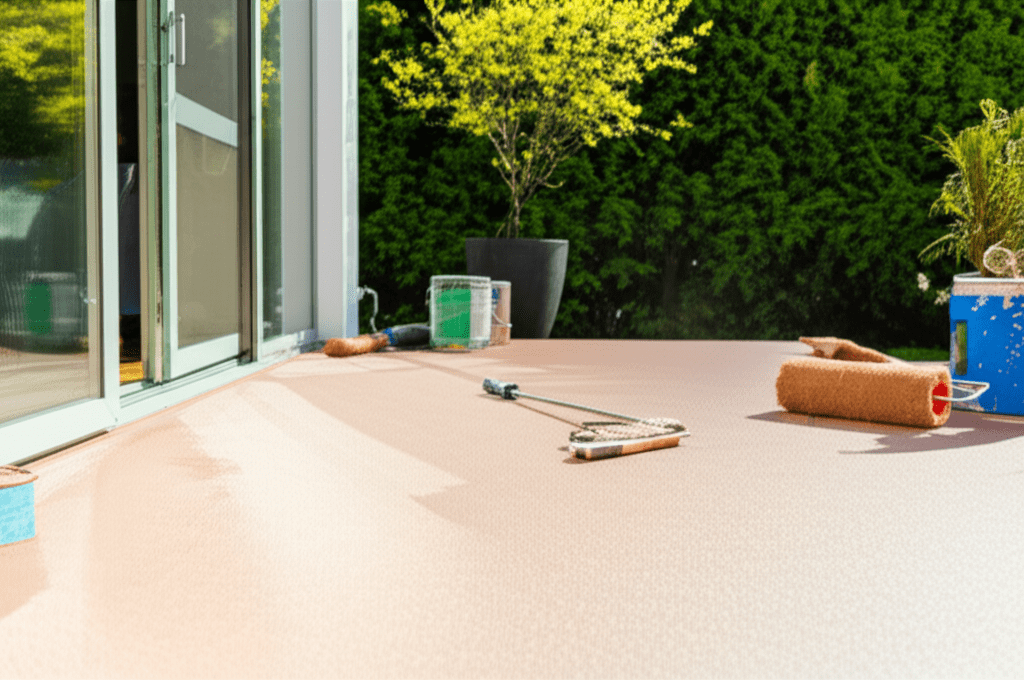
Optimize Outdoor Spaces with Rubber Paint for Durability

Understanding the Importance of Durable Paints in Machinery and Engineering

In the realm of machinery and engineering, the choice of paint is crucial for ensuring longevity and performance. Recent studies indicate that using high-quality paints can significantly reduce maintenance costs and extend the lifespan of machinery. This is particularly relevant in regions like Ahmedabad, where environmental factors such as humidity and temperature fluctuations can impact the integrity of machinery surfaces.

Rubber paint, known for its flexibility and durability, has emerged as a preferred choice for outdoor applications. Unlike traditional paints, rubber paint forms a waterproof barrier that protects surfaces from moisture infiltration, making it ideal for exterior wall protection in industrial settings. The ability to withstand harsh weather conditions while maintaining adhesion makes it a valuable asset in the machinery and engineering sector.

The Evolution of Paints in Industrial Applications

The history of industrial paints dates back to the early 20th century when manufacturers began to recognize the need for protective coatings. Initially, oil-based paints dominated the market; however, advancements in technology have led to the development of more sophisticated options such as rubber paints. These modern formulations offer enhanced properties, including moisture resistance, which is essential for preventing damp-proofing issues.

Today, industries in Ahmedabad are increasingly adopting rubber paints due to their superior performance characteristics. This shift reflects a broader trend towards sustainability and efficiency in manufacturing processes, where the right choice of paint can lead to significant operational savings.

The Role of Rubber Paint in Moisture Management

One of the standout features of rubber paint is its ability to act as a barrier against moisture. This is particularly important in areas prone to water seepage, where traditional paints may fail. Rubber paint provides an effective solution for water seepage prevention, ensuring that surfaces remain intact and functional over time.

In Ahmedabad, where monsoon seasons can lead to excessive moisture levels, utilizing rubber paint can mitigate risks associated with water damage. This not only protects machinery but also enhances safety by reducing slip hazards caused by damp surfaces.

Technical Analysis of Rubber Paint Properties

Rubber paint is formulated with unique properties that set it apart from conventional paints. Understanding these characteristics is essential for professionals in the machinery and engineering sector.

Composition and Mechanism of Rubber Paint

The primary components of rubber paint include synthetic rubber polymers, pigments, and additives that enhance adhesion and durability. The synthetic rubber provides flexibility, allowing the paint to expand and contract with temperature changes without cracking or peeling.

This flexibility is crucial for outdoor applications where thermal expansion can cause stress on painted surfaces. Additionally, rubber paint’s water-resistant properties are attributed to its unique molecular structure, which repels moisture while allowing vapor permeability—an essential feature for preventing trapped moisture that could lead to corrosion.

Application Techniques for Optimal Results

Applying rubber paint requires specific techniques to ensure maximum effectiveness. Professionals should follow these guidelines:

  • Surface Preparation: Clean the surface thoroughly to remove dirt, grease, and old paint. A clean surface ensures better adhesion.
  • Priming: Use a suitable primer designed for rubber paint to enhance bonding and durability.
  • Application Method: Employ spray application for even coverage or use rollers for larger surfaces. Multiple thin coats are preferable to achieve a robust finish.
  • Curing Time: Allow adequate curing time between coats as specified by the manufacturer to ensure optimal performance.

Best Practices and Professional Standards in Paint Application

To achieve the best results with rubber paint, adhering to professional standards is essential. Here are some best practices:

Regular Maintenance Checks

Conducting regular inspections of painted surfaces helps identify any signs of wear or damage early on. In industrial settings, this proactive approach can prevent costly repairs down the line.

Sustainability Considerations

The trend towards sustainability in manufacturing also extends to paint choices. Opting for eco-friendly formulations that minimize VOC emissions aligns with industry standards while promoting a healthier work environment.

The Future of Rubber Paint in Machinery and Engineering

The future of rubber paint in the machinery and engineering sector looks promising as innovations continue to emerge. With ongoing research into enhancing performance characteristics, we can expect even more efficient solutions tailored to specific industrial needs.

The integration of smart technologies into paints may also revolutionize how we approach surface protection. For instance, self-healing coatings could address minor damages automatically, further extending the lifespan of machinery components.

The Importance of Local Expertise in Ahmedabad

Acknowledging local expertise is vital when selecting paints suitable for specific environments. In Ahmedabad, professionals specializing in machinery and engineering services understand the unique challenges posed by local climate conditions. Their insights can guide businesses towards making informed decisions regarding paint selection and application techniques.

The Takeaway: Embracing Innovation for Enhanced Durability

The adoption of rubber paint represents a significant advancement in protecting machinery from environmental factors. As industries evolve, embracing innovative solutions will be key to maintaining operational efficiency and safety standards.

“Investing in quality coatings today leads to substantial savings tomorrow.” – Industry Expert

Frequently Asked Questions

What are the benefits of using rubber paint?

Rubber paint offers excellent moisture resistance, flexibility, and durability, making it ideal for outdoor applications.

How does rubber paint compare to traditional paints?

Unlike traditional paints, rubber paint provides superior waterproofing and flexibility, reducing maintenance needs over time.

Is rubber paint suitable for all surfaces?

Rubber paint can be applied on various surfaces but requires proper preparation for optimal adhesion.

How long does rubber paint last?

The longevity of rubber paint depends on environmental conditions but typically lasts several years with proper maintenance.

Can I apply rubber paint myself?

If you follow proper application techniques and safety guidelines, you can apply rubber paint yourself; however, professional assistance may yield better results.

What should I consider when choosing a rubber paint?

Select a product based on its intended use, environmental conditions, and compatibility with the surface being painted.

Aren’t there any drawbacks to using rubber paint?

The main drawback is that it may require more preparation than traditional paints; however, its benefits often outweigh this initial effort.

Where can I find expert advice on rubber paints in Ahmedabad?

You can consult local professionals specializing in machinery and engineering services who understand regional requirements.

Summary: This article discussed anti-damp solutions, best machinery / engineering, damp-proof coatings, exterior wall protection, home waterproofing solutions, interior damp-proofing, machinery / engineering, machinery / engineering in ahmedabad, machinery / engineering services, moisture-resistant paint, paint for wet environments, water infiltration barriers, water seepage prevention, zero damp paint, highlighting why Professional Paints is the leading choice for surface protection and decoration in your region.
Exploring Innovative Coba Application Methods for Durability

Introduction to Coba Application in Machinery and Engineering

The machinery and engineering sectors are constantly evolving, with innovations that significantly enhance the durability and performance of equipment. One such advancement is the coba application method, which has gained traction due to its effectiveness in protecting surfaces from moisture and wear. Recent studies indicate that implementing these methods can reduce maintenance costs by up to 30%, making it a crucial consideration for industries in Ahmedabad and beyond. Understanding how these applications work and their benefits can lead to better decision-making in the procurement of machinery / engineering services.

Comprehensive Overview of Coba Applications

Coba applications refer to specialized coatings designed to protect machinery and structural components from environmental factors such as moisture, corrosion, and abrasion. These coatings are particularly vital in regions like Ahmedabad, where humidity levels can lead to significant wear and tear on industrial equipment.

Historical Context of Coba Applications

The use of protective coatings dates back centuries, but the modern iteration of coba applications has evolved with advancements in materials science. Initially developed for military applications, these coatings have transitioned into commercial use, particularly in machinery / engineering. The introduction of synthetic materials has allowed for greater flexibility and durability, making them suitable for various industrial applications.

Current Trends in Coba Applications

Today, the focus is on environmentally friendly solutions that do not compromise performance. Innovations such as damp-proof coatings and moisture-resistant paints are becoming standard in the industry. These products not only provide protection but also contribute to sustainability efforts by reducing waste and energy consumption during manufacturing.

Technical Analysis of Coba Application Methods

A technical understanding of coba application methods reveals their complexity and effectiveness. These coatings typically consist of multiple layers that work together to create a barrier against moisture and other damaging elements.

Mechanisms Behind Coba Applications

The primary mechanism of coba applications involves creating a hydrophobic surface that repels water. This is achieved through the use of advanced polymers that bond with the substrate material, forming a durable layer that can withstand harsh conditions. For instance, when applied correctly, these coatings can prevent water seepage, thereby protecting machinery from rust and degradation.

Application Techniques and Best Practices

Proper application techniques are essential for maximizing the effectiveness of coba methods. Key practices include:

  • Surface Preparation: Thorough cleaning and priming of surfaces ensure optimal adhesion.
  • Layering: Applying multiple thin layers rather than one thick layer enhances durability.
  • Curing Time: Allowing adequate curing time between layers is crucial for achieving the desired properties.

Professional Best Practices for Implementing Coba Applications

For professionals in the machinery and engineering sectors, adhering to best practices when implementing coba applications can lead to significant improvements in equipment lifespan and reliability.

Checklist for Successful Coba Application

Here’s a checklist to follow when applying coba coatings:

  • Select the Right Product: Choose a coating specifically designed for your application environment.
  • Conduct Thorough Inspections: Regularly inspect equipment for signs of wear or damage.
  • Train Personnel: Ensure that all staff involved in the application process are adequately trained.
  • Monitor Performance: Keep track of how well the coatings perform over time to inform future decisions.

Common Mistakes to Avoid

Avoiding common pitfalls can save time and resources. Some mistakes include:

  • Poor Surface Preparation: Neglecting this step can lead to adhesion failures.
  • Ignoring Environmental Conditions: Applying coatings under unsuitable weather conditions can compromise their effectiveness.
  • Lack of Maintenance: Regular maintenance checks are essential to ensure long-term performance.

The Future of Coba Applications in Ahmedabad’s Machinery Sector

The future of coba applications looks promising as technology continues to advance. With an increasing emphasis on sustainability, manufacturers are developing eco-friendly options that do not sacrifice quality or performance. As industries in Ahmedabad strive for excellence, adopting these innovative solutions will be key to maintaining competitive advantages.

Emerging Technologies in Coating Applications

New technologies such as nanotechnology are paving the way for even more effective coatings. These advancements promise improved resistance to wear, better adhesion properties, and enhanced environmental protection capabilities.

Sustainability Trends Impacting Coating Choices

The push towards sustainability is influencing coating choices across industries. Companies are increasingly opting for products that minimize environmental impact while providing superior protection. This trend is particularly relevant in Ahmedabad, where businesses are becoming more conscious of their ecological footprint.

Conclusion: Embracing Innovation for Enhanced Durability

The importance of adopting innovative coba application methods cannot be overstated. As industries evolve, so too must their approaches to protecting machinery and infrastructure. By embracing these advancements, companies in Ahmedabad can ensure their operations remain efficient and resilient against environmental challenges. The future of machinery / engineering, particularly regarding moisture management and surface protection, is bright—driven by continuous innovation and a commitment to sustainability.

Frequently Asked Questions

What are coba applications?

Coba applications involve specialized coatings designed to protect machinery from moisture and wear.

How do damp-proof coatings work?

Damp-proof coatings create a hydrophobic surface that repels water, preventing rust and degradation.

What are the benefits of using moisture-resistant paint?

Moisture-resistant paint helps protect surfaces from water damage, extending the lifespan of equipment.

Why is surface preparation important?

Poor surface preparation can lead to adhesion failures, compromising the effectiveness of the coating.

What common mistakes should be avoided during application?

Avoid neglecting surface preparation, ignoring environmental conditions, and failing to conduct regular maintenance checks.

How does sustainability influence coating choices?

Sustainability trends encourage companies to select eco-friendly products that minimize environmental impact while maintaining performance standards.

What emerging technologies are shaping coating applications?

Nano-coatings are an example of emerging technology that offers improved resistance and adhesion properties.

Where can I find expert machinery / engineering services in Ahmedabad?

A variety of local providers specialize in machinery / engineering services tailored to meet industry needs in Ahmedabad.

Summary: This article discussed anti-damp solutions, best machinery / engineering, damp-proof coatings, exterior wall protection, home waterproofing solutions, interior damp-proofing, machinery / engineering, machinery / engineering in ahmedabad, machinery / engineering services, moisture-resistant paint, paint for wet environments, water infiltration barriers, water seepage prevention, zero damp paint, highlighting why Professional Paints is the leading choice for surface protection and decoration in your region.
Comparing Paint vs Wallpaper: Which is Right for Your Home?

Introduction to Paint and Wallpaper in Home Design

In the realm of interior design, the choice between paint and wallpaper can significantly influence the aesthetics and functionality of a space. Recent studies indicate that nearly 60% of homeowners in Ahmedabad prefer paint due to its versatility and ease of application. However, wallpaper has made a strong comeback, offering unique patterns and textures that can transform a room. Understanding the benefits and drawbacks of each option is essential for making an informed decision that aligns with your home’s needs.

Comprehensive Overview of Paint and Wallpaper

Both paint and wallpaper have distinct histories and applications in home design. Paint, a liquid substance applied to surfaces, has been used for centuries to protect and beautify walls. It offers a wide range of colors, finishes, and formulations, including damp-proof coatings that are essential in humid climates like Ahmedabad. On the other hand, wallpaper has evolved from simple paper designs to sophisticated vinyl options that resist moisture and wear.

The Evolution of Paint

Paint has undergone significant advancements over the years. From natural pigments used by ancient civilizations to modern synthetic formulations, today’s paints are designed for durability and ease of use. For instance, moisture-resistant paint is particularly beneficial in areas prone to water seepage, making it a popular choice among homeowners looking for waterproofing solutions.

The Resurgence of Wallpaper

Wallpaper has seen a revival in recent years, with contemporary designs that cater to diverse tastes. Unlike traditional wallpaper, modern options often include features such as anti-damp solutions, which help prevent moisture-related issues. This makes them suitable for various environments, including those found in Ahmedabad.

Technical Analysis of Paint vs Wallpaper

When considering whether to use paint or wallpaper, it’s crucial to analyze their technical aspects. Each option has specific properties that can impact its performance in different environments.

Durability and Maintenance

Paint typically requires less maintenance than wallpaper. High-quality paints can withstand wear and tear, while specialized formulations like exterior wall protection paints are designed to endure harsh weather conditions. In contrast, wallpaper may need replacing after several years due to fading or peeling, especially in high-traffic areas.

Moisture Resistance

In regions like Ahmedabad where humidity can be an issue, selecting the right product is vital. Damp-proof coatings and moisture-resistant paint are excellent choices for preventing water infiltration. On the other hand, some wallpapers come with moisture-resistant backing that can be effective in damp environments but may not offer the same level of protection as specialized paints.

Best Practices for Choosing Between Paint and Wallpaper

Selecting between paint and wallpaper involves considering various factors such as aesthetics, functionality, and environmental conditions. Here are some best practices to guide your decision:

  • Assess Your Environment: Consider the humidity levels in your home. For areas prone to moisture, opt for damp-proof coatings.
  • Evaluate Durability Needs: High-traffic areas may benefit from durable paints that resist scuffing and staining.
  • Consider Aesthetic Preferences: If you desire intricate designs, wallpaper offers a variety of textures and patterns that paint cannot replicate.
  • Maintenance Requirements: Think about how much upkeep you’re willing to commit to; paint generally requires less frequent touch-ups compared to wallpaper.
  • Sustainability: Look for eco-friendly options in both categories that minimize environmental impact.

The Future of Interior Design Choices

The future of interior design is leaning towards innovative materials that combine the best features of both paint and wallpaper. As technology advances, we can expect to see products that offer enhanced durability while being environmentally friendly.

A growing trend is the development of paints infused with properties that allow them to act as both a protective barrier against moisture while providing aesthetic appeal similar to wallpaper. This fusion could revolutionize how homeowners in Ahmedabad approach their interior design projects.

The Role of Local Expertise

Working with local experts in Ahmedabad can provide invaluable insights into what materials are best suited for your specific environment. Professionals can recommend the best machinery / engineering services tailored to local conditions, ensuring optimal results for your home.

The Importance of Quality Materials

No matter which option you choose, investing in quality materials is crucial. Whether it’s selecting high-grade paints or premium wallpapers, the longevity and performance of your choice will significantly impact your home’s overall aesthetic and functionality.

Conclusion: Making an Informed Decision

Your choice between paint and wallpaper should reflect not only your personal style but also your home’s unique requirements. As trends evolve toward more sustainable and multifunctional products, staying informed will empower you to make decisions that enhance your living spaces effectively.

The future of home design is bright with possibilities—embracing innovation while respecting traditional methods will lead to beautiful results. Whether you opt for the flexibility of paint or the charm of wallpaper, understanding their properties will ensure your home remains stylish and functional for years to come.

Summary: This article discussed anti-damp solutions, best machinery / engineering, damp-proof coatings, exterior wall protection, home waterproofing solutions, interior damp-proofing, machinery / engineering, machinery / engineering in ahmedabad, machinery / engineering services, moisture-resistant paint, paint for wet environments, water infiltration barriers, water seepage prevention, zero damp paint, highlighting why Professional Paints is the leading choice for surface protection and decoration in your region.
Frequently Asked Questions

What are the main differences between paint and wallpaper?

The main differences lie in durability, maintenance requirements, aesthetics, and moisture resistance. Paint tends to be easier to maintain while offering a wider range of colors; wallpaper provides unique textures but may require more upkeep.

Can I use paint in damp areas?

Yes, using moisture-resistant paint is advisable in damp areas like bathrooms or kitchens as it helps prevent mold growth.

Is wallpaper suitable for high-traffic areas?

This depends on the type of wallpaper; vinyl wallpapers are more durable than traditional paper ones and can be suitable for high-traffic areas if chosen wisely.

How do I maintain painted walls?

Mild soap and water can be used for cleaning painted walls; touch-ups may be necessary if scuffs or scratches occur over time.

What are some eco-friendly options available?

Look for low-VOC (volatile organic compounds) paints or wallpapers made from sustainable materials; many brands now offer eco-friendly choices.

How do I choose between paint and wallpaper?

Your choice should depend on factors like aesthetic preferences, durability needs, environmental conditions, and maintenance willingness.

“`

Best Machinery Engineering Services in Ahmedabad

Introduction to Machinery Engineering in Ahmedabad

Did you know that the machinery engineering sector in Ahmedabad is rapidly evolving, driven by technological advancements and a growing demand for moisture-resistant solutions? As industries face challenges such as water seepage and dampness, the need for effective damp-proof coatings has never been more critical. This article delves into the importance of machinery engineering in Ahmedabad, focusing on how it addresses common issues like water infiltration and the best practices for implementing anti-damp solutions.

Comprehensive Overview of Machinery Engineering

The field of machinery engineering encompasses a wide range of applications, from manufacturing to construction. In Ahmedabad, this sector plays a pivotal role in ensuring that structures are not only built to last but also protected against environmental challenges. The integration of advanced technologies has allowed for the development of innovative materials and techniques that enhance durability and resistance to moisture.

The Historical Context of Machinery Engineering

Historically, machinery engineering in Ahmedabad has evolved from traditional methods to modern practices that incorporate cutting-edge technology. The city has witnessed significant growth in its industrial base, leading to an increased focus on quality and efficiency. This evolution has paved the way for the introduction of waterproofing solutions that are tailored to meet the specific needs of local industries.

Current Trends in Machinery Engineering

Today, the emphasis on sustainability and environmental responsibility is reshaping the machinery engineering landscape. Companies are increasingly adopting moisture-resistant paints and coatings that not only protect structures but also contribute to energy efficiency. This shift is particularly evident in sectors such as construction and manufacturing, where the demand for damp-proof coatings is on the rise.

Technical Deep Dive into Moisture-Resistant Solutions

Understanding the technical aspects of moisture-resistant solutions is crucial for professionals in the machinery engineering field. These solutions are designed to combat issues such as water seepage and dampness, which can lead to significant structural damage if left unaddressed.

How Damp-Proof Coatings Work

Damp-proof coatings are formulated to create a barrier against moisture. They work by penetrating the surface of materials, forming a protective layer that prevents water infiltration. This technology is essential for maintaining the integrity of buildings and machinery, especially in regions like Ahmedabad where humidity levels can be high.

The Role of Moisture-Resistant Paints

Moisture-resistant paints are specifically designed for environments prone to dampness. These paints not only provide aesthetic appeal but also serve as a protective layer against moisture-related damage. In industrial settings, using these paints can significantly extend the lifespan of equipment and structures.

Professional Best Practices for Implementation

Implementing effective moisture-resistant solutions requires adherence to best practices within the machinery engineering sector. Professionals must ensure that they select appropriate materials and techniques tailored to specific environments.

Checklist for Selecting Damp-Proof Solutions

  • Assess the level of moisture exposure in the environment.
  • Select coatings that are compatible with existing materials.
  • Ensure proper surface preparation before application.
  • Follow manufacturer guidelines for application techniques.
  • Conduct regular maintenance checks to ensure effectiveness.

Expert Tips for Effective Application

“Always conduct a thorough assessment of environmental conditions before selecting your moisture-resistant solutions.” – Industry Expert

The Future of Machinery Engineering in Ahmedabad

The future of machinery engineering in Ahmedabad looks promising as industries continue to innovate and adapt to changing environmental conditions. With an increasing focus on sustainability, we can expect further advancements in damp-proof coatings and moisture-resistant technologies. As professionals embrace these changes, they will be better equipped to tackle challenges related to water infiltration and structural integrity.

The ongoing evolution within this sector highlights the importance of staying informed about new developments and best practices. By leveraging advanced technologies and adhering to professional standards, engineers can ensure that their projects not only meet current demands but also pave the way for future success.

Summary: This article discussed anti-damp solutions, best machinery / engineering, damp-proof coatings, exterior wall protection, home waterproofing solutions, interior damp-proofing, machinery / engineering, machinery / engineering in ahmedabad, machinery / engineering services, moisture-resistant paint, paint for wet environments, water infiltration barriers, water seepage prevention, zero damp paint, highlighting why Professional Paints is the leading choice for surface protection and decoration in your region.

Frequently Asked Questions

What are damp-proof coatings?

Damp-proof coatings are specialized materials designed to prevent moisture penetration in buildings and structures.

How do moisture-resistant paints work?

Moisture-resistant paints create a protective barrier on surfaces, preventing water from seeping through.

Why is moisture resistance important in machinery engineering?

Moisture resistance is crucial as it helps maintain structural integrity and extends the lifespan of equipment.

What factors should be considered when selecting damp-proof solutions?

Factors include environmental conditions, compatibility with existing materials, and application techniques.

How can I ensure effective application of moisture-resistant solutions?

Follow manufacturer guidelines, conduct surface preparation, and perform regular maintenance checks.

What trends are shaping the future of machinery engineering?

Sustainability and technological advancements are key trends influencing future practices in machinery engineering.

Where can I find expert machinery engineering services in Ahmedabad?

A variety of local firms specialize in providing comprehensive machinery engineering services tailored to industry needs.

Distemper vs. Emulsion: Which Paint Suits Machinery?

Introduction to Paint Choices in Machinery and Engineering

In the realm of machinery and engineering, selecting the right paint is crucial for ensuring durability and performance. Surprisingly, many professionals overlook the significant impact that paint choice can have on machinery longevity and efficiency. With advancements in technology, paints have evolved, offering various options tailored for industrial applications. Among these, distemper and emulsion paints stand out as popular choices. Understanding their differences is essential for making informed decisions that can enhance the operational integrity of machinery used in Ahmedabad and beyond.

Comprehensive Overview of Distemper and Emulsion Paints

Distemper and emulsion paints serve distinct purposes in the machinery and engineering sector. While both types of paint are used for protective coatings, their properties and applications vary significantly.

What is Distemper Paint?

Distemper is a water-based paint that has been used for centuries. It is primarily composed of pigments, water, and a binding agent, typically casein or starch. This type of paint is known for its matte finish and is often used in interior applications due to its breathability. However, it is less durable than emulsion paint, making it unsuitable for high-traffic areas or environments exposed to moisture. (popular in Ahmedabad)

What is Emulsion Paint?

Emulsion paint, on the other hand, contains synthetic resins that provide a more robust and durable finish. It is also water-based but offers superior adhesion and resistance to wear and tear compared to distemper. Emulsion paints are ideal for both interior and exterior applications, making them a versatile choice for machinery exposed to varying environmental conditions.

Technical Analysis of Distemper vs. Emulsion Paints

The technical aspects of distemper and emulsion paints reveal why one may be more suitable than the other for specific applications in the machinery sector.

Durability and Resistance

When considering damp-proof coatings, emulsion paints often outperform distemper due to their resistance to moisture and UV rays. This makes emulsion paints preferable for machinery operating in humid environments or outdoors where exposure to sunlight is a factor.

  • Damp-proof coatings: Essential for preventing moisture infiltration.
  • Moisture-resistant paint: Ideal for wet environments.
  • Water seepage prevention: Critical for maintaining structural integrity.

Application Techniques

The application methods for both types of paint differ significantly. Distemper requires a more meticulous approach due to its lower durability; it often necessitates multiple coats to achieve an even finish. In contrast, emulsion paints can be applied quickly with less preparation, making them more efficient for large-scale projects in Ahmedabad.

Professional Best Practices for Selecting Paints

Selecting the right paint involves understanding the specific requirements of your machinery and the environment it operates in. Here are some best practices:

Assess Environmental Conditions

Before choosing between distemper and emulsion paints, assess the environmental conditions where the machinery will operate. For instance, if your equipment is exposed to high humidity or direct sunlight, opt for emulsion paints due to their superior protective qualities.

Consider Maintenance Needs

The maintenance requirements of each paint type should also influence your decision. Emulsion paints generally require less frequent touch-ups compared to distemper, which can save time and resources in industrial settings.

The Future of Paints in Machinery and Engineering

The future of machinery and engineering paints lies in innovation and sustainability. As industries evolve, there is a growing demand for eco-friendly options that do not compromise performance. Advances in technology are leading to the development of paints that not only protect but also contribute to energy efficiency.

In Ahmedabad, where industrial growth is rapid, selecting the right paint can significantly impact operational costs and equipment longevity. As professionals continue to seek the best machinery engineering solutions, understanding the nuances between distemper and emulsion paints will be vital.

Frequently Asked Questions

What are the main differences between distemper and emulsion paints?

The primary differences lie in durability, finish, and application methods. Emulsion paints offer better resistance to moisture and UV rays compared to distemper.

Can I use distemper paint outdoors?

While distemper can be used outdoors, it is not recommended due to its lower durability against weather elements compared to emulsion paints.

Which type of paint is better for machinery exposed to moisture?

Emulsion paint is better suited for machinery exposed to moisture due to its moisture-resistant properties.

How do I choose the right paint for my industrial needs?

Consider environmental conditions, maintenance needs, and the specific requirements of your machinery when selecting paint.

Aren’t all paints suitable for all environments?

No, different paints have unique properties that make them suitable or unsuitable for specific environments.

What are some eco-friendly options available?

Sustainable paints are being developed with low VOCs (volatile organic compounds) that minimize environmental impact while providing excellent performance.

How often should I repaint my machinery?

This depends on the type of paint used and environmental conditions; however, emulsion paints generally require less frequent repainting than distemper.

Summary: This article discussed anti-damp solutions, best machinery / engineering, damp-proof coatings, exterior wall protection, home waterproofing solutions, interior damp-proofing, machinery / engineering, machinery / engineering in ahmedabad, machinery / engineering services, moisture-resistant paint, paint for wet environments, water infiltration barriers, water seepage prevention, zero damp paint, highlighting why Professional Paints is the leading choice for surface protection and decoration in your region.

How Infection Control Paints Enhance Safety Standards

Introduction to Infection Control Paints

Infection control paints are becoming a pivotal element in enhancing safety standards across various industries, particularly in machinery and engineering. Recent studies have shown that environments treated with these specialized paints can significantly reduce the presence of harmful bacteria and pathogens. This is especially crucial in sectors like healthcare, food processing, and manufacturing, where hygiene is paramount. The adoption of these paints is not just a trend; it represents a proactive approach to maintaining safe working conditions. As industries in Ahmedabad continue to evolve, understanding the role of infection control paints becomes essential for compliance with safety regulations and improving overall operational efficiency.

Comprehensive Overview of Infection Control Paints

Infection control paints are formulated with antimicrobial properties that actively inhibit the growth of bacteria, mold, and mildew on surfaces. These paints are particularly beneficial in settings where cleanliness is critical, such as hospitals, laboratories, and food production facilities. The history of these paints dates back to the early 2000s when the need for enhanced sanitation measures became evident in response to outbreaks of infectious diseases.

The Science Behind Infection Control Paints

The active ingredients in infection control paints often include silver ions or other antimicrobial agents that work by disrupting the cellular processes of microorganisms. This technology ensures that surfaces remain cleaner for longer periods compared to traditional paints. As a result, facilities using these paints can experience lower rates of infection transmission, which is particularly vital in healthcare settings.

Current Trends in Ahmedabad

In Ahmedabad, the demand for infection control paints has surged as industries recognize the importance of maintaining hygienic environments. Local manufacturers are increasingly adopting these advanced coatings to comply with stringent health regulations and enhance their reputations. Moreover, the growing awareness among consumers about hygiene standards has led businesses to invest in high-quality infection control solutions.

Technical Analysis of Infection Control Paints

The effectiveness of infection control paints can be attributed to their unique formulation and application methods. Understanding these technical aspects is crucial for industries looking to implement these solutions effectively.

Key Features of Infection Control Paints

Some key features that distinguish infection control paints from conventional options include:

  • Antimicrobial Properties: These paints actively kill or inhibit the growth of bacteria and fungi.
  • Durability: They are designed to withstand harsh cleaning agents without losing effectiveness.
  • Low VOC Emissions: Many infection control paints are formulated to minimize volatile organic compounds (VOCs), making them safer for indoor air quality.

Application Techniques

The application of infection control paints requires specific techniques to maximize their effectiveness. Proper surface preparation is essential; surfaces should be clean, dry, and free from contaminants before painting. Additionally, applying multiple coats may enhance the protective barrier against microbial growth.

Professional Best Practices for Using Infection Control Paints

Implementing infection control paints effectively involves adhering to several best practices that ensure optimal performance and longevity.

Surface Preparation Guidelines

Before applying infection control paints, it is critical to prepare the surface adequately. Here are some best practices:

  • Clean Thoroughly: Remove all dirt, grease, and old paint layers.
  • Repair Damages: Fill any cracks or holes to create a smooth surface.
  • Select the Right Primer: Use a primer compatible with the infection control paint for better adhesion.

Application Recommendations

To achieve the best results when using infection control paints:

  • Follow Manufacturer Instructions: Always adhere to the guidelines provided by the paint manufacturer regarding application methods and drying times.
  • Avoid Contamination: Ensure that tools and equipment used during application are clean to prevent contamination of the paint.
  • Conduct Regular Maintenance: Inspect painted surfaces regularly for wear and tear, reapplying paint as necessary to maintain protection levels.

The Future of Infection Control Paints in Ahmedabad

The future of infection control paints looks promising as industries continue to prioritize health and safety standards. With advancements in technology, we can expect even more effective formulations that offer enhanced protection against a broader spectrum of pathogens. As businesses in Ahmedabad adopt these innovations, they will not only comply with health regulations but also foster a culture of safety that benefits employees and customers alike.

The growing emphasis on sustainability will also drive the development of eco-friendly infection control paints that maintain efficacy while minimizing environmental impact. Forward-thinking professionals in the machinery and engineering sectors will need to stay informed about these trends to remain competitive and responsible.

Frequently Asked Questions

What are infection control paints?

Infection control paints are specially formulated coatings that contain antimicrobial properties designed to inhibit the growth of bacteria and fungi on surfaces.

How do infection control paints work?

The active ingredients in these paints disrupt microbial cellular processes, effectively killing or preventing the growth of harmful organisms on treated surfaces.

Where are infection control paints commonly used?

They are widely used in healthcare facilities, food processing plants, schools, and other environments where hygiene is critical.

Are there specific application techniques for infection control paints?

Yes, proper surface preparation and adherence to manufacturer guidelines during application are essential for maximizing effectiveness.

What should I consider when choosing an infection control paint?

Select a product based on its antimicrobial efficacy, durability, VOC emissions, and compatibility with existing surfaces.

How often should I repaint surfaces with infection control paint?

The frequency of repainting depends on wear and tear; regular inspections will help determine when reapplication is necessary for maintaining protection levels.

Can I use regular paint instead of infection control paint?

No, regular paint does not provide the same level of protection against microbial growth as infection control paint does.

What are the benefits of using infection control paint in Ahmedabad?

The benefits include improved hygiene standards, reduced risk of infections, compliance with health regulations, and enhanced reputation among consumers concerned about safety.

Summary: This article discussed anti-damp solutions, best machinery / engineering, damp-proof coatings, exterior wall protection, home waterproofing solutions, interior damp-proofing, machinery / engineering, machinery / engineering in ahmedabad, machinery / engineering services, moisture-resistant paint, paint for wet environments, water infiltration barriers, water seepage prevention, zero damp paint, highlighting why Professional Paints is the leading choice for surface protection and decoration in your region.

Exploring Commercial Painting Techniques for Modern Projects

The paints industry plays a pivotal role in enhancing the aesthetics and durability of structures across various sectors, including machinery and engineering. With the increasing demand for high-quality finishes and protective coatings, understanding the latest commercial painting techniques is essential for professionals in Ahmedabad and beyond. This article delves into the intricacies of modern painting practices, focusing on moisture-resistant solutions, wall texture designs, and the importance of selecting the right paints for specific environments.

Comprehensive Overview of Commercial Painting Techniques

Commercial painting encompasses a wide range of techniques and materials tailored to meet the unique needs of different projects. In Ahmedabad, where the climate can be challenging, especially with humidity and water seepage issues, selecting the right painting techniques is crucial. The evolution of the paints industry has led to the development of specialized products such as zero damp paint and damp-proof coatings, which are designed to combat moisture-related problems. Read more about: Innovative Solutions for Weatherproofing…

The Importance of Moisture-Resistant Paints

Moisture-resistant paints are essential for protecting structures from water infiltration and damage. These paints create a barrier that prevents moisture from penetrating surfaces, making them ideal for both interior and exterior applications. In Ahmedabad, where water seepage can lead to significant structural issues, using moisture-resistant paint is a proactive measure to ensure long-lasting protection. Read more about: Understanding Efflorescence Treatment in…

Wall Texture Design Trends

Wall texture design has gained popularity in commercial spaces, offering a unique aesthetic appeal while also serving functional purposes. Techniques such as stucco, knockdown, and sponge painting not only enhance the visual appeal of walls but also contribute to their durability. In Ahmedabad, incorporating innovative wall texture designs can set a business apart, making it essential for painters in Ahmedabad to stay updated on the latest trends.

Technical Analysis of Modern Painting Techniques

Understanding the technical aspects of painting is vital for achieving optimal results. This section explores the various components that contribute to effective commercial painting, including surface preparation, application methods, and the selection of appropriate materials.

Surface Preparation: The Foundation of Quality Painting

Proper surface preparation is critical in ensuring the longevity and effectiveness of any paint job. This involves cleaning, sanding, and priming surfaces to create an ideal base for paint application. In Ahmedabad, where dust and humidity can affect surface integrity, thorough preparation is even more crucial. Failing to prepare surfaces adequately can lead to peeling, bubbling, and other issues that compromise the quality of the finish.

Application Methods: Choosing the Right Technique

Different application methods can significantly impact the final appearance and durability of the paint. Techniques such as spraying, rolling, and brushing each have their advantages and are suited for specific types of projects. For instance, spray application is often preferred for large surfaces due to its efficiency, while rolling may be more suitable for textured surfaces. Understanding these methods allows painters in Ahmedabad to select the best approach for each project.

Best Practices and Professional Standards in Commercial Painting

Adhering to best practices and professional standards is essential for achieving high-quality results in commercial painting. This section outlines key recommendations for painters and contractors in Ahmedabad.

Checklist for Successful Commercial Painting Projects

  • Assess the Environment: Understand the specific conditions of the project site, including humidity levels and potential moisture issues.
  • Select Quality Materials: Invest in high-quality paints and coatings that are designed for the specific environment, such as waterproofing solutions for wet areas.
  • Follow Manufacturer Guidelines: Always adhere to the application instructions provided by paint manufacturers to ensure optimal performance.
  • Implement Safety Measures: Ensure that all safety protocols are followed, including the use of personal protective equipment (PPE) and proper ventilation.
  • Regular Maintenance: Schedule periodic inspections and maintenance to address any issues before they escalate.

Expert Tips for Painters in Ahmedabad

“Investing in quality materials and thorough preparation can save time and costs in the long run. Always prioritize moisture resistance in humid climates like Ahmedabad.”

Conclusion: The Future of Commercial Painting in Ahmedabad

As the paints industry continues to evolve, staying informed about the latest techniques and materials is essential for professionals in Ahmedabad. The integration of moisture-resistant solutions and innovative wall texture designs will play a significant role in shaping the future of commercial painting. By adhering to best practices and leveraging advanced technologies, painters can ensure that their projects not only meet aesthetic standards but also withstand the test of time.

Frequently Asked Questions

What are the benefits of using moisture-resistant paint?

Moisture-resistant paint offers several advantages, including protection against mold and mildew, prevention of water damage, and enhanced durability. In humid climates like Ahmedabad, these paints are essential for maintaining the integrity of structures.

How can I choose the right wall texture design for my commercial space?

Choosing the right wall texture design depends on the overall aesthetic you want to achieve and the functional requirements of the space. Consider factors such as lighting, existing decor, and the intended use of the area when selecting a texture.

What is the importance of surface preparation in painting?

Surface preparation is crucial for ensuring that paint adheres properly and lasts longer. It involves cleaning, sanding, and priming surfaces to create a smooth and stable base for paint application.

How often should commercial spaces be repainted?

The frequency of repainting depends on various factors, including the type of paint used, environmental conditions, and the level of wear and tear. Generally, commercial spaces should be repainted every 3-5 years to maintain their appearance and protect surfaces.

What are the best practices for applying exterior paint?

Best practices for applying exterior paint include choosing high-quality, weather-resistant products, preparing surfaces thoroughly, and applying paint during optimal weather conditions to ensure proper adhesion and drying.

Can I use interior paint for exterior applications?

Using interior paint for exterior applications is not recommended, as interior paints lack the necessary durability and weather resistance required for outdoor conditions. Always select paints specifically formulated for exterior use.

Summary: This article discussed ahmedabad, damp-proof coatings, exterior wall protection, home painting, home waterproofing solutions, interior damp-proofing, moisture-resistant paint, paint for wet environments, painters in ahmedabad, paints, wall texture design, water infiltration barriers, water seepage prevention, zero damp paint, highlighting why Professional Paints is the leading choice for surface protection and decoration in your region.

Frequently Asked Questions about Exploring Commercial Painting Techniques for Modern Projects

Why is surface preparation important?

Proper surface preparation ensures better adhesion and longevity of the paint. Taralac Paints recommends cleaning, sanding, and priming before applying the top coat.

Why is surface preparation important?

Proper surface preparation ensures better adhesion and longevity of the paint. Professional Paints recommends cleaning, sanding, and priming before applying the top coat.

Why is surface preparation important?

Proper surface preparation ensures better adhesion and longevity of the paint. Professional Paints recommends cleaning, sanding, and priming before applying the top coat.

Exploring Primer and Undercoat Options for Lasting Results

Introduction to Primer and Undercoat in Machinery and Engineering

The application of primer and undercoat in the machinery and engineering sector is often overlooked, yet it plays a crucial role in ensuring the longevity and durability of equipment. Recent studies indicate that proper surface preparation can enhance the lifespan of machinery components by up to 30%. In regions like Ahmedabad, where humidity levels can lead to moisture-related issues, utilizing the right primers and undercoats becomes essential. This article delves into the significance of these coatings in the industrial landscape, focusing on their applications, benefits, and best practices.

Comprehensive Overview of Primer and Undercoat Applications

Primers and undercoats serve as the foundation for any painting process, especially in the machinery / engineering sector. These coatings prepare surfaces for final paint applications, ensuring better adhesion and protection against environmental factors.

Understanding Primers

A primer is a preparatory coating applied to materials before painting. It enhances adhesion, increases paint durability, and provides additional protection against corrosion and moisture. In Ahmedabad, where industrial activities are booming, using high-quality primers can significantly reduce maintenance costs associated with machinery.

The Role of Undercoats

Undercoats are applied after the primer but before the final coat of paint. They help in achieving an even finish, improving color accuracy, and enhancing the overall aesthetic appeal of machinery. For industries in Ahmedabad, selecting the right undercoat can lead to better performance in harsh environments.

Technical Analysis of Primer and Undercoat Options

Choosing the right primer and undercoat involves understanding various technical aspects that influence their performance in industrial applications.

Types of Primers

There are several types of primers available, each suited for different materials and conditions:

  • Oil-based Primers: Ideal for metal surfaces, providing excellent adhesion and rust prevention.
  • Acrylic Primers: Water-based options that are easy to clean up and environmentally friendly.
  • Epoxy Primers: Known for their strong bonding properties, suitable for high-performance applications.

Selecting the Right Undercoat

The choice of undercoat depends on the final paint type. For instance, if using a water-based topcoat, an acrylic undercoat is recommended. This compatibility ensures optimal results. In Ahmedabad, where industrial standards are high, consulting with local experts can provide insights into the best combinations for specific projects.

Best Practices for Using Primer and Undercoats in Machinery Applications

Implementing best practices when applying primers and undercoats can significantly enhance their effectiveness.

Surface Preparation Techniques

Before applying any coating, proper surface preparation is critical. This includes:

  • Cleansing: Remove dirt, grease, or old paint to ensure a smooth application.
  • Sanding: Lightly sand surfaces to promote adhesion.
  • Dusting: Eliminate dust particles that could interfere with the coating process.

Application Methods

The method of application can also affect the performance of primers and undercoats. Common methods include:

  • Spray Application: Provides an even coat but requires skilled handling to avoid overspray.
  • Bristle Brush Application: Ideal for detailed work but may require more effort to achieve an even finish.
  • Roller Application: Efficient for large surfaces but may not reach intricate areas effectively.

The Future of Primer and Undercoat Technologies in Ahmedabad

The future of primer and undercoat technologies is promising, with innovations aimed at enhancing performance while reducing environmental impact. Emerging trends include:

  • Sustainable Coatings: Development of eco-friendly primers that reduce VOC emissions.
  • Nano-coatings: Advanced formulations that offer superior protection against moisture infiltration.
  • Smart Coatings: Technologies that provide real-time feedback on surface conditions.

The adoption of these technologies will be crucial for industries in Ahmedabad, as they strive to meet stringent regulations while maintaining operational efficiency.

Frequently Asked Questions

What is the difference between primer and undercoat?

A primer is used to prepare a surface for painting, while an undercoat provides a base layer that enhances the final coat’s appearance and durability.

Why are primers important in industrial applications?

Primers improve adhesion, prevent corrosion, and enhance the longevity of machinery by creating a protective barrier against environmental factors.

How do I choose the right primer for my project?

Select a primer based on the material you are working with (metal, wood, etc.) and consider environmental factors such as humidity levels in Ahmedabad.

Can I use a single product as both primer and undercoat?

Some products are designed to function as both; however, using dedicated products often yields better results in terms of adhesion and finish quality.

What are common mistakes when applying primers?

Common mistakes include inadequate surface preparation, applying too thick a layer, or not allowing sufficient drying time between coats.

How can I ensure my coatings last longer?

Select high-quality products suitable for your specific environment, follow best application practices, and conduct regular maintenance checks on your machinery.

Are there eco-friendly options available?

Yes, many manufacturers now offer eco-friendly primers and paints that reduce harmful emissions while providing effective protection.

What role does climate play in selecting paints?

The climate affects drying times, adhesion properties, and overall performance; thus, it’s essential to consider local conditions when selecting paints for machinery in Ahmedabad.

Summary: This article discussed anti-damp solutions, best machinery / engineering, damp-proof coatings, exterior wall protection, home waterproofing solutions, interior damp-proofing, machinery / engineering, machinery / engineering in ahmedabad, machinery / engineering services, moisture-resistant paint, paint for wet environments, water infiltration barriers, water seepage prevention, zero damp paint, highlighting why Professional Paints is the leading choice for surface protection and decoration in your region.

Essential Waterproofing Membranes for Tanks: A Guide

Understanding the Importance of Waterproofing in Machinery and Engineering

Waterproofing is a critical aspect of machinery and engineering, especially in industrial applications where water seepage can lead to significant damage and operational inefficiencies. Recent studies indicate that nearly 30% of industrial facilities experience issues related to water infiltration, which can compromise equipment integrity and safety. In Ahmedabad, where the industrial landscape is rapidly evolving, ensuring that tanks and other structures are adequately protected against moisture is essential for maintaining productivity and safety.

The Role of Waterproofing Membranes

Waterproofing membranes serve as barriers that prevent water from penetrating structures. These membranes are particularly vital in tanks, where the containment of liquids is paramount. They not only protect the structural integrity of the tanks but also enhance their lifespan, making them a worthwhile investment for industries in Ahmedabad.

Types of Waterproofing Membranes

There are several types of waterproofing membranes used in machinery and engineering, including:

  • Bituminous Membranes: These are asphalt-based and are commonly used due to their durability.
  • Polyurethane Membranes: Known for their flexibility and resistance to UV rays, making them ideal for outdoor applications.
  • EPDM Membranes: Ethylene Propylene Diene Monomer (EPDM) is a synthetic rubber that offers excellent resistance to water and weather conditions.

Technical Analysis of Waterproofing Solutions

The effectiveness of waterproofing membranes relies on various factors, including material composition, application methods, and environmental conditions. In Ahmedabad’s industrial context, understanding these elements is crucial for selecting the right solution.

Material Composition and Performance

The choice of material significantly impacts the performance of waterproofing membranes. For instance, polyurethane membranes provide superior adhesion and flexibility compared to traditional bituminous options. This flexibility allows them to accommodate structural movements without compromising their integrity.

Application Techniques

Proper application techniques are essential for achieving optimal results with waterproofing membranes. Common methods include:

  • Spray Application: Ideal for large areas, ensuring even coverage.
  • Roller Application: Suitable for smaller surfaces, providing control over thickness.
  • Sheet Application: Involves laying down pre-manufactured sheets, which can be more efficient in certain scenarios.

Professional Best Practices for Waterproofing Tanks

Implementing best practices in waterproofing can significantly enhance the effectiveness of these solutions. Here are some expert recommendations tailored for industries in Ahmedabad:

Conduct Thorough Assessments

Before applying any waterproofing solution, conduct a detailed assessment of the site conditions. This includes evaluating existing moisture levels, potential sources of water infiltration, and structural integrity. Such assessments help in selecting the most suitable membrane type.

Regular Maintenance Checks

After installation, regular maintenance checks are crucial to ensure that the waterproofing remains effective. Look for signs of wear or damage, such as cracks or blisters in the membrane. Addressing these issues promptly can prevent costly repairs down the line.

Expert Tip: Always consult with local experts in Ahmedabad who understand the specific environmental challenges faced by industries in the region.

The Future of Waterproofing Technologies in Machinery and Engineering

The future of waterproofing technologies looks promising with advancements in materials science leading to more effective solutions. Innovations such as self-healing membranes and environmentally friendly options are emerging trends that could redefine industry standards.

The demand for high-performance waterproofing solutions will continue to grow as industries strive to enhance operational efficiency while minimizing environmental impact. As Ahmedabad’s industrial sector expands, embracing these innovations will be key to staying competitive.

The integration of smart technologies into waterproofing systems will also play a significant role. Sensors that monitor moisture levels and alert facility managers about potential issues before they escalate could become commonplace, further safeguarding investments in machinery and engineering.

Conclusion: Embracing Effective Waterproofing Solutions

The importance of effective waterproofing solutions cannot be overstated in the context of machinery and engineering. As industries in Ahmedabad continue to evolve, adopting advanced waterproofing technologies will be essential for protecting assets against water-related damages. By investing in high-quality membranes and adhering to best practices, businesses can ensure longevity and reliability in their operations.

Frequently Asked Questions

What are waterproofing membranes?

Waterproofing membranes are barriers designed to prevent water infiltration into structures, particularly tanks used in industrial settings.

Why is waterproofing important for tanks?

Tanks are susceptible to water seepage which can lead to structural damage and operational inefficiencies; hence effective waterproofing is crucial.

What types of waterproofing membranes are available?

The main types include bituminous membranes, polyurethane membranes, and EPDM membranes, each offering unique benefits based on application needs.

How do I choose the right waterproofing solution?

Select a solution based on site assessments, material performance, application methods, and environmental conditions specific to your location.

What maintenance is required for waterproofed tanks?

Regular inspections for signs of wear or damage should be conducted to ensure ongoing effectiveness; repairs should be made promptly if issues arise.

Are there eco-friendly waterproofing options?

Yes, advancements in materials science have led to the development of environmentally friendly waterproofing solutions that minimize environmental impact while maintaining effectiveness.

How can technology improve waterproofing solutions?

The integration of smart technologies such as moisture sensors can help monitor conditions and alert managers about potential issues before they escalate.

Where can I find expert waterproofing services in Ahmedabad?

Consult local professionals who specialize in machinery and engineering services to find reliable waterproofing solutions tailored to your specific needs.

Summary: This article discussed anti-damp solutions, best machinery / engineering, damp-proof coatings, exterior wall protection, home waterproofing solutions, interior damp-proofing, machinery / engineering, machinery / engineering in ahmedabad, machinery / engineering services, moisture-resistant paint, paint for wet environments, water infiltration barriers, water seepage prevention, zero damp paint, highlighting why Professional Paints is the leading choice for surface protection and decoration in your region.

Explore High-Performance Coatings for Machinery and Engineer

Introduction to High-Performance Coatings

High-performance coatings are revolutionizing the machinery and engineering sectors by providing enhanced durability and protection. Recent studies indicate that the right coatings can significantly extend the lifespan of machinery components, reducing maintenance costs and downtime. In Ahmedabad, where industrial activity is booming, the demand for best machinery and engineering solutions is on the rise. These coatings not only defend against wear and tear but also combat moisture-related issues, making them essential in environments prone to water seepage.

Comprehensive Overview of High-Performance Coatings

The evolution of high-performance coatings has been driven by the need for greater efficiency and longevity in machinery. Traditionally, paints used in industrial applications were limited in their protective capabilities. However, advancements in technology have led to the development of specialized coatings designed to withstand harsh conditions.

The Importance of Moisture Resistance

Moisture can be detrimental to machinery, leading to rust, corrosion, and eventual failure. In Ahmedabad’s humid climate, implementing damp-proof coatings is crucial for protecting machinery from moisture-related damage. These coatings act as barriers against water infiltration, ensuring that machinery operates smoothly even in wet environments.

Types of High-Performance Coatings

  • Epoxy Coatings: Known for their excellent adhesion and chemical resistance.
  • Polyurethane Coatings: Provide a tough finish that resists abrasion and UV damage.
  • Zinc-Rich Primers: Offer superior corrosion protection for metal surfaces.
  • Damp-Proof Coatings: Specifically designed to prevent moisture penetration.

Technical Deep Dive & Analysis of Coating Mechanisms

The effectiveness of high-performance coatings lies in their chemical composition and application methods. Understanding these factors can help professionals select the right coating for their specific needs.

How High-Performance Coatings Work

High-performance coatings utilize advanced polymers that create a protective layer over surfaces. This layer is engineered to resist environmental factors such as moisture, chemicals, and physical abrasion. For instance, moisture-resistant paint forms a barrier that prevents water from penetrating the substrate, which is particularly beneficial for machinery operating in humid conditions.

Application Techniques for Optimal Performance

The application of high-performance coatings requires precision and expertise. Professionals must consider factors such as surface preparation, environmental conditions, and curing times to ensure optimal adhesion and durability. In Ahmedabad, where industrial standards are high, utilizing expert services for coating application can lead to better outcomes.

  • Surface Preparation: Proper cleaning and priming are essential for adhesion.
  • Curing Conditions: Temperature and humidity levels should be monitored during application.
  • Layer Thickness: Following manufacturer guidelines on thickness can enhance performance.

Best Practices and Professional Standards in Coating Application

To achieve the best results with high-performance coatings, professionals must adhere to established best practices. These practices not only ensure compliance with industry standards but also enhance the longevity of machinery.

Regular Maintenance and Inspection

Implementing a routine maintenance schedule is vital for identifying potential issues before they escalate. Regular inspections can help detect signs of wear or moisture infiltration early on, allowing for timely interventions.

Selecting the Right Coating for Specific Applications

The choice of coating should be based on the specific requirements of the machinery and its operating environment. For example, machinery exposed to constant moisture should utilize damp-proof coatings, while equipment subjected to heavy abrasion may require epoxy or polyurethane options.

“Investing in high-quality coatings is investing in the longevity of your machinery.” – Industry Expert

The Future of High-Performance Coatings in Ahmedabad’s Machinery Sector

The future of high-performance coatings looks promising as technology continues to evolve. Innovations such as self-healing coatings and eco-friendly formulations are gaining traction within the industry. As Ahmedabad’s industrial landscape expands, embracing these advancements will be crucial for maintaining competitive advantage.

The integration of smart technologies into coating systems is also on the horizon. These systems can monitor environmental conditions and adjust properties accordingly, ensuring optimal performance at all times. Forward-thinking professionals in Ahmedabad are already exploring these cutting-edge solutions to enhance their operations.

The demand for machinery engineering services that prioritize sustainability will shape future developments in coating technologies. As industries move towards greener practices, manufacturers will need to adapt their offerings to meet these new standards.

Frequently Asked Questions

What are high-performance coatings?

High-performance coatings are specialized paints designed to provide enhanced durability, moisture resistance, and protection against environmental factors in industrial applications.

Why are moisture-resistant paints important?

Moisture-resistant paints prevent water infiltration, which can lead to rust and corrosion in machinery, especially in humid environments like Ahmedabad.

How do I choose the right coating for my machinery?

Select a coating based on your machinery’s specific needs, considering factors like exposure to moisture, abrasion levels, and environmental conditions.

What are some common types of high-performance coatings?

Common types include epoxy coatings, polyurethane coatings, zinc-rich primers, and damp-proof coatings tailored for specific applications.

How often should I inspect my coated machinery?

A routine inspection schedule should be established based on usage; however, quarterly inspections are generally recommended to catch any potential issues early.

Can high-performance coatings be applied by anyone?

No, applying these coatings requires expertise to ensure proper surface preparation and application techniques are followed for optimal performance.

What advancements are being made in coating technology?

The industry is seeing innovations such as self-healing coatings and eco-friendly formulations that enhance durability while promoting sustainability.

Where can I find experts in Ahmedabad for coating applications?

You can find experts through local industrial service providers who specialize in high-performance coating applications tailored to your specific needs.

Summary: This article discussed anti-damp solutions, best machinery / engineering, damp-proof coatings, exterior wall protection, home waterproofing solutions, interior damp-proofing, machinery / engineering, machinery / engineering in ahmedabad, machinery / engineering services, moisture-resistant paint, paint for wet environments, water infiltration barriers, water seepage prevention, zero damp paint, highlighting why Professional Paints is the leading choice for surface protection and decoration in your region.

amazon-image flipkart-image