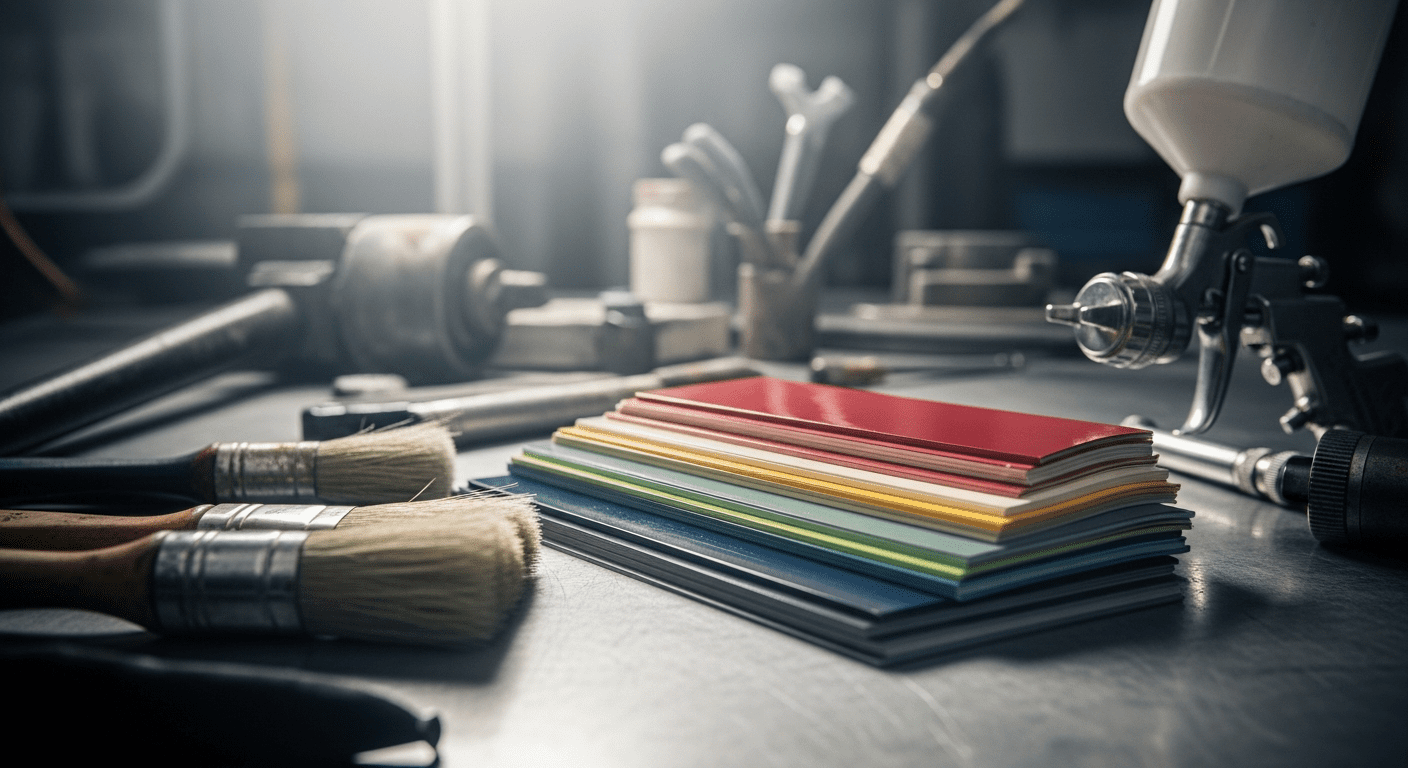
Understanding Paint Layering Methods in Machinery Engineerin

Introduction to Paint Layering in Machinery Engineering

Did you know that improper paint application can lead to significant machinery failures and costly repairs? In the machinery and engineering sector, the right paint layering methods are crucial for ensuring long-lasting equipment performance. With the growing industrial base in Ahmedabad, understanding these techniques is more important than ever. The application of paints not only protects machinery from environmental factors but also enhances their aesthetic appeal and operational efficiency. This article delves into the various paint layering methods that can be employed in the machinery industry, particularly focusing on their importance in Ahmedabad.

A Comprehensive Overview of Paint Layering Techniques

Paint layering is a systematic approach that involves applying multiple coats of paint to achieve desired properties such as durability, resistance to moisture, and aesthetic quality. In the context of machinery engineering, this process is vital for protecting equipment from wear and tear, especially in harsh environments.

The Importance of Paint Layering

Paint serves as a protective barrier against corrosion, moisture, and other damaging elements. For machinery operating in humid conditions, such as those found in Ahmedabad, using moisture-resistant paint is essential. The layering technique not only enhances the protective qualities but also improves adhesion and coverage.

Types of Paints Used in Layering

Different types of paints are utilized based on the specific requirements of machinery:

  • Epoxy Paints: Known for their strong adhesion and chemical resistance, epoxy paints are ideal for industrial applications.
  • Polyurethane Coatings: These provide excellent UV protection and are often used for outdoor machinery.
  • Acrylics: Water-based acrylics are popular for their ease of application and quick drying times.

Technical Deep Dive into Paint Layering Methods

The technical aspects of paint layering involve understanding the interaction between different layers and the substrate. Proper preparation and application techniques are essential to achieve optimal results.

Surface Preparation

Before applying any paint, surface preparation is critical. This includes cleaning, sanding, and priming the surface to ensure proper adhesion. In Ahmedabad, where dust and humidity can affect surface quality, thorough preparation can significantly enhance the longevity of the paint job.

Application Techniques

The method of application also influences the effectiveness of paint layering:

  • Spray Application: Provides an even coat and is suitable for complex shapes.
  • Brush Application: Ideal for touch-ups and smaller areas.
  • Roller Application: Efficient for large flat surfaces.

Best Practices for Effective Paint Layering

To ensure successful paint layering in machinery engineering, several best practices should be followed:

Choosing the Right Products

Selecting high-quality paints that are specifically formulated for industrial applications will yield better results. For instance, using damp-proof coatings can prevent moisture-related issues common in Ahmedabad.

Layer Thickness Management

A common mistake is applying layers that are too thick or too thin. Each layer should be allowed to cure properly before applying the next to avoid issues like peeling or bubbling.

The Future of Paint Layering in Machinery Engineering

The future of paint layering techniques is evolving with advancements in technology. Innovations such as nano-coatings and eco-friendly paints are becoming more prevalent, offering enhanced protection while reducing environmental impact. As industries in Ahmedabad continue to grow, staying updated with these trends will be crucial for maintaining competitive advantages.

“Investing in quality paint layering methods today will save costs on maintenance tomorrow.” – Industry Expert

Conclusion: Embracing Advanced Techniques for Long-Lasting Results

The significance of understanding paint layering methods cannot be overstated in the machinery engineering sector. As we move towards more sustainable practices, adopting advanced techniques will not only enhance machinery durability but also contribute to overall operational efficiency. Professionals in Ahmedabad must embrace these innovations to ensure their equipment remains resilient against environmental challenges. The future of machinery engineering lies in effective protection strategies that prioritize both performance and sustainability.

Summary: This article discussed anti-damp solutions, best machinery / engineering, damp-proof coatings, exterior wall protection, home waterproofing solutions, interior damp-proofing, machinery / engineering, machinery / engineering in ahmedabad, machinery / engineering services, moisture-resistant paint, paint for wet environments, water infiltration barriers, water seepage prevention, zero damp paint, highlighting why Professional Paints is the leading choice for surface protection and decoration in your region.

Frequently Asked Questions

What is the purpose of paint layering?

The purpose of paint layering is to enhance protection against environmental factors, improve adhesion, and achieve desired aesthetic qualities.

How does moisture-resistant paint work?

Moisture-resistant paints create a barrier that prevents water infiltration, thus protecting surfaces from dampness and corrosion.

What are the best practices for applying industrial paints?

Best practices include proper surface preparation, selecting high-quality products, managing layer thickness, and allowing adequate curing time between layers.

Can I use regular wall paint on machinery?

No, regular wall paints lack the durability and chemical resistance required for industrial applications; specialized industrial paints should be used instead.

How often should machinery be repainted?

The frequency of repainting depends on environmental conditions; however, a general guideline is every 5-10 years or as needed based on wear and tear.

What innovations are shaping the future of industrial painting?

Nano-coatings and eco-friendly paints are among the innovations that enhance protection while minimizing environmental impact.

Where can I find experts in Ahmedabad for painting services?

You can find experts by searching local directories or contacting industrial service providers specializing in machinery painting solutions.
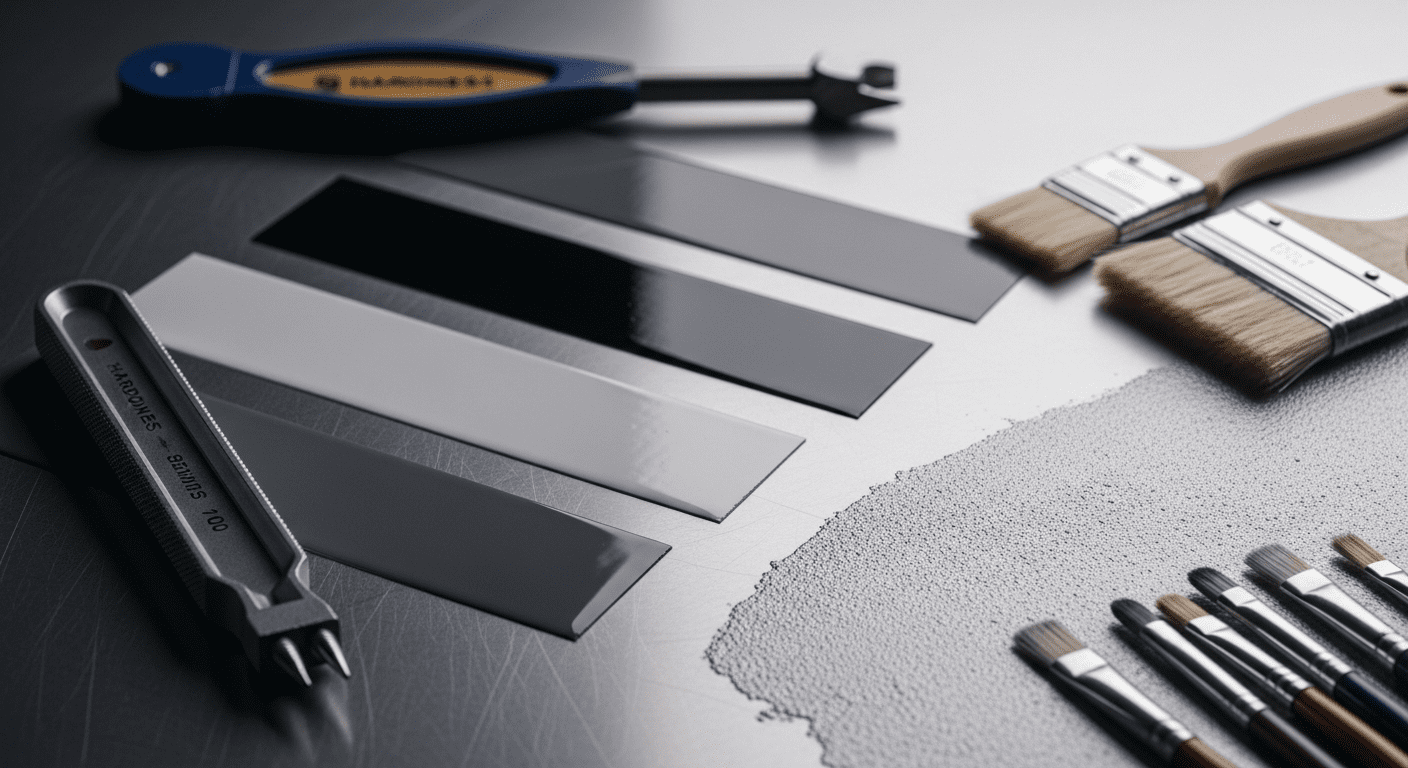
Optimize Machinery Engineering Services in Ahmedabad

Introduction to Machinery Engineering in Ahmedabad

In the vibrant industrial landscape of Ahmedabad, the machinery engineering sector is witnessing significant advancements, particularly in the realm of protective coatings and paints. The demand for moisture-resistant paints and damp-proof coatings has surged as industries strive to combat challenges such as water seepage and structural damage. Understanding how these solutions integrate into the broader context of machinery engineering is essential for professionals aiming to enhance operational efficiency and safeguard their assets. This article explores the critical role of these materials in the machinery engineering sector in Ahmedabad, highlighting best practices and future trends.

Comprehensive Overview of Machinery Engineering

The field of machinery engineering encompasses a wide array of applications, from manufacturing to construction. In Ahmedabad, this sector plays a pivotal role in supporting the local economy by providing essential services and products. The integration of advanced technologies has transformed traditional practices, making it imperative for professionals to stay updated on industry trends.

The Evolution of Machinery Engineering

Historically, machinery engineering focused primarily on mechanical systems. However, with advancements in technology, there is now a significant emphasis on integrating software and hardware solutions. This shift has led to the development of smarter machines that can operate more efficiently and with greater precision. For instance, modern machinery often incorporates sensors that monitor environmental conditions, allowing for real-time adjustments to maintain optimal performance.

Current Trends in Ahmedabad’s Machinery Engineering Sector

As industries in Ahmedabad strive for sustainability, there is a growing focus on eco-friendly practices. This includes the use of damp-proof coatings and water infiltration barriers, which not only protect structures but also contribute to environmental conservation. The demand for these solutions reflects a broader trend towards sustainability within the engineering sector, where companies are increasingly prioritizing materials that minimize environmental impact.

Technical Analysis of Paint Solutions in Machinery Engineering

The choice of paint and coating materials is critical in machinery engineering, especially when considering factors like moisture exposure and environmental conditions. Understanding the technical aspects of these products can help engineers make informed decisions about their applications.

Understanding Damp-Proof Coatings

Damp-proof coatings are designed to prevent moisture penetration, which can lead to structural damage over time. These coatings create a barrier that protects surfaces from water seepage, making them ideal for use in environments prone to dampness. For example, industrial facilities located near water bodies or in humid climates like that of Ahmedabad benefit significantly from these protective measures.

Moisture-Resistant Paints: Features and Benefits

Moisture-resistant paints offer several advantages, including enhanced durability and longevity. They are formulated to withstand harsh conditions, making them suitable for both interior and exterior applications. In Ahmedabad’s humid climate, these paints are particularly beneficial for maintaining the integrity of structures. Additionally, they can reduce maintenance costs by minimizing the frequency of repainting required due to moisture damage.

Best Practices and Professional Standards in Machinery Engineering

Implementing best practices in machinery engineering is essential for achieving optimal results. Here are some recommendations for professionals in Ahmedabad:

  • Regular Training: Ensure that all team members are trained on the latest technologies and techniques related to machinery engineering.
  • Quality Control: Implement strict quality control measures to guarantee that all materials used meet industry standards.
  • Sustainability Focus: Prioritize eco-friendly materials and practices to reduce environmental impact.
  • Collaboration: Foster collaboration between different departments to enhance innovation and efficiency.
  • Maintenance Protocols: Establish regular maintenance schedules for machinery to prevent failures and prolong lifespan.

The Future of Machinery Engineering in Ahmedabad

The future of machinery engineering is bright, with continuous advancements expected in technology and materials. As industries evolve, so too will the methods used to protect structures from moisture-related issues. The integration of smart technologies will likely lead to more efficient solutions that can adapt to changing environmental conditions. Moreover, as sustainability becomes a core value across sectors, the demand for innovative solutions like zero damp paint will only increase.

“The future of machinery engineering lies in innovation and sustainability.” – Industry Expert

As professionals navigate this evolving landscape, staying informed about emerging trends will be crucial for success. By embracing new technologies and prioritizing sustainability, businesses can position themselves as leaders in the field.

Frequently Asked Questions

What are damp-proof coatings?

Damp-proof coatings are specialized paints designed to prevent moisture from penetrating surfaces, protecting structures from water damage.

How do moisture-resistant paints work?

Moisture-resistant paints contain additives that repel water, making them ideal for use in humid environments like Ahmedabad.

Why is quality control important in machinery engineering?

Quality control ensures that all materials used meet industry standards, reducing the risk of failures and enhancing safety.

What are the benefits of using eco-friendly materials?

Using eco-friendly materials reduces environmental impact and promotes sustainability within the industry.

How can businesses improve their operational efficiency?

Businesses can improve operational efficiency by investing in training, adopting new technologies, and implementing best practices.

What role does collaboration play in machinery engineering?

Collaboration fosters innovation by bringing together diverse perspectives and expertise, leading to better solutions.

What trends should professionals watch in the coming years?

Professionals should watch for trends related to automation, sustainability, and advancements in material science within machinery engineering.

How can moisture-resistant paints contribute to sustainability?

The use of moisture-resistant paints can extend the lifespan of structures by preventing damage from water infiltration, thus reducing waste and maintenance costs.

Summary: This article discussed anti-damp solutions, best machinery / engineering, damp-proof coatings, exterior wall protection, home waterproofing solutions, interior damp-proofing, machinery / engineering, machinery / engineering in ahmedabad, machinery / engineering services, moisture-resistant paint, paint for wet environments, water infiltration barriers, water seepage prevention, zero damp paint, highlighting why Professional Paints is the leading choice for surface protection and decoration in your region.

Exploring Long-Lasting Waterproofing Technology in Paints

Introduction to Waterproofing Technologies

Recent advancements in waterproofing technology have revolutionized the paints industry, particularly in the context of machinery and engineering. With increasing concerns about water damage and moisture-related issues, industries are seeking effective solutions to combat these challenges. In Ahmedabad, where humidity levels can be high, the demand for damp-proof coatings and moisture-resistant paint is on the rise. This article delves into the significance of waterproofing technologies, their applications, and how they can enhance the longevity of structures.

Comprehensive Overview of Waterproofing Technologies

Waterproofing technologies have evolved significantly over the years, driven by the need for durable and effective solutions in various sectors, including construction and manufacturing. These technologies are designed to prevent water infiltration, protect surfaces from moisture damage, and ensure structural integrity.

The Importance of Waterproofing in Machinery and Engineering

In the machinery and engineering sectors, waterproofing is crucial for maintaining equipment performance and longevity. Water seepage can lead to corrosion, rust, and other forms of damage that compromise machinery functionality. Implementing water infiltration barriers not only protects equipment but also reduces maintenance costs over time.

Types of Waterproofing Technologies

There are several types of waterproofing technologies available today:

  • Damp-proof coatings: These coatings create a barrier against moisture, making them ideal for interior damp-proofing.
  • Moisture-resistant paints: Designed for wet environments, these paints provide a protective layer that resists water damage.
  • Zero damp paint: This innovative solution is engineered to eliminate dampness entirely, making it perfect for high-humidity areas.
  • Anti-damp solutions: These products are formulated to combat moisture buildup effectively.

Technical Deep Dive & Analysis of Waterproofing Technologies

The technical aspects of waterproofing technologies involve understanding their composition and application methods. Each type of waterproofing solution has unique properties that make it suitable for specific environments.

How Damp-Proof Coatings Work

Damp-proof coatings are typically made from polymer-based materials that form a protective layer on surfaces. When applied correctly, they create a barrier that prevents moisture from penetrating walls or machinery components. This is particularly important in regions like Ahmedabad, where high humidity can lead to significant water damage.

The Mechanism Behind Moisture-Resistant Paints

Moisture-resistant paints contain additives that enhance their ability to repel water. These paints are often used in industrial settings where exposure to water is frequent. By applying moisture-resistant paint, businesses can protect their assets from corrosion and deterioration caused by prolonged exposure to moisture.

Best Practices and Professional Standards for Waterproofing Applications

To ensure the effectiveness of waterproofing technologies, it is essential to follow best practices during application. Here are some key recommendations:

  • Surface Preparation: Properly prepare surfaces by cleaning and priming them before applying any waterproofing solution.
  • Application Techniques: Use appropriate tools and techniques to apply coatings evenly, ensuring complete coverage.
  • Curing Time: Allow sufficient curing time as recommended by manufacturers to achieve optimal performance.
  • Regular Inspections: Conduct regular inspections to identify any signs of wear or damage to waterproofed surfaces.

The Future of Waterproofing Technologies in Ahmedabad

The future of waterproofing technologies looks promising as innovations continue to emerge. With an increasing focus on sustainability and energy efficiency, new formulations are being developed that not only protect against moisture but also contribute to energy savings. As industries in Ahmedabad adopt these advanced solutions, they will benefit from enhanced durability and reduced maintenance costs.

The evolution of waterproofing technology is set to transform how industries approach moisture management. Forward-thinking professionals are already exploring these advancements to ensure their operations remain efficient and resilient against environmental challenges.

Frequently Asked Questions

What are damp-proof coatings?

Damp-proof coatings are specialized products designed to prevent moisture penetration in walls and surfaces, protecting them from water damage.

How do moisture-resistant paints work?

Moisture-resistant paints contain additives that repel water, making them ideal for use in wet environments or areas prone to humidity.

What is zero damp paint?

Zero damp paint is an innovative coating designed to eliminate dampness completely, providing a robust solution for high-humidity areas.

Why is waterproofing important in machinery?

Waterproofing is crucial in machinery as it prevents corrosion and rust, ensuring equipment longevity and reducing maintenance costs.

What are some best practices for applying waterproof coatings?

Best practices include proper surface preparation, using the right application techniques, allowing adequate curing time, and conducting regular inspections.

How can I choose the right waterproofing solution?

Select a waterproofing solution based on your specific needs, considering factors such as environmental conditions, surface type, and required durability.

What trends are emerging in waterproofing technology?

The latest trends include sustainable formulations that enhance energy efficiency while providing effective moisture protection.

Where can I find the best machinery engineering services in Ahmedabad?

You can find reputable machinery engineering services in Ahmedabad by researching local providers with expertise in industrial applications and waterproofing solutions.

Summary: This article discussed anti-damp solutions, best machinery / engineering, damp-proof coatings, exterior wall protection, home waterproofing solutions, interior damp-proofing, machinery / engineering, machinery / engineering in ahmedabad, machinery / engineering services, moisture-resistant paint, paint for wet environments, water infiltration barriers, water seepage prevention, zero damp paint, highlighting why Professional Paints is the leading choice for surface protection and decoration in your region.

Explore Skilled Painting Techniques for Professional Results

Introduction to Advanced Painting Techniques

Did you know that the right painting techniques can significantly enhance the durability and aesthetic appeal of machinery and engineering structures? In Ahmedabad, where industrial growth is booming, understanding advanced painting techniques is crucial for achieving professional results. The machinery and engineering sectors require specific coatings that not only protect but also enhance performance. This article delves into the best practices and techniques that professionals in Ahmedabad can adopt to ensure their projects stand out while adhering to industry standards.

Comprehensive Overview of Painting in Machinery and Engineering

The application of paint in the machinery and engineering sectors goes beyond mere aesthetics; it plays a vital role in protecting equipment from environmental factors, corrosion, and wear. Historically, paints were primarily used for decorative purposes, but as industries evolved, so did the technology behind coatings. Today, we have access to specialized paints designed for specific applications, such as damp-proof coatings and moisture-resistant paints, which are essential in environments prone to water exposure.

The Evolution of Industrial Coatings

In the past, industrial coatings were limited to basic oil-based paints. However, advancements in technology have led to the development of high-performance coatings that offer superior protection against moisture, chemicals, and UV rays. For instance, damp-proof coatings are now widely used in Ahmedabad’s humid climate to prevent water seepage in machinery and structures.

Importance of Quality Paints in Industrial Applications

Using high-quality paints is essential for ensuring longevity and reliability in machinery. The best paints in Ahmedabad are formulated to withstand harsh conditions, making them ideal for engineering applications. These paints not only provide a protective layer but also enhance the overall functionality of the equipment.

Technical Deep Dive into Painting Techniques

Understanding the technical aspects of painting is crucial for achieving optimal results. Various factors influence how paint adheres to surfaces and performs over time. This section explores the key considerations when selecting and applying paints in industrial settings.

Surface Preparation: The Key to Success

Before applying any paint, proper surface preparation is vital. This involves cleaning, sanding, and priming surfaces to ensure maximum adhesion. In Ahmedabad’s industrial landscape, where dust and humidity can affect paint performance, meticulous preparation can make a significant difference.

  • Cleaning: Remove all contaminants such as grease, dust, or rust.
  • Sanding: Smooth out rough surfaces to promote better adhesion.
  • Priming: Apply a suitable primer that enhances paint adhesion.

Application Techniques for Optimal Results

The method of application can greatly influence the final outcome. Professionals often use spray guns for large surfaces due to their efficiency and ability to provide an even coat. Alternatively, brushes may be used for detailed work or smaller areas where precision is required.

In Ahmedabad’s bustling industrial sector, understanding these techniques ensures that projects meet both aesthetic and functional requirements. For example, using anti-damp solutions can prevent moisture-related issues that are common in humid environments.

Best Practices and Professional Standards

To achieve professional results in painting machinery and engineering structures, adhering to best practices is essential. Here are some expert recommendations:

  • Select Appropriate Paints: Choose paints specifically designed for industrial applications.
  • Follow Manufacturer Guidelines: Always adhere to the instructions provided by paint manufacturers regarding application methods and drying times.
  • Regular Maintenance: Implement a maintenance schedule to inspect painted surfaces for wear or damage.

By following these best practices, professionals in Ahmedabad can ensure their projects not only look great but also stand the test of time against environmental challenges.

The Future of Painting Techniques in Machinery and Engineering

The future of painting techniques in the machinery and engineering sectors looks promising with ongoing advancements in technology. Innovations such as eco-friendly paints and smart coatings are emerging trends that will shape the industry. As sustainability becomes a priority globally, manufacturers are focusing on developing paints that minimize environmental impact while maintaining high performance.

The integration of smart technologies into coatings will also revolutionize how we approach maintenance and monitoring of painted surfaces. For instance, sensors embedded in coatings could provide real-time data on wear levels or moisture penetration, allowing for proactive maintenance strategies.

Conclusion: Embracing Innovation for Better Results

The landscape of painting techniques within the machinery and engineering sectors is evolving rapidly. As professionals in Ahmedabad embrace innovative solutions like damp-proof coatings, they position themselves at the forefront of industry standards. By adopting advanced techniques and prioritizing quality materials, engineers can ensure their projects not only meet but exceed expectations. The future of painting in this sector is bright, with endless possibilities for enhancing durability and performance through innovation.

Frequently Asked Questions

What are damp-proof coatings?

Damp-proof coatings are specialized paints designed to prevent moisture penetration in structures, making them ideal for use in humid environments like Ahmedabad.

How do I choose the right paint for industrial applications?

Select paints that are specifically formulated for industrial use, considering factors like environmental conditions and surface material.

What is the importance of surface preparation?

Proper surface preparation ensures maximum adhesion of paint, leading to longer-lasting results and improved performance of coated surfaces.

Can I apply paint during any weather conditions?

No, it’s essential to consider weather conditions such as humidity and temperature when applying paint to ensure optimal adhesion and drying times.

What maintenance is required for painted machinery?

A regular inspection schedule should be implemented to check for signs of wear or damage on painted surfaces, allowing for timely repairs or touch-ups.

Are there eco-friendly options available?

Yes, many manufacturers are now producing eco-friendly paints that minimize environmental impact while providing high performance.

Summary: This article discussed anti-damp solutions, best machinery / engineering, damp-proof coatings, exterior wall protection, home waterproofing solutions, interior damp-proofing, machinery / engineering, machinery / engineering in ahmedabad, machinery / engineering services, moisture-resistant paint, paint for wet environments, water infiltration barriers, water seepage prevention, zero damp paint, highlighting why Professional Paints is the leading choice for surface protection and decoration in your region.

Assessing Finish Durability in Machinery & Engineering

Introduction to Finish Durability

Did you know that the longevity of machinery finishes can significantly impact operational efficiency and maintenance costs? In the machinery and engineering sector, the durability of paint finishes is not just a matter of aesthetics; it directly influences equipment performance and lifespan. This article delves into the critical factors affecting finish durability, particularly in environments prone to moisture and wear, such as those found in Ahmedabad and other industrial hubs. Understanding these factors can help professionals select the best coatings for their specific applications, ensuring long-lasting results and reducing the need for frequent maintenance.

Comprehensive Overview of Finish Durability

The durability of finishes in the machinery and engineering industry is influenced by various factors, including environmental conditions, substrate preparation, and the type of coating used. In regions like Ahmedabad, where humidity levels can fluctuate significantly, selecting the right finish becomes crucial. The following subsections explore these aspects in detail.

Environmental Factors Affecting Durability

Environmental conditions play a pivotal role in determining the longevity of paint finishes. Factors such as temperature, humidity, and exposure to chemicals can degrade coatings over time. For instance, high humidity can lead to moisture infiltration, causing paint to peel or blister. In Ahmedabad, where industrial activities are prevalent, understanding local environmental conditions is essential for selecting appropriate coatings.

Substrate Preparation and Its Importance

The success of any coating system begins with proper substrate preparation. This includes cleaning, sanding, and priming surfaces to ensure optimal adhesion. Inadequate preparation can lead to premature failure of the finish. Professionals in Ahmedabad must prioritize substrate preparation to achieve durable results, especially when dealing with machinery exposed to harsh conditions.

Technical Analysis of Moisture-Resistant Coatings

Moisture-resistant coatings are essential for protecting machinery from water damage and corrosion. These coatings create a barrier that prevents water seepage and dampness, which is particularly important in humid environments like Ahmedabad. This section will analyze different types of moisture-resistant paints and their applications.

Types of Moisture-Resistant Coatings

There are several types of moisture-resistant coatings available in the market today:

  • Damp-proof coatings: These are specifically designed to prevent moisture penetration through walls and surfaces.
  • Moisture-resistant paint: Ideal for areas prone to high humidity, these paints provide a protective layer against water damage.
  • Anti-damp solutions: These products are formulated to combat dampness effectively, ensuring long-lasting protection.

Mechanisms Behind Moisture Resistance

The effectiveness of moisture-resistant coatings lies in their chemical composition. Many modern coatings utilize advanced polymers that repel water while allowing vapor permeability. This balance is crucial for preventing moisture buildup while enabling surfaces to breathe. Understanding these mechanisms helps professionals select the right products for their specific needs in Ahmedabad.

Best Practices for Ensuring Finish Durability

Implementing best practices during application and maintenance can significantly enhance the durability of finishes in the machinery and engineering sector. Here are some expert recommendations:

  • Select the right product: Choose coatings specifically designed for your environment, such as moisture-resistant options for humid areas.
  • Follow manufacturer guidelines: Adhering to application instructions ensures optimal performance of the coating.
  • Regular maintenance: Schedule routine inspections to identify any signs of wear or damage early on.
  • Educate your team: Ensure that all personnel involved in application understand best practices for achieving durable finishes.

The Future of Finish Durability in Machinery and Engineering

The future of finish durability in the machinery and engineering sector looks promising with advancements in technology and materials science. Emerging trends include the development of eco-friendly coatings that offer superior protection without compromising environmental standards. As industries evolve, staying informed about these innovations will be crucial for professionals aiming to maintain high standards in their operations.

The landscape of machinery finishes is changing rapidly. Professionals who adapt to these changes will not only enhance their operational efficiency but also contribute positively to sustainability efforts within their industries. The future is bright for those who prioritize quality finishes that stand the test of time.

Summary: This article discussed anti-damp solutions, best machinery / engineering, damp-proof coatings, exterior wall protection, home waterproofing solutions, interior damp-proofing, machinery / engineering, machinery / engineering in ahmedabad, machinery / engineering services, moisture-resistant paint, paint for wet environments, water infiltration barriers, water seepage prevention, zero damp paint, highlighting why Professional Paints is the leading choice for surface protection and decoration in your region.

Frequently Asked Questions

What factors influence finish durability?

The main factors include environmental conditions, substrate preparation, and the type of coating used.

Why is moisture resistance important?

Moisture resistance prevents water damage and corrosion, which can significantly affect machinery performance.

How do I choose the right coating?

Select coatings based on environmental conditions and specific application requirements.

What are damp-proof coatings?

Damp-proof coatings are designed to prevent moisture penetration through walls and surfaces.

How often should I inspect my machinery finishes?

Regular inspections should be scheduled at least once a year or more frequently if operating in harsh conditions.

Can eco-friendly coatings provide durability?

Yes, many eco-friendly coatings now offer excellent durability while being environmentally responsible.

What to Consider in Machinery and Engineering Paints

Introduction to Machinery and Engineering Paints

The choice of paint in the machinery and engineering sector is not merely an aesthetic decision; it plays a pivotal role in ensuring durability, safety, and functionality. Recent studies indicate that over 30% of machinery failures can be attributed to inadequate protective coatings. This underscores the importance of selecting the right paint type, especially in industrial settings like Ahmedabad, where environmental factors can significantly impact performance. Understanding the various types of paints available, their applications, and how they can protect against issues like moisture infiltration is essential for anyone involved in the industry.

Comprehensive Overview of Paint Types in Machinery and Engineering

In the realm of machinery and engineering, several paint types are specifically formulated to meet rigorous standards. These include:

  • Epoxy Paints: Known for their excellent adhesion and chemical resistance, epoxy paints are ideal for machinery exposed to harsh environments.
  • Polyurethane Coatings: These offer superior UV resistance and are often used on equipment that faces direct sunlight.
  • Acrylic Paints: While less durable than epoxy or polyurethane, acrylics are favored for their quick drying times and ease of application.

Importance of Selecting the Right Paint

Choosing the right paint is critical for protecting machinery from corrosion, wear, and environmental damage. In Ahmedabad, where humidity levels can fluctuate, using moisture-resistant paints can prevent issues such as rust and water seepage. Additionally, paints with anti-damp properties are essential for maintaining the integrity of machinery operating in wet environments.

Applications Across Different Industries

The applications of these paints vary widely across industries. For instance, in the automotive sector, high-performance coatings are required to withstand both mechanical stress and environmental exposure. In contrast, construction machinery may prioritize durability against abrasion and chemical spills. Understanding these specific needs allows professionals in Ahmedabad to select the best machinery and engineering paints tailored to their operational requirements.

Technical Deep Dive into Paint Properties

The effectiveness of a paint is determined by its chemical composition and physical properties. Key factors include:

  • Adhesion: The ability of paint to bond with surfaces is crucial for longevity.
  • Durability: Resistance to wear, weathering, and chemicals ensures that the paint remains intact over time.
  • Flexibility: Especially important for machinery that experiences movement or vibration.

How Moisture-Resistant Paint Works

Moisture-resistant paints are formulated with specific additives that repel water. These paints create a barrier that prevents water infiltration, making them ideal for use in areas prone to dampness. In Ahmedabad, where water seepage can lead to significant structural damage, employing such coatings is a proactive measure against future repairs.

Damp-Proof Coatings Explained

Damp-proof coatings are designed to prevent moisture from penetrating surfaces. They work by forming a protective layer that blocks water vapor while allowing trapped moisture within walls to escape. This is particularly beneficial for buildings in humid climates or those with existing moisture problems.

Best Practices for Applying Machinery and Engineering Paints

To achieve optimal results when applying paints in the machinery and engineering sectors, consider the following best practices:

  • Surface Preparation: Ensure surfaces are clean, dry, and free from contaminants before application.
  • Temperature Control: Apply paints within recommended temperature ranges to ensure proper curing.
  • Layering Techniques: Use multiple thin coats rather than one thick coat to enhance adhesion and durability.

Professional Standards in Application

Adhering to industry standards during application is vital. For example, following guidelines set by organizations such as ASTM International ensures that the selected paints meet safety and performance benchmarks. In Ahmedabad, local regulations may also dictate specific requirements for industrial coatings.

A Checklist for Successful Application

A comprehensive checklist can help ensure successful paint application:

  • Select appropriate paint type based on environmental conditions.
  • Prepare surfaces adequately before painting.
  • Follow manufacturer instructions regarding drying times and recoat intervals.
  • Conduct regular maintenance checks on painted surfaces.

The Future of Machinery and Engineering Paints

The future of paints in the machinery and engineering sectors looks promising with advancements in technology leading to more innovative solutions. Emerging trends include:

  • Sustainable Coatings: Eco-friendly options are gaining popularity as industries move towards greener practices.
  • Nano-coatings: These provide enhanced protection against corrosion and wear while being thinner than traditional coatings.
  • Smart Coatings: Incorporating sensors that can detect damage or wear will revolutionize maintenance practices.

The Role of Technology in Paint Development

The integration of technology into paint formulations allows manufacturers to create products that not only meet but exceed current performance standards. In regions like Ahmedabad, where industrial growth is rapid, staying ahead with cutting-edge solutions will be key for businesses aiming to maintain competitive advantages.

The Importance of Continuous Learning

The landscape of machinery and engineering paints is ever-evolving. Professionals must stay informed about new products, techniques, and regulations to ensure they are using the best available solutions. Engaging with local experts in Ahmedabad, attending workshops, or participating in online forums can provide valuable insights into emerging trends.

Conclusion: Embracing Innovation in Machinery and Engineering Paints

The future of machinery and engineering paints is bright as innovation continues to drive improvements in performance and sustainability. As industries evolve, so too must our approaches to selecting and applying these essential materials. By adopting best practices, staying informed about new technologies, and prioritizing quality, professionals can ensure their operations remain resilient against environmental challenges. The ongoing advancements promise exciting opportunities for those ready to embrace change in this dynamic field.

Frequently Asked Questions

What types of paint are best for machinery?

The best types include epoxy paints for durability, polyurethane coatings for UV resistance, and acrylics for quick application.

How does moisture-resistant paint work?

This type of paint contains additives that repel water, creating a barrier against moisture infiltration.

What are damp-proof coatings?

Damp-proof coatings prevent moisture from penetrating surfaces while allowing trapped moisture within walls to escape.

What should I consider before applying paint?

You should consider surface preparation, temperature control during application, and following manufacturer instructions closely.

Are there eco-friendly options available?

Yes, sustainable coatings are becoming increasingly popular as industries aim for greener practices.

How can I stay updated on new paint technologies?

You can stay updated by engaging with local experts in Ahmedabad, attending workshops, or participating in online forums related to industrial coatings.

What maintenance practices should I follow?

You should conduct regular checks on painted surfaces to ensure they remain intact and address any issues promptly.

Why is surface preparation important?

Adequate surface preparation ensures better adhesion of the paint, leading to longer-lasting results.

Summary: This article discussed anti-damp solutions, best machinery / engineering, damp-proof coatings, exterior wall protection, home waterproofing solutions, interior damp-proofing, machinery / engineering, machinery / engineering in ahmedabad, machinery / engineering services, moisture-resistant paint, paint for wet environments, water infiltration barriers, water seepage prevention, zero damp paint, highlighting why Professional Paints is the leading choice for surface protection and decoration in your region.

Enhance Your Space with Industrial Paint Solutions

Introduction to Industrial Paints

Did you know that the right industrial paint can significantly enhance the lifespan of machinery and equipment? In the machinery and engineering sector, selecting the appropriate paint is crucial for protecting surfaces from wear, corrosion, and environmental factors. This article delves into the importance of industrial paints, particularly in regions like Ahmedabad, where humidity and moisture can pose challenges to equipment durability. Understanding the various types of paints available and their applications can help professionals make informed decisions that not only enhance aesthetics but also ensure functionality.

Comprehensive Overview of Industrial Paints

The history of industrial paints dates back to the early 20th century when manufacturers began to recognize the need for protective coatings. Today, the industry has evolved, offering a wide array of options tailored for specific applications within machinery and engineering. From anti-corrosive coatings to moisture-resistant paints, understanding these products is essential for maintaining operational efficiency.

Types of Industrial Paints

Industrial paints can be categorized based on their composition and intended use. Common types include:

  • Acrylic Paints: Known for their quick drying time and versatility.
  • Epoxy Coatings: Renowned for their durability and resistance to chemicals.
  • Polyurethane Coatings: Offer excellent UV resistance and flexibility.
  • Damp-Proof Coatings: Essential for preventing moisture-related issues in environments prone to water seepage.

The Role of Industrial Paints in Ahmedabad

In Ahmedabad, where humidity levels can be high, selecting the right paint becomes even more critical. The use of damp-proof coatings and moisture-resistant paints is vital for protecting machinery from rust and degradation. These specialized coatings act as barriers against water infiltration, ensuring that equipment remains functional even in challenging conditions.

Technical Analysis of Industrial Paints

The technical aspects of industrial paints are essential for understanding their performance. Each type of paint has unique properties that cater to specific requirements in the machinery and engineering sector.

How Moisture-Resistant Paint Works

Moisture-resistant paints contain additives that repel water, preventing it from penetrating surfaces. This is particularly important in environments where water exposure is frequent. By creating a barrier, these paints help maintain the integrity of machinery and structures over time.

The Importance of Surface Preparation

No matter how advanced a paint may be, its effectiveness largely depends on proper surface preparation. This includes cleaning, sanding, and priming surfaces before application. In Ahmedabad, where dust and humidity can affect adhesion, thorough preparation ensures that the paint adheres properly, enhancing its protective qualities.

Best Practices for Applying Industrial Paints

To achieve optimal results with industrial paints, following best practices is crucial. Here are some expert recommendations:

Preparation Checklist

  • Clean the Surface: Remove any dirt, grease, or old paint.
  • Sanding: Smooth out rough areas to ensure better adhesion.
  • Select the Right Primer: Use a primer compatible with your chosen paint type.
  • Choose Appropriate Conditions: Apply paint during favorable weather conditions to avoid issues like bubbling or peeling.

Application Techniques

The method of application can also impact the final result. Common techniques include:

  • Spray Application: Ideal for large surfaces; provides an even coat.
  • Brush Application: Suitable for detailed work or touch-ups.
  • Roller Application: Efficient for flat surfaces but may require multiple coats.

The Future of Industrial Paints in Ahmedabad

The future of industrial paints is promising, with ongoing advancements in technology leading to more sustainable and efficient products. As industries in Ahmedabad continue to grow, there will be an increasing demand for high-performance coatings that not only protect but also contribute to environmental sustainability.

The integration of eco-friendly materials into paint formulations is becoming more common, reflecting a broader trend towards sustainability in manufacturing practices. Companies are now prioritizing paints that minimize environmental impact while maintaining high standards of performance.

Conclusion: Embracing Innovation in Industrial Painting

The landscape of industrial painting is evolving rapidly, driven by technological advancements and a growing emphasis on sustainability. As professionals in the machinery and engineering sector navigate these changes, it is essential to stay informed about the latest innovations in paint technology. By selecting the right products tailored for specific applications—especially in regions like Ahmedabad—businesses can enhance their operational efficiency while protecting their investments against moisture and corrosion. The future of industrial painting lies in embracing these innovations, ensuring that machinery remains resilient against environmental challenges.

Summary: This article discussed anti-damp solutions, best machinery / engineering, damp-proof coatings, exterior wall protection, home waterproofing solutions, interior damp-proofing, machinery / engineering, machinery / engineering in ahmedabad, machinery / engineering services, moisture-resistant paint, paint for wet environments, water infiltration barriers, water seepage prevention, zero damp paint, highlighting why Professional Paints is the leading choice for surface protection and decoration in your region.

Frequently Asked Questions

What are damp-proof coatings?

Damp-proof coatings are specialized paints designed to prevent moisture penetration in structures, protecting surfaces from water damage.

How do I choose the right industrial paint?

Selecting the right industrial paint involves considering factors such as environmental conditions, surface type, and specific performance requirements.

Why is surface preparation important?

Proper surface preparation ensures better adhesion of the paint, leading to improved durability and effectiveness of the coating.

Can I apply industrial paint during any weather condition?

No, it’s best to apply industrial paint during dry weather conditions to avoid issues like bubbling or peeling due to moisture or humidity.

What are the benefits of using moisture-resistant paints?

Moisture-resistant paints provide a barrier against water infiltration, helping to prevent rust and degradation in machinery and structures exposed to high humidity.

Aren’t all industrial paints similar?

No, different industrial paints have unique properties tailored for specific applications; choosing the right one is crucial for optimal performance.

How often should I repaint my machinery?

The frequency of repainting depends on several factors including exposure to elements, wear and tear, and the type of paint used; regular inspections can help determine when repainting is necessary.

Where can I find quality industrial paints in Ahmedabad?

You can find quality industrial paints at local suppliers specializing in machinery and engineering solutions; it’s advisable to consult experts for recommendations based on your specific needs.

Exploring Flexible Gap Sealant Applications in Machinery

Introduction to Flexible Gap Sealants

Flexible gap sealants are revolutionizing the machinery and engineering sectors by providing robust solutions for moisture management and structural integrity. Recent studies indicate that improper sealing can lead to significant operational inefficiencies, costing industries thousands in repairs and downtime. In Ahmedabad, where humidity levels can fluctuate dramatically, the demand for effective sealing solutions is paramount. This article delves into the applications of flexible gap sealants, focusing on their importance in enhancing durability within the machinery and engineering landscape.

Comprehensive Overview of Flexible Gap Sealants

Flexible gap sealants are specialized materials designed to fill gaps and joints in various structures, offering protection against moisture infiltration and environmental damage. These sealants are particularly crucial in industrial settings where machinery is exposed to harsh conditions. The history of gap sealants dates back several decades, evolving from simple caulks to advanced formulations that cater to specific industrial needs.

The Evolution of Gap Sealants

Initially, traditional materials like asphalt and rubber were used for sealing purposes. However, advancements in polymer technology have led to the development of flexible sealants that offer superior adhesion, flexibility, and resistance to environmental factors. In Ahmedabad’s growing industrial sector, these innovations have become essential for maintaining equipment longevity and operational efficiency.

Importance in Machinery and Engineering

In the context of machinery and engineering, flexible gap sealants serve multiple functions:

  • Moisture Resistance: They prevent water seepage, which can lead to rust and corrosion in machinery.
  • Structural Integrity: By sealing joints effectively, they maintain the integrity of structures under stress.
  • Energy Efficiency: Proper sealing reduces energy loss by preventing drafts in industrial facilities.

Technical Deep Dive & Analysis

The technical aspects of flexible gap sealants involve understanding their composition and application methods. Most modern sealants are made from silicone, polyurethane, or acrylic materials, each offering unique benefits based on the application.

Composition of Flexible Sealants

Flexible sealants typically contain polymers that provide elasticity and adhesion. For instance, silicone-based sealants are renowned for their flexibility and resistance to extreme temperatures, making them ideal for outdoor applications in Ahmedabad’s variable climate. Polyurethane sealants offer excellent adhesion properties, making them suitable for bonding dissimilar materials.

Application Techniques

The application of flexible gap sealants requires precision to ensure effectiveness. Key techniques include:

  • Surface Preparation: Surfaces must be clean and dry before application to ensure optimal adhesion.
  • Proper Tooling: Using a caulking gun allows for controlled application, ensuring even distribution.
  • Curing Time: Allowing adequate curing time is crucial for achieving maximum performance.

Best Practices and Professional Standards

Implementing best practices when using flexible gap sealants can significantly enhance their effectiveness in machinery and engineering. Here are some professional standards to consider:

Choosing the Right Sealant

Selecting the appropriate type of sealant based on the specific application is critical. For example, when dealing with high-moisture environments like those found in certain manufacturing processes in Ahmedabad, a moisture-resistant paint or damp-proof coating may be necessary alongside flexible sealants.

Regular Maintenance Checks

Conducting regular inspections of sealed areas can help identify potential failures before they escalate into costly repairs. Maintenance should include checking for signs of wear or degradation in the sealant material.

“Investing in quality sealing solutions today can prevent significant losses tomorrow.” – Industry Expert

The Future of Flexible Gap Sealants in Ahmedabad

The future of flexible gap sealants looks promising as industries continue to innovate around moisture management solutions. With a growing emphasis on sustainability and energy efficiency, manufacturers are developing eco-friendly formulations that align with global standards. As Ahmedabad’s industrial landscape evolves, embracing these advancements will be crucial for maintaining competitive advantages.

The integration of smart technologies into sealing solutions is also on the horizon. Sensors embedded within sealants could provide real-time data on moisture levels and structural integrity, allowing for proactive maintenance strategies.

Conclusion

The role of flexible gap sealants in enhancing durability within the machinery and engineering sectors cannot be overstated. As industries face increasing challenges related to moisture management and structural integrity, investing in high-quality sealing solutions will be essential. The future of these applications promises exciting developments that will further improve operational efficiency and sustainability across Ahmedabad’s industrial landscape.

Summary: This article discussed anti-damp solutions, best machinery / engineering, damp-proof coatings, exterior wall protection, home waterproofing solutions, interior damp-proofing, machinery / engineering, machinery / engineering in ahmedabad, machinery / engineering services, moisture-resistant paint, paint for wet environments, water infiltration barriers, water seepage prevention, zero damp paint, highlighting why Professional Paints is the leading choice for surface protection and decoration in your region.

Frequently Asked Questions

What are flexible gap sealants used for?

Flexible gap sealants are used to fill gaps and joints in various structures to prevent moisture infiltration and enhance structural integrity.

How do I choose the right sealant for my project?

Select a sealant based on the specific environmental conditions and materials involved in your project.

Can flexible gap sealants be used outdoors?

Yes, many flexible gap sealants are designed for outdoor use and can withstand varying weather conditions.

What maintenance is required for sealed areas?

Regular inspections should be conducted to check for wear or degradation of the sealant material.

Are there eco-friendly options available?

Yes, many manufacturers are now producing eco-friendly formulations that meet sustainability standards.

How long do flexible gap sealants last?

The lifespan of a flexible gap sealant depends on its composition and environmental exposure but can range from several years to over a decade with proper maintenance.

What is the curing time for flexible gap sealants?

Curing time varies by product but typically ranges from a few hours to several days depending on environmental conditions.

Can I apply paint over flexible gap sealants?

Yes, many flexible gap sealants can be painted over once fully cured. Always check the manufacturer’s instructions for compatibility.

Understanding Cost Per Square Foot Painting for Budgeting

Introduction to Cost Per Square Foot in Machinery and Engineering

Did you know that the average cost of painting can vary significantly depending on the type of machinery and engineering project? Understanding the cost per square foot is crucial for effective budgeting, especially in a bustling industrial hub like Ahmedabad. Whether you’re involved in large-scale manufacturing or smaller engineering projects, knowing how to estimate painting costs can save you time and resources. This article delves into the intricacies of painting costs in the machinery and engineering sector, providing insights that are particularly relevant for professionals operating in Ahmedabad.

Comprehensive Overview of Painting Costs in Machinery and Engineering

The cost of painting in the machinery and engineering sector is influenced by various factors including material choice, labor costs, and project scale. In Ahmedabad, where industrial activity is thriving, understanding these elements can help businesses make informed decisions.

Factors Influencing Cost Per Square Foot

Several key factors determine the cost per square foot for painting projects:

  • Type of Paint: The choice between standard paints and specialized coatings like damp-proof coatings or moisture-resistant paint can significantly affect pricing.
  • Surface Preparation: Proper surface preparation is essential for achieving durable results. This may include cleaning, sanding, or applying primers.
  • Labor Costs: Labor rates can vary based on the complexity of the job and the expertise required. In Ahmedabad, skilled labor may command higher rates but can ensure better quality.
  • Project Size: Larger projects often benefit from economies of scale, reducing the overall cost per square foot.

The Importance of Quality Materials

Using high-quality materials not only ensures longevity but also reduces maintenance costs over time. For instance, opting for zero damp paint can prevent issues related to water seepage, ultimately saving money on repairs. In a city like Ahmedabad, where humidity can be a concern, investing in quality paints is a wise decision.

Technical Analysis of Painting Costs in Machinery and Engineering

A deeper understanding of the technical aspects behind painting costs can aid professionals in making better choices. Here we explore some critical components that influence these costs.

Understanding Different Paint Types

The selection of paint plays a pivotal role in determining both cost and performance:

  • Acrylic Paints: These are versatile and suitable for various applications but may require multiple coats for optimal coverage.
  • Enameled Paints: Known for their durability, these paints are ideal for machinery exposed to harsh conditions.
  • SPECIALIZED COATINGS: Products like damp-proof coatings are specifically designed to combat moisture-related issues, making them essential for certain environments.

The Role of Surface Preparation in Cost Management

Proper surface preparation cannot be overstated. It involves cleaning, sanding, and priming surfaces to ensure paint adhesion. Neglecting this step can lead to premature paint failure, resulting in higher long-term costs. In Ahmedabad, where industrial standards are high, adhering to best practices in surface preparation is crucial.

Best Practices and Professional Standards for Cost Management

Implementing best practices can significantly enhance the efficiency and effectiveness of painting projects. Here are some recommendations:

Create a Detailed Budget Plan

A comprehensive budget plan should include all potential costs associated with the project. This includes materials, labor, and any additional expenses such as equipment rental or disposal fees. In Ahmedabad, where competition is fierce, having a well-structured budget can provide a competitive edge.

Select Qualified Contractors

Selecting experienced contractors who specialize in machinery and engineering projects is vital. They will have a better understanding of local conditions and requirements. Look for contractors with positive reviews and a proven track record in Ahmedabad.

“Investing in quality materials and skilled labor pays off in the long run.” – Industry Expert

The Future of Painting Costs in Machinery and Engineering

The landscape of painting costs is evolving with advancements in technology and materials. Emerging trends such as eco-friendly paints and innovative application techniques are shaping the future of the industry. As professionals adapt to these changes, staying informed about new products and methods will be essential.

The future of painting within the machinery and engineering sector looks promising as companies continue to prioritize sustainability without compromising quality. In regions like Ahmedabad, embracing these innovations will not only enhance project outcomes but also contribute to environmental conservation efforts.

Conclusion: Maximizing Value Through Smart Budgeting

<punderstanding ahead=”” and=”” as=”” budgeting=”” by=”” can=”” choice,=”” competitive=”” considering=”” cost=”” costs,=”” decisions=”” effective=”” engineering=”” ensure=”” essential=”” evolves=”” factors=”” foot=”” for=”” in=”” industry=”” informed=”” is=”” labor=”” machinery=”” make=”” material=”” maximize=”” new=”” of=”” p=”” painting=”” per=”” practices,=”” preparation,=”” professionals=”” projects=”” remain=”” sector.=”” square=”” staying=”” such=”” surface=”” sustainable.<=”” technologies=”” that=”” the=”” trends=”” value.=”” will=”” with=””>

Summary: This article discussed anti-damp solutions, best machinery / engineering, damp-proof coatings, exterior wall protection, home waterproofing solutions, interior damp-proofing, machinery / engineering, machinery / engineering in ahmedabad, machinery / engineering services, moisture-resistant paint, paint for wet environments, water infiltration barriers, water seepage prevention, zero damp paint, highlighting why Professional Paints is the leading choice for surface protection and decoration in your region.

Frequently Asked Questions

What factors affect the cost per square foot for painting?

The main factors include type of paint used, surface preparation needs, labor costs, and project size.

How can I reduce painting costs?

You can reduce costs by selecting quality materials that require less maintenance and ensuring proper surface preparation.

What types of paint are best for machinery?

Acrylic paints are versatile while enamel paints offer durability; specialized coatings like damp-proof coatings are ideal for moisture-prone areas.

Is it worth investing in professional painters?

Yes, professional painters bring expertise that ensures quality results and long-term savings on maintenance.

How often should industrial machinery be repainted?

This depends on exposure conditions; however, regular inspections can help determine when repainting is necessary.

What are damp-proof coatings?

Damp-proof coatings are specialized paints designed to prevent moisture infiltration, protecting surfaces from damage.

Where can I find reliable painting services in Ahmedabad?

You can find reliable services by researching local contractors with good reviews and proven experience in industrial projects.

What is zero damp paint?

This type of paint is formulated to resist moisture penetration, making it ideal for areas prone to water exposure.

Enhance Your Decor: Shadow Play on Painted Surfaces

Introduction to Machinery and Engineering Paints

Did you know that the right moisture-resistant paint can significantly enhance the durability and aesthetic appeal of your industrial surfaces? In the bustling city of Ahmedabad, where humidity and water seepage are common challenges, selecting the appropriate paint is crucial for maintaining the integrity of machinery and engineering structures. The paints industry has evolved, offering advanced solutions like damp-proof coatings and anti-damp solutions that not only beautify but also protect against environmental factors. Understanding these options is essential for professionals in the field, especially when considering machinery and engineering in Ahmedabad.

Comprehensive Overview of Paints in Machinery and Engineering

The paints used in machinery and engineering serve multiple purposes, from providing aesthetic value to offering protection against various environmental conditions. Historically, paints were primarily used for decorative purposes; however, advancements in technology have led to the development of specialized coatings that cater to industrial needs.

The Evolution of Industrial Coatings

Industrial coatings have come a long way from traditional oil-based paints. Today, we see a variety of options including waterproofing solutions, moisture-resistant paint, and damp-proof coatings. These products are designed to withstand harsh conditions, ensuring longevity and performance. In Ahmedabad, where industries thrive, the demand for high-quality paints has surged, leading to innovations that address local challenges such as water infiltration.

The Importance of Moisture-Resistant Solutions

Moisture-resistant paints are particularly vital in regions prone to high humidity or water exposure. These coatings create barriers that prevent water from penetrating surfaces, thus protecting machinery and structures from corrosion and damage. For instance, using damp-proof coatings can significantly reduce maintenance costs by prolonging the life of equipment and infrastructure.

Technical Deep Dive & Analysis of Paint Technologies

Understanding the technical aspects of paints is essential for selecting the right product for specific applications. Various formulations exist, each designed to meet different industrial requirements.

How Moisture-Resistant Paint Works

Moisture-resistant paints function by creating a protective layer that repels water. This is achieved through advanced polymer technology that enhances adhesion and flexibility. When applied correctly, these coatings can effectively prevent moisture-related issues such as mold growth and structural deterioration.

Comparative Analysis of Paint Types

When choosing between different types of industrial paints, it’s important to consider their specific properties:

  • Acrylic Paints: Known for their durability and resistance to fading, making them ideal for outdoor applications.
  • Epoxy Coatings: Provide excellent adhesion and chemical resistance, suitable for heavy-duty machinery.
  • Polyurethane Coatings: Offer superior flexibility and UV resistance, perfect for environments with fluctuating temperatures.
  • Damp-Proof Coatings: Specifically formulated to resist moisture penetration, essential for buildings in humid climates like Ahmedabad.

Best Practices and Professional Standards in Paint Application

Applying paint correctly is as important as choosing the right type. Professionals must adhere to best practices to ensure optimal performance.

Preparation is Key

The surface preparation process is critical for achieving a successful application. This includes cleaning the surface thoroughly to remove any contaminants that could affect adhesion. Additionally, priming may be necessary depending on the type of paint used.

Application Techniques

Using the right application technique can greatly influence the outcome. Here are some tips:

  • Select the Right Tools: Use brushes or rollers suitable for the type of paint being applied.
  • Avoid Overlapping: To prevent visible lines, apply paint in sections without overlapping wet edges.
  • Follow Manufacturer Guidelines: Always adhere to the recommended drying times and application methods provided by manufacturers.

The Future of Paints in Machinery and Engineering

The future of paints in the machinery and engineering sectors looks promising with ongoing innovations aimed at enhancing performance while minimizing environmental impact. As sustainability becomes a priority, manufacturers are focusing on eco-friendly formulations that do not compromise quality.

The trend towards smart coatings—paints that can change properties based on environmental conditions—is also gaining traction. These advancements will likely lead to more efficient solutions for industries in Ahmedabad, ensuring structures remain protected against moisture and other damaging elements.

Frequently Asked Questions

What are moisture-resistant paints?

Moisture-resistant paints are specially formulated coatings designed to repel water and prevent moisture penetration into surfaces.

Why are damp-proof coatings important?

Damp-proof coatings protect structures from water damage, mold growth, and corrosion, extending their lifespan significantly.

How do I choose the right paint for my project?

Selecting the right paint involves considering factors such as environmental conditions, surface type, and desired durability.

Can I apply moisture-resistant paint myself?

While DIY application is possible, professional application ensures proper surface preparation and adherence to best practices for optimal results.

What are some common applications for industrial paints?

Industrial paints are commonly used on machinery, equipment, warehouses, and any structure requiring protection from environmental factors.

Where can I find the best machinery and engineering services in Ahmedabad?

You can find reputable services by researching local suppliers who specialize in industrial coatings tailored to your specific needs.

Are there eco-friendly options available?

Yes, many manufacturers now offer eco-friendly paint options that reduce environmental impact while maintaining high performance standards.

What maintenance is required for painted surfaces?

Regular inspections and cleaning are essential to maintain painted surfaces; addressing any damage promptly will help prolong their lifespan.

Summary: This article discussed anti-damp solutions, best machinery / engineering, damp-proof coatings, exterior wall protection, home waterproofing solutions, interior damp-proofing, machinery / engineering, machinery / engineering in ahmedabad, machinery / engineering services, moisture-resistant paint, paint for wet environments, water infiltration barriers, water seepage prevention, zero damp paint, highlighting why Professional Paints is the leading choice for surface protection and decoration in your region.

amazon-image flipkart-image