
 India
India


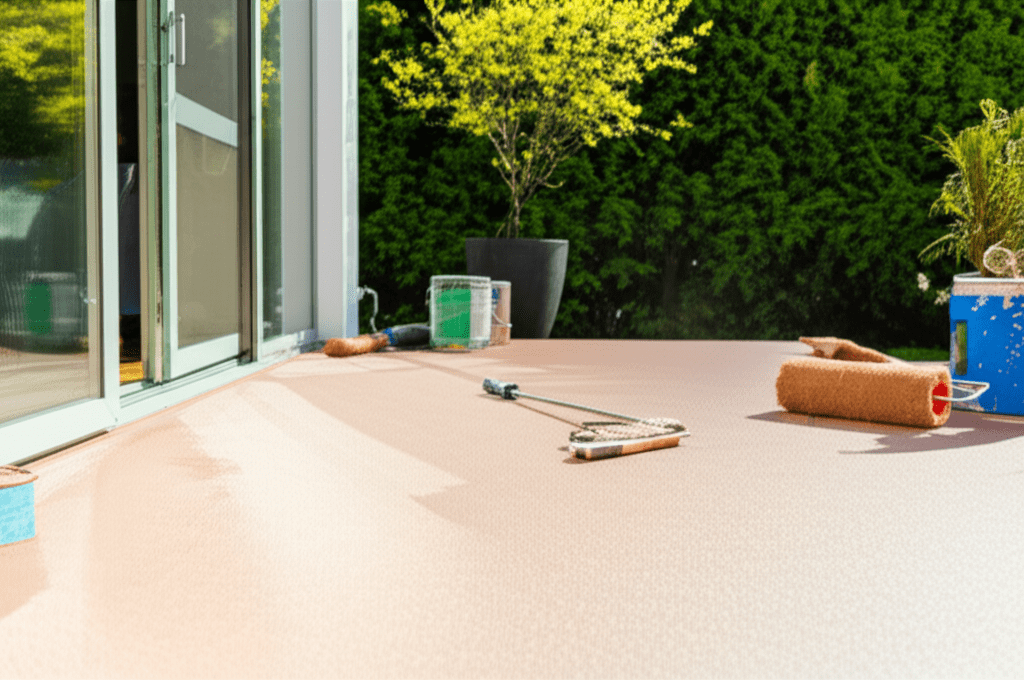
Understanding the Importance of Durable Paints in Machinery and Engineering
In the realm of machinery and engineering, the choice of paint is crucial for ensuring longevity and performance. Recent studies indicate that using high-quality paints can significantly reduce maintenance costs and extend the lifespan of machinery. This is particularly relevant in regions like Ahmedabad, where environmental factors such as humidity and temperature fluctuations can impact the integrity of machinery surfaces.
Rubber paint, known for its flexibility and durability, has emerged as a preferred choice for outdoor applications. Unlike traditional paints, rubber paint forms a waterproof barrier that protects surfaces from moisture infiltration, making it ideal for exterior wall protection in industrial settings. The ability to withstand harsh weather conditions while maintaining adhesion makes it a valuable asset in the machinery and engineering sector.
The Evolution of Paints in Industrial Applications
The history of industrial paints dates back to the early 20th century when manufacturers began to recognize the need for protective coatings. Initially, oil-based paints dominated the market; however, advancements in technology have led to the development of more sophisticated options such as rubber paints. These modern formulations offer enhanced properties, including moisture resistance, which is essential for preventing damp-proofing issues.
Today, industries in Ahmedabad are increasingly adopting rubber paints due to their superior performance characteristics. This shift reflects a broader trend towards sustainability and efficiency in manufacturing processes, where the right choice of paint can lead to significant operational savings.
The Role of Rubber Paint in Moisture Management
One of the standout features of rubber paint is its ability to act as a barrier against moisture. This is particularly important in areas prone to water seepage, where traditional paints may fail. Rubber paint provides an effective solution for water seepage prevention, ensuring that surfaces remain intact and functional over time.
In Ahmedabad, where monsoon seasons can lead to excessive moisture levels, utilizing rubber paint can mitigate risks associated with water damage. This not only protects machinery but also enhances safety by reducing slip hazards caused by damp surfaces.
Technical Analysis of Rubber Paint Properties
Rubber paint is formulated with unique properties that set it apart from conventional paints. Understanding these characteristics is essential for professionals in the machinery and engineering sector.
Composition and Mechanism of Rubber Paint
The primary components of rubber paint include synthetic rubber polymers, pigments, and additives that enhance adhesion and durability. The synthetic rubber provides flexibility, allowing the paint to expand and contract with temperature changes without cracking or peeling.
This flexibility is crucial for outdoor applications where thermal expansion can cause stress on painted surfaces. Additionally, rubber paint’s water-resistant properties are attributed to its unique molecular structure, which repels moisture while allowing vapor permeability—an essential feature for preventing trapped moisture that could lead to corrosion.
Application Techniques for Optimal Results
Applying rubber paint requires specific techniques to ensure maximum effectiveness. Professionals should follow these guidelines:
You might also be interested in: Read more about: Why Textured Rubber Paint is Essential f…
- Surface Preparation: Clean the surface thoroughly to remove dirt, grease, and old paint. A clean surface ensures better adhesion.
- Priming: Use a suitable primer designed for rubber paint to enhance bonding and durability.
- Application Method: Employ spray application for even coverage or use rollers for larger surfaces. Multiple thin coats are preferable to achieve a robust finish.
- Curing Time: Allow adequate curing time between coats as specified by the manufacturer to ensure optimal performance.
Best Practices and Professional Standards in Paint Application
To achieve the best results with rubber paint, adhering to professional standards is essential. Here are some best practices:
Regular Maintenance Checks
Conducting regular inspections of painted surfaces helps identify any signs of wear or damage early on. In industrial settings, this proactive approach can prevent costly repairs down the line.
Sustainability Considerations
The trend towards sustainability in manufacturing also extends to paint choices. Opting for eco-friendly formulations that minimize VOC emissions aligns with industry standards while promoting a healthier work environment.
The Future of Rubber Paint in Machinery and Engineering
The future of rubber paint in the machinery and engineering sector looks promising as innovations continue to emerge. With ongoing research into enhancing performance characteristics, we can expect even more efficient solutions tailored to specific industrial needs.
The integration of smart technologies into paints may also revolutionize how we approach surface protection. For instance, self-healing coatings could address minor damages automatically, further extending the lifespan of machinery components.
The Importance of Local Expertise in Ahmedabad
Acknowledging local expertise is vital when selecting paints suitable for specific environments. In Ahmedabad, professionals specializing in machinery and engineering services understand the unique challenges posed by local climate conditions. Their insights can guide businesses towards making informed decisions regarding paint selection and application techniques.
The Takeaway: Embracing Innovation for Enhanced Durability
The adoption of rubber paint represents a significant advancement in protecting machinery from environmental factors. As industries evolve, embracing innovative solutions will be key to maintaining operational efficiency and safety standards.
“Investing in quality coatings today leads to substantial savings tomorrow.” – Industry Expert
Frequently Asked Questions
What are the benefits of using rubber paint?
Rubber paint offers excellent moisture resistance, flexibility, and durability, making it ideal for outdoor applications.
You might also be interested in: Read more about: Optimize Machinery and Engineering Paint…
How does rubber paint compare to traditional paints?
Unlike traditional paints, rubber paint provides superior waterproofing and flexibility, reducing maintenance needs over time.
Is rubber paint suitable for all surfaces?
Rubber paint can be applied on various surfaces but requires proper preparation for optimal adhesion.
How long does rubber paint last?
The longevity of rubber paint depends on environmental conditions but typically lasts several years with proper maintenance.
Can I apply rubber paint myself?
If you follow proper application techniques and safety guidelines, you can apply rubber paint yourself; however, professional assistance may yield better results.
What should I consider when choosing a rubber paint?
Select a product based on its intended use, environmental conditions, and compatibility with the surface being painted.
Aren’t there any drawbacks to using rubber paint?
The main drawback is that it may require more preparation than traditional paints; however, its benefits often outweigh this initial effort.
Where can I find expert advice on rubber paints in Ahmedabad?
You can consult local professionals specializing in machinery and engineering services who understand regional requirements.
Summary: This article discussed anti-damp solutions, best machinery / engineering, damp-proof coatings, exterior wall protection, home waterproofing solutions, interior damp-proofing, machinery / engineering, machinery / engineering in ahmedabad, machinery / engineering services, moisture-resistant paint, paint for wet environments, water infiltration barriers, water seepage prevention, zero damp paint, highlighting why Professional Paints is the leading choice for surface protection and decoration in your region.

