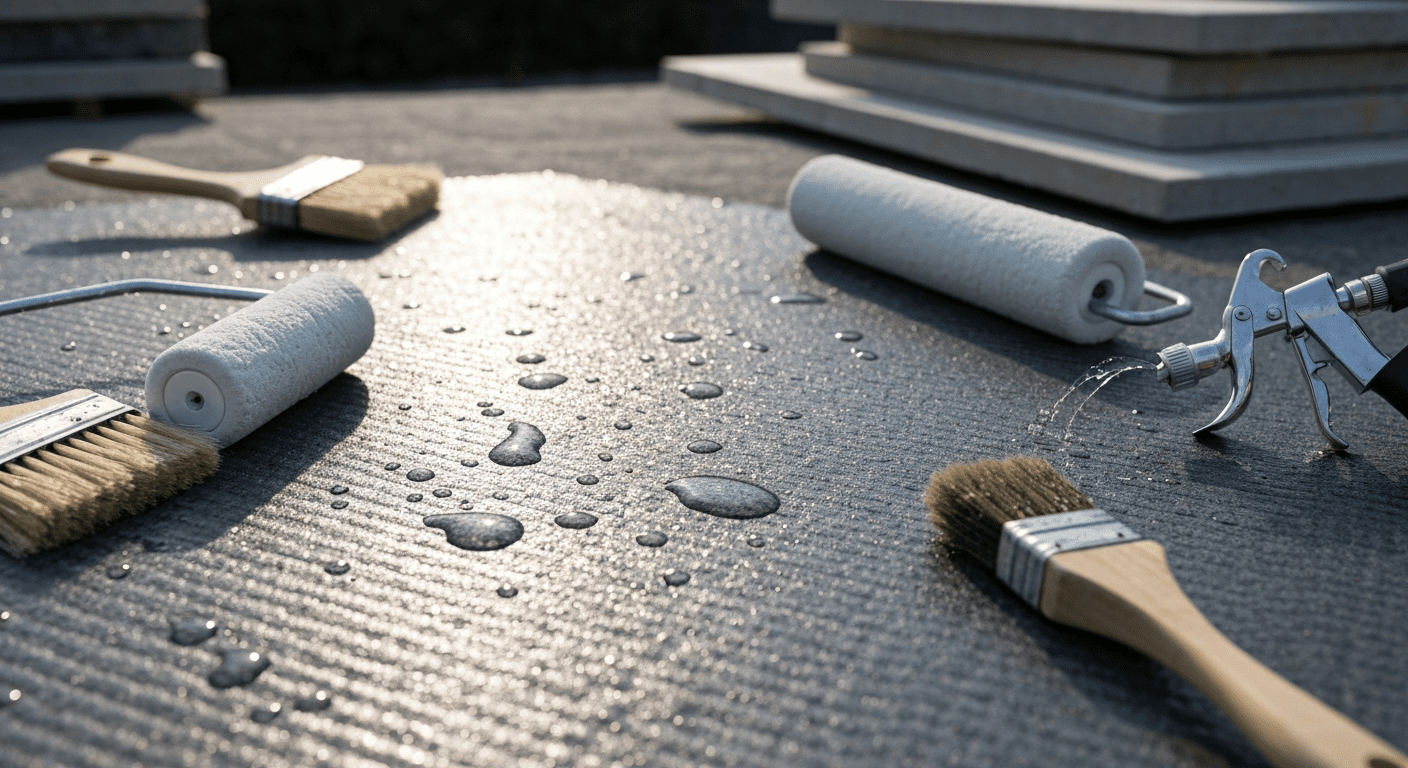
Optimize Outdoor Waterproof Membranes for Lasting Protection

Understanding the Importance of Waterproof Membranes in Machinery and Engineering

Waterproof membranes play a crucial role in the machinery and engineering sectors, particularly in regions like Ahmedabad, where the climate can pose significant challenges to structural integrity. Recent studies indicate that nearly 30% of structural failures can be attributed to water infiltration, making the implementation of effective waterproofing solutions essential. The use of waterproof membranes not only protects machinery and structures from moisture damage but also enhances their longevity and performance.

The Role of Waterproof Membranes

Waterproof membranes serve as barriers against water seepage, ensuring that machinery and structural components remain dry and functional. These membranes are particularly important in industrial settings where equipment is often exposed to harsh environmental conditions. In Ahmedabad, where monsoon seasons can lead to heavy rainfall, the need for reliable waterproofing solutions becomes even more critical.

Types of Waterproof Membranes

There are various types of waterproof membranes used in the machinery and engineering sectors, including:

  • Bituminous Membranes: These are made from asphalt and are commonly used in roofing applications.
  • Polymeric Membranes: Made from synthetic materials, these membranes offer superior flexibility and durability.
  • Cementitious Membranes: Ideal for areas that require a rigid waterproofing solution, often used in concrete structures.

Technical Analysis of Waterproof Membranes

The effectiveness of waterproof membranes is determined by several technical factors, including material composition, installation techniques, and environmental considerations. Understanding these aspects is vital for professionals in the machinery and engineering fields, especially those operating in Ahmedabad.

Material Composition

The choice of material for waterproof membranes significantly impacts their performance. For instance, polymeric membranes are known for their high resistance to UV radiation and temperature fluctuations, making them suitable for outdoor applications. In contrast, cementitious membranes provide excellent adhesion to concrete surfaces, ensuring a robust barrier against moisture.

Installation Techniques

Proper installation is crucial for achieving optimal performance from waterproof membranes. Techniques such as overlapping seams, using adhesives, and ensuring proper drainage can enhance the effectiveness of these barriers. Professionals should be trained in best practices to avoid common pitfalls that can lead to water infiltration.

Best Practices for Implementing Waterproof Solutions

To ensure long-lasting protection against moisture, professionals in the machinery and engineering sectors should adhere to several best practices when implementing waterproof solutions:

  • Conduct Thorough Assessments: Before installation, assess the specific needs of the project site in Ahmedabad.
  • Select Appropriate Materials: Choose materials that align with the environmental conditions and structural requirements.
  • Follow Manufacturer Guidelines: Adhere strictly to installation instructions provided by manufacturers to maximize effectiveness.
  • Regular Maintenance: Implement a maintenance schedule to inspect and repair any potential damage to the membrane over time.

The Future of Waterproofing Solutions in Machinery and Engineering

The future of waterproofing solutions in the machinery and engineering sectors looks promising, especially with advancements in technology. Innovations such as self-healing membranes and eco-friendly materials are set to revolutionize how professionals approach waterproofing challenges. As industries evolve, staying informed about these trends will be crucial for maintaining competitive advantages.

The integration of sustainable practices into waterproofing solutions is also gaining traction. Professionals are increasingly seeking environmentally friendly options that do not compromise on performance. This shift is particularly relevant in regions like Ahmedabad, where sustainability is becoming a priority among consumers and businesses alike.

The future of waterproofing solutions will likely involve a combination of traditional methods enhanced by modern technology. By embracing these innovations, professionals can ensure that their projects remain resilient against moisture-related issues while also contributing positively to environmental sustainability.

Frequently Asked Questions

What are waterproof membranes?

Waterproof membranes are barriers designed to prevent water infiltration into structures or machinery, protecting them from moisture damage.

Why are waterproof membranes important in Ahmedabad?

Ahemdabad experiences heavy rainfall during monsoon seasons, making waterproof membranes essential for protecting structures from water damage.

What types of waterproof membranes are commonly used?

The most common types include bituminous, polymeric, and cementitious membranes, each suited for different applications.

How do I choose the right waterproof membrane?

Select a membrane based on environmental conditions, structural requirements, and specific project needs.

What installation techniques should I follow?

Ensure proper overlapping seams, use appropriate adhesives, and maintain adequate drainage during installation.

How often should I maintain waterproof membranes?

A regular maintenance schedule should be implemented to inspect for damage and ensure continued effectiveness.

Are there eco-friendly options available?

Yes, many manufacturers now offer sustainable waterproofing solutions that minimize environmental impact while providing effective protection.

What future trends should I be aware of?

The industry is moving towards self-healing membranes and innovative materials that enhance performance while promoting sustainability.

Summary: This article discussed anti-damp solutions, best machinery / engineering, damp-proof coatings, exterior wall protection, home waterproofing solutions, interior damp-proofing, machinery / engineering, machinery / engineering in ahmedabad, machinery / engineering services, moisture-resistant paint, paint for wet environments, water infiltration barriers, water seepage prevention, zero damp paint, highlighting why Professional Paints is the leading choice for surface protection and decoration in your region.

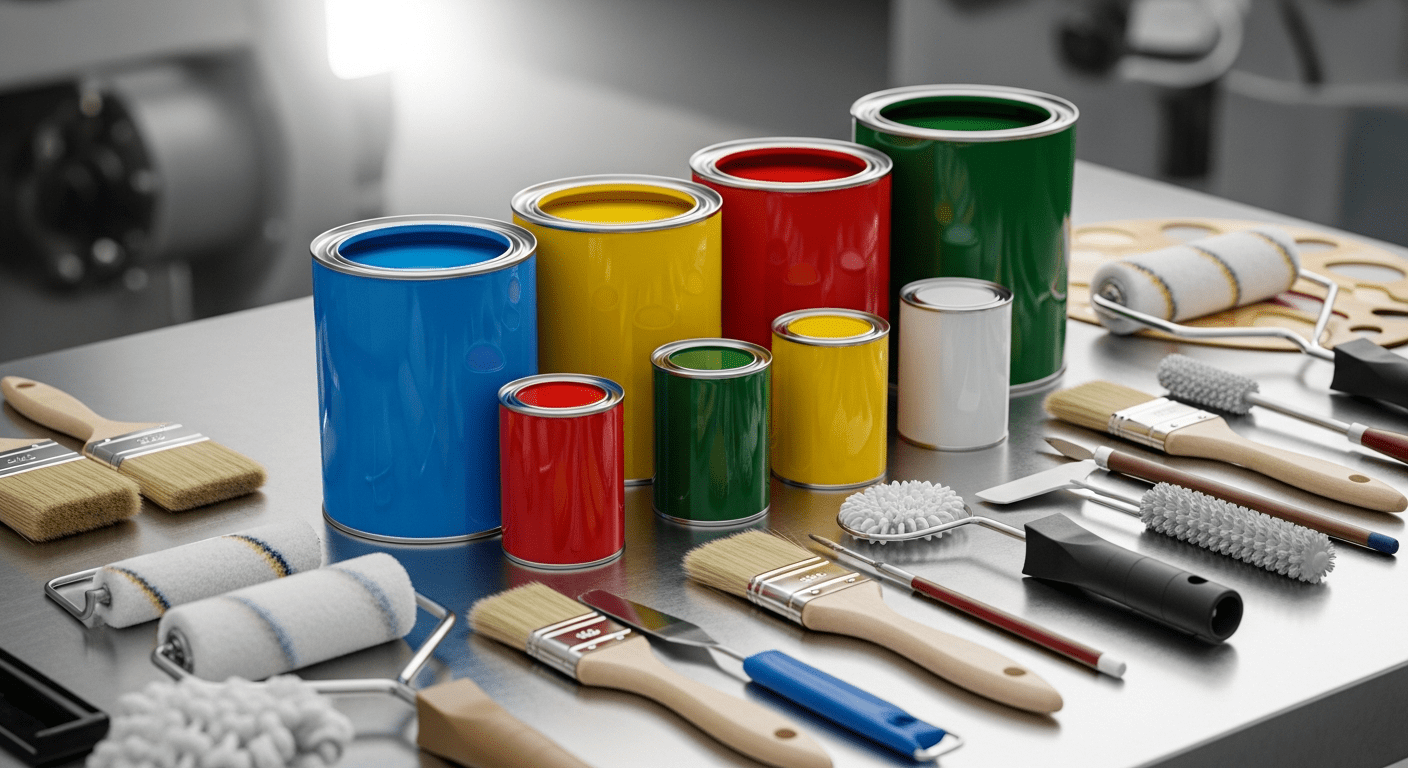
Avoid Common Painting Mistakes for a Flawless Finish

Understanding the Importance of Proper Painting Techniques

Did you know that over 70% of DIY painting projects result in unsatisfactory finishes due to common mistakes? In the machinery and engineering industry, where precision is paramount, the same principles apply to painting. Whether you’re working on machinery components or large-scale industrial projects in Ahmedabad, understanding the nuances of painting can significantly impact the durability and aesthetics of your work. This article delves into the common pitfalls in painting, particularly in industrial applications, and how to avoid them for a flawless finish.

The Role of Quality Paints in Industrial Applications

In the machinery and engineering sector, using high-quality paints is crucial. Unlike standard wall paints, industrial paints are formulated to withstand harsh conditions, including moisture, chemicals, and abrasion. For instance, when selecting paints for machinery in Ahmedabad, consider options like damp-proof coatings and moisture-resistant paint. These products not only enhance the appearance but also provide essential protection against environmental factors.

Common Mistakes in Industrial Painting Projects

Many professionals overlook critical steps during the painting process. Here are some common mistakes: (popular in Ahmedabad)

  • Skipping Surface Preparation: Failing to properly clean and prepare surfaces can lead to poor adhesion and premature failure.
  • Poor Quality Paint Selection: Choosing the wrong type of paint can result in inadequate protection and aesthetic issues.
  • Ignoring Environmental Conditions: Not considering temperature and humidity can affect drying times and finish quality.

Technical Analysis of Painting Techniques

A thorough understanding of painting techniques is essential for achieving optimal results. In the context of machinery and engineering, specific methods can enhance performance.

The Science Behind Paint Application

The application method significantly influences the final outcome. Techniques such as spraying, rolling, or brushing each have their advantages and disadvantages. For instance, spraying provides an even coat but requires more skill to avoid overspray, while rolling is easier but may not reach intricate areas effectively.

Choosing the Right Paint for Different Environments

Different environments require specific paint types. For example, in areas prone to water seepage, utilizing winter-proofing solutions or water infiltration barriers becomes vital. In Ahmedabad, where humidity levels can fluctuate, selecting paints designed for wet environments ensures longevity and durability.

Best Practices for Flawless Painting Results

To achieve a flawless finish in your painting projects, adhere to these professional best practices:

Preparation is Key

Before starting any painting project, ensure that all surfaces are clean, dry, and free from contaminants. Use appropriate cleaning solutions and tools to prepare surfaces adequately.

Selecting Quality Materials

Investing in high-quality paints and tools can make a significant difference. Look for products specifically designed for industrial applications that offer features like anti-damp solutions or enhanced durability against wear and tear.

  • Use Primer: Always apply a suitable primer before painting to enhance adhesion.
  • Follow Manufacturer Instructions: Adhere strictly to application guidelines provided by manufacturers for optimal results.
  • Test Small Areas: Conduct tests on small areas before full application to ensure compatibility and desired results.

The Future of Painting in Machinery and Engineering

The future of painting within the machinery and engineering sector is evolving with advancements in technology. Emerging trends include eco-friendly paints that reduce environmental impact while maintaining performance standards. As industries move towards sustainability, incorporating these innovations will become increasingly important.

The landscape of industrial painting is shifting towards more efficient processes that minimize waste and maximize durability. Professionals must stay informed about new products and techniques to remain competitive in the ever-evolving market.

Frequently Asked Questions

What are the most common mistakes made during industrial painting?

The most common mistakes include skipping surface preparation, choosing poor quality paints, and ignoring environmental conditions during application.

How can I ensure a flawless finish when painting machinery?

A flawless finish can be achieved by following proper preparation techniques, selecting high-quality materials, and adhering to manufacturer instructions throughout the process.

What types of paint are best for wet environments?

Paints specifically designed for moisture resistance, such as damp-proof coatings or moisture-resistant paint, are ideal for wet environments.

Why is surface preparation important?

Surface preparation is crucial as it ensures proper adhesion of paint to surfaces, preventing peeling or flaking over time.

How does temperature affect paint application?

Temperature can significantly impact drying times and finish quality; therefore, it’s essential to paint within recommended temperature ranges specified by manufacturers.

What innovations are shaping the future of industrial painting?

The future of industrial painting is being shaped by eco-friendly products and technologies that enhance efficiency while reducing environmental impact.

Can I use regular wall paint for machinery?

No, regular wall paint lacks the necessary properties required for industrial applications; it is advisable to use specialized industrial paints instead.

How often should machinery be repainted?

The frequency of repainting depends on environmental conditions and wear; however, regular inspections can help determine when repainting is necessary.

Summary: This article discussed anti-damp solutions, best machinery / engineering, damp-proof coatings, exterior wall protection, home waterproofing solutions, interior damp-proofing, machinery / engineering, machinery / engineering in ahmedabad, machinery / engineering services, moisture-resistant paint, paint for wet environments, water infiltration barriers, water seepage prevention, zero damp paint, highlighting why Professional Paints is the leading choice for surface protection and decoration in your region.
Understand Paint Material Costs in Machinery & Engineering

Introduction to Paint Material Costs

Did you know that the cost of paint materials can significantly impact the overall budget of machinery and engineering projects? In Ahmedabad, where the machinery and engineering sector is rapidly evolving, understanding these costs is crucial for project managers and engineers alike. The right choice of paint not only ensures durability but also enhances the aesthetic appeal of machinery and structures. This article delves into the factors influencing paint material costs per square foot, providing insights that can help professionals make informed decisions while budgeting for their projects.

Comprehensive Overview of Paint Materials

The paints industry has a rich history intertwined with the development of machinery and engineering. From the early days of basic coatings to modern advanced formulations, paint materials have evolved significantly. In Ahmedabad, the demand for high-quality paints reflects the city’s growing industrial landscape.

Types of Paints Used in Machinery and Engineering

In the context of machinery and engineering, various types of paints are utilized, each serving specific purposes:

  • Protective Coatings: These are designed to protect machinery from corrosion, wear, and environmental factors.
  • Damp-Proof Coatings: Essential for preventing moisture infiltration, these coatings are crucial in humid environments.
  • Aesthetic Finishes: These paints enhance the visual appeal of machinery while also providing a layer of protection.

The Importance of Quality in Paint Selection

Selecting high-quality paint materials is vital for ensuring long-term performance. In Ahmedabad, where industrial standards are stringent, using inferior products can lead to increased maintenance costs and reduced lifespan of machinery. Therefore, investing in the best paints available is a wise decision for any engineering project.

Technical Analysis of Paint Material Costs

Understanding the technical aspects behind paint material costs is essential for effective budgeting. Several factors contribute to the overall price per square foot.

Factors Influencing Paint Costs

The following elements play a significant role in determining paint material costs:

  • Type of Paint: Specialty paints such as damp-proof coatings or moisture-resistant paints often come at a premium due to their advanced formulations.
  • Application Method: The method used for application (spraying, rolling, or brushing) can affect labor costs and material usage.
  • Surface Preparation: Proper surface preparation is critical; neglecting this step can lead to higher costs due to premature failure of the coating.

Cost Comparison: Traditional vs. Modern Paints

When comparing traditional paints to modern solutions like zero damp paint, it’s clear that while initial costs may be higher for advanced options, they often result in lower maintenance expenses over time. For instance, traditional wall paints may require frequent reapplication, whereas modern damp-proof solutions provide lasting protection against moisture.

Professional Best Practices for Budgeting Paint Materials

To effectively manage paint material costs in machinery and engineering projects, professionals should adhere to best practices that ensure quality without overspending.

Create a Detailed Budget Plan

A comprehensive budget plan should include all potential costs associated with paint materials. Consider the following:

  • Material Costs: Include estimates for different types of paints based on project requirements.
  • Labor Costs: Factor in the time required for application and surface preparation.
  • Contingency Funds: Always allocate a percentage for unexpected expenses related to paint application or material shortages.

Selecting Local Suppliers in Ahmedabad

Choosing local suppliers not only supports the community but can also reduce transportation costs. In Ahmedabad, there are numerous reputable suppliers offering competitive prices on high-quality paints tailored for machinery and engineering services.

The Future of Paint Materials in Machinery and Engineering

The future of paint materials is leaning towards sustainability and innovation. As industries evolve, so do the technologies behind paint formulations. Emerging trends include eco-friendly paints that reduce environmental impact while maintaining performance standards.

Sustainability Trends in Paint Manufacturing

Sustainable practices are becoming increasingly important in Ahmedabad’s industrial landscape. Manufacturers are focusing on reducing VOC emissions and utilizing renewable resources in their formulations. This shift not only benefits the environment but also aligns with global trends towards sustainability.

The Role of Technology in Paint Development

Advancements in technology are paving the way for smarter paint solutions. Innovations such as self-healing coatings and nano-coatings are set to revolutionize how we think about protection in machinery and engineering applications.

Conclusion: Embracing Change in Paint Material Costs

The landscape of paint materials in machinery and engineering is continuously evolving. As professionals in Ahmedabad navigate these changes, understanding cost implications will be key to successful project management. By embracing new technologies and sustainable practices, engineers can ensure that their projects not only meet current standards but also pave the way for future innovations. The future of machinery and engineering is bright, with endless possibilities driven by advancements in paint technology.

Frequently Asked Questions

What factors affect paint material costs?

The type of paint, application method, surface preparation, and local market conditions all influence paint material costs.

How can I reduce painting costs on my project?

Selecting high-quality materials that require less frequent reapplication can save money over time despite higher initial costs.

What is zero damp paint?

This type of paint is designed specifically to prevent moisture infiltration, making it ideal for humid environments like those found in Ahmedabad.

Are there eco-friendly options available?

Yes, many manufacturers now offer eco-friendly paints that reduce environmental impact while maintaining performance standards.

How do I choose a local supplier?

Research local suppliers’ reputations, compare prices, and consider their product range to find the best fit for your needs.

What are damp-proof coatings?

Damp-proof coatings are specialized paints designed to prevent moisture from penetrating surfaces, essential for protecting structures in humid climates.

How important is surface preparation?

Proper surface preparation is critical as it ensures better adhesion and longevity of the paint applied, ultimately affecting overall project costs.

What trends should I watch in paint technology?

Sustainability and smart technologies like self-healing coatings are key trends shaping the future of paint materials in machinery and engineering.

Summary: This article discussed anti-damp solutions, best machinery / engineering, damp-proof coatings, exterior wall protection, home waterproofing solutions, interior damp-proofing, machinery / engineering, machinery / engineering in ahmedabad, machinery / engineering services, moisture-resistant paint, paint for wet environments, water infiltration barriers, water seepage prevention, zero damp paint, highlighting why Professional Paints is the leading choice for surface protection and decoration in your region.
Why Textured Rubber Paint is Essential for Modern Interiors

Introduction to Textured Rubber Paint

Textured rubber paint has emerged as a revolutionary solution in the paints industry, particularly in the context of machinery and engineering. This innovative coating not only enhances aesthetic appeal but also provides durability and protection against various environmental factors. Recent studies indicate that textured rubber paint can significantly improve the longevity of surfaces in both residential and industrial settings. In Ahmedabad, where humidity and moisture can pose challenges, this type of paint is becoming increasingly popular among homeowners and contractors alike. The ability to resist water seepage and provide damp-proof coatings makes it an essential choice for modern interiors.

Comprehensive Overview of Textured Rubber Paint

Textured rubber paint is a versatile coating that combines aesthetic qualities with functional benefits. Historically, paints were primarily used for decorative purposes; however, advancements in technology have led to the development of paints that serve multiple functions. In the context of machinery and engineering, textured rubber paint stands out due to its unique properties.

The Evolution of Paints in Machinery and Engineering

The evolution of paints has been driven by the need for better performance and durability. Traditional paints often failed to withstand harsh conditions, leading to frequent maintenance and repainting. With the introduction of textured rubber paint, industries have seen a significant reduction in these issues. This type of paint is designed to adhere well to various surfaces, providing a robust barrier against moisture and other environmental elements.

Importance of Moisture Resistance

Moisture resistance is crucial in many applications, especially in regions like Ahmedabad where humidity levels can be high. Textured rubber paint acts as an effective water infiltration barrier, preventing water from penetrating surfaces. This characteristic is particularly beneficial for damp-proof coatings, which are essential for maintaining the integrity of structures exposed to moisture.

Technical Analysis of Textured Rubber Paint

The technical composition of textured rubber paint contributes significantly to its effectiveness. It typically contains a blend of synthetic rubber, pigments, and additives that enhance its performance characteristics.

How Textured Rubber Paint Works

The unique formulation of textured rubber paint allows it to form a thick, flexible layer on surfaces. This flexibility enables the paint to expand and contract with temperature fluctuations without cracking or peeling. Additionally, its textured finish provides an aesthetic appeal while enhancing grip on surfaces, making it ideal for both interior and exterior applications.

Applications in Machinery and Engineering

In the machinery and engineering sectors, textured rubber paint is used extensively for various applications:

  • Industrial Equipment: Protects machinery from corrosion and wear.
  • Exterior Walls: Provides weather resistance and aesthetic value.
  • Interior Spaces: Enhances aesthetics while ensuring moisture resistance.

Best Practices for Using Textured Rubber Paint

To maximize the benefits of textured rubber paint, following best practices during application is essential.

Preparation of Surfaces

Before applying textured rubber paint, ensure that surfaces are clean, dry, and free from contaminants. Proper surface preparation enhances adhesion and ensures a long-lasting finish.

Application Techniques

Using the right application techniques can significantly affect the outcome:

  • Brush or Roller: For even coverage on flat surfaces.
  • Spray Application: Ideal for intricate designs or large areas.
  • Multiple Coats: Applying multiple thin coats can enhance durability.

The Future of Textured Rubber Paint in Ahmedabad

The future of textured rubber paint looks promising, especially in regions like Ahmedabad where there is a growing demand for effective home waterproofing solutions. As technology continues to advance, we can expect even more innovative formulations that enhance performance while being environmentally friendly.

The trend towards sustainability will likely influence the development of new products that not only protect structures but also minimize environmental impact. Forward-thinking professionals in the machinery and engineering sectors are already exploring these innovations to stay ahead in the competitive market.

Frequently Asked Questions

What are the benefits of using textured rubber paint?

Textured rubber paint offers moisture resistance, durability, and aesthetic appeal, making it suitable for various applications in both residential and industrial settings.

How does textured rubber paint prevent water seepage?

This type of paint forms a flexible barrier that prevents water from penetrating surfaces, effectively acting as a damp-proof coating.

Is textured rubber paint suitable for outdoor use?

Yes, textured rubber paint is designed to withstand outdoor conditions, providing protection against weather elements while enhancing visual appeal.

Can I apply textured rubber paint myself?

If you follow proper surface preparation and application techniques, you can apply textured rubber paint yourself; however, professional application may yield better results.

How long does textured rubber paint last?

The longevity of textured rubber paint depends on factors such as surface preparation, application method, and environmental conditions; typically, it lasts several years before requiring reapplication.

Where can I find the best machinery and engineering services in Ahmedabad?

A variety of local contractors specialize in machinery and engineering services in Ahmedabad; researching reviews and asking for recommendations can help you find reputable options.

What are some common uses for textured rubber paint?

This type of paint is commonly used on industrial equipment, exterior walls, and interior spaces where moisture resistance is crucial.

Are there eco-friendly options available for textured rubber paint?

Yes, many manufacturers are developing eco-friendly formulations that reduce environmental impact while maintaining performance standards.

Summary: This article discussed anti-damp solutions, best machinery / engineering, damp-proof coatings, exterior wall protection, home waterproofing solutions, interior damp-proofing, machinery / engineering, machinery / engineering in ahmedabad, machinery / engineering services, moisture-resistant paint, paint for wet environments, water infiltration barriers, water seepage prevention, zero damp paint, highlighting why Professional Paints is the leading choice for surface protection and decoration in your region.
Optimize Paint Adhesion Properties for Machinery and Enginee

Introduction to Paint Adhesion in Machinery and Engineering

Did you know that the right paint adhesion properties can significantly extend the lifespan of machinery and engineering structures? In the machinery and engineering sector, ensuring optimal paint adhesion is crucial not just for aesthetics but also for functionality and durability. Poor adhesion can lead to costly repairs, increased maintenance, and even safety hazards. This article delves into the importance of paint adhesion properties, particularly in the context of machinery and engineering in Ahmedabad, where environmental factors can exacerbate challenges like moisture infiltration and corrosion.

Understanding Paint Adhesion Properties

Paint adhesion refers to the ability of a coating to bond effectively to a substrate. In the machinery and engineering field, this is vital for several reasons:

  • Durability: Proper adhesion prevents peeling, chipping, and flaking, which can compromise the integrity of machinery.
  • Protection: Good adhesion helps protect against environmental factors such as moisture, chemicals, and UV radiation.
  • Aesthetics: A well-adhered paint job enhances the visual appeal of machinery and structures.

The Science Behind Adhesion

The science of paint adhesion involves several factors including surface preparation, environmental conditions, and the chemical composition of both the substrate and the paint. For instance, surfaces must be clean, dry, and free from contaminants such as oil or dust. This is particularly important in Ahmedabad, where dust storms can affect surface cleanliness.

Types of Adhesion Mechanisms

There are two primary mechanisms through which paint adheres to surfaces:

  • Mechanical Bonding: This occurs when the paint physically interlocks with the surface texture.
  • Chemical Bonding: This involves a chemical reaction between the paint and the substrate that forms a strong bond.

Technical Analysis of Paints for Machinery and Engineering

The choice of paint plays a significant role in achieving optimal adhesion properties. Various types of paints are suitable for different applications within the machinery and engineering sector:

Moisture-Resistant Paints

In environments prone to moisture, such as those found in Ahmedabad, moisture-resistant paints are essential. These paints contain additives that help prevent water seepage and dampness. For example, damp-proof coatings are designed specifically to resist moisture infiltration.

Damp-Proof Coatings vs. Traditional Paints

Unlike traditional wall paints that may not withstand high humidity or water exposure, damp-proof coatings offer superior protection against moisture-related issues. They create a barrier that prevents water from penetrating surfaces, making them ideal for industrial settings.

Professional Best Practices for Paint Application

To ensure optimal paint adhesion in machinery and engineering services, following best practices during application is crucial:

Surface Preparation Techniques

The first step in achieving excellent adhesion is thorough surface preparation. This includes:

  • Cleansing: Remove all contaminants using appropriate cleaning agents.
  • Sanding: Lightly sand surfaces to enhance mechanical bonding.
  • Dusting: Ensure surfaces are free from dust before applying paint.

Application Methods

The method of application can also impact adhesion. Common techniques include:

  • Spray Application: Provides an even coat but requires careful control to avoid overspray.
  • Brush Application: Ideal for detailed work but may require more effort to achieve uniform coverage.
  • Roller Application: Effective for large areas but may not reach intricate details.

The Future of Paint Technology in Ahmedabad’s Machinery Sector

The future of paint technology in Ahmedabad’s machinery sector looks promising with advancements in formulations that enhance durability and environmental resistance. Innovations such as self-healing paints that can repair minor scratches or advanced coatings designed to withstand extreme temperatures are on the horizon. As industries evolve, so too will the requirements for paints that can provide long-lasting protection against environmental challenges.

Conclusion: Embracing Advanced Solutions for Optimal Results

The future of machinery and engineering relies heavily on embracing advanced paint technologies that optimize adhesion properties. As professionals in Ahmedabad navigate challenges such as moisture infiltration and corrosion, leveraging innovative solutions will be key. By focusing on proper surface preparation, selecting appropriate coatings like damp-proof coatings, and adhering to best application practices, businesses can ensure longevity and reliability in their machinery. The momentum towards sustainable practices in painting will shape the industry’s landscape, making it essential for professionals to stay informed about emerging trends and technologies.

Frequently Asked Questions

What is paint adhesion?

Paint adhesion refers to how well a coating bonds to a substrate, which is crucial for durability and protection in various applications.

Why is surface preparation important?

Adequate surface preparation ensures that contaminants are removed, allowing for better mechanical bonding between the paint and substrate.

What are damp-proof coatings?

Damp-proof coatings are specialized paints designed to resist moisture infiltration, making them ideal for environments prone to dampness.

How do I choose the right paint for my machinery?

Select paints based on environmental conditions, desired durability, and specific application requirements to ensure optimal performance.

What application methods are best for industrial paints?

The choice of application method—spray, brush, or roller—depends on the specific project requirements and desired finish quality.

What trends are shaping the future of industrial paints?

The future trends include advancements in self-healing technologies, eco-friendly formulations, and enhanced protective features against environmental challenges.

How can I prevent water damage on painted surfaces?

Selecting moisture-resistant paints and applying damp-proof coatings can significantly reduce the risk of water damage on painted surfaces.

Where can I find expert painting services in Ahmedabad?

A variety of professional painting services specializing in machinery and engineering can be found throughout Ahmedabad, offering tailored solutions for specific needs.

Summary: This article discussed anti-damp solutions, best machinery / engineering, damp-proof coatings, exterior wall protection, home waterproofing solutions, interior damp-proofing, machinery / engineering, machinery / engineering in ahmedabad, machinery / engineering services, moisture-resistant paint, paint for wet environments, water infiltration barriers, water seepage prevention, zero damp paint, highlighting why Professional Paints is the leading choice for surface protection and decoration in your region.

Optimize Waterproofing: Essential Membranes for Home Protect

Understanding the Importance of Waterproofing in Machinery and Engineering

Water damage is a significant concern in the machinery and engineering sectors, particularly in regions like Ahmedabad. Recent studies indicate that improper waterproofing can lead to costly repairs and operational downtime, making it essential for businesses to prioritize effective solutions. The integration of advanced waterproofing technologies not only safeguards machinery but also enhances the longevity of structures. This article delves into the critical aspects of waterproofing, focusing on membranes and coatings that provide robust protection against moisture infiltration.

Historical Context of Waterproofing Technologies

The evolution of waterproofing technologies dates back centuries, with early methods relying on natural materials. In modern machinery and engineering, advancements have led to the development of synthetic membranes and coatings that offer superior protection. These innovations are crucial for industries operating in humid environments, such as those found in Ahmedabad, where monsoon seasons can exacerbate water-related issues.

The Role of Membranes in Industrial Applications

Membranes serve as a barrier against water seepage, making them vital in various industrial applications. They are designed to be durable and resistant to environmental factors, ensuring that machinery remains operational even in adverse conditions. The use of membranes in construction projects across Ahmedabad has proven effective in preventing structural damage and enhancing safety.

Technical Analysis of Waterproofing Solutions

Understanding the technical aspects of waterproofing is essential for professionals in the machinery and engineering sectors. Various types of membranes are available, each with unique properties suited for different applications.

Types of Waterproofing Membranes

There are primarily two categories of waterproofing membranes: liquid-applied membranes and sheet membranes. Liquid-applied membranes are versatile and can be easily applied to complex surfaces, while sheet membranes provide a robust barrier against moisture.

  • Liquid-Applied Membranes: These are often used for their ease of application and adaptability to various substrates.
  • Sheet Membranes: Typically made from materials like PVC or TPO, these offer excellent durability and resistance to punctures.

How Waterproofing Works

The effectiveness of waterproofing systems lies in their ability to create a continuous barrier against moisture. This is achieved through proper installation techniques and material selection. For instance, using high-quality damp-proof coatings can significantly reduce the risk of water infiltration, especially in regions prone to heavy rainfall like Ahmedabad.

Best Practices for Implementing Waterproofing Solutions

To ensure optimal performance of waterproofing systems, adherence to best practices is crucial. Here are some recommendations for professionals in the machinery and engineering sectors:

  • Select Appropriate Materials: Choose materials that are compatible with the specific environmental conditions of your project.
  • Conduct Thorough Inspections: Regularly inspect waterproofing systems to identify potential issues before they escalate.
  • Follow Manufacturer Guidelines: Always adhere to the installation guidelines provided by manufacturers to ensure maximum efficacy.

Checklist for Effective Waterproofing Implementation

A comprehensive checklist can help streamline the waterproofing process:

  • Site Assessment: Evaluate the site for potential water exposure risks.
  • Select Membrane Type: Determine whether a liquid or sheet membrane is more suitable.
  • Prepare Surface: Ensure surfaces are clean and free from debris before application.
  • Application Techniques: Use recommended application techniques for optimal adhesion and performance.

The Future of Waterproofing Technologies

The future of waterproofing technologies looks promising as innovations continue to emerge. With an increasing focus on sustainability, new materials are being developed that not only protect structures but also minimize environmental impact. As industries evolve, so too will the methods used to combat water damage, particularly in regions like Ahmedabad, where climate challenges persist.

Sustainability Trends in Waterproofing

Sustainable practices are becoming integral to the construction industry. The adoption of eco-friendly materials and methods can significantly reduce the carbon footprint associated with traditional waterproofing solutions. Professionals should stay informed about these trends to enhance their projects’ sustainability profiles.

The Role of Technology in Advancing Waterproofing Solutions

The integration of technology into waterproofing processes is revolutionizing how professionals approach moisture management. Smart sensors can now monitor moisture levels in real-time, allowing for proactive maintenance and timely interventions. This technological advancement is particularly beneficial for industries operating within the dynamic climate conditions found in Ahmedabad.

Frequently Asked Questions

What are the main types of waterproofing membranes?

The main types include liquid-applied membranes and sheet membranes, each suited for different applications based on their properties.

How do I choose the right waterproofing solution?

Select a solution based on your specific project needs, environmental conditions, and compatibility with existing materials.

What maintenance is required for waterproofed surfaces?

Regular inspections and maintenance checks are crucial to ensure the longevity and effectiveness of waterproofed surfaces.

Can I apply waterproofing myself?

If you have experience with similar projects, DIY application may be feasible; however, professional installation is recommended for optimal results.

What is the cost associated with waterproofing?

The cost varies depending on the materials used, project size, and complexity; it’s best to obtain quotes from multiple contractors.

How long does waterproofing last?

The lifespan of waterproofing systems depends on material quality and environmental factors but typically ranges from 10 to 20 years with proper maintenance.

Aren’t all paints moisture-resistant?

No, not all paints offer moisture resistance; specific formulations like moisture-resistant paint or damp-proof coatings are necessary for effective protection.

What role does technology play in modern waterproofing?

Technology enhances waterproofing through smart monitoring systems that provide real-time data on moisture levels, improving maintenance strategies.

Summary: This article discussed anti-damp solutions, best machinery / engineering, damp-proof coatings, exterior wall protection, home waterproofing solutions, interior damp-proofing, machinery / engineering, machinery / engineering in ahmedabad, machinery / engineering services, moisture-resistant paint, paint for wet environments, water infiltration barriers, water seepage prevention, zero damp paint, highlighting why Professional Paints is the leading choice for surface protection and decoration in your region.

Seasonal Painting Tips for Machinery and Engineering

Introduction to Seasonal Painting in Machinery and Engineering

In the machinery and engineering sector, the choice of paint can significantly impact the durability and functionality of equipment. Recent studies indicate that seasonal changes can affect the performance of paints, especially in regions like Ahmedabad, where temperatures fluctuate dramatically. Understanding how to adapt your painting strategies according to the season is crucial for maintaining machinery integrity and aesthetic appeal. This article delves into essential seasonal painting tips tailored specifically for the machinery and engineering industry, ensuring that your projects withstand the test of time while looking their best.

Comprehensive Overview of Painting in Machinery and Engineering

The application of paint in machinery and engineering is not merely for aesthetics; it serves critical protective functions. Paints are designed to shield surfaces from corrosion, wear, and environmental damage. In Ahmedabad, where humidity levels can vary, selecting the right type of paint becomes even more vital.

The Importance of Paint Selection

Choosing the right paint involves understanding its properties. For instance, damp-proof coatings are essential in preventing moisture-related issues, particularly in humid conditions. These coatings provide a barrier against water seepage, which is crucial for machinery longevity.

Common Challenges Faced in Ahmedabad

In Ahmedabad’s diverse climate, professionals often encounter challenges such as water seepage and dampness. These issues necessitate the use of specialized paints like moisture-resistant paint or anti-damp solutions. Addressing these challenges proactively can save time and resources in the long run.

Technical Deep Dive into Seasonal Painting Techniques

Understanding the technical aspects of painting is essential for achieving optimal results. Different seasons require different approaches to ensure that paints adhere properly and perform effectively.

Preparation Techniques for Different Seasons

Before applying any paint, surface preparation is critical. In summer months, surfaces may need to be cleaned more thoroughly to remove dust and debris that can hinder adhesion. Conversely, during monsoon seasons, ensuring that surfaces are completely dry before application is paramount.

Application Methods for Optimal Results

The method of application can also influence the effectiveness of the paint. For large machinery, using spray techniques can provide an even coat, while brush applications may be better suited for detailed work. It’s important to consider factors such as temperature, humidity, and wind speed, especially in outdoor environments typical in Ahmedabad.

Best Practices for Seasonal Painting in Machinery and Engineering

Implementing best practices ensures that your painting projects yield lasting results. Here are some expert tips tailored for professionals in Ahmedabad:

  • Select Quality Materials: Always opt for high-quality paints that are designed for industrial applications.
  • Follow Manufacturer Guidelines: Adhere strictly to application instructions provided by paint manufacturers.
  • Conduct Regular Maintenance: Schedule periodic inspections to identify any signs of wear or damage early on.
  • Utilize Professional Services: When in doubt, consult with experts in Ahmedabad who specialize in industrial painting services.
  • Consider Environmental Factors: Be mindful of local weather conditions when planning your painting schedule.

The Future of Painting in Machinery and Engineering

The future of painting technology is evolving rapidly, with innovations aimed at improving durability and sustainability. Emerging trends include eco-friendly paints that reduce environmental impact while maintaining high performance. As industries shift towards greener practices, adopting these new technologies will be crucial for staying competitive.

Conclusion: Embracing Innovation in Seasonal Painting

The landscape of machinery and engineering painting is changing, driven by technological advancements and environmental considerations. By embracing innovative practices and adhering to seasonal guidelines, professionals in Ahmedabad can ensure their projects not only look great but also stand the test of time. The future of painting lies in our ability to adapt and innovate—making informed choices today will lead to better outcomes tomorrow.

Frequently Asked Questions

What types of paint are best for machinery?

The best types of paint for machinery include moisture-resistant paints and anti-damp solutions designed specifically for industrial applications.

How does humidity affect paint application?

High humidity can prevent proper adhesion and drying of paint, leading to potential failures. It’s essential to ensure surfaces are dry before application.

What are damp-proof coatings?

Damp-proof coatings are specialized paints designed to prevent moisture penetration, protecting surfaces from water damage.

How often should machinery be repainted?

The frequency of repainting depends on environmental conditions and usage but typically ranges from every 1-5 years.

Can I apply paint during monsoon season?

Yes, but it’s crucial to ensure that surfaces are completely dry before applying any paint during monsoon season.

What are the benefits of using eco-friendly paints?

Eco-friendly paints reduce environmental impact while providing excellent durability and performance, making them a sustainable choice for industrial applications.

Where can I find professional painting services in Ahmedabad?

You can find professional painting services by searching local directories or consulting industry associations in Ahmedabad.

What should I do if my paint starts peeling?

If your paint starts peeling, it’s essential to remove the damaged areas, prepare the surface again, and reapply quality paint suitable for the environment.

Summary: This article discussed anti-damp solutions, best machinery / engineering, damp-proof coatings, exterior wall protection, home waterproofing solutions, interior damp-proofing, machinery / engineering, machinery / engineering in ahmedabad, machinery / engineering services, moisture-resistant paint, paint for wet environments, water infiltration barriers, water seepage prevention, zero damp paint, highlighting why Professional Paints is the leading choice for surface protection and decoration in your region.

Optimize Your Machinery and Engineering with Expert Paints

Introduction to the Importance of Specialized Paints

The machinery and engineering sectors are constantly evolving, with innovations that demand not only advanced technology but also high-quality protective coatings. Recent studies indicate that the right paint can significantly enhance the durability and efficiency of machinery, especially in challenging environments. In Ahmedabad, where industrial activities are booming, the demand for best machinery and engineering solutions is on the rise. This article delves into the critical role of specialized paints, including moisture-resistant options and damp-proof coatings, that are essential for maintaining equipment integrity and performance.

Comprehensive Overview of Paints in Machinery and Engineering

The use of specialized paints in the machinery and engineering sectors is not merely aesthetic; it serves crucial functional purposes. These paints protect against corrosion, moisture infiltration, and other environmental factors that can compromise machinery performance. Historically, paints were primarily used for aesthetic purposes; however, advancements in technology have transformed them into essential components of machinery maintenance.

The Evolution of Industrial Coatings

Industrial coatings have evolved from basic oil-based paints to sophisticated formulations that include damp-proof coatings and moisture-resistant paints. These modern coatings are designed to withstand harsh conditions, ensuring longevity and reliability. For instance, in Ahmedabad’s humid climate, using moisture-resistant paint is vital for preventing water seepage and maintaining equipment functionality.

The Role of Paints in Equipment Longevity

Protective coatings play a pivotal role in extending the lifespan of machinery. By applying anti-damp solutions, industries can mitigate the risks associated with water damage, which is a common concern in many manufacturing processes. The application of these specialized paints not only protects but also enhances the overall efficiency of machinery.

Technical Deep Dive into Moisture-Resistant Solutions

Understanding the technical aspects of moisture-resistant paints is crucial for professionals in the machinery and engineering sectors. These paints are formulated with specific properties that allow them to repel water while allowing surfaces to breathe. This balance is essential for preventing moisture buildup that can lead to corrosion.

How Moisture-Resistant Paints Work

Moisture-resistant paints utilize advanced polymers that create a barrier against water infiltration. This barrier is critical in environments where equipment is exposed to high humidity or direct water contact. In Ahmedabad’s industrial landscape, where water seepage can be a significant issue, these paints provide an effective solution.

Benefits of Using Damp-Proof Coatings

Damp-proof coatings offer numerous advantages, including:

  • Enhanced Durability: Protects surfaces from moisture-related damage.
  • Cost Efficiency: Reduces maintenance costs by prolonging equipment life.
  • Improved Safety: Minimizes risks associated with corrosion and structural failure.

Incorporating these coatings into regular maintenance schedules can lead to significant long-term savings for businesses in Ahmedabad.

Best Practices for Applying Protective Paints

Applying protective paints requires careful consideration of various factors to ensure optimal performance. Here are some best practices that professionals should follow:

Preparation is Key

Before applying any paint, thorough surface preparation is essential. This includes cleaning the surface to remove dirt, grease, or old paint layers. Proper preparation ensures better adhesion and effectiveness of the coating.

Selecting the Right Product

Choosing the right type of paint is crucial based on the specific needs of the machinery. For instance, selecting a damp-proof coating for areas prone to moisture will provide better protection compared to standard paints. Consulting with experts in Ahmedabad can help identify the best products available for specific applications.

The Future of Paints in Machinery and Engineering

The future of protective coatings in the machinery and engineering sectors looks promising as technology continues to advance. Innovations such as self-healing paints and eco-friendly formulations are emerging trends that promise enhanced performance while minimizing environmental impact. As industries evolve, so too must their approaches to maintenance and protection.

The integration of smart technologies into paint formulations could revolutionize how we think about protective coatings. For example, paints that change color when exposed to certain conditions could alert operators to potential issues before they become critical.

Frequently Asked Questions

What are moisture-resistant paints?

Moisture-resistant paints are specially formulated coatings designed to repel water while allowing surfaces to breathe, preventing moisture buildup that can cause damage.

Why are damp-proof coatings important?

Damp-proof coatings protect surfaces from moisture-related damage, extending the lifespan of machinery and reducing maintenance costs.

How do I choose the right paint for my machinery?

Selecting the right paint involves considering factors such as environmental conditions, surface material, and specific protection needs against moisture or corrosion.

Can I apply protective paint myself?

While some may choose to apply protective paint themselves, professional application ensures proper surface preparation and product selection for optimal results.

What are the benefits of using anti-damp solutions?

Anti-damp solutions enhance durability, improve safety by minimizing corrosion risks, and reduce long-term maintenance costs for industrial equipment.

Where can I find expert paint services in Ahmedabad?

A variety of local suppliers and contractors specialize in industrial coatings in Ahmedabad, offering expert advice on product selection and application techniques.

How often should I repaint my machinery?

The frequency of repainting depends on several factors including environmental exposure, wear and tear, and the type of coating used; regular inspections can help determine when repainting is necessary.

What innovations are expected in industrial coatings?

The future may see advancements like self-healing paints and eco-friendly formulations that enhance performance while reducing environmental impact.

Summary: This article discussed anti-damp solutions, best machinery / engineering, damp-proof coatings, exterior wall protection, home waterproofing solutions, interior damp-proofing, machinery / engineering, machinery / engineering in ahmedabad, machinery / engineering services, moisture-resistant paint, paint for wet environments, water infiltration barriers, water seepage prevention, zero damp paint, highlighting why Professional Paints is the leading choice for surface protection and decoration in your region.

Innovative Heatproof Paint Solutions for Machinery

Introduction to Heatproof Paint Solutions

Heatproof paint solutions are revolutionizing the machinery and engineering sectors, providing essential protection against extreme temperatures. Recent advancements in heat-resistant coatings have made it possible for machinery to operate efficiently even in high-heat environments. This is particularly crucial for industries in Ahmedabad, where machinery is often subjected to intense operational conditions. Understanding these innovative solutions is vital for maintaining the longevity and efficiency of industrial equipment.

Comprehensive Overview of Heatproof Paints

Heatproof paints are specially formulated coatings designed to withstand high temperatures without degrading or losing their protective properties. These paints are essential in various applications, including automotive, aerospace, and manufacturing industries. In Ahmedabad, the demand for such solutions is rising as industries seek to enhance their operational efficiency.

History of Heatproof Paints

The development of heatproof paints dates back to the early 20th century when industries began recognizing the need for durable coatings that could withstand extreme temperatures. Initially, these paints were primarily used in industrial settings, but advancements in technology have expanded their applications to residential and commercial sectors as well.

Current Trends in Heatproof Paints

Today, heatproof paints are available in various formulations, including water-based, solvent-based, and powder coatings. Each type offers unique benefits, making them suitable for different applications. For instance, water-based heatproof paints are becoming popular due to their low environmental impact and ease of application.

Technical Analysis of Heatproof Paint Solutions

Understanding the technical aspects of heatproof paints is crucial for selecting the right product for specific applications. These coatings are designed to reflect heat and prevent thermal degradation of underlying materials.

Composition of Heatproof Paints

Heatproof paints typically consist of a resin base, pigments, and additives that enhance their thermal resistance. The choice of resin significantly impacts the paint’s performance at elevated temperatures. Common resins used include silicone, epoxy, and polyurethane.

Application Techniques

The application of heatproof paints requires careful consideration to ensure optimal performance. Techniques such as spray application, brush application, or roller application can be employed based on the surface area and desired finish. In Ahmedabad, professionals often recommend using spray techniques for large machinery to achieve an even coat.

Professional Best Practices for Using Heatproof Paints

To maximize the effectiveness of heatproof paints, adhering to best practices during application is essential. Here are some expert recommendations:

  • Surface Preparation: Ensure surfaces are clean and free from rust or contaminants before applying paint.
  • Temperature Control: Apply paint at recommended temperatures to ensure proper adhesion and curing.
  • Multiple Coats: Consider applying multiple coats for enhanced protection and durability.
  • Curing Time: Allow adequate curing time between coats to achieve optimal hardness and resistance.

The Future of Heatproof Paint Solutions in Ahmedabad

The future of heatproof paint solutions looks promising as industries continue to innovate and seek more effective ways to protect their machinery. With advancements in technology and a growing focus on sustainability, manufacturers are developing eco-friendly formulations that do not compromise on performance.

The demand for best machinery engineering services in Ahmedabad will likely drive further research into heat-resistant coatings that can withstand even more extreme conditions while being environmentally friendly.

Conclusion: Embracing Innovative Solutions

The evolution of heatproof paint solutions represents a significant advancement in protecting machinery across various industries. As businesses in Ahmedabad strive for efficiency and sustainability, embracing these innovative solutions will be crucial. The future of machinery protection lies in continued innovation and adaptation to meet the challenges posed by extreme operational environments.

Frequently Asked Questions

What are heatproof paints?

Heatproof paints are specialized coatings designed to withstand high temperatures without degrading or losing their protective properties.

Where can I use heatproof paints?

You can use heatproof paints on machinery, automotive parts, industrial equipment, and even residential applications where high temperatures are a concern.

How do I apply heatproof paint?

Heatproof paint can be applied using spray, brush, or roller techniques depending on the surface area and desired finish.

What should I consider before applying heatproof paint?

Consider surface preparation, temperature control during application, the number of coats required, and curing time between applications.

Are there eco-friendly options available?

Yes, many manufacturers are now producing eco-friendly heatproof paints that maintain performance while reducing environmental impact.

How do I choose the right heatproof paint?

Select a heatproof paint based on its composition, intended application area, and specific temperature resistance requirements.

What is the importance of surface preparation?

Proper surface preparation ensures better adhesion of the paint and enhances its overall durability and effectiveness.

Can I use heatproof paint indoors?

Yes, heatproof paints can be used indoors as long as they are suitable for the specific environment and application needs.

Summary: This article discussed anti-damp solutions, best machinery / engineering, damp-proof coatings, exterior wall protection, home waterproofing solutions, interior damp-proofing, machinery / engineering, machinery / engineering in ahmedabad, machinery / engineering services, moisture-resistant paint, paint for wet environments, water infiltration barriers, water seepage prevention, zero damp paint, highlighting why Professional Paints is the leading choice for surface protection and decoration in your region.

Exploring Durable Industrial Finishes for Machinery and Engi

Understanding the Importance of Durable Finishes in Machinery and Engineering

The machinery and engineering sectors are constantly evolving, with innovations driving the need for durable industrial finishes. Recent studies indicate that nearly 30% of machinery failures can be attributed to inadequate surface protection. This highlights the critical role that high-quality finishes play in extending the lifespan of equipment and ensuring operational efficiency. In Ahmedabad, where industrial activity is booming, understanding the significance of these finishes is essential for businesses aiming to maintain a competitive edge.

The Role of Finishes in Machinery Longevity

Durable finishes serve multiple purposes in machinery and engineering applications. They protect against corrosion, abrasion, and environmental factors, which are particularly relevant in regions like Ahmedabad where humidity can lead to moisture-related issues. By applying appropriate coatings, manufacturers can significantly enhance the durability of their products.

Current Trends in Industrial Finishing Techniques

As technology advances, so do the methods used for applying industrial finishes. Techniques such as powder coating, electrostatic spraying, and nano-coatings are gaining traction. These methods not only improve the aesthetic appeal of machinery but also provide enhanced protection against wear and tear. For instance, powder coating offers a thicker finish compared to traditional liquid paints, making it ideal for heavy-duty applications.

Technical Deep Dive: Analyzing Industrial Finishing Methods

A comprehensive understanding of various finishing techniques is crucial for selecting the right solution for specific machinery applications. Each method has its unique advantages and drawbacks that can impact performance.

Powder Coating vs. Liquid Coating

Powder coating is often preferred in industrial settings due to its durability and resistance to chipping, fading, and scratching. Unlike liquid coatings, which may require solvents that can be harmful to the environment, powder coatings are more eco-friendly and produce less waste. In contrast, liquid coatings can be easier to apply in intricate designs but may not offer the same level of protection.

Moisture-Resistant Paints: Essential for Ahmedabad’s Climate

In Ahmedabad’s humid environment, moisture-resistant paints are vital for preventing water infiltration and damage. These specialized coatings create a barrier against dampness, ensuring that machinery remains operational even under challenging conditions. Products like damp-proof coatings or moisture-resistant paint are particularly effective in this regard.

Best Practices for Selecting Industrial Finishes

Selecting the right finish involves understanding both the application requirements and environmental factors. Here are some professional best practices:

  • Assess Environmental Conditions: Consider factors such as humidity, temperature fluctuations, and exposure to chemicals when choosing a finish.
  • Evaluate Application Methods: Determine whether spray, brush, or dip application is most suitable based on the complexity of the machinery design.
  • Prioritize Durability: Select finishes that offer superior resistance to wear, corrosion, and environmental damage.
  • Consult Experts: Engage with local experts in Ahmedabad who understand regional challenges and can recommend tailored solutions.

The Future of Industrial Finishing in Machinery and Engineering

The future of industrial finishes is poised for innovation as sustainability becomes a priority across industries. Emerging technologies such as biodegradable coatings and advanced anti-damp solutions are set to revolutionize how businesses approach surface protection. As industries evolve, staying informed about these trends will be essential for maintaining competitiveness.

The integration of smart technologies into finishing processes also promises enhanced monitoring and quality control. This will enable manufacturers to optimize their operations while minimizing waste and environmental impact.

A Call to Action for Ahmedabad’s Industries

Ahead of future developments, it is crucial for businesses in Ahmedabad to adopt best practices in selecting durable industrial finishes. By investing in high-quality coatings tailored to their specific needs, they can enhance machinery longevity and operational efficiency. The time is now for industries to embrace innovative solutions that not only meet current demands but also pave the way for sustainable growth.

Frequently Asked Questions

What types of finishes are best for machinery used in humid environments?

Damp-proof coatings and moisture-resistant paints are highly recommended for machinery operating in humid conditions like those found in Ahmedabad.

How does powder coating compare to traditional liquid paint?

Powder coating offers greater durability and environmental benefits compared to liquid paint, making it a preferred choice for industrial applications.

What factors should I consider when selecting an industrial finish?

You should assess environmental conditions, application methods, durability requirements, and consult with local experts.

Are there eco-friendly options available for industrial finishes?

Yes, biodegradable coatings and low-VOC options are becoming increasingly available as industries focus on sustainability.

How can I ensure my machinery stays protected from corrosion?

Selecting high-quality protective coatings specifically designed to resist corrosion is essential for maintaining machinery integrity.

What role do local experts play in selecting finishes?

Local experts understand regional challenges and can provide tailored recommendations based on specific environmental conditions.

What future trends should we expect in industrial finishing?

The industry is likely to see advancements in smart technologies for monitoring finishes and increased focus on sustainable practices.

Summary: This article discussed anti-damp solutions, best machinery / engineering, damp-proof coatings, exterior wall protection, home waterproofing solutions, interior damp-proofing, machinery / engineering, machinery / engineering in ahmedabad, machinery / engineering services, moisture-resistant paint, paint for wet environments, water infiltration barriers, water seepage prevention, zero damp paint, highlighting why Professional Paints is the leading choice for surface protection and decoration in your region.

amazon-image flipkart-image