Innovative Approaches to Automotive Coatings in Ahmedabad

Introduction to Automotive Coatings

The automotive industry is undergoing a significant transformation, particularly in the realm of coatings. Recent studies indicate that nearly 30% of automotive failures are due to inadequate protection against environmental factors, including moisture and mildew. This highlights the critical need for advanced coatings that can withstand these challenges. In Ahmedabad, where humidity levels can be high, the demand for automotive coatings that offer mildew resistance and moisture management is particularly relevant. Understanding these innovations not only helps manufacturers improve vehicle longevity but also enhances customer satisfaction and safety.

Comprehensive Overview of Automotive Coatings

Automotive coatings serve multiple purposes, from aesthetic appeal to protective functionality. The evolution of these coatings has been driven by technological advancements, regulatory requirements, and consumer expectations. In Ahmedabad, the local automotive market is increasingly leaning towards best automotive practices, which include the use of innovative coatings that prevent water seepage and protect against dampness.

The Importance of Mildew-Resistant Coatings

Mildew-resistant coatings are essential in preventing the growth of mold and mildew, which can compromise both the integrity of the vehicle and the health of its occupants. These coatings are formulated with specific additives that inhibit microbial growth, making them ideal for humid environments like Ahmedabad. Additionally, they provide a durable finish that can withstand harsh weather conditions.

Current Trends in Automotive Coatings

In recent years, there has been a noticeable shift towards eco-friendly and sustainable coatings within the automotive sector. Manufacturers are now focusing on water-based formulations that reduce environmental impact while maintaining performance standards. Furthermore, advancements in nanotechnology have led to the development of moisture-resistant paints that offer superior protection against water infiltration.

Technical Deep Dive & Analysis

The technical aspects of automotive coatings are complex, involving various formulations and application techniques. Understanding these elements is crucial for professionals in the industry.

Formulation of Mildew-Resistant Coatings

Mildew-resistant coatings typically comprise a blend of resins, solvents, and additives designed to enhance performance. Key components include:

  • Biocides: These agents prevent microbial growth and ensure long-lasting protection.
  • Polymer Resins: They provide adhesion and durability to the coating.
  • Fillers: Used to enhance texture and coverage.

The precise formulation will vary based on the intended application, whether it be for interior damp-proofing or exterior wall protection in vehicles.

Application Techniques for Optimal Results

The application process plays a significant role in the effectiveness of automotive coatings. Techniques such as spray application are commonly used for even distribution and coverage. In Ahmedabad’s climate, it is essential to consider factors like temperature and humidity during application to ensure proper curing and adhesion. Professionals should also be aware of local regulations regarding emissions when selecting application methods.

Best Practices and Professional Standards

Implementing best practices is vital for achieving optimal results with automotive coatings. Here are some recommendations:

Preparation Before Application

Proper surface preparation is critical for successful coating application. This includes:

  • Cleaning: Remove any dirt, grease, or old paint from the surface.
  • Sanding: Smooth out imperfections to ensure better adhesion.
  • Priming: Use a suitable primer to enhance bonding.

Curing and Maintenance

After application, allowing sufficient time for curing is essential. In humid conditions like those found in Ahmedabad, it may take longer for coatings to cure completely. Regular maintenance checks should also be conducted to identify any signs of wear or damage early on.

The Future of Automotive Coatings

The future of automotive coatings looks promising with ongoing innovations aimed at enhancing durability and sustainability. As consumer awareness grows regarding environmental impacts, there will likely be an increased demand for eco-friendly solutions in Ahmedabad’s automotive sector. Forward-thinking professionals will need to adapt to these changes by embracing new technologies and methodologies.

Frequently Asked Questions

What are mildew-resistant coatings?

Mildew-resistant coatings are specially formulated paints that prevent the growth of mold and mildew on surfaces exposed to moisture.

Why are moisture-resistant paints important in the automotive industry?

Moisture-resistant paints protect vehicles from water damage, improving longevity and safety while enhancing aesthetic appeal.

How do I choose the right coating for my vehicle?

Select a coating based on your vehicle’s exposure conditions, desired aesthetic finish, and environmental considerations.

What application methods are recommended for automotive coatings?

Spray application is commonly recommended for achieving an even finish; however, brushing or rolling may also be appropriate depending on the situation.

How often should I maintain my vehicle’s coating?

Regular maintenance checks should be conducted at least twice a year to ensure optimal performance and detect any potential issues early.

Are eco-friendly coatings effective?

Yes, eco-friendly coatings have been shown to perform well while minimizing environmental impact, making them a viable choice in today’s market.

What role does Ahmedabad play in the automotive coating industry?

Ahemdabad serves as a growing hub for automotive services, with increased demand for innovative coating solutions tailored to local environmental conditions.

Can I apply these coatings myself?

While DIY applications are possible, professional application is recommended for optimal results, especially under challenging conditions like those found in Ahmedabad.

“`

Summary: This article discussed anti-damp solutions, automotive, automotive in ahmedabad, automotive services, best automotive, damp-proof coatings, exterior wall protection, home waterproofing solutions, interior damp-proofing, moisture-resistant paint, paint for wet environments, water infiltration barriers, water seepage prevention, zero damp paint, highlighting why Professional Paints is the leading choice for surface protection and decoration in your region.

Frequently Asked Questions about Innovative Approaches to Automotive Coatings

Why is surface preparation important?

Proper surface preparation ensures better adhesion and longevity of the paint. Taralac Paints recommends cleaning, sanding, and priming before applying the top coat.

Why is surface preparation important?

Proper surface preparation ensures better adhesion and longevity of the paint. Professional Paints recommends cleaning, sanding, and priming before applying the top coat.
Why is surface preparation important?

Proper surface preparation ensures better adhesion and longevity of the paint. Professional Paints recommends cleaning, sanding, and priming before applying the top coat.
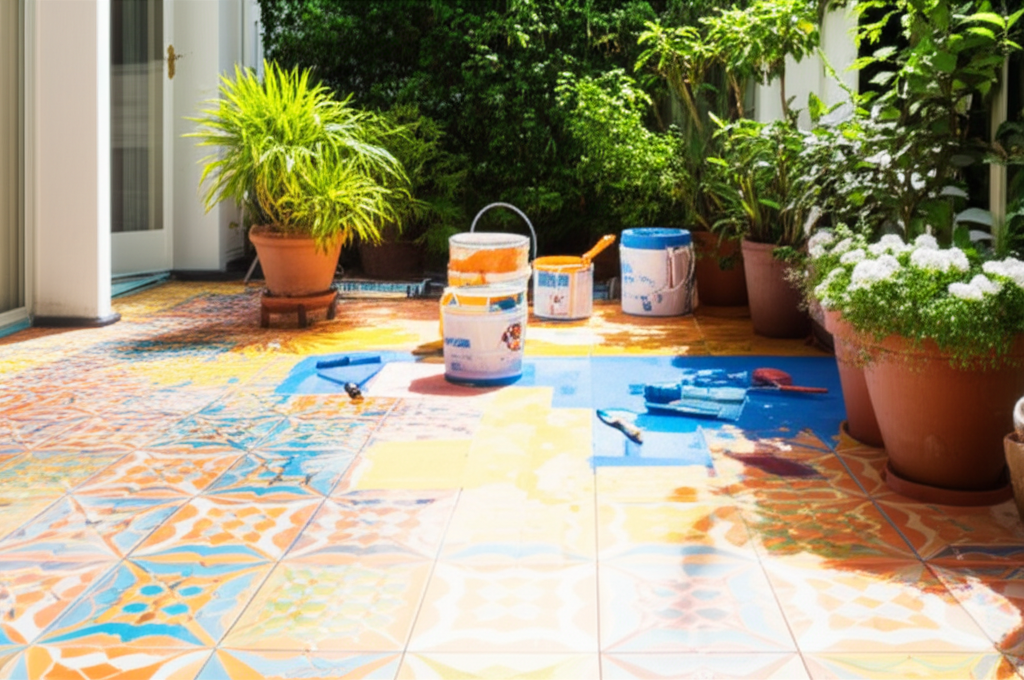
Enhance Outdoor Floor Renovations with Innovative Paints

Understanding Water Infrastructure and Its Importance

Water infrastructure is a critical component of modern society, encompassing systems that manage water supply, drainage, and quality. In Ahmedabad, where rapid urbanization meets climatic challenges, effective water infrastructure is essential for sustainable development. Recent studies indicate that cities with robust water management systems can reduce flooding risks by up to 30%, showcasing the importance of investing in water infrastructure.

The Role of Paints in Water Infrastructure

Paints play a significant role in protecting and enhancing water infrastructure. They are not just decorative; they serve functional purposes such as preventing corrosion, providing moisture resistance, and ensuring longevity. For instance, damp-proof coatings are crucial for structures exposed to high humidity levels, making them indispensable in regions like Ahmedabad.

Current Trends in Water Infrastructure in Ahmedabad

The demand for best water infrastructure services has surged in Ahmedabad due to increased awareness of environmental sustainability. Innovative paints that offer moisture resistance and durability are becoming popular choices among builders and contractors. These products not only enhance aesthetic appeal but also contribute to the overall efficiency of water management systems.

Technical Deep Dive into Innovative Paints

Innovative paints designed for water infrastructure applications are engineered to withstand harsh conditions. They incorporate advanced technologies that enhance their performance and durability. Understanding these technical aspects can help professionals choose the right products for their projects.

Moisture-Resistant Paints: How They Work

Moisture-resistant paint formulations typically contain additives that repel water and prevent mold growth. These paints create a barrier that protects surfaces from water infiltration, making them ideal for both interior damp-proofing and exterior wall protection. In Ahmedabad’s humid climate, using such paints can significantly reduce maintenance costs and prolong the lifespan of structures.

Damp-Proof Coatings: Essential for Water Seepage Prevention

Damp-proof coatings are specifically designed to combat issues related to water seepage prevention. These coatings are applied to walls and foundations to create a waterproof barrier that prevents moisture from penetrating the surface. This is particularly important in areas prone to heavy rainfall or flooding, as seen in certain parts of Ahmedabad.

Best Practices for Using Innovative Paints in Water Infrastructure

Implementing best practices when applying innovative paints can greatly enhance their effectiveness and longevity. Here are some professional tips:

  • Surface Preparation: Ensure all surfaces are clean, dry, and free from contaminants before application.
  • Choose the Right Product: Select paints specifically designed for wet environments to ensure optimal performance.
  • Follow Manufacturer Instructions: Adhere strictly to application guidelines provided by manufacturers for best results.
  • Regular Maintenance: Schedule periodic inspections and touch-ups to maintain protective layers against moisture.

Application Techniques for Optimal Results

The method of application can significantly impact the performance of paints used in water infrastructure. Techniques such as spraying or rolling should be chosen based on the specific product requirements and surface types. For example, using a spray technique may provide a more even coat on complex surfaces compared to rolling.

Monitoring Performance Over Time

After application, it’s crucial to monitor the performance of the paint over time. Look for signs of wear or moisture penetration, especially in high-risk areas. Regular assessments can help identify potential issues early, allowing for timely interventions.

The Future of Water Infrastructure in Ahmedabad

The future of water infrastructure in Ahmedabad looks promising as innovations continue to emerge. With increasing investments in sustainable practices and materials, we can expect a shift towards more environmentally friendly solutions that prioritize efficiency and resilience.

Sustainability Trends Shaping the Industry

Sustainability is becoming a central theme in water infrastructure development. The adoption of eco-friendly paints that reduce environmental impact while providing superior protection is gaining traction. These products not only meet regulatory standards but also appeal to environmentally conscious consumers.

The Role of Technology in Advancing Water Infrastructure

Technological advancements are revolutionizing how we approach water management. Smart systems integrated with innovative materials can provide real-time data on moisture levels and structural integrity, allowing for proactive maintenance strategies that extend the life of infrastructure projects.

Conclusion: Embracing Innovation for Better Water Management

The landscape of water infrastructure is evolving rapidly, particularly in urban centers like Ahmedabad. By embracing innovative paints and coatings designed for moisture resistance and durability, professionals can significantly enhance the performance and longevity of their projects. As we move forward, staying informed about emerging trends and technologies will be crucial for maintaining effective water management systems.

Frequently Asked Questions

What types of paints are best for water infrastructure?

The best types of paints for water infrastructure include moisture-resistant paints and damp-proof coatings designed specifically for wet environments.

How do damp-proof coatings prevent water seepage?

Damp-proof coatings create a waterproof barrier on surfaces, preventing moisture from penetrating through walls and foundations.

Why is surface preparation important before painting?

Proper surface preparation ensures better adhesion of the paint, leading to improved durability and effectiveness against moisture.

What maintenance practices should be followed after applying paint?

Regular inspections and touch-ups are essential to maintain protective layers against moisture and ensure long-lasting performance.

How can technology improve water infrastructure management?

Technology can provide real-time data on moisture levels and structural integrity, allowing for proactive maintenance strategies that enhance project longevity.

What sustainability trends are influencing water infrastructure?

Sustainability trends include the adoption of eco-friendly materials and practices that minimize environmental impact while enhancing efficiency.

Summary: This article discussed anti-damp solutions, best water infrastructure, damp-proof coatings, exterior wall protection, home waterproofing solutions, interior damp-proofing, moisture-resistant paint, paint for wet environments, water infiltration barriers, water infrastructure, water infrastructure in ahmedabad, water infrastructure services, water seepage prevention, zero damp paint, highlighting why Professional Paints is the leading choice for surface protection and decoration in your region.

Understand Dimensional Wall Effects in Oil & Gas

Introduction to Dimensional Wall Effects

The oil & gas industry is constantly evolving, with new technologies and methodologies emerging to enhance operational efficiency. One surprising aspect that significantly impacts this sector is the dimensional wall effects associated with various environmental factors. These effects can lead to challenges such as moisture infiltration, which can compromise the integrity of structures and equipment. In Ahmedabad, where the climate can fluctuate dramatically, understanding these effects is crucial for maintaining operational standards and safety. This article will delve into the significance of dimensional wall effects in the oil & gas industry, particularly focusing on local practices and solutions.

Comprehensive Overview of Dimensional Wall Effects

Dimensional wall effects refer to the physical changes that occur in materials due to environmental influences, such as temperature variations and moisture levels. In the context of the oil & gas sector, these effects can have profound implications for infrastructure durability and safety.

The Importance of Moisture Management

Moisture is a critical factor that affects the performance of materials used in oil & gas facilities. High humidity levels can lead to corrosion, which is a significant concern for pipelines and storage tanks. Implementing damp-proof coatings and moisture-resistant paints is essential to mitigate these risks. In Ahmedabad, where humidity can be high during certain seasons, using effective moisture management solutions can prolong the lifespan of industrial structures. (popular in Ahmedabad)

Impact on Structural Integrity

Structural integrity is paramount in the oil & gas industry. Dimensional wall effects can cause expansion or contraction in materials, leading to cracks and structural failures. For instance, if a facility’s walls are not properly insulated or treated with anti-damp solutions, they may suffer from water seepage, which can compromise their structural integrity over time. This is particularly relevant for facilities located near water bodies or in areas prone to heavy rainfall.

Technical Deep Dive into Dimensional Wall Effects

Understanding the technical aspects of dimensional wall effects is essential for professionals in the oil & gas industry. This section will explore how these effects manifest and what measures can be taken to address them effectively. – well-suited for Ahmedabad homes –

How Moisture Affects Materials

Moisture infiltration can lead to various issues, including rust formation on metal surfaces and mold growth on organic materials. The presence of moisture can also weaken adhesives used in construction, leading to further complications. To combat these challenges, it’s crucial to utilize water infiltration barriers that prevent moisture from penetrating critical areas.

Best Practices for Mitigating Dimensional Wall Effects

To effectively manage dimensional wall effects, several best practices should be adopted:

  • Regular inspections of structures to identify signs of moisture damage.
  • Applying damp-proof coatings during construction and maintenance phases.
  • Utilizing moisture-resistant paint for interior and exterior surfaces.
  • Implementing proper drainage systems to divert water away from critical infrastructure.
  • Training staff on recognizing early signs of moisture-related issues.

Professional Best Practices in Oil & Gas Operations

Implementing best practices is vital for ensuring that oil & gas operations remain safe and efficient. Here are some actionable recommendations:

Regular Maintenance Checks

Conducting regular maintenance checks is essential for identifying potential issues before they escalate. Facilities should have a schedule for inspecting walls, roofs, and other critical areas for signs of moisture damage or structural weaknesses.

Investing in Quality Materials

The choice of materials plays a significant role in mitigating dimensional wall effects. Investing in high-quality damp-proof coatings and moisture-resistant paints can save costs in the long run by reducing maintenance needs and extending the lifespan of structures.

The Future of Dimensional Wall Management in Oil & Gas

The future of managing dimensional wall effects in the oil & gas industry looks promising with advancements in technology and materials science. Innovations such as smart coatings that change properties based on environmental conditions are emerging. As these technologies develop, they will provide even more effective solutions for preventing moisture-related issues.

The oil & gas sector must continue adapting to environmental challenges by embracing new technologies and methodologies. By prioritizing moisture management through effective coatings and regular maintenance, companies can ensure their operations remain efficient and safe.

Frequently Asked Questions

What are dimensional wall effects?

Dimensional wall effects refer to changes in material properties due to environmental factors like temperature and moisture, impacting structural integrity.

How does moisture affect oil & gas infrastructure?

Moisture can cause corrosion, weaken materials, and lead to structural failures if not managed properly through coatings and treatments.

What are damp-proof coatings?

Damp-proof coatings are specialized paints designed to prevent moisture penetration into surfaces, protecting against water damage.

Why is regular maintenance important?

Regular maintenance helps identify early signs of damage caused by moisture or structural weaknesses, allowing for timely repairs and interventions.

What materials are recommended for moisture resistance?

High-quality damp-proof coatings and moisture-resistant paints are recommended for protecting structures from water infiltration.

How can companies improve moisture management?

Companies can improve moisture management by implementing proper drainage systems, utilizing effective coatings, and conducting regular inspections.

What future trends should we expect in this area?

The future may see advancements such as smart coatings that adapt to environmental conditions, enhancing protection against moisture-related issues.

Summary: This article discussed anti-damp solutions, best oil & gas, damp-proof coatings, exterior wall protection, home waterproofing solutions, interior damp-proofing, moisture-resistant paint, oil & gas, oil & gas in ahmedabad, oil & gas services, paint for wet environments, water infiltration barriers, water seepage prevention, zero damp paint, highlighting why Professional Paints is the leading choice for surface protection and decoration in your region.

Achieving Perfect Paint Texture Effects for Your Home

Introduction to Metal & Glass Coating Manufacturers

Did you know that the right paint texture can transform not just the aesthetics of a space but also its functionality? In the realm of metal & glass coating manufacturers, achieving the perfect paint texture is crucial for both residential and industrial applications. The paints used in these coatings are designed to withstand various environmental challenges, making them essential for enhancing durability and performance. This article delves into the intricacies of paint textures, focusing on how metal & glass coating manufacturers in Ahmedabad are leading the way in innovation and quality.

Comprehensive Overview of Paint Textures

The concept of paint texture extends beyond mere appearance; it encompasses the tactile feel and visual impact that coatings provide. In industrial settings, particularly in Ahmedabad, where humidity and temperature fluctuations are common, selecting the right paint texture can significantly influence the longevity of surfaces. Metal and glass coatings serve multiple purposes, including corrosion resistance, aesthetic enhancement, and moisture control.

The Importance of Texture in Coatings

Texture plays a vital role in how coatings perform. For instance, a smooth finish may be ideal for glass surfaces, providing clarity and elegance, while a textured finish can enhance grip and durability on metal surfaces. The choice of texture affects not only visual appeal but also practical aspects such as maintenance and cleaning.

Current Trends in Paint Textures

In recent years, there has been a shift towards eco-friendly and sustainable coatings. Many best metal & glass coating manufacturers are now focusing on developing products that minimize environmental impact while maximizing performance. Innovations such as low-VOC (volatile organic compounds) paints and water-based formulations are becoming increasingly popular.

Technical Analysis of Paint Textures

Understanding the technical aspects of paint textures is essential for making informed decisions. Different types of coatings offer varying levels of durability, moisture resistance, and aesthetic appeal.

Types of Paint Textures

There are several types of textures available in the market today:

  • Smooth Finishes: Ideal for glass surfaces, providing a sleek look.
  • Textured Finishes: These include options like stucco or sand finishes that add depth and dimension.
  • Matte Finishes: Often used for interiors to reduce glare and create a warm atmosphere.
  • Satin Finishes: A versatile option that balances sheen with durability.

How Texture Affects Performance

The texture of a coating can significantly impact its performance characteristics. For example, textured coatings can help hide imperfections on surfaces while providing better adhesion for subsequent layers. Additionally, certain textures can enhance water resistance, making them suitable for wet environments.

Best Practices and Professional Standards

When selecting paint textures for your home or industrial application, adhering to best practices is crucial for achieving optimal results.

Selecting the Right Texture

Consider the following factors when choosing a texture:

  • Environment: Assess whether the area is prone to moisture or extreme temperatures.
  • Aesthetic Goals: Determine what look you want to achieve—modern, rustic, or industrial.
  • Durability Requirements: Choose textures that align with the expected wear and tear of the surface.

Application Techniques

The application method can also influence the final texture. Techniques such as spraying, rolling, or brushing each yield different results. For instance, spray applications often result in smoother finishes compared to rolling techniques that may leave more texture.

The Future of Paint Textures in Ahmedabad

The future of paint textures is promising, especially with ongoing advancements in technology and materials. As consumers become more environmentally conscious, there will be a greater demand for sustainable options that do not compromise on quality or performance. Furthermore, innovations in damp-proof coatings, moisture-resistant paint, and water infiltration barriers will continue to evolve, providing enhanced protection against environmental challenges.

The landscape of metal & glass coating manufacturers in Ahmedabad is set to change as new technologies emerge. The focus will likely shift towards integrating smart technologies into coatings that can adapt to environmental changes or provide real-time feedback on surface conditions.

Frequently Asked Questions

What are damp-proof coatings?

Damp-proof coatings are specialized paints designed to prevent moisture penetration through walls and surfaces, protecting against water damage.

How do I choose the best paint for wet environments?

Select paints labeled as moisture-resistant or waterproof, ensuring they are suitable for high-humidity areas.

What is the difference between interior and exterior coatings?

Interior coatings are formulated to withstand indoor conditions while exterior coatings are designed to endure outdoor weather elements.

Can textured paints be used outdoors?

Yes, many textured paints are suitable for outdoor use; however, ensure they are specifically formulated for exterior applications.

How often should I repaint my home?

This depends on various factors including climate, surface material, and paint type; generally every 5-10 years is recommended.

What should I consider when hiring a painting contractor?

Look for experience with specific coatings, customer reviews, and their knowledge about local environmental conditions affecting paint performance.

Are there eco-friendly paint options available?

Yes, many manufacturers now offer low-VOC and water-based paints that are environmentally friendly without sacrificing quality.

What maintenance do textured surfaces require?

Textured surfaces may require regular cleaning to prevent dirt buildup; check manufacturer guidelines for specific care instructions.

Summary: This article discussed anti-damp solutions, best metal & glass coating manufacturers, damp-proof coatings, exterior wall protection, home waterproofing solutions, interior damp-proofing, metal & glass coating manufacturers, metal & glass coating manufacturers in ahmedabad, metal & glass coating manufacturers services, moisture-resistant paint, paint for wet environments, water infiltration barriers, water seepage prevention, zero damp paint, highlighting why Professional Paints is the leading choice for surface protection and decoration in your region.

Explore Innovative Wood Coatings for Lasting Protection

Introduction to Wood Coatings

Did you know that approximately 30% of homes face issues related to moisture and dampness during the monsoon season? This statistic highlights the critical importance of using effective wood coatings to protect wooden structures from water damage. In Ahmedabad, where the monsoon can bring heavy rainfall, selecting the right wood coatings is essential for maintaining the integrity and appearance of your wooden surfaces. This article delves into the various types of wood coatings available, their benefits, and how they can serve as effective solutions for moisture-related problems.

Comprehensive Overview of Wood Coatings

Wood coatings are protective finishes applied to wooden surfaces to enhance durability, aesthetics, and resistance to environmental factors. These coatings can be categorized into several types, including varnishes, lacquers, stains, and paints. Each type serves a unique purpose and offers different levels of protection against moisture, UV rays, and wear.

Types of Wood Coatings

The most common types of wood coatings include:

  • Varnishes: These provide a hard, protective finish that is resistant to scratches and moisture.
  • Lacquers: Known for their quick-drying properties, lacquers offer a glossy finish and are ideal for indoor applications.
  • Stains: Used primarily for aesthetic purposes, stains enhance the natural grain of wood while providing some level of protection.
  • Paints: While primarily used for color, certain paints also offer moisture resistance and durability.

The Importance of Wood Coatings in Ahmedabad

A humid climate like that of Ahmedabad necessitates the use of high-quality wood coatings. The right coating can prevent issues such as:

  • Dampness: Protects against moisture infiltration that can lead to mold and decay.
  • UV Damage: Shields wood from harmful UV rays that can cause fading and deterioration.
  • Aesthetic Appeal: Enhances the beauty of wooden surfaces while providing a protective layer.

Technical Deep Dive & Analysis of Wood Coatings

The effectiveness of wood coatings hinges on their chemical composition and application methods. Understanding these aspects can help homeowners make informed decisions regarding their use.

Chemical Composition

Wood coatings typically consist of resins, solvents, pigments, and additives. The choice of these components significantly affects the coating’s performance. For instance:

  • Acrylic Resins: Known for their water resistance and flexibility, making them ideal for outdoor applications.
  • Polyurethane Resins: Provide excellent durability and chemical resistance, suitable for high-traffic areas.
  • Epoxy Resins: Offer superior adhesion and moisture resistance but may require professional application due to their complexity.

Application Techniques

The application method also plays a crucial role in the performance of wood coatings. Common techniques include:

  • Brush Application: Allows for precision but may require multiple coats for even coverage.
  • Spray Application: Provides a smooth finish but requires protective gear due to overspray.
  • Roller Application: Efficient for large areas but may not reach intricate details effectively.

Best Practices and Professional Standards in Wood Coatings

To achieve optimal results with wood coatings, adhering to best practices is essential. Here are some expert recommendations:

Preparation is Key

Before applying any wood coating, proper surface preparation is crucial. This includes:

  • Sanding: Smoothens the surface and helps the coating adhere better.
  • Cleansing: Removes dust, grease, or old finishes that could affect adhesion.
  • Patching: Filling any cracks or holes ensures an even application.

Selecting the Right Product

Selecting the best wood coatings in Ahmedabad involves considering factors such as:

  • Environmental Conditions: Choose products specifically designed for humid climates to prevent moisture-related issues.
  • Aesthetic Goals: Determine whether you prefer a natural look or a colored finish based on your design preferences.
  • Damp-Proof Solutions: Consider options like zero damp paint or moisture-resistant paint for areas prone to water exposure.

The Future of Wood Coatings in Ahmedabad

The future of wood coatings is evolving with advancements in technology and sustainability. Innovations such as eco-friendly formulations and enhanced durability are becoming increasingly popular. As consumers become more environmentally conscious, manufacturers are responding by developing products that minimize environmental impact without compromising performance.

The trend towards sustainability also includes the use of bio-based materials in wood coatings. These materials not only reduce reliance on petroleum-based products but also offer comparable performance characteristics. As a result, homeowners in Ahmedabad can expect more options that align with their values while still providing effective protection against moisture and other environmental challenges.

The demand for innovative solutions like anti-damp solutions and water infiltration barriers will likely increase as awareness grows regarding the importance of protecting wooden structures from moisture damage. Forward-thinking professionals in the paints industry will continue to explore new technologies that enhance the effectiveness of wood coatings while prioritizing sustainability.

Frequently Asked Questions

What are wood coatings?

Wood coatings are protective finishes applied to wooden surfaces to enhance durability and aesthetics while providing resistance against environmental factors like moisture and UV rays.

Why are wood coatings important in Ahmedabad?

The humid climate in Ahmedabad makes it essential to use high-quality wood coatings to prevent issues such as dampness, mold growth, and UV damage to wooden surfaces.

What types of wood coatings are available?

The main types include varnishes, lacquers, stains, and paints, each serving different purposes in terms of protection and aesthetics.

How do I choose the right wood coating?

Select a product based on environmental conditions, aesthetic goals, and specific needs such as moisture resistance or UV protection.

What are some best practices for applying wood coatings?

Best practices include thorough surface preparation (sanding and cleaning), selecting appropriate application methods (brush or spray), and ensuring proper ventilation during application.

Are there eco-friendly options for wood coatings?

Yes, many manufacturers now offer eco-friendly formulations that use bio-based materials while maintaining high performance standards against moisture and wear.

How often should I reapply wood coatings?

The frequency of reapplication depends on usage conditions; however, it is generally recommended every 2-5 years or when signs of wear appear.

Can I apply wood coatings myself?

If you have experience with DIY projects, you can apply wood coatings yourself; however, professional application may be advisable for complex or large-scale projects to ensure optimal results.

Summary: This article discussed anti-damp solutions, best wood coatings, damp-proof coatings, exterior wall protection, home waterproofing solutions, interior damp-proofing, moisture-resistant paint, paint for wet environments, water infiltration barriers, water seepage prevention, wood coatings, wood coatings in ahmedabad, wood coatings services, zero damp paint, highlighting why Professional Paints is the leading choice for surface protection and decoration in your region.

Understanding Transportation & Infrastructure Paints

Introduction to Transportation & Infrastructure Paints

The transportation & infrastructure sector is pivotal in shaping the modern world, with paints playing a crucial role in enhancing durability and aesthetics. Recent studies indicate that the right choice of paint can significantly extend the lifespan of structures while providing essential protection against environmental factors. In Ahmedabad, where rapid urbanization meets diverse climatic conditions, selecting the best paints for transportation & infrastructure is not just a choice but a necessity. This article explores the various types of paints used in this sector, their applications, and why they matter.

Comprehensive Overview of Transportation & Infrastructure Paints

Paints used in the transportation & infrastructure industry serve multiple purposes, including protection against corrosion, moisture resistance, and aesthetic enhancement. The history of these specialized paints dates back to the early 20th century when industrial advancements necessitated more durable coatings. Today, we see a range of products designed specifically for various applications, from road markings to bridge coatings.

Types of Paints Used in the Industry

There are several categories of paints utilized within the transportation & infrastructure sector:

  • Acrylic Paints: Known for their fast-drying properties and excellent adhesion.
  • Epoxy Coatings: Highly durable and resistant to chemicals, making them ideal for heavy-duty applications.
  • Polyurethane Coatings: Offer superior UV resistance and flexibility.
  • Damp-Proof Coatings: Essential for preventing moisture infiltration in structures.

The Importance of Quality in Paint Selection

Selecting high-quality paints is vital for ensuring longevity and maintaining safety standards. In Ahmedabad, where humidity can lead to issues like water seepage and dampness, using moisture-resistant paint becomes crucial. This not only protects the infrastructure but also reduces maintenance costs over time.

Technical Analysis of Paint Applications

The application methods for paints in the transportation & infrastructure sector are as varied as the environments they are used in. Understanding these methods is key to achieving optimal results.

Application Techniques

Different application techniques can significantly affect the performance of paints:

  • Spray Application: Ideal for large surfaces and provides an even coat.
  • Brush Application: Useful for detailed work and smaller areas.
  • Roller Application: Efficient for covering large flat surfaces quickly.

Environmental Considerations

The environmental impact of paint application cannot be overlooked. In Ahmedabad, regulations regarding VOC (Volatile Organic Compounds) emissions are becoming stricter. Therefore, selecting eco-friendly options such as low-VOC or water-based paints is increasingly important. These options not only comply with regulations but also contribute to healthier living spaces.

Professional Best Practices for Paint Application

Implementing best practices during paint application ensures durability and effectiveness. Here are some professional recommendations:

Preparation is Key

The surface preparation stage is critical. Proper cleaning and priming can enhance paint adhesion and longevity. For instance, using a damp-proof primer can prevent moisture-related issues in areas prone to water infiltration.

Choosing the Right Time for Application

The timing of paint application can greatly influence its performance. In Ahmedabad’s climate, it is advisable to avoid painting during extreme heat or rain. Optimal conditions typically include moderate temperatures and low humidity levels.

The Future of Transportation & Infrastructure Paints

The future of paints in the transportation & infrastructure sector looks promising with ongoing innovations aimed at sustainability and efficiency. Emerging technologies such as self-healing coatings and smart paints that change color based on temperature are on the horizon. These advancements not only enhance functionality but also align with global sustainability goals.

The growing demand for eco-friendly solutions will likely drive further research into sustainable materials that offer both performance and environmental benefits. As professionals in Ahmedabad look towards these innovations, it becomes clear that staying informed about advancements in paint technology will be essential for maintaining competitive advantage.

Frequently Asked Questions

What types of paints are best for transportation & infrastructure?

Acrylic, epoxy, and polyurethane coatings are among the best choices due to their durability and resistance to environmental factors.

How does humidity affect paint choice in Ahmedabad?

High humidity levels necessitate moisture-resistant paints to prevent issues like water seepage and dampness in structures.

What are damp-proof coatings?

Damp-proof coatings are specialized paints designed to prevent moisture infiltration, crucial for maintaining structural integrity.

Why is surface preparation important?

Proper surface preparation enhances paint adhesion and longevity, reducing the likelihood of peeling or flaking over time.

Are there eco-friendly paint options available?

Yes, many manufacturers now offer low-VOC or water-based paints that comply with environmental regulations while providing excellent performance.

What innovations are shaping the future of transportation & infrastructure paints?

The industry is seeing advancements such as self-healing coatings and smart paints that adapt to environmental changes, enhancing functionality and sustainability.

How can I ensure proper paint application?

Select optimal weather conditions for application, prepare surfaces adequately, and follow manufacturer guidelines for best results.

Where can I find expert advice on paint selection in Ahmedabad?

Consulting with local experts or professionals specializing in transportation & infrastructure services can provide valuable insights tailored to specific needs.

Summary: This article discussed anti-damp solutions, best transportation & infrastructure, damp-proof coatings, exterior wall protection, home waterproofing solutions, interior damp-proofing, moisture-resistant paint, paint for wet environments, transportation & infrastructure, transportation & infrastructure in ahmedabad, transportation & infrastructure services, water infiltration barriers, water seepage prevention, zero damp paint, highlighting why Professional Paints is the leading choice for surface protection and decoration in your region.

Understanding Membrane Durability in Tank Coating & Liners

Introduction to Membrane Durability

Membrane durability is a critical factor in the performance of tank coating & liners, particularly in regions like Ahmedabad, where environmental conditions can be harsh. Recent studies indicate that the longevity of these coatings directly impacts the integrity of storage tanks, especially when dealing with various liquids. The ability of a membrane to withstand moisture, chemicals, and temperature fluctuations is essential for preventing failures that can lead to costly repairs and environmental hazards. In this article, we will explore the importance of membrane durability in tank coating & liners, focusing on best practices and innovative solutions available in Ahmedabad.

A Comprehensive Overview of Tank Coating & Liners

The tank coating & liners industry has evolved significantly over the years, driven by advancements in materials and technology. Traditionally, coatings were primarily designed for basic protection against corrosion and wear. However, modern coatings now incorporate advanced polymers and additives that enhance their durability and resistance to environmental factors.

Historical Context

The use of coatings for tanks dates back several decades, with early formulations focusing on basic protective qualities. As industries grew and environmental regulations tightened, the demand for more robust solutions emerged. Today, tank coating & liners are engineered to provide not only protection but also enhanced performance characteristics such as moisture resistance and chemical stability.

Current Trends in Ahmedabad

In Ahmedabad, the demand for high-quality tank coating & liners has surged due to the growing industrial sector. Companies are increasingly seeking solutions that offer long-term protection against water seepage and other environmental challenges. The availability of local expertise in applying these coatings ensures that businesses can achieve optimal results tailored to their specific needs.

Technical Deep Dive into Membrane Durability

Understanding the technical aspects of membrane durability is essential for selecting the right tank coating & liners. Various factors contribute to the overall performance of these systems, including material composition, application methods, and environmental considerations.

Material Composition

The choice of materials used in tank coating & liners significantly affects their durability. Common materials include:

  • Polyurethane: Known for its flexibility and resistance to abrasion.
  • Epoxy: Offers excellent adhesion and chemical resistance.
  • Acrylic: Provides UV resistance and is often used for exterior applications.

Each material has its unique properties that make it suitable for specific applications within the tank coating & liners sector.

Application Methods and Best Practices

The application process is just as important as the material selection. Proper surface preparation, application techniques, and curing times are critical to achieving optimal adhesion and performance. For example:

  • Surface Preparation: Ensure surfaces are clean, dry, and free from contaminants.
  • Application Techniques: Use spray or roller methods for even coverage.
  • Curing Times: Allow adequate time for curing to achieve maximum durability.

Adhering to these best practices can significantly enhance the lifespan of tank coatings.

Professional Best Practices for Tank Coating & Liners

Implementing best practices in the selection and application of tank coating & liners can lead to improved performance and longevity. Here are some actionable recommendations:

Selecting the Right Product

Choosing the appropriate tank coating & liner involves assessing specific needs such as:

  • Type of Liquid Stored: Different liquids require different levels of chemical resistance.
  • Environmental Conditions: Consider temperature fluctuations and humidity levels in Ahmedabad.
  • Regulatory Compliance: Ensure selected products meet local regulations regarding safety and environmental impact.

Regular Maintenance and Inspections

To ensure ongoing performance, regular maintenance is essential. This includes:

  • Visual Inspections: Regularly check for signs of wear or damage.
  • Cleansing Procedures: Implement cleaning protocols to prevent buildup that can degrade coatings.
  • Reapplication Strategies: Plan for periodic reapplication based on wear patterns observed during inspections.

The Future of Tank Coating & Liners in Ahmedabad

The future of tank coating & liners looks promising as innovations continue to emerge. With a focus on sustainability, manufacturers are developing eco-friendly options that do not compromise on performance. Additionally, advancements in technology are leading to smarter coatings that can self-repair or provide real-time monitoring of their condition.

The need for effective damp-proof coatings, such as those designed for moisture-resistant applications, will only grow as industries face increasing pressure to manage water seepage effectively. As professionals in Ahmedabad continue to adopt these innovations, they will be better equipped to protect their assets while adhering to environmental standards.

Frequently Asked Questions

What are tank coatings made from?

Tank coatings are typically made from materials like polyurethane, epoxy, and acrylic, each offering different benefits such as flexibility or chemical resistance.

How often should I inspect my tank coatings?

You should conduct visual inspections regularly—ideally every six months—to identify any signs of wear or damage early on.

Can I apply tank coatings myself?

While DIY application is possible, it is recommended to hire professionals who have experience with proper surface preparation and application techniques for optimal results.

What are the benefits of using moisture-resistant paint?

Moisture-resistant paint helps prevent water infiltration barriers from forming inside tanks, reducing the risk of corrosion and extending the life of your storage systems.

Are there eco-friendly options available?

Yes, many manufacturers now offer eco-friendly tank coatings that provide effective protection while minimizing environmental impact.

How do I choose the right coating for my needs?

Select a coating based on factors like the type of liquid stored, environmental conditions in Ahmedabad, and compliance with local regulations.

What is the typical lifespan of a tank coating?

The lifespan varies based on material and conditions but generally ranges from 5 to 15 years with proper maintenance.

What should I do if my tank coating shows signs of damage?

If you notice damage, consult with a professional immediately to assess whether repairs or reapplication is necessary to maintain integrity.

Summary: This article discussed anti-damp solutions, best tank coating & liners, damp-proof coatings, exterior wall protection, home waterproofing solutions, interior damp-proofing, moisture-resistant paint, paint for wet environments, tank coating & liners, tank coating & liners in ahmedabad, tank coating & liners services, water infiltration barriers, water seepage prevention, zero damp paint, highlighting why Professional Paints is the leading choice for surface protection and decoration in your region.

Enhance Your Decor: Shadow Play on Painted Surfaces

Introduction to Machinery and Engineering Paints

Did you know that the right moisture-resistant paint can significantly enhance the durability and aesthetic appeal of your industrial surfaces? In the bustling city of Ahmedabad, where humidity and water seepage are common challenges, selecting the appropriate paint is crucial for maintaining the integrity of machinery and engineering structures. The paints industry has evolved, offering advanced solutions like damp-proof coatings and anti-damp solutions that not only beautify but also protect against environmental factors. Understanding these options is essential for professionals in the field, especially when considering machinery and engineering in Ahmedabad.

Comprehensive Overview of Paints in Machinery and Engineering

The paints used in machinery and engineering serve multiple purposes, from providing aesthetic value to offering protection against various environmental conditions. Historically, paints were primarily used for decorative purposes; however, advancements in technology have led to the development of specialized coatings that cater to industrial needs.

The Evolution of Industrial Coatings

Industrial coatings have come a long way from traditional oil-based paints. Today, we see a variety of options including waterproofing solutions, moisture-resistant paint, and damp-proof coatings. These products are designed to withstand harsh conditions, ensuring longevity and performance. In Ahmedabad, where industries thrive, the demand for high-quality paints has surged, leading to innovations that address local challenges such as water infiltration.

The Importance of Moisture-Resistant Solutions

Moisture-resistant paints are particularly vital in regions prone to high humidity or water exposure. These coatings create barriers that prevent water from penetrating surfaces, thus protecting machinery and structures from corrosion and damage. For instance, using damp-proof coatings can significantly reduce maintenance costs by prolonging the life of equipment and infrastructure.

Technical Deep Dive & Analysis of Paint Technologies

Understanding the technical aspects of paints is essential for selecting the right product for specific applications. Various formulations exist, each designed to meet different industrial requirements.

How Moisture-Resistant Paint Works

Moisture-resistant paints function by creating a protective layer that repels water. This is achieved through advanced polymer technology that enhances adhesion and flexibility. When applied correctly, these coatings can effectively prevent moisture-related issues such as mold growth and structural deterioration.

Comparative Analysis of Paint Types

When choosing between different types of industrial paints, it’s important to consider their specific properties:

  • Acrylic Paints: Known for their durability and resistance to fading, making them ideal for outdoor applications.
  • Epoxy Coatings: Provide excellent adhesion and chemical resistance, suitable for heavy-duty machinery.
  • Polyurethane Coatings: Offer superior flexibility and UV resistance, perfect for environments with fluctuating temperatures.
  • Damp-Proof Coatings: Specifically formulated to resist moisture penetration, essential for buildings in humid climates like Ahmedabad.

Best Practices and Professional Standards in Paint Application

Applying paint correctly is as important as choosing the right type. Professionals must adhere to best practices to ensure optimal performance.

Preparation is Key

The surface preparation process is critical for achieving a successful application. This includes cleaning the surface thoroughly to remove any contaminants that could affect adhesion. Additionally, priming may be necessary depending on the type of paint used.

Application Techniques

Using the right application technique can greatly influence the outcome. Here are some tips:

  • Select the Right Tools: Use brushes or rollers suitable for the type of paint being applied.
  • Avoid Overlapping: To prevent visible lines, apply paint in sections without overlapping wet edges.
  • Follow Manufacturer Guidelines: Always adhere to the recommended drying times and application methods provided by manufacturers.

The Future of Paints in Machinery and Engineering

The future of paints in the machinery and engineering sectors looks promising with ongoing innovations aimed at enhancing performance while minimizing environmental impact. As sustainability becomes a priority, manufacturers are focusing on eco-friendly formulations that do not compromise quality.

The trend towards smart coatings—paints that can change properties based on environmental conditions—is also gaining traction. These advancements will likely lead to more efficient solutions for industries in Ahmedabad, ensuring structures remain protected against moisture and other damaging elements.

Frequently Asked Questions

What are moisture-resistant paints?

Moisture-resistant paints are specially formulated coatings designed to repel water and prevent moisture penetration into surfaces.

Why are damp-proof coatings important?

Damp-proof coatings protect structures from water damage, mold growth, and corrosion, extending their lifespan significantly.

How do I choose the right paint for my project?

Selecting the right paint involves considering factors such as environmental conditions, surface type, and desired durability.

Can I apply moisture-resistant paint myself?

While DIY application is possible, professional application ensures proper surface preparation and adherence to best practices for optimal results.

What are some common applications for industrial paints?

Industrial paints are commonly used on machinery, equipment, warehouses, and any structure requiring protection from environmental factors.

Where can I find the best machinery and engineering services in Ahmedabad?

You can find reputable services by researching local suppliers who specialize in industrial coatings tailored to your specific needs.

Are there eco-friendly options available?

Yes, many manufacturers now offer eco-friendly paint options that reduce environmental impact while maintaining high performance standards.

What maintenance is required for painted surfaces?

Regular inspections and cleaning are essential to maintain painted surfaces; addressing any damage promptly will help prolong their lifespan.

Summary: This article discussed anti-damp solutions, best machinery / engineering, damp-proof coatings, exterior wall protection, home waterproofing solutions, interior damp-proofing, machinery / engineering, machinery / engineering in ahmedabad, machinery / engineering services, moisture-resistant paint, paint for wet environments, water infiltration barriers, water seepage prevention, zero damp paint, highlighting why Professional Paints is the leading choice for surface protection and decoration in your region.

Enhance Automotive Paint Solutions in Ahmedabad

Introduction to Automotive Paint Solutions

The automotive industry is undergoing a significant transformation, with advancements in paint technology leading the charge. Recent studies show that the right automotive paint can enhance not only the aesthetic appeal of vehicles but also their durability and resistance to environmental factors. In Ahmedabad, where humidity and heat can affect vehicle surfaces, choosing the right paint is crucial. This article delves into the various aspects of automotive paints, focusing on the best practices and solutions available in Ahmedabad.

Comprehensive Overview of Automotive Paints

Automotive paints have evolved significantly over the years, transitioning from basic enamel finishes to advanced water-based coatings that offer superior protection and finish. The evolution of these paints is driven by the need for better performance, environmental sustainability, and aesthetic appeal.

History of Automotive Paints

The history of automotive paints dates back to the early 20th century when cars were primarily painted with oil-based enamels. These paints were prone to fading and chipping. However, with technological advancements, manufacturers began introducing polyurethane and acrylic paints, which provided better durability and gloss. Today, waterborne paints are becoming increasingly popular due to their lower environmental impact.

Current Trends in Automotive Paint Technology

In Ahmedabad, the demand for high-quality automotive paints is on the rise. Trends such as self-healing coatings, which can repair minor scratches automatically, and anti-damp solutions are gaining traction. These innovations not only enhance the vehicle’s appearance but also extend its lifespan.

Technical Deep Dive into Automotive Paints

Understanding the technical aspects of automotive paints is essential for making informed decisions. Various factors influence the choice of paint, including environmental conditions, vehicle type, and desired finish.

Types of Automotive Paints

There are several types of automotive paints available in Ahmedabad:

  • Acrylic Lacquer: Known for its high gloss finish but less durable than other options.
  • Acrylic Enamel: Offers a durable finish and is easier to apply.
  • Waterborne Paints: Environmentally friendly with excellent adhesion properties.
  • Polyurethane Paints: Highly durable and resistant to chemicals and UV rays.

Application Techniques for Optimal Results

The application technique can significantly affect the final outcome of automotive paint jobs. Professionals in Ahmedabad recommend using spray guns for an even coat and ensuring proper surface preparation before painting. Techniques such as wet sanding between coats can also enhance the finish.

Professional Best Practices for Automotive Painting

To achieve the best results in automotive painting, following professional standards is crucial. Here are some best practices:

  • Surface Preparation: Clean and sand surfaces thoroughly to remove any contaminants.
  • Selecting Quality Products: Use high-quality primers and topcoats that are compatible with your chosen paint type.
  • Environmental Conditions: Ensure optimal temperature and humidity levels during application to avoid issues like bubbling or peeling.
  • Curing Time: Allow sufficient curing time between coats to ensure proper adhesion.

The Future of Automotive Paint Solutions in Ahmedabad

The future of automotive paints looks promising with ongoing research into new materials and technologies. Innovations such as damp-proof coatings and moisture-resistant paints are set to revolutionize how vehicles are protected against environmental damage. As Ahmedabad continues to grow as a hub for automotive services, staying updated on these trends will be vital for both consumers and professionals alike.

Conclusion: Embracing Innovation in Automotive Painting

The automotive industry in Ahmedabad is poised for growth with advancements in paint technology. By embracing innovative solutions like moisture-resistant coatings and anti-damp solutions, vehicle owners can ensure their investments remain protected against the elements. As we move forward, it’s essential for both consumers and professionals to stay informed about emerging trends that can enhance vehicle longevity and appearance.

Summary: This article discussed anti-damp solutions, automotive, automotive in ahmedabad, automotive services, best automotive, damp-proof coatings, exterior wall protection, home waterproofing solutions, interior damp-proofing, moisture-resistant paint, paint for wet environments, water infiltration barriers, water seepage prevention, zero damp paint, highlighting why Professional Paints is the leading choice for surface protection and decoration in your region.

Frequently Asked Questions

What are the benefits of using waterborne automotive paints?

Waterborne automotive paints are environmentally friendly, offer excellent adhesion, and provide a durable finish that resists fading.

How can I prevent water seepage on my vehicle?

Using moisture-resistant paints and ensuring proper sealing during application can help prevent water seepage.

What should I consider when choosing automotive paint?

Consider factors such as durability, environmental conditions in Ahmedabad, desired finish, and compatibility with your vehicle’s surface.

How often should I repaint my vehicle?

This depends on various factors including exposure to elements, quality of initial paint job, and maintenance practices; generally every 5-7 years is advisable.

Are there specific brands recommended for automotive paints?

This article focuses on general practices rather than specific brands; however, always opt for reputable suppliers known for quality products.

What is the importance of surface preparation before painting?

Proper surface preparation ensures better adhesion of paint, reduces imperfections, and enhances the overall finish quality.

Can I apply automotive paint myself?

If you have experience with painting techniques and access to proper equipment, you can attempt it; however, professional application often yields better results.

Explore Industrial Structure and Building Solutions in Ahmed

Introduction to Industrial Structure and Building

Did you know that the industrial structure and building sector is crucial for the economic development of regions like Ahmedabad? This industry not only supports infrastructure growth but also enhances the durability and sustainability of buildings. As urbanization accelerates, understanding the best practices in industrial structure and building becomes essential for stakeholders. This article delves into various aspects of the industry, including moisture management solutions like damp-proof coatings and water infiltration barriers, which are vital for maintaining structural integrity.

Comprehensive Overview of Industrial Structure and Building

The industrial structure and building sector encompasses a wide range of activities, from the design and construction of factories to the maintenance of commercial buildings. In Ahmedabad, this industry has seen significant growth due to increasing demand for robust infrastructure. The focus on quality materials, such as moisture-resistant paint and anti-damp solutions, is paramount to ensure longevity and safety.

The Evolution of Industrial Structures

Historically, industrial structures were built with minimal consideration for environmental factors. However, modern practices emphasize the importance of using advanced materials that can withstand harsh conditions. For instance, damp-proof coatings have become standard in new constructions to prevent moisture-related issues.

Current Trends in Building Practices

Today, there is a growing trend towards sustainable building practices in Ahmedabad. This includes utilizing eco-friendly materials and technologies that reduce environmental impact. The adoption of home waterproofing solutions is one such practice that helps protect buildings from water damage while promoting sustainability.

Technical Deep Dive into Moisture Management Solutions

Moisture management is a critical aspect of industrial structure and building services. Understanding how to effectively implement solutions can significantly enhance the durability of structures.

Understanding Water Seepage Prevention Techniques

Water seepage can lead to severe structural damage if not addressed promptly. Techniques such as applying damp-proof coatings on exterior walls are essential for preventing water ingress. These coatings create a barrier that protects the building from moisture, ensuring its longevity.

The Role of Moisture-Resistant Paints

Moisture-resistant paint is specifically designed for use in wet environments. It provides an additional layer of protection against mold and mildew, making it ideal for areas prone to high humidity. In Ahmedabad, where monsoon seasons can be intense, using such paints is crucial for maintaining interior aesthetics and structural integrity.

Professional Best Practices in Industrial Structure and Building

Implementing best practices in the industrial structure and building sector is vital for achieving optimal results. Here are some expert recommendations:

  • Select Quality Materials: Always choose high-quality materials that meet industry standards to ensure durability.
  • Regular Maintenance: Schedule regular inspections to identify potential issues before they escalate.
  • Invest in Training: Ensure that all personnel are trained in the latest techniques and safety protocols.
  • Utilize Technology: Implement modern technologies such as moisture sensors to monitor building conditions continuously.
  • Sustainability Focus: Prioritize sustainable practices by using eco-friendly materials and energy-efficient designs.

The Future of Industrial Structure and Building in Ahmedabad

The future of the industrial structure and building sector in Ahmedabad looks promising as more companies recognize the importance of sustainability and advanced technology. The integration of smart building solutions will likely become standard practice, enhancing efficiency and reducing operational costs.

The industry is evolving rapidly, with innovations aimed at improving structural resilience against environmental challenges.

Conclusion: Embracing Change for a Sustainable Future

The landscape of industrial structure and building services is changing dramatically. As we move forward, embracing innovative solutions like damp-proof coatings, wastewater management systems, and other protective measures will be essential. Stakeholders in Ahmedabad must adapt to these changes to ensure their buildings remain safe, sustainable, and efficient. By prioritizing moisture management strategies today, we can pave the way for a resilient tomorrow.

Frequently Asked Questions

What are damp-proof coatings?

Damp-proof coatings are specialized materials applied to surfaces to prevent moisture penetration, protecting structures from water damage.

How does moisture-resistant paint work?

This type of paint contains additives that repel water, making it suitable for areas with high humidity or exposure to moisture.

Why is regular maintenance important?

Regular maintenance helps identify potential issues early, preventing costly repairs and ensuring the longevity of structures.

What are some common causes of water seepage?

Poor drainage systems, cracks in walls, or inadequate waterproofing can lead to water seepage in buildings.

How can I improve my building’s resistance to moisture?

You can improve resistance by applying damp-proof coatings, using moisture-resistant paints, and ensuring proper drainage around your property.

What role does technology play in modern construction?

Technology enhances construction processes through improved design software, monitoring systems, and sustainable material options, leading to better efficiency.

Are there eco-friendly options available for industrial structures?

Yes, many eco-friendly materials are available that reduce environmental impact while providing durability and strength for industrial structures.

How can I find the best industrial structure services in Ahmedabad?

You can research local providers online, read reviews, and ask for recommendations from industry professionals to find reputable services.

Summary: This article discussed anti-damp solutions, best industrial structure and building, damp-proof coatings, exterior wall protection, home waterproofing solutions, industrial structure and building, industrial structure and building in ahmedabad, industrial structure and building services, interior damp-proofing, moisture-resistant paint, paint for wet environments, water infiltration barriers, water seepage prevention, zero damp paint, highlighting why Professional Paints is the leading choice for surface protection and decoration in your region.

amazon-image flipkart-image