
 India
India


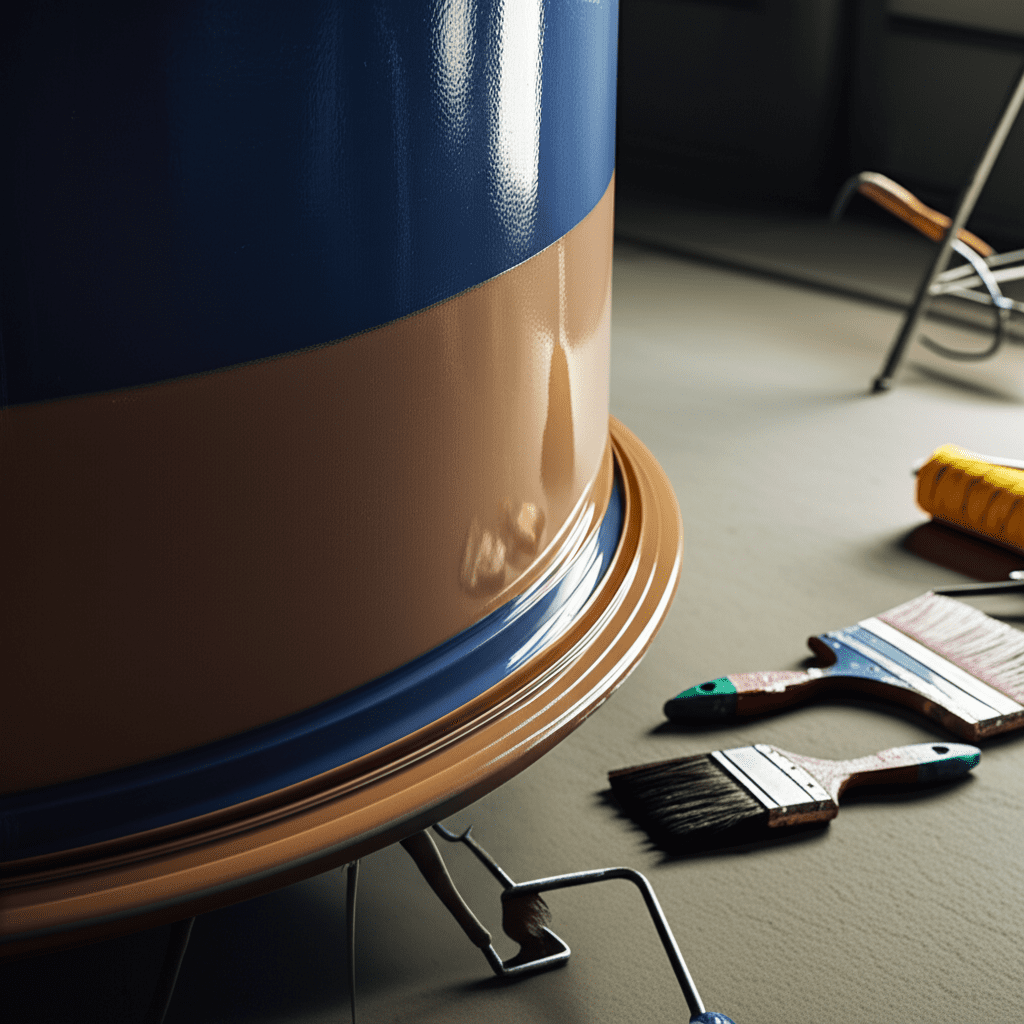
Introduction to Membrane Durability
Membrane durability is a critical factor in the performance of tank coating & liners, particularly in regions like Ahmedabad, where environmental conditions can be harsh. Recent studies indicate that the longevity of these coatings directly impacts the integrity of storage tanks, especially when dealing with various liquids. The ability of a membrane to withstand moisture, chemicals, and temperature fluctuations is essential for preventing failures that can lead to costly repairs and environmental hazards. In this article, we will explore the importance of membrane durability in tank coating & liners, focusing on best practices and innovative solutions available in Ahmedabad.
A Comprehensive Overview of Tank Coating & Liners
The tank coating & liners industry has evolved significantly over the years, driven by advancements in materials and technology. Traditionally, coatings were primarily designed for basic protection against corrosion and wear. However, modern coatings now incorporate advanced polymers and additives that enhance their durability and resistance to environmental factors.
Historical Context
The use of coatings for tanks dates back several decades, with early formulations focusing on basic protective qualities. As industries grew and environmental regulations tightened, the demand for more robust solutions emerged. Today, tank coating & liners are engineered to provide not only protection but also enhanced performance characteristics such as moisture resistance and chemical stability.
Current Trends in Ahmedabad
In Ahmedabad, the demand for high-quality tank coating & liners has surged due to the growing industrial sector. Companies are increasingly seeking solutions that offer long-term protection against water seepage and other environmental challenges. The availability of local expertise in applying these coatings ensures that businesses can achieve optimal results tailored to their specific needs.
Technical Deep Dive into Membrane Durability
Understanding the technical aspects of membrane durability is essential for selecting the right tank coating & liners. Various factors contribute to the overall performance of these systems, including material composition, application methods, and environmental considerations.
Material Composition
The choice of materials used in tank coating & liners significantly affects their durability. Common materials include:
- Polyurethane: Known for its flexibility and resistance to abrasion.
- Epoxy: Offers excellent adhesion and chemical resistance.
- Acrylic: Provides UV resistance and is often used for exterior applications.
Each material has its unique properties that make it suitable for specific applications within the tank coating & liners sector.
Application Methods and Best Practices
The application process is just as important as the material selection. Proper surface preparation, application techniques, and curing times are critical to achieving optimal adhesion and performance. For example:
You might also be interested in: Read more about: Comprehensive Guide to Tank Coating & Li…
- Surface Preparation: Ensure surfaces are clean, dry, and free from contaminants.
- Application Techniques: Use spray or roller methods for even coverage.
- Curing Times: Allow adequate time for curing to achieve maximum durability.
Adhering to these best practices can significantly enhance the lifespan of tank coatings.
Professional Best Practices for Tank Coating & Liners
Implementing best practices in the selection and application of tank coating & liners can lead to improved performance and longevity. Here are some actionable recommendations:
Selecting the Right Product
Choosing the appropriate tank coating & liner involves assessing specific needs such as:
- Type of Liquid Stored: Different liquids require different levels of chemical resistance.
- Environmental Conditions: Consider temperature fluctuations and humidity levels in Ahmedabad.
- Regulatory Compliance: Ensure selected products meet local regulations regarding safety and environmental impact.
Regular Maintenance and Inspections
To ensure ongoing performance, regular maintenance is essential. This includes:
- Visual Inspections: Regularly check for signs of wear or damage.
- Cleansing Procedures: Implement cleaning protocols to prevent buildup that can degrade coatings.
- Reapplication Strategies: Plan for periodic reapplication based on wear patterns observed during inspections.
The Future of Tank Coating & Liners in Ahmedabad
The future of tank coating & liners looks promising as innovations continue to emerge. With a focus on sustainability, manufacturers are developing eco-friendly options that do not compromise on performance. Additionally, advancements in technology are leading to smarter coatings that can self-repair or provide real-time monitoring of their condition.
The need for effective damp-proof coatings, such as those designed for moisture-resistant applications, will only grow as industries face increasing pressure to manage water seepage effectively. As professionals in Ahmedabad continue to adopt these innovations, they will be better equipped to protect their assets while adhering to environmental standards.
Frequently Asked Questions
What are tank coatings made from?
Tank coatings are typically made from materials like polyurethane, epoxy, and acrylic, each offering different benefits such as flexibility or chemical resistance.
How often should I inspect my tank coatings?
You should conduct visual inspections regularly—ideally every six months—to identify any signs of wear or damage early on.
You might also be interested in: Read more about: Essential Insights on Tank Coating & Lin…
Can I apply tank coatings myself?
While DIY application is possible, it is recommended to hire professionals who have experience with proper surface preparation and application techniques for optimal results.
What are the benefits of using moisture-resistant paint?
Moisture-resistant paint helps prevent water infiltration barriers from forming inside tanks, reducing the risk of corrosion and extending the life of your storage systems.
Are there eco-friendly options available?
Yes, many manufacturers now offer eco-friendly tank coatings that provide effective protection while minimizing environmental impact.
How do I choose the right coating for my needs?
Select a coating based on factors like the type of liquid stored, environmental conditions in Ahmedabad, and compliance with local regulations.
What is the typical lifespan of a tank coating?
The lifespan varies based on material and conditions but generally ranges from 5 to 15 years with proper maintenance.
What should I do if my tank coating shows signs of damage?
If you notice damage, consult with a professional immediately to assess whether repairs or reapplication is necessary to maintain integrity.
Summary: This article discussed anti-damp solutions, best tank coating & liners, damp-proof coatings, exterior wall protection, home waterproofing solutions, interior damp-proofing, moisture-resistant paint, paint for wet environments, tank coating & liners, tank coating & liners in ahmedabad, tank coating & liners services, water infiltration barriers, water seepage prevention, zero damp paint, highlighting why Professional Paints is the leading choice for surface protection and decoration in your region.

