Comprehensive Guide to Packaging OEM Coatings

Introduction to Packaging OEM Coatings

The paints industry is evolving rapidly, especially in the realm of packaging OEM coatings. Recent studies indicate that the demand for high-performance coatings has surged, driven by the need for durability and moisture resistance. In Ahmedabad, businesses are increasingly seeking solutions that not only protect their products but also enhance their aesthetic appeal. This article delves into the significance of packaging OEM coatings in Ahmedabad, exploring their applications, benefits, and best practices for implementation.

Understanding Packaging OEM Coatings

Packaging OEM coatings are specialized formulations designed to protect products during storage and transportation. These coatings serve multiple purposes, including moisture resistance, chemical resistance, and surface protection. The importance of these coatings cannot be overstated, especially in industries such as food and beverage, pharmaceuticals, and consumer goods.

The Evolution of Packaging Coatings

The history of packaging coatings dates back several decades, with advancements in technology leading to the development of more effective solutions. Initially, coatings were primarily focused on aesthetic appeal; however, modern formulations prioritize functionality. Today’s best packaging OEM coatings incorporate features such as anti-damp solutions and water infiltration barriers, addressing common challenges faced by manufacturers.

Current Trends in Ahmedabad

In Ahmedabad, the demand for packaging OEM coatings services is on the rise. Local manufacturers are increasingly aware of the benefits these coatings provide. With a focus on sustainability and performance, many companies are opting for eco-friendly options that do not compromise on quality. The integration of advanced technologies in coating formulations has resulted in products that are not only effective but also environmentally responsible.

Technical Analysis of Packaging OEM Coatings

A thorough understanding of the technical aspects of packaging OEM coatings is essential for manufacturers looking to optimize their processes. These coatings can be categorized based on their composition and application methods.

Composition and Features

The composition of packaging coatings typically includes resins, pigments, solvents, and additives. Each component plays a crucial role in determining the coating’s performance characteristics:

  • Resins: Provide adhesion and durability.
  • Pigments: Enhance appearance and UV resistance.
  • Additives: Improve specific properties such as anti-damp capabilities.

Application Methods

The application of packaging OEM coatings can be achieved through various methods, including:

  • Spray Coating: Ideal for complex shapes and large surfaces.
  • Roller Application: Suitable for flat surfaces with uniform coverage.
  • Dipping: Effective for small parts or intricate designs.

Each method has its advantages and is chosen based on the specific requirements of the project.

Best Practices for Implementing Packaging OEM Coatings

To ensure optimal results when using packaging OEM coatings in Ahmedabad, manufacturers should adhere to best practices throughout the application process.

Surface Preparation

The success of any coating application begins with proper surface preparation. This includes cleaning the substrate to remove contaminants such as dust, grease, or moisture. A well-prepared surface ensures better adhesion and longevity of the coating.

Curing and Drying Times

Curing times can vary significantly based on the type of coating used. It’s crucial to follow manufacturer guidelines regarding drying times to achieve maximum performance. In humid environments like Ahmedabad, additional considerations may be necessary to prevent issues such as water seepage or dampness.

“Proper curing is essential for ensuring that your packaging OEM coatings perform at their best.” – Industry Expert

The Future of Packaging OEM Coatings

The future of packaging OEM coatings looks promising with ongoing advancements in technology and materials science. Innovations such as nanotechnology and bio-based materials are set to revolutionize the industry by providing even more effective solutions for moisture resistance and environmental sustainability.

Sustainability Trends

Sustainability is becoming a critical focus within the paints industry. Manufacturers in Ahmedabad are increasingly adopting eco-friendly practices by utilizing water-based coatings and reducing volatile organic compounds (VOCs). This shift not only meets regulatory requirements but also appeals to environmentally conscious consumers.

Emerging Technologies

The integration of smart technologies into packaging coatings is another exciting trend. Features such as moisture sensors embedded within coatings can provide real-time data about product conditions, allowing manufacturers to take proactive measures against potential damage.

Conclusion: Embracing Innovation in Packaging OEM Coatings

The landscape of packaging OEM coatings is rapidly evolving, driven by technological advancements and a growing emphasis on sustainability. As businesses in Ahmedabad continue to seek solutions that enhance product protection while minimizing environmental impact, staying informed about industry trends will be crucial. By embracing innovation and adhering to best practices, manufacturers can ensure they remain competitive in this dynamic market.

Frequently Asked Questions

What are packaging OEM coatings?

Packaging OEM coatings are specialized formulations designed to protect products during storage and transportation while enhancing their aesthetic appeal.

How do I choose the right packaging coating?

Selecting the right coating depends on factors such as substrate material, environmental conditions, and desired performance characteristics like moisture resistance.

What are anti-damp solutions?

Anti-damp solutions are specialized coatings designed to prevent moisture infiltration and protect surfaces from damp-related damage.

Can I apply packaging OEM coatings myself?

While some applications can be done DIY, professional application is recommended for optimal results, especially for complex projects requiring specific techniques.

What trends are shaping the future of packaging coatings?

Sustainability and smart technology integration are key trends influencing the future development of packaging OEM coatings.

Where can I find expert services for packaging OEM coatings in Ahmedabad?

A variety of local suppliers offer expert services in Ahmedabad; it’s advisable to research reviews and ask for recommendations before selecting a provider.

What should I consider when applying packaging OEM coatings?

Key considerations include surface preparation, curing times, environmental conditions during application, and adherence to manufacturer guidelines.

Are there eco-friendly options available?

Yes, many manufacturers now offer eco-friendly packaging OEM coatings that reduce VOC emissions and utilize sustainable materials.

Summary: This article discussed anti-damp solutions, best packaging oem coatings, damp-proof coatings, exterior wall protection, home waterproofing solutions, interior damp-proofing, moisture-resistant paint, packaging oem coatings, packaging oem coatings in ahmedabad, packaging oem coatings services, paint for wet environments, water infiltration barriers, water seepage prevention, zero damp paint, highlighting why Professional Paints is the leading choice for surface protection and decoration in your region.
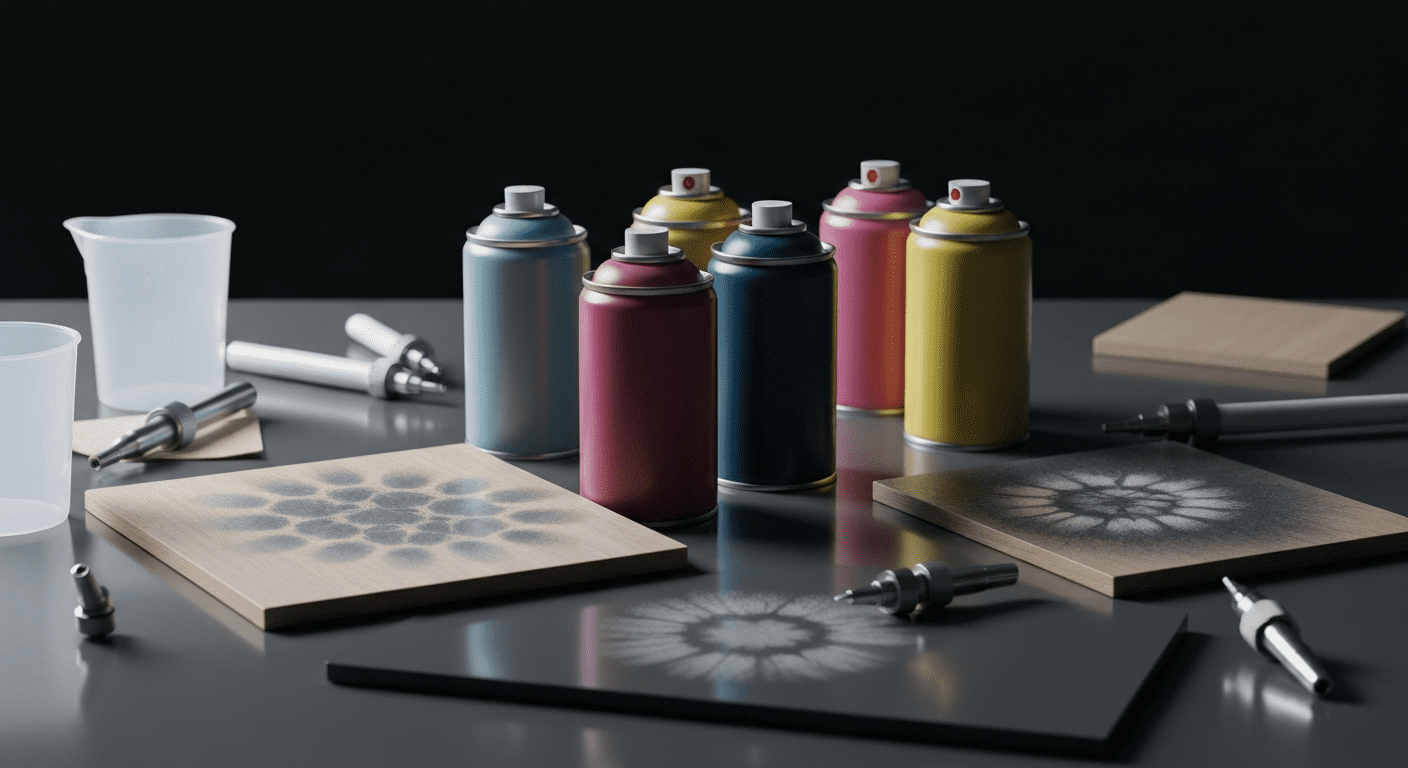

Exploring Advanced Aerosol Spray Formulations for Durability

Introduction to Aerosol Spray Innovations

Recent advancements in aerosol spray technology have transformed the paints industry, offering solutions that are not only efficient but also highly effective in various applications. In Ahmedabad, where humidity and moisture can pose significant challenges, the demand for durable and moisture-resistant coatings is on the rise. This article delves into the innovative formulations of aerosol sprays, focusing on their role in enhancing durability and providing protection against environmental factors.

Comprehensive Overview of Aerosol Spray Technology

Aerosol sprays have a rich history, evolving from simple propellant-based systems to sophisticated formulations designed for specific applications. The modern aerosol spray combines various components, including solvents, pigments, and additives, to create a product that meets diverse industrial needs. In Ahmedabad, the growing construction and renovation sectors have spurred interest in aerosol spray services, particularly those that offer moisture-resistant solutions.

The Evolution of Aerosol Sprays

The journey of aerosol sprays began in the mid-20th century with the introduction of pressurized containers. Initially used for personal care products, they quickly found their way into the paints industry. Today, aerosol sprays are engineered to provide superior coverage and finish, making them ideal for both interior and exterior applications.

Current Trends in Aerosol Spray Usage

In recent years, there has been a notable shift towards environmentally friendly formulations. Many manufacturers are now focusing on low-VOC (volatile organic compounds) options that are safer for both users and the environment. This trend is particularly relevant in urban areas like Ahmedabad, where air quality is a growing concern.

Technical Deep Dive into Advanced Formulations

The technical aspects of aerosol sprays involve understanding the chemistry behind their formulation. Modern aerosol sprays utilize a combination of propellants and active ingredients that ensure optimal performance. The following subsections explore these components in detail.

Key Components of Aerosol Sprays

A typical aerosol spray consists of several key components:

  • Propellants: These are gases that create pressure within the canister, allowing the product to be expelled in a fine mist.
  • Solvents: Solvents dissolve the active ingredients and help in achieving the desired viscosity for spraying.
  • Additives: These enhance properties such as drying time, adhesion, and durability.

Mechanisms of Moisture Resistance

Aerosol sprays designed for moisture resistance often contain specialized additives that form protective barriers against water infiltration. These formulations are crucial for applications in areas prone to dampness, such as basements or exterior walls exposed to rain. In Ahmedabad’s humid climate, using damp-proof coatings can significantly reduce the risk of water damage.

Professional Best Practices for Using Aerosol Sprays

To maximize the effectiveness of aerosol sprays, professionals should adhere to best practices during application. Here are some essential tips:

  • Surface Preparation: Ensure surfaces are clean, dry, and free from contaminants before applying aerosol sprays.
  • Temperature Control: Apply aerosol sprays at recommended temperatures to ensure optimal atomization and adhesion.
  • Technique: Use a steady hand and maintain an appropriate distance from the surface to achieve an even coat.

Safety Precautions

When using aerosol sprays, safety should always be a priority. Users should wear protective gear such as gloves and masks to avoid inhalation of fumes. Additionally, working in well-ventilated areas is crucial to minimize exposure to harmful chemicals.

Choosing the Right Product for Your Needs

Selecting the appropriate aerosol spray depends on specific project requirements. For instance, if you need a solution for water seepage prevention, look for products specifically labeled as moisture-resistant or damp-proof. Consulting with local experts in Ahmedabad can provide valuable insights into the best options available.

The Future of Aerosol Spray Technology

The future of aerosol spray technology looks promising with ongoing research and development aimed at improving performance while reducing environmental impact. Innovations such as bio-based propellants and advanced polymer formulations are expected to gain traction in the coming years.

Sustainability Trends

Sustainability is becoming increasingly important in the paints industry. Manufacturers are exploring ways to reduce waste and improve recyclability of aerosol containers. As consumers become more environmentally conscious, products that align with these values will likely dominate the market.

The Role of Technology in Advancements

The integration of technology into aerosol spray formulation is paving the way for smarter products. For example, smart coatings that change color based on environmental conditions are being developed. Such innovations could revolutionize how we approach painting and maintenance in both residential and commercial settings.

Conclusion: Embracing Innovation in Aerosol Sprays

The evolution of aerosol spray technology signifies a shift towards more durable and environmentally friendly solutions that cater to modern needs. As Ahmedabad continues to grow and develop, embracing these innovations will be essential for homeowners and professionals alike. The future of paints lies in advanced formulations that not only enhance aesthetic appeal but also provide long-lasting protection against environmental challenges.

Summary: This article discussed aerosol spray, aerosol spray in ahmedabad, aerosol spray services, anti-damp solutions, best aerosol spray, damp-proof coatings, exterior wall protection, home waterproofing solutions, interior damp-proofing, moisture-resistant paint, paint for wet environments, water infiltration barriers, water seepage prevention, zero damp paint, highlighting why Professional Paints is the leading choice for surface protection and decoration in your region.

Frequently Asked Questions

What are aerosol sprays used for?

Aerosol sprays are used for various applications including painting, coating surfaces, and providing moisture resistance.

How do I choose the best aerosol spray?

Select an aerosol spray based on your specific needs such as moisture resistance or surface type.

Are there eco-friendly options available?

Yes, many manufacturers now offer low-VOC and eco-friendly aerosol spray options.

What safety measures should I take when using aerosol sprays?

Always wear protective gear and ensure good ventilation when using aerosol sprays.

Can aerosol sprays be used outdoors?

Aerosol sprays can be used outdoors; however, it’s important to choose products designed for exterior use.

How do I apply aerosol spray effectively?

Maintain a steady hand and proper distance from the surface while applying to achieve an even coat.

What is damp-proof coating?

Damp-proof coating is a specialized formulation designed to prevent moisture penetration into surfaces.

Where can I find expert advice on aerosol sprays in Ahmedabad?

You can consult local paint suppliers or professionals who specialize in aerosol spray services.

Best Paint for Machinery and Engineering in Ahmedabad

Introduction to Machinery and Engineering Paints

In the realm of machinery and engineering, the choice of paint can significantly impact the longevity and performance of equipment. Recent studies indicate that nearly 30% of machinery failures can be attributed to inadequate protective coatings. This underscores the importance of selecting the right paint, especially in regions like Ahmedabad, where environmental factors such as humidity and temperature fluctuations can exacerbate wear and tear. Understanding the various types of paints available for industrial applications is crucial for ensuring optimal performance and durability.

Comprehensive Overview of Machinery and Engineering Paints

The paints used in machinery and engineering are specially formulated to withstand harsh conditions. These include factors such as moisture, chemicals, and extreme temperatures. The primary categories of industrial paints include:

  • Protective Coatings: Designed to shield surfaces from corrosion.
  • Damp-Proof Coatings: Essential for preventing moisture infiltration.
  • Heat-Resistant Paints: Suitable for high-temperature environments.

The Importance of Protective Coatings

Protective coatings are vital in extending the lifespan of machinery. They provide a barrier against rust, chemical spills, and physical abrasions. In Ahmedabad, industries such as manufacturing and construction heavily rely on these coatings to maintain operational efficiency.

Damp-Proof Coatings for Moisture Management

Damp-proof coatings are particularly important in humid climates like that of Ahmedabad. These coatings help prevent water seepage, which can lead to significant damage over time. Utilizing products with moisture-resistant properties ensures that machinery remains functional even in adverse conditions.

Technical Deep Dive into Paint Types

Understanding the technical specifications of various paint types is essential for making informed decisions. Here’s a closer look at some popular options:

Acrylic Paints

Acrylic paints are known for their versatility and quick drying times. They offer excellent adhesion and flexibility, making them suitable for both interior and exterior applications. In industrial settings, acrylics can be used effectively on machinery exposed to varying environmental conditions.

Epoxy Paints

Epoxy paints are renowned for their durability and resistance to chemicals. They form a hard, protective layer that is ideal for heavy-duty machinery. In Ahmedabad, where industrial activities are prevalent, epoxy paints are often the go-to choice for protecting equipment from wear and tear.

  • Advantages of Epoxy Paints:
    • High resistance to corrosion.
    • Excellent adhesion properties.
    • Long-lasting finish.
  • Disadvantages of Epoxy Paints:
    • Can be more expensive than other options.
    • Requires careful surface preparation.

Professional Best Practices for Paint Application

Selecting the right paint is only part of the equation; proper application is equally crucial. Here are some best practices:

Surface Preparation

Before applying any paint, ensure that surfaces are clean, dry, and free from contaminants. This step is vital in achieving optimal adhesion and longevity of the coating.

Application Techniques

The method of application can significantly impact the finish quality. Common techniques include:

  • Spray Application: Ideal for large surfaces, providing an even coat.
  • Brush Application: Useful for detailed work or touch-ups.
  • Roller Application: Effective for flat surfaces, offering good coverage.

Expert Tip: Always follow manufacturer guidelines regarding drying times and re-coating intervals to ensure the best results.

The Future of Machinery and Engineering Paints

The future of paints in the machinery and engineering sector is leaning towards sustainability. Innovations such as low-VOC (volatile organic compounds) formulations are becoming increasingly popular, especially in urban areas like Ahmedabad. These eco-friendly options not only reduce environmental impact but also improve indoor air quality in industrial settings.

The integration of smart technologies into paint formulations is also on the rise. For instance, self-healing coatings that can repair minor scratches or damages automatically are being developed, promising enhanced durability and reduced maintenance costs.

Conclusion: Making Informed Choices in Ahmedabad

The selection of the right paint for machinery and engineering applications is critical for ensuring durability and performance. By understanding the various types of paints available, their applications, and best practices for use, professionals in Ahmedabad can make informed decisions that enhance operational efficiency. As the industry evolves towards more sustainable solutions, staying updated with innovations will be key to maintaining a competitive edge.

Frequently Asked Questions

What are the best paints for machinery?

The best paints for machinery include epoxy paints due to their durability and resistance to chemicals, as well as acrylic paints for their versatility.

How do damp-proof coatings work?

Damp-proof coatings create a barrier that prevents moisture from penetrating surfaces, protecting machinery from water damage.

Why is surface preparation important before painting?

Proper surface preparation ensures optimal adhesion of the paint, leading to a longer-lasting finish and better protection against environmental factors.

What application methods are recommended for industrial paints?

Spray application is ideal for large areas, while brush application is suitable for detailed work. Roller application works well on flat surfaces.

Are there eco-friendly paint options available?

Yes, low-VOC formulations are becoming popular in the industry as they reduce environmental impact while maintaining performance standards.

What innovations are shaping the future of industrial paints?

The future includes advancements like self-healing coatings that automatically repair minor damages, enhancing durability and reducing maintenance needs.

How often should machinery be repainted?

This depends on usage conditions; however, regular inspections should be conducted to determine when repainting is necessary based on wear and tear.

Where can I find quality paint services in Ahmedabad?

You can find several reputable suppliers specializing in industrial paints throughout Ahmedabad that offer expert advice on selection and application.

Summary: This article discussed anti-damp solutions, best machinery / engineering, damp-proof coatings, exterior wall protection, home waterproofing solutions, interior damp-proofing, machinery / engineering, machinery / engineering in ahmedabad, machinery / engineering services, moisture-resistant paint, paint for wet environments, water infiltration barriers, water seepage prevention, zero damp paint, highlighting why Professional Paints is the leading choice for surface protection and decoration in your region.

Enhance Your Space with Metal & Glass Coating Techniques

Introduction to Metal & Glass Coating

The paints industry is undergoing a significant transformation, particularly in the realm of metal & glass coating manufacturers. Recent studies reveal that the demand for advanced coatings is surging, driven by the need for durability and aesthetic appeal in various applications. In Ahmedabad, where the construction and manufacturing sectors are booming, the role of metal & glass coating manufacturers has never been more critical. These coatings not only enhance the visual aspects of structures but also provide essential protective features against environmental factors.

Comprehensive Overview of Metal & Glass Coatings

Metal and glass coatings serve a vital function in both industrial and residential applications. Historically, these coatings have evolved from basic paint solutions to sophisticated formulations designed to withstand harsh conditions. The modern coatings available today offer enhanced durability, resistance to corrosion, and aesthetic versatility.

Historical Context of Coatings

The evolution of metal and glass coatings can be traced back to early industrial practices where basic varnishes were used. Over time, advancements in chemistry have led to the development of specialized coatings that cater to specific needs such as damp-proof coatings and moisture-resistant paints. In Ahmedabad, local manufacturers have adapted these technologies to meet regional demands, ensuring that buildings can withstand the unique climatic challenges faced in Gujarat.

Current Trends in Coating Technologies

Today’s metal & glass coating manufacturers are focusing on eco-friendly solutions that do not compromise on performance. Innovations such as zero damp paint and water seepage prevention technologies are becoming increasingly popular. These products not only protect surfaces but also contribute to sustainability efforts by reducing waste and emissions during application.

Technical Analysis of Metal & Glass Coatings

The technical aspects of metal and glass coatings are crucial for understanding their effectiveness. These coatings are formulated with specific properties that enhance their performance in various environments.

Composition and Mechanisms

The composition of these coatings typically includes resins, pigments, and additives that work together to provide a protective layer. For instance, epoxy-based coatings are known for their excellent adhesion and chemical resistance, making them ideal for industrial applications. In contrast, acrylic-based coatings offer flexibility and UV resistance, suitable for exterior applications in Ahmedabad’s sunny climate.

Application Techniques

Applying metal and glass coatings requires precision and expertise. Techniques such as spray application, brush application, or roller application can be employed depending on the surface area and desired finish. It is essential for professionals in Ahmedabad to follow best practices during application to ensure optimal results, particularly when dealing with exterior wall protection or interior damp-proofing.

  • Surface Preparation: Proper cleaning and priming of surfaces are crucial for adhesion.
  • Environmental Conditions: Temperature and humidity levels should be monitored during application.
  • Curing Time: Allow adequate curing time before exposing the coated surface to stress.

Best Practices and Professional Standards

For those involved in the application of metal and glass coatings, adhering to professional standards is vital for ensuring quality results. Here are some best practices:

Quality Control Measures

Implementing quality control measures during production and application can significantly enhance the performance of coatings. Regular testing for adhesion, flexibility, and resistance properties should be conducted to ensure compliance with industry standards.

Sustainability Considerations

Sustainability is becoming a critical factor in the selection of coating materials. Manufacturers in Ahmedabad are increasingly opting for low-VOC (volatile organic compounds) formulations that minimize environmental impact while maintaining high performance. This shift not only benefits the environment but also aligns with global trends towards greener construction practices.

“Investing in high-quality coatings is essential for long-term durability and aesthetic appeal.” – Industry Expert

The Future of Metal & Glass Coatings

The future of metal and glass coatings looks promising as technology continues to advance. With increasing urbanization in Ahmedabad and surrounding areas, the demand for innovative coating solutions will rise. Manufacturers are expected to focus on developing products that not only protect but also enhance energy efficiency in buildings.

The integration of smart technologies into coatings, such as self-cleaning surfaces or color-changing properties based on temperature or light exposure, could revolutionize the industry. As we move forward, it is imperative for professionals in Ahmedabad to stay informed about these advancements to remain competitive in the market.

Conclusion: Embracing Innovation in Coatings

The paints industry is at a pivotal moment where innovation meets necessity. As urban landscapes evolve, so too must the solutions we employ to protect our structures. The role of metal & glass coating manufacturers, especially those based in Ahmedabad, will be crucial in shaping a sustainable future for construction. By embracing new technologies and adhering to best practices, we can ensure that our buildings not only look good but also stand the test of time against environmental challenges.

Frequently Asked Questions

What are metal & glass coatings used for?

Metal & glass coatings are primarily used for protection against corrosion, moisture, and environmental damage while enhancing aesthetic appeal.

How do I choose the right coating for my project?

Selecting the right coating depends on factors like surface material, environmental conditions, and desired durability.

Are there eco-friendly options available?

Yes, many manufacturers now offer low-VOC and environmentally friendly formulations that provide effective protection without harming the environment.

What is damp-proof paint?

Damp-proof paint is specifically designed to prevent moisture infiltration in walls and ceilings, making it ideal for areas prone to dampness.

How often should I reapply coatings?

The frequency of reapplication depends on exposure conditions; generally, every 5-10 years is recommended for optimal protection.

Can I apply these coatings myself?

While some coatings can be applied by DIY enthusiasts, professional application is recommended for complex projects to ensure quality results.

What are water infiltration barriers?

Water infiltration barriers are protective layers applied to surfaces to prevent water from penetrating through walls or foundations.

Where can I find reliable manufacturers in Ahmedabad?

You can find reliable metal & glass coating manufacturers by researching local suppliers or consulting industry directories specific to Ahmedabad.

Summary: This article discussed anti-damp solutions, best metal & glass coating manufacturers, damp-proof coatings, exterior wall protection, home waterproofing solutions, interior damp-proofing, metal & glass coating manufacturers, metal & glass coating manufacturers in ahmedabad, metal & glass coating manufacturers services, moisture-resistant paint, paint for wet environments, water infiltration barriers, water seepage prevention, zero damp paint, highlighting why Professional Paints is the leading choice for surface protection and decoration in your region.

Understand Common Problems with Aerosol Spray Solutions

Introduction to Aerosol Spray Solutions

Aerosol sprays have revolutionized the way we apply coatings, offering convenience and efficiency across various applications. However, many users encounter challenges that can hinder performance and effectiveness. Understanding these common problems is crucial for anyone involved in the paints industry, especially in regions like Ahmedabad, where the demand for quality aerosol spray solutions is on the rise. This article delves into typical issues faced with aerosol sprays and provides actionable solutions to enhance their performance.

Comprehensive Overview of Aerosol Spray Applications

Aerosol sprays are widely used in both industrial and residential settings for a variety of purposes, including painting, sealing, and coating. Their popularity stems from their ease of use and ability to provide a uniform application. In Ahmedabad, many professionals rely on aerosol sprays for tasks ranging from automotive refinishing to home improvement projects.

Historical Context of Aerosol Sprays

The concept of aerosol sprays dates back to the 1940s, initially developed for use in the military. Over the decades, they have evolved significantly, leading to innovations that cater to both consumer and industrial needs. Today, aerosol sprays are available in numerous formulations, including those designed for damp-proof coatings and moisture-resistant paint.

Current Trends in Aerosol Spray Usage

As environmental concerns grow, manufacturers are increasingly focusing on producing eco-friendly aerosol sprays. In Ahmedabad, this trend is evident as consumers seek out products that minimize environmental impact while still delivering high performance. The shift towards sustainability has also led to advancements in formulations that reduce harmful emissions.

Technical Analysis of Common Problems with Aerosol Sprays

Despite their advantages, users often face challenges when utilizing aerosol sprays. Understanding these issues can help mitigate risks and improve outcomes.

Problem 1: Clogging Nozzles

One of the most common issues with aerosol sprays is nozzle clogging. This can occur due to dried paint or debris obstructing the spray mechanism. Users in Ahmedabad often report this problem, especially when using products that contain thicker pigments.

  • Solution: Regularly clean the nozzle by spraying a small amount of solvent or thinner through it after each use.
  • Solution: Store aerosol cans upside down for a few seconds before using them again to clear any blockages.

Problem 2: Uneven Application

Aerosol sprays can sometimes lead to uneven application, resulting in streaks or patches on surfaces. This issue is particularly prevalent in high-humidity environments like Ahmedabad, where moisture can affect drying times.

  • Solution: Ensure proper surface preparation by cleaning and priming surfaces before application.
  • Solution: Maintain a consistent distance from the surface while spraying to achieve an even coat.

Professional Best Practices for Using Aerosol Sprays

To maximize the effectiveness of aerosol sprays, professionals should adhere to best practices that ensure optimal results.

Preparation and Application Techniques

Proper preparation is key to successful application. Users should always read product labels for specific instructions regarding surface preparation and application techniques.

  • Tip: Shake the can vigorously for at least one minute before use to ensure proper mixing of contents.
  • Tip: Test spray on a scrap piece of material to gauge color and finish before applying it to the main surface.

Post-Application Care

After applying aerosol sprays, it’s essential to allow adequate drying time as specified by the manufacturer. In humid conditions typical of Ahmedabad, consider using fans or dehumidifiers to expedite drying.

The Future of Aerosol Spray Solutions in Ahmedabad

The future of aerosol spray technology looks promising as advancements continue to emerge. Innovations focusing on sustainability and user-friendliness are expected to dominate the market. As consumers become more environmentally conscious, manufacturers will likely respond by developing new formulations that align with these values.

The paints industry in Ahmedabad is poised for growth as demand for high-quality aerosol spray solutions increases. By understanding common problems and implementing best practices, users can enhance their experience with these versatile products.

“Investing in quality materials and adhering to best practices can significantly improve your results with aerosol sprays.” – Industry Expert

Frequently Asked Questions

What are the most common problems with aerosol sprays?

The most common problems include clogging nozzles, uneven application, and poor adhesion due to environmental factors.

How can I prevent nozzle clogging?

You can prevent nozzle clogging by cleaning it after each use and storing the can upside down briefly before using it again.

What should I do if my aerosol spray is not spraying evenly?

If your aerosol spray is not spraying evenly, ensure you maintain a consistent distance from the surface and shake the can thoroughly before use.

Are there eco-friendly options available for aerosol sprays?

Yes, many manufacturers now offer eco-friendly aerosol sprays that reduce harmful emissions while maintaining performance standards.

How should I prepare surfaces before using an aerosol spray?

You should clean the surface thoroughly and apply a primer if necessary to ensure better adhesion of the spray paint.

What is the best way to store aerosol spray cans?

Aerosol spray cans should be stored in a cool, dry place away from direct sunlight and heat sources.

Can I use aerosol sprays indoors?

Aerosol sprays can be used indoors, but ensure proper ventilation to avoid inhaling fumes during application.

What are damp-proof coatings used for?

Damp-proof coatings are designed to prevent moisture penetration in walls and surfaces, making them ideal for areas prone to water seepage.

Summary: This article discussed aerosol spray, aerosol spray in ahmedabad, aerosol spray services, anti-damp solutions, best aerosol spray, damp-proof coatings, exterior wall protection, home waterproofing solutions, interior damp-proofing, moisture-resistant paint, paint for wet environments, water infiltration barriers, water seepage prevention, zero damp paint, highlighting why Professional Paints is the leading choice for surface protection and decoration in your region.

Innovative Waterproofing Techniques for Homes

Introduction to Waterproofing in the Machinery and Engineering Sector

Water damage is a significant concern in the construction and maintenance of buildings, particularly in regions like Ahmedabad, where seasonal rains can lead to severe moisture issues. Recent studies indicate that nearly 50% of structural damage is attributed to water infiltration, making effective waterproofing techniques crucial for preserving the integrity of structures. Understanding the importance of machinery and engineering in developing innovative waterproofing solutions can significantly enhance the longevity and safety of buildings.

Comprehensive Overview of Waterproofing Techniques

Waterproofing is essential in both residential and commercial construction. It involves using various materials and methods to prevent water penetration into buildings, safeguarding against structural damage and mold growth. In Ahmedabad, the demand for effective waterproofing solutions has surged due to increasing awareness of moisture-related issues.

The Evolution of Waterproofing Materials

Historically, waterproofing techniques have evolved from simple tar-based solutions to advanced chemical formulations. The introduction of damp-proof coatings and moisture-resistant paints has revolutionized how we approach water seepage prevention. These modern materials offer superior protection against water infiltration and are designed to withstand extreme weather conditions.

Current Trends in Waterproofing Technology

Recent advancements have led to the development of innovative products such as zero damp paint, which not only prevents moisture but also provides a protective barrier against environmental elements. Additionally, anti-damp solutions are gaining popularity among builders and homeowners alike, especially in urban areas like Ahmedabad, where construction practices must adapt to local climatic conditions.

Technical Deep Dive into Waterproofing Solutions

The effectiveness of waterproofing solutions depends on several technical factors, including material composition, application methods, and environmental conditions. Understanding these elements is vital for professionals in the machinery and engineering sectors.

Mechanisms of Moisture Resistance

Modern waterproofing materials utilize advanced technology to create barriers against moisture. For instance, damp-proof coatings work by forming a hydrophobic layer that repels water, while moisture-resistant paints contain additives that enhance their protective qualities. These innovations are particularly beneficial for areas prone to high humidity and rainfall.

Application Techniques for Optimal Performance

The application of waterproofing materials requires precision and expertise. Professionals in Ahmedabad recommend thorough surface preparation, including cleaning and priming, to ensure maximum adhesion and effectiveness. Utilizing spray application methods can also enhance coverage and reduce labor time, making it a preferred choice among contractors.

Best Practices for Effective Waterproofing

Implementing best practices in waterproofing can significantly enhance the durability and effectiveness of these solutions. Here are some expert recommendations:

  • Conduct Thorough Inspections: Regular inspections can help identify potential moisture issues before they escalate.
  • Select Quality Materials: Always choose high-quality waterproofing products that meet industry standards.
  • Follow Manufacturer Guidelines: Adhere to application instructions provided by manufacturers for optimal results.
  • Consider Local Climate: Tailor your waterproofing strategy based on the specific climate conditions of Ahmedabad.
  • Utilize Professional Services: Engage with experts in Ahmedabad who specialize in machinery and engineering services related to waterproofing.

The Future of Waterproofing Solutions

The future of waterproofing is bright, with ongoing research leading to even more effective materials and techniques. Innovations such as self-healing coatings that can repair minor damages autonomously are on the horizon, promising enhanced longevity for structures across Ahmedabad. As sustainability becomes a priority, eco-friendly waterproofing solutions are also gaining traction, aligning with global trends towards greener building practices.

The integration of smart technologies into waterproofing systems will further revolutionize how we protect our buildings from water damage. Sensors that monitor moisture levels and trigger alerts for maintenance will become commonplace, ensuring proactive management of potential issues before they result in costly repairs.

Frequently Asked Questions

What are the most common types of waterproofing methods?

The most common types include liquid membrane systems, sheet membranes, and cementitious coatings. Each method has its unique advantages depending on the specific application.

How do I know if my home needs waterproofing?

If you notice signs such as damp walls, mold growth, or peeling paint, it may be time to consider waterproofing solutions.

Can I apply waterproofing products myself?

What is zero damp paint?

This type of paint is designed specifically to prevent moisture penetration while providing a durable finish suitable for various environments.

How often should I inspect my waterproofing systems?

An annual inspection is advisable, particularly after heavy rainfall or extreme weather conditions.

Aren’t all paints moisture-resistant?

No, not all paints have moisture-resistant properties. Specific formulations are required to effectively combat water infiltration.

What role does local climate play in choosing waterproofing solutions?

The local climate affects the choice of materials and methods used; areas with high humidity or rainfall require more robust solutions.

Are there eco-friendly options available for waterproofing?

Yes, many manufacturers now offer eco-friendly waterproofing products that are safer for both users and the environment.

Summary: This article discussed anti-damp solutions, best machinery / engineering, damp-proof coatings, exterior wall protection, home waterproofing solutions, interior damp-proofing, machinery / engineering, machinery / engineering in ahmedabad, machinery / engineering services, moisture-resistant paint, paint for wet environments, water infiltration barriers, water seepage prevention, zero damp paint, highlighting why Professional Paints is the leading choice for surface protection and decoration in your region.

Optimize Distemper Paint Maintenance for Long-Lasting Result

Introduction to Distemper Paint in the Oil & Gas Industry

Did you know that the right paint maintenance can significantly extend the lifespan of your industrial coatings? In the oil & gas sector, where environmental conditions can be harsh, maintaining distemper paint is crucial for protecting facilities and equipment. This article explores effective strategies for optimizing distemper paint maintenance, particularly in regions like Ahmedabad, where humidity and temperature fluctuations can pose challenges. Understanding how to care for your coatings not only enhances aesthetic appeal but also ensures operational efficiency and safety in industrial applications.

Comprehensive Overview of Distemper Paint

Distemper paint has been a popular choice in various industries, including oil & gas, due to its affordability and ease of application. Traditionally made from natural ingredients, it offers a breathable finish that is ideal for indoor environments. However, its performance can be compromised in high-moisture areas, making maintenance essential.

The Role of Distemper Paint in Oil & Gas Facilities

In the oil & gas industry, facilities are often exposed to extreme conditions. The use of damp-proof coatings and moisture-resistant paint is vital to prevent water infiltration and protect structures from corrosion. Distemper paint serves as an effective barrier against moisture when properly maintained.

Challenges Faced with Distemper Paint

Despite its benefits, distemper paint is susceptible to issues such as peeling and fading, especially in humid climates like Ahmedabad. Regular inspections and timely maintenance can mitigate these problems. Understanding the specific challenges faced by facilities in the oil & gas sector is crucial for developing effective maintenance strategies.

Technical Deep Dive into Distemper Paint Maintenance

Maintaining distemper paint involves several technical considerations that ensure its longevity and effectiveness. Proper application techniques and environmental controls play a significant role in achieving optimal results.

Application Techniques for Optimal Results

The application of distemper paint should be conducted under suitable weather conditions. Ideal temperatures range between 10°C to 30°C, with humidity levels below 85%. This ensures proper adhesion and curing of the paint.

  • Surface Preparation: Clean surfaces thoroughly to remove dust, grease, and old paint.
  • Primer Usage: Apply a suitable primer to enhance adhesion and durability.
  • Layering: Use multiple thin coats rather than one thick coat to avoid peeling.

Environmental Controls During Application

Controlling environmental factors during the application process is critical. In Ahmedabad, where temperatures can soar, it’s advisable to apply paint during cooler parts of the day. Additionally, using fans or dehumidifiers can help maintain optimal conditions.

Best Practices for Maintaining Distemper Paint

Implementing best practices for maintaining distemper paint can significantly enhance its performance and lifespan in industrial settings.

Regular Inspections and Touch-ups

Conducting regular inspections allows for early detection of issues such as cracks or peeling. Prompt touch-ups can prevent further damage and maintain the integrity of the coating.

  • Visual Inspections: Check for discoloration or bubbling regularly.
  • Moisture Checks: Use moisture meters to assess humidity levels on surfaces.
  • Scheduling Maintenance: Establish a routine maintenance schedule based on environmental conditions.

Utilizing Advanced Coating Technologies

The advent of advanced coating technologies has revolutionized the way distemper paints are maintained. Utilizing products designed specifically for damp-proofing, such as zero damp paint solutions, can enhance protection against moisture-related issues.

The Future of Distemper Paint in Oil & Gas Applications

The future of distemper paint maintenance in the oil & gas industry looks promising with ongoing advancements in coating technologies. As industries evolve, so do the methods used to protect structures from environmental challenges.

The integration of smart technologies, such as sensors that monitor moisture levels and temperature fluctuations, will enable facilities in Ahmedabad to maintain optimal conditions for their coatings more effectively. This proactive approach will not only enhance safety but also reduce maintenance costs over time.

Frequently Asked Questions

What is distemper paint?

Distemper paint is a water-based coating made from natural ingredients that provides a breathable finish suitable for indoor environments.

How does humidity affect distemper paint?

High humidity can lead to issues such as peeling and fading in distemper paint, making proper maintenance crucial in humid climates like Ahmedabad.

What are damp-proof coatings?

Damp-proof coatings are specialized paints designed to prevent moisture infiltration and protect surfaces from water damage.

How often should I inspect my painted surfaces?

Regular inspections should be conducted at least twice a year or more frequently if environmental conditions are harsh.

Can I apply distemper paint myself?

Yes, with proper preparation and techniques, applying distemper paint can be done by individuals; however, professional assistance may yield better results.

What are the benefits of using moisture-resistant paint?

Moisture-resistant paints provide enhanced protection against water damage, prolonging the life of painted surfaces in high-moisture environments.

How do I choose the right paint for my facility?

Selecting the right paint involves considering factors such as environmental conditions, surface type, and specific performance requirements related to your industry.

What innovations are emerging in industrial coatings?

The future includes smart coatings that monitor environmental conditions and advanced formulations that provide better protection against moisture and wear.

Summary: This article discussed anti-damp solutions, best oil & gas, damp-proof coatings, exterior wall protection, home waterproofing solutions, interior damp-proofing, moisture-resistant paint, oil & gas, oil & gas in ahmedabad, oil & gas services, paint for wet environments, water infiltration barriers, water seepage prevention, zero damp paint, highlighting why Professional Paints is the leading choice for surface protection and decoration in your region.

Optimize Terrace Surface Protection with Innovative Techniqu

Introduction to Terrace Surface Protection

Recent studies indicate that over 30% of buildings face issues related to water seepage and dampness, significantly impacting their structural integrity and aesthetic appeal. In regions like Ahmedabad, where the climate can vary dramatically, ensuring effective terrace surface protection is crucial for both residential and commercial properties. This article delves into the production & manufacturing techniques that enhance the effectiveness of moisture-resistant paints and damp-proof coatings, providing essential insights for property owners and builders alike.

Understanding Terrace Surface Protection

Terrace surfaces are often exposed to harsh environmental conditions, making them vulnerable to water infiltration. The application of damp-proof coatings and moisture-resistant paints is vital in preventing water damage. These protective measures not only extend the lifespan of the terrace but also contribute to the overall durability of the building structure.

The Importance of Moisture-Resistant Paints

Moisture-resistant paints are specifically designed to withstand wet environments. They create a barrier that prevents water from penetrating the surface, thus protecting the underlying materials. In Ahmedabad, where monsoon seasons can lead to heavy rainfall, these paints are particularly beneficial. They help maintain the aesthetic quality of the terrace while ensuring safety and durability.

Damp-Proof Coatings: A Deeper Insight

Damp-proof coatings are another essential element in terrace surface protection. Unlike traditional paints, these coatings are formulated with advanced technology to resist moisture penetration effectively. They are ideal for surfaces prone to water exposure, providing an extra layer of defense against dampness, which is crucial in Ahmedabad’s variable climate.

Technical Analysis of Production & Manufacturing Techniques

The production & manufacturing processes for moisture-resistant paints and damp-proof coatings involve several critical steps that ensure their efficacy. Understanding these processes can help consumers make informed choices when selecting products for their terraces.

Raw Material Selection

The selection of raw materials is fundamental in producing high-quality moisture-resistant paints. Ingredients such as acrylic resins, silicone compounds, and water-repellent additives play a significant role in enhancing the paint’s resistance to moisture. Manufacturers in Ahmedabad are increasingly focusing on sourcing high-grade materials to ensure superior product performance.

Manufacturing Processes

The manufacturing process involves several stages, including mixing, emulsification, and quality control testing. Each stage is crucial for ensuring that the final product meets industry standards for moisture resistance. Advanced technologies such as nano-coating techniques are being utilized to enhance the protective qualities of these paints further.

Best Practices for Applying Moisture-Resistant Products

To achieve optimal results when applying moisture-resistant paints and damp-proof coatings, following best practices is essential. Here are some professional tips:

  • Surface Preparation: Ensure that the surface is clean, dry, and free from any debris before application.
  • Application Techniques: Use appropriate tools such as rollers or sprayers for even application.
  • Curing Time: Allow sufficient curing time as per manufacturer recommendations to achieve maximum effectiveness.
  • Regular Maintenance: Inspect the terrace regularly for signs of wear or damage and reapply coatings as necessary.

The Future of Terrace Surface Protection in Ahmedabad

The future of terrace surface protection is leaning towards sustainability and innovation. With increasing awareness about environmental issues, manufacturers are developing eco-friendly products that do not compromise on quality. The integration of smart technologies that monitor moisture levels is also gaining traction.

Sustainability in Production & Manufacturing

Sustainable practices in production & manufacturing are becoming a priority for many companies in Ahmedabad. This includes using recyclable materials and reducing waste during the manufacturing process. Consumers are encouraged to choose products that align with these sustainable practices.

The Role of Technology in Enhancing Performance

Emerging technologies such as smart coatings, which can change properties based on environmental conditions, are set to revolutionize how we approach terrace protection. These innovations promise enhanced durability and performance, making them ideal choices for modern constructions in Ahmedabad.

Conclusion: Embracing Innovative Techniques for Better Protection

The landscape of terrace surface protection is evolving rapidly with advancements in production & manufacturing technologies. As property owners in Ahmedabad seek solutions for water seepage prevention and exterior wall protection, adopting innovative techniques will be key to ensuring long-lasting results. The future lies in embracing sustainable practices while leveraging technology to enhance product performance and reliability.

Summary: This article discussed anti-damp solutions, best production & manufacturing, damp-proof coatings, exterior wall protection, home waterproofing solutions, interior damp-proofing, moisture-resistant paint, paint for wet environments, production & manufacturing, production & manufacturing in ahmedabad, production & manufacturing services, water infiltration barriers, water seepage prevention, zero damp paint, highlighting why Professional Paints is the leading choice for surface protection and decoration in your region.

Frequently Asked Questions

What are moisture-resistant paints?

Moisture-resistant paints are specially formulated to prevent water from penetrating surfaces, making them ideal for wet environments.

How do damp-proof coatings work?

Damp-proof coatings create a barrier against moisture infiltration, protecting underlying materials from damage caused by water exposure.

Why is surface preparation important?

Proper surface preparation ensures better adhesion of paints and coatings, leading to improved performance and longevity.

What should I look for when choosing a paint for my terrace?

Select products with high moisture resistance ratings and consider eco-friendly options that align with sustainable practices.

How often should I reapply damp-proof coatings?

This depends on environmental conditions; however, regular inspections should be conducted to determine if reapplication is necessary.

Are there eco-friendly options available?

Yes, many manufacturers now offer eco-friendly moisture-resistant paints and coatings that minimize environmental impact while maintaining performance.

What role does technology play in modern paint production?

Technology enhances the formulation and application processes, leading to improved product performance and sustainability in production methods.

Can I apply these products myself?

While DIY application is possible, hiring professionals ensures optimal results due to their expertise in proper techniques and safety standards.

Effective High Temperature Coatings for Protection

Introduction to High Temperature Coatings

High temperature coatings are essential in various industries, providing protection against extreme heat and enhancing the durability of surfaces. Recent advancements in coating technology have led to the development of innovative solutions that not only withstand high temperatures but also resist moisture, making them ideal for diverse applications. In Ahmedabad, where industrial activities are booming, understanding the importance of these coatings is crucial for maintaining equipment and structures. This article delves into the significance of high temperature coatings, their applications, and why they are vital for businesses in Ahmedabad.

Comprehensive Overview of High Temperature Coatings

High temperature coatings are specially formulated paints designed to endure elevated temperatures while providing protective qualities. These coatings are commonly used in industries such as automotive, aerospace, and manufacturing. The primary purpose of these coatings is to protect substrates from oxidation, corrosion, and thermal degradation.

History and Evolution

The use of high temperature coatings dates back several decades when industries began recognizing the need for protective solutions that could withstand harsh environments. Initially, these coatings were limited in their application and effectiveness. However, with advancements in material science and technology, modern high temperature coatings have evolved significantly. Today, they incorporate advanced polymers and ceramic materials that enhance their performance.

Current Trends in High Temperature Coatings

As industries continue to innovate, the demand for high temperature coatings has surged. In Ahmedabad, manufacturers are increasingly adopting these coatings to improve the longevity of their products. The trend towards sustainability has also influenced the development of eco-friendly high temperature coatings that minimize environmental impact while maintaining performance.

Technical Deep Dive into High Temperature Coatings

The technical aspects of high temperature coatings involve understanding their composition, application methods, and performance characteristics. These factors play a crucial role in determining the effectiveness of the coating in various environments.

Composition and Types

High temperature coatings can be categorized into several types based on their composition:

  • Ceramic-based coatings: Known for their excellent thermal stability and resistance to oxidation.
  • Polymer-based coatings: Offer flexibility and adhesion while withstanding moderate temperatures.
  • Metallic coatings: Provide superior protection against corrosion and wear in extreme conditions.

Application Methods

The application of high temperature coatings requires precision to ensure optimal performance. Common methods include:

  • Spray application: Ideal for large surfaces and complex geometries.
  • Brush application: Suitable for touch-ups and small areas.
  • Dipping: Effective for achieving uniform coverage on intricate parts.

Professional Best Practices for High Temperature Coatings

Implementing best practices when applying high temperature coatings is essential for achieving desired results. Here are some recommendations:

Surface Preparation

Proper surface preparation is critical before applying any coating. This includes cleaning the surface to remove contaminants such as oil, grease, or rust. In Ahmedabad’s industrial settings, where dust and humidity can affect adhesion, thorough cleaning ensures optimal bonding.

Curing Process

The curing process significantly impacts the performance of high temperature coatings. Following manufacturer guidelines regarding curing times and temperatures is vital to achieve maximum durability. In humid conditions like those often found in Ahmedabad, ensuring adequate ventilation during curing can prevent issues like blistering or peeling.

Conclusion: The Future of High Temperature Coatings

The future of high temperature coatings looks promising as industries continue to seek innovative solutions for enhancing durability and performance. With ongoing research and development, we can expect more advanced formulations that not only resist heat but also offer moisture protection. As businesses in Ahmedabad strive for excellence, investing in high temperature coatings will be a key strategy for ensuring longevity and reliability in their operations.

Summary: This article discussed anti-damp solutions, best high temperature coatings, damp-proof coatings, exterior wall protection, high temperature coatings, high temperature coatings in ahmedabad, high temperature coatings services, home waterproofing solutions, interior damp-proofing, moisture-resistant paint, paint for wet environments, water infiltration barriers, water seepage prevention, zero damp paint, highlighting why Professional Paints is the leading choice for surface protection and decoration in your region.

Frequently Asked Questions

What are high temperature coatings?

High temperature coatings are specialized paints designed to withstand elevated temperatures while providing protection against corrosion and wear.

Why are high temperature coatings important?

They protect surfaces from thermal degradation, extend equipment life, and reduce maintenance costs in industrial applications.

How do I choose the right high temperature coating?

Select a coating based on its thermal stability, environmental resistance, and compatibility with the substrate material.

Can high temperature coatings be applied outdoors?

Yes, many high temperature coatings are designed for outdoor use; however, it’s essential to consider UV resistance if exposed to sunlight.

What industries benefit from high temperature coatings?

Aerospace, automotive, manufacturing, and energy sectors frequently utilize high temperature coatings for various applications.

Are there eco-friendly options available?

Yes, many manufacturers now offer eco-friendly high temperature coatings that minimize environmental impact while maintaining performance standards.

How do I maintain surfaces coated with high temperature paint?

Regular inspections and cleaning can help maintain the integrity of high temperature coated surfaces; avoid abrasive cleaners that may damage the coating.

Where can I find high quality high temperature coatings in Ahmedabad?

A variety of suppliers in Ahmedabad offer high quality high temperature coatings tailored to meet specific industrial needs.

Explore Automotive Paints and Their Applications in Ahmedaba

Introduction to Automotive Paints

Did you know that the automotive industry is one of the largest consumers of paint globally? The demand for high-quality automotive paints is driven by the need for durability, aesthetics, and protection against environmental factors. In Ahmedabad, where the automotive sector is rapidly growing, understanding the types of paints available and their applications is crucial for both manufacturers and consumers. This article delves into the various aspects of automotive paints, highlighting their significance in enhancing vehicle performance and longevity.

A Comprehensive Overview of Automotive Paints

The automotive paint industry has evolved significantly over the years, with advancements in technology leading to the development of innovative solutions. Automotive paints are primarily categorized into two types: solvent-based and water-based. Each type has its unique properties, advantages, and applications.

Types of Automotive Paints

Understanding the different types of automotive paints is essential for making informed choices. Here are the main categories:

  • Solvent-Based Paints: These paints contain organic solvents that help dissolve the paint components. They are known for their durability and high gloss finish.
  • Water-Based Paints: These eco-friendly options use water as a solvent. They are less harmful to the environment and provide excellent color retention.

The Importance of Quality in Automotive Paints

Quality is paramount when it comes to automotive paints. High-quality paints not only enhance the aesthetic appeal of vehicles but also provide protection against rust, UV rays, and other environmental factors. In Ahmedabad, where humidity can lead to moisture-related issues, selecting the right paint is crucial for maintaining vehicle integrity.

Technical Deep Dive into Automotive Paint Applications

Automotive paints serve multiple purposes beyond mere aesthetics. They play a vital role in protecting vehicles from various external elements. Understanding these applications can help consumers make better choices.

Protective Coatings

One of the primary functions of automotive paints is to act as a protective barrier against environmental factors such as moisture, dirt, and UV radiation. In regions like Ahmedabad, where water seepage can be a concern, utilizing damp-proof coatings can significantly enhance vehicle longevity.

Aesthetic Enhancements

Aesthetics play a crucial role in vehicle sales and consumer satisfaction. The right color and finish can make a vehicle stand out. In Ahmedabad, where competition among automotive services is fierce, offering vehicles with high-quality finishes can attract more customers.

Best Practices for Applying Automotive Paints

Applying automotive paint requires precision and adherence to best practices to ensure optimal results. Here are some professional tips:

Surface Preparation

Before applying any paint, proper surface preparation is essential. This includes cleaning, sanding, and priming the surface to ensure better adhesion of the paint.

Application Techniques

The method of application can greatly affect the final outcome. Techniques such as spray painting or using a brush should be chosen based on the type of paint and the desired finish. For instance, spray painting often provides a smoother finish compared to brushing.

The Future of Automotive Paints in Ahmedabad

The automotive paint industry is continuously evolving with advancements in technology and materials. Future trends indicate a shift towards more sustainable options, including eco-friendly formulations that minimize environmental impact while maintaining performance standards.

As the industry evolves, professionals in Ahmedabad must stay updated on these trends to remain competitive. Innovations such as moisture-resistant paint and advanced water infiltration barriers will likely become standard in protecting vehicles from harsh conditions.

Frequently Asked Questions

What are the main types of automotive paints?

The main types include solvent-based and water-based paints, each with unique properties suitable for different applications.

How does humidity affect automotive paint?

High humidity can lead to moisture-related issues like rust; hence using damp-proof coatings is essential in humid areas like Ahmedabad.

What are some best practices for applying automotive paint?

Best practices include thorough surface preparation, choosing the right application technique, and ensuring proper environmental conditions during application.

Why is quality important in automotive paints?

Quality ensures durability, aesthetic appeal, and protection against environmental factors, which are crucial for maintaining vehicle integrity.

Are there eco-friendly options available?

Yes, there are water-based paints that are more environmentally friendly compared to traditional solvent-based options.

How can I choose the right paint for my vehicle?

Selecting the right paint involves considering factors like durability, color preference, environmental conditions, and application methods.

Summary: This article discussed anti-damp solutions, automotive, automotive in ahmedabad, automotive services, best automotive, damp-proof coatings, exterior wall protection, home waterproofing solutions, interior damp-proofing, moisture-resistant paint, paint for wet environments, water infiltration barriers, water seepage prevention, zero damp paint, highlighting why Professional Paints is the leading choice for surface protection and decoration in your region.

amazon-image flipkart-image