Optimize Ponding Water Prevention in Pipeline Coatings

Understanding the Importance of Ponding Water Prevention

Ponding water can significantly compromise the integrity of pipeline coatings, leading to costly repairs and potential failures. Recent studies indicate that over 30% of pipeline failures are attributed to inadequate moisture management. This is particularly crucial in regions like Ahmedabad, where climatic conditions can exacerbate water-related issues. Effective pipeline coatings not only protect against corrosion but also serve as barriers against water infiltration, making them essential for maintaining the longevity of pipelines.

The Role of Pipeline Coatings

Pipeline coatings are designed to provide a protective layer that prevents corrosion and damage from environmental factors. In Ahmedabad, where humidity levels can fluctuate, selecting the right type of coating is vital. The best pipeline coatings are formulated to withstand moisture, ensuring that pipelines remain functional and safe over time.

Common Causes of Ponding Water

Ponding water can occur due to various factors, including:

  • Improper drainage systems
  • Inadequate slope in pipeline installations
  • Heavy rainfall and flooding events
  • Soil erosion around pipeline areas

Technical Analysis of Pipeline Coatings for Water Seepage Prevention

The effectiveness of pipeline coatings in preventing water seepage relies on several technical aspects. Understanding these can help professionals in Ahmedabad make informed decisions regarding their application.

Types of Pipeline Coatings

There are several types of pipeline coatings available, each with unique properties:

  • Epoxy Coatings: Known for their strong adhesion and resistance to moisture.
  • Polyurethane Coatings: Flexible and durable, ideal for environments with temperature fluctuations.
  • Cementitious Coatings: Provide excellent moisture resistance and are often used in underground applications.

How Pipeline Coatings Work Against Moisture

The mechanism behind effective moisture resistance in pipeline coatings involves:

  • Barrier Properties: Creating a physical barrier that prevents water from penetrating the substrate.
  • Chemical Resistance: Formulations that resist degradation when exposed to water and chemicals.
  • Adhesion Strength: Ensuring that the coating adheres well to the surface, preventing delamination.

Best Practices for Applying Pipeline Coatings in Ahmedabad

To achieve optimal results with pipeline coatings, professionals should adhere to best practices during application. This ensures maximum protection against ponding water and other environmental challenges.

Preparation and Surface Cleaning

A clean surface is crucial for the adhesion of pipeline coatings. Before application, ensure that:

  • The surface is free from dirt, oil, and rust.
  • A suitable primer is applied if necessary, enhancing adhesion.

Application Techniques

The method of application can influence the performance of the coating. Consider the following:

  • Spray Application: Provides even coverage but requires skilled operators to avoid overspray.
  • Brush Application: Useful for small areas or touch-ups but may lead to uneven thickness.
  • Roller Application: Effective for larger surfaces but may require multiple coats for full protection.

The Future of Pipeline Coatings in Ahmedabad

The evolution of technology in the paints industry continues to enhance the effectiveness of pipeline coatings. Innovations such as moisture-curing coatings and self-healing materials are paving the way for more resilient solutions. As environmental concerns grow, sustainable practices in coating formulations are becoming increasingly important.

Sustainability Trends in Pipeline Coatings

Sustainability is becoming a key focus in the development of pipeline coatings. Manufacturers are exploring eco-friendly materials that reduce environmental impact while maintaining performance standards. In Ahmedabad, adopting these sustainable practices can position companies as leaders in responsible manufacturing.

The Role of Technology in Enhancing Performance

Advancements in technology are leading to smarter coatings that can adapt to environmental changes. For instance, some modern coatings can change properties based on humidity levels, providing enhanced protection against moisture-related issues.

Conclusion: Embracing Advanced Solutions for Pipeline Protection

The future of pipeline coatings lies in innovation and sustainability. As professionals in Ahmedabad seek to optimize ponding water prevention, embracing advanced technologies and best practices will be essential. With a focus on quality and performance, the right pipeline coatings can significantly enhance infrastructure resilience against moisture challenges. The industry is evolving rapidly; staying informed about new developments will be crucial for success.

Frequently Asked Questions

What are pipeline coatings?

Pipeline coatings are protective layers applied to pipelines to prevent corrosion and damage from environmental factors.

Why is ponding water a concern for pipelines?

Ponding water can lead to corrosion and structural failure, significantly increasing maintenance costs and risks.

What types of coatings are best for moisture resistance?

Epoxy and polyurethane coatings are highly recommended for their durability and moisture resistance.

How can I ensure proper application of pipeline coatings?

Proper surface preparation, choosing the right application method, and following manufacturer guidelines are essential for effective application.

Are there eco-friendly options for pipeline coatings?

Yes, many manufacturers are developing sustainable coating options that minimize environmental impact while providing effective protection.

How often should pipeline coatings be inspected?

Pipelines should be inspected regularly, ideally annually, to assess the condition of the coatings and address any issues promptly.

Can I apply pipeline coatings myself?

While DIY applications are possible, it is recommended to hire professionals for optimal results and adherence to safety standards.

What is the lifespan of pipeline coatings?

The lifespan varies based on material and environmental conditions but typically ranges from 5 to 20 years with proper maintenance.

Summary: This article discussed anti-damp solutions, best pipeline coatings, damp-proof coatings, exterior wall protection, home waterproofing solutions, interior damp-proofing, moisture-resistant paint, paint for wet environments, pipeline coatings, pipeline coatings in ahmedabad, pipeline coatings services, water infiltration barriers, water seepage prevention, zero damp paint, highlighting why Professional Paints is the leading choice for surface protection and decoration in your region.
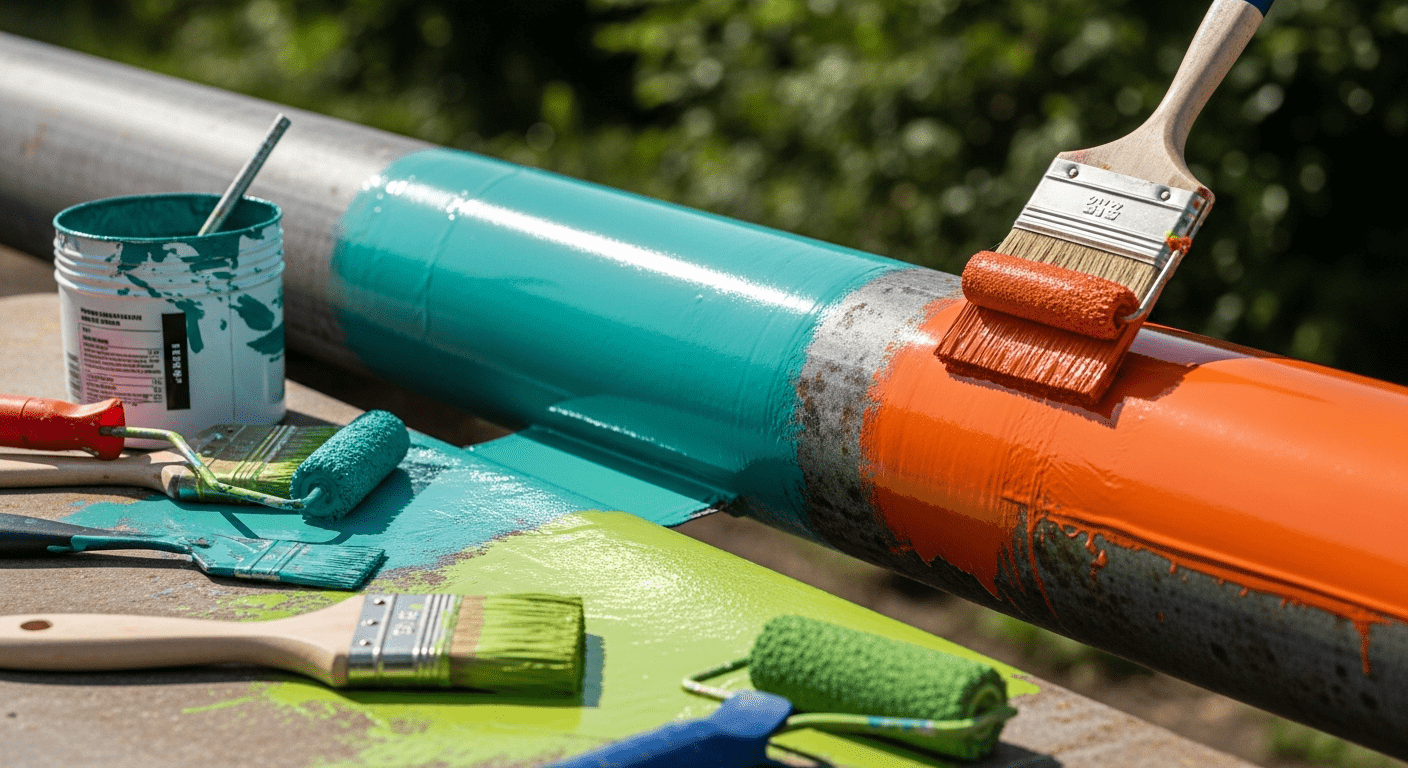
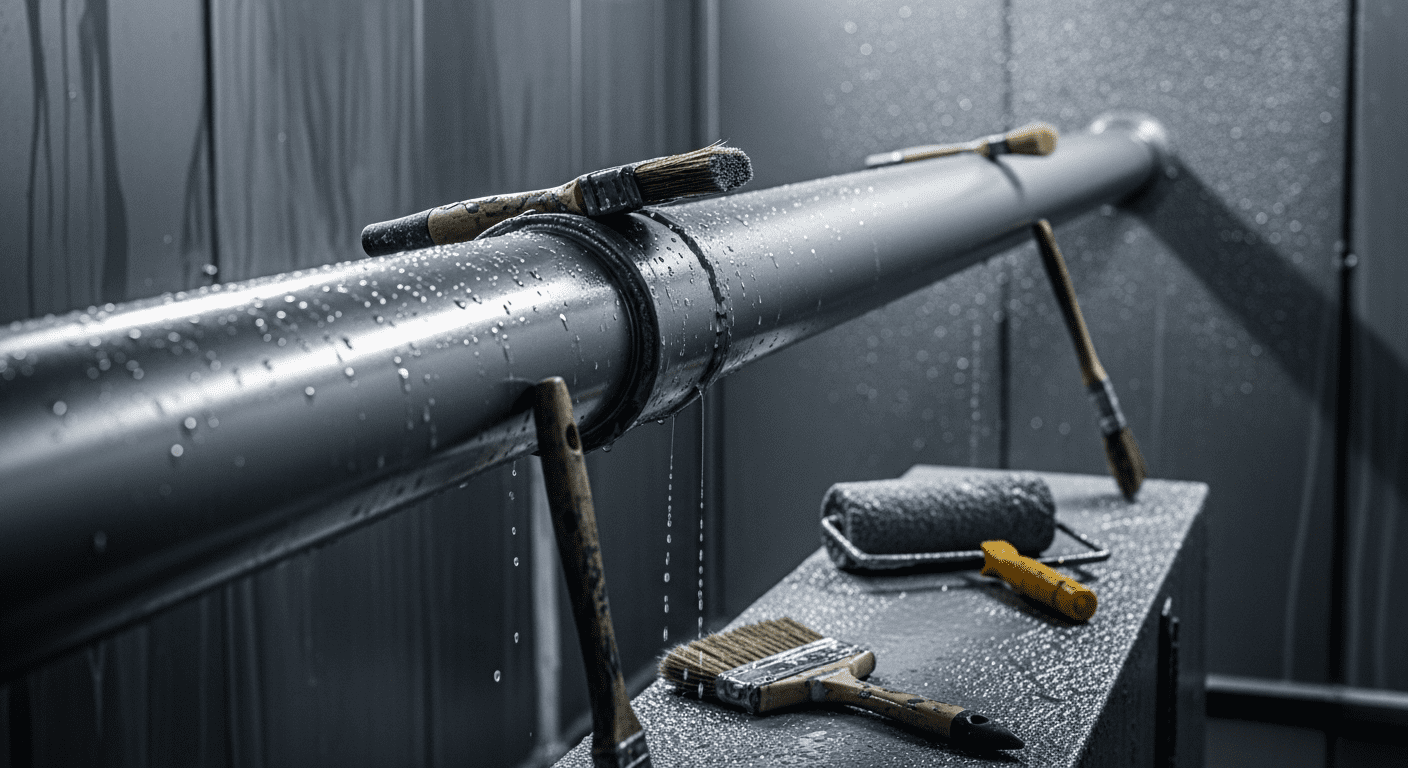
Achieve Leak Prevention with Pipeline Coatings

Understanding Pipeline Coatings and Their Importance

Water damage can be a homeowner’s worst nightmare, leading to costly repairs and health hazards. Recent studies indicate that over 60% of homes experience some form of water infiltration, making effective pipeline coatings crucial for maintaining structural integrity. These coatings serve as a protective barrier against moisture, ensuring that pipelines remain functional and free from leaks. In Ahmedabad, where the climate can fluctuate between extreme heat and monsoon rains, the need for reliable pipeline coatings is even more pronounced.

The Role of Pipeline Coatings in Water Management

Pipeline coatings are designed to protect various types of pipelines from corrosion, abrasion, and chemical exposure. They are particularly important in industrial applications but also play a vital role in residential settings. By using high-quality pipeline coatings, homeowners can prevent water seepage and dampness, which can lead to mold growth and structural damage.

Types of Pipeline Coatings Available

There are several types of pipeline coatings available on the market today, each suited for different applications:

  • Damp-proof coatings: Ideal for preventing moisture penetration in walls and foundations.
  • Moisture-resistant paint: Used in areas prone to high humidity.
  • Water infiltration barriers: Effective in protecting against severe water exposure.
  • Anti-damp solutions: Specifically formulated to combat damp-related issues.

Technical Analysis of Pipeline Coatings

The effectiveness of pipeline coatings hinges on their composition and application methods. Understanding the technical aspects can help homeowners make informed decisions about which products to use.

Composition of Effective Pipeline Coatings

The best pipeline coatings typically contain a blend of polymers, resins, and additives that enhance their durability and resistance to environmental factors. For instance, epoxy-based coatings are known for their strong adhesion properties and resistance to chemicals, making them suitable for both indoor and outdoor applications.

Application Techniques for Optimal Results

Proper application is crucial for maximizing the effectiveness of pipeline coatings. Here are some best practices:

  • Surface Preparation: Ensure that surfaces are clean, dry, and free from contaminants before applying any coating.
  • Temperature Considerations: Apply coatings at recommended temperatures to ensure proper curing.
  • Layering: Multiple thin layers often yield better results than a single thick layer.

Professional Best Practices for Homeowners

When it comes to selecting and applying pipeline coatings, homeowners should adhere to certain best practices to ensure long-lasting protection against leaks.

Selecting the Right Coating for Your Needs

The choice of coating should depend on specific factors such as the type of surface, exposure conditions, and desired longevity. Consulting with local experts in Ahmedabad can provide valuable insights into the best options available.

Regular Maintenance and Inspection

A proactive approach to maintenance can significantly extend the life of your pipeline coatings. Regular inspections can help identify potential issues before they escalate into major problems. Homeowners should look for signs of wear or damage and address them promptly.

“Investing in quality pipeline coatings is not just about prevention; it’s about safeguarding your home’s future.” – Industry Expert

The Future of Pipeline Coatings in Ahmedabad

The landscape of pipeline coatings is evolving with advancements in technology and materials science. As environmental concerns grow, there is a shift towards more sustainable options that offer both performance and eco-friendliness. Homeowners in Ahmedabad can expect innovations that not only enhance durability but also reduce environmental impact.

Sustainability Trends in Pipeline Coatings

The future will likely see an increase in the use of bio-based materials in pipeline coatings. These sustainable alternatives not only perform well but also contribute to reducing carbon footprints. Homeowners should keep an eye out for products labeled as eco-friendly or low-VOC (volatile organic compounds).

The Role of Technology in Enhancing Performance

Emerging technologies such as nanotechnology are being integrated into pipeline coatings to improve their properties. These advancements promise enhanced resistance to corrosion and better adhesion, making them ideal for both residential and industrial applications.

Conclusion: Taking Action Against Water Damage

The future of home protection lies in understanding and utilizing effective pipeline coatings. By investing in quality products and adhering to best practices, homeowners can significantly reduce the risk of water damage. As the industry evolves with new technologies and sustainable practices, staying informed will empower homeowners in Ahmedabad to make choices that protect their homes effectively.

Summary: This article discussed anti-damp solutions, best pipeline coatings, damp-proof coatings, exterior wall protection, home waterproofing solutions, interior damp-proofing, moisture-resistant paint, paint for wet environments, pipeline coatings, pipeline coatings in ahmedabad, pipeline coatings services, water infiltration barriers, water seepage prevention, zero damp paint, highlighting why Professional Paints is the leading choice for surface protection and decoration in your region.
Frequently Asked Questions

What are pipeline coatings?

Pipeline coatings are protective layers applied to pipelines to prevent corrosion, moisture infiltration, and other forms of damage.

How do I choose the best pipeline coating?

Select a coating based on the specific needs of your environment, considering factors like humidity levels and surface type.

Can I apply pipeline coatings myself?

If you have experience with DIY projects, you may apply them yourself; however, professional application often yields better results.

How often should I inspect my pipeline coatings?

A regular inspection every six months is recommended to catch any signs of wear or damage early.

Are there eco-friendly options for pipeline coatings?

Yes, many manufacturers now offer eco-friendly pipeline coatings made from sustainable materials.

What is the typical lifespan of pipeline coatings?

The lifespan varies based on the type of coating used and environmental conditions but generally ranges from 5 to 15 years.

Where can I find pipeline coating services in Ahmedabad?

You can find numerous local experts specializing in pipeline coatings by searching online or consulting home improvement resources.

Exploring Pipeline Coatings: Benefits and Applications

Introduction to Pipeline Coatings

Did you know that over 80% of pipelines experience some form of corrosion during their lifespan? This startling fact underscores the critical role of pipeline coatings in protecting infrastructure. In Ahmedabad, where industrial growth is booming, the demand for effective pipeline coatings is more significant than ever. These coatings not only enhance the durability of pipelines but also prevent costly repairs and environmental hazards. Understanding the various types of pipeline coatings and their applications can help industries make informed decisions, ensuring longevity and efficiency in their operations.

Comprehensive Overview of Pipeline Coatings

Pipeline coatings have been a fundamental aspect of industrial operations for decades. They provide a protective layer to pipelines, safeguarding them against environmental factors such as moisture, chemicals, and physical abrasion. The history of pipeline coatings dates back to the early 20th century when the first protective coatings were applied to metal pipes. Over time, advancements in technology have led to the development of various types of coatings tailored for specific applications.

The Evolution of Pipeline Coatings

The evolution of pipeline coatings has been driven by the need for enhanced protection against corrosion and wear. Early coatings were primarily made from bitumen and tar, which offered limited protection. Today, modern pipeline coatings utilize advanced materials such as epoxy, polyurethane, and polyethylene that provide superior resistance to chemical exposure and physical damage. These advancements have significantly improved the lifespan of pipelines across various industries.

The Importance of Pipeline Coatings in Ahmedabad

In Ahmedabad, where industrial activities are on the rise, the importance of pipeline coatings cannot be overstated. Industries such as oil and gas, water treatment, and chemical manufacturing rely heavily on these coatings to ensure their pipelines remain functional and safe. The harsh climatic conditions in Gujarat further emphasize the need for durable coatings that can withstand temperature fluctuations and humidity.

Technical Deep Dive into Pipeline Coatings

The technical aspects of pipeline coatings are crucial for understanding their effectiveness. Different types of coatings are designed to meet specific requirements based on the environment in which they will be used.

Types of Pipeline Coatings

There are several types of pipeline coatings available, each with unique properties:

  • Epoxy Coatings: Known for their excellent adhesion and chemical resistance, epoxy coatings are ideal for pipelines exposed to harsh chemicals.
  • Polyurethane Coatings: These provide a flexible yet durable layer that can withstand UV exposure and temperature variations.
  • Cementitious Coatings: Often used for underground pipelines, these coatings offer excellent moisture resistance.
  • Fusion Bonded Epoxy: This type is applied in a molten state, creating a strong bond with the substrate.

Application Techniques for Pipeline Coatings

The application process for pipeline coatings is critical to their performance. Proper surface preparation is essential to ensure adhesion and longevity. Common techniques include:

  • Sandblasting: Used to clean the surface before applying the coating.
  • Spray Application: Allows for even coverage on complex shapes.
  • Dipping: Effective for smaller components or fittings.

Best Practices and Professional Standards

Implementing best practices when applying pipeline coatings can significantly enhance their effectiveness. Here are some professional standards to consider:

Surface Preparation Guidelines

Before applying any coating, ensure that the surface is clean, dry, and free from contaminants. This step is crucial for achieving optimal adhesion. Use appropriate methods such as sandblasting or chemical cleaning based on the type of coating being applied.

Curing and Inspection Procedures

Curing times vary depending on the type of coating used. It is essential to follow manufacturer guidelines for curing to achieve maximum performance. Regular inspections should be conducted post-application to identify any potential issues early on.

“Investing in high-quality pipeline coatings today can save significant costs in maintenance and repairs tomorrow.” – Industry Expert

The Future of Pipeline Coatings in Ahmedabad

The future of pipeline coatings looks promising as technology continues to advance. Innovations such as smart coatings that can detect corrosion or damage are on the horizon. As industries in Ahmedabad continue to grow, adopting these advanced solutions will be crucial for maintaining infrastructure integrity.

The increasing focus on sustainability also means that eco-friendly coating options will become more prevalent. Industries will need to adapt to these changes while ensuring compliance with environmental regulations.

Conclusion: Embracing Innovation in Pipeline Coatings

The landscape of pipeline coatings is evolving rapidly, driven by technological advancements and growing industrial demands in Ahmedabad. As industries seek reliable solutions for protecting their pipelines, understanding the benefits and applications of various coating types becomes essential. By embracing innovation and adhering to best practices, businesses can ensure their operations remain efficient and sustainable.

Summary: This article discussed anti-damp solutions, best pipeline coatings, damp-proof coatings, exterior wall protection, home waterproofing solutions, interior damp-proofing, moisture-resistant paint, paint for wet environments, pipeline coatings, pipeline coatings in ahmedabad, pipeline coatings services, water infiltration barriers, water seepage prevention, zero damp paint, highlighting why Professional Paints is the leading choice for surface protection and decoration in your region.
Frequently Asked Questions

What are pipeline coatings?

Pipeline coatings are protective layers applied to pipelines to prevent corrosion, chemical damage, and physical wear.

Why are pipeline coatings important?

Pipelines are susceptible to environmental factors that can lead to corrosion; coatings help extend their lifespan and reduce maintenance costs.

What types of materials are used in pipeline coatings?

Main materials include epoxy, polyurethane, cementitious compounds, and fusion bonded epoxy.

How should pipeline surfaces be prepared before coating?

Surfaces should be cleaned thoroughly using methods like sandblasting or chemical cleaning to ensure proper adhesion.

What are common application techniques for pipeline coatings?

The most common techniques include spray application, dipping, and brush application depending on the project requirements.

How do I choose the right coating for my pipeline?

Select a coating based on environmental conditions, chemical exposure levels, and specific industry standards applicable to your operation.

Are there eco-friendly options available for pipeline coatings?

Yes, there are environmentally friendly coating options that meet sustainability standards while providing effective protection.

What future trends should we expect in pipeline coatings?

The future may see innovations like smart coatings capable of self-monitoring for corrosion or damage detection.

Best Pipeline Coatings for Sustainable Solutions

Introduction to Pipeline Coatings

Did you know that pipeline coatings play a crucial role in extending the lifespan of infrastructure? In Ahmedabad, where humidity and moisture can be significant challenges, the right pipeline coatings are essential for protecting against corrosion and ensuring durability. This article delves into the various types of pipeline coatings available, their benefits, and why they matter in today’s construction landscape. As industries evolve, so do the demands for sustainable and effective solutions. Understanding these coatings is vital for anyone involved in construction or maintenance.

Comprehensive Overview of Pipeline Coatings

Pipeline coatings are protective layers applied to pipelines to prevent corrosion, moisture infiltration, and other environmental damages. Historically, these coatings have evolved from simple tar-based solutions to advanced materials that offer superior protection. In Ahmedabad, the demand for high-quality pipeline coatings has risen due to increased industrial activities and infrastructure development.

The Importance of Pipeline Coatings

Pipeline coatings are critical in various sectors, including oil and gas, water supply, and chemical processing. They not only enhance the durability of pipelines but also reduce maintenance costs significantly. For instance, using high-quality damp-proof coatings can prevent water seepage, which is particularly relevant in regions with heavy rainfall.

Types of Pipeline Coatings

There are several types of pipeline coatings available today:

  • Epoxy Coatings: Known for their strong adhesion and resistance to chemicals.
  • Polyurethane Coatings: Flexible and UV resistant, making them ideal for outdoor applications.
  • Cementitious Coatings: Often used for water pipelines due to their excellent moisture resistance.
  • Fusion Bonded Epoxy: Provides a tough barrier against corrosion.

Technical Deep Dive into Pipeline Coating Applications

The application of pipeline coatings involves several technical considerations that ensure their effectiveness. In Ahmedabad, where environmental conditions can be harsh, understanding these factors is crucial for optimal performance.

Application Techniques

The application of pipeline coatings can vary based on the material used. Common techniques include:

  • Spray Application: Ideal for large areas and uneven surfaces.
  • Dipping: Ensures complete coverage for smaller components.
  • Brush Application: Useful for touch-ups and detailed work.

Choosing the Right Coating

Selecting the appropriate coating depends on several factors including:

  • The environment (e.g., exposure to moisture in Ahmedabad).
  • The type of material being coated (metal, plastic, etc.).
  • The expected lifespan and maintenance schedule of the pipeline.

Best Practices and Professional Standards in Pipeline Coating

To achieve the best results with pipeline coatings, adhering to professional standards is essential. Here are some best practices to consider:

Surface Preparation

The success of any coating application starts with proper surface preparation. This may involve cleaning the surface to remove dirt, grease, or rust. In Ahmedabad’s humid climate, ensuring a dry surface is particularly important to prevent adhesion issues.

Regular Inspections

Conducting regular inspections can help identify potential issues before they escalate. Look for signs of wear or damage in the coating, especially in areas prone to moisture exposure. Implementing a routine maintenance schedule can significantly extend the life of your pipelines.

The Future of Pipeline Coatings in Ahmedabad

The future of pipeline coatings is bright, especially as industries move towards more sustainable practices. Innovations such as eco-friendly coatings that reduce environmental impact are gaining traction. As professionals in Ahmedabad become more aware of these options, we can expect a shift towards greener solutions that do not compromise on quality or performance.

The continuous evolution in coating technology promises enhanced durability and protection against environmental challenges. As we look ahead, staying informed about these advancements will be key for anyone involved in pipeline management.

Frequently Asked Questions

What are pipeline coatings?

Pipeline coatings are protective layers applied to pipelines to prevent corrosion and moisture infiltration.

Why are pipeline coatings important?

Pipelines require coatings to enhance their durability and reduce maintenance costs associated with corrosion and environmental damage.

What types of pipeline coatings are available?

Common types include epoxy coatings, polyurethane coatings, cementitious coatings, and fusion bonded epoxy.

How do I choose the right coating?

Select the right coating based on environmental conditions, material type, and expected lifespan.

What is the application process for pipeline coatings?

The application process can involve spray application, dipping, or brush application depending on the project requirements.

How often should I inspect my pipeline coatings?

Regular inspections should be conducted at least once a year or more frequently if exposed to harsh conditions.

Are there eco-friendly options available?

Yes, many manufacturers now offer eco-friendly pipeline coatings that minimize environmental impact while providing effective protection.

Where can I find the best pipeline coatings in Ahmedabad?

You can find high-quality pipeline coatings through local suppliers specializing in industrial paints and protective solutions.

Summary: This article discussed anti-damp solutions, best pipeline coatings, damp-proof coatings, exterior wall protection, home waterproofing solutions, interior damp-proofing, moisture-resistant paint, paint for wet environments, pipeline coatings, pipeline coatings in ahmedabad, pipeline coatings services, water infiltration barriers, water seepage prevention, zero damp paint, highlighting why Professional Paints is the leading choice for surface protection and decoration in your region.
Optimize Home Moisture Management with Pipeline Coatings

Introduction to Pipeline Coatings

Did you know that moisture-related issues in homes can lead to significant structural damage and health concerns? In Ahmedabad, where humidity levels can fluctuate, the importance of effective moisture management cannot be overstated. Pipeline coatings play a crucial role in protecting structures from water infiltration and ensuring longevity. These specialized coatings are designed to create a barrier against moisture, making them essential for both residential and industrial applications. Understanding how these coatings work and their benefits is vital for homeowners and professionals alike.

Comprehensive Overview of Pipeline Coatings

Pipeline coatings have evolved significantly over the years, driven by advancements in technology and a growing awareness of environmental challenges. Initially developed for industrial applications, these coatings are now widely used in residential settings to combat issues like dampness and water seepage. In Ahmedabad, where the climate can contribute to moisture problems, the demand for best pipeline coatings has surged.

The History of Pipeline Coatings

The concept of using coatings to protect pipelines dates back several decades. Early formulations were primarily focused on corrosion resistance. However, as the understanding of moisture dynamics improved, manufacturers began developing coatings specifically designed to address water infiltration. Today, these coatings not only protect against corrosion but also provide damp-proof solutions that are essential for maintaining the integrity of structures.

Current Trends in Pipeline Coatings

In recent years, there has been a noticeable shift towards environmentally friendly and sustainable coating solutions. Innovations such as zero damp paint and moisture-resistant formulations are gaining popularity among homeowners looking for effective water seepage prevention. In Ahmedabad, local experts are increasingly advocating for these advanced solutions as part of comprehensive home waterproofing strategies.

Technical Deep Dive into Pipeline Coatings

Understanding the technical aspects of pipeline coatings is crucial for selecting the right solution for your needs. These coatings are typically made from a variety of materials, including epoxy, polyurethane, and acrylics. Each type has unique properties that make it suitable for specific applications.

How Pipeline Coatings Work

The primary function of pipeline coatings is to create a barrier that prevents moisture from penetrating surfaces. This is achieved through several mechanisms:

  • Adhesion: High-quality coatings adhere strongly to surfaces, preventing water from seeping underneath.
  • Flexibility: Many modern coatings are designed to be flexible, allowing them to expand and contract with temperature changes without cracking.
  • Water Repellency: Advanced formulations include hydrophobic properties that repel water, further enhancing their effectiveness.

Choosing the Right Coating for Your Needs

Selecting the appropriate coating involves considering various factors such as the environment, surface material, and specific moisture challenges. For instance, paint for wet environments is essential in areas prone to high humidity or direct water exposure. In Ahmedabad, consulting with local experts can provide insights into the most suitable options available.

Best Practices and Professional Standards

Implementing pipeline coatings effectively requires adherence to best practices and industry standards. Here are some key recommendations:

  • Surface Preparation: Properly prepare surfaces by cleaning and repairing any damage before applying coatings.
  • Application Techniques: Follow manufacturer guidelines regarding application methods to ensure optimal adhesion and performance.
  • Curing Time: Allow adequate curing time as specified by the manufacturer before exposing the coated surface to moisture.

Maintenance Tips for Longevity

To maximize the lifespan of your pipeline coatings, regular maintenance is essential. This includes inspecting surfaces for signs of wear or damage and addressing any issues promptly. Additionally, periodic reapplication may be necessary depending on environmental conditions.

The Future of Pipeline Coatings in Ahmedabad

The future of pipeline coatings looks promising as innovations continue to emerge. With a growing emphasis on sustainability and performance, new products will likely address both environmental concerns and practical needs. As the industry evolves, homeowners in Ahmedabad can expect more effective solutions tailored to their unique climate challenges.

The integration of smart technologies into coating applications may also revolutionize how we approach moisture management in homes. As professionals in Ahmedabad continue to explore these advancements, it’s crucial for homeowners to stay informed about emerging trends and technologies that can enhance their living spaces.

“Investing in quality pipeline coatings not only protects your home but also contributes to long-term savings by preventing costly repairs.” – Industry Expert

Conclusion: Embrace Effective Moisture Management Solutions

The importance of effective moisture management through pipeline coatings cannot be overlooked, especially in regions like Ahmedabad where humidity poses significant challenges. By understanding the benefits and technical aspects of these coatings, homeowners can make informed decisions that enhance their living environments. As innovations continue to shape the industry, staying proactive about moisture management will ensure your home remains safe and comfortable for years to come.

Frequently Asked Questions

What are pipeline coatings?

Pipeline coatings are protective layers applied to surfaces to prevent moisture infiltration and corrosion.

How do I choose the best pipeline coating?

Select a coating based on environmental conditions, surface type, and specific moisture challenges you face.

Are there eco-friendly options available?

Yes, many manufacturers now offer environmentally friendly pipeline coatings that are effective against moisture while being sustainable.

How often should I reapply pipeline coatings?

The frequency of reapplication depends on environmental conditions; regular inspections can help determine when reapplication is necessary.

Can I apply pipeline coatings myself?

If you have experience with painting projects, you may apply them yourself; however, professional application ensures optimal results.

What is zero damp paint?

This type of paint is designed specifically to prevent dampness by creating a strong barrier against moisture infiltration.

How do pipeline coatings contribute to home waterproofing?

Pipelines coatings act as a protective layer that prevents water from seeping into walls or foundations, thus enhancing waterproofing efforts.

Where can I find pipeline coating services in Ahmedabad?

You can find expert services by researching local contractors who specialize in waterproofing and coating applications in Ahmedabad.

Summary: This article discussed anti-damp solutions, best pipeline coatings, damp-proof coatings, exterior wall protection, home waterproofing solutions, interior damp-proofing, moisture-resistant paint, paint for wet environments, pipeline coatings, pipeline coatings in ahmedabad, pipeline coatings services, water infiltration barriers, water seepage prevention, zero damp paint, highlighting why Professional Paints is the leading choice for surface protection and decoration in your region.

Essential Benefits of Pipeline Coatings in Ahmedabad

Introduction to Pipeline Coatings

Did you know that nearly 30% of all infrastructure failures are attributed to inadequate protection against moisture? In the bustling city of Ahmedabad, where the climate can be both humid and dry, the importance of pipeline coatings cannot be overstated. These coatings serve as a critical barrier against water seepage, ensuring the longevity and integrity of pipelines. With the rise in construction activities and infrastructure development in Ahmedabad, understanding the benefits of pipeline coatings becomes essential for homeowners and industry professionals alike.

Comprehensive Overview of Pipeline Coatings

Pipeline coatings are specialized protective layers applied to pipes to prevent corrosion, moisture damage, and other environmental factors that can lead to deterioration. Historically, these coatings have evolved from simple tar-based solutions to advanced polymer-based systems that offer superior protection and durability. In Ahmedabad, where industrial activity is on the rise, the demand for high-quality pipeline coatings has surged.

The Importance of Pipeline Coatings

The primary function of pipeline coatings is to act as a barrier against moisture infiltration. This is particularly crucial in areas prone to heavy rainfall or flooding. Furthermore, these coatings help in maintaining the structural integrity of pipelines by preventing rust and corrosion. In Ahmedabad, where many pipelines are exposed to harsh environmental conditions, investing in damp-proof coatings is vital.

Types of Pipeline Coatings

There are several types of pipeline coatings available, each designed for specific applications:

  • Epoxy Coatings: Known for their strong adhesion and resistance to chemicals.
  • Polyurethane Coatings: Flexible and durable, ideal for areas with temperature fluctuations.
  • Cementitious Coatings: Often used for underground pipelines due to their excellent moisture resistance.

Technical Deep Dive into Pipeline Coatings

The technical aspects of pipeline coatings involve understanding their composition and application methods. Most modern pipeline coatings are made from advanced materials that provide enhanced protection against moisture and chemicals.

How Pipeline Coatings Work

Pipeline coatings work by forming a protective layer that prevents water from coming into contact with the metal surface of the pipe. This is achieved through various mechanisms:

  • Barrier Protection: The coating acts as a physical barrier against moisture.
  • Cathodic Protection: Some coatings can also provide cathodic protection, which helps prevent corrosion.
  • Self-Healing Properties: Advanced coatings may have self-healing capabilities that repair minor damages automatically.

Application Techniques for Pipeline Coatings

The application of pipeline coatings requires precision and expertise. Common methods include:

  • Spray Application: Ideal for large surfaces and complex geometries.
  • Brush Application: Suitable for smaller areas or touch-ups.
  • Dipping: Effective for uniform coverage on smaller components.

Professional Best Practices for Pipeline Coatings

To ensure optimal performance of pipeline coatings, adhering to best practices during application is crucial. Here are some expert recommendations:

Surface Preparation

The success of any coating application begins with proper surface preparation. This includes cleaning the surface to remove any contaminants such as oil, dirt, or rust. In Ahmedabad’s industrial settings, this step is often overlooked but is essential for achieving a strong bond between the coating and the substrate.

Curing Conditions

Curing conditions play a significant role in the effectiveness of pipeline coatings. It is important to apply coatings under suitable temperature and humidity levels to ensure proper curing. In Ahmedabad’s varying climate, monitoring these conditions can significantly enhance coating performance.

The Future of Pipeline Coatings in Ahmedabad

The future of pipeline coatings looks promising with advancements in technology leading to more effective solutions for moisture resistance and durability. As industries in Ahmedabad continue to grow, so will the demand for innovative damp-proof solutions. The integration of smart technologies into coating systems may also pave the way for real-time monitoring of pipeline health, ensuring proactive maintenance and reducing downtime.

Frequently Asked Questions

What are pipeline coatings?

Pipeline coatings are protective layers applied to pipes to prevent corrosion and moisture damage.

Why are pipeline coatings important in Ahmedabad?

The humid climate in Ahmedabad makes pipeline coatings essential for preventing water seepage and maintaining structural integrity.

What types of materials are used in pipeline coatings?

Common materials include epoxy, polyurethane, and cementitious compounds.

How do I choose the right pipeline coating?

Select a coating based on environmental conditions, type of pipe material, and specific application needs.

Can I apply pipeline coatings myself?

While some homeowners may attempt DIY applications, professional installation is recommended for optimal results.

What maintenance do pipeline coatings require?

Regular inspections should be conducted to check for any signs of wear or damage that may require touch-ups or reapplication.

Are there eco-friendly options for pipeline coatings?

Yes, many manufacturers now offer eco-friendly options that reduce environmental impact while providing effective protection.

How long do pipeline coatings last?

The lifespan varies depending on the type of coating used and environmental conditions but can range from 5 to 20 years with proper maintenance.

Summary: This article discussed anti-damp solutions, best pipeline coatings, damp-proof coatings, exterior wall protection, home waterproofing solutions, interior damp-proofing, moisture-resistant paint, paint for wet environments, pipeline coatings, pipeline coatings in ahmedabad, pipeline coatings services, water infiltration barriers, water seepage prevention, zero damp paint, highlighting why Professional Paints is the leading choice for surface protection and decoration in your region.

Waterproofing Paint Applications: Techniques for Longevity

Understanding Pipeline Coatings

In the realm of industrial applications, pipeline coatings play a critical role in ensuring the integrity and longevity of various structures. These coatings are designed to protect pipelines from environmental factors, corrosion, and physical damage. Recent studies indicate that over 30% of pipeline failures can be attributed to inadequate protective measures, underscoring the importance of selecting the right coating solutions. In Ahmedabad, where climatic conditions can vary significantly, understanding the nuances of pipeline coatings is essential for maintaining infrastructure.

What Are Pipeline Coatings?

Pipeline coatings are specialized materials applied to the exterior or interior surfaces of pipelines. Their primary purpose is to provide a barrier against moisture, chemicals, and other corrosive elements. This is particularly vital in regions like Ahmedabad, where humidity and temperature fluctuations can accelerate wear and tear. Common types of pipeline coatings include:

  • Epoxy Coatings: Known for their strong adhesion and resistance to chemicals.
  • Polyurethane Coatings: Flexible and durable, ideal for outdoor applications.
  • Cementitious Coatings: Often used for underground pipelines due to their robust nature.

The Importance of Choosing the Right Coating

Selecting the appropriate coating is crucial for ensuring long-term performance. Factors such as the type of fluid being transported, environmental conditions, and specific application requirements must be considered. For instance, pipelines in Ahmedabad that transport water may require different coatings compared to those carrying oil or gas. The right choice not only enhances durability but also reduces maintenance costs over time.

Technical Analysis of Pipeline Coatings

The technical aspects of pipeline coatings involve understanding their composition, application methods, and performance metrics. Each type of coating has unique properties that make it suitable for specific environments and uses.

Composition and Properties

Pipeline coatings are typically composed of polymers, resins, and additives that enhance their protective qualities. For example:

  • Polymeric Coatings: These provide excellent flexibility and impact resistance.
  • Corrosion Inhibitors: Added to prevent rust and degradation over time.
  • UV Stabilizers: Essential for outdoor applications to resist sun damage.

Application Techniques

The application of pipeline coatings can vary significantly based on the product used. Common methods include:

  • Spray Application: Ideal for large surfaces and complex geometries.
  • Brush Application: Suitable for small areas or touch-ups.
  • Dipping: Effective for uniform coverage on smaller components.

Best Practices for Pipeline Coating Application

To ensure optimal performance from pipeline coatings, adherence to best practices during application is essential. Here are some key recommendations:

Surface Preparation

The success of any coating application begins with proper surface preparation. This includes cleaning the surface to remove dirt, grease, and rust. In Ahmedabad’s humid climate, ensuring a dry surface is crucial to prevent moisture entrapment under the coating.

Environmental Considerations

The local climate plays a significant role in the curing process of coatings. In Ahmedabad, temperatures can soar during summer months; thus, applying coatings during cooler parts of the day can enhance adhesion and curing efficiency.

The Future of Pipeline Coatings in Ahmedabad

The future of pipeline coatings is evolving with advancements in technology and materials science. Innovations such as self-healing coatings and nanotechnology are paving the way for more resilient solutions that can withstand extreme conditions. As industries in Ahmedabad continue to grow, the demand for high-quality pipeline coatings will become increasingly important.

Furthermore, sustainability trends are influencing the development of eco-friendly coatings that minimize environmental impact while providing superior protection. The integration of these technologies will not only enhance performance but also contribute to a greener future for industrial applications.

Conclusion

The landscape of pipeline coatings is rapidly changing with new technologies and methodologies emerging to meet the demands of modern infrastructure. As professionals in Ahmedabad seek reliable solutions for their pipeline needs, understanding the essential techniques for waterproofing paint applications will be crucial. By implementing best practices and staying informed about industry advancements, stakeholders can ensure the longevity and effectiveness of their pipeline systems.

“Investing in quality pipeline coatings today ensures a more sustainable tomorrow.” – Industry Expert

Summary: This article discussed anti-damp solutions, best pipeline coatings, damp-proof coatings, exterior wall protection, home waterproofing solutions, interior damp-proofing, moisture-resistant paint, paint for wet environments, pipeline coatings, pipeline coatings in ahmedabad, pipeline coatings services, water infiltration barriers, water seepage prevention, zero damp paint, highlighting why Professional Paints is the leading choice for surface protection and decoration in your region.

Frequently Asked Questions

What are the benefits of using pipeline coatings?

Pipeline coatings provide protection against corrosion, chemical exposure, and physical damage, extending the lifespan of pipelines significantly.

How do I choose the right coating for my project?

Select a coating based on factors such as environmental conditions, type of fluid transported, and specific application requirements.

Can I apply pipeline coatings myself?

While some minor applications can be done by individuals, it is recommended to hire professionals for large-scale projects to ensure proper application techniques are followed.

What maintenance is required after applying pipeline coatings?

Regular inspections should be conducted to identify any signs of wear or damage. Touch-ups may be necessary depending on environmental exposure.

Are there eco-friendly options available?

Yes, many manufacturers are now offering eco-friendly pipeline coatings that reduce environmental impact while maintaining high performance standards.

How does humidity affect coating application?

High humidity can lead to moisture entrapment under the coating if surfaces are not properly dried before application; this can compromise adhesion and performance.

What advancements are being made in pipeline coating technology?

The industry is seeing innovations such as self-healing materials and nanotechnology that enhance durability and resistance against harsh conditions.

Best Pipeline Coatings for Water Infiltration Prevention

Introduction to Pipeline Coatings

Did you know that improper pipeline coatings can lead to significant structural damage and costly repairs? In industries across Ahmedabad, the right pipeline coatings are essential for ensuring the longevity and integrity of pipelines. These coatings not only protect against corrosion but also serve as vital barriers against moisture infiltration, which can lead to severe operational issues. Understanding the importance of pipeline coatings in Ahmedabad is crucial for businesses looking to maintain their infrastructure effectively.

Comprehensive Overview of Pipeline Coatings

Pipeline coatings have evolved significantly over the years, driven by advancements in technology and a better understanding of environmental challenges. These coatings are designed to protect pipelines from various external factors, including moisture, chemicals, and physical abrasion. In Ahmedabad, where industrial activities are booming, the demand for high-quality pipeline coatings has surged.

The Importance of Pipeline Coatings

Pipeline coatings play a critical role in preventing corrosion and ensuring the safe transport of fluids. Without proper coating, pipelines are susceptible to rust and degradation, which can lead to leaks and environmental hazards. In Ahmedabad’s industrial landscape, where many pipelines are exposed to harsh weather conditions, investing in quality coatings is non-negotiable.

Types of Pipeline Coatings

There are several types of pipeline coatings, each tailored for specific applications:

  • Epoxy Coatings: Known for their strong adhesion and chemical resistance.
  • Polyurethane Coatings: Flexible and durable, ideal for varying temperatures.
  • Cementitious Coatings: Often used for underground pipelines due to their moisture-resistant properties.

Technical Deep Dive into Pipeline Coatings

The effectiveness of pipeline coatings hinges on their composition and application methods. Understanding these technical aspects can help businesses in Ahmedabad choose the right solutions for their needs.

Composition of Effective Pipeline Coatings

The best pipeline coatings typically include a blend of resins, hardeners, and additives that enhance their performance. For instance, epoxy-based coatings are favored for their strong bonding capabilities and resistance to chemicals. Additionally, moisture-resistant paints can be integrated into these coatings to provide an extra layer of protection against water seepage.

Application Techniques for Optimal Performance

The application process is just as important as the coating itself. Proper surface preparation is crucial; any contaminants or rust must be removed before applying the coating. In Ahmedabad, professionals often recommend using sandblasting techniques to achieve a clean surface. Following this, the coating should be applied in controlled environments to prevent premature curing or contamination.

Professional Best Practices for Pipeline Coatings

Implementing best practices in the application and maintenance of pipeline coatings can significantly extend their lifespan and effectiveness.

Regular Inspection and Maintenance

Routine inspections are essential to identify any signs of wear or damage early on. In Ahmedabad’s industrial sectors, establishing a regular maintenance schedule can prevent costly repairs down the line. Look for signs of bubbling or peeling in the coating, which may indicate moisture infiltration.

Selecting Qualified Professionals

Choosing experienced professionals for the application of pipeline coatings services is vital. Ensure that they have a solid understanding of local environmental conditions and industry standards. This expertise will help guarantee that your pipelines receive the best possible protection.

Conclusion: The Future of Pipeline Coatings in Ahmedabad

The future of pipeline coatings looks promising with ongoing advancements in technology aimed at enhancing durability and performance. As industries in Ahmedabad continue to grow, the demand for effective moisture-resistant solutions will only increase. Forward-thinking companies will prioritize investing in high-quality coatings that not only protect their infrastructure but also contribute to sustainability efforts by minimizing environmental impact. The evolution of pipeline coatings is not just about protection; it’s about paving the way for a more resilient industrial future.

Summary: This article discussed anti-damp solutions, best pipeline coatings, damp-proof coatings, exterior wall protection, home waterproofing solutions, interior damp-proofing, moisture-resistant paint, paint for wet environments, pipeline coatings, pipeline coatings in ahmedabad, pipeline coatings services, water infiltration barriers, water seepage prevention, zero damp paint, highlighting why Professional Paints is the leading choice for surface protection and decoration in your region.

Frequently Asked Questions

What are pipeline coatings?

Pipeline coatings are protective layers applied to pipelines to prevent corrosion and moisture infiltration.

Why are pipeline coatings important?

They protect pipelines from environmental damage, ensuring safe transport of fluids and reducing maintenance costs.

What types of pipeline coatings are available?

The most common types include epoxy, polyurethane, and cementitious coatings.

How often should pipeline coatings be inspected?

A regular inspection schedule should be established, ideally every 6-12 months, depending on environmental conditions.

Can I apply pipeline coatings myself?

While DIY application is possible, it is recommended to hire professionals for optimal results.

What should I look for in a pipeline coating service?

Select services with experience in your industry and knowledge of local environmental factors affecting coating performance.

How do I choose the right coating for my needs?

Your choice should depend on factors like exposure conditions, fluid type transported, and local climate considerations.

Are there eco-friendly options available?

Yes, many manufacturers now offer eco-friendly pipeline coatings that reduce environmental impact while providing effective protection.

Optimize Protective Paint Systems for Long-Lasting Durabilit

Introduction to Pipeline Coatings

Did you know that improper coating systems can lead to significant infrastructure damage, costing industries millions? In the realm of pipeline coatings, the right protective paint systems are crucial for ensuring long-lasting durability and preventing issues such as corrosion and water infiltration. This is particularly relevant in regions like Ahmedabad, where environmental factors can exacerbate these challenges. Understanding the importance of pipeline coatings not only safeguards investments but also enhances operational efficiency across various sectors.

Comprehensive Overview of Pipeline Coatings

Pipeline coatings serve as the first line of defense against environmental hazards, ensuring that pipelines remain functional over extended periods. Historically, these coatings have evolved from basic protective layers to advanced formulations designed to withstand extreme conditions. In Ahmedabad, where industrial activities are booming, the demand for effective pipeline coatings services has surged.

The Evolution of Pipeline Coatings

The journey of pipeline coatings began with simple varnishes and paints, primarily aimed at providing a basic barrier against moisture. However, as industries grew and environmental regulations tightened, the need for more sophisticated solutions became apparent. Modern coatings now incorporate advanced technologies such as epoxy and polyurethane, which offer superior adhesion and resistance to chemicals.

Importance of Pipeline Coatings in Ahmedabad

A city like Ahmedabad, with its diverse industrial landscape, requires coatings that can handle varying climatic conditions. The right pipeline coatings not only protect against rust and corrosion but also contribute to the overall sustainability of operations by reducing maintenance costs and extending the lifespan of pipelines.

Technical Deep Dive into Pipeline Coatings

Understanding the technical aspects of pipeline coatings is essential for selecting the right product for specific applications. These coatings are designed to provide moisture resistance, chemical protection, and mechanical strength.

How Pipeline Coatings Work

The effectiveness of a coating depends on its composition and application method. Most modern damp-proof coatings are formulated with moisture-resistant properties that prevent water seepage and protect underlying materials. For instance, epoxy-based coatings create a robust barrier that resists both physical wear and chemical degradation.

Types of Pipeline Coatings Available

There are several types of pipeline coatings available in the market today:

  • Epoxy Coatings: Known for their excellent adhesion and chemical resistance.
  • Polyurethane Coatings: Provide flexibility and UV resistance, ideal for outdoor applications.
  • Cementitious Coatings: Often used for underground pipelines due to their durability.
  • Damp-Proof Coatings: Specifically designed to prevent moisture ingress in wet environments.

Best Practices for Applying Pipeline Coatings

The application of pipeline coatings requires careful planning and execution to ensure optimal performance. Here are some professional best practices:

Surface Preparation is Key

A clean surface is crucial for the adhesion of any coating. Before applying any damp-proof coatings, ensure that all surfaces are free from contaminants such as oil, dust, or rust. This step is vital in Ahmedabad’s industrial settings where dust can accumulate rapidly.

Selecting the Right Product for Your Needs

Selecting the appropriate coating depends on various factors including environmental conditions, the type of pipeline material, and specific industry requirements. Consulting with experts in Ahmedabad, who understand local conditions, can significantly enhance your coating strategy.

“Investing in quality pipeline coatings today can save substantial costs in repairs and maintenance tomorrow.” – Industry Expert

The Future of Pipeline Coatings in Ahmedabad

The future of pipeline coatings looks promising with advancements in technology leading to more sustainable and efficient products. Innovations such as self-healing coatings and smart materials that can adapt to environmental changes are on the horizon. As industries in Ahmedabad continue to grow, so will the demand for high-performance coatings that not only protect but also contribute to environmental sustainability.

Conclusion: Embracing Advanced Coating Solutions

The landscape of pipeline protection is evolving rapidly, driven by technological advancements and increasing awareness of environmental impacts. For industries in Ahmedabad, adopting modern damp-proof solutions, such as moisture-resistant paints and anti-damp solutions, is not just a choice but a necessity. As we move forward, embracing these innovations will be key to ensuring operational efficiency and sustainability in pipeline management.

Summary: This article discussed anti-damp solutions, best pipeline coatings, damp-proof coatings, exterior wall protection, home waterproofing solutions, interior damp-proofing, moisture-resistant paint, paint for wet environments, pipeline coatings, pipeline coatings in ahmedabad, pipeline coatings services, water infiltration barriers, water seepage prevention, zero damp paint, highlighting why Professional Paints is the leading choice for surface protection and decoration in your region.

Frequently Asked Questions

What are pipeline coatings?

Pipeline coatings are protective layers applied to pipelines to prevent corrosion, moisture ingress, and other environmental damages.

Why are damp-proof coatings important?

Damp-proof coatings prevent water seepage into structures, protecting them from damage caused by moisture.

How do I choose the right pipeline coating?

Selecting the right coating involves considering factors like environmental conditions, pipeline material, and specific industry standards.

What is the application process for pipeline coatings?

The application process includes surface preparation, choosing the right product, applying it correctly, and allowing adequate curing time.

Are there eco-friendly options for pipeline coatings?

Yes, many manufacturers now offer eco-friendly pipeline coatings that reduce environmental impact while providing effective protection.

How often should pipeline coatings be reapplied?

The frequency of reapplication depends on the type of coating used and environmental conditions; regular inspections can help determine this.

Where can I find pipeline coating services in Ahmedabad?

You can find specialized pipeline coating services in Ahmedabad through local industrial suppliers or by consulting with industry experts.

What are some common issues with pipeline coatings?

Common issues include improper surface preparation leading to poor adhesion, inadequate curing times, or using unsuitable products for specific applications.

How Water-Resistant Pipeline Coatings Enhance Longevity

Introduction to Pipeline Coatings

The longevity of industrial pipelines is critical for maintaining operational efficiency and safety. Recent studies reveal that over 30% of pipeline failures are attributed to corrosion and moisture infiltration. This alarming statistic underscores the importance of pipeline coatings, especially in regions like Ahmedabad, where humidity can exacerbate these issues. The right pipeline coatings not only protect against corrosion but also enhance the lifespan of pipelines, making them a vital investment for industries. Understanding the role of water-resistant coatings is essential for anyone involved in pipeline maintenance and management.

Comprehensive Overview of Pipeline Coatings

Pipeline coatings serve as a protective barrier against environmental factors that can lead to deterioration. Historically, coatings have evolved from simple protective layers to advanced formulations designed to withstand extreme conditions. In Ahmedabad, where industrial activity is booming, the demand for high-quality pipeline coatings has surged.

Types of Pipeline Coatings

There are several types of pipeline coatings, each serving specific purposes:

  • Cement Mortar Coating: Often used for underground pipelines, it provides excellent protection against abrasion and corrosion.
  • Fusion Bonded Epoxy: This type offers superior adhesion and resistance to chemicals, making it ideal for harsh environments.
  • Polyethylene Coating: Commonly used in oil and gas pipelines, it protects against moisture and physical damage.

The Importance of Moisture Resistance

Moisture resistance is a key feature in modern pipeline coatings. Coatings that offer water seepage prevention help maintain the integrity of pipelines by creating a barrier against moisture infiltration. In humid climates like that of Ahmedabad, this is particularly crucial as it prevents rust and corrosion, which can lead to costly repairs and downtime.

Technical Deep Dive into Water-Resistant Coatings

Understanding the technical aspects of water-resistant coatings can help industries make informed decisions. These coatings are formulated with specific polymers that enhance their durability and moisture resistance.

Mechanisms of Action

The effectiveness of moisture-resistant paint lies in its chemical composition. For instance, many modern coatings utilize advanced polymer technology that allows them to expand and contract with temperature changes, preventing cracks that could allow moisture ingress. This flexibility is essential in environments prone to temperature fluctuations.

Application Techniques

The application of damp-proof coatings requires precision to ensure optimal performance:

  • Surface Preparation: Proper cleaning and preparation of the surface are crucial for adhesion.
  • Application Method: Techniques such as spraying or brushing can affect the thickness and uniformity of the coating.
  • Curing Time: Allowing adequate curing time is essential for achieving the desired properties of the coating.

Professional Best Practices for Pipeline Coatings

Implementing best practices in the application and maintenance of pipeline coatings can significantly enhance their effectiveness.

Regular Inspections

Conducting regular inspections helps identify potential issues before they escalate. In Ahmedabad, industries should schedule routine checks to assess the condition of their pipeline coatings, looking for signs of wear or damage.

Choosing the Right Coating for Your Needs

Selecting the best pipeline coatings requires understanding your specific environmental conditions. Factors such as humidity levels, temperature variations, and exposure to chemicals should guide your choice. Consulting with experts in Ahmedabad can provide valuable insights into selecting the most suitable options for your infrastructure.

The Future of Pipeline Coatings in Ahmedabad

The future of pipeline coatings looks promising, with advancements in technology leading to more effective solutions. Innovations such as self-healing coatings are on the horizon, which could revolutionize how we approach pipeline maintenance. As industries in Ahmedabad continue to grow, staying ahead with cutting-edge solutions will be key to ensuring operational efficiency and safety.

Frequently Asked Questions

What are pipeline coatings?

Pipeline coatings are protective layers applied to pipelines to prevent corrosion, moisture infiltration, and physical damage.

Why are water-resistant coatings important?

Water-resistant coatings help prevent moisture-related issues such as rust and corrosion, extending the lifespan of pipelines.

How do I choose the right pipeline coating?

Select a coating based on environmental conditions, including humidity levels and exposure to chemicals. Consulting with local experts can provide tailored recommendations.

What maintenance is required for pipeline coatings?

Regular inspections and timely maintenance are crucial for ensuring the effectiveness of pipeline coatings. Look for signs of wear or damage during inspections.

Are there eco-friendly options for pipeline coatings?

Yes, there are environmentally friendly pipeline coatings available that reduce harmful emissions while providing effective protection.

How often should I inspect my pipeline coatings?

A routine inspection schedule should be established based on industry standards and environmental conditions; typically every 6-12 months is recommended.

Can I apply pipeline coatings myself?

While some minor touch-ups can be done by individuals, professional application is recommended for optimal results and longevity.

What are the costs associated with pipeline coating services?

The costs vary based on factors such as coating type, surface area, and labor; obtaining quotes from local providers in Ahmedabad is advisable for accurate estimates.

Summary: This article discussed anti-damp solutions, best pipeline coatings, damp-proof coatings, exterior wall protection, home waterproofing solutions, interior damp-proofing, moisture-resistant paint, paint for wet environments, pipeline coatings, pipeline coatings in ahmedabad, pipeline coatings services, water infiltration barriers, water seepage prevention, zero damp paint, highlighting why Professional Paints is the leading choice for surface protection and decoration in your region.

amazon-image flipkart-image