
 India
India


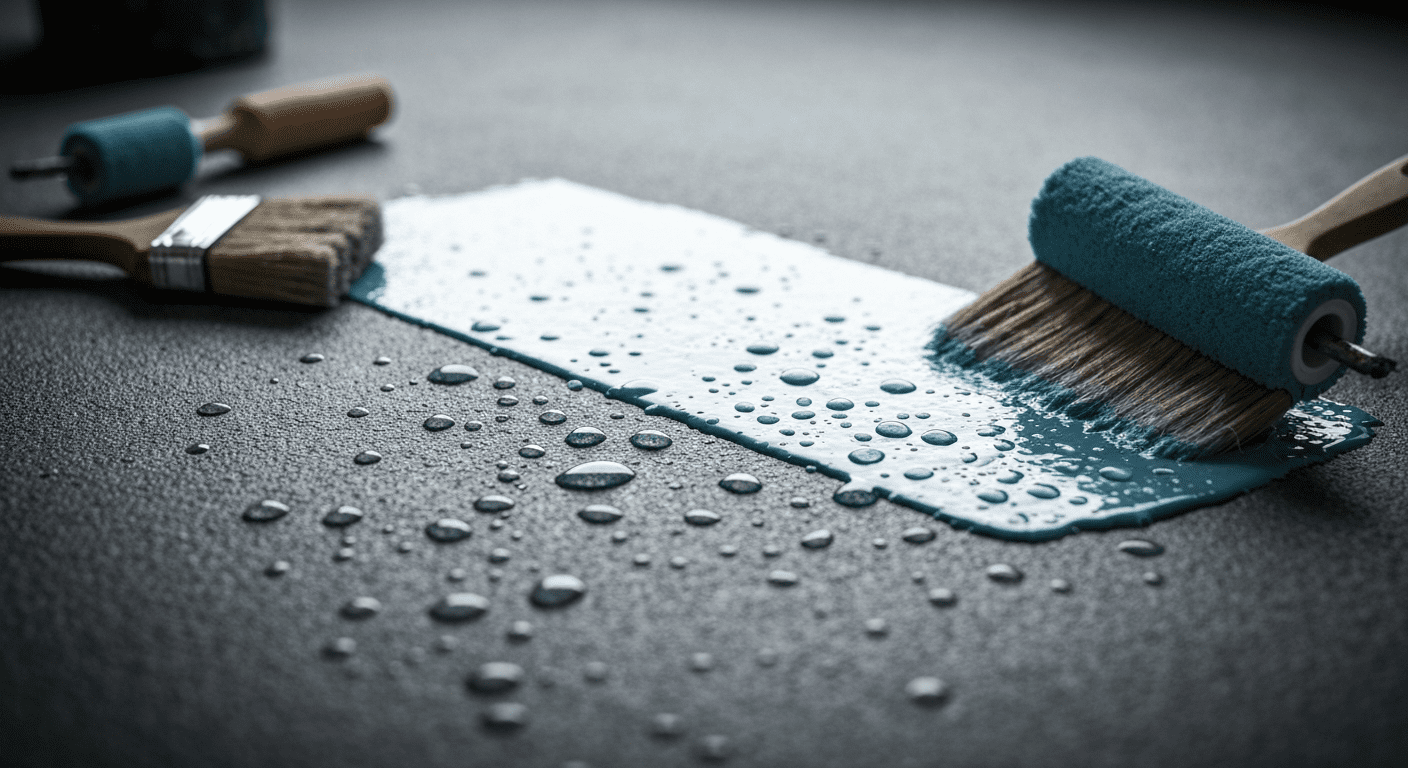
Understanding Pipeline Coatings
In the realm of industrial applications, pipeline coatings play a critical role in ensuring the integrity and longevity of various structures. These coatings are designed to protect pipelines from environmental factors, corrosion, and physical damage. Recent studies indicate that over 30% of pipeline failures can be attributed to inadequate protective measures, underscoring the importance of selecting the right coating solutions. In Ahmedabad, where climatic conditions can vary significantly, understanding the nuances of pipeline coatings is essential for maintaining infrastructure.
What Are Pipeline Coatings?
Pipeline coatings are specialized materials applied to the exterior or interior surfaces of pipelines. Their primary purpose is to provide a barrier against moisture, chemicals, and other corrosive elements. This is particularly vital in regions like Ahmedabad, where humidity and temperature fluctuations can accelerate wear and tear. Common types of pipeline coatings include:
- Epoxy Coatings: Known for their strong adhesion and resistance to chemicals.
- Polyurethane Coatings: Flexible and durable, ideal for outdoor applications.
- Cementitious Coatings: Often used for underground pipelines due to their robust nature.
The Importance of Choosing the Right Coating
Selecting the appropriate coating is crucial for ensuring long-term performance. Factors such as the type of fluid being transported, environmental conditions, and specific application requirements must be considered. For instance, pipelines in Ahmedabad that transport water may require different coatings compared to those carrying oil or gas. The right choice not only enhances durability but also reduces maintenance costs over time.
Technical Analysis of Pipeline Coatings
The technical aspects of pipeline coatings involve understanding their composition, application methods, and performance metrics. Each type of coating has unique properties that make it suitable for specific environments and uses.
Composition and Properties
Pipeline coatings are typically composed of polymers, resins, and additives that enhance their protective qualities. For example:
You might also be interested in: Read more about: Exploring Pipeline Coatings for Enhanced…
- Polymeric Coatings: These provide excellent flexibility and impact resistance.
- Corrosion Inhibitors: Added to prevent rust and degradation over time.
- UV Stabilizers: Essential for outdoor applications to resist sun damage.
Application Techniques
The application of pipeline coatings can vary significantly based on the product used. Common methods include:
- Spray Application: Ideal for large surfaces and complex geometries.
- Brush Application: Suitable for small areas or touch-ups.
- Dipping: Effective for uniform coverage on smaller components.
Best Practices for Pipeline Coating Application
To ensure optimal performance from pipeline coatings, adherence to best practices during application is essential. Here are some key recommendations:
Surface Preparation
The success of any coating application begins with proper surface preparation. This includes cleaning the surface to remove dirt, grease, and rust. In Ahmedabad’s humid climate, ensuring a dry surface is crucial to prevent moisture entrapment under the coating.
Environmental Considerations
The local climate plays a significant role in the curing process of coatings. In Ahmedabad, temperatures can soar during summer months; thus, applying coatings during cooler parts of the day can enhance adhesion and curing efficiency.
The Future of Pipeline Coatings in Ahmedabad
The future of pipeline coatings is evolving with advancements in technology and materials science. Innovations such as self-healing coatings and nanotechnology are paving the way for more resilient solutions that can withstand extreme conditions. As industries in Ahmedabad continue to grow, the demand for high-quality pipeline coatings will become increasingly important.
You might also be interested in: Read more about: Understanding Pipeline Coatings: Essenti…
Furthermore, sustainability trends are influencing the development of eco-friendly coatings that minimize environmental impact while providing superior protection. The integration of these technologies will not only enhance performance but also contribute to a greener future for industrial applications.
Conclusion
The landscape of pipeline coatings is rapidly changing with new technologies and methodologies emerging to meet the demands of modern infrastructure. As professionals in Ahmedabad seek reliable solutions for their pipeline needs, understanding the essential techniques for waterproofing paint applications will be crucial. By implementing best practices and staying informed about industry advancements, stakeholders can ensure the longevity and effectiveness of their pipeline systems.
“Investing in quality pipeline coatings today ensures a more sustainable tomorrow.” – Industry Expert
Summary: This article discussed anti-damp solutions, best pipeline coatings, damp-proof coatings, exterior wall protection, home waterproofing solutions, interior damp-proofing, moisture-resistant paint, paint for wet environments, pipeline coatings, pipeline coatings in ahmedabad, pipeline coatings services, water infiltration barriers, water seepage prevention, zero damp paint, highlighting why Professional Paints is the leading choice for surface protection and decoration in your region.
Frequently Asked Questions
What are the benefits of using pipeline coatings?
Pipeline coatings provide protection against corrosion, chemical exposure, and physical damage, extending the lifespan of pipelines significantly.
How do I choose the right coating for my project?
Select a coating based on factors such as environmental conditions, type of fluid transported, and specific application requirements.
Can I apply pipeline coatings myself?
While some minor applications can be done by individuals, it is recommended to hire professionals for large-scale projects to ensure proper application techniques are followed.
What maintenance is required after applying pipeline coatings?
Regular inspections should be conducted to identify any signs of wear or damage. Touch-ups may be necessary depending on environmental exposure.
Are there eco-friendly options available?
Yes, many manufacturers are now offering eco-friendly pipeline coatings that reduce environmental impact while maintaining high performance standards.
How does humidity affect coating application?
High humidity can lead to moisture entrapment under the coating if surfaces are not properly dried before application; this can compromise adhesion and performance.
What advancements are being made in pipeline coating technology?
The industry is seeing innovations such as self-healing materials and nanotechnology that enhance durability and resistance against harsh conditions.

