India
India


Introduction to Pipeline Coatings
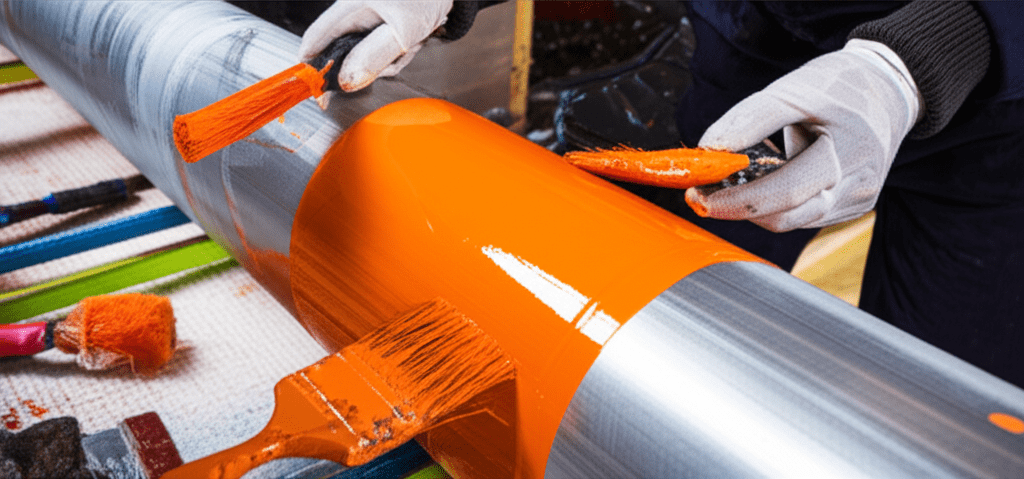
Did you know that improper application of pipeline coatings can lead to significant structural failures and costly repairs? In the realm of industrial applications, pipeline coatings play a crucial role in protecting infrastructure from environmental damage, corrosion, and moisture infiltration. This is particularly relevant in regions like Ahmedabad, where humidity and temperature fluctuations can exacerbate wear and tear on pipelines. Understanding the best practices for applying these coatings not only enhances their effectiveness but also extends the lifespan of the pipelines they protect. In this article, we will explore the essential best practices for pipeline coatings, focusing on their application techniques, materials used, and maintenance strategies.
Comprehensive Overview of Pipeline Coatings
Pipeline coatings are specialized materials designed to protect pipes from external factors such as moisture, chemicals, and physical abrasion. Historically, these coatings have evolved from simple tar-based solutions to advanced polymer-based systems that offer superior performance and durability. The importance of selecting the right type of coating cannot be overstated, especially in industrial settings where pipelines are exposed to harsh conditions.
The Role of Pipeline Coatings
Pipeline coatings serve multiple purposes:
- Corrosion Resistance: They prevent rust and degradation caused by environmental exposure.
- Moisture Barrier: Effective coatings act as a barrier against water infiltration, which is crucial in areas with high humidity.
- Durability: High-quality coatings can withstand physical impacts and chemical exposure, ensuring long-term protection.
Types of Pipeline Coatings
There are various types of pipeline coatings available in the market today:
- Epoxy Coatings: Known for their excellent adhesion and chemical resistance.
- Polyurethane Coatings: These provide flexibility and UV resistance.
- Cementitious Coatings: Often used for their thermal insulation properties.
Technical Deep Dive into Pipeline Coating Application
The application of pipeline coatings requires precision and adherence to industry standards. The process typically involves surface preparation, coating application, and curing. Each step is critical to ensure the coating performs effectively throughout its lifespan.
Surface Preparation Techniques
Before applying any coating, it is essential to prepare the surface adequately. This includes:
- Cleansing: Removing dirt, grease, and old paint using solvents or abrasive methods.
- Surface Profiling: Creating a texture on the surface to enhance adhesion.
- Dew Point Measurement: Ensuring that the surface temperature is above the dew point to prevent moisture issues during application.
Application Methods
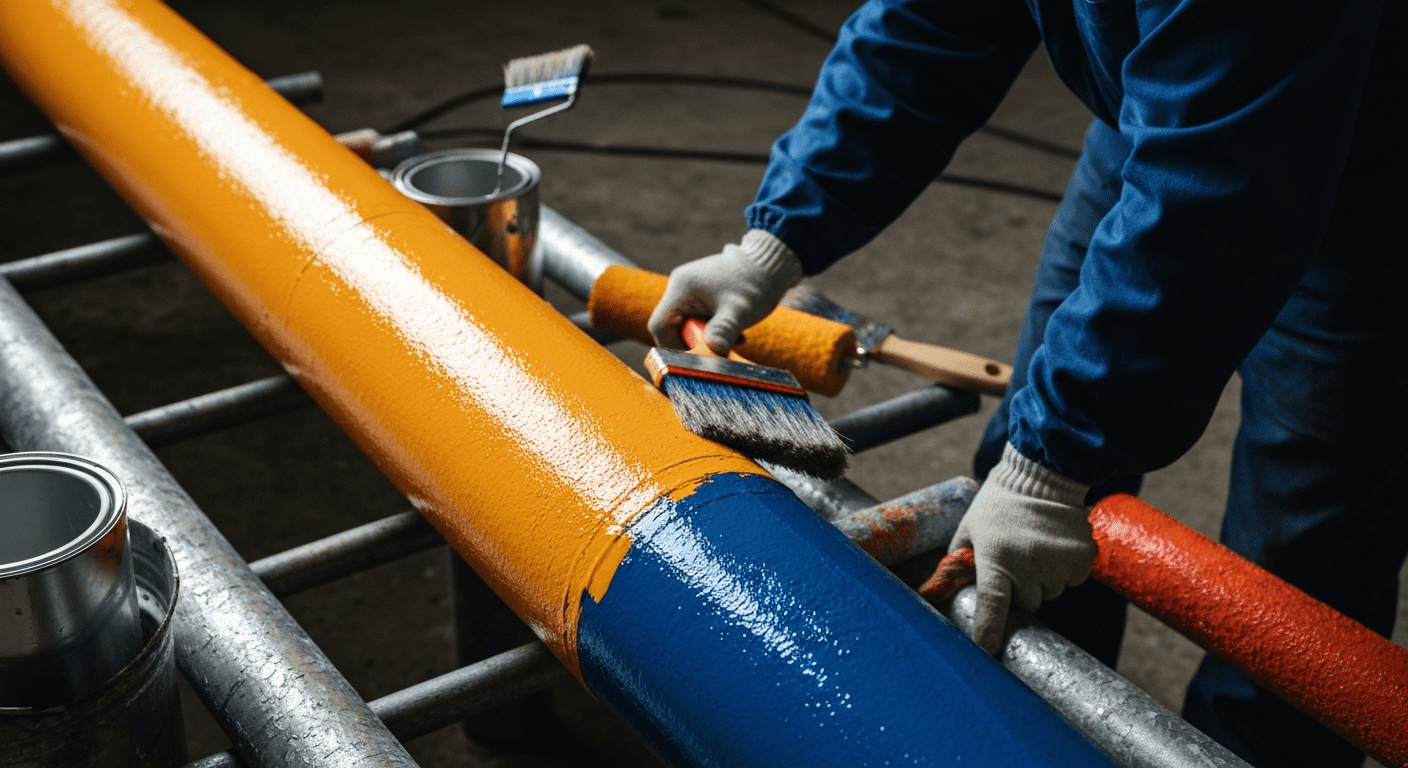
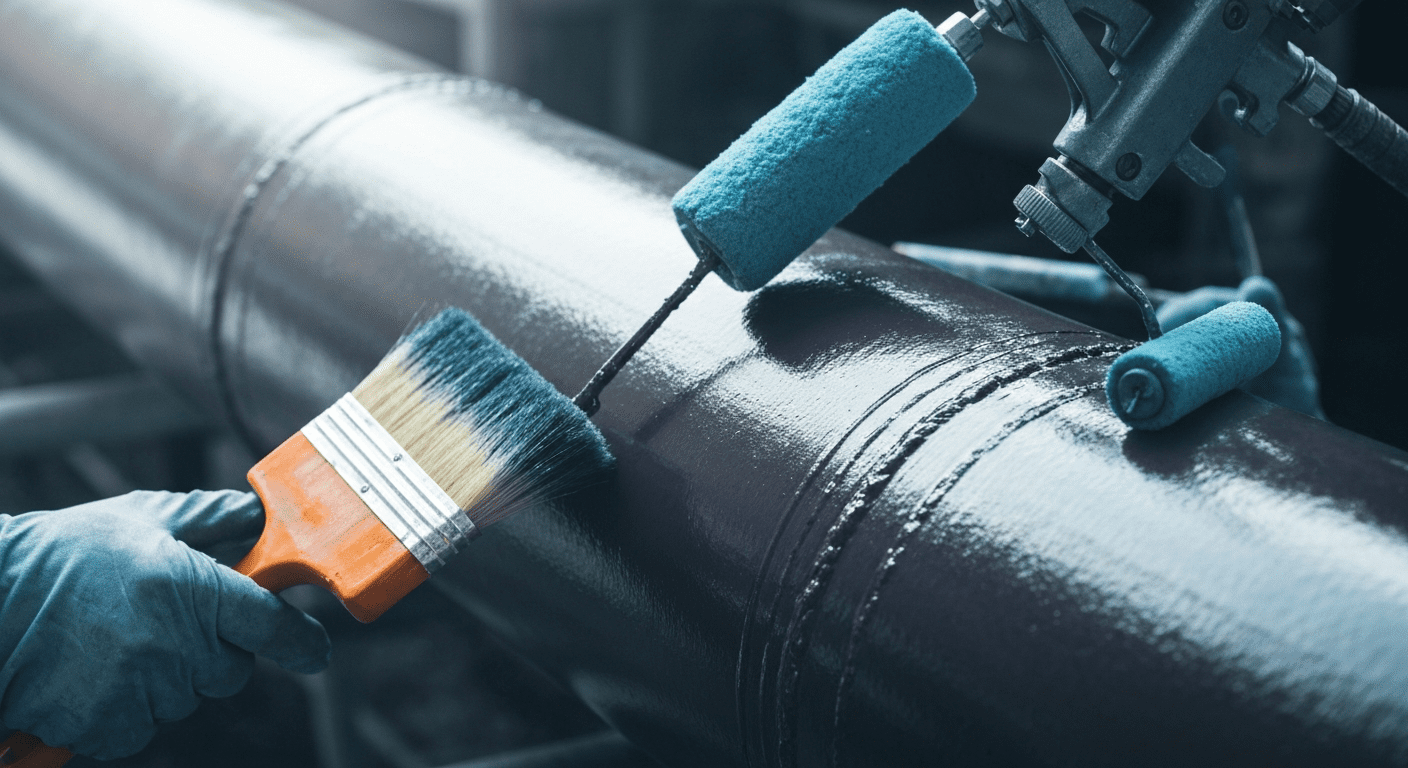
The method of application can significantly affect the performance of pipeline coatings. Common methods include:
You might also be interested in: Read more about: Optimize Home Moisture Management with P…
- Spray Application: Ideal for large areas but requires skilled operators to avoid overspray.
- Brush Application: Useful for touch-ups or small areas but may lead to uneven coverage.
- Roller Application: Provides a good balance between coverage and control.
Professional Best Practices for Pipeline Coatings
To achieve optimal results with pipeline coatings, professionals should adhere to several best practices:
Quality Control Measures
Implementing strict quality control measures is vital. This includes:
- Regular Inspections: Conduct inspections at various stages of the coating process to ensure compliance with standards.
- Testing Coating Thickness: Use ultrasonic gauges to verify that the coating thickness meets specifications.
Maintenance Strategies
A proactive maintenance strategy can extend the life of pipeline coatings significantly. Recommended practices include:
- Scheduled Inspections: Regularly check for signs of wear or damage.
- Cleansing Procedures: Implement routine cleaning protocols to remove contaminants that may degrade the coating.
The Future of Pipeline Coatings in Ahmedabad
The future of pipeline coatings is promising, with ongoing advancements in technology leading to more effective and sustainable solutions. As industries in Ahmedabad continue to grow, there will be an increasing demand for high-performance coatings that can withstand local environmental challenges. Innovations such as self-healing coatings and eco-friendly materials are set to revolutionize the industry, making it crucial for professionals to stay informed about emerging trends and technologies.
The future of pipeline coatings is not just about protecting infrastructure; it’s about creating sustainable solutions that contribute positively to our environment. As we look ahead, embracing these innovations will be key for industries in Ahmedabad and beyond.
Frequently Asked Questions
What are pipeline coatings?
Pipeline coatings are protective layers applied to pipes to prevent corrosion, moisture infiltration, and physical damage.
You might also be interested in: Read more about: Understanding Pipeline Coatings: Essenti…
Why is surface preparation important?
Adequate surface preparation ensures better adhesion of the coating and enhances its overall effectiveness.
What types of pipeline coatings are available?
The main types include epoxy, polyurethane, and cementitious coatings, each offering different benefits based on application needs.
How often should pipeline coatings be inspected?
Pipelines should be inspected regularly as part of a proactive maintenance strategy to identify any signs of wear or damage early on.
Can I apply pipeline coatings myself?
While some small applications can be done by individuals, professional application is recommended for large-scale projects to ensure quality and compliance with standards.
What advancements are being made in pipeline coating technology?
The industry is seeing innovations such as self-healing coatings and eco-friendly materials that improve performance while reducing environmental impact.
Summary: This article discussed anti-damp solutions, best pipeline coatings, damp-proof coatings, exterior wall protection, home waterproofing solutions, interior damp-proofing, moisture-resistant paint, paint for wet environments, pipeline coatings, pipeline coatings in ahmedabad, pipeline coatings services, water infiltration barriers, water seepage prevention, zero damp paint, highlighting why Professional Paints is the leading choice for surface protection and decoration in your region.