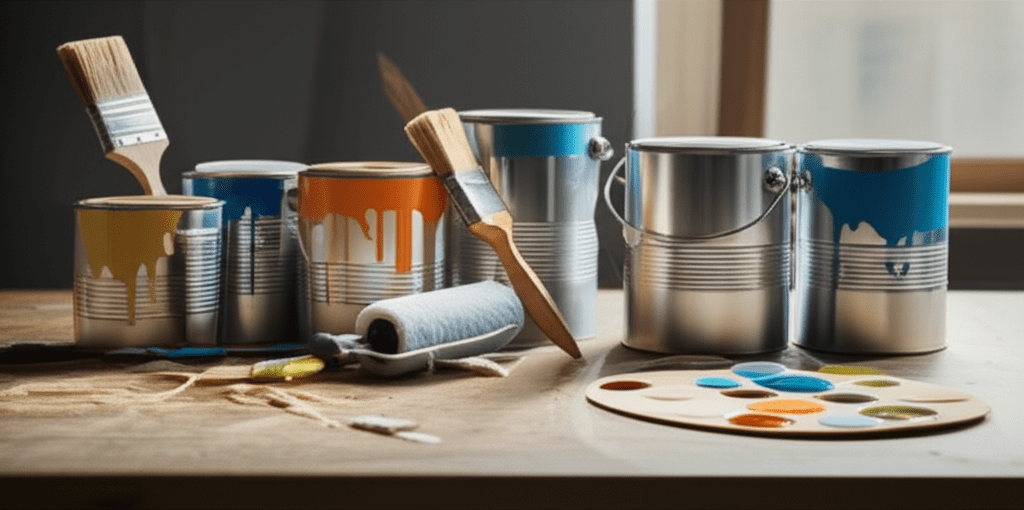
Exploring Primer and Undercoat Options for Lasting Results

Introduction to Primer and Undercoat in Machinery and Engineering

The application of primer and undercoat in the machinery and engineering sector is often overlooked, yet it plays a crucial role in ensuring the longevity and durability of equipment. Recent studies indicate that proper surface preparation can enhance the lifespan of machinery components by up to 30%. In regions like Ahmedabad, where humidity levels can lead to moisture-related issues, utilizing the right primers and undercoats becomes essential. This article delves into the significance of these coatings in the industrial landscape, focusing on their applications, benefits, and best practices.

Comprehensive Overview of Primer and Undercoat Applications

Primers and undercoats serve as the foundation for any painting process, especially in the machinery / engineering sector. These coatings prepare surfaces for final paint applications, ensuring better adhesion and protection against environmental factors.

Understanding Primers

A primer is a preparatory coating applied to materials before painting. It enhances adhesion, increases paint durability, and provides additional protection against corrosion and moisture. In Ahmedabad, where industrial activities are booming, using high-quality primers can significantly reduce maintenance costs associated with machinery.

The Role of Undercoats

Undercoats are applied after the primer but before the final coat of paint. They help in achieving an even finish, improving color accuracy, and enhancing the overall aesthetic appeal of machinery. For industries in Ahmedabad, selecting the right undercoat can lead to better performance in harsh environments.

Technical Analysis of Primer and Undercoat Options

Choosing the right primer and undercoat involves understanding various technical aspects that influence their performance in industrial applications.

Types of Primers

There are several types of primers available, each suited for different materials and conditions:

  • Oil-based Primers: Ideal for metal surfaces, providing excellent adhesion and rust prevention.
  • Acrylic Primers: Water-based options that are easy to clean up and environmentally friendly.
  • Epoxy Primers: Known for their strong bonding properties, suitable for high-performance applications.

Selecting the Right Undercoat

The choice of undercoat depends on the final paint type. For instance, if using a water-based topcoat, an acrylic undercoat is recommended. This compatibility ensures optimal results. In Ahmedabad, where industrial standards are high, consulting with local experts can provide insights into the best combinations for specific projects.

Best Practices for Using Primer and Undercoats in Machinery Applications

Implementing best practices when applying primers and undercoats can significantly enhance their effectiveness.

Surface Preparation Techniques

Before applying any coating, proper surface preparation is critical. This includes:

  • Cleansing: Remove dirt, grease, or old paint to ensure a smooth application.
  • Sanding: Lightly sand surfaces to promote adhesion.
  • Dusting: Eliminate dust particles that could interfere with the coating process.

Application Methods

The method of application can also affect the performance of primers and undercoats. Common methods include:

  • Spray Application: Provides an even coat but requires skilled handling to avoid overspray.
  • Bristle Brush Application: Ideal for detailed work but may require more effort to achieve an even finish.
  • Roller Application: Efficient for large surfaces but may not reach intricate areas effectively.

The Future of Primer and Undercoat Technologies in Ahmedabad

The future of primer and undercoat technologies is promising, with innovations aimed at enhancing performance while reducing environmental impact. Emerging trends include:

  • Sustainable Coatings: Development of eco-friendly primers that reduce VOC emissions.
  • Nano-coatings: Advanced formulations that offer superior protection against moisture infiltration.
  • Smart Coatings: Technologies that provide real-time feedback on surface conditions.

The adoption of these technologies will be crucial for industries in Ahmedabad, as they strive to meet stringent regulations while maintaining operational efficiency.

Frequently Asked Questions

What is the difference between primer and undercoat?

A primer is used to prepare a surface for painting, while an undercoat provides a base layer that enhances the final coat’s appearance and durability.

Why are primers important in industrial applications?

Primers improve adhesion, prevent corrosion, and enhance the longevity of machinery by creating a protective barrier against environmental factors.

How do I choose the right primer for my project?

Select a primer based on the material you are working with (metal, wood, etc.) and consider environmental factors such as humidity levels in Ahmedabad.

Can I use a single product as both primer and undercoat?

Some products are designed to function as both; however, using dedicated products often yields better results in terms of adhesion and finish quality.

What are common mistakes when applying primers?

Common mistakes include inadequate surface preparation, applying too thick a layer, or not allowing sufficient drying time between coats.

How can I ensure my coatings last longer?

Select high-quality products suitable for your specific environment, follow best application practices, and conduct regular maintenance checks on your machinery.

Are there eco-friendly options available?

Yes, many manufacturers now offer eco-friendly primers and paints that reduce harmful emissions while providing effective protection.

What role does climate play in selecting paints?

The climate affects drying times, adhesion properties, and overall performance; thus, it’s essential to consider local conditions when selecting paints for machinery in Ahmedabad.

Summary: This article discussed anti-damp solutions, best machinery / engineering, damp-proof coatings, exterior wall protection, home waterproofing solutions, interior damp-proofing, machinery / engineering, machinery / engineering in ahmedabad, machinery / engineering services, moisture-resistant paint, paint for wet environments, water infiltration barriers, water seepage prevention, zero damp paint, highlighting why Professional Paints is the leading choice for surface protection and decoration in your region.
Optimize Sealant Longevity for Lasting Paint Protection

Introduction to Corrosion Protection

Did you know that corrosion is one of the leading causes of structural failure in industrial settings? In Ahmedabad, where humidity and environmental factors can accelerate deterioration, corrosion protection becomes paramount. The right sealants and coatings not only enhance the aesthetic appeal of structures but also significantly extend their lifespan. Understanding the importance of effective corrosion protection in Ahmedabad can save businesses and homeowners from costly repairs and replacements.

Comprehensive Overview of Corrosion Protection

Corrosion protection encompasses a variety of methods and materials designed to prevent or slow down the degradation of materials, particularly metals, due to environmental factors. In Ahmedabad, where industrial activities are prevalent, the demand for best corrosion protection solutions is critical. These solutions include coatings, sealants, and treatments that create a barrier against moisture, chemicals, and other corrosive agents.

Types of Corrosion Protection

There are several types of corrosion protection methods that are widely used in both residential and industrial applications:

  • Cathodic Protection: This technique involves using sacrificial anodes to protect metal surfaces.
  • Coatings: Protective coatings such as paints and sealants provide a physical barrier against moisture and corrosive elements.
  • Corrosion Inhibitors: Chemicals that are added to a solution to reduce the rate of corrosion.

The Importance of Corrosion Protection in Ahmedabad

The climate in Ahmedabad can be challenging for infrastructure. High humidity levels combined with industrial pollution can lead to accelerated corrosion rates. Implementing effective corrosion protection services is essential for maintaining the integrity of structures. Regular inspections and maintenance can help identify potential issues before they escalate into significant problems.

Technical Deep Dive into Corrosion Protection Mechanisms

Understanding how different corrosion protection mechanisms work is crucial for selecting the right solution for specific applications. Each method has its unique properties and suitability depending on the environment.

How Coatings Work

Coatings act as a barrier between the substrate and the environment. They can be classified into two main categories:

  • Organic Coatings: These include paints and varnishes that provide aesthetic appeal along with protection.
  • Inorganic Coatings: Such as zinc coatings, which are often used in industrial applications for their durability.

The Role of Sealants in Corrosion Protection

Sealants play a vital role in preventing moisture ingress, which is a primary cause of corrosion. In Ahmedabad, where water seepage can lead to significant structural damage, using high-quality damp-proof coatings is essential. These sealants not only protect but also enhance the longevity of paint applications by providing a moisture-resistant layer.

Best Practices for Implementing Corrosion Protection Solutions

To maximize the effectiveness of corrosion protection measures, it is essential to follow best practices tailored to specific environments. Here are some professional recommendations:

Regular Maintenance and Inspections

Conducting regular maintenance checks on structures can help identify early signs of corrosion. This proactive approach allows for timely interventions that can prevent extensive damage.

Selecting the Right Products

Choosing the appropriate products based on environmental conditions is crucial. For instance, in humid areas like Ahmedabad, opting for moisture-resistant paint or wate seepage prevention solutions can significantly enhance durability.

The Future of Corrosion Protection in Ahmedabad

The future of corrosion protection lies in innovation and sustainability. Emerging technologies such as smart coatings that change properties based on environmental conditions are gaining traction. Additionally, there is a growing emphasis on eco-friendly materials that minimize environmental impact while providing effective protection.

The industry is also seeing advancements in monitoring technologies that allow for real-time assessment of structural integrity, ensuring timely maintenance interventions. As these trends evolve, professionals in Ahmedabad must stay informed about new developments to implement the most effective corrosion protection strategies.

Frequently Asked Questions

What are the common causes of corrosion?

The common causes include moisture, chemicals, salt exposure, and environmental pollutants that lead to oxidation and deterioration of materials.

How often should I inspect my structures for corrosion?

It is recommended to conduct inspections at least once a year or more frequently if your structures are exposed to harsh environmental conditions.

What types of coatings are best for corrosion protection?

The best types include epoxy coatings, polyurethane coatings, and zinc-rich primers which provide excellent barrier properties against moisture and chemicals.

Can I apply corrosion protection myself?

While some minor applications can be done by homeowners, it is advisable to consult with professionals for larger projects to ensure proper application techniques are followed.

What role do sealants play in preventing water infiltration?

Sealants create a waterproof barrier that prevents water from penetrating through cracks and joints, thereby protecting underlying materials from corrosion.

Aren’t all paints suitable for wet environments?

No, not all paints are designed for wet environments. It’s essential to choose specific moisture-resistant paints that can withstand high humidity levels without degrading.

How do I choose the right corrosion protection service?

Select a service provider with experience in your industry sector, positive customer reviews, and a solid understanding of local environmental conditions in Ahmedabad.

What innovations are emerging in corrosion protection technology?

Innovations include smart coatings that adapt to environmental changes and eco-friendly materials that provide effective protection while minimizing environmental impact.

Summary: This article discussed anti-damp solutions, best corrosion protection, corrosion protection, corrosion protection in ahmedabad, corrosion protection services, damp-proof coatings, exterior wall protection, home waterproofing solutions, interior damp-proofing, moisture-resistant paint, paint for wet environments, water infiltration barriers, water seepage prevention, zero damp paint, highlighting why Professional Paints is the leading choice for surface protection and decoration in your region.
Enhance Wall Finishes with Oil & Gas Services

Introduction to Oil & Gas Applications in Wall Finishing

Did you know that the oil & gas industry plays a crucial role in enhancing wall finishes and combating moisture-related issues? In Ahmedabad, where humidity can lead to significant challenges in maintaining interior and exterior wall aesthetics, the application of specialized coatings and paints derived from oil & gas technologies offers innovative solutions. These products not only improve the visual appeal of buildings but also provide essential protection against water seepage, dampness, and other environmental factors. Understanding the intersection of oil & gas services and wall finishing is vital for homeowners and builders alike, as it can lead to more sustainable and durable structures.

Comprehensive Overview of Oil & Gas in Wall Finishing

The oil & gas sector has long been associated with energy production, but its influence extends far beyond that. In the context of wall finishing, various products derived from this industry are used to create damp-proof coatings, moisture-resistant paints, and other protective solutions. These products are essential for ensuring that buildings withstand the test of time, particularly in regions like Ahmedabad where climatic conditions can be harsh.

The Evolution of Paints in the Oil & Gas Sector

Historically, paints used in industrial applications were primarily focused on functionality rather than aesthetics. However, advancements in technology have led to the development of high-performance coatings that not only protect surfaces but also enhance their appearance. For instance, zero damp paint formulations have emerged as a solution to combat moisture infiltration effectively.

Importance of Moisture Resistance in Ahmedabad

Ahmedabad’s climate presents unique challenges for building maintenance. The combination of heat and humidity can lead to significant moisture problems, including mold growth and structural damage. Utilizing oil & gas-derived coatings provides an effective barrier against these issues, ensuring that both residential and commercial properties maintain their integrity and aesthetic appeal.

Technical Deep Dive into Oil & Gas Coatings

Understanding the technical aspects of oil & gas coatings is essential for professionals in the construction and maintenance industries. These coatings are designed with specific properties that make them suitable for various applications.

How Moisture-Resistant Paints Work

Moisture-resistant paints function by creating a barrier that prevents water infiltration while allowing moisture vapor to escape from within the walls. This is crucial in preventing damage caused by trapped moisture, which can lead to peeling paint and structural decay. The technology behind these paints often includes advanced polymers and additives that enhance their performance.

Application Techniques for Optimal Results

To achieve the best results when applying oil & gas-derived coatings, it is essential to follow specific application techniques:

  • Surface Preparation: Ensure surfaces are clean, dry, and free from contaminants.
  • Proper Mixing: Follow manufacturer instructions for mixing components to achieve optimal consistency.
  • Application Method: Use appropriate tools (brushes, rollers, or sprayers) based on the product specifications.
  • Curing Time: Allow adequate curing time before exposing the surface to moisture or heavy use.

Best Practices for Using Oil & Gas Products in Wall Finishing

Implementing best practices when using oil & gas products can significantly enhance their effectiveness and longevity.

Choosing the Right Products for Your Needs

Selecting the right type of coating is crucial. Consider factors such as:

  • The specific environmental conditions in Ahmedabad.
  • The type of substrate (e.g., concrete, wood).
  • The desired aesthetic finish (e.g., matte vs. gloss).

Regular Maintenance and Inspection

Even with high-quality coatings, regular maintenance is essential to ensure long-lasting performance. Schedule periodic inspections to identify any signs of wear or damage early on. This proactive approach can save costs associated with extensive repairs down the line.

Expert Tip: Always consult with local experts in Ahmedabad who specialize in oil & gas services for tailored recommendations based on your specific needs.

The Future of Wall Finishing with Oil & Gas Innovations

The future of wall finishing is set to evolve further as new technologies emerge from the oil & gas sector. Innovations such as smart coatings that change properties based on environmental conditions are on the horizon. As these advancements become available, they promise to revolutionize how we approach wall aesthetics and protection.

In Ahmedabad, staying ahead of these trends will be essential for builders and homeowners looking to enhance their properties sustainably. By embracing these innovations, we can ensure that our buildings not only look great but also stand strong against the elements.

Conclusion: Embracing Oil & Gas Solutions for Enhanced Aesthetics

The integration of oil & gas technologies into wall finishing represents a significant advancement in both functionality and aesthetics. As we look towards the future, it’s clear that these innovations will play a pivotal role in shaping how we protect our buildings from moisture-related issues while enhancing their overall appearance. By leveraging the best oil & gas services available in Ahmedabad, property owners can ensure their investments remain protected and visually appealing for years to come.

Summary: This article discussed anti-damp solutions, best oil & gas, damp-proof coatings, exterior wall protection, home waterproofing solutions, interior damp-proofing, moisture-resistant paint, oil & gas, oil & gas in ahmedabad, oil & gas services, paint for wet environments, water infiltration barriers, water seepage prevention, zero damp paint, highlighting why Professional Paints is the leading choice for surface protection and decoration in your region.
Frequently Asked Questions

What are damp-proof coatings?

Damp-proof coatings are specialized paints designed to prevent moisture infiltration into walls, protecting against mold and structural damage.

How do moisture-resistant paints work?

Moisture-resistant paints create a barrier that prevents water from entering while allowing vapor to escape, thus reducing damage risks.

Why are oil & gas products beneficial for wall finishes?

Oil & gas products offer enhanced durability, moisture resistance, and aesthetic appeal compared to traditional paints.

What should I consider when choosing a coating?

You should consider environmental conditions, substrate type, and desired finish when selecting a coating for your project.

How often should I inspect my painted surfaces?

Regular inspections should be conducted at least once a year to identify any signs of wear or damage early on.

Are there eco-friendly options available?

Yes, many manufacturers are developing eco-friendly coatings that reduce environmental impact while maintaining performance standards.

Explore the Best Wood Coatings for Healthier Interiors

Understanding Wood Coatings and Their Importance

Wood coatings play a critical role in enhancing the durability and aesthetic appeal of wooden surfaces. Recent studies indicate that over 80% of wood products are treated with some form of coating to protect against environmental factors. In Ahmedabad, where humidity levels can fluctuate, selecting the right wood coatings is essential for maintaining the integrity of wooden structures.

These coatings not only provide a protective barrier against moisture but also enhance the visual appeal of wood, making it an integral part of interior design. The demand for best wood coatings has surged as homeowners and businesses alike seek solutions that offer both beauty and functionality.

The Evolution of Wood Coatings

Historically, wood coatings were primarily oil-based, offering limited protection against moisture and wear. However, advancements in technology have led to the development of water-based and eco-friendly options that are not only effective but also safer for indoor environments. In Ahmedabad, where air quality is a concern, non-toxic coatings are becoming increasingly popular.

Why Choose Wood Coatings?

The benefits of using wood coatings extend beyond aesthetics. They provide:

  • Moisture Resistance: Essential for preventing water damage.
  • Damp-Proofing: Protects against mold and mildew growth.
  • Durability: Extends the lifespan of wooden surfaces.
  • Aesthetic Appeal: Enhances the natural beauty of wood.

Technical Deep Dive into Wood Coatings

The technical aspects of wood coatings involve understanding their composition and application methods. Most modern wood coatings consist of resins, solvents, and additives that work together to provide a robust protective layer.

Composition of Wood Coatings

Wood coatings typically include:

  • Resins: These form the backbone of the coating, providing adhesion and durability.
  • Solvents: Used to dissolve resins and facilitate application; water-based options are favored for their low toxicity.
  • Additives: Enhance properties such as UV resistance, anti-damp solutions, and drying time.

Application Techniques

The application of wood coatings can vary based on the type used. Common methods include:

  • Spray Application: Ideal for large surfaces; ensures an even coat.
  • Brush Application: Offers precision for detailed work.
  • Roller Application: Suitable for flat surfaces; provides quick coverage.

Best Practices for Applying Wood Coatings

To achieve optimal results with wood coatings, following best practices is crucial. Here are some expert tips:

Preparation is Key

Before applying any coating, ensure that the surface is clean, dry, and free from contaminants. Sanding the wood can enhance adhesion and improve the final finish.

Selecting the Right Product

Choosing the right type of coating is essential based on the intended use. For instance, if you’re working on outdoor furniture in Ahmedabad’s humid climate, consider using moisture-resistant paint or damp-proof coatings to prevent water seepage.

The Future of Wood Coatings in Ahmedabad

The future of wood coatings looks promising as innovations continue to emerge. With a growing emphasis on sustainability, manufacturers are focusing on developing eco-friendly options that do not compromise performance. The trend towards zero damp paint and moisture-resistant solutions is gaining traction among consumers who prioritize health and environmental safety.

Ahead lies a shift towards more advanced formulations that provide superior protection while being safe for indoor use. As awareness grows about indoor air quality, products that offer home waterproofing solutions will become increasingly sought after in Ahmedabad’s market.

“The future of wood coatings lies in balancing performance with environmental responsibility.” – Industry Expert

Conclusion: Embracing Quality Wood Coatings

The importance of selecting high-quality wood coatings cannot be overstated. With options available that cater specifically to Ahmedabad’s unique climate challenges, homeowners and businesses can protect their investments while enhancing their interiors. As trends evolve towards sustainability and health-conscious choices, embracing these innovations will be key to achieving lasting results in any project.

The future of wood coatings is bright, with continuous advancements promising better protection and aesthetic appeal. By staying informed about these developments, you can make educated decisions that benefit both your property and the environment.

Summary: This article discussed anti-damp solutions, best wood coatings, damp-proof coatings, exterior wall protection, home waterproofing solutions, interior damp-proofing, moisture-resistant paint, paint for wet environments, water infiltration barriers, water seepage prevention, wood coatings, wood coatings in ahmedabad, wood coatings services, zero damp paint, highlighting why Professional Paints is the leading choice for surface protection and decoration in your region.

Frequently Asked Questions

What are wood coatings?

Wood coatings are protective finishes applied to wooden surfaces to enhance durability and aesthetics while providing resistance against moisture and wear.

Why are moisture-resistant paints important?

Moisture-resistant paints prevent water damage, mold growth, and deterioration of wooden surfaces, especially in humid climates like Ahmedabad’s.

How do I choose the best wood coating?

Select a coating based on its intended use, environmental conditions, and whether it meets your aesthetic preferences. Consider eco-friendly options for better indoor air quality.

What application methods are recommended for wood coatings?

Spray application is ideal for large areas, while brush application allows for precision on detailed work. Roller application is effective for flat surfaces.

Are there non-toxic wood coating options available?

Yes, many manufacturers now offer non-toxic or low-VOC (volatile organic compounds) wood coatings that are safer for indoor use.

How can I ensure my wood coating lasts longer?

Proper surface preparation, selecting high-quality products, and applying them according to manufacturer instructions will help extend the life of your wood coatings.

What trends are shaping the future of wood coatings?

The industry is moving towards sustainable practices with a focus on eco-friendly materials and formulations that prioritize health without sacrificing performance.

Where can I find expert wood coating services in Ahmedabad?

You can find various professionals specializing in wood coatings services throughout Ahmedabad who can guide you in selecting and applying the right products for your needs.

Essential Waterproofing Solutions for Oil & Gas

Introduction to Waterproofing in the Oil & Gas Industry

Did you know that moisture-related issues account for a significant percentage of operational downtime in the oil & gas industry? In regions like Ahmedabad, where humidity levels can fluctuate dramatically, implementing effective waterproofing solutions is crucial. The consequences of neglecting water seepage prevention can lead to severe structural damage and increased maintenance costs. This article delves into essential waterproofing solutions tailored for the oil & gas sector, focusing on their importance, types, and best practices.

Understanding the Importance of Waterproofing in Oil & Gas

Waterproofing is not merely a precaution; it is a necessity in the oil & gas industry. The presence of water can compromise equipment integrity, leading to costly repairs and operational delays. In Ahmedabad, where industrial activities are booming, ensuring that facilities are protected against moisture is vital for maintaining productivity and safety.

The Impact of Water Infiltration

Water infiltration can lead to various issues, such as:

  • Corrosion: Metal components can corrode quickly when exposed to moisture, leading to equipment failure.
  • Dampness: Excess moisture can create an unhealthy work environment, affecting employee productivity.
  • Structural Damage: Water can weaken building foundations and walls, resulting in expensive repairs.

Types of Waterproofing Solutions

There are several types of waterproofing solutions available for the oil & gas sector:

  • Damp-proof Coatings: These coatings provide a barrier against moisture, preventing it from penetrating surfaces.
  • Moisture-resistant Paint: Specialized paints designed for wet environments help protect surfaces from water damage.
  • Water Infiltration Barriers: These barriers are installed to block water entry at critical points in structures.

Technical Analysis of Waterproofing Solutions

A deep understanding of waterproofing technologies is essential for effective implementation. Each solution has unique properties that make it suitable for specific applications within the oil & gas industry.

Damp-proof Coatings Explained

Damp-proof coatings are formulated to resist moisture penetration. They are typically applied to exterior walls and foundations, creating a protective layer that prevents water ingress. In Ahmedabad, where monsoon seasons can be intense, these coatings are particularly beneficial.

Moisture-resistant Paints: How They Work

Moisture-resistant paints contain additives that enhance their ability to repel water. These paints are ideal for both interior and exterior applications in oil & gas facilities. They not only protect surfaces but also improve aesthetic appeal. Choosing the right paint for wet environments is crucial for long-term durability.

Best Practices for Implementing Waterproofing Solutions

To maximize the effectiveness of waterproofing solutions in the oil & gas sector, consider the following best practices:

Conduct Regular Inspections

Regular inspections help identify potential moisture issues before they escalate. Facilities in Ahmedabad should schedule routine checks to ensure that waterproofing measures remain intact and effective.

Select Quality Materials

The choice of materials significantly impacts the longevity of waterproofing solutions. Opt for high-quality damp-proof coatings and moisture-resistant paints that meet industry standards. This investment pays off by reducing maintenance costs over time.

The Future of Waterproofing in Oil & Gas

The future of waterproofing solutions in the oil & gas industry looks promising with advancements in technology. Innovations such as self-healing coatings and smart materials are on the horizon, offering enhanced protection against moisture. As industries evolve, so too must our approaches to safeguarding facilities from water damage.

Frequently Asked Questions

What are the benefits of using damp-proof coatings?

Damp-proof coatings provide a protective barrier against moisture, preventing structural damage and reducing maintenance costs.

How often should waterproofing solutions be inspected?

It is recommended to conduct inspections at least twice a year or after severe weather events to ensure effectiveness.

Can moisture-resistant paints be used indoors?

Yes, moisture-resistant paints are suitable for both indoor and outdoor applications, especially in areas prone to humidity.

What factors should be considered when selecting waterproofing materials?

The selection should consider environmental conditions, application methods, and compatibility with existing materials.

Are there eco-friendly waterproofing options available?

Yes, there are eco-friendly waterproofing solutions that minimize environmental impact while providing effective protection.

How do I know if my facility needs waterproofing?

If you notice signs of dampness, mold growth, or water stains, it may be time to implement waterproofing solutions.

What is the cost of waterproofing solutions in Ahmedabad?

The cost varies based on materials and application methods; however, investing in quality solutions can save money in the long run through reduced maintenance needs.

Can I apply waterproofing solutions myself?

While some products can be applied by DIY enthusiasts, hiring professionals ensures proper application and adherence to safety standards.

Summary: This article discussed anti-damp solutions, best oil & gas, damp-proof coatings, exterior wall protection, home waterproofing solutions, interior damp-proofing, moisture-resistant paint, oil & gas, oil & gas in ahmedabad, oil & gas services, paint for wet environments, water infiltration barriers, water seepage prevention, zero damp paint, highlighting why Professional Paints is the leading choice for surface protection and decoration in your region.

Essential Waterproofing Membranes for Tanks: A Guide

Understanding the Importance of Waterproofing in Machinery and Engineering

Waterproofing is a critical aspect of machinery and engineering, especially in industrial applications where water seepage can lead to significant damage and operational inefficiencies. Recent studies indicate that nearly 30% of industrial facilities experience issues related to water infiltration, which can compromise equipment integrity and safety. In Ahmedabad, where the industrial landscape is rapidly evolving, ensuring that tanks and other structures are adequately protected against moisture is essential for maintaining productivity and safety.

The Role of Waterproofing Membranes

Waterproofing membranes serve as barriers that prevent water from penetrating structures. These membranes are particularly vital in tanks, where the containment of liquids is paramount. They not only protect the structural integrity of the tanks but also enhance their lifespan, making them a worthwhile investment for industries in Ahmedabad.

Types of Waterproofing Membranes

There are several types of waterproofing membranes used in machinery and engineering, including:

  • Bituminous Membranes: These are asphalt-based and are commonly used due to their durability.
  • Polyurethane Membranes: Known for their flexibility and resistance to UV rays, making them ideal for outdoor applications.
  • EPDM Membranes: Ethylene Propylene Diene Monomer (EPDM) is a synthetic rubber that offers excellent resistance to water and weather conditions.

Technical Analysis of Waterproofing Solutions

The effectiveness of waterproofing membranes relies on various factors, including material composition, application methods, and environmental conditions. In Ahmedabad’s industrial context, understanding these elements is crucial for selecting the right solution.

Material Composition and Performance

The choice of material significantly impacts the performance of waterproofing membranes. For instance, polyurethane membranes provide superior adhesion and flexibility compared to traditional bituminous options. This flexibility allows them to accommodate structural movements without compromising their integrity.

Application Techniques

Proper application techniques are essential for achieving optimal results with waterproofing membranes. Common methods include:

  • Spray Application: Ideal for large areas, ensuring even coverage.
  • Roller Application: Suitable for smaller surfaces, providing control over thickness.
  • Sheet Application: Involves laying down pre-manufactured sheets, which can be more efficient in certain scenarios.

Professional Best Practices for Waterproofing Tanks

Implementing best practices in waterproofing can significantly enhance the effectiveness of these solutions. Here are some expert recommendations tailored for industries in Ahmedabad:

Conduct Thorough Assessments

Before applying any waterproofing solution, conduct a detailed assessment of the site conditions. This includes evaluating existing moisture levels, potential sources of water infiltration, and structural integrity. Such assessments help in selecting the most suitable membrane type.

Regular Maintenance Checks

After installation, regular maintenance checks are crucial to ensure that the waterproofing remains effective. Look for signs of wear or damage, such as cracks or blisters in the membrane. Addressing these issues promptly can prevent costly repairs down the line.

Expert Tip: Always consult with local experts in Ahmedabad who understand the specific environmental challenges faced by industries in the region.

The Future of Waterproofing Technologies in Machinery and Engineering

The future of waterproofing technologies looks promising with advancements in materials science leading to more effective solutions. Innovations such as self-healing membranes and environmentally friendly options are emerging trends that could redefine industry standards.

The demand for high-performance waterproofing solutions will continue to grow as industries strive to enhance operational efficiency while minimizing environmental impact. As Ahmedabad’s industrial sector expands, embracing these innovations will be key to staying competitive.

The integration of smart technologies into waterproofing systems will also play a significant role. Sensors that monitor moisture levels and alert facility managers about potential issues before they escalate could become commonplace, further safeguarding investments in machinery and engineering.

Conclusion: Embracing Effective Waterproofing Solutions

The importance of effective waterproofing solutions cannot be overstated in the context of machinery and engineering. As industries in Ahmedabad continue to evolve, adopting advanced waterproofing technologies will be essential for protecting assets against water-related damages. By investing in high-quality membranes and adhering to best practices, businesses can ensure longevity and reliability in their operations.

Frequently Asked Questions

What are waterproofing membranes?

Waterproofing membranes are barriers designed to prevent water infiltration into structures, particularly tanks used in industrial settings.

Why is waterproofing important for tanks?

Tanks are susceptible to water seepage which can lead to structural damage and operational inefficiencies; hence effective waterproofing is crucial.

What types of waterproofing membranes are available?

The main types include bituminous membranes, polyurethane membranes, and EPDM membranes, each offering unique benefits based on application needs.

How do I choose the right waterproofing solution?

Select a solution based on site assessments, material performance, application methods, and environmental conditions specific to your location.

What maintenance is required for waterproofed tanks?

Regular inspections for signs of wear or damage should be conducted to ensure ongoing effectiveness; repairs should be made promptly if issues arise.

Are there eco-friendly waterproofing options?

Yes, advancements in materials science have led to the development of environmentally friendly waterproofing solutions that minimize environmental impact while maintaining effectiveness.

How can technology improve waterproofing solutions?

The integration of smart technologies such as moisture sensors can help monitor conditions and alert managers about potential issues before they escalate.

Where can I find expert waterproofing services in Ahmedabad?

Consult local professionals who specialize in machinery and engineering services to find reliable waterproofing solutions tailored to your specific needs.

Summary: This article discussed anti-damp solutions, best machinery / engineering, damp-proof coatings, exterior wall protection, home waterproofing solutions, interior damp-proofing, machinery / engineering, machinery / engineering in ahmedabad, machinery / engineering services, moisture-resistant paint, paint for wet environments, water infiltration barriers, water seepage prevention, zero damp paint, highlighting why Professional Paints is the leading choice for surface protection and decoration in your region.

Essential Moisture Barriers for Timber Wood Projects

Understanding the Importance of Moisture Barriers

Moisture barriers are crucial in protecting timber wood projects from water damage, which can lead to structural issues and deterioration. In regions like Ahmedabad, where humidity levels can fluctuate, implementing effective construction chemicals & waterproofing solutions is vital. Recent studies indicate that untreated wood exposed to moisture can lose up to 80% of its strength over time, making the application of moisture barriers not just a precaution but a necessity.

The Role of Moisture Barriers in Construction

Moisture barriers serve as protective layers that prevent water infiltration, thereby safeguarding timber structures. They are particularly important in areas prone to heavy rainfall or high humidity, such as Ahmedabad. By using advanced damp-proof coatings, builders can ensure the longevity and durability of wooden frameworks.

Types of Moisture Barriers

There are several types of moisture barriers available, each designed for specific applications:

  • Plastic Sheeting: Commonly used in foundations and crawl spaces.
  • Liquid Membranes: Ideal for irregular surfaces and provide seamless protection.
  • Foil Barriers: Reflective materials that also serve as vapor barriers.

Technical Analysis of Moisture Barriers

The effectiveness of moisture barriers largely depends on their material composition and application methods. In the context of construction chemicals & waterproofing in Ahmedabad, understanding these technical aspects is essential for optimal performance.

Material Composition and Functionality

Moisture barriers can be made from various materials, including polyethylene, bitumen, and rubberized asphalt. Each material has unique properties:

  • Polyethylene: Lightweight and cost-effective, suitable for residential applications.
  • Bitumen: Offers excellent waterproofing capabilities but can be more expensive.
  • Rubberized Asphalt: Provides flexibility and is ideal for areas with temperature fluctuations.

Application Techniques

The application of moisture barriers requires precision to ensure effectiveness. Here are some best practices:

  • Surface Preparation: Ensure surfaces are clean and dry before application.
  • Sealing Joints: Use appropriate sealants to prevent water ingress at joints.
  • Curing Time: Allow adequate curing time before exposing the barrier to moisture.

Professional Best Practices for Moisture Barrier Installation

Implementing best practices during installation can significantly enhance the performance of moisture barriers. Professionals in Ahmedabad recommend the following:

Checklist for Installation

  • Select the Right Product: Choose a moisture barrier suitable for your specific project needs.
  • Follow Manufacturer Guidelines: Adhere strictly to application instructions provided by manufacturers.
  • Conduct Regular Inspections: Periodically check the integrity of installed barriers to ensure they remain effective.

Common Mistakes to Avoid

Avoiding common pitfalls can save time and resources. Here are mistakes to watch out for:

  • Poor Surface Preparation: Neglecting this step can lead to adhesion failures.
  • Ineffective Sealing: Failing to seal joints properly can result in water infiltration.
  • Lack of Ventilation: Ensure proper ventilation to avoid trapping moisture behind barriers.

The Future of Moisture Barriers in Construction

The future of moisture barriers is evolving with advancements in technology and materials. As the construction industry in Ahemdabad continues to grow, so does the need for innovative solutions that enhance durability and sustainability. Emerging trends include the use of eco-friendly materials and smart technologies that monitor moisture levels in real-time.

The integration of these technologies will not only improve the effectiveness of moisture barriers but also contribute to sustainable building practices. As professionals adapt to these changes, the demand for high-quality construction chemicals & waterproofing services will increase, ensuring that structures remain resilient against environmental challenges.

Frequently Asked Questions

What are moisture barriers?

Moisture barriers are materials used to prevent water infiltration into structures, protecting them from damage caused by excess moisture.

Why are moisture barriers important in Ahmedabad?

Ahemdabad’s fluctuating humidity levels make moisture barriers essential for protecting timber structures from water damage and decay.

What types of materials are used for moisture barriers?

The most common materials include polyethylene, bitumen, and rubberized asphalt, each offering different benefits based on application needs.

How should I apply a moisture barrier?

The application should involve thorough surface preparation, proper sealing of joints, and adherence to manufacturer guidelines for optimal results.

Can I install a moisture barrier myself?

If you have experience with construction projects, you may install a moisture barrier yourself; however, hiring professionals ensures proper installation and effectiveness.

What are common mistakes when installing moisture barriers?

Poor surface preparation, ineffective sealing, and lack of ventilation are common mistakes that can compromise the performance of moisture barriers.

How often should I inspect my moisture barrier?

You should conduct regular inspections at least once a year or after significant weather events to ensure its integrity and effectiveness.

What is the future trend in moisture barrier technology?

The future trend includes eco-friendly materials and smart technologies that monitor moisture levels, enhancing sustainability and building resilience.

Summary: This article discussed anti-damp solutions, best construction chemicals & waterproofing, construction chemicals & waterproofing, construction chemicals & waterproofing in ahmedabad, construction chemicals & waterproofing services, damp-proof coatings, exterior wall protection, home waterproofing solutions, interior damp-proofing, moisture-resistant paint, paint for wet environments, water infiltration barriers, water seepage prevention, zero damp paint, highlighting why Professional Paints is the leading choice for surface protection and decoration in your region.

Protect Automotive Surfaces: Essential Tips for Lasting Fini

Introduction to Automotive Surface Protection

Did you know that nearly 70% of automotive damage is caused by environmental factors such as moisture, UV rays, and pollutants? In Ahmedabad, where the climate can be harsh, protecting your vehicle’s surfaces is crucial. The right automotive paints and coatings can significantly enhance durability and appearance. This article delves into essential tips for achieving a lasting finish on automotive surfaces, focusing on moisture-resistant solutions and best practices tailored for the unique conditions in Ahmedabad.

Understanding Automotive Paints and Coatings

The automotive industry relies heavily on advanced paint technologies to provide vehicles with both aesthetic appeal and protection. Automotive paints are designed to withstand various environmental challenges, including water seepage and UV degradation. In Ahmedabad, where humidity levels can fluctuate, selecting the right type of paint is vital.

The Evolution of Automotive Paints

Historically, automotive paints were primarily solvent-based, which posed environmental concerns due to volatile organic compounds (VOCs). However, advancements have led to the development of water-based paints, which are less harmful and offer excellent durability. These modern formulations are ideal for the automotive sector in Ahmedabad, providing a balance between performance and environmental responsibility.

Types of Automotive Coatings

There are several types of coatings used in the automotive industry:

  • Base Coats: These provide color and gloss.
  • Clear Coats: They protect the base coat from scratches and UV damage.
  • Damp-Proof Coatings: Essential for preventing moisture infiltration.
  • Anti-Damp Solutions: Help maintain the integrity of the vehicle’s surfaces.

Technical Analysis of Moisture-Resistant Paints

Moisture-resistant paints play a critical role in protecting automotive surfaces from water infiltration. In Ahmedabad, where heavy rains can lead to water seepage issues, selecting the right paint is essential.

How Moisture-Resistant Paints Work

Moisture-resistant paints contain special additives that create a barrier against water. These paints are formulated to repel moisture while allowing vapor to escape, preventing blisters and peeling. This technology is particularly beneficial for vehicles exposed to high humidity levels.

The Importance of Zero Damp Paints

Zero damp paints are specifically designed to combat moisture-related issues. They provide a robust defense against water seepage, making them ideal for automotive applications in regions like Ahmedabad. By using zero damp paints, vehicle owners can ensure that their cars maintain their aesthetic appeal while being protected from environmental damage.

Best Practices for Applying Automotive Paints

To achieve a lasting finish on automotive surfaces, following best practices during application is crucial. Here are some expert tips:

Preparation is Key

Before applying any paint or coating, ensure that the surface is clean and free from contaminants. Wash the vehicle thoroughly and use a clay bar to remove embedded dirt particles. This step is essential for achieving optimal adhesion of the paint.

Selecting the Right Environment

The application environment significantly impacts the final result. Ideally, paint should be applied in a controlled environment with low humidity levels. In Ahmedabad, consider using a spray booth or working during cooler parts of the day to avoid issues related to high temperatures and humidity.

Conclusion: Future Trends in Automotive Surface Protection

The future of automotive surface protection lies in innovative technologies that enhance durability while being environmentally friendly. As industry standards evolve, we can expect advancements in moisture-resistant paints and coatings that offer even greater protection against water infiltration and other environmental challenges. For vehicle owners in Ahmedabad, staying informed about these trends will be crucial in maintaining their vehicles’ aesthetics and longevity.

Frequently Asked Questions

What are the benefits of using moisture-resistant paint?

Moisture-resistant paint helps prevent water infiltration, reducing the risk of rust and corrosion on automotive surfaces.

How often should I apply protective coatings on my vehicle?

It is recommended to reapply protective coatings every 1-2 years, depending on exposure to environmental factors.

Can I apply paint myself or should I hire a professional?

If you have experience with automotive painting, you may apply it yourself. However, hiring a professional ensures better results and longevity.

What should I do if my car has already experienced water damage?

If your car has water damage, it’s best to consult a professional who can assess the extent of the damage and recommend appropriate repairs.

Are there specific brands known for moisture-resistant automotive paints?

While many brands offer moisture-resistant options, it’s essential to choose based on product specifications rather than brand alone.

How does climate affect my choice of automotive paint?

The climate can influence paint performance; therefore, selecting products designed for specific weather conditions is crucial for durability.

What are anti-damp solutions?

Anti-damp solutions are coatings that help prevent moisture buildup on surfaces, ensuring long-lasting protection against environmental elements.

Where can I find expert automotive services in Ahmedabad?

A variety of automotive service providers in Ahmedabad specialize in painting and surface protection; researching local options will yield the best results.

Summary: This article discussed anti-damp solutions, automotive, automotive in ahmedabad, automotive services, best automotive, damp-proof coatings, exterior wall protection, home waterproofing solutions, interior damp-proofing, moisture-resistant paint, paint for wet environments, water infiltration barriers, water seepage prevention, zero damp paint, highlighting why Professional Paints is the leading choice for surface protection and decoration in your region.

Strategies for Optimal Water Tank Maintenance Coatings

Understanding the Importance of Water Tank Maintenance in Transportation & Infrastructure

Water tanks are critical components in the transportation & infrastructure sector, especially in regions like Ahmedabad. They serve as essential reservoirs for storing water used in various applications, from municipal supply to industrial processes. However, improper maintenance can lead to significant issues such as water seepage, structural damage, and contamination. Recent studies indicate that nearly 30% of water storage systems experience some form of leakage, which not only wastes resources but also poses risks to public health.

In Ahmedabad, where the climate can be harsh and variable, ensuring that water tanks are adequately maintained is paramount. This involves applying appropriate coatings that protect against moisture infiltration and other environmental factors. Understanding the types of coatings available and their specific applications can help stakeholders make informed decisions about their infrastructure investments.

The Role of Coatings in Water Tank Maintenance

Coatings serve multiple purposes in maintaining water tanks:

  • Protection against corrosion: Metal tanks are particularly susceptible to rust and corrosion, which can compromise structural integrity.
  • Damp-proofing: Moisture-resistant paints and damp-proof coatings prevent water infiltration and protect the tank’s interior.
  • Longevity: High-quality coatings extend the lifespan of water tanks by shielding them from environmental damage.

Common Issues Faced by Water Tanks in Ahmedabad

Water tanks in Ahmedabad face unique challenges due to the region’s climate and urban environment. Common issues include:

  • Water seepage: This can lead to structural damage and increased maintenance costs.
  • Mold and mildew growth: High humidity levels can promote the growth of harmful microorganisms.
  • Temperature fluctuations: Extreme heat can cause materials to expand and contract, leading to cracks and leaks.

Technical Analysis of Water Tank Coating Solutions

The choice of coating for water tanks is crucial in ensuring their effectiveness and longevity. Various types of coatings are available, each designed for specific conditions and requirements.

Damp-Proof Coatings

Damp-proof coatings are specifically formulated to prevent moisture penetration. These coatings create a barrier that stops water from seeping through the tank walls. In areas like Ahmedabad, where humidity can be high, these coatings are essential for maintaining water quality and preventing structural deterioration.

Moisture-Resistant Paints

Moisture-resistant paints are another option for protecting water tanks. Unlike traditional paints, these specialized formulations contain additives that repel water and resist mold growth. They are particularly effective in wet environments, making them suitable for both indoor and outdoor applications.

Best Practices for Applying Water Tank Coatings

Applying coatings correctly is vital to achieving optimal results. Here are some best practices to consider:

Surface Preparation

The first step in any coating application is proper surface preparation. This includes:

  • Cleaning: Remove dirt, rust, and old paint to ensure good adhesion.
  • Patching: Repair any cracks or holes before applying the coating.
  • Drying: Ensure that surfaces are completely dry before application to prevent trapping moisture underneath the coating.

Application Techniques

The method of application can significantly affect the performance of the coating. Options include:

  • Spray application: Provides a smooth finish and is ideal for large surfaces.
  • Brush application: Useful for detailed work and smaller areas.
  • Roller application: Offers a balance between speed and control.

The Future of Water Tank Coating Technologies

The future of water tank maintenance in the transportation & infrastructure sector is likely to see advancements in coating technologies. Innovations may include self-healing coatings that automatically repair minor damages or nanotechnology-based products that offer superior protection against moisture infiltration.

The ongoing research into sustainable materials will also play a crucial role in developing eco-friendly coatings that minimize environmental impact while providing excellent performance. As cities like Ahmedabad continue to grow, adopting these advanced technologies will be essential for maintaining reliable water supply systems.

A Call to Action for Stakeholders in Ahmedabad

The responsibility of maintaining water tanks falls on various stakeholders, including municipal authorities, private companies, and property owners. To ensure the best outcomes:

  • Select high-quality coatings: Invest in premium products designed for local conditions.
  • Regular inspections: Conduct periodic assessments to identify potential issues before they escalate.
  • Educate staff: Train personnel on proper maintenance practices to extend the lifespan of water tanks.

The future of water tank maintenance lies in proactive management strategies that prioritize long-term sustainability. By implementing these practices, stakeholders can ensure that their infrastructure remains resilient against the challenges posed by climate change and urbanization.

Frequently Asked Questions

What are damp-proof coatings?

Damp-proof coatings are specialized products designed to prevent moisture penetration into surfaces, particularly useful for protecting water tanks from seepage.

How often should I inspect my water tank?

You should inspect your water tank at least once a year or more frequently if you notice signs of wear or damage.

What is the best way to apply moisture-resistant paint?

The best application method depends on the surface area; spray application is ideal for large surfaces while brush application is better for detailed work.

Can I apply coatings myself?

If you have experience with painting and surface preparation, you may apply coatings yourself; however, hiring professionals ensures proper application and adherence to standards.

What should I do if my tank has leaks?

If you discover leaks, it’s crucial to address them immediately by patching up any cracks and applying appropriate coatings to prevent further damage.

Aren’t all paints suitable for damp environments?

No, not all paints are suitable; moisture-resistant paints are specifically formulated to withstand wet conditions without deteriorating over time.

How do I choose the right coating for my tank?

Select a coating based on your specific needs, considering factors like environmental conditions, tank material, and intended use of stored water.

What innovations are emerging in tank coating technologies?

The industry is seeing advancements such as self-healing coatings and eco-friendly materials that enhance durability while reducing environmental impact.

Summary: This article discussed anti-damp solutions, best transportation & infrastructure, damp-proof coatings, exterior wall protection, home waterproofing solutions, interior damp-proofing, moisture-resistant paint, paint for wet environments, transportation & infrastructure, transportation & infrastructure in ahmedabad, transportation & infrastructure services, water infiltration barriers, water seepage prevention, zero damp paint, highlighting why Professional Paints is the leading choice for surface protection and decoration in your region.

Essential Certifications for Metal & Glass Coating Manufactu

Introduction to Industry Certifications

The metal & glass coating manufacturers sector is pivotal in ensuring the durability and aesthetic appeal of various products. Recent studies indicate that over 60% of industrial coatings are applied to metal and glass surfaces, highlighting the significance of quality assurance in this field. Certifications play a crucial role in establishing credibility and ensuring compliance with industry standards. In Ahmedabad, where the demand for high-quality coatings is ever-increasing, understanding these certifications can set professionals apart in a competitive market.

Comprehensive Overview of Industry Certifications

Certifications in the metal & glass coating industry serve as benchmarks for quality, safety, and environmental responsibility. Various organizations offer certifications that focus on different aspects of manufacturing and application processes.

Types of Certifications

There are several key certifications that professionals should be aware of:

  • ISO 9001: This certification focuses on quality management systems and is crucial for manufacturers aiming to enhance customer satisfaction.
  • ISO 14001: This certification pertains to environmental management, ensuring that companies minimize their environmental impact.
  • OSHA Compliance: Occupational Safety and Health Administration (OSHA) compliance is vital for ensuring workplace safety during the coating application process.
  • ASTM Standards: The American Society for Testing and Materials (ASTM) provides various standards that guide the testing and performance of coatings.

The Importance of Certifications

Certifications not only enhance a company’s reputation but also instill confidence in clients. For instance, clients seeking the best metal & glass coating manufacturers in Ahmedabad often prioritize companies with recognized certifications as they signify adherence to industry best practices.

Technical Deep Dive into Certification Standards

Understanding the technical aspects of these certifications is essential for professionals in the metal & glass coating industry. Each certification has specific requirements that must be met to ensure compliance.

ISO 9001: Quality Management Systems

The ISO 9001 certification emphasizes continuous improvement and customer satisfaction. Companies must establish a quality management system that includes:

  • Documented procedures for quality control.
  • Regular audits to assess compliance with quality standards.
  • Training programs for employees to ensure they understand quality expectations.

ISO 14001: Environmental Management

This certification requires companies to implement an environmental management system (EMS) that focuses on:

  • Identifying environmental impacts associated with their operations.
  • Setting objectives for reducing negative impacts.
  • Monitoring progress towards achieving these objectives.

Professional Best Practices in Coating Applications

Adhering to best practices is essential for achieving optimal results in metal and glass coatings. Professionals should consider the following recommendations:

Preparation of Surfaces

The success of any coating application largely depends on surface preparation. Ensure surfaces are clean, dry, and free from contaminants. This step is critical in preventing issues such as peeling or blistering.

Selecting the Right Coating

Selecting appropriate coatings based on environmental conditions is vital. For instance, using damp-proof coatings or moisture-resistant paint can significantly enhance durability in humid environments like those often found in Ahmedabad.

The Future of Metal & Glass Coating Certifications

The future of certifications in the metal & glass coating industry looks promising, especially with advancements in technology and increasing environmental awareness. As more manufacturers seek sustainable solutions, certifications focusing on eco-friendly practices will become increasingly relevant.

The trend towards digitalization also means that companies will need to adapt their quality management systems to incorporate data analytics and real-time monitoring. This shift will not only improve efficiency but also enhance compliance with international standards.

Professionals who stay informed about emerging trends and continuously seek certifications will be better positioned to meet client demands and regulatory requirements. The future of metal & glass coating manufacturers, especially those located in Ahmedabad, will be shaped by their commitment to excellence through recognized certifications.

“Investing in certifications is investing in your future.” – Industry Expert

Frequently Asked Questions

What are the key certifications for metal & glass coating manufacturers?

The key certifications include ISO 9001 for quality management, ISO 14001 for environmental management, OSHA compliance for safety, and ASTM standards for testing performance.

How do certifications benefit manufacturers?

Certifications enhance credibility, improve customer satisfaction, ensure compliance with regulations, and promote continuous improvement within organizations.

Why is surface preparation important before coating?

Surface preparation ensures optimal adhesion of coatings, preventing issues like peeling or blistering that can arise from contaminants or moisture.

What role does environmental management play in coatings?

Environmental management helps manufacturers minimize their ecological footprint by implementing sustainable practices throughout their operations.

How can I find the best metal & glass coating manufacturers in Ahmedabad?

You can find reputable manufacturers by checking their certifications, client reviews, and their adherence to industry standards.

What are damp-proof coatings used for?

Damp-proof coatings are designed to prevent moisture penetration, making them ideal for use in humid environments or areas prone to water seepage.

What is the significance of OSHA compliance?

OSHA compliance ensures workplace safety during coating applications, protecting workers from hazards associated with chemical exposure and equipment use.

How can I stay updated on industry trends?

You can stay updated by attending industry conferences, subscribing to relevant publications, and participating in professional networks focused on metal & glass coatings.

Summary: This article discussed anti-damp solutions, best metal & glass coating manufacturers, damp-proof coatings, exterior wall protection, home waterproofing solutions, interior damp-proofing, metal & glass coating manufacturers, metal & glass coating manufacturers in ahmedabad, metal & glass coating manufacturers services, moisture-resistant paint, paint for wet environments, water infiltration barriers, water seepage prevention, zero damp paint, highlighting why Professional Paints is the leading choice for surface protection and decoration in your region.

amazon-image flipkart-image