Step-by-Step Techniques for Wood Coatings in Ahmedabad

Introduction to Wood Coatings

Did you know that the right wood coatings can significantly extend the lifespan of your wooden surfaces? In Ahmedabad, where humidity and temperature fluctuations are common, selecting the appropriate coatings is crucial for durability and aesthetics. Wood coatings not only enhance the beauty of wood but also provide essential protection against moisture, UV rays, and wear. This article delves into various techniques for applying wood coatings effectively, ensuring that your projects yield lasting results.

Comprehensive Overview of Wood Coatings

Wood coatings encompass a wide range of products designed to protect and beautify wooden surfaces. These coatings can be broadly categorized into two types: film-forming and penetrating. Film-forming coatings create a protective layer on the surface, while penetrating coatings soak into the wood, providing internal protection.

The Importance of Wood Coatings

In Ahmedabad’s climate, wood is particularly susceptible to damage from moisture and pests. The application of high-quality wood coatings can prevent issues such as:

  • Dampness: Protects against moisture infiltration.
  • Pest Damage: Acts as a barrier to insects.
  • UV Damage: Shields against harmful sun rays.

Types of Wood Coatings Available

There are several types of wood coatings available in the market, each with its unique properties:

  • Lacquers: Fast-drying and durable, ideal for furniture.
  • Varnishes: Provide a hard protective finish, great for outdoor use.
  • Stains: Enhance the natural beauty of wood while providing color.
  • Oils: Penetrate deeply for internal protection and a natural look.

Technical Analysis of Wood Coating Applications

The application of wood coatings requires careful consideration of various factors to achieve optimal results. Understanding the technical aspects can help ensure that your projects are successful.

Preparation of Surfaces

Before applying any wood coating, proper surface preparation is essential. This includes:

  • Sanding: Smoothens the surface for better adhesion.
  • Cleansing: Removes dust and contaminants.
  • Conditioning: Prepares the wood to absorb the coating evenly.

Application Techniques

The method of application can greatly influence the performance of wood coatings. Common techniques include:

  • Brushing: Ideal for detailed work and small areas.
  • Spraying: Provides an even coat over large surfaces quickly.
  • Dipping: Ensures complete coverage, especially for smaller items.

Best Practices and Professional Standards in Wood Coatings

To achieve the best results with wood coatings, following industry best practices is crucial. Here are some professional tips:

Selecting the Right Product

Selecting the right type of coating based on your specific needs is vital. For instance, if you’re looking for moisture resistance, consider using a damp-proof coating. In Ahmedabad, where water seepage can be an issue, choosing a moisture-resistant paint is essential for long-term durability.

Application Conditions

The environmental conditions during application can affect the outcome. Ensure that:

  • The temperature is suitable (ideally between 10°C to 30°C).
  • The humidity levels are low to prevent improper curing.
  • You allow adequate drying time between coats.

“Proper preparation and application techniques are key to achieving lasting results with wood coatings.” – Industry Expert

The Future of Wood Coatings in Ahmedabad

The future of wood coatings is evolving with advancements in technology and sustainability. Emerging trends include eco-friendly formulations that minimize environmental impact while providing effective protection. As the industry continues to innovate, professionals in Ahmedabad must stay informed about new products and techniques to ensure they offer the best solutions to their clients.

The demand for high-quality wood coatings will only increase as more homeowners seek durable and aesthetically pleasing solutions. By adopting best practices and staying updated on industry trends, you can position yourself as an expert in wood coatings services in Ahmedabad.

Conclusion: Embrace Quality Wood Coatings Today!

The importance of quality wood coatings cannot be overstated. They not only enhance the visual appeal of wooden surfaces but also provide essential protection against various environmental factors. By implementing the techniques discussed above, you can ensure that your projects stand the test of time. As Ahmedabad continues to grow, so does the need for effective solutions in protecting wooden structures from moisture and other damaging elements. Invest in quality wood coatings today for lasting results!

Summary: This article discussed anti-damp solutions, best wood coatings, damp-proof coatings, exterior wall protection, home waterproofing solutions, interior damp-proofing, moisture-resistant paint, paint for wet environments, water infiltration barriers, water seepage prevention, wood coatings, wood coatings in ahmedabad, wood coatings services, zero damp paint, highlighting why Professional Paints is the leading choice for surface protection and decoration in your region.

Frequently Asked Questions

What are wood coatings?

Wood coatings are protective finishes applied to wooden surfaces to enhance their appearance and durability against environmental factors.

Why are wood coatings important in Ahmedabad?

The humid climate in Ahmedabad makes wood susceptible to damage from moisture and pests; thus, proper coatings are essential for protection.

What types of wood coatings are available?

The main types include lacquers, varnishes, stains, and oils, each serving different purposes based on application needs.

How do I prepare wood surfaces for coating?

Sanding, cleansing, and conditioning are crucial steps in preparing wooden surfaces before applying any coating.

What application methods can I use for wood coatings?

You can apply wood coatings using brushing, spraying, or dipping techniques depending on the size and type of project.

How do I choose the right coating?

Select a coating based on your specific needs such as moisture resistance or UV protection to ensure optimal performance.

What are some best practices for applying wood coatings?

Select appropriate products based on conditions like temperature and humidity, and ensure proper surface preparation for best results.

What is the future trend in wood coatings?

The future trend includes eco-friendly formulations that provide effective protection while minimizing environmental impact.
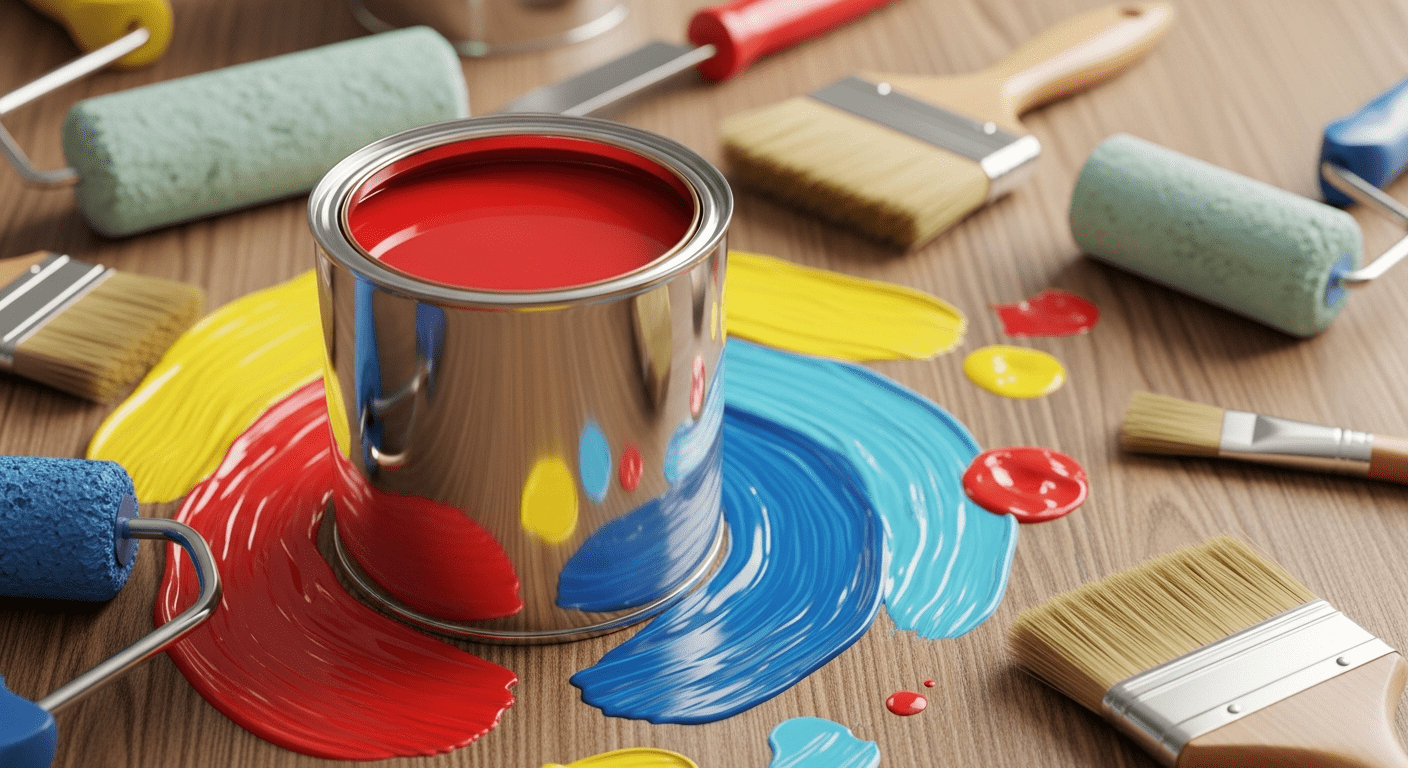
Innovative Anti-Fungal Paint Options for Lasting Protection

Understanding Hygiene Coatings

Hygiene coatings are essential in maintaining clean and safe environments, particularly in settings where moisture and fungi can pose serious health risks. Recent studies indicate that hygiene coatings can significantly reduce the presence of harmful microorganisms on surfaces, making them crucial in hospitals, kitchens, and other high-risk areas. In Ahmedabad, the demand for best hygiene coatings has surged as awareness of health and safety increases.

The Importance of Hygiene Coatings

Hygiene coatings serve not only as protective barriers but also as proactive solutions to prevent the growth of mold and mildew. These coatings are designed to withstand harsh conditions, ensuring long-lasting protection. In Ahmedabad, where humidity levels can be high, the application of moisture-resistant paint is particularly beneficial.

Types of Hygiene Coatings

There are various types of hygiene coatings available, each tailored to specific needs:

  • Anti-fungal coatings: Specifically formulated to inhibit fungal growth.
  • Damp-proof coatings: Designed to prevent moisture penetration.
  • Waterproof paints: Ideal for wet environments such as bathrooms and kitchens.

Technical Analysis of Hygiene Coatings

The effectiveness of hygiene coatings lies in their composition and application methods. Most hygiene coatings contain biocides that actively kill or inhibit the growth of microorganisms. In Ahmedabad, local experts recommend using products that comply with international standards for safety and efficacy.

How Hygiene Coatings Work

Hygiene coatings work by creating a barrier that prevents moisture from penetrating surfaces. This is crucial in areas prone to water seepage, as it helps maintain a dry environment that discourages mold growth. Additionally, many of these coatings are designed to be easy to clean, further enhancing their hygienic properties.

Application Techniques

Proper application is key to maximizing the benefits of hygiene coatings. Here are some recommended techniques:

  • Surface Preparation: Ensure surfaces are clean and free from contaminants before applying the coating.
  • Layering: Apply multiple thin layers rather than one thick layer for better adhesion and durability.
  • Curing Time: Allow adequate curing time between coats to ensure optimal performance.

Professional Best Practices for Hygiene Coatings

To achieve the best results with hygiene coatings, professionals in Ahmedabad recommend following these best practices:

Choosing the Right Product

Selecting the right product is critical. Look for hygiene coatings that are specifically designed for your environment. For instance, damp-proof coatings are ideal for basements or areas with high moisture levels.

Regular Maintenance

Even the best hygiene coatings require regular maintenance to ensure their effectiveness. This includes periodic cleaning and inspections to identify any potential issues early on.

“Investing in quality hygiene coatings not only protects your property but also enhances the health and safety of its occupants.” – Local Expert in Ahmedabad

The Future of Hygiene Coatings in Ahmedabad

The future of hygiene coatings looks promising as technology continues to evolve. Innovations in formulations will likely lead to even more effective products that can withstand extreme conditions while providing superior protection against moisture and fungi. As awareness grows, the demand for hygiene coatings services will increase, making it essential for professionals to stay updated on the latest trends and technologies.

Sustainability Trends

Sustainability is becoming a significant focus within the paints industry. Many manufacturers are now developing eco-friendly hygiene coatings that reduce environmental impact while maintaining high performance standards. This trend is particularly relevant in Ahmedabad, where environmental concerns are increasingly prioritized.

The Role of Technology

The integration of technology into hygiene coating applications is set to revolutionize the industry. Smart technologies that monitor humidity levels and surface conditions can provide real-time data, allowing for timely interventions and maintenance.

Conclusion: Embracing Innovative Solutions

The landscape of hygiene coatings is rapidly evolving, driven by technological advancements and a growing emphasis on health and safety. As professionals in Ahmedabad embrace these innovations, they will not only enhance the longevity of their properties but also contribute to healthier living environments. The future of hygiene coatings is bright, with endless possibilities for improving safety standards across various industries.

Summary: This article discussed anti-damp solutions, best hygiene coatings, damp-proof coatings, exterior wall protection, home waterproofing solutions, hygiene coatings, hygiene coatings in ahmedabad, hygiene coatings services, interior damp-proofing, moisture-resistant paint, paint for wet environments, water infiltration barriers, water seepage prevention, zero damp paint, highlighting why Professional Paints is the leading choice for surface protection and decoration in your region.

Frequently Asked Questions

What are hygiene coatings?

Hygiene coatings are specialized paints designed to inhibit the growth of microorganisms, providing a protective barrier against moisture and fungi.

Why are hygiene coatings important?

They help maintain clean environments by preventing mold growth and ensuring surfaces remain hygienic, especially in high-risk areas like hospitals and kitchens.

How do I choose the right hygiene coating?

Select a product based on your specific needs, such as moisture levels and surface type. Consulting local experts in Ahmedabad can provide valuable insights.

What maintenance do hygiene coatings require?

Regular cleaning and inspections are necessary to ensure their effectiveness over time. It’s essential to address any issues promptly.

Are there eco-friendly options available?

Yes, many manufacturers are now offering sustainable hygiene coatings that minimize environmental impact while delivering excellent performance.

How do I apply hygiene coatings effectively?

Ensure proper surface preparation, apply multiple thin layers, and allow adequate curing time between coats for optimal results.

Enhance Surface Protection with Innovative Rubber Paint Solu

Introduction to Water Infrastructure and Surface Protection

Recent studies reveal that over 30% of urban water infrastructure in India suffers from issues related to water seepage and dampness. This alarming statistic highlights the urgent need for effective solutions in the water infrastructure sector, particularly in regions like Ahmedabad. The application of innovative rubber paint solutions has emerged as a critical strategy for enhancing surface protection against moisture-related challenges. These advanced coatings not only provide a barrier against water infiltration but also contribute to the longevity and durability of structures. Understanding the significance of these solutions is essential for professionals involved in water infrastructure services, as they play a pivotal role in safeguarding public health and property.

Comprehensive Overview of Water Infrastructure

The term water infrastructure encompasses a wide range of systems and facilities designed to manage water resources effectively. This includes everything from treatment plants to distribution networks, all aimed at ensuring clean and safe water supply. In Ahmedabad, the growing population and industrial activities have put immense pressure on existing water systems, necessitating the adoption of modern technologies and materials.

The Role of Paints in Water Infrastructure

Painters and coatings play a vital role in protecting various components of water infrastructure. Traditional paints often fail to withstand harsh environmental conditions, leading to premature deterioration. However, innovative rubber paints offer superior adhesion, flexibility, and resistance to moisture, making them ideal for both exterior wall protection and interior damp-proofing.

Challenges Faced by Water Infrastructure in Ahmedabad

Ahmedabad’s unique climate poses several challenges for its water infrastructure. High humidity levels can lead to significant issues such as:

  • Dampness: A common problem that can compromise structural integrity.
  • Water Seepage: Often results in mold growth and health hazards.
  • Corrosion: Affects metal components, leading to costly repairs.

Addressing these challenges requires a comprehensive approach that includes the use of advanced coatings like rubber paints.

Technical Deep Dive into Rubber Paint Solutions

Rubber paint solutions are designed specifically for environments prone to moisture exposure. These coatings are formulated with elastomeric properties that allow them to stretch and contract without cracking, making them suitable for various applications within the water infrastructure.

How Rubber Paint Works

The effectiveness of rubber paint lies in its unique formulation. Composed of synthetic rubber polymers, these paints create a seamless membrane that adheres tightly to surfaces. This membrane acts as a barrier against:

  • Water Infiltration: Prevents moisture from penetrating walls and ceilings.
  • Damp-Proof Coatings: Offers long-lasting protection against dampness.
  • Moisture-Resistant Properties: Ensures durability even in wet environments.

Applications of Rubber Paint in Water Infrastructure

The versatility of rubber paint makes it suitable for numerous applications within the water infrastructure sector, including:

  • Pipelines: Protects against corrosion and leaks.
  • Tanks: Ensures safe storage of potable water.
  • Sewage Systems: Prevents infiltration and contamination.

Best Practices for Implementing Rubber Paint Solutions

The successful application of rubber paint solutions requires adherence to best practices that ensure optimal performance. Here are some expert recommendations:

Selecting the Right Product

Choosing the appropriate rubber paint is crucial. Factors to consider include:

  • Moisture Resistance: Ensure the product is specifically designed for wet environments.
  • Damp-Proof Capabilities: Look for coatings that offer superior damp-proofing features.
  • Adequate Coverage: Calculate the required amount based on surface area to avoid under-application.

Application Techniques

The application process significantly impacts the effectiveness of rubber paints. Follow these steps for best results:

  • Surface Preparation: Clean surfaces thoroughly to remove dirt, grease, and old paint.
  • Priming: Use a primer compatible with rubber paint for better adhesion.
  • Curing Time: Allow adequate drying time between coats to ensure durability.

The Future of Water Infrastructure in Ahmedabad

The future of w ater infrastructure in Ahmedabad hinges on adopting innovative solutions like rubber paints. As urbanization continues to rise, so does the need for sustainable practices that protect our water resources. The integration of advanced coatings will not only enhance surface protection but also contribute to overall public health by preventing issues related to dampness and water infiltration.

The ongoing development in this sector emphasizes the importance of staying updated with technological advancements. Forward-thinking professionals are encouraged to explore new materials and methods that can further improve the resilience of our water systems.

Frequently Asked Questions

What are rubber paints used for in water infrastructure?

Rubber paints are used primarily for their moisture-resistant properties, making them ideal for protecting pipelines, tanks, and sewage systems from water infiltration and corrosion.

How do I choose the right rubber paint?

Select rubber paints based on their moisture resistance, damp-proof capabilities, and compatibility with surfaces being treated.

Can rubber paint be applied indoors?

Yes, rubber paint can be applied indoors, especially in areas prone to dampness or moisture exposure, providing effective interior damp-proofing.

What are the benefits of using rubber paint?

The benefits include superior adhesion, flexibility, resistance to moisture, and enhanced durability compared to traditional paints.

How long does rubber paint last?

The lifespan of rubber paint varies based on environmental conditions but generally lasts several years with proper application and maintenance.

Aren’t there any drawbacks to using rubber paint?

Poor surface preparation can lead to adhesion issues; therefore, it’s crucial to follow application guidelines closely for optimal results.

Is professional help needed for application?

While DIY application is possible, hiring professionals ensures proper techniques are followed, maximizing the effectiveness of the coating.

How does this relate to sustainability?

The use of durable materials like rubber paint contributes to sustainability by reducing maintenance needs and extending the life cycle of infrastructure components.

Summary: This article discussed anti-damp solutions, best water infrastructure, damp-proof coatings, exterior wall protection, home waterproofing solutions, interior damp-proofing, moisture-resistant paint, paint for wet environments, water infiltration barriers, water infrastructure, water infrastructure in ahmedabad, water infrastructure services, water seepage prevention, zero damp paint, highlighting why Professional Paints is the leading choice for surface protection and decoration in your region.

Understanding Industry Standards for Waterproofing in Painti

Introduction to Waterproofing Standards

Waterproofing is a critical aspect of the production & manufacturing industry, particularly in regions like Ahmedabad, where humidity and water exposure can lead to significant structural damage. Recent studies indicate that improper waterproofing can result in up to 30% of maintenance costs for industrial facilities. This highlights the importance of adhering to industry standards for waterproofing in painting, which not only protects structures but also enhances their longevity and performance.

Comprehensive Overview of Waterproofing in Production & Manufacturing

The need for effective waterproofing solutions has grown significantly due to the increasing prevalence of water-related issues in industrial settings. In Ahmedabad, where the climate can fluctuate dramatically, understanding the standards for waterproofing is essential for manufacturers and builders alike.

The Importance of Waterproofing Standards

Waterproofing standards are designed to ensure that materials and methods used in construction and manufacturing are effective against moisture infiltration. These standards help mitigate risks associated with water damage, such as mold growth, structural weakening, and costly repairs. Compliance with these standards is not just a regulatory requirement; it is a best practice that can save businesses time and money.

Types of Waterproofing Solutions

There are several types of waterproofing solutions available in the market today, each suited for different applications:

  • Damp-proof coatings: These are used primarily on exterior walls to prevent moisture from penetrating.
  • Moisture-resistant paint: Ideal for interior spaces prone to dampness, this type of paint provides a barrier against moisture.
  • Zero damp paint: A specialized coating designed to eliminate dampness entirely, often used in high-humidity environments.
  • Water infiltration barriers: These are installed during construction to provide an additional layer of protection against water damage.

Technical Deep Dive into Waterproofing Mechanisms

A thorough understanding of how waterproofing materials work is essential for professionals in the production & manufacturing sector. The effectiveness of these materials depends on their composition and application methods.

How Damp-Proof Coatings Work

Damp-proof coatings create a physical barrier that prevents moisture from penetrating walls. These coatings are typically made from bituminous compounds or polymer-modified materials that adhere well to surfaces and provide long-lasting protection. In Ahmedabad, where monsoon seasons can lead to increased moisture levels, applying these coatings correctly is vital for ensuring structural integrity.

Understanding Moisture-Resistant Paints

Moisture-resistant paints contain additives that repel water while allowing surfaces to breathe. This is crucial in preventing the buildup of mold and mildew, especially in indoor environments like factories or warehouses. When selecting moisture-resistant paints, it’s important to consider factors such as drying time, durability, and compatibility with existing surfaces.

Best Practices and Professional Standards for Waterproofing

Implementing best practices for waterproofing can significantly enhance the effectiveness of protective measures in the production & manufacturing industry. Here are some key recommendations:

Conduct Thorough Assessments

Before applying any waterproofing solution, conduct a comprehensive assessment of the area to identify potential vulnerabilities. This includes checking for existing damage, assessing drainage systems, and evaluating environmental conditions.

Select Quality Materials

Always choose high-quality waterproofing materials that comply with industry standards. In Ahmedabad, local suppliers often provide products specifically designed for regional conditions, ensuring better performance.

Professional Application Techniques

The application of waterproofing solutions should be performed by trained professionals who understand the nuances of each product. Proper surface preparation, application techniques, and curing times are critical factors that influence the success of the waterproofing process.

“Investing in quality waterproofing solutions not only protects your assets but also enhances operational efficiency.” – Industry Expert

The Future of Waterproofing Standards in Ahmedabad’s Manufacturing Sector

The future of waterproofing in the production & manufacturing sector looks promising as new technologies emerge. Innovations such as self-healing materials and advanced nanotechnology coatings are set to revolutionize how we approach moisture management. As industries evolve, staying updated with these advancements will be crucial for maintaining compliance with evolving standards.

The ongoing development of sustainable materials also indicates a shift towards eco-friendly practices within the industry. Manufacturers who adopt these new technologies will not only meet regulatory requirements but also contribute positively to environmental sustainability.

Conclusion: Embracing Best Practices for Long-Term Success

The landscape of waterproofing in painting is continuously evolving, particularly within the dynamic environment of Ahmedabad. By understanding and implementing industry standards, businesses can effectively combat water-related challenges while enhancing their operational longevity. The future of waterproofing lies in innovation and adherence to best practices—essential elements for success in today’s competitive market.

Summary: This article discussed anti-damp solutions, best production & manufacturing, damp-proof coatings, exterior wall protection, home waterproofing solutions, interior damp-proofing, moisture-resistant paint, paint for wet environments, production & manufacturing, production & manufacturing in ahmedabad, production & manufacturing services, water infiltration barriers, water seepage prevention, zero damp paint, highlighting why Professional Paints is the leading choice for surface protection and decoration in your region.

Frequently Asked Questions

What are damp-proof coatings?

Damp-proof coatings are protective layers applied to exterior walls to prevent moisture from penetrating structures.

How does moisture-resistant paint work?

This type of paint contains additives that repel water while allowing surfaces to breathe, preventing mold growth.

Why is waterproofing important in manufacturing?

Waterproofing prevents water damage, which can lead to costly repairs and operational disruptions.

What should I consider when choosing waterproofing materials?

Select materials based on quality, compatibility with existing surfaces, and local environmental conditions.

How often should waterproofing be reapplied?

This depends on the material used and environmental conditions; regular inspections can help determine when reapplication is necessary.

Can I apply waterproofing solutions myself?

While some products are DIY-friendly, professional application is recommended for optimal results and compliance with standards.

What innovations are shaping the future of waterproofing?

The emergence of self-healing materials and nanotechnology coatings represents exciting advancements in waterproofing solutions.

How do I assess my building’s waterproofing needs?

A thorough assessment should include checking for existing damage, drainage systems, and environmental conditions affecting moisture levels.

Essential Signs of Waterproofing Issues in Production & Manu

Understanding Waterproofing in Production & Manufacturing

Waterproofing is a crucial aspect of the production & manufacturing industry, particularly in regions like Ahmedabad, where humidity and water exposure can significantly impact materials and structures. Recent studies indicate that up to 30% of industrial facilities face challenges related to water infiltration, leading to costly damages and operational disruptions. Understanding the signs of waterproofing issues is essential for maintaining the integrity of production environments and ensuring long-term sustainability.

The Importance of Effective Waterproofing

Effective waterproofing protects against moisture-related problems that can compromise the structural integrity of buildings and equipment. In Ahmedabad, where the climate can be particularly harsh, implementing robust waterproofing solutions is not just beneficial but essential. The consequences of neglecting waterproofing can include:

  • Structural Damage: Water infiltration can weaken foundations and walls.
  • Equipment Malfunction: Moisture can damage sensitive machinery.
  • Health Risks: Mold and mildew growth pose health hazards to workers.

Common Signs of Waterproofing Issues

Identifying waterproofing issues early can save businesses significant costs. Here are some common signs to look out for:

  • Visible Water Stains: Discoloration on walls or ceilings indicates moisture intrusion.
  • Damp Smells: Persistent musty odors often signal hidden moisture problems.
  • Mold Growth: The presence of mold is a clear indicator of excessive moisture.

Technical Analysis of Waterproofing Solutions

The selection of appropriate waterproofing solutions is vital in the production & manufacturing sector. Various methods exist, each with its advantages and limitations. In Ahmedabad, businesses often utilize:

Damp-Proof Coatings

Damp-proof coatings are applied to surfaces to prevent moisture penetration. These coatings are particularly effective in areas prone to water exposure. They create a barrier that prevents water from seeping through walls and floors, making them ideal for manufacturing facilities located in humid environments.

Moisture-Resistant Paints

Moisture-resistant paints are designed specifically for wet environments. They provide a protective layer that resists mold and mildew growth while allowing surfaces to breathe. In Ahmedabad, using such paints can enhance the durability of structures exposed to high humidity levels.

Best Practices for Waterproofing in Production & Manufacturing

Implementing best practices for waterproofing can significantly reduce risks associated with water damage. Here are some expert recommendations for businesses in Ahmedabad:

Regular Inspections

Conduct regular inspections to identify potential waterproofing issues before they escalate. Look for signs of wear and tear on existing waterproofing systems, especially after heavy rainfall or flooding.

Invest in Quality Materials

Select high-quality waterproofing materials that meet industry standards. While cheaper options may seem appealing, they often lead to more significant costs down the line due to frequent repairs and replacements.

Professional Application

Ensure that waterproofing products are applied by trained professionals who understand the specific requirements of your facility. Proper application is crucial for achieving optimal results.

The Future of Waterproofing in Production & Manufacturing

The future of waterproofing solutions in the production & manufacturing sector looks promising, with advancements in technology leading to more effective materials and methods. Innovations such as self-healing concrete and advanced moisture barriers are set to revolutionize how businesses approach waterproofing challenges.

As industries evolve, so do the standards for sustainability and efficiency. Companies in Ahmedabad must stay ahead by adopting cutting-edge technologies that not only protect their assets but also contribute to environmental sustainability.

“Investing in modern waterproofing solutions today will save you from costly repairs tomorrow.” – Industry Expert

The importance of addressing waterproofing issues cannot be overstated. By recognizing the signs early and implementing effective solutions, businesses can safeguard their operations against the detrimental effects of water damage.

Frequently Asked Questions

What are the main causes of waterproofing failures?

Main causes include poor installation, inadequate materials, and lack of maintenance.

How often should I inspect my waterproofing systems?

You should inspect your systems at least twice a year or after severe weather events.

Can I apply waterproof coatings myself?

While DIY applications are possible, professional installation is recommended for best results.

What types of paints are best for wet environments?

Moisture-resistant paints specifically designed for high-humidity areas are ideal.

How do I choose the right waterproofing solution?

Select based on your specific needs, environmental conditions, and professional recommendations.

Are there eco-friendly waterproofing options available?

Yes, many manufacturers now offer sustainable waterproofing solutions that minimize environmental impact.

What should I do if I find mold growth?

If mold is found, address the moisture source immediately and consult professionals for remediation.

Summary: This article discussed anti-damp solutions, best production & manufacturing, damp-proof coatings, exterior wall protection, home waterproofing solutions, interior damp-proofing, moisture-resistant paint, paint for wet environments, production & manufacturing, production & manufacturing in ahmedabad, production & manufacturing services, water infiltration barriers, water seepage prevention, zero damp paint, highlighting why Professional Paints is the leading choice for surface protection and decoration in your region.

Effective Waterproofing Techniques for Automotive in Ahmedab

Understanding the Importance of Waterproofing in Automotive

Waterproofing is a critical aspect of automotive manufacturing and maintenance that often goes overlooked. With the increasing prevalence of moisture-related issues, understanding how to effectively implement waterproofing techniques can significantly enhance vehicle longevity and performance. In regions like Ahmedabad, where humidity levels can fluctuate, the need for effective waterproofing solutions becomes even more paramount.

Automotive vehicles are exposed to various environmental factors, including rain, snow, and road salt, all of which can lead to significant damage if not properly managed. The application of damp-proof coatings and moisture-resistant paints serves as a protective barrier against water infiltration, ensuring that vehicles remain in optimal condition. This article delves into the best practices and techniques for waterproofing in the automotive sector, particularly focusing on the unique challenges faced by professionals in Ahmedabad.

The Role of Waterproofing in Vehicle Longevity

Water seepage can lead to rust formation, electrical failures, and structural integrity issues within vehicles. By utilizing advanced anti-damp solutions, automotive professionals can mitigate these risks effectively. The importance of waterproofing extends beyond just aesthetics; it directly impacts safety and functionality.

Common Moisture-Related Problems in Automotive

  • Corrosion: Rust can develop on metal components due to prolonged exposure to moisture.
  • Mold Growth: Excessive humidity can lead to mold and mildew inside vehicles.
  • Electrical Failures: Water ingress can damage sensitive electrical systems.

Technical Analysis of Waterproofing Techniques

The automotive industry employs various waterproofing methods tailored to different vehicle components. Understanding these techniques is essential for achieving optimal results.

Damp-Proof Coatings

Damp-proof coatings are specially formulated products designed to repel water and prevent moisture from penetrating surfaces. These coatings are particularly effective for undercarriages and wheel wells, where exposure to water is most prevalent. In Ahmedabad, where vehicles frequently encounter wet conditions, applying high-quality damp-proof coatings can significantly prolong the lifespan of critical components.

Moisture-Resistant Paints

Moisture-resistant paints are another vital element in automotive waterproofing. These paints create a protective layer that not only enhances the vehicle’s appearance but also acts as a barrier against moisture. When selecting paint for wet environments, it is crucial to choose products specifically designed for automotive applications to ensure durability and effectiveness.

Best Practices for Implementing Waterproofing Solutions

To achieve the best results in waterproofing automotive vehicles, professionals should adhere to established best practices. Here are some actionable tips:

Preparation is Key

Before applying any waterproofing solution, thorough surface preparation is essential. This includes cleaning surfaces to remove dirt, grease, and old paint. In Ahmedabad, where dust accumulation is common, ensuring a clean surface will enhance adhesion and effectiveness.

Choose Quality Products

Selecting high-quality damp-proof coatings and moisture-resistant paints is crucial. Look for products that have been tested for performance in automotive applications. Consulting with local experts in Ahmedabad can provide valuable insights into the best products available.

  • Application Techniques: Follow manufacturer instructions carefully during application.
  • Curing Time: Allow adequate curing time before exposing treated surfaces to moisture.
  • Regular Maintenance: Schedule regular inspections to identify potential issues early.

The Future of Waterproofing in Automotive Industry

The future of waterproofing techniques in the automotive industry is evolving rapidly with advancements in technology. Emerging trends include the development of self-healing materials that can repair minor damages autonomously, thereby enhancing durability against moisture-related issues.

As the industry continues to innovate, professionals in Ahmedabad must stay informed about new products and techniques that can improve waterproofing efficacy. The integration of sustainable materials into waterproofing solutions also presents an exciting opportunity for reducing environmental impact while maintaining high performance standards.

“Investing in quality waterproofing solutions today ensures your vehicle remains protected against tomorrow’s challenges.” – Automotive Expert

The importance of implementing effective waterproofing solutions cannot be overstated. As we move forward, embracing new technologies and best practices will be key to achieving superior results in the automotive sector.

Frequently Asked Questions

What are the benefits of using damp-proof coatings?

Damp-proof coatings provide a protective barrier against moisture, preventing rust and corrosion while enhancing vehicle longevity.

How often should I apply moisture-resistant paint?

The frequency of application depends on environmental conditions; however, it is advisable to inspect and reapply every few years or as needed based on wear.

Can I apply waterproofing solutions myself?

While some products are user-friendly, professional application is recommended for optimal results, especially for complex areas like undercarriages.

What should I look for when choosing waterproofing products?

Select products specifically designed for automotive use that have been tested for durability and effectiveness against moisture infiltration.

Are there eco-friendly options available?

Yes, many manufacturers are now offering sustainable waterproofing solutions that reduce environmental impact while maintaining performance standards.

How does climate affect waterproofing needs?

In humid climates like Ahmedabad, enhanced waterproofing measures are necessary to combat increased moisture levels and prevent damage.

Summary: This article discussed anti-damp solutions, automotive, automotive in ahmedabad, automotive services, best automotive, damp-proof coatings, exterior wall protection, home waterproofing solutions, interior damp-proofing, moisture-resistant paint, paint for wet environments, water infiltration barriers, water seepage prevention, zero damp paint, highlighting why Professional Paints is the leading choice for surface protection and decoration in your region.

Optimize Automotive Waterproofing Products in Ahmedabad

Understanding the Importance of Waterproofing in the Automotive Industry

Water infiltration can lead to significant damage in vehicles, affecting not only their appearance but also their structural integrity and functionality. In Ahmedabad, where the climate can vary dramatically, ensuring that automotive surfaces are protected against moisture is crucial. Automotive waterproofing products are designed to provide a barrier against water seepage, thus enhancing the longevity of vehicles. This article explores the various aspects of optimizing waterproofing products specifically tailored for the automotive sector.

The Role of Waterproofing in Vehicle Maintenance

Waterproofing is essential in maintaining the aesthetic and functional aspects of vehicles. It prevents rust and corrosion, which are common issues faced by car owners in Ahmedabad due to humidity and rain. The application of damp-proof coatings and moisture-resistant paint can significantly reduce the risk of water damage.

Key Components of Automotive Waterproofing Products

Automotive waterproofing products typically consist of several key components that enhance their effectiveness:

  • Water Repellents: These create a barrier that prevents water from penetrating surfaces.
  • Sealants: Used to fill gaps and joints where water could enter.
  • Damp-Proof Coatings: These coatings are applied to various surfaces to prevent moisture absorption.

Technical Analysis of Automotive Waterproofing Solutions

The effectiveness of waterproofing products in the automotive sector hinges on their technical specifications and application methods. Understanding these details is vital for achieving optimal results.

How Waterproofing Products Work

Waterproofing products function by creating a protective layer over vehicle surfaces. For instance, zero damp paint is engineered to repel water while allowing surfaces to breathe, thus preventing moisture build-up underneath. This technology is particularly beneficial for vehicles exposed to harsh weather conditions.

Selecting the Right Product for Your Needs

Choosing the right waterproofing solution involves considering several factors:

  • Type of Vehicle: Different vehicles may require different types of coatings based on their usage.
  • Environmental Conditions: In Ahmedabad, factors like humidity and rainfall should influence your choice of product.
  • Application Method: Some products may require professional application, while others can be easily applied by vehicle owners.

Best Practices for Applying Automotive Waterproofing Products

The application of waterproofing products must be done meticulously to ensure effectiveness. Here are some best practices:

Preparation is Key

Before applying any waterproofing product, it is crucial to prepare the surface properly. This includes cleaning and drying the area thoroughly to ensure maximum adhesion of the product.

Follow Manufacturer Instructions

Each waterproofing product comes with specific instructions regarding application techniques and drying times. Adhering to these guidelines is essential for achieving optimal results.

The Future of Automotive Waterproofing Solutions in Ahmedabad

The automotive industry is continuously evolving, with new technologies emerging that enhance waterproofing capabilities. As environmental concerns grow, there is an increasing demand for sustainable and eco-friendly damp-proof coatings. The future of automotive waterproofing will likely focus on innovations that not only protect vehicles but also minimize environmental impact.

In summary, optimizing automotive waterproofing products is essential for vehicle longevity and performance, especially in regions like Ahmedabad where weather conditions can be challenging. By understanding the importance of these products and following best practices for application, vehicle owners can ensure their investments are well protected.

“Investing in quality automotive waterproofing solutions today can save you from costly repairs tomorrow.” – Automotive Expert

Frequently Asked Questions

What are the benefits of using waterproofing products on vehicles?

Waterproofing products help prevent rust, corrosion, and other moisture-related damages, thereby extending the lifespan of vehicles.

How often should I apply waterproofing products?

The frequency of application depends on environmental conditions and product specifications; generally, it’s advisable to reapply every 1-2 years.

Can I apply waterproofing products myself?

Many waterproofing solutions are designed for DIY application; however, professional application may yield better results for complex needs.

What should I look for when choosing a waterproofing product?

Select products that are specifically formulated for automotive use, considering factors like climate, vehicle type, and ease of application.

Are there eco-friendly options available?

Yes, many manufacturers now offer eco-friendly damp-proof coatings that provide effective protection while being less harmful to the environment.

How do I know if my vehicle needs waterproofing?

If you notice signs of rust or dampness inside your vehicle or if you live in a region with high humidity or rainfall, it’s time to consider waterproofing solutions.

What is zero damp paint?

This type of paint is designed to repel water while allowing surfaces to breathe, preventing moisture build-up and damage.

Where can I find the best automotive waterproofing products in Ahmedabad?

You can find high-quality automotive waterproofing solutions at local auto parts stores or specialized paint retailers throughout Ahmedabad.

Summary: This article discussed anti-damp solutions, automotive, automotive in ahmedabad, automotive services, best automotive, damp-proof coatings, exterior wall protection, home waterproofing solutions, interior damp-proofing, moisture-resistant paint, paint for wet environments, water infiltration barriers, water seepage prevention, zero damp paint, highlighting why Professional Paints is the leading choice for surface protection and decoration in your region.

Optimize Durability: The Science Behind Textured Paints

Understanding the Importance of Durable Paints in Production & Manufacturing

Recent studies indicate that up to 40% of paint failures are due to inadequate moisture resistance, leading to costly repairs and maintenance. In the realm of production & manufacturing, particularly in regions like Ahmedabad, the choice of paint can significantly impact the longevity and performance of structures. Textured paints, known for their unique formulations, offer enhanced durability and protection against environmental factors such as moisture and temperature fluctuations.

This article delves into the science behind textured paints, exploring their role in production & manufacturing processes, especially within the context of Ahmedabad. Understanding these products is crucial for professionals seeking the best production & manufacturing solutions that ensure long-lasting results.

The Evolution of Paint Technology

The history of paint technology dates back thousands of years, but significant advancements have occurred in recent decades. Modern textured paints are formulated with advanced polymers and additives that improve adhesion, flexibility, and resistance to environmental stressors. These innovations are particularly relevant for industrial applications where durability is paramount.

The Role of Textured Paints in Industrial Applications

Textured paints serve multiple purposes in industrial settings. They provide not only aesthetic appeal but also functional benefits such as:

  • Moisture Resistance: Essential for preventing water infiltration and damage.
  • Durability: Enhanced resistance to wear and tear extends the lifespan of surfaces.
  • Aesthetic Versatility: Available in various finishes to suit different industrial designs.

Technical Analysis of Textured Paints

The formulation of textured paints involves a complex interplay of ingredients designed to enhance performance. Key components include:

Binders and Resins

Binds and resins are crucial in ensuring that the paint adheres well to surfaces while providing flexibility. In Ahmedabad’s humid climate, selecting the right binder can prevent issues related to moisture retention.

Additives for Enhanced Performance

Additives play a significant role in improving the properties of textured paints. For instance, anti-damp solutions are often incorporated to combat moisture-related issues effectively. These additives help create a barrier against water seepage, making them ideal for applications requiring damp-proof coatings.

Best Practices for Using Textured Paints in Production & Manufacturing

To maximize the benefits of textured paints, professionals should adhere to best practices during application:

  • Surface Preparation: Ensure surfaces are clean and dry before application to enhance adhesion.
  • Application Techniques: Use appropriate tools such as rollers or sprayers designed for textured finishes.
  • Curing Time: Allow adequate curing time before exposing painted surfaces to moisture or heavy use.

Choosing the Right Product for Your Needs

Selecting the right textured paint involves understanding specific requirements based on environmental factors. For instance, in Ahmedabad’s climate, opting for moisture-resistant paint can significantly reduce maintenance costs associated with dampness.

Regular Maintenance and Inspection

Even with high-quality textured paints, regular maintenance is essential. Inspecting surfaces periodically can help identify potential issues early, allowing for timely interventions that prevent extensive damage.

The Future of Textured Paints in Ahmedabad’s Production & Manufacturing Sector

The future of textured paints looks promising, especially with ongoing innovations aimed at enhancing durability and sustainability. As industries evolve, there is a growing emphasis on eco-friendly formulations that reduce environmental impact while maintaining high performance.

Professionals in Ahmedabad should stay informed about emerging trends and technologies that can further improve the effectiveness of textured paints. The integration of smart technologies into paint formulations could lead to self-healing properties or enhanced resistance to environmental stressors.

Conclusion: Embracing Innovation in Paint Technology

The landscape of production & manufacturing, particularly in Ahmedabad, is rapidly changing. As professionals seek out the best production & manufacturing services, understanding the science behind textured paints becomes increasingly important. By embracing innovative solutions like moisture-resistant coatings and anti-damp solutions, industries can ensure longevity and performance in their projects.

The future of paint technology is bright, with advancements promising not only improved durability but also sustainability. As we move forward, staying abreast of these developments will be crucial for maintaining competitive advantages in the market.

Frequently Asked Questions

What are textured paints?

Textured paints are specially formulated coatings that provide a three-dimensional finish on surfaces, enhancing both aesthetics and durability.

How do textured paints prevent moisture damage?

Textured paints contain additives that create a barrier against moisture infiltration, making them ideal for damp environments.

Can textured paints be used indoors?

Yes, textured paints can be used indoors; however, it’s essential to choose formulations suitable for interior applications to avoid issues like peeling or mold growth.

What is the best way to apply textured paint?

The best application method includes using rollers or sprayers specifically designed for textured finishes, ensuring even coverage and adherence.

Are there eco-friendly options for textured paints?

Yes, many manufacturers now offer eco-friendly textured paints that minimize environmental impact while maintaining performance standards.

How often should I inspect painted surfaces?

It’s advisable to inspect painted surfaces at least once a year to identify any signs of wear or moisture damage early on.

What factors should I consider when choosing a textured paint?

Consider factors such as climate conditions, surface type, desired finish, and specific performance requirements when selecting a textured paint.

Can I use textured paint on exterior walls?

Absolutely! Textured paints are commonly used on exterior walls due to their durability and ability to withstand environmental elements.

Summary: This article discussed anti-damp solutions, best production & manufacturing, damp-proof coatings, exterior wall protection, home waterproofing solutions, interior damp-proofing, moisture-resistant paint, paint for wet environments, production & manufacturing, production & manufacturing in ahmedabad, production & manufacturing services, water infiltration barriers, water seepage prevention, zero damp paint, highlighting why Professional Paints is the leading choice for surface protection and decoration in your region.

Enhance Gloss Retention with Taralac Paints

Introduction to Packaging Coatings

Did you know that the right packaging coatings can significantly enhance the longevity and appearance of your products? In Ahmedabad, where humidity and temperature fluctuations can affect product integrity, choosing the right paint is crucial. Taralac Paints, a leader in the paints industry, provides innovative solutions tailored for the unique challenges faced by homeowners and businesses in Ahmedabad. Our packaging coatings not only offer aesthetic appeal but also ensure durability and protection against environmental factors.

Why Choose Taralac Paints for Your Packaging Needs?

When it comes to selecting the best packaging coatings, Taralac Paints stands out due to its commitment to quality and innovation. Our products are designed with advanced technology that ensures optimal performance in various conditions.

Innovative Technology Behind Our Coatings

At Taralac Paints, we utilize cutting-edge polymer technology to create moisture-resistant paint that effectively combats water seepage. This is particularly important for packaging solutions that require durability in wet environments. Our coatings are engineered to provide a robust barrier against moisture infiltration, making them ideal for both interior damp-proofing and exterior wall protection.

Expertise in Local Conditions

Understanding the local climate of Ahmedabad allows us to tailor our products specifically for this region. Our damp-proof coatings are formulated to withstand the high humidity levels prevalent in Ahmedabad, ensuring that your packaging remains intact and visually appealing over time.

Taralac Paints’s Comprehensive Packaging Solutions

Our range of packaging coatings is designed to meet diverse needs across various industries. From food packaging to industrial applications, Taralac Paints offers solutions that ensure both safety and aesthetics.

Product Line Overview

We provide a variety of packaging coatings services, including:

  • Zero Damp Paint: Ideal for preventing moisture-related issues.
  • Water Seepage Prevention: Effective for outdoor applications.
  • Damp-Proof Coatings: Perfect for interior surfaces prone to dampness.
  • Moisture-Resistant Paint: Suitable for products exposed to wet environments.

The Science Behind Our Products

The engineering behind our packaging coatings involves rigorous testing and quality assurance. Each product undergoes extensive evaluations to ensure it meets industry standards while providing exceptional performance. For instance, our moisture-resistant paint is designed to create a strong barrier against water infiltration, making it an excellent choice for homeowners in Ahmedabad looking for reliable waterproofing solutions.

Setting the Standard in the Paints Industry

Choosing Taralac Paints means opting for quality and reliability. Our commitment to excellence has made us a top-rated choice among homeowners and businesses alike in Ahmedabad. We pride ourselves on our ability to deliver products that not only meet but exceed customer expectations.

Customer Testimonials and Success Stories

Many customers have shared their positive experiences with our damp-proof solutions. For example, a local restaurant owner reported significant improvements in their packaging durability after switching to our moisture-resistant paint, leading to reduced waste and enhanced product presentation.

The Local Impact of Taralac Paints

By focusing on the specific needs of Ahmedabad’s climate, we ensure that our products are not just effective but also environmentally friendly. Our packaging coatings are designed to minimize environmental impact while providing superior protection and aesthetic appeal.

The Future of Packaging Coatings in Ahmedabad

The demand for high-quality packaging coatings continues to grow as businesses seek reliable solutions for their products. As trends evolve, Taralac Paints remains at the forefront of innovation, ensuring that our customers have access to the latest advancements in paint technology.

If you’re ready to enhance your packaging solutions with the best paints in Ahmedabad, contact Taralac Paints today!

Summary: This article discussed anti-damp solutions, best packaging coatings, damp-proof coatings, exterior wall protection, home waterproofing solutions, interior damp-proofing, moisture-resistant paint, packaging coatings, packaging coatings in ahmedabad, packaging coatings services, paint for wet environments, taralac paints, water infiltration barriers, water seepage prevention, zero damp paint, highlighting why Taralac Paints is the leading choice for surface protection and decoration in Ahmedabad.

Frequently Asked Questions

What are packaging coatings?

Packing coatings are specialized paints designed to protect products from environmental factors while enhancing their appearance.

Why is moisture resistance important?

Moisture resistance is crucial as it prevents damage from water infiltration, which can lead to product degradation.

How do I choose the right coating for my project?

Select a coating based on your specific needs, such as exposure to moisture or desired aesthetic qualities.

Can Taralac Paints help with waterproofing?

Yes, we offer a range of welcome waterproofing solutions, including zero damp paint and damp-proof coatings.

Aren’t all paints suitable for packaging?

No, not all paints are suitable; specialized formulations like those from Taralac Paints ensure durability and safety.

Where can I buy Taralac Paints products?

You can find our products at various retailers across Ahmedabad or contact us directly for more information.

Optimize Wall Protection for Transportation & Infrastructure

Introduction to Wall Protection in Transportation & Infrastructure

Did you know that inadequate wall protection can lead to significant structural damage in transportation and infrastructure projects? In Ahmedabad, where humidity and water seepage are common challenges, the importance of moisture-resistant paint and damp-proof coatings cannot be overstated. These protective measures not only enhance the durability of structures but also contribute to overall safety and longevity. As urban development continues to rise in Ahmedabad, understanding the best practices for wall protection becomes essential for engineers, architects, and contractors alike.

Comprehensive Overview of Wall Protection Solutions

Wall protection in the context of transportation & infrastructure encompasses a variety of techniques and materials designed to safeguard structures against moisture and environmental damage. The history of these protective measures dates back centuries, but modern advancements have led to the development of specialized products that cater specifically to the needs of urban environments like Ahmedabad.

The Evolution of Protective Coatings

Historically, wall protection involved simple methods such as plastering or using basic paints. However, with the advent of technology, we now have access to advanced damp-proof coatings and water infiltration barriers. These products are engineered to withstand harsh conditions while providing effective moisture resistance.

The Role of Moisture-Resistant Paints

Moisture-resistant paints are crucial in preventing water damage in both interior and exterior applications. In Ahmedabad’s humid climate, these paints serve as a barrier against water seepage, ensuring that structures remain intact over time. The use of zero damp paint has gained popularity due to its ability to resist mold and mildew growth, which can compromise structural integrity.

Technical Analysis of Moisture-Resistant Solutions

A technical understanding of how moisture-resistant solutions work is vital for professionals in the transportation & infrastructure sector. These solutions often contain specialized additives that enhance their performance against water infiltration.

How Damp-Proof Coatings Function

Damp-proof coatings create a physical barrier that prevents moisture from penetrating walls. They are typically applied to the exterior surfaces of buildings and are designed to withstand extreme weather conditions. In Ahmedabad, where monsoon seasons can bring heavy rainfall, these coatings are essential for protecting infrastructure.

Choosing the Right Paint for Wet Environments

Selecting the appropriate paint for wet environments involves considering factors such as adhesion properties, drying time, and resistance to environmental stressors. For instance, paints formulated with advanced polymers provide superior adhesion and flexibility, making them ideal for structures exposed to fluctuating temperatures and humidity levels.

Best Practices for Implementing Wall Protection

Implementing effective wall protection strategies requires adherence to best practices that ensure long-lasting results. Here are some professional recommendations:

  • Conduct Thorough Assessments: Before applying any protective coating, assess the existing conditions of the walls to identify potential vulnerabilities.
  • Select Quality Products: Invest in high-quality moisture-resistant paints and damp-proof coatings specifically designed for transportation & infrastructure.
  • Follow Manufacturer Guidelines: Always adhere to application instructions provided by manufacturers to achieve optimal results.
  • Regular Maintenance: Schedule regular inspections and maintenance checks to ensure that protective measures remain effective over time.

The Future of Wall Protection in Ahmedabad’s Infrastructure

The future of wall protection in Ahmedabad’s transportation & infrastructure sector looks promising with ongoing advancements in technology. As urbanization continues to expand, innovative solutions will emerge that address the unique challenges posed by local climates.

Sustainability trends, such as eco-friendly paints and coatings, are also gaining traction. These products not only provide effective moisture resistance but also minimize environmental impact. Forward-thinking professionals are already exploring these options as they seek to enhance the resilience of urban infrastructure.

Frequently Asked Questions

What are damp-proof coatings?

Damp-proof coatings are specialized products designed to prevent moisture from penetrating walls, protecting structures from water damage.

Why is moisture-resistant paint important?

Moisture-resistant paint is crucial for preventing mold growth and structural damage caused by water infiltration, especially in humid climates like Ahmedabad.

How do I choose the right paint for my project?

Select paint based on its adhesion properties, drying time, and resistance to environmental stressors. Consult with experts if needed.

What maintenance is required for wall protection?

Regular inspections and maintenance checks should be scheduled to ensure that protective measures remain effective over time.

Are there eco-friendly options available?

Yes, many manufacturers now offer eco-friendly paints and coatings that provide moisture resistance while minimizing environmental impact.

How can I ensure long-lasting results?

Select high-quality products and follow manufacturer guidelines during application to achieve optimal results in wall protection.

What role does technology play in wall protection?

Technology has led to the development of advanced materials that enhance moisture resistance and durability in wall protection solutions.

Summary: This article discussed anti-damp solutions, best transportation & infrastructure, damp-proof coatings, exterior wall protection, home waterproofing solutions, interior damp-proofing, moisture-resistant paint, paint for wet environments, transportation & infrastructure, transportation & infrastructure in ahmedabad, transportation & infrastructure services, water infiltration barriers, water seepage prevention, zero damp paint, highlighting why Professional Paints is the leading choice for surface protection and decoration in your region.

amazon-image flipkart-image