Optimize Surface Priming for Transportation & Infrastructure

Understanding the Importance of Surface Priming in Transportation & Infrastructure

Recent studies have shown that effective surface priming can significantly enhance the longevity and performance of paints used in the transportation & infrastructure sector. In Ahmedabad, where infrastructure development is booming, the need for robust painting solutions is more critical than ever. Proper priming not only ensures better adhesion but also protects surfaces from moisture and environmental wear, which is crucial in a region prone to varying weather conditions.

The Role of Surface Priming

Surface priming acts as a preparatory layer that enhances the bond between the substrate and the paint. In transportation & infrastructure projects, this is particularly vital as surfaces are often exposed to harsh conditions. For instance, bridges, roads, and public transport facilities require paints that can withstand water seepage, extreme temperatures, and UV radiation.

Current Trends in Surface Priming Techniques

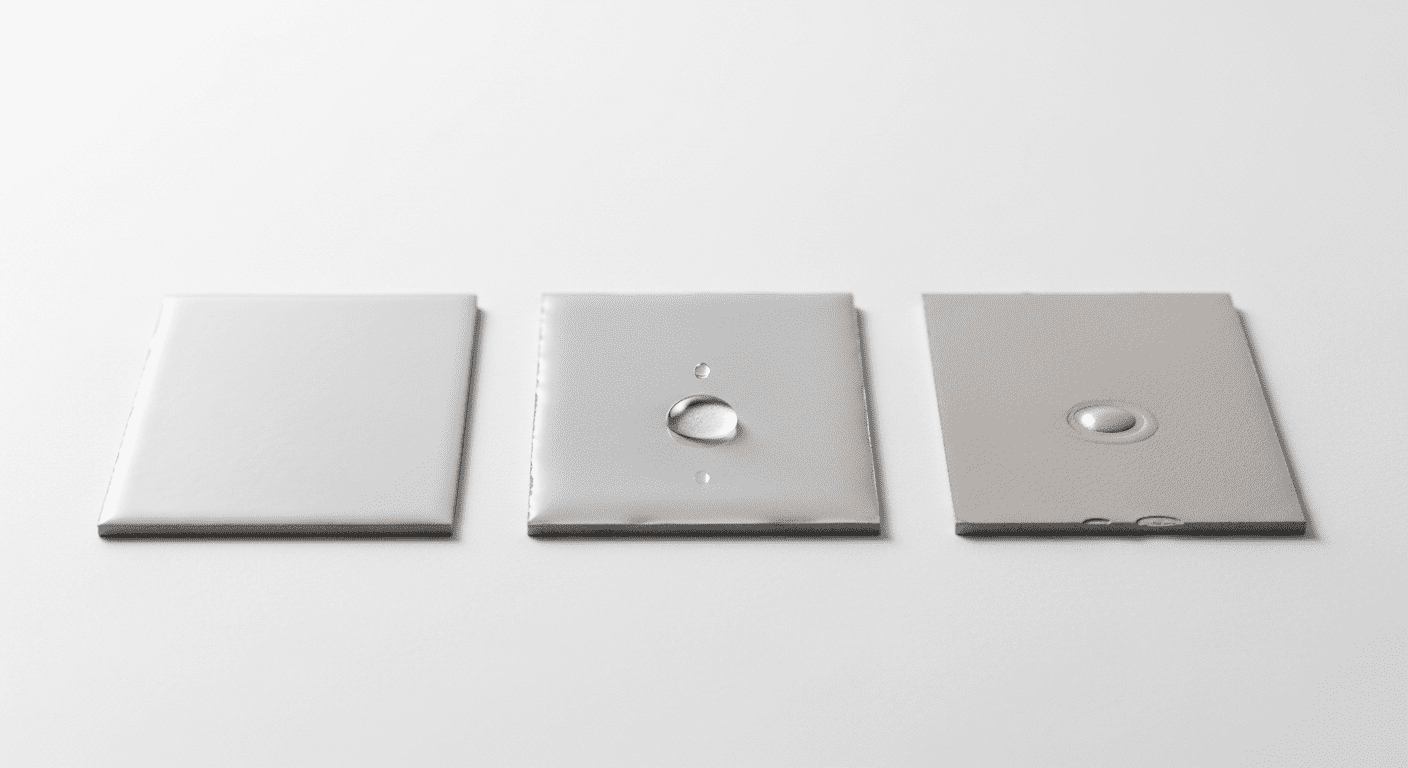
The latest advancements in surface priming techniques focus on using damp-proof coatings and moisture-resistant paints. These innovations are designed to prevent water infiltration and protect structural integrity. In Ahmedabad, where humidity can lead to significant challenges, utilizing these modern solutions can mitigate issues related to dampness and corrosion.

Technical Analysis of Surface Priming Techniques

A comprehensive understanding of the technical aspects of surface priming is essential for professionals in the transportation & infrastructure industry. The choice of primer can affect not only the appearance but also the durability of the paint system.

Types of Primers Used in Transportation & Infrastructure

There are several types of primers available, each suited for specific applications:

  • Oil-based Primers: Ideal for metal surfaces, providing excellent adhesion and rust prevention.
  • Acrylic Primers: Water-based options that are environmentally friendly and suitable for a variety of substrates.
  • Epoxy Primers: Known for their chemical resistance and durability, making them perfect for industrial applications.
  • Damp-proof Primers: Specifically designed to resist moisture penetration, crucial for projects in humid climates like Ahmedabad.

Application Techniques for Optimal Results

The application process is just as important as the primer selection. Techniques such as spray application or roller application can influence the effectiveness of the primer. For example, spraying allows for a more even coat, which is vital when working on large infrastructure projects. Additionally, ensuring that surfaces are clean and free from contaminants before priming is essential for achieving maximum adhesion.

Best Practices and Professional Standards in Surface Priming

Implementing best practices in surface priming can dramatically improve project outcomes in transportation & infrastructure projects. Here are some professional standards to consider:

Preparation Before Priming

Before applying any primer, thorough surface preparation is crucial. This includes:

  • Cleaning: Remove dirt, grease, and old paint to ensure proper adhesion.
  • Dew Point Consideration: Always check the dew point to avoid applying primer under unsuitable conditions.
  • Repairing Damages: Address any cracks or damages on surfaces before priming.

Choosing the Right Conditions for Application

The environmental conditions during application can significantly affect the performance of the primer. It is advisable to apply primers during optimal weather conditions—ideally when temperatures are moderate and humidity levels are low. In Ahmedabad’s climate, this often means planning work during early mornings or late afternoons.

The Future of Surface Priming in Transportation & Infrastructure

The future of surface priming in the transportation & infrastructure sector looks promising with ongoing innovations aimed at sustainability and efficiency. As professionals continue to seek ways to enhance durability while minimizing environmental impact, trends such as eco-friendly primers and advanced application technologies will likely gain traction.

The integration of smart technologies into painting processes may also revolutionize how we approach surface priming. For instance, sensors that monitor moisture levels could help determine the best times for application, ensuring optimal results.

As we look forward, it’s clear that professionals involved in transportation & infrastructure must stay informed about emerging trends and technologies to maintain high standards of quality and performance in their projects.

Frequently Asked Questions

What is the purpose of using a primer before painting?

A primer enhances adhesion between the substrate and paint while providing a protective barrier against moisture and environmental damage.

How does humidity affect painting projects?

High humidity can lead to issues like poor adhesion and blistering if paints are applied without proper precautions.

What types of surfaces require special primers?

Metal surfaces often require oil-based primers for rust prevention, while damp environments benefit from moisture-resistant primers.

Can I apply primer in any weather condition?

No, it’s best to apply primer under optimal weather conditions—moderate temperatures and low humidity are ideal.

How often should surface preparation be done?

Surface preparation should be done every time before applying a new coat of primer or paint to ensure maximum adhesion and durability.

What advancements are being made in surface priming technologies?

The industry is seeing innovations such as eco-friendly primers and smart application technologies that monitor environmental conditions for optimal results.

Why is it important to follow professional standards in surface priming?

Adhering to professional standards ensures high-quality finishes that enhance durability and reduce maintenance costs over time.

Summary: This article discussed anti-damp solutions, best transportation & infrastructure, damp-proof coatings, exterior wall protection, home waterproofing solutions, interior damp-proofing, moisture-resistant paint, paint for wet environments, transportation & infrastructure, transportation & infrastructure in ahmedabad, transportation & infrastructure services, water infiltration barriers, water seepage prevention, zero damp paint, highlighting why Professional Paints is the leading choice for surface protection and decoration in your region.
Strategies for Seasonal Interior Design Using Blue Wall Pain

Introduction to Production & Manufacturing in the Paints Industry

The paints industry is undergoing a significant transformation, driven by innovations in production & manufacturing processes. Recent studies indicate that the demand for high-quality paints, particularly in regions like Ahmedabad, is on the rise. This trend is not merely about aesthetics; it encompasses durability, sustainability, and functionality. As urbanization accelerates, the need for effective solutions to combat issues such as moisture and dampness becomes paramount. In this context, understanding the nuances of production & manufacturing in Ahmedabad is essential for both consumers and professionals alike.

Comprehensive Overview of Paint Production & Manufacturing

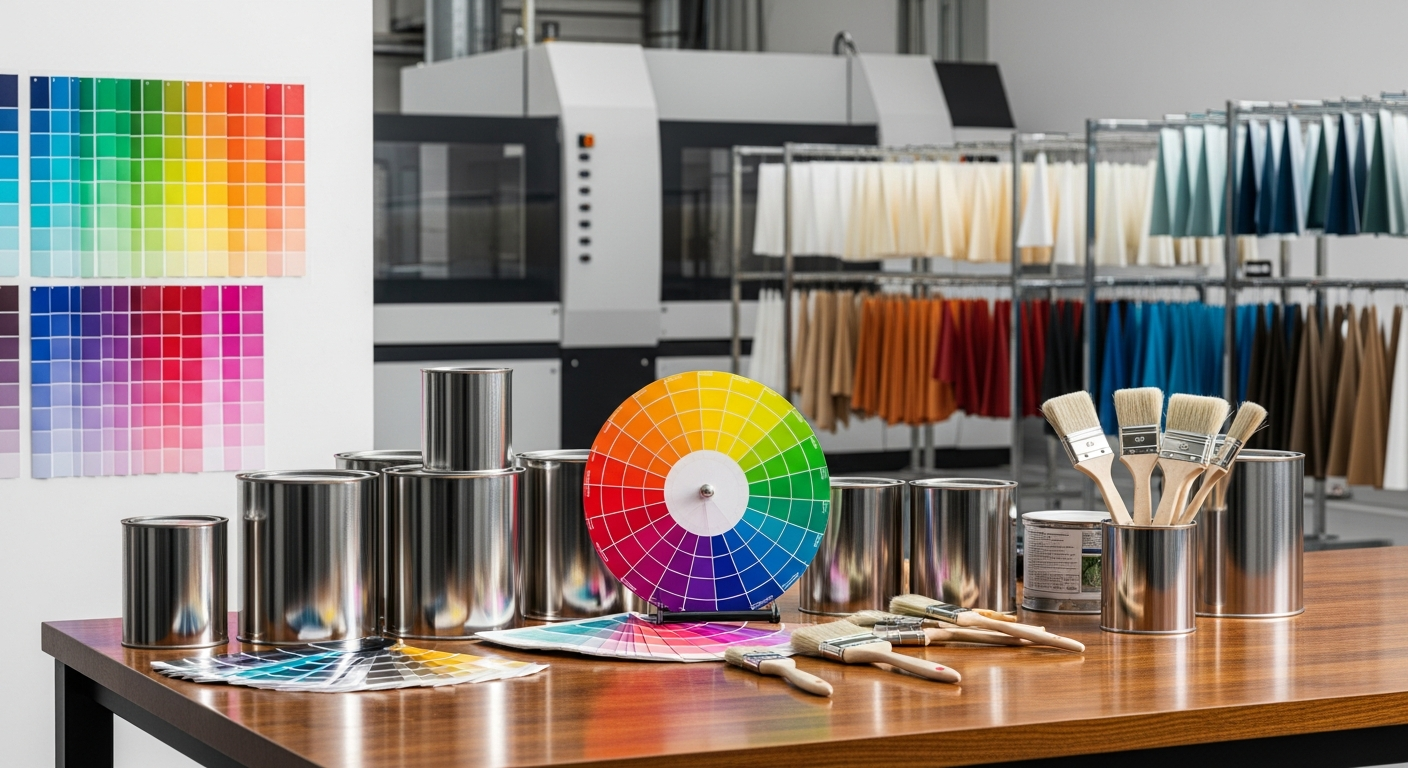
The production & manufacturing of paints involves a complex interplay of raw materials, technology, and skilled labor. The process begins with the selection of pigments, binders, solvents, and additives that create a product tailored for specific applications. In Ahmedabad, local manufacturers are increasingly adopting advanced technologies to enhance product quality and reduce environmental impact.

Historical Context of Paint Manufacturing

The history of paint manufacturing dates back thousands of years, evolving from natural pigments to modern synthetic formulations. Early civilizations used earth pigments mixed with oils or water, while today’s paints are formulated using advanced chemistry to achieve desired properties such as durability and resistance to environmental factors.

Current Trends in Ahmedabad’s Paint Industry

In Ahmedabad, the paint industry is witnessing a shift towards eco-friendly products. Manufacturers are focusing on damp-proof coatings and moisture-resistant paints, which are essential in combating the region’s humidity challenges. The introduction of zero damp paint has revolutionized how homeowners approach interior design, allowing for vibrant colors without compromising on performance.

Technical Deep Dive into Paint Formulation

The formulation of paints is a critical aspect of production & manufacturing that directly impacts performance. Understanding the components involved can help consumers make informed choices.

The Role of Pigments and Binders

Pigments provide color and opacity, while binders ensure adhesion and durability. In Ahmedabad’s humid climate, selecting the right binder is crucial for preventing issues like water seepage. For instance, acrylic binders are often preferred for their excellent adhesion properties and resistance to moisture.

Innovative Solutions for Moisture Control

Modern paint formulations now include additives that enhance moisture resistance. Products designed specifically for wet environments can serve as effective water infiltration barriers. These innovations are particularly beneficial in areas prone to dampness, making them ideal for homes in Ahmedabad.

  • Damp-proof coatings: Essential for preventing moisture damage.
  • Moisture-resistant paint: Ideal for kitchens and bathrooms.
  • Waterproofing solutions: Protects exterior walls from weather elements.

Best Practices and Professional Standards in Paint Application

Applying paint correctly is as important as its formulation. Professionals in Ahmedabad recommend following specific guidelines to ensure optimal results.

Preparation of Surfaces

A well-prepared surface is crucial for achieving a flawless finish. This includes cleaning, sanding, and priming surfaces before application. For interior damp-proofing, using a primer designed to block moisture can significantly enhance the longevity of the paint job.

Application Techniques

The method of application can influence the final appearance and durability of the paint. Techniques such as rolling or spraying should be chosen based on the type of surface and desired finish. Professionals often advise using multiple thin coats rather than one thick coat to prevent issues like peeling or bubbling.

“Investing time in proper surface preparation can save you money in the long run by reducing maintenance costs.” – Industry Expert

The Future of Paints in Ahmedabad’s Production & Manufacturing Sector

The future of the paints industry in Ahmedabad looks promising as manufacturers continue to innovate. With increasing awareness about sustainability, there is a growing demand for eco-friendly products that do not compromise on quality or performance. The integration of technology in production processes will likely lead to more efficient manufacturing practices that cater to consumer needs.

As urban landscapes evolve, so too will the requirements for paints that can withstand environmental challenges while enhancing aesthetic appeal. The emphasis on home waterproofing solutions will drive further research into durable coatings that protect against moisture-related issues.

Conclusion: Embracing Change in the Paints Industry

The paints industry is at a pivotal moment where innovation meets necessity. As professionals and homeowners in Ahmedabad seek solutions that blend beauty with functionality, understanding the intricacies of production & manufacturing becomes essential. By embracing advancements in paint technology and adhering to best practices, stakeholders can ensure they are well-equipped to tackle future challenges while enhancing their living spaces.

Summary: This article discussed anti-damp solutions, best production & manufacturing, damp-proof coatings, exterior wall protection, home waterproofing solutions, interior damp-proofing, moisture-resistant paint, paint for wet environments, production & manufacturing, production & manufacturing in ahmedabad, production & manufacturing services, water infiltration barriers, water seepage prevention, zero damp paint, highlighting why Professional Paints is the leading choice for surface protection and decoration in your region.

Frequently Asked Questions

What types of paints are best for humid environments?

Paints formulated with moisture-resistant properties are ideal for humid environments. Look for products labeled as damp-proof or waterproof.

How do I choose the right paint for my home?

Select paints based on their intended use—interior vs exterior—and consider factors like moisture resistance and durability.

What are damp-proof coatings?

Damp-proof coatings are specialized paints designed to prevent moisture penetration into walls and surfaces.

Can I apply paint myself or should I hire a professional?

If you’re experienced with DIY projects, you can apply paint yourself; however, hiring a professional ensures optimal results and longevity.

What preparation is needed before painting?

Surface preparation includes cleaning, sanding, priming, and ensuring the area is free from dust and debris.

Are eco-friendly paints available in Ahmedabad?

Yes, many manufacturers in Ahmedabad offer eco-friendly paints that meet sustainability standards without compromising quality.

How often should I repaint my home?

This depends on various factors including climate conditions and wear; generally, every 5-7 years is recommended for interior spaces.

What innovations are shaping the future of paint manufacturing?

The future includes advancements in sustainable materials, smart coatings that respond to environmental changes, and improved production efficiency.

Protective Tank Coating & Liners for Longevity

Introduction to Tank Coating & Liners

Did you know that improper tank coatings can lead to significant financial losses due to corrosion and leaks? In the industrial sector, the importance of tank coating & liners cannot be overstated. These protective solutions are vital for ensuring the longevity and efficiency of storage tanks, especially in humid environments like Ahmedabad. The right coatings not only prevent moisture infiltration but also enhance the overall durability of tanks used for various applications, including water storage, chemicals, and fuels. Understanding the nuances of tank coatings is crucial for industries aiming to maintain operational integrity and reduce maintenance costs.

Comprehensive Overview and Context

The history of tank coating & liners dates back several decades, evolving from simple protective layers to advanced formulations designed to withstand harsh environments. Initially, coatings were primarily focused on preventing rust and corrosion. However, with advancements in technology, modern coatings now offer enhanced features such as moisture resistance, damp-proofing, and water seepage prevention.

The Evolution of Tank Coating Technologies

Tank coatings have transitioned from traditional paints to sophisticated polymer-based solutions that provide superior protection. These modern coatings are designed to adhere well to various substrates, ensuring a robust barrier against moisture and chemicals. In Ahmedabad, where humidity levels can be high, the demand for effective tank coating solutions has surged. Industries are increasingly opting for coatings that not only protect but also enhance the aesthetic appeal of their facilities.

Importance of Tank Coating in Industrial Applications

The application of tank coating & liners is critical across various sectors, including water treatment plants, chemical manufacturing, and oil storage facilities. The right coating can significantly extend the life of storage tanks, reducing the need for frequent repairs and replacements. Moreover, these coatings play a vital role in maintaining compliance with environmental regulations by preventing leaks that could lead to contamination.

Technical Deep Dive & Analysis

Understanding the technical aspects of tank coating & liners is essential for making informed decisions about their application. Various factors influence the selection of coatings, including substrate material, environmental conditions, and the specific requirements of the stored contents.

Types of Tank Coatings

There are several types of tank coatings available on the market today:

  • Epoxy Coatings: Known for their excellent adhesion and chemical resistance.
  • Polyurethane Coatings: Provide a durable finish with UV resistance.
  • Acrylic Coatings: Water-based options that offer good flexibility and ease of application.
  • Cementitious Coatings: Ideal for damp environments due to their moisture-resistant properties.

How Tank Coatings Work

The effectiveness of tank coatings lies in their ability to create a barrier between the substrate and external elements. For instance, moisture-resistant paints are formulated with specific additives that repel water and prevent dampness from penetrating the surface. This is particularly important in regions like Ahmedabad, where humidity can lead to rapid deterioration if not properly managed.

Best Practices and Professional Standards

Implementing best practices when applying tank coating & liners is crucial for achieving optimal results. Here are some professional recommendations:

  • Surface Preparation: Ensure that surfaces are clean, dry, and free from contaminants before application.
  • Selecting the Right Product: Choose coatings based on specific environmental conditions and the nature of materials stored.
  • Application Techniques: Follow manufacturer guidelines for application methods to ensure uniform coverage.
  • Regular Inspections: Conduct routine checks to identify any signs of wear or damage early on.

Choosing Professionals for Application

Selecting experienced professionals for tank coating application is essential. Experts in Ahmedabad understand local conditions and can recommend suitable products tailored to specific needs. Their expertise ensures that coatings are applied correctly, maximizing their effectiveness and longevity.

The Future of Tank Coating & Liners

The future of tank coating technologies looks promising with ongoing research into more sustainable materials and innovative formulations. As industries become more environmentally conscious, there is a growing trend towards eco-friendly coatings that offer similar protective qualities without harmful chemicals. This shift is particularly relevant in urban areas like Ahmedabad, where sustainability initiatives are gaining traction.

The demand for advanced damp-proof coatings, such as those designed specifically for wet environments, is expected to increase as industries seek reliable solutions for moisture management. Additionally, innovations in application techniques will likely enhance efficiency and reduce downtime during maintenance activities.

Conclusion: Embracing Innovation in Tank Coating & Liners

The landscape of tank coating & liners is evolving rapidly, driven by technological advancements and a heightened awareness of environmental impacts. As industries in Ahmedabad continue to prioritize durability and sustainability, investing in high-quality coatings will be paramount. Forward-thinking professionals are already exploring innovative solutions that not only protect assets but also contribute to a greener future. By staying informed about emerging trends and best practices, businesses can ensure they remain competitive while safeguarding their investments against moisture-related issues.

Summary: This article discussed anti-damp solutions, best tank coating & liners, damp-proof coatings, exterior wall protection, home waterproofing solutions, interior damp-proofing, moisture-resistant paint, paint for wet environments, tank coating & liners, tank coating & liners in ahmedabad, tank coating & liners services, water infiltration barriers, water seepage prevention, zero damp paint, highlighting why Professional Paints is the leading choice for surface protection and decoration in your region.

Frequently Asked Questions

What are tank coatings?

Tank coatings are protective layers applied to storage tanks to prevent corrosion, moisture infiltration, and chemical damage.

Why are damp-proof coatings important?

Damp-proof coatings help prevent water seepage and protect stored materials from moisture-related damage.

How do I choose the right tank coating?

Select a coating based on the type of material stored, environmental conditions, and specific performance requirements.

What is the lifespan of tank coatings?

The lifespan varies depending on the type of coating used, environmental factors, and maintenance practices but can range from 5 to 20 years.

Can I apply tank coatings myself?

While DIY application is possible, hiring professionals ensures proper preparation and application techniques for optimal results.

Where can I find tank coating services in Ahmedabad?

You can find specialized tank coating services through local industrial suppliers or contractors experienced in protective coatings.

What are zero damp paints?

Zero damp paints are specially formulated to resist moisture penetration and prevent dampness on surfaces.

How often should I inspect my coated tanks?

Tanks should be inspected regularly—at least annually—to identify any signs of wear or damage early on.

Achieve Stunning Gloss Retention with Taralac Paints

Introduction to Wood & Protective Coatings

Did you know that the right wood & protective coatings can enhance the lifespan of your wooden surfaces by up to 50%? Many homeowners in Ahmedabad are unaware of the significant impact that quality paints can have on their properties. Taralac Paints, a leading name in the paints industry, offers a range of innovative solutions tailored for the unique climate and aesthetic preferences of Ahmedabad. Our wood & protective coatings not only provide a stunning finish but also ensure durability against moisture and wear. With our expertise, you can achieve a flawless look that stands the test of time.

Why Choose Taralac Paints for Your Wood & Protective Coatings?

When it comes to selecting the best wood & protective coatings in Ahmedabad, Taralac Paints stands out due to our commitment to quality and innovation. Our products are designed with advanced technology that addresses common challenges faced by homeowners.

Innovative Technology Behind Our Coatings

At Taralac Paints, we utilize state-of-the-art polymer technology in our wood & protective coatings. This ensures that our paints not only adhere well but also provide a long-lasting finish. For instance, our zero damp paint is engineered to resist moisture infiltration, making it ideal for homes prone to water seepage. This technology significantly reduces the risk of damp-related issues, ensuring your wooden surfaces remain pristine.

Exceptional Durability and Gloss Retention

The durability of our coatings is unmatched. With a focus on gloss retention, our products maintain their sheen even under harsh weather conditions. This is particularly beneficial for homeowners in Ahmedabad, where fluctuations in temperature can affect exterior finishes. Our damp-proof coatings help protect against water damage while enhancing the aesthetic appeal of your home.

Taralac Paints’s Comprehensive Wood & Protective Coatings Solutions

Taralac Paints offers a wide array of products tailored to meet the diverse needs of our clients. From interior damp-proofing solutions to exterior wall protection, we have something for every project.

Interior Damp-Proofing Solutions

For interiors, our moisture-resistant paint is perfect for areas prone to humidity, such as kitchens and bathrooms. This paint acts as a barrier against moisture infiltration, ensuring that your walls remain dry and free from mold.

Exterior Wall Protection

Our exterior coatings are designed to withstand the elements. Whether it’s rain or intense sunlight, our products provide a robust shield against weather-related damage. Homeowners looking for home waterproofing solutions will find our offerings particularly appealing.

  • Moisture-Resistant Paint: Ideal for high-humidity areas.
  • Damp-Proof Coatings: Protects against water seepage.
  • Exterior Wall Protection: Shields against harsh weather.
  • Zero Damp Paint: Ensures longevity and durability.

Setting the Standard in the Paints Industry

Choosing Taralac Paints means opting for quality, reliability, and local expertise. We understand the specific needs of homeowners in Ahmedabad, especially regarding the region’s unique weather patterns. Our commitment to excellence has earned us a reputation as one of the top-rated brands in Ahmedabad.

Customer Testimonials and Success Stories

“I used Taralac’s wood & protective coatings for my home renovation project, and I couldn’t be happier with the results! The finish is stunning and has held up beautifully against the rainy season,” says Meera Patel, a satisfied customer from Ahmedabad.

The Local Impact of Choosing Quality Coatings

The choice of paint can significantly impact both aesthetics and functionality. By selecting Taralac Paints, you’re not only enhancing your home but also supporting local industry. Our products are formulated to cater specifically to the needs of homeowners in Ahmedabad, ensuring that they receive the best possible solutions for their painting projects.

The Future of Wood & Protective Coatings

The paints industry is evolving rapidly, with innovations aimed at sustainability and performance. As we look ahead, Taralac Paints remains committed to leading this charge by developing products that not only perform exceptionally well but also minimize environmental impact. We invite you to explore our range of wood & protective coatings today!

If you’re ready to transform your wooden surfaces with the best wood & protective coatings in Ahmedabad, contact Taralac Paints today. Our expert team is here to assist you with all your painting needs!

Frequently Asked Questions

What are wood & protective coatings?

Wood & protective coatings are specialized paints designed to protect wooden surfaces from moisture, wear, and environmental factors while enhancing their appearance.

Why should I choose Taralac Paints?

Taralac Paints offers innovative solutions with superior durability and gloss retention tailored for the unique needs of homeowners in Ahmedabad.

How do I apply damp-proof coatings?

Damp-proof coatings should be applied on clean, dry surfaces using a brush or roller. Ensure even coverage for optimal protection against moisture.

Are your products environmentally friendly?

Yes! Taralac Paints is committed to sustainability and develops products that minimize environmental impact while maintaining high performance.

Can I use these coatings indoors?

Absolutely! Our moisture-resistant paints are perfect for indoor use, especially in high-humidity areas like kitchens and bathrooms.

How do I maintain the finish of my painted surfaces?

Regular cleaning with mild soap and water will help maintain the finish. Avoid abrasive cleaners that can damage the coating.

Where can I purchase Taralac Paints?

You can purchase Taralac Paints at various retailers across Ahmedabad or contact us directly for more information on our products and services.

“`

Summary: This article discussed anti-damp solutions, best wood & protective coatings, damp-proof coatings, exterior wall protection, home waterproofing solutions, interior damp-proofing, moisture-resistant paint, paint for wet environments, taralac paints, water infiltration barriers, water seepage prevention, wood & protective coatings, wood & protective coatings in ahmedabad, wood & protective coatings services, zero damp paint, highlighting why Taralac Paints is the leading choice for surface protection and decoration in Ahmedabad.

Frequently Asked Questions about Achieve Stunning Gloss Retention with Taralac Paints

Why is surface preparation important?

Proper surface preparation ensures better adhesion and longevity of the paint. Taralac Paints recommends cleaning, sanding, and priming before applying the top coat.

Why is surface preparation important?

Proper surface preparation ensures better adhesion and longevity of the paint. Taralac Paints recommends cleaning, sanding, and priming before applying the top coat.

Why is surface preparation important?

Proper surface preparation ensures better adhesion and longevity of the paint. Taralac Paints recommends cleaning, sanding, and priming before applying the top coat.

Explore Industrial Structure and Building Techniques

Introduction to Industrial Structure and Building

The industrial structure and building sector is undergoing a significant transformation, driven by advancements in technology and a growing emphasis on sustainability. Recent studies indicate that the demand for moisture-resistant paint and damp-proof coatings has surged, particularly in regions like Ahmedabad, where climatic conditions can lead to severe water infiltration issues. This article delves into the latest techniques and best practices in the industrial structure and building domain, focusing on how these innovations can enhance both functionality and aesthetics.

Comprehensive Overview of Industrial Structure and Building

The industrial structure and building industry encompasses a wide range of applications, from large-scale manufacturing facilities to commercial buildings. Understanding the historical context and current trends is essential for professionals in this field.

Historical Context

Historically, industrial structures were designed primarily for functionality. However, as technology evolved, so did the design philosophies. The introduction of advanced materials has allowed for more complex structures that not only serve their purpose but also contribute to energy efficiency and sustainability. In Ahmedabad, this shift has been particularly notable, with many new constructions incorporating eco-friendly materials.

Current Trends in Ahmedabad

Today, the focus is on integrating modern technologies such as Building Information Modeling (BIM) and sustainable practices into industrial projects. This includes the use of water seepage prevention techniques and anti-damp solutions, which are crucial for maintaining structural integrity in humid environments like those found in Ahmedabad.

Technical Deep Dive into Industrial Paints

A critical component of the industrial structure and building sector is the selection of appropriate paints and coatings. These products not only enhance aesthetics but also provide essential protective qualities.

Understanding Moisture-Resistant Paints

Moisture-resistant paints are specially formulated to withstand high humidity levels and prevent water damage. These paints are essential in areas prone to water exposure, such as bathrooms or exterior walls in Ahmedabad. They create a barrier that prevents moisture from penetrating surfaces, thereby reducing the risk of mold growth and structural damage.

Damp-Proof Coatings Explained

Damp-proof coatings are another vital aspect of industrial painting. These coatings act as a protective layer against moisture ingress, making them ideal for use in basements or on exterior walls. In Ahmedabad, where monsoon seasons can lead to significant water exposure, employing these coatings is crucial for long-term durability.

Best Practices for Industrial Structure and Building Projects

Implementing best practices in the industrial structure and building sector ensures that projects are completed efficiently while meeting safety standards.

Choosing the Right Products

Selecting the appropriate products for each project is paramount. When considering paints for wet environments, professionals should prioritize products that offer both durability and aesthetic appeal. For instance, using zero damp paint can significantly enhance the longevity of structures exposed to moisture.

Regular Maintenance Protocols

A comprehensive maintenance plan is essential for preserving the integrity of industrial structures. Regular inspections should be conducted to identify potential issues such as water infiltration or paint degradation. In regions like Ahmedabad, where environmental factors can accelerate wear and tear, proactive maintenance can save significant costs in the long run.

The Future of Industrial Structure and Building in Ahmedabad

The future of industrial structure and building is promising, with ongoing innovations set to redefine industry standards. As sustainability becomes increasingly important, professionals must adapt to new technologies that promote eco-friendliness without compromising quality.

Sustainability Trends

The push towards sustainable building practices is reshaping how structures are designed and maintained. Utilizing eco-friendly materials and energy-efficient systems will not only meet regulatory requirements but also appeal to environmentally conscious consumers in Ahmedabad.

Technological Innovations on the Horizon

The integration of smart technologies into industrial buildings is another trend gaining momentum. Features such as automated climate control systems can significantly improve energy efficiency while enhancing occupant comfort.

Conclusion: Embracing Change in Industrial Structure and Building

The landscape of industrial structure and building is evolving rapidly, driven by technological advancements and a commitment to sustainability. As professionals in Ahmedabad embrace these changes, they will not only enhance their projects’ resilience but also contribute positively to the environment. The future lies in adopting innovative practices that prioritize both functionality and aesthetics, ensuring that buildings stand the test of time while meeting modern demands.

Frequently Asked Questions

What are moisture-resistant paints?

Moisture-resistant paints are specially formulated to prevent water damage by creating a barrier against moisture ingress.

How do damp-proof coatings work?

Damp-proof coatings protect surfaces from moisture penetration, reducing the risk of mold growth and structural damage.

Why is regular maintenance important?

Regular maintenance helps identify potential issues early, preventing costly repairs and ensuring structural integrity over time.

What are zero damp paints?

Zero damp paints are designed to resist moisture absorption, making them ideal for use in humid environments.

How can I ensure my building is energy efficient?

Selecting sustainable materials and incorporating smart technologies can significantly enhance a building’s energy efficiency.

What role does technology play in modern construction?

Technology improves design accuracy, enhances efficiency through automation, and promotes sustainable practices in construction.

What are some common applications for anti-damp solutions?

Anti-damp solutions are commonly used in basements, exterior walls, and areas prone to high humidity levels.

How can I choose the best paint for my project?

Select paints based on their durability, moisture resistance, and suitability for specific environmental conditions.

Benefits of Using Professional Paints Products

  • Superior coverage and durability
  • Wide range of finishes including matte, gloss, and satin
  • Anti-fungal and dust-resistant properties
  • Wide network of dealers in your region

Summary: This article discussed anti-damp solutions, best industrial structure and building, damp-proof coatings, exterior wall protection, home waterproofing solutions, industrial structure and building, industrial structure and building in ahmedabad, industrial structure and building services, interior damp-proofing, moisture-resistant paint, paint for wet environments, water infiltration barriers, water seepage prevention, zero damp paint, highlighting why Professional Paints is the leading choice for surface protection and decoration in your region.

Optimize Your Road and Lane Marking Paints Application

Introduction to Road and Lane Marking Paints

Road and lane marking paints are essential for ensuring safety and organization on roadways. With the increasing traffic in cities like Ahmedabad, the importance of high-quality marking paints cannot be overstated. These paints not only enhance visibility but also contribute to the overall aesthetic of urban environments. Recent studies indicate that well-marked roads can reduce accidents by up to 30%, making the choice of paint critical. This article delves into the various aspects of road and lane marking paints, including their types, applications, and best practices for use.

Comprehensive Overview of Road and Lane Marking Paints

The history of road and lane marking paints dates back to the early 20th century when simple white lines were used to delineate lanes. Over the years, advancements in technology have led to the development of various types of paints, each designed for specific applications. In Ahmedabad, where urban development is rapid, understanding these options is vital.

Types of Road and Lane Marking Paints

There are several types of road and lane marking paints available today:

  • Acrylic Paints: Water-based and eco-friendly, ideal for urban areas.
  • Thermoplastic Paints: Durable and heat-applied, suitable for high-traffic zones.
  • Epoxy Paints: Known for their strong adhesion and resistance to wear.
  • Reflective Paints: Enhance visibility at night or in low-light conditions.

The Importance of Quality in Marking Paints

The quality of road and lane marking paints directly impacts their performance. High-quality paints offer better adhesion, durability, and resistance to weather conditions. In a bustling city like Ahmedabad, where monsoon rains can wash away inferior products, investing in quality is crucial.

Technical Deep Dive into Road and Lane Marking Paints

Understanding the technical aspects of road and lane marking paints is essential for selecting the right product for specific applications. Factors such as drying time, application method, and environmental conditions play a significant role in the effectiveness of these paints.

Application Methods

The application method can vary based on the type of paint used:

  • Spray Application: Commonly used for acrylic paints; provides a smooth finish.
  • Roller Application: Suitable for smaller areas or touch-ups.
  • Machine Application: Ideal for large-scale projects; ensures uniform thickness.

Environmental Considerations

In regions like Ahmedabad, environmental factors such as temperature and humidity can affect paint performance. For instance, thermoplastic paints require specific temperatures to adhere properly, while acrylics may perform better in cooler conditions. Understanding these nuances can lead to better outcomes in road safety.

Professional Best Practices for Application

To ensure optimal results when applying road and lane marking paints, professionals should adhere to several best practices:

Surface Preparation

A clean surface is crucial for proper adhesion. Before applying any paint, ensure that the surface is free from dirt, oil, or debris. This step is particularly important in urban areas like Ahmedabad, where pollution can affect surface cleanliness.

Choosing the Right Time for Application

The timing of application can significantly impact the effectiveness of road markings. Ideally, painting should be done during dry weather conditions to allow for proper curing. Additionally, avoiding peak traffic hours can minimize disruptions.

The Future of Road and Lane Marking Paints in Ahmedabad

The future of road and lane marking paints is evolving with advancements in technology and materials. Innovations such as smart paints that change color based on temperature or light conditions are being explored. As urban areas like Ahmedabad continue to grow, these developments will play a crucial role in enhancing road safety and efficiency.

The demand for sustainable solutions is also on the rise. Eco-friendly formulations that reduce environmental impact while maintaining performance standards are becoming increasingly popular among consumers and contractors alike.

Conclusion: Embracing Innovation in Road Marking Solutions

The landscape of road and lane marking paints is changing rapidly, driven by innovation and a growing emphasis on safety. As cities like Ahmedabad expand, embracing these advancements will be key to ensuring safe transportation systems. By focusing on quality materials, effective application techniques, and sustainable practices, we can pave the way for safer roads now and in the future.

Frequently Asked Questions

What are the main types of road marking paints?

The main types include acrylic, thermoplastic, epoxy, and reflective paints, each serving different purposes based on traffic conditions.

How do I choose the right paint for my project?

Select based on factors such as traffic volume, environmental conditions, and desired durability.

What is the importance of surface preparation?

A clean surface ensures better adhesion and longevity of the paint applied.

Can weather affect paint application?

Yes, temperature and humidity can significantly impact drying times and adhesion properties.

Are there eco-friendly options available?

Yes, many manufacturers offer eco-friendly formulations that meet performance standards while minimizing environmental impact.

How often should road markings be refreshed?

This depends on traffic volume and wear; typically every 1-2 years for high-traffic areas.

What innovations are emerging in road marking technology?

Innovations include smart paints that change properties based on environmental conditions to enhance safety.

Where can I find reliable road marking services in Ahmedabad?

You can look for local contractors specializing in road safety solutions who use high-quality materials.

Summary: This article discussed anti-damp solutions, best road and lane marking paints, damp-proof coatings, exterior wall protection, home waterproofing solutions, interior damp-proofing, moisture-resistant paint, paint for wet environments, road and lane marking paints, road and lane marking paints in ahmedabad, road and lane marking paints services, water infiltration barriers, water seepage prevention, zero damp paint, highlighting why Professional Paints is the leading choice for surface protection and decoration in your region.

Strategies for Efficient Paint Removal in Transportation & I

Introduction to Paint Removal in Transportation & Infrastructure

Did you know that improper paint removal can lead to significant delays and increased costs in transportation & infrastructure projects? In Ahmedabad, where rapid urbanization is evident, the demand for effective paint removal techniques is more critical than ever. The need for maintaining structural integrity while ensuring aesthetic appeal makes efficient paint removal a priority. This article delves into the best practices and strategies for paint removal and wall paint stripping specifically tailored for the transportation & infrastructure sector.

Understanding the Importance of Efficient Paint Removal

The transportation & infrastructure industry relies heavily on durable and visually appealing surfaces. Whether it’s bridges, highways, or public transport facilities, the quality of paint application and maintenance plays a vital role. Over time, surfaces may require repainting or restoration due to wear and tear, environmental factors, or aesthetic upgrades. Efficient paint removal is essential to prepare these surfaces for new coatings, ensuring longevity and performance.

The Impact of Poor Paint Removal Techniques

Using inadequate methods for paint removal can result in:

  • Surface Damage: Aggressive scraping or sanding can harm the underlying material.
  • Increased Costs: Inefficient methods often lead to rework, escalating project budgets.
  • Environmental Concerns: Improper disposal of removed paint can lead to pollution.

Current Trends in Paint Removal Technologies

The industry is witnessing advancements in paint removal technologies that enhance efficiency and safety. For instance, laser technology is becoming popular due to its precision and minimal surface damage. Additionally, eco-friendly solvents are gaining traction as they reduce environmental impact while effectively removing old coatings.

Technical Analysis of Paint Removal Methods

Understanding various paint removal methods is crucial for professionals in the transportation & infrastructure sector. Here are some widely used techniques:

Sanding and Scraping

Sanding and scraping are traditional methods that involve physically removing paint from surfaces. While effective, they require skill to avoid damaging the substrate. This method is often used on smaller projects or areas where precision is paramount.

Chemical Strippers

Chemical strippers are solutions designed to dissolve paint layers. They are particularly useful for large-scale projects within the transportation & infrastructure domain. However, safety precautions must be taken due to the potentially hazardous nature of these chemicals.

Blasting Techniques

Blasting techniques, such as sandblasting or soda blasting, utilize abrasive materials propelled at high speeds to remove coatings. These methods are effective for extensive areas but require careful handling to prevent damage to the underlying structure.

Best Practices for Paint Removal in Transportation & Infrastructure Projects

Implementing best practices ensures that paint removal processes are efficient and safe. Here are some key recommendations:

Conduct Thorough Surface Assessments

Before initiating any paint removal process, conduct a detailed assessment of the surface condition. Understanding the substrate material helps determine the most suitable removal method.

Select Appropriate Tools and Materials

The choice of tools can significantly impact the efficiency of paint removal. For example:

  • For delicate surfaces: Use hand scrapers or low-grit sandpaper.
  • For large areas: Consider using chemical strippers or blasting equipment.
  • For environmentally sensitive locations: Opt for eco-friendly solvents.

Ensure Proper Safety Measures

Safety should always be a priority during paint removal operations. Equip workers with appropriate personal protective equipment (PPE) such as gloves, goggles, and respirators. Additionally, ensure proper ventilation when using chemical strippers to minimize inhalation risks.

The Future of Paint Removal in Ahmedabad’s Transportation & Infrastructure Sector

The future of paint removal techniques in Ahmedabad’s transportation & infrastructure sector looks promising with ongoing innovations aimed at enhancing efficiency and sustainability. As urban development continues to rise, so does the need for advanced solutions that not only meet regulatory standards but also cater to environmental concerns.

The integration of smart technologies, such as automated systems for monitoring paint conditions and predicting maintenance needs, will revolutionize how projects are managed. Furthermore, as awareness grows regarding sustainable practices, the demand for eco-friendly materials will likely increase.

Conclusion: Embracing Efficient Paint Removal Strategies

The landscape of transportation & infrastructure in Ahmedabad is evolving rapidly, necessitating efficient and effective paint removal strategies. By adopting modern techniques and adhering to best practices, professionals can ensure that projects not only meet aesthetic standards but also maintain structural integrity over time. As we look forward, embracing innovation will be key to navigating challenges and achieving sustainable outcomes in this vital sector.

Frequently Asked Questions

What are the most common methods for paint removal?

The most common methods include sanding, chemical strippers, and blasting techniques like sandblasting or soda blasting.

How do I choose the right method for my project?

Select a method based on surface condition, size of the area, and environmental considerations. Conduct a thorough assessment before proceeding.

Aren’t chemical strippers hazardous?

Chemical strippers can be hazardous; therefore, it is essential to follow safety guidelines and use appropriate PPE during application.

Can I use eco-friendly options for paint removal?

Yes! There are several eco-friendly solvents available that effectively remove paint without harming the environment.

What safety measures should I take during paint removal?

Always wear PPE such as gloves and goggles, ensure proper ventilation when using chemicals, and follow all safety protocols related to your chosen method.

How does improper paint removal affect infrastructure?

Poor paint removal can lead to surface damage, increased costs due to rework, and potential environmental hazards from improper disposal of materials.

What trends are emerging in paint removal technologies?

The industry is seeing advancements like laser technology for precision removal and increased use of eco-friendly materials that reduce environmental impact.

Summary: This article discussed anti-damp solutions, best transportation & infrastructure, damp-proof coatings, exterior wall protection, home waterproofing solutions, interior damp-proofing, moisture-resistant paint, paint for wet environments, transportation & infrastructure, transportation & infrastructure in ahmedabad, transportation & infrastructure services, water infiltration barriers, water seepage prevention, zero damp paint, highlighting why Professional Paints is the leading choice for surface protection and decoration in your region.

How Moisture Barrier Coatings Enhance Durability

Introduction to Moisture Barrier Coatings

Moisture barrier coatings are essential in the decorative paints industry, especially for structures exposed to challenging weather conditions. Recent studies indicate that buildings suffer significant damage due to water infiltration, leading to costly repairs and reduced lifespan. This is particularly relevant in regions like Ahmedabad, where humidity levels can fluctuate dramatically. Understanding how these coatings work is crucial for homeowners and professionals looking to protect their investments with decorative paints.

A Comprehensive Overview of Decorative Paints and Their Importance

The decorative paints sector has evolved significantly over the years, driven by technological advancements and a growing awareness of environmental sustainability. In Ahmedabad, the demand for high-quality decorative paints has surged as homeowners seek aesthetic appeal alongside functionality.

The Role of Decorative Paints in Construction

Decorative paints serve multiple purposes beyond mere aesthetics; they provide protection against environmental factors such as UV rays, moisture, and pollutants. With the right choice of paint, property owners can enhance both interior and exterior surfaces while ensuring longevity.

The Significance of Moisture Control

Dampness can lead to various issues including mold growth and structural deterioration. Therefore, incorporating moisture-resistant options into your painting strategy is vital. The use of damp-proof coatings, particularly in areas prone to water seepage, helps maintain a healthy living environment.

Technical Analysis of Moisture Barrier Coatings

Moisture barrier coatings function by creating a protective layer that prevents water from penetrating surfaces. These products are engineered with advanced materials that allow them to withstand harsh conditions while maintaining their integrity.

How Moisture-Resistant Paint Works

The technology behind moisture-resistant paint involves specialized formulations that repel water while allowing vapor transmission. This means that even if there’s humidity present, the walls remain dry without trapping moisture inside.

class=”internal-link”>You might also be interested in: Read more about: How to Optimize Paint Type Selection for…

  • Chemical Composition: Many modern coatings utilize polymers that enhance adhesion and flexibility.
  • Application Techniques: Proper application methods ensure maximum effectiveness; techniques vary based on surface type.
  • Sustainability Considerations: Eco-friendly options are available which minimize environmental impact while providing superior performance.

Professional Best Practices for Applying Moisture Barrier Coatings

Selecting the right product is only part of achieving optimal results; application techniques play an equally important role in ensuring durability.

Selecting Suitable Products for Your Needs

The best decorative paints in Ahmedabad often include options specifically designed for damp environments or those needing enhanced protection against water infiltration barriers. Consulting with local experts can help you make informed choices tailored to your specific requirements.

A Step-by-Step Guide to Application

If you’re looking at home waterproofing solutions, ensure proper surface preparation before applying any coating.

  • Cleansing Surfaces: Remove any dirt or old paint residues thoroughly before applying new coats.
  • Patching Cracks: Fill any gaps or cracks with appropriate fillers suitable for outdoor use.
  • Laying Base Coats: Use primer where necessary; this enhances adhesion between layers effectively.

The Future Trends in Decorative Paints Industry

The future holds exciting prospects for the decorative paints industry as innovations continue shaping product development strategies aimed at enhancing performance metrics such as durability against elements like rainwater intrusion or extreme temperatures common within regions like Gujarat’s climate zones!

This evolution will likely see increased integration between technology-driven applications (like smart sensors) monitoring wall conditions proactively—ensuring timely interventions when needed! As we move forward into more sustainable practices across all sectors—including construction—the emphasis on eco-friendly materials will become paramount!

Frequently Asked Questions


Moisutre barrier coatings are specially formulated products designed to prevent water penetration into building materials while allowing vapor transmission.

class=”internal-link”>You might also be interested in: Read more about: Enhance Outdoor Spaces Using Quality Fur…

Why Are They Important?

They protect structures from damage caused by dampness which can lead to mold growth or structural decay.

Can I Apply Them Myself?

While DIY application is possible, professional assistance ensures optimal results through expertise & experience.

Where Can I Find Quality Products In Ahmedabad?

Local hardware stores & specialized suppliers offer a variety tailored specifically towards regional needs!

“`

Summary: This article discussed anti-damp solutions, best decorative paints , damp-proof coatings, decorative paints , decorative paints in ahmedabad, decorative paints services, exterior wall protection, home waterproofing solutions, interior damp-proofing, moisture-resistant paint, paint for wet environments, water infiltration barriers, water seepage prevention, zero damp paint, highlighting why Professional Paints is the leading choice for surface protection and decoration in your region.

Frequently Asked Questions about How Do Moisture Barrier Coatings Enhance Durability?

Why is surface preparation important?

Proper surface preparation ensures better adhesion and longevity of the paint. Taralac Paints recommends cleaning, sanding, and priming before applying the top coat.

Why is surface preparation important?

Proper surface preparation ensures better adhesion and longevity of the paint. Professional Paints recommends cleaning, sanding, and priming before applying the top coat.

Why is surface preparation important?

Proper surface preparation ensures better adhesion and longevity of the paint. Professional Paints recommends cleaning, sanding, and priming before applying the top coat.

Optimize Your Paint Choices for Longevity in Ahmedabad

Understanding the Importance of Paint Selection in Production & Manufacturing

Choosing the right paint for wooden doors is crucial for ensuring their longevity and performance, especially in regions like Ahmedabad. Recent studies indicate that improper paint selection can lead to significant deterioration, costing businesses both time and money. In the context of production & manufacturing, understanding the implications of paint choices can enhance product durability and reduce maintenance costs.

The Role of Paint in Industrial Applications

In the production & manufacturing sector, paint serves not only as a decorative element but also as a protective barrier against environmental factors. For instance, moisture can lead to rot and decay, particularly in wooden structures. Therefore, selecting appropriate paints that offer moisture resistance is vital. This is where products like damp-proof coatings and moisture-resistant paints come into play.

Factors Influencing Paint Selection

When selecting paint for industrial applications, several factors must be considered: (popular in Ahmedabad)

  • Environmental Conditions: The climate in Ahmedabad, characterized by high temperatures and humidity, necessitates specific paint formulations.
  • Surface Material: Different materials require different types of paint; for wooden doors, it’s essential to use paints designed for wood.
  • Durability Requirements: Depending on the expected wear and tear, some paints are better suited than others.

Technical Analysis of Paint Types for Wooden Doors

The technical specifications of paints can significantly affect their performance in industrial settings. Understanding these specifications helps manufacturers make informed decisions.

Types of Paints Suitable for Wooden Doors

There are various types of paints available that cater to different needs:

  • Acrylic Paints: Known for their quick-drying properties and flexibility, making them ideal for wooden surfaces.
  • Oil-based Paints: Provide a durable finish but take longer to dry; suitable for areas requiring a tough coating.
  • Water-based Paints: Easier to clean up and less toxic, making them a popular choice in modern manufacturing environments.

The Science Behind Moisture Resistance

The effectiveness of moisture-resistant paints lies in their formulation. These paints often contain additives that create a barrier against water infiltration. For example, damp-proof coatings are specifically designed to prevent water seepage, making them essential for wooden doors exposed to humid conditions.

Best Practices for Application of Paints in Manufacturing Settings

Applying paint correctly is just as important as selecting the right type. Here are some best practices that professionals should follow:

Surface Preparation

The success of any paint application begins with proper surface preparation. This includes:

  • Sanding: Smooth out any rough areas on the wood surface to ensure an even application.
  • Cleansing: Remove dust and debris that could interfere with adhesion.
  • Priming: Use a primer suited for wood to enhance adhesion and durability.

Application Techniques

The method of application can impact the final result. Consider these techniques:

  • Bristle Brushes: Ideal for detailed work and achieving a smooth finish.
  • Spray Application: Provides an even coat but requires careful handling to avoid overspray.
  • Rollers: Effective for larger surfaces but may not achieve the same level of detail as brushes.

The Future of Paints in Production & Manufacturing

The landscape of the paints industry is evolving rapidly with advancements in technology and sustainability practices. Innovations such as eco-friendly paints and smart coatings that change color based on environmental conditions are gaining traction. As industries move towards more sustainable practices, the demand for these innovative solutions will increase.

Sustainability Trends in Paint Manufacturing

Sustainability is becoming a critical factor in the selection of paints. Manufacturers are increasingly looking for options that minimize environmental impact while maintaining performance standards. Products like zero damp paint, which offers moisture resistance without harmful chemicals, are becoming popular among manufacturers in Ahmedabad.

The Role of Technology in Paint Development

The integration of technology in paint development has led to significant improvements in performance and application methods. For instance, advancements in nanotechnology have resulted in coatings that provide superior protection against moisture and wear, further enhancing the longevity of wooden doors used in industrial settings.

Conclusion: Enhancing Longevity Through Informed Choices

The future of paint selection in the production & manufacturing sector lies in informed choices that prioritize both performance and sustainability. By understanding the specific requirements of their environment and utilizing advanced products like damp-proof coatings, businesses can significantly enhance the longevity of their wooden structures. As trends evolve towards more sustainable practices, staying ahead with innovative solutions will be key to success in this dynamic industry.

Summary: This article discussed anti-damp solutions, best production & manufacturing, damp-proof coatings, exterior wall protection, home waterproofing solutions, interior damp-proofing, moisture-resistant paint, paint for wet environments, production & manufacturing, production & manufacturing in ahmedabad, production & manufacturing services, water infiltration barriers, water seepage prevention, zero damp paint, highlighting why Professional Paints is the leading choice for surface protection and decoration in your region.

Frequently Asked Questions

What is the best type of paint for wooden doors?

Acrylic paints are often recommended due to their flexibility and quick-drying properties, making them ideal for wooden surfaces.

How do I prevent moisture damage on wooden doors?

Selecting moisture-resistant paints like damp-proof coatings can significantly reduce the risk of water damage.

What preparation is needed before painting wooden doors?

Sanding, cleansing, and priming are essential steps to ensure proper adhesion and a smooth finish.

Can I use oil-based paint on wooden doors?

Yes, oil-based paints provide a durable finish but take longer to dry compared to other options.

What are eco-friendly paint options available?

Sustainable options include zero damp paint formulations that minimize environmental impact while providing effective moisture protection.

How often should I repaint my wooden doors?

This depends on exposure to elements; typically, every 5-7 years is advisable for maintaining protection and aesthetics.

Are there any technological advancements in paint?

Yes, innovations such as smart coatings that adapt to environmental changes are emerging trends within the industry.

What role does climate play in paint selection?

The climate affects durability; regions with high humidity like Ahmedabad require specialized moisture-resistant formulations.

Achieve Flawless Walls with Oil & Gas Solutions

Introduction to Oil & Gas Applications in Paints

Did you know that the oil & gas industry plays a pivotal role in the development of advanced paints and coatings? In Ahmedabad, where industrial growth is booming, the demand for high-performance paints has surged. These paints not only enhance aesthetics but also provide essential protection against environmental challenges such as moisture and corrosion. The integration of oil & gas services into paint formulations has led to innovations like damp-proof coatings and moisture-resistant paints, which are crucial for maintaining the integrity of structures in wet environments.

Comprehensive Overview of Oil & Gas in Paints

The relationship between the oil & gas sector and the paints industry is multifaceted. Historically, oil-derived products have been fundamental in creating various paint formulations. The evolution of these materials has been driven by the need for durability and performance, particularly in industrial applications.

The Role of Oil in Paint Production

Oil serves as a critical component in many paint formulations, providing essential properties such as adhesion, flexibility, and resistance to environmental factors. In Ahmedabad, where humidity levels can be high, the demand for paints that can withstand moisture is paramount. This has led to the development of specialized products like water infiltration barriers that protect structures from water damage.

Current Trends in Paints for Oil & Gas Applications

As industries evolve, so do their needs. The latest trends in the oil & gas sector emphasize sustainability and efficiency. Paint manufacturers are increasingly focusing on eco-friendly formulations that reduce environmental impact while maintaining high performance. Innovations such as zero damp paint are gaining traction, providing effective solutions for moisture control without harmful chemicals.

Technical Analysis of Moisture-Resistant Paints

The technical aspects of moisture-resistant paints are crucial for understanding their application in the oil & gas sector. These paints are designed to prevent water seepage and protect surfaces from dampness.

How Moisture-Resistant Paints Work

Moisture-resistant paints utilize advanced polymer technology to create a barrier against water ingress. This is particularly important in regions like Ahmedabad, where high humidity can lead to significant structural damage if not properly managed. The formulation includes additives that enhance water repellency while allowing surfaces to breathe, preventing trapped moisture.

Benefits of Using Damp-Proof Coatings

Damp-proof coatings offer numerous advantages for both residential and industrial applications. They not only protect against water damage but also improve the longevity of structures. In Ahmedabad, where monsoon seasons can be intense, these coatings are vital for maintaining building integrity. Additionally, they contribute to energy efficiency by reducing heating and cooling costs associated with moisture-related issues.

Best Practices for Applying Moisture-Resistant Paints

To ensure optimal performance of moisture-resistant paints, following best practices during application is essential.

Preparation Steps Before Application

  • Surface Cleaning: Ensure surfaces are clean and free from contaminants.
  • Dampness Check: Verify that surfaces are dry before applying any coatings.
  • Proper Priming: Use appropriate primers to enhance adhesion.

Application Techniques for Optimal Results

  • Even Coating: Apply paint evenly to avoid streaks and ensure full coverage.
  • Multiple Coats: Consider applying multiple coats for enhanced protection.
  • Curing Time: Allow adequate curing time between coats for best results.

The Future of Paints in the Oil & Gas Industry

The future of paints within the oil & gas sector looks promising, especially with ongoing innovations aimed at sustainability and efficiency. As industries continue to evolve, so will the technologies behind paint formulations. The integration of smart technologies into paint systems could lead to self-healing properties or enhanced monitoring capabilities for structural integrity.

Conclusion: Embracing Innovation in Paint Solutions

The evolution of paint technology driven by the oil & gas industry is reshaping how we approach building protection and maintenance. In Ahmedabad, leveraging advanced solutions like damp-proof coatings and moisture-resistant paints can significantly enhance structural durability and aesthetic appeal. As we move forward, embracing these innovations will be crucial for professionals looking to maintain high standards in construction and maintenance practices.

Frequently Asked Questions

What are moisture-resistant paints?

Moisture-resistant paints are specially formulated coatings designed to prevent water ingress and protect surfaces from dampness.

How do damp-proof coatings work?

Damp-proof coatings create a barrier against moisture while allowing surfaces to breathe, preventing trapped moisture that can cause damage.

Why is it important to use quality paints in humid areas?

Quality paints help prevent water damage, mold growth, and deterioration of structures, especially in humid climates like Ahmedabad.

What should I consider when choosing paint for wet environments?

Select paints specifically designed for moisture resistance, ensuring they meet industry standards for durability and performance.

Are there eco-friendly options available?

Yes, many manufacturers now offer eco-friendly formulations that minimize environmental impact while providing effective protection.

How often should I repaint surfaces exposed to moisture?

This depends on the type of paint used and environmental conditions; however, regular inspections can help determine when repainting is necessary.

Can I apply moisture-resistant paint myself?

If you follow proper preparation and application techniques, DIY application is possible; however, professional assistance may yield better results.

What are the benefits of using oil-based paints?

Oil-based paints provide excellent adhesion and durability, making them suitable for challenging environments like those found in the oil & gas sector.

Summary: This article discussed anti-damp solutions, best oil & gas, damp-proof coatings, exterior wall protection, home waterproofing solutions, interior damp-proofing, moisture-resistant paint, oil & gas, oil & gas in ahmedabad, oil & gas services, paint for wet environments, water infiltration barriers, water seepage prevention, zero damp paint, highlighting why Professional Paints is the leading choice for surface protection and decoration in your region.

amazon-image flipkart-image