
 India
India


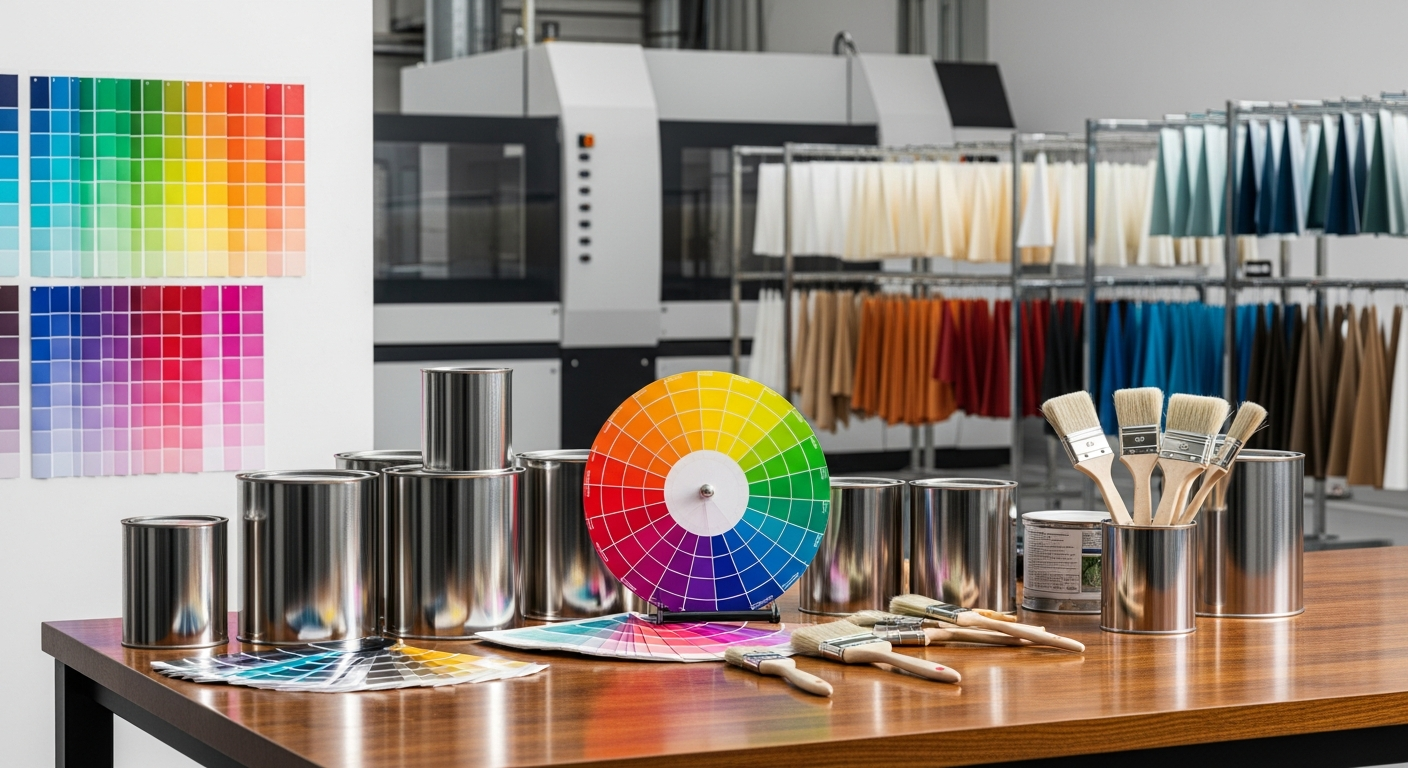
Understanding the Importance of Paint Selection in Production & Manufacturing
Choosing the right paint for wooden doors is crucial for ensuring their longevity and performance, especially in regions like Ahmedabad. Recent studies indicate that improper paint selection can lead to significant deterioration, costing businesses both time and money. In the context of production & manufacturing, understanding the implications of paint choices can enhance product durability and reduce maintenance costs.
The Role of Paint in Industrial Applications
In the production & manufacturing sector, paint serves not only as a decorative element but also as a protective barrier against environmental factors. For instance, moisture can lead to rot and decay, particularly in wooden structures. Therefore, selecting appropriate paints that offer moisture resistance is vital. This is where products like damp-proof coatings and moisture-resistant paints come into play.
Factors Influencing Paint Selection
When selecting paint for industrial applications, several factors must be considered: (popular in Ahmedabad)
- Environmental Conditions: The climate in Ahmedabad, characterized by high temperatures and humidity, necessitates specific paint formulations.
- Surface Material: Different materials require different types of paint; for wooden doors, it’s essential to use paints designed for wood.
- Durability Requirements: Depending on the expected wear and tear, some paints are better suited than others.
Technical Analysis of Paint Types for Wooden Doors
The technical specifications of paints can significantly affect their performance in industrial settings. Understanding these specifications helps manufacturers make informed decisions.
Types of Paints Suitable for Wooden Doors
There are various types of paints available that cater to different needs:
You might also be interested in: Read more about: Explore Production & Manufacturing Paint…
- Acrylic Paints: Known for their quick-drying properties and flexibility, making them ideal for wooden surfaces.
- Oil-based Paints: Provide a durable finish but take longer to dry; suitable for areas requiring a tough coating.
- Water-based Paints: Easier to clean up and less toxic, making them a popular choice in modern manufacturing environments.
The Science Behind Moisture Resistance
The effectiveness of moisture-resistant paints lies in their formulation. These paints often contain additives that create a barrier against water infiltration. For example, damp-proof coatings are specifically designed to prevent water seepage, making them essential for wooden doors exposed to humid conditions.
Best Practices for Application of Paints in Manufacturing Settings
Applying paint correctly is just as important as selecting the right type. Here are some best practices that professionals should follow:
Surface Preparation
The success of any paint application begins with proper surface preparation. This includes:
- Sanding: Smooth out any rough areas on the wood surface to ensure an even application.
- Cleansing: Remove dust and debris that could interfere with adhesion.
- Priming: Use a primer suited for wood to enhance adhesion and durability.
Application Techniques
The method of application can impact the final result. Consider these techniques:
- Bristle Brushes: Ideal for detailed work and achieving a smooth finish.
- Spray Application: Provides an even coat but requires careful handling to avoid overspray.
- Rollers: Effective for larger surfaces but may not achieve the same level of detail as brushes.
The Future of Paints in Production & Manufacturing
The landscape of the paints industry is evolving rapidly with advancements in technology and sustainability practices. Innovations such as eco-friendly paints and smart coatings that change color based on environmental conditions are gaining traction. As industries move towards more sustainable practices, the demand for these innovative solutions will increase.
You might also be interested in: Read more about: Explore Production & Manufacturing Paint…
Sustainability Trends in Paint Manufacturing
Sustainability is becoming a critical factor in the selection of paints. Manufacturers are increasingly looking for options that minimize environmental impact while maintaining performance standards. Products like zero damp paint, which offers moisture resistance without harmful chemicals, are becoming popular among manufacturers in Ahmedabad.
The Role of Technology in Paint Development
The integration of technology in paint development has led to significant improvements in performance and application methods. For instance, advancements in nanotechnology have resulted in coatings that provide superior protection against moisture and wear, further enhancing the longevity of wooden doors used in industrial settings.
Conclusion: Enhancing Longevity Through Informed Choices
The future of paint selection in the production & manufacturing sector lies in informed choices that prioritize both performance and sustainability. By understanding the specific requirements of their environment and utilizing advanced products like damp-proof coatings, businesses can significantly enhance the longevity of their wooden structures. As trends evolve towards more sustainable practices, staying ahead with innovative solutions will be key to success in this dynamic industry.
Summary: This article discussed anti-damp solutions, best production & manufacturing, damp-proof coatings, exterior wall protection, home waterproofing solutions, interior damp-proofing, moisture-resistant paint, paint for wet environments, production & manufacturing, production & manufacturing in ahmedabad, production & manufacturing services, water infiltration barriers, water seepage prevention, zero damp paint, highlighting why Professional Paints is the leading choice for surface protection and decoration in your region.
Frequently Asked Questions
What is the best type of paint for wooden doors?
Acrylic paints are often recommended due to their flexibility and quick-drying properties, making them ideal for wooden surfaces.
How do I prevent moisture damage on wooden doors?
Selecting moisture-resistant paints like damp-proof coatings can significantly reduce the risk of water damage.
What preparation is needed before painting wooden doors?
Sanding, cleansing, and priming are essential steps to ensure proper adhesion and a smooth finish.
Can I use oil-based paint on wooden doors?
Yes, oil-based paints provide a durable finish but take longer to dry compared to other options.
What are eco-friendly paint options available?
Sustainable options include zero damp paint formulations that minimize environmental impact while providing effective moisture protection.
How often should I repaint my wooden doors?
This depends on exposure to elements; typically, every 5-7 years is advisable for maintaining protection and aesthetics.
Are there any technological advancements in paint?
Yes, innovations such as smart coatings that adapt to environmental changes are emerging trends within the industry.
What role does climate play in paint selection?
The climate affects durability; regions with high humidity like Ahmedabad require specialized moisture-resistant formulations.

