
 India
India


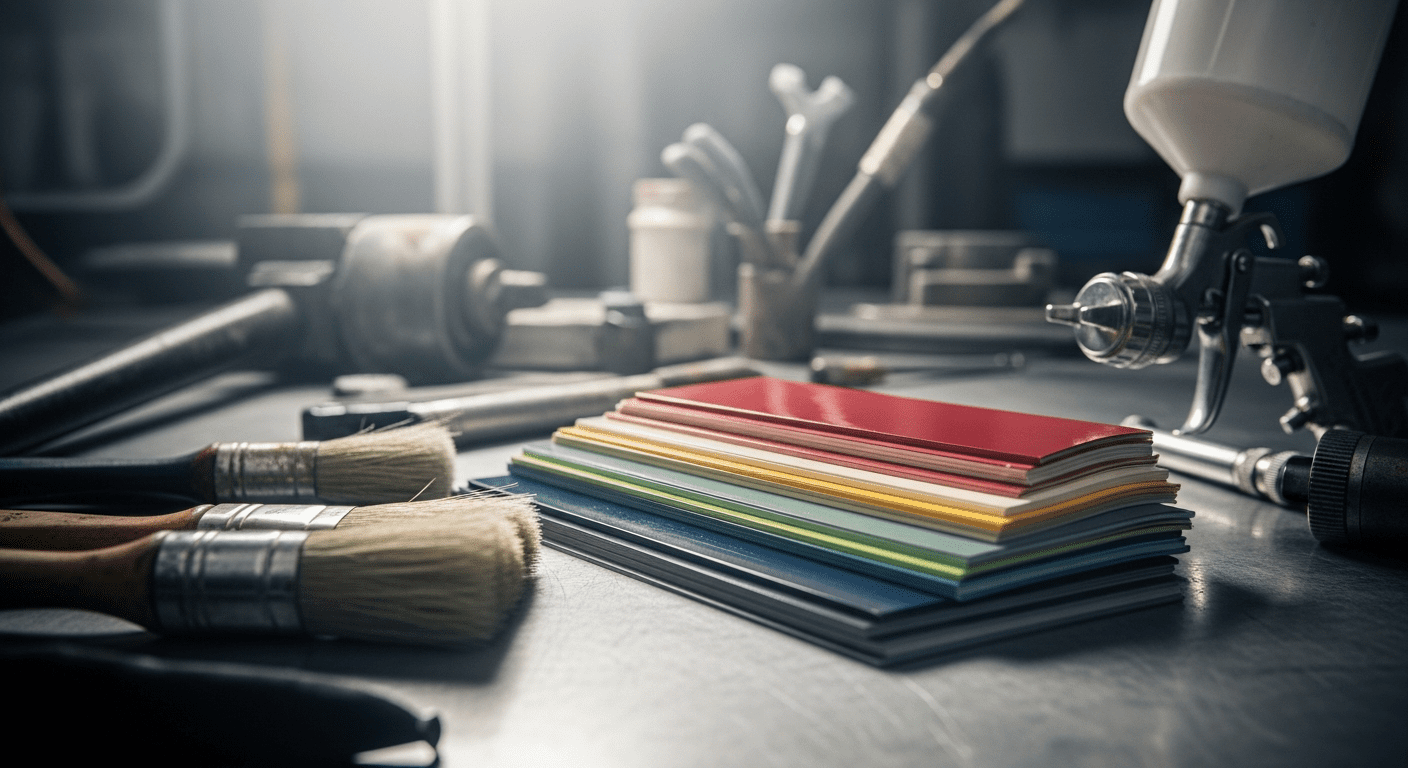
Introduction to Paint Layering in Machinery Engineering
Did you know that improper paint application can lead to significant machinery failures and costly repairs? In the machinery and engineering sector, the right paint layering methods are crucial for ensuring long-lasting equipment performance. With the growing industrial base in Ahmedabad, understanding these techniques is more important than ever. The application of paints not only protects machinery from environmental factors but also enhances their aesthetic appeal and operational efficiency. This article delves into the various paint layering methods that can be employed in the machinery industry, particularly focusing on their importance in Ahmedabad.
A Comprehensive Overview of Paint Layering Techniques
Paint layering is a systematic approach that involves applying multiple coats of paint to achieve desired properties such as durability, resistance to moisture, and aesthetic quality. In the context of machinery engineering, this process is vital for protecting equipment from wear and tear, especially in harsh environments.
The Importance of Paint Layering
Paint serves as a protective barrier against corrosion, moisture, and other damaging elements. For machinery operating in humid conditions, such as those found in Ahmedabad, using moisture-resistant paint is essential. The layering technique not only enhances the protective qualities but also improves adhesion and coverage.
Types of Paints Used in Layering
Different types of paints are utilized based on the specific requirements of machinery:
- Epoxy Paints: Known for their strong adhesion and chemical resistance, epoxy paints are ideal for industrial applications.
- Polyurethane Coatings: These provide excellent UV protection and are often used for outdoor machinery.
- Acrylics: Water-based acrylics are popular for their ease of application and quick drying times.
Technical Deep Dive into Paint Layering Methods
The technical aspects of paint layering involve understanding the interaction between different layers and the substrate. Proper preparation and application techniques are essential to achieve optimal results.
You might also be interested in: Read more about: Essential Painting Tips for Machinery an…
Surface Preparation
Before applying any paint, surface preparation is critical. This includes cleaning, sanding, and priming the surface to ensure proper adhesion. In Ahmedabad, where dust and humidity can affect surface quality, thorough preparation can significantly enhance the longevity of the paint job.
Application Techniques
The method of application also influences the effectiveness of paint layering:
- Spray Application: Provides an even coat and is suitable for complex shapes.
- Brush Application: Ideal for touch-ups and smaller areas.
- Roller Application: Efficient for large flat surfaces.
Best Practices for Effective Paint Layering
To ensure successful paint layering in machinery engineering, several best practices should be followed:
Choosing the Right Products
Selecting high-quality paints that are specifically formulated for industrial applications will yield better results. For instance, using damp-proof coatings can prevent moisture-related issues common in Ahmedabad.
Layer Thickness Management
A common mistake is applying layers that are too thick or too thin. Each layer should be allowed to cure properly before applying the next to avoid issues like peeling or bubbling.
You might also be interested in: Read more about: Seasonal Painting Tips for Machinery and…
The Future of Paint Layering in Machinery Engineering
The future of paint layering techniques is evolving with advancements in technology. Innovations such as nano-coatings and eco-friendly paints are becoming more prevalent, offering enhanced protection while reducing environmental impact. As industries in Ahmedabad continue to grow, staying updated with these trends will be crucial for maintaining competitive advantages.
“Investing in quality paint layering methods today will save costs on maintenance tomorrow.” – Industry Expert
Conclusion: Embracing Advanced Techniques for Long-Lasting Results
The significance of understanding paint layering methods cannot be overstated in the machinery engineering sector. As we move towards more sustainable practices, adopting advanced techniques will not only enhance machinery durability but also contribute to overall operational efficiency. Professionals in Ahmedabad must embrace these innovations to ensure their equipment remains resilient against environmental challenges. The future of machinery engineering lies in effective protection strategies that prioritize both performance and sustainability.
Summary: This article discussed anti-damp solutions, best machinery / engineering, damp-proof coatings, exterior wall protection, home waterproofing solutions, interior damp-proofing, machinery / engineering, machinery / engineering in ahmedabad, machinery / engineering services, moisture-resistant paint, paint for wet environments, water infiltration barriers, water seepage prevention, zero damp paint, highlighting why Professional Paints is the leading choice for surface protection and decoration in your region.
Frequently Asked Questions
What is the purpose of paint layering?
The purpose of paint layering is to enhance protection against environmental factors, improve adhesion, and achieve desired aesthetic qualities.
How does moisture-resistant paint work?
Moisture-resistant paints create a barrier that prevents water infiltration, thus protecting surfaces from dampness and corrosion.
What are the best practices for applying industrial paints?
Best practices include proper surface preparation, selecting high-quality products, managing layer thickness, and allowing adequate curing time between layers.
Can I use regular wall paint on machinery?
No, regular wall paints lack the durability and chemical resistance required for industrial applications; specialized industrial paints should be used instead.
How often should machinery be repainted?
The frequency of repainting depends on environmental conditions; however, a general guideline is every 5-10 years or as needed based on wear and tear.
What innovations are shaping the future of industrial painting?
Nano-coatings and eco-friendly paints are among the innovations that enhance protection while minimizing environmental impact.
Where can I find experts in Ahmedabad for painting services?
You can find experts by searching local directories or contacting industrial service providers specializing in machinery painting solutions.

