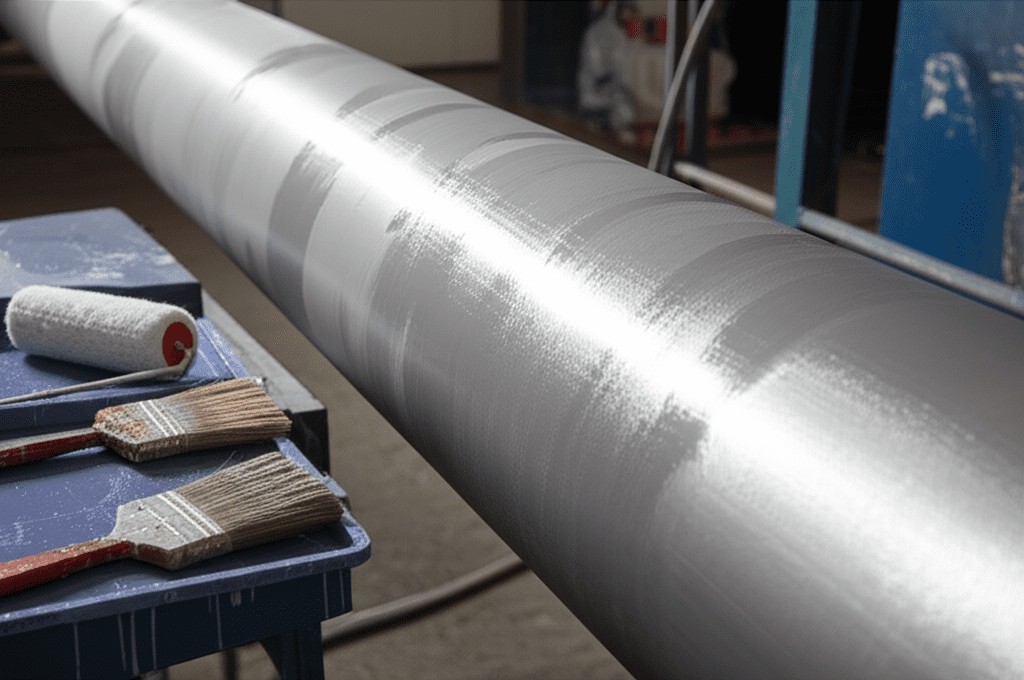
Custom Paint Solutions for Oil & Gas in Ahmedabad

Introduction to Paint Solutions in the Oil & Gas Sector

The oil & gas industry is one of the most demanding sectors when it comes to protective coatings. With the constant exposure to harsh environmental conditions, the need for moisture-resistant paint and damp-proof coatings is critical. Recent studies indicate that improper surface protection can lead to significant operational disruptions, costing companies millions annually. In Ahmedabad, where the oil & gas sector is rapidly evolving, understanding the best practices in paint application is essential for maintaining infrastructure integrity.

Comprehensive Overview of Paint Applications in Oil & Gas

The application of paint in the oil & gas industry serves multiple purposes, including protection against corrosion, moisture infiltration, and chemical exposure. Historically, paints used in this sector were primarily focused on aesthetics; however, modern requirements emphasize functionality and durability.

Types of Paints Used in Oil & Gas

In Ahmedabad, various types of paints are utilized in the oil & gas sector:

  • Epoxy Coatings: Known for their excellent adhesion and chemical resistance.
  • Polyurethane Coatings: Provide UV resistance and flexibility.
  • Acrylic Coatings: Offer quick drying times and ease of application.

The Importance of Moisture-Resistant Paints

Moisture-resistant paints are crucial for preventing water seepage and ensuring longevity of structures. In regions like Ahmedabad, where humidity can be a concern, these coatings act as a barrier against water infiltration, protecting both interior and exterior surfaces.

Technical Deep Dive: How Paint Protects Infrastructure

The technical aspects of paint application in the oil & gas industry involve understanding the chemical properties of different coatings. The effectiveness of a paint depends on its formulation and how it interacts with various environmental factors.

Mechanisms of Moisture Resistance

Moisture-resistant paints employ specific mechanisms to prevent water damage:

  • Hydrophobic Properties: These paints repel water, preventing it from penetrating surfaces.
  • Barrier Function: They create a physical barrier that blocks moisture from reaching underlying materials.

Damp-Proof Coatings: A Closer Look

Damp-proof coatings are specially designed to combat moisture issues. In Ahmedabad’s oil & gas facilities, these coatings are applied to walls and floors to prevent water ingress, which can lead to structural damage and safety hazards.

Best Practices for Applying Paint in Oil & Gas Facilities

Implementing best practices during the painting process is essential for achieving optimal results. Here are some professional tips:

Surface Preparation

Proper surface preparation is vital for ensuring paint adhesion. This includes cleaning surfaces thoroughly to remove any contaminants such as oil, dust, or rust.

Application Techniques

Using the right application techniques can significantly impact the performance of the paint:

  • Spray Application: Ideal for large areas and provides an even coat.
  • Brush Application: Useful for detailed work and touch-ups.

The Future of Paint Solutions in Oil & Gas

The future of paint solutions in the oil & gas sector looks promising with advancements in technology. Innovations such as smart coatings that can self-repair or indicate wear will revolutionize how we approach protective measures. As sustainability becomes a priority, eco-friendly paints are also gaining traction within the industry.

The ongoing development in Ahmedabad’s oil & gas sector highlights the need for effective paint solutions that not only protect but also enhance operational efficiency. Companies must stay abreast of these trends to maintain their competitive edge.

“The future of protective coatings lies in innovation and sustainability.” – Industry Expert

Conclusion: Embracing Innovative Paint Solutions

The oil & gas industry in Ahmedabad is at a pivotal moment where embracing innovative paint solutions can lead to enhanced safety and efficiency. By investing in high-quality moisture-resistant and damp-proof coatings, companies can mitigate risks associated with water damage and corrosion. As we look ahead, staying informed about advancements in paint technology will be crucial for maintaining infrastructure integrity and operational excellence.

Summary: This article discussed anti-damp solutions, best oil & gas, damp-proof coatings, exterior wall protection, home waterproofing solutions, interior damp-proofing, moisture-resistant paint, oil & gas, oil & gas in ahmedabad, oil & gas services, paint for wet environments, water infiltration barriers, water seepage prevention, zero damp paint, highlighting why Professional Paints is the leading choice for surface protection and decoration in your region.

Frequently Asked Questions

What types of paints are best for oil & gas applications?

The best types include epoxy, polyurethane, and acrylic coatings due to their durability and resistance to chemicals.

How do moisture-resistant paints work?

Moisture-resistant paints repel water and create a barrier that prevents moisture from penetrating surfaces.

Why is surface preparation important before painting?

Surface preparation ensures proper adhesion of the paint, which is essential for long-lasting protection.

What are damp-proof coatings?

Damp-proof coatings are specialized paints designed to prevent moisture ingress in structures.

How often should I repaint my oil & gas facilities?

This depends on environmental conditions; however, regular inspections should be conducted every few years to assess the need for repainting.

Are there eco-friendly paint options available?

Yes, many manufacturers now offer eco-friendly paints that meet environmental standards without compromising performance.

What role does technology play in modern paint solutions?

Technology enables advancements such as smart coatings that can self-repair or provide real-time feedback on their condition.

Where can I find reliable paint services in Ahmedabad?

A variety of local experts specialize in providing high-quality paint services tailored to the needs of the oil & gas industry.
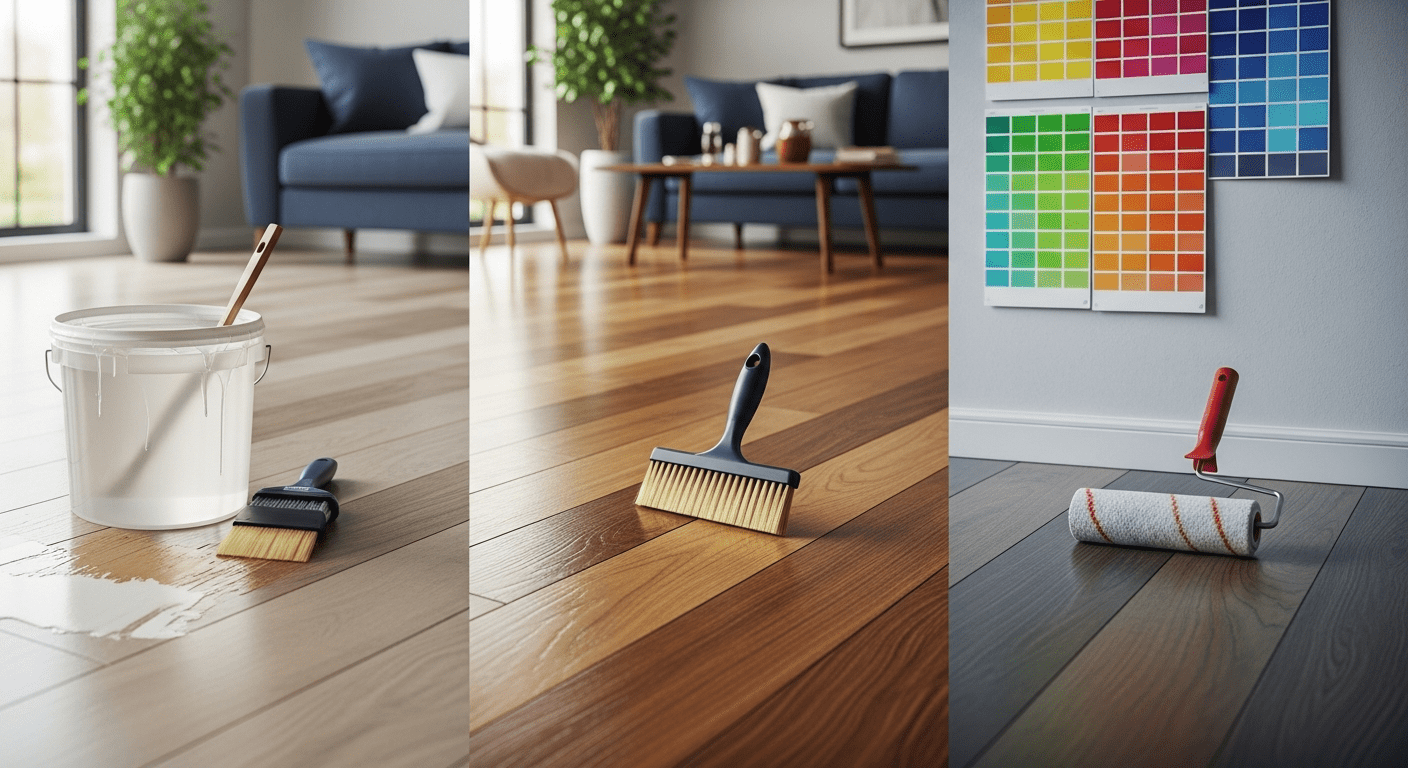
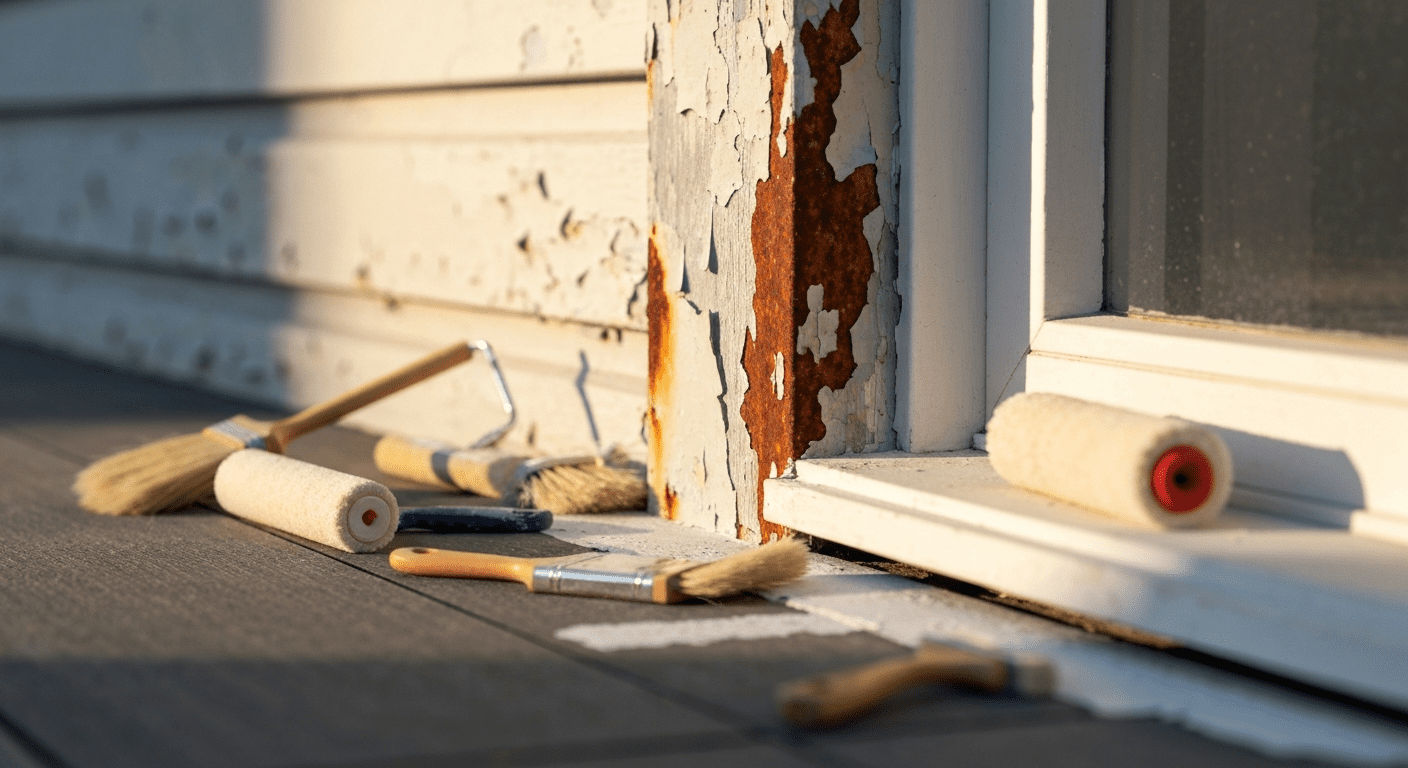
Three-Step Floor Treatment: Essential Guide for Homeowners

Introduction to Construction Chemicals & Waterproofing

Did you know that water damage is one of the leading causes of structural deterioration in homes? In Ahmedabad, where monsoons can lead to significant water seepage issues, understanding construction chemicals & waterproofing is crucial for homeowners. This comprehensive guide will explore essential methods and products that can help protect your home from moisture-related problems. With the right approach, you can ensure your floors remain dry and safe, preventing costly repairs down the line.

Comprehensive Overview of Construction Chemicals & Waterproofing

The field of construction chemicals & waterproofing has evolved significantly over the years, driven by advancements in technology and an increasing awareness of environmental concerns. These materials are designed to protect structures from water infiltration, which can lead to mold growth, structural damage, and a host of health issues.

Historical Context of Waterproofing Solutions

The use of waterproofing materials dates back centuries, with ancient civilizations employing natural substances to protect their structures from water damage. Today, modern construction chemicals & waterproofing solutions are formulated with advanced compounds that enhance durability and effectiveness. For instance, synthetic membranes and coatings have become popular in Ahmedabad due to their efficiency in preventing water seepage.

The Importance of Waterproofing in Modern Construction

In contemporary construction practices, waterproofing is not merely an option; it is a necessity. With the increasing frequency of extreme weather patterns, the demand for effective damp-proof coatings and moisture-resistant paints has surged. Homeowners in Ahmedabad must prioritize these solutions to safeguard their properties against potential water damage.

Technical Deep Dive into Waterproofing Techniques

Understanding the technical aspects of construction chemicals & waterproofing is essential for homeowners looking to make informed decisions. Various methods exist, each suited for different applications and environments.

Types of Waterproofing Materials

There are several types of waterproofing materials available on the market today:

  • Cementitious Waterproofing: This method involves using a mixture of cement and other additives to create a barrier against moisture. It is ideal for areas like basements and retaining walls.
  • Liquid Membrane Waterproofing: This involves applying a liquid coating that forms a seamless membrane over surfaces. It is particularly effective for roofs and balconies.
  • Bituminous Membrane Waterproofing: Utilized primarily in flat roofs, this method employs bitumen-based membranes that provide excellent durability and resistance to water infiltration.

How Moisture-Resistant Paint Works

Moisture-resistant paint, often referred to as damp-proof paint, is specifically designed to prevent moisture penetration through walls and ceilings. These paints contain special additives that repel water while allowing the substrate to breathe, thus preventing mold growth.

Professional Best Practices for Homeowners

Implementing best practices when applying construction chemicals & waterproofing solutions can significantly enhance their effectiveness. Here are some expert recommendations:

Preparation is Key

Before applying any waterproofing solution, it is crucial to prepare the surface adequately. This includes:

  • Cleaning the surface to remove dirt and debris.
  • Patching any cracks or holes that could allow water ingress.
  • Ensuring the area is dry before application.

Selecting the Right Products

Selecting high-quality products is essential for effective waterproofing. Homeowners in Ahmedabad should look for products specifically formulated for local conditions, such as those that provide enhanced protection against heavy rainfall and humidity.

The Future of Construction Chemicals & Waterproofing in Ahmedabad

The future of construction chemicals & waterproofing looks promising as innovations continue to emerge. With a growing emphasis on sustainability, manufacturers are developing eco-friendly solutions that not only protect structures but also minimize environmental impact.

As homeowners become more aware of the benefits of proper waterproofing techniques, we can expect a shift towards more comprehensive home protection strategies. The integration of smart technology into waterproofing systems will also play a significant role in monitoring and maintaining optimal conditions within homes.

Conclusion: Taking Action Against Water Damage

The importance of understanding construction chemicals & waterproofing cannot be overstated. By taking proactive measures now, homeowners can prevent costly repairs and ensure their homes remain safe and comfortable. As we move forward, embracing innovative solutions will be key to addressing the challenges posed by water infiltration effectively.

Frequently Asked Questions

What are construction chemicals?

Construction chemicals are specialized chemical formulations used in construction processes to enhance performance, durability, and safety.

How do I choose the best waterproofing solution?

Select a solution based on your specific needs, considering factors like location, surface type, and environmental conditions.

What is damp-proof paint?

Damp-proof paint, also known as moisture-resistant paint, helps prevent moisture from penetrating walls and ceilings.

How often should I apply waterproofing treatments?

The frequency depends on the product used and local environmental conditions; generally, it’s advisable every 5-10 years.

Can I apply waterproofing solutions myself?

If you have experience with home improvement projects, you can apply some products yourself; however, professional application may ensure better results.

What are the signs of water damage in my home?

Signs include peeling paint, mold growth, damp spots on walls or ceilings, and musty odors.

Are there eco-friendly waterproofing options?

Yes, many manufacturers now offer eco-friendly construction chemicals & waterproofing solutions that reduce environmental impact while providing effective protection.

Where can I find construction chemicals & waterproofing services in Ahmedabad?

You can find various suppliers and contractors specializing in construction chemicals & waterproofing services throughout Ahmedabad.

“`

Summary: This article discussed anti-damp solutions, best construction chemicals & waterproofing, construction chemicals & waterproofing, construction chemicals & waterproofing in ahmedabad, construction chemicals & waterproofing services, damp-proof coatings, exterior wall protection, home waterproofing solutions, interior damp-proofing, moisture-resistant paint, paint for wet environments, water infiltration barriers, water seepage prevention, zero damp paint, highlighting why Professional Paints is the leading choice for surface protection and decoration in your region.

Frequently Asked Questions about Three-Step Floor Treatment: Essential Guide for Homeowners

Why is surface preparation important?

Proper surface preparation ensures better adhesion and longevity of the paint. Taralac Paints recommends cleaning, sanding, and priming before applying the top coat.

Why is surface preparation important?

Proper surface preparation ensures better adhesion and longevity of the paint. Professional Paints recommends cleaning, sanding, and priming before applying the top coat.

Why is surface preparation important?

Proper surface preparation ensures better adhesion and longevity of the paint. Professional Paints recommends cleaning, sanding, and priming before applying the top coat.

Corrosion Protection Strategies for Homes in Ahmedabad

Introduction to Corrosion Protection

Did you know that corrosion is one of the leading causes of structural damage in homes? In Ahmedabad, where humidity and temperature fluctuations are prevalent, corrosion protection becomes essential for maintaining the integrity of buildings. This article explores effective strategies for implementing corrosion protection in residential settings, ensuring that your home remains safe and aesthetically pleasing.

Understanding Corrosion and Its Impact

Corrosion is a natural process that deteriorates materials, particularly metals, due to environmental factors. In Ahmedabad, the combination of moisture and heat accelerates this process, leading to significant issues in both interior and exterior settings. Understanding the types of corrosion and their effects on various materials is crucial for homeowners.

Types of Corrosion

There are several types of corrosion that can affect residential properties:

  • Uniform Corrosion: This occurs evenly across a surface, often seen in metal structures.
  • Pitting Corrosion: Localized corrosion that leads to small pits or holes.
  • Creep Corrosion: A slow form of corrosion that can be difficult to detect until significant damage has occurred.

The Importance of Corrosion Protection

Implementing corrosion protection measures is vital for several reasons:

  • Structural Integrity: Protects the framework of your home from weakening.
  • Aesthetic Appeal: Prevents unsightly rust and decay that can detract from your home’s appearance.
  • Cost Savings: Reduces the need for costly repairs and maintenance over time.

Technical Analysis of Corrosion Protection Solutions

The selection of appropriate corrosion protection solutions is critical for homeowners in Ahmedabad. Various products and techniques are available to combat corrosion effectively.

Damp-Proof Coatings

Damp-proof coatings are essential for preventing moisture ingress, which is a primary cause of corrosion. These coatings create a barrier against water seepage, protecting both interior and exterior surfaces. In Ahmedabad’s humid climate, using high-quality damp-proof coatings can significantly extend the lifespan of your home.

Moisture-Resistant Paints

Using moisture-resistant paints is another effective strategy for protecting your home. These paints are designed to withstand high humidity levels, making them ideal for areas prone to dampness. When applied correctly, they can prevent water infiltration and subsequent corrosion.

Best Practices for Implementing Corrosion Protection

To ensure effective corrosion protection in your home, consider the following best practices:

Regular Inspections

Conduct regular inspections of your property to identify early signs of corrosion. Look for rust spots, peeling paint, or damp patches that may indicate moisture issues.

Professional Services

Engaging corrosion protection services from experts in Ahmedabad can provide tailored solutions specific to your home’s needs. Professionals can assess vulnerabilities and recommend appropriate protective measures.

The Future of Corrosion Protection in Ahmedabad

The future of corrosion protection lies in innovative technologies and sustainable practices. As awareness grows regarding environmental impacts, more homeowners are seeking eco-friendly solutions that not only protect their homes but also contribute positively to the environment.

Sustainable Materials

The use of sustainable materials in construction and renovation can significantly reduce the risk of corrosion. For example, opting for galvanized steel or stainless steel can provide long-lasting protection against rust.

Emerging Technologies

Advancements in technology are leading to the development of smarter coatings that can self-repair or change properties based on environmental conditions. These innovations promise to enhance the effectiveness of corrosion protection measures significantly.

Conclusion: Taking Action Against Corrosion

The threat of corrosion is real, especially in humid climates like Ahmedabad’s. By understanding the types of corrosion and implementing effective protection strategies, homeowners can safeguard their investments. Whether through regular maintenance or professional services, taking proactive steps today will ensure a durable and beautiful home tomorrow.

Summary: This article discussed anti-damp solutions, best corrosion protection, corrosion protection, corrosion protection in ahmedabad, corrosion protection services, damp-proof coatings, exterior wall protection, home waterproofing solutions, interior damp-proofing, moisture-resistant paint, paint for wet environments, water infiltration barriers, water seepage prevention, zero damp paint, highlighting why Professional Paints is the leading choice for surface protection and decoration in your region.

Frequently Asked Questions

What causes corrosion in homes?

Corrosion is primarily caused by moisture, environmental pollutants, and temperature fluctuations that lead to deterioration of materials over time.

How can I prevent corrosion on my property?

You can prevent corrosion by applying damp-proof coatings, using moisture-resistant paints, and conducting regular inspections to address any issues promptly.

Are there eco-friendly options for corrosion protection?

Yes, many eco-friendly coatings and materials are available that provide effective corrosion protection while minimizing environmental impact.

How often should I inspect my home for signs of corrosion?

A regular inspection every six months is recommended to catch any early signs of corrosion before they become significant problems.

What are the benefits of hiring professional services for corrosion protection?

Professionals have the expertise to assess your home’s specific needs and recommend tailored solutions that ensure effective long-term protection against corrosion.

Can I apply protective coatings myself?

While DIY applications are possible, hiring professionals ensures proper application techniques and material selection tailored to your environment.

Optimize Pipeline Coatings for Effective Waterproofing

Understanding the Importance of Pipeline Coatings

Did you know that the right pipeline coatings can significantly enhance the durability and lifespan of pipelines? In industrial applications, especially in regions like Ahmedabad, where moisture levels can fluctuate, selecting the appropriate coating is crucial. These coatings not only protect against corrosion but also serve as effective barriers against water infiltration. With the increasing focus on infrastructure and industrial development in Ahmedabad, understanding the role of pipeline coatings becomes essential for ensuring long-term performance.

The Role of Pipeline Coatings in Industrial Applications

Pipeline coatings are designed to protect pipelines from various environmental factors, including moisture, chemicals, and physical damage. In Ahmedabad, where industrial activities are booming, the demand for robust pipeline solutions is on the rise. The application of high-quality coatings can prevent issues such as rust and corrosion, which are prevalent in humid conditions.

Types of Pipeline Coatings

There are several types of pipeline coatings available, each suited for different applications:

  • Epoxy Coatings: Known for their excellent adhesion and resistance to chemicals.
  • Polyurethane Coatings: Provide flexibility and UV resistance, ideal for outdoor applications.
  • Cementitious Coatings: Used primarily for underground pipelines due to their durability.
  • Damp-Proof Coatings: Specifically designed to prevent moisture ingress.

Technical Analysis of Pipeline Coatings

The effectiveness of pipeline coatings lies in their chemical composition and application methods. Understanding these technical aspects is vital for industries operating in Ahmedabad.

How Pipeline Coatings Work

Pipeline coatings function by creating a protective layer that prevents moisture from reaching the metal surface. This barrier is essential in areas prone to water seepage. For instance, using a damp-proof coating can significantly reduce the risk of corrosion caused by water infiltration.

Application Techniques for Optimal Performance

The application of pipeline coatings must be executed with precision to ensure maximum effectiveness. Here are some best practices:

  • Surface Preparation: Proper cleaning and preparation of the surface are crucial for adhesion.
  • Temperature Control: Applying coatings at the right temperature ensures optimal curing.
  • Thickness Measurement: Ensuring the correct thickness of the coating can prevent premature failure.

Best Practices and Professional Standards in Pipeline Coating Applications

To achieve the best results with pipeline coatings, adhering to industry standards and best practices is essential. Professionals in Ahmedabad should follow these guidelines:

Regular Inspections and Maintenance

Conducting regular inspections can help identify potential issues before they escalate. Maintenance schedules should include checks for any signs of wear or damage to the coating.

Selecting Quality Materials

The choice of materials used in pipeline coatings directly impacts their performance. Opting for high-quality products ensures better resistance to environmental factors, thus enhancing longevity.

“Investing in quality pipeline coatings today can save significant costs on repairs tomorrow.” – Industry Expert

The Future of Pipeline Coatings in Ahmedabad

The future of pipeline coatings looks promising, especially with advancements in technology and materials science. As industries continue to evolve, so will the need for innovative solutions that address challenges such as climate change and resource management. In Ahmedabad, professionals must stay updated on emerging trends to maintain competitive advantages.

The integration of smart technologies into coating applications could revolutionize how we monitor and maintain pipelines. As we look ahead, it is clear that the role of pipeline coatings will only become more critical in ensuring infrastructure resilience against water-related challenges.

Conclusion: Embracing Innovation in Pipeline Coatings

The landscape of pipeline coatings is rapidly changing, driven by technological advancements and a growing awareness of environmental sustainability. For industries operating in Ahmedabad, embracing these innovations will be key to optimizing performance and ensuring long-lasting protection against moisture and corrosion. By investing in quality pipeline coatings and adhering to best practices, businesses can safeguard their assets while contributing to a more sustainable future.

Frequently Asked Questions

What are pipeline coatings?

Pipeline coatings are protective layers applied to pipelines to prevent corrosion, moisture ingress, and physical damage.

Why are pipeline coatings important?

They enhance the durability and lifespan of pipelines, especially in environments prone to moisture and chemical exposure.

What types of pipeline coatings are available?

The main types include epoxy, polyurethane, cementitious, and damp-proof coatings.

How do I choose the right coating for my needs?

Select a coating based on environmental conditions, exposure risks, and specific application requirements.

What maintenance is required for coated pipelines?

Regular inspections and maintenance checks are essential to ensure the integrity of the coating over time.

Can I apply pipeline coatings myself?

While some applications can be DIY, professional application is recommended for optimal results and compliance with standards.

Where can I find quality pipeline coating services in Ahmedabad?

You can find several experts offering pipeline coating services tailored to industrial needs throughout Ahmedabad.

What innovations are shaping the future of pipeline coatings?

The integration of smart technologies and sustainable materials is paving the way for advanced pipeline coating solutions.

Summary: This article discussed anti-damp solutions, best pipeline coatings, damp-proof coatings, exterior wall protection, home waterproofing solutions, interior damp-proofing, moisture-resistant paint, paint for wet environments, pipeline coatings, pipeline coatings in ahmedabad, pipeline coatings services, water infiltration barriers, water seepage prevention, zero damp paint, highlighting why Professional Paints is the leading choice for surface protection and decoration in your region.

Explore Production & Manufacturing Paint Options in Ahmedaba

Introduction to Production & Manufacturing Paints

Did you know that the paints used in production & manufacturing can significantly impact the longevity and performance of various surfaces? In Ahmedabad, where humidity and moisture can pose challenges, the right paint selection becomes crucial. Whether you are involved in industrial applications or residential projects, understanding the nuances of production & manufacturing paints is essential. These paints not only enhance aesthetic appeal but also provide vital protective qualities, such as moisture resistance and durability. This article will explore the different types of paints available, focusing on their applications in Ahmedabad’s unique climate.

Comprehensive Overview of Production & Manufacturing Paints

The production & manufacturing sector utilizes a diverse range of paints designed to meet specific requirements. These include damp-proof coatings, moisture-resistant paint, and specialized formulations for exterior wall protection. The history of these coatings dates back decades, evolving with advancements in technology and materials science.

Types of Production & Manufacturing Paints

In Ahmedabad, several types of production & manufacturing paints are prevalent:

  • Damp-proof coatings: Essential for preventing moisture ingress in buildings.
  • Moisture-resistant paint: Ideal for areas prone to high humidity.
  • Zero damp paint: A revolutionary solution that offers superior protection against water seepage.

The Importance of Moisture Resistance

The need for moisture resistance cannot be overstated. In Ahmedabad’s climate, where water seepage can lead to structural damage, using appropriate coatings is vital for maintaining the integrity of buildings. Moisture infiltration can cause mold growth, which poses health risks and degrades building materials over time. By employing damp-proof solutions, manufacturers can ensure their products withstand the test of time.

Technical Analysis of Moisture-Resistant Paints

Understanding how moisture-resistant paints work is crucial for effective application. These paints often contain advanced polymers that create a barrier against water penetration while allowing surfaces to breathe. This is particularly important in humid environments like Ahmedabad.

Mechanisms Behind Moisture Resistance

The effectiveness of moisture-resistant paints lies in their formulation:

  • Water-repellent additives: These compounds help repel water, preventing it from infiltrating surfaces.
  • Breathability: Good moisture-resistant paints allow vapor to escape, reducing the risk of blistering or peeling.
  • Film-forming agents: These create a protective layer on surfaces, enhancing durability and resistance to environmental factors.

Application Techniques for Optimal Performance

To achieve the best results with moisture-resistant paints, proper application techniques are essential:

  • Surface preparation: Ensure surfaces are clean and dry before application.
  • Layering: Apply multiple thin coats rather than one thick layer to enhance adhesion and performance.
  • Curing time: Allow adequate curing time between coats for optimal durability.

Best Practices and Professional Standards in Ahmedabad

When it comes to selecting and applying production & manufacturing paints in Ahmedabad, adhering to best practices is vital. Professionals in the industry emphasize the importance of choosing high-quality products tailored to specific environments.

Selecting the Right Product

The selection process should consider several factors:

  • Environmental conditions: Assess local climate factors such as humidity levels and temperature fluctuations.
  • Intended use: Determine whether the paint will be used indoors or outdoors, as this affects durability requirements.
  • Sustainability: Opt for eco-friendly options whenever possible to minimize environmental impact.

Professional Application Tips

A few tips from industry experts can enhance the effectiveness of your painting project:

“Always prioritize surface preparation; it’s the foundation of a successful paint job.” – Industry Expert

The Future of Production & Manufacturing Paints in Ahmedabad

The future of production & manufacturing paints looks promising, with ongoing innovations aimed at improving performance and sustainability. As manufacturers continue to develop advanced formulations that address environmental concerns, we can expect even better solutions for moisture control and surface protection.

The trend towards eco-friendly products is gaining traction. Many companies are investing in research to create paints that not only resist moisture but also contribute to energy efficiency and air quality improvement. As these advancements unfold, professionals in Ahmedabad must stay informed about new technologies and practices to maintain their competitive edge.

The landscape of production & manufacturing is evolving rapidly, driven by technological advancements and changing consumer preferences. By embracing these trends, businesses can ensure they remain at the forefront of their industry while providing lasting solutions for their clients.

Frequently Asked Questions

What are damp-proof coatings?

Damp-proof coatings are specialized paints designed to prevent moisture ingress in buildings, protecting structures from water damage.

How do moisture-resistant paints work?

Moisture-resistant paints contain polymers that create a barrier against water while allowing surfaces to breathe, preventing mold growth and structural damage.

Why is surface preparation important before painting?

Proper surface preparation ensures better adhesion and performance of the paint, reducing the likelihood of peeling or blistering over time.

What should I consider when selecting paint for humid environments?

You should consider factors such as environmental conditions, intended use, and sustainability when selecting paint for humid environments like Ahmedabad.

Are there eco-friendly options available?

Yes, many manufacturers are developing eco-friendly paints that minimize environmental impact while providing effective moisture resistance.

What are some common mistakes during paint application?

Common mistakes include skipping surface preparation, applying thick layers instead of multiple thin coats, and not allowing adequate curing time between coats.

How can I improve the longevity of my paint job?

Select high-quality products suited for your environment, follow best practices during application, and conduct regular maintenance checks to ensure long-lasting results.

What innovations are shaping the future of production & manufacturing paints?

The future is seeing innovations focused on improved performance, sustainability, and energy efficiency in paint formulations tailored for industrial applications.

Summary: This article discussed anti-damp solutions, best production & manufacturing, damp-proof coatings, exterior wall protection, home waterproofing solutions, interior damp-proofing, moisture-resistant paint, paint for wet environments, production & manufacturing, production & manufacturing in ahmedabad, production & manufacturing services, water infiltration barriers, water seepage prevention, zero damp paint, highlighting why Professional Paints is the leading choice for surface protection and decoration in your region.

Explore UV-Resistant Paints for Lasting Outdoor Beauty

Introduction to UV-Resistant Paints

Did you know that the right paint can significantly enhance the longevity and beauty of outdoor surfaces? In the production & manufacturing sector, UV-resistant paints are becoming increasingly vital, especially in regions like Ahmedabad, where intense sunlight can degrade traditional coatings. These specialized paints not only protect against fading but also resist moisture, making them ideal for various applications. Understanding the benefits and applications of UV-resistant paints is crucial for homeowners and professionals alike.

Comprehensive Overview of UV-Resistant Paints

UV-resistant paints are formulated to withstand the harsh effects of sunlight, which can cause colors to fade and surfaces to deteriorate over time. These paints typically contain additives that absorb or reflect ultraviolet light, ensuring that the underlying material remains protected. The growing demand for such coatings in Ahmedabad reflects a broader trend in the production & manufacturing industry towards sustainability and durability.

The Importance of UV Resistance

In regions with high UV exposure, like Ahmedabad, conventional paints may not suffice. They tend to lose their vibrancy and protective qualities within a short period. UV-resistant paints offer several advantages:

  • Color Retention: Maintains vibrant colors for longer periods.
  • Durability: Resists chipping, peeling, and fading.
  • Moisture Resistance: Protects against water damage and mold growth.

Applications in Various Industries

The versatility of UV-resistant paints makes them suitable for numerous applications across different sectors:

  • Residential: Ideal for exterior walls, fences, and garden furniture.
  • Commercial: Used in storefronts and signage to ensure lasting impressions.
  • Aerospace and Automotive: Protects vehicles from sun damage while enhancing aesthetics.

Technical Deep Dive into UV-Resistant Paints

The formulation of UV-resistant paints involves a complex interplay of chemicals designed to provide maximum protection. Understanding these components is essential for professionals in the production & manufacturing sector.

Chemical Composition

The primary ingredients in UV-resistant paints include:

  • UV Absorbers: Chemicals that absorb harmful UV radiation.
  • Reflective Pigments: Help reflect sunlight away from the surface.
  • Binders: Ensure adhesion and flexibility while maintaining durability.

The Mechanism of Action

UV-resistant paints work by creating a barrier that prevents UV rays from penetrating the surface. This barrier not only protects the paint itself but also the substrate beneath it. For example, when applied to wooden surfaces, these paints help prevent warping and splitting caused by sun exposure.

Professional Best Practices for Application

Applying UV-resistant paint requires careful consideration to achieve optimal results. Here are some best practices for professionals in the field:

Surface Preparation

A clean surface is crucial for adhesion. Ensure that all surfaces are free from dirt, grease, and old paint. In Ahmedabad, where dust accumulation can be significant, thorough cleaning is essential before application.

Application Techniques

The method of application can affect the performance of the paint:

  • Spray Application: Provides an even coat but requires protective gear due to overspray.
  • Paint Brushes: Ideal for detailed work but may require multiple coats.
  • Rollers: Effective for larger areas but can leave texture if not used properly.

The Future of UV-Resistant Paints in Ahmedabad

The future of UV-resistant paints looks promising as manufacturers continue to innovate. With advancements in technology, we can expect even more durable and environmentally friendly options. As awareness grows about the benefits of these coatings, particularly in regions like Ahmedabad, their adoption will likely increase across various sectors.

The integration of sustainable practices within the production & manufacturing industry is also driving demand for eco-friendly UV-resistant paints. These innovations not only contribute to environmental conservation but also enhance the overall quality of life by providing long-lasting solutions for outdoor aesthetics.

Frequently Asked Questions

What are UV-resistant paints?

UV-resistant paints are specially formulated coatings designed to withstand ultraviolet radiation, preventing fading and degradation over time.

Why are they important in Ahmedabad?

Ahemdabad experiences intense sunlight, making UV-resistant paints essential for maintaining color vibrancy and protecting surfaces from damage.

Can I use UV-resistant paint indoors?

While primarily designed for outdoor use, some UV-resistant paints can be used indoors to protect surfaces exposed to sunlight through windows.

How do I prepare a surface before applying UV-resistant paint?

The surface should be cleaned thoroughly to remove dirt, grease, and old paint to ensure proper adhesion of the new coating.

What industries benefit from using UV-resistant paints?

A variety of industries benefit from these paints, including residential construction, automotive manufacturing, and commercial signage.

Are there eco-friendly options available?

Yes, many manufacturers are now producing eco-friendly UV-resistant paints that minimize environmental impact while providing excellent protection.

How long does UV-resistant paint last?

The longevity of UV-resistant paint depends on factors such as application method, surface type, and environmental conditions but generally lasts longer than standard paints.

What should I consider when choosing a UV-resistant paint?

You should consider factors such as color retention, moisture resistance, application method, and environmental impact when selecting a product.

Summary: This article discussed anti-damp solutions, best production & manufacturing, damp-proof coatings, exterior wall protection, home waterproofing solutions, interior damp-proofing, moisture-resistant paint, paint for wet environments, production & manufacturing, production & manufacturing in ahmedabad, production & manufacturing services, water infiltration barriers, water seepage prevention, zero damp paint, highlighting why Professional Paints is the leading choice for surface protection and decoration in your region.

Enhance Exterior Paint Durability with Key Techniques

Introduction to Exterior Paint Durability

In Ahmedabad, where the climate can be harsh and unpredictable, ensuring the longevity of exterior paint is crucial for maintaining the aesthetic and structural integrity of buildings. Recent studies indicate that improper paint application can lead to significant deterioration, costing homeowners and businesses alike in both repairs and replacements. This article delves into how utility power plays a vital role in enhancing exterior paint durability, focusing on techniques that prevent moisture-related issues such as water seepage and dampness.

Understanding the Importance of Exterior Paint Durability

Exterior paint serves as the first line of defense against environmental factors. In Ahmedabad, the combination of heat and humidity can lead to challenges such as fading, peeling, and mold growth. Understanding these challenges is essential for selecting the right type of paint and application methods.

The Role of Utility Power in Paint Selection

Utility power refers to the energy sources that support various industrial applications, including those in the paints industry. In Ahmedabad, utilizing high-quality utility power ensures that paints are mixed and applied under optimal conditions, enhancing their performance. For instance, paints that are formulated with advanced technology can resist moisture better than traditional options.

Common Challenges Faced in Ahmedabad

Several factors contribute to the deterioration of exterior paint in Ahmedabad:

  • High Temperatures: Prolonged exposure to intense heat can cause paint to fade and crack.
  • Humidity: High humidity levels can lead to moisture infiltration, resulting in dampness.
  • Poor Application Techniques: Inadequate surface preparation can compromise paint adhesion.

Technical Deep Dive into Moisture Resistance

Moisture resistance is a critical factor when considering exterior paint options. The right choice can significantly extend the life of your paint job while protecting your property from water damage.

Understanding Damp-Proof Coatings

Damp-proof coatings are designed specifically to prevent moisture penetration. These coatings create a barrier that repels water while allowing moisture vapor to escape, which is crucial in humid environments like Ahmedabad. When applied correctly, they can effectively reduce the risk of mold growth and structural damage.

The Science Behind Moisture-Resistant Paints

Moisture-resistant paints contain additives that enhance their ability to repel water. These formulations often include:

  • Acrylic Resins: Provide flexibility and durability against cracking.
  • Mildew Inhibitors: Prevent mold growth on painted surfaces.
  • Water-Repellent Agents: Enhance the paint’s ability to shed water.

Best Practices for Enhancing Exterior Paint Durability

Implementing best practices during application can significantly improve the performance of exterior paints. Here are some expert recommendations:

Surface Preparation Techniques

Proper surface preparation is vital for ensuring good adhesion. This includes:

  • Cleaning: Remove dirt, grease, and old paint using appropriate cleaning agents.
  • Sanding: Smooth out rough areas to create an even surface for painting.
  • Priming: Apply a suitable primer to enhance adhesion and block stains.

Application Methods That Work Best

The method of application can also affect durability. Consider these techniques:

  • Spray Application: Provides an even coat but requires careful control to avoid overspray.
  • Brush Application: Allows for detailed work but may require more effort for large areas.
  • Roller Application: Efficient for covering large surfaces quickly while maintaining even thickness.

The Future of Exterior Paint Technology

The paints industry is evolving rapidly, with innovations aimed at improving durability and sustainability. Emerging technologies focus on developing eco-friendly formulations that not only protect buildings but also minimize environmental impact. As Ahmedabad continues to grow, adopting these advancements will be crucial for maintaining the integrity of its structures.

Sustainability Trends in Paints

Sustainable paints are gaining traction due to their lower environmental impact. These products often feature:

  • No Volatile Organic Compounds (VOCs): Reducing harmful emissions during application.
  • Biodegradable Components: Ensuring that products break down naturally over time.

The Role of Local Expertise in Ahmedabad

Choosing local experts familiar with Ahmedabad’s unique climate can make a significant difference in achieving optimal results. Local professionals understand regional challenges and can recommend the best practices tailored to specific needs.

Conclusion: Embracing Innovation for Lasting Protection

The future of exterior paint durability lies in embracing innovative technologies and sustainable practices. By understanding the importance of utility power and implementing best practices, homeowners and businesses in Ahmedabad can significantly enhance their properties’ resilience against moisture-related issues. As we move forward, staying informed about advancements in paint technology will be essential for making informed choices that protect investments while contributing positively to the environment.

Summary: This article discussed anti-damp solutions, best utility power, damp-proof coatings, exterior wall protection, home waterproofing solutions, interior damp-proofing, moisture-resistant paint, paint for wet environments, utility power, utility power in ahmedabad, utility power services, water infiltration barriers, water seepage prevention, zero damp paint, highlighting why Professional Paints is the leading choice for surface protection and decoration in your region.

Frequently Asked Questions

What types of paints are best for humid climates?

Acrylic-based paints with moisture-resistant properties are ideal for humid climates like Ahmedabad.

How can I prevent water seepage in my home?

Using damp-proof coatings and moisture-resistant paints is effective in preventing water seepage.

What are the benefits of using zero damp paint?

Zero damp paint helps prevent mold growth and protects surfaces from moisture damage.

How often should I repaint my home’s exterior?

This depends on the quality of the paint used; typically, every 5-10 years is recommended for optimal protection.

Can I apply exterior paint myself?

If you have experience with painting, you can do it yourself; however, hiring professionals ensures better results.

What should I look for when choosing a local painting service?

Select a service with good reviews, local expertise, and knowledge of materials suitable for Ahmedabad’s climate.

Are there eco-friendly options available?

Yes, many manufacturers now offer eco-friendly paints that contain no VOCs and use biodegradable ingredients.

How do I prepare my walls before painting?

Cleansing surfaces thoroughly, sanding rough areas, and applying primer are essential steps before painting.

Optimize Waterproofing: Best Time for Effective Sealant Use

Understanding the Importance of Waterproofing in Industrial Structures

Waterproofing is a critical aspect of maintaining the integrity of industrial structures and buildings. Recent studies indicate that water damage accounts for a significant portion of structural failures, leading to costly repairs and safety hazards. In regions like Ahmedabad, where monsoon seasons can bring heavy rainfall, the need for effective waterproofing solutions becomes even more pressing. This article explores the best times to apply sealants and the various waterproofing methods available for industrial structures and buildings.

The Role of Waterproofing in Structural Integrity

Water infiltration can lead to various issues, including mold growth, corrosion of materials, and compromised structural integrity. For industrial structures and buildings in Ahmedabad, effective waterproofing is essential to prevent these problems. The application of damp-proof coatings and moisture-resistant paints can significantly enhance the durability of structures.

Common Misconceptions About Waterproofing

Many believe that waterproofing is only necessary during construction. However, regular maintenance and timely reapplication of sealants are crucial for long-term protection. Understanding the right time to apply these products can save businesses from extensive damage and costly repairs.

Technical Analysis of Waterproofing Methods

There are several methods available for waterproofing industrial structures and buildings. Each method has its advantages and specific applications depending on the environment and structural requirements.

Types of Waterproofing Solutions

The most common waterproofing solutions include:

  • Liquid Membranes: These are applied as a liquid and form a seamless barrier once cured.
  • Damp-Proof Coatings: These coatings provide a protective layer against moisture ingress.
  • Waterproofing Sealants: These are used to fill gaps and cracks in existing structures.
  • Water Infiltration Barriers: These barriers prevent water from penetrating through walls or foundations.

How Sealants Work in Preventing Water Damage

Sealants work by creating a barrier that prevents water from entering the structure. For example, using zero damp paint can effectively block moisture while allowing the surface to breathe. This is particularly important in humid climates like that of Ahmedabad, where moisture levels can fluctuate significantly.

Best Practices for Applying Waterproofing Solutions

To achieve optimal results with waterproofing, following best practices is essential. Here are some expert recommendations:

Timing Your Application

The timing of your waterproofing application can greatly affect its effectiveness. Ideally, sealants should be applied during dry weather conditions when humidity levels are low. This ensures proper adhesion and curing of the product.

Preparation of Surfaces

Before applying any waterproofing solution, ensure that surfaces are clean, dry, and free from contaminants. This preparation helps in achieving a strong bond between the sealant and the substrate.

The Future of Waterproofing in Industrial Structures

The future of waterproofing technologies is promising, with innovations aimed at enhancing durability and sustainability. As industries evolve, so do the materials used for waterproofing. Emerging trends include environmentally friendly options that reduce chemical exposure while providing effective protection against moisture.

The demand for high-quality waterproofing solutions will continue to grow in Ahmedabad, driven by urban development and climate change challenges. Professionals in the field must stay informed about new products and techniques to ensure they provide the best services possible.

Conclusion: The Path Forward for Waterproofing Solutions

The landscape of waterproofing in Ahemdabad’s industrial sector is evolving rapidly. As we look ahead, it is clear that innovative solutions will play a pivotal role in safeguarding structures against water damage. By understanding when to apply sealants and choosing the right products, businesses can protect their investments effectively. The future of industrial structure and building maintenance lies in proactive measures that prioritize durability and resilience against environmental challenges.

Frequently Asked Questions

What are the best waterproofing methods for industrial buildings?

The best methods include liquid membranes, damp-proof coatings, and waterproof sealants tailored to specific environmental conditions.

When is the ideal time to apply waterproof sealants?

The ideal time is during dry weather with low humidity to ensure proper adhesion and curing.

How often should waterproofing be reapplied?

This depends on environmental factors; however, it is generally recommended every 5-10 years or as needed based on inspections.

Can I apply waterproof paint myself?

If you have experience with DIY projects, you may apply it yourself; however, professional application ensures better results.

What are zero damp paints?

Zero damp paints are specially formulated to prevent moisture ingress while allowing surfaces to breathe, making them ideal for humid environments.

How do I prepare surfaces before applying waterproof coatings?

Ensure surfaces are clean, dry, and free from any contaminants or loose materials before application.

Are there eco-friendly options for waterproofing?

Yes, many manufacturers now offer environmentally friendly waterproofing solutions that minimize chemical exposure while providing effective moisture protection.

What should I do if I notice water seepage?

If you notice water seepage, it’s crucial to address it immediately by consulting with professionals who can assess the situation and recommend appropriate solutions.

Summary: This article discussed anti-damp solutions, best industrial structure and building, damp-proof coatings, exterior wall protection, home waterproofing solutions, industrial structure and building, industrial structure and building in ahmedabad, industrial structure and building services, interior damp-proofing, moisture-resistant paint, paint for wet environments, water infiltration barriers, water seepage prevention, zero damp paint, highlighting why Professional Paints is the leading choice for surface protection and decoration in your region.

Explore Innovative Moisture-Resistant Coatings for Durabilit

Introduction to Corrosion Protection

Corrosion is a significant challenge faced by various industries, leading to substantial economic losses and safety hazards. Recent studies indicate that corrosion can account for up to 3% of the global GDP, underscoring the need for effective corrosion protection solutions. In Ahmedabad, where humidity levels can exacerbate corrosion issues, the demand for advanced moisture-resistant coatings is on the rise. These coatings not only enhance the durability of structures but also play a crucial role in preventing water seepage and dampness. Understanding the importance of these coatings is vital for industries looking to safeguard their investments and ensure long-lasting performance.

Comprehensive Overview of Corrosion Protection

The concept of corrosion protection encompasses a variety of methods and materials designed to prevent or mitigate the deterioration of materials due to environmental factors. Historically, corrosion has been managed through various techniques, including galvanization, cathodic protection, and the application of protective coatings. Each method has its own advantages and limitations, making it essential to choose the right approach based on specific environmental conditions.

Types of Corrosion Protection Coatings

Coatings are one of the most effective means of corrosion protection. They act as barriers between the corrosive environment and the substrate material. Common types include:

  • Damp-proof coatings: These are specifically designed to prevent moisture ingress, making them ideal for areas prone to water exposure.
  • Zero damp paint: This innovative product provides a robust barrier against moisture while allowing surfaces to breathe.
  • Moisture-resistant paint: Formulated to withstand wet environments, these paints are perfect for both interior and exterior applications.

The Importance of Corrosion Protection in Ahmedabad

In Ahmedabad, with its unique climate challenges, implementing effective corrosion protection strategies is critical. The high humidity levels can lead to rapid deterioration of structures if not adequately addressed. Utilizing the best corrosion protection solutions available can significantly extend the lifespan of buildings and infrastructure.

Technical Deep Dive into Moisture-Resistant Coatings

Moisture-resistant coatings are engineered to provide superior protection against water infiltration and related damage. These coatings often incorporate advanced technologies that enhance their performance in challenging environments.

How Moisture-Resistant Coatings Work

The effectiveness of moisture-resistant coatings lies in their formulation. Typically, these coatings contain specialized polymers that create a hydrophobic surface, repelling water while allowing vapor permeability. This balance is crucial as it prevents moisture buildup within walls and structures.

Application Techniques for Optimal Performance

To achieve maximum effectiveness from moisture-resistant coatings, proper application techniques must be employed. Key considerations include:

  • Surface preparation: Ensuring surfaces are clean and free from contaminants is essential for adhesion.
  • Temperature and humidity control: Applying coatings under optimal conditions enhances curing and bonding.
  • Layering techniques: Multiple thin layers often outperform a single thick application in terms of durability.

Best Practices for Corrosion Protection Services

Implementing best practices in corrosion protection can significantly improve outcomes for both new constructions and maintenance projects. Here are some expert recommendations:

Regular Inspections and Maintenance

A proactive approach involving regular inspections can help identify potential corrosion issues before they escalate. Scheduling maintenance checks allows for timely interventions, ensuring that protective measures remain effective.

Selecting the Right Products

The choice of products plays a vital role in the success of corrosion protection strategies. In Ahmedabad, it is advisable to consult with local experts who understand the specific environmental challenges and can recommend suitable products tailored to those conditions.

“Investing in quality corrosion protection solutions today can save significant costs associated with repairs and replacements tomorrow.” – Industry Expert

The Future of Corrosion Protection in Ahmedabad

The future of corrosion protection, particularly in humid regions like Ahmedabad, is leaning towards more sustainable and innovative solutions. As technology advances, we can expect to see developments such as self-healing coatings that respond to damage automatically, further enhancing durability while reducing maintenance costs.

The integration of smart technologies into corrosion monitoring systems will also revolutionize how industries manage their assets. By utilizing real-time data analytics, businesses can make informed decisions regarding maintenance schedules and product applications, ultimately leading to enhanced operational efficiency.

As we move forward, embracing these innovations will be crucial for industries looking to maintain their competitive edge while ensuring safety and sustainability.

Summary: This article discussed anti-damp solutions, best corrosion protection, corrosion protection, corrosion protection in ahmedabad, corrosion protection services, damp-proof coatings, exterior wall protection, home waterproofing solutions, interior damp-proofing, moisture-resistant paint, paint for wet environments, water infiltration barriers, water seepage prevention, zero damp paint, highlighting why Professional Paints is the leading choice for surface protection and decoration in your region.

Frequently Asked Questions

What are moisture-resistant coatings?

Moisture-resistant coatings are specialized paints designed to repel water while allowing surfaces to breathe, preventing moisture buildup that can lead to corrosion.

How do I choose the best corrosion protection solution?

Selecting the best solution involves assessing environmental conditions, understanding material compatibility, and consulting with local experts familiar with regional challenges.

Can I apply moisture-resistant paint myself?

While DIY application is possible, professional application is recommended to ensure proper surface preparation and adherence for optimal performance.

What are the benefits of using zero damp paint?

Zero damp paint provides excellent moisture resistance while allowing vapor permeability, making it ideal for areas prone to dampness without trapping moisture inside walls.

How often should I inspect my corrosion protection systems?

A regular inspection schedule should be established based on environmental conditions; typically, biannual inspections are recommended for most industrial applications.

Are there eco-friendly options for corrosion protection?

Yes, many manufacturers now offer eco-friendly corrosion protection products that minimize environmental impact while maintaining high performance standards.

Innovative Paint Solutions for Ahmedabad’s Homes

Introduction to Paint Innovations in Ahmedabad

Recent studies indicate that over 30% of homes in Ahmedabad face issues related to moisture and dampness. This alarming statistic highlights the need for effective production & manufacturing solutions tailored to local conditions. With the rise of innovative paint technologies, homeowners can now combat these challenges with advanced products designed specifically for waterproofing and damp-proofing. Understanding these innovations is crucial for anyone looking to enhance their home’s durability and aesthetic appeal.

Comprehensive Overview of Paints in Production & Manufacturing

The paints industry has evolved significantly, particularly in regions like Ahmedabad, where climatic conditions necessitate specialized solutions. The focus on production & manufacturing has led to the development of various types of paints that cater to both aesthetic and functional needs.

The Evolution of Paint Technologies

Historically, paints were primarily used for decorative purposes. However, with advancements in technology, the industry has shifted towards producing paints that offer protective features. For instance, damp-proof coatings are now essential in regions prone to heavy rainfall and humidity.

Current Trends in Ahmedabad’s Paint Market

In Ahmedabad, the demand for moisture-resistant paint has surged due to increasing awareness about home maintenance. Homeowners are now more inclined to invest in anti-damp solutions, which not only enhance the visual appeal of their interiors but also protect against water infiltration.

Technical Deep Dive into Moisture-Resistant Paints

Understanding the technical aspects of moisture-resistant paints is vital for making informed decisions. These paints are formulated with specific ingredients that help prevent water penetration and damage.

How Moisture-Resistant Paints Work

Moisture-resistant paints contain additives that create a barrier against water. This barrier prevents moisture from seeping through walls, which is particularly beneficial in areas with high humidity levels, such as Ahmedabad. The application of these paints can significantly reduce the risk of mold growth and structural damage.

Comparative Analysis: Zero Damp Paint vs. Traditional Paints

Unlike traditional wall paints that may absorb moisture, zero damp paint is engineered to repel water effectively. This makes it an ideal choice for exterior applications where exposure to rain is common. Furthermore, zero damp paint often comes with additional benefits such as enhanced durability and ease of cleaning.

Best Practices and Professional Standards in Paint Application

Applying paint correctly is just as important as selecting the right product. Adhering to best practices ensures that the benefits of moisture-resistant paints are fully realized.

Preparation Steps Before Painting

  • Surface Cleaning: Ensure surfaces are clean and free from dust or grease.
  • Dampness Check: Test for existing moisture levels before application.
  • Priming: Use a primer suitable for moisture-resistant applications.

Application Techniques for Optimal Results

  • Brush vs. Roller: Choose the right tool based on the surface texture.
  • Multiple Coats: Apply multiple coats for enhanced protection against moisture.
  • Curing Time: Allow adequate curing time between coats to ensure durability.

The Future of Paints in Ahmedabad’s Production & Manufacturing Sector

The future of the paints industry in Ahmedabad looks promising with continuous innovations aimed at sustainability and efficiency. As environmental concerns rise, manufacturers are focusing on eco-friendly formulations that do not compromise on performance.

The integration of smart technologies into paint production is also on the horizon. For instance, paints that change color based on humidity levels could revolutionize how homeowners manage moisture in their properties.

The ongoing research into advanced materials will likely lead to even more effective damp-proof coatings, ensuring that homes remain protected against water damage while maintaining aesthetic appeal.

Frequently Asked Questions

What are the benefits of using moisture-resistant paint?

Moisture-resistant paint helps prevent mold growth, protects against water damage, and enhances the longevity of your walls.

How does zero damp paint differ from regular paint?

Zero damp paint is specifically formulated to repel water, while regular paint may absorb moisture, leading to potential damage over time.

Can I apply moisture-resistant paint myself?

Yes, with proper preparation and following best practices, homeowners can apply moisture-resistant paint effectively.

What surfaces can benefit from damp-proof coatings?

Damp-proof coatings are ideal for exterior walls, basements, and any area prone to high humidity or water exposure.

Are there eco-friendly options available?

Yes, many manufacturers are now offering eco-friendly moisture-resistant paints that minimize environmental impact without sacrificing performance.

How often should I repaint with moisture-resistant products?

This depends on environmental conditions; however, it is advisable to inspect painted surfaces every few years and repaint as necessary.

Summary: This article discussed anti-damp solutions, best production & manufacturing, damp-proof coatings, exterior wall protection, home waterproofing solutions, interior damp-proofing, moisture-resistant paint, paint for wet environments, production & manufacturing, production & manufacturing in ahmedabad, production & manufacturing services, water infiltration barriers, water seepage prevention, zero damp paint, highlighting why Professional Paints is the leading choice for surface protection and decoration in your region.

amazon-image flipkart-image