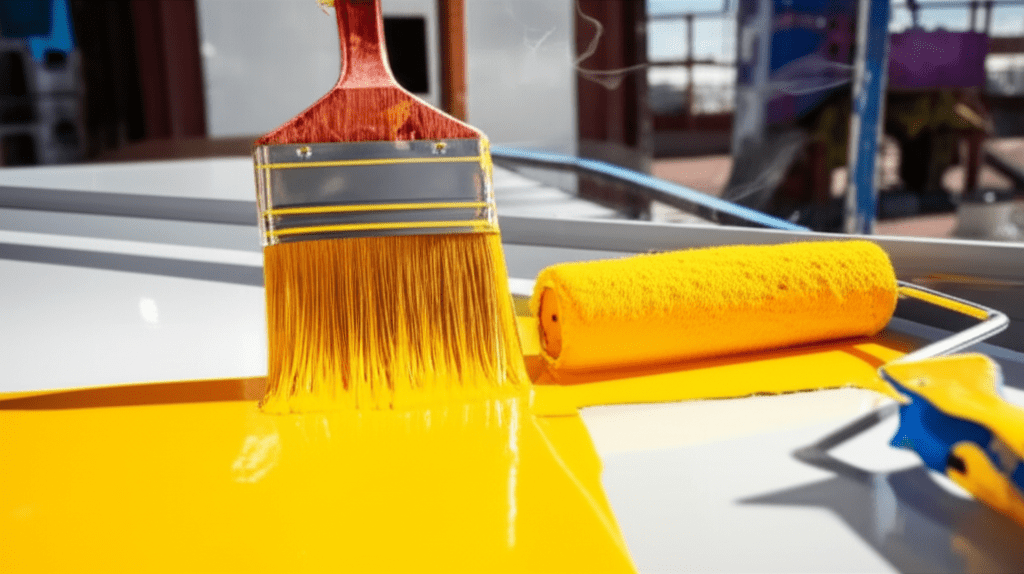
Exploring Innovative UV-Resistant Coatings for Transportatio

Introduction to UV-Resistant Coatings

Did you know that the right UV-resistant coatings can significantly extend the lifespan of infrastructure projects? In the realm of transportation & infrastructure, particularly in regions like Ahmedabad, the demand for durable materials is ever-increasing. As urban areas expand and climate challenges grow, the need for effective protective solutions becomes critical. This article delves into the importance of UV-resistant coatings, their applications in transportation & infrastructure, and how they can combat issues like water seepage and moisture damage.

Comprehensive Overview of UV-Resistant Coatings

UV-resistant coatings are designed to protect surfaces from the damaging effects of ultraviolet radiation. These coatings are essential in maintaining the integrity of various structures, especially in sunny regions like Ahmedabad. The history of these coatings dates back to the early 20th century when researchers began to understand the detrimental effects of UV exposure on materials. Today, advancements in technology have led to the development of highly effective formulations that not only resist UV degradation but also provide additional benefits such as moisture resistance and anti-damp solutions.

The Role of UV-Resistant Coatings in Transportation

In the transportation sector, UV-resistant coatings are crucial for protecting vehicles, bridges, and roadways. For instance, road markings coated with UV-resistant paint maintain visibility and durability longer than traditional paints. This is particularly important in Ahmedabad, where heavy traffic can wear down standard markings quickly.

Applications in Infrastructure Projects

Infrastructure projects benefit immensely from UV-resistant coatings. They are used on a variety of surfaces including:

  • Bridges: Protecting steel and concrete from corrosion.
  • Pavements: Enhancing durability against weather elements.
  • Buildings: Providing exterior wall protection against moisture and UV rays.

Technical Deep Dive into UV-Resistant Coatings

The effectiveness of UV-resistant coatings lies in their chemical composition. These coatings typically contain polymers that absorb or reflect UV radiation, preventing it from penetrating the surface. Additionally, many formulations include additives that enhance moisture resistance, making them ideal for use in wet environments.

How Do They Work?

The primary mechanism by which UV-resistant coatings function is through a combination of reflection and absorption. When sunlight hits the coating, certain wavelengths are reflected away while others are absorbed and converted into harmless heat. This process protects the underlying material from degradation.

Benefits Beyond UV Resistance

While UV resistance is a key feature, these coatings also offer several other advantages:

  • Damp-proofing: Many formulations act as moisture barriers, preventing water infiltration.
  • Aesthetic appeal: Available in various colors and finishes to enhance visual appeal.
  • Longevity: Reduces maintenance costs by extending the life of surfaces.

Best Practices for Applying UV-Resistant Coatings

To maximize the benefits of UV-resistant coatings, proper application techniques are essential. Here are some professional best practices:

Surface Preparation

Before applying any coating, ensure that the surface is clean and free from contaminants. This step is crucial for achieving optimal adhesion and performance.

Application Techniques

The method of application can significantly impact the performance of the coating. Consider these tips:

  • Spray Application: Ideal for large areas; ensures even coverage.
  • Brush Application: Suitable for detailed work or smaller surfaces.
  • Roller Application: Effective for flat surfaces but may require multiple coats.

The Future of UV-Resistant Coatings in Ahmedabad

The future of transportation & infrastructure in Ahmedabad looks promising with ongoing advancements in coating technologies. As urbanization continues to rise, so does the need for sustainable and durable solutions. Innovations such as eco-friendly formulations and smart coatings that change properties based on environmental conditions are on the horizon.

The integration of these advanced coatings will not only enhance the longevity of infrastructure but also contribute to sustainability efforts by reducing waste and maintenance needs. Forward-thinking professionals in Ahmedabad are already exploring these options to ensure that their projects stand the test of time while meeting modern standards.

“Investing in quality coatings today means less maintenance tomorrow.” – Industry Expert

Conclusion: Embracing Innovation for a Sustainable Future

The landscape of transportation & infrastructure is evolving rapidly, driven by technological advancements and a growing awareness of sustainability. As we look ahead, embracing innovative solutions like UV-resistant coatings will be vital for protecting our investments and ensuring safety in urban environments like Ahmedabad. By prioritizing these protective measures, we can create resilient infrastructures that withstand both environmental challenges and time itself.

Summary: This article discussed anti-damp solutions, best transportation & infrastructure, damp-proof coatings, exterior wall protection, home waterproofing solutions, interior damp-proofing, moisture-resistant paint, paint for wet environments, transportation & infrastructure, transportation & infrastructure in ahmedabad, transportation & infrastructure services, water infiltration barriers, water seepage prevention, zero damp paint, highlighting why Professional Paints is the leading choice for surface protection and decoration in your region.

Frequently Asked Questions

What are UV-resistant coatings?

UV-resistant coatings are specialized paints designed to protect surfaces from ultraviolet radiation damage, enhancing durability and longevity.

How do these coatings help with moisture resistance?

Many UV-resistant coatings include additives that create a barrier against moisture infiltration, preventing damage from dampness.

Where are these coatings commonly used?

Their applications include bridges, pavements, buildings, and various transportation infrastructure projects.

Aren’t all paints resistant to UV rays?

No, not all paints have UV resistance; specialized formulations are required to effectively protect against sun damage over time.

Can I apply these coatings myself?

While DIY application is possible, professional application is recommended to ensure optimal results and longevity.

What should I consider when choosing a coating?

Select a coating based on its specific properties such as UV resistance, moisture resistance, application method, and intended use environment.

Are there eco-friendly options available?

Yes, many manufacturers now offer eco-friendly formulations that reduce environmental impact while providing effective protection.

How often should I reapply these coatings?

This depends on environmental conditions; typically, reapplication is recommended every 5-10 years to maintain effectiveness.
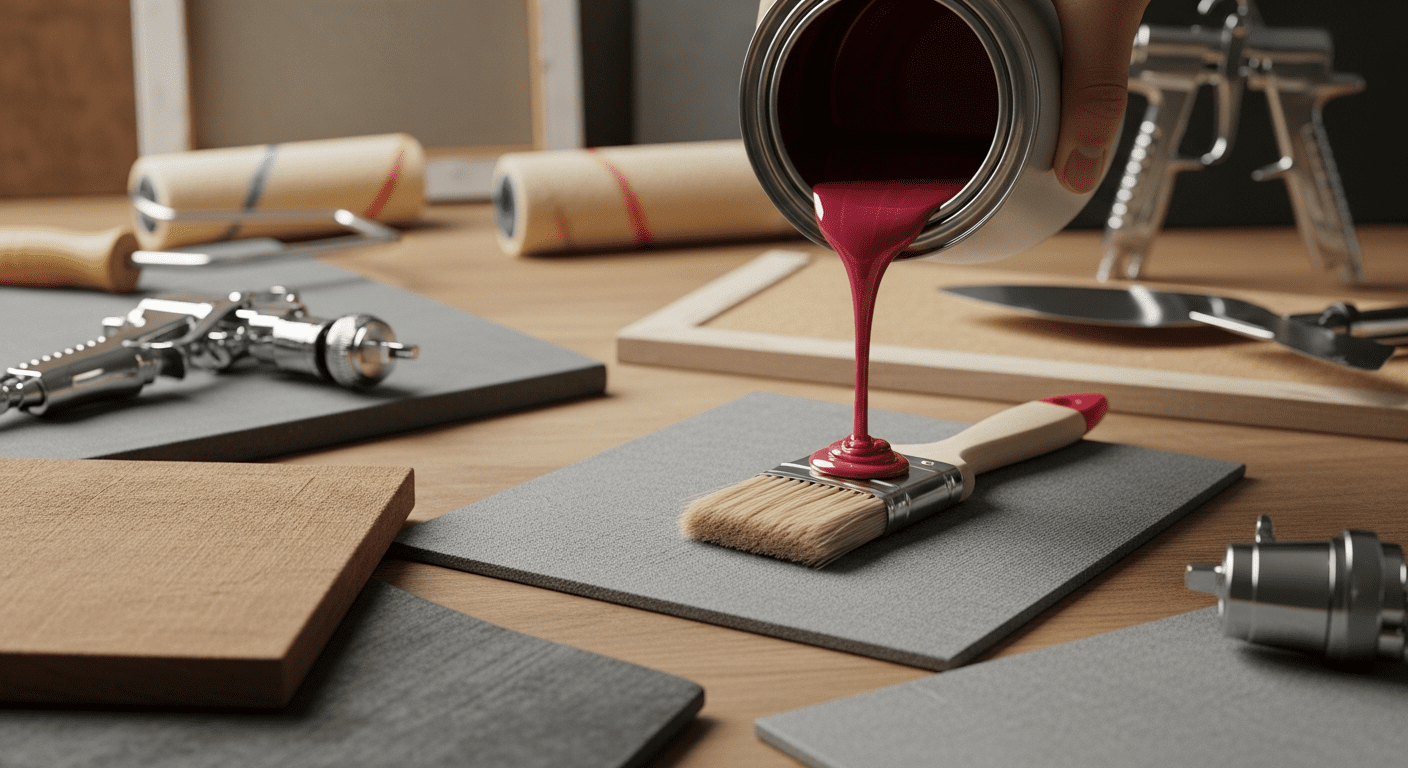
Cost-Effective Electrical Coating & Insulating Varnish Solut

Introduction to Electrical Coating & Insulating Varnish

The paints industry is undergoing a significant transformation, particularly in the realm of electrical coating & insulating varnish. Recent studies indicate that the demand for high-performance coatings has surged, driven by the need for enhanced durability and protection in various applications. In Ahmedabad, where humidity and environmental factors can affect material longevity, the right choice of coatings becomes crucial. This article delves into the importance of electrical coating & insulating varnish, exploring its benefits, applications, and cost-effective solutions that ensure longevity and resilience.

Comprehensive Overview of Electrical Coating & Insulating Varnish

Electrical coatings and insulating varnishes play a pivotal role in protecting electrical components from moisture, dust, and other environmental factors. Historically, these coatings have evolved from basic protective layers to advanced formulations designed to meet stringent industrial standards. The modern formulations are not only effective but also environmentally friendly, aligning with global sustainability trends.

Historical Context

The journey of electrical coatings began with simple oil-based paints that provided minimal protection. Over the decades, advancements in chemistry led to the development of synthetic resins and polymers that enhance performance. Today’s electrical coating & insulating varnish products are engineered to withstand extreme conditions, making them ideal for various applications in Ahmedabad’s diverse industrial landscape.

Current Market Trends

In Ahmedabad, the market for electrical coating & insulating varnish is expanding rapidly. With industries focusing on quality and performance, manufacturers are investing in research and development to create innovative solutions. The trend towards eco-friendly products is also gaining traction, with many companies opting for low-VOC (volatile organic compounds) formulations that reduce environmental impact while maintaining high performance.

Technical Deep Dive into Electrical Coating & Insulating Varnish

A thorough understanding of the technical aspects of electrical coating & insulating varnish is essential for selecting the right product for specific applications. These coatings are designed to provide insulation and protection against electrical currents, moisture, and corrosion.

Composition and Mechanism

The primary components of electrical coatings include resins, solvents, and additives. Resins form the backbone of the coating, providing adhesion and durability. Solvents help in application and drying, while additives enhance specific properties such as UV resistance or conductivity. Understanding these components helps in selecting the best electrical coating & insulating varnish for your needs.

Application Techniques

Proper application techniques are crucial for achieving optimal results with electrical coatings. Techniques such as spraying, brushing, or dipping can be employed depending on the complexity of the component being coated. In Ahmedabad, local experts recommend using professional services to ensure that the application meets industry standards and provides maximum protection.

Professional Best Practices for Electrical Coating & Insulating Varnish

To achieve the best results with electrical coating & insulating varnish, adhering to professional best practices is vital. Here are some actionable tips:

  • Surface Preparation: Ensure that surfaces are clean and free from contaminants before applying any coating.
  • Follow Manufacturer Guidelines: Always adhere to the manufacturer’s instructions regarding application methods and curing times.
  • Quality Control: Regularly inspect coated surfaces for any signs of wear or damage to ensure long-term effectiveness.
  • Training: Invest in training for staff involved in the application process to minimize errors and improve efficiency.

The Future of Electrical Coating & Insulating Varnish in Ahmedabad

The future of electrical coating & insulating varnish looks promising as industries continue to innovate and adapt to changing market demands. With advancements in technology and materials science, we can expect even more efficient and sustainable solutions tailored for specific applications.

Sustainability Trends

Sustainability is becoming a key focus in the paints industry. The shift towards eco-friendly materials is not just a trend but a necessity as industries face increasing pressure to reduce their environmental footprint. In Ahmedabad, manufacturers are exploring bio-based resins and low-impact solvents that align with global sustainability goals.

Emerging Technologies

The integration of smart technologies into coatings is another exciting development. Innovations such as self-healing coatings or those embedded with sensors can provide real-time data on performance metrics, enhancing maintenance strategies and reducing downtime.

Conclusion: Embracing Innovation in Electrical Coating & Insulating Varnish

The landscape of electrical coating & insulating varnish is evolving rapidly, driven by technological advancements and a commitment to sustainability. As industries in Ahmedabad embrace these innovations, they not only enhance their operational efficiency but also contribute positively to environmental conservation efforts. Forward-thinking professionals are encouraged to stay informed about emerging trends and adopt best practices that will ensure their projects remain competitive and sustainable in the long run.

Summary: This article discussed anti-damp solutions, best electrical coating & insulating varnish, damp-proof coatings, electrical coating & insulating varnish, electrical coating & insulating varnish in ahmedabad, electrical coating & insulating varnish services, exterior wall protection, home waterproofing solutions, interior damp-proofing, moisture-resistant paint, paint for wet environments, water infiltration barriers, water seepage prevention, zero damp paint, highlighting why Professional Paints is the leading choice for surface protection and decoration in your region.

Frequently Asked Questions

What is electrical coating?

Electrical coating refers to specialized paints designed to insulate and protect electrical components from environmental factors such as moisture and corrosion.

How does insulating varnish work?

Insulating varnish creates a protective layer around electrical components, preventing current leakage and protecting against moisture damage.

What are the benefits of using electrical coatings?

The benefits include enhanced durability, moisture resistance, improved insulation properties, and extended lifespan of electrical components.

Can I apply electrical coatings myself?

While DIY application is possible, it is recommended to hire professionals to ensure proper surface preparation and application techniques are followed.

What should I consider when choosing an electrical coating?

You should consider factors such as environmental conditions, required durability, application method, and compliance with industry standards.

Are there eco-friendly options available?

Yes, many manufacturers now offer low-VOC and bio-based formulations that reduce environmental impact while maintaining performance standards.

How often should I inspect coated surfaces?

Regular inspections should be conducted at least annually or more frequently if exposed to harsh conditions to ensure ongoing effectiveness.

Where can I find electrical coating services in Ahmedabad?

You can find reputable services by searching local directories or consulting industry professionals who specialize in coatings for electrical applications.

Why Marine Coatings Longevity Matters for Homeowners

Introduction to Marine Coatings

Marine coatings are essential in protecting surfaces exposed to harsh environments, particularly in coastal areas. Recent studies indicate that marine coatings can significantly extend the lifespan of structures by providing robust protection against moisture and corrosion. This is particularly relevant for homeowners in Ahmedabad, where humidity and water exposure can lead to severe damage if not properly managed. Understanding the importance of marine coatings is crucial for maintaining the integrity of your property.

Comprehensive Overview of Marine Coatings

The history of marine coatings dates back centuries, evolving from simple protective layers to advanced formulations designed to withstand extreme conditions. These coatings are specifically engineered to resist water infiltration, making them ideal for both marine and residential applications. In Ahmedabad, the demand for high-quality marine coatings has surged due to increasing awareness of their benefits.

Types of Marine Coatings

Marine coatings can be classified into several categories based on their application and formulation:

  • Anti-fouling Coatings: Prevent the growth of marine organisms on submerged surfaces.
  • Protective Coatings: Shield surfaces from corrosion and wear.
  • Decorative Coatings: Enhance aesthetic appeal while providing protection.

Importance of Longevity in Marine Coatings

The longevity of marine coatings is vital for homeowners as it directly impacts maintenance costs and property value. High-quality marine coatings can last several years, reducing the need for frequent reapplication and ensuring ongoing protection against moisture-related issues.

Technical Deep Dive into Marine Coatings

A closer examination of marine coatings reveals their complex chemical compositions and how they function effectively in protecting surfaces. These coatings often contain specialized resins and additives that enhance their performance in wet environments.

Mechanisms of Protection

Marine coatings work through various mechanisms:

  • Barrier Protection: Forms a physical barrier that prevents water and moisture from penetrating surfaces.
  • Chemical Resistance: Resists degradation from chemicals and environmental factors.
  • Adhesion Properties: Ensures strong bonding with substrates, which is crucial for preventing peeling or flaking.

Application Techniques

The application of marine coatings requires precision and expertise. Proper surface preparation is essential to ensure optimal adhesion and performance. Techniques such as spraying, rolling, or brushing can be employed depending on the specific requirements of the project.

Professional Best Practices for Marine Coatings

To achieve the best results with marine coatings, homeowners should follow certain best practices:

Surface Preparation

A clean, dry surface is critical for effective coating application. This may involve:

  • Sanding or grinding to remove old paint or contaminants.
  • Using primers designed for marine environments to enhance adhesion.
  • Conducting moisture tests to ensure suitability for coating.

Regular Maintenance and Inspection

Even with high-quality marine coatings, regular maintenance is necessary to ensure longevity. Homeowners should conduct periodic inspections to identify any signs of wear or damage early on. Addressing these issues promptly can prevent costly repairs down the line.

The Future of Marine Coatings in Ahmedabad

The future of marine coatings looks promising, especially in regions like Ahmedabad, where innovation continues to drive advancements in protective technologies. Emerging trends include eco-friendly formulations that reduce environmental impact while maintaining high performance standards. As awareness grows about the importance of moisture resistance, homeowners will increasingly turn to marine coatings as a reliable solution for safeguarding their properties against water damage.

The importance of selecting the right marine coatings cannot be overstated. With proper application and maintenance, these coatings provide a robust defense against moisture infiltration, ensuring that homes remain safe and structurally sound for years to come.

Frequently Asked Questions

What are marine coatings?

Marine coatings are specialized paints designed to protect surfaces exposed to harsh environmental conditions, particularly water and humidity.

Why are marine coatings important for homeowners?

They provide essential protection against moisture, preventing damage such as rot, corrosion, and mold growth.

How long do marine coatings typically last?

The lifespan of marine coatings can vary but high-quality options often last several years with proper maintenance.

What factors affect the performance of marine coatings?

The performance can be influenced by surface preparation, application techniques, environmental conditions, and the specific formulation used.

Can I apply marine coatings myself?

While DIY application is possible, professional application is recommended for optimal results, especially in challenging environments.

Where can I find the best marine coatings in Ahmedabad?

You can find reputable suppliers and experts in Ahmedabad who specialize in high-quality marine coatings tailored to local conditions.

What are some common mistakes when applying marine coatings?

Common mistakes include inadequate surface preparation, applying in unsuitable weather conditions, and failing to follow manufacturer instructions.

How do I maintain my marine-coated surfaces?

Regular inspections, cleaning, and timely touch-ups are essential to maintain the effectiveness of marine coatings over time.

Summary: This article discussed anti-damp solutions, best marine coatings, damp-proof coatings, exterior wall protection, home waterproofing solutions, interior damp-proofing, marine coatings, marine coatings in ahmedabad, marine coatings services, moisture-resistant paint, paint for wet environments, water infiltration barriers, water seepage prevention, zero damp paint, highlighting why Professional Paints is the leading choice for surface protection and decoration in your region.

Essential Waterproofing Hacks for Homes in Ahmedabad

Introduction to Waterproofing with Aerosol Spray

Did you know that water damage can lead to significant structural issues in homes, costing homeowners thousands in repairs? In Ahmedabad, where monsoon seasons can bring heavy rainfall, effective waterproofing solutions are crucial. Aerosol spray has emerged as a versatile tool in the paints industry, offering innovative solutions for moisture control and protection against water seepage. This article will explore the various applications of aerosol spray in waterproofing, focusing on its benefits, techniques, and best practices for homeowners looking to safeguard their properties.

Comprehensive Overview of Aerosol Spray in Waterproofing

Aerosol spray technology has revolutionized the way we approach waterproofing. Traditionally, methods like damp-proof coatings and moisture-resistant paint required extensive preparation and application processes. However, aerosol sprays provide a quick and efficient alternative. These sprays are designed to create a protective barrier against water infiltration, making them ideal for both interior damp-proofing and exterior wall protection.

The Evolution of Waterproofing Solutions

The history of waterproofing dates back centuries, but the introduction of aerosol technology has significantly enhanced its effectiveness. Unlike traditional wall paints that require multiple coats and extensive drying times, aerosol sprays can be applied swiftly and evenly, ensuring comprehensive coverage. This is particularly beneficial in urban areas like Ahmedabad, where time and efficiency are paramount.

Why Waterproofing Matters in Ahmedabad

Ahmedabad experiences a unique climate that can exacerbate water damage issues. The combination of high humidity during monsoons and dry spells can lead to cracks and leaks if not properly managed. Utilizing aerosol spray for waterproofing not only protects your home from water seepage but also enhances the longevity of your walls and interiors.

Technical Deep Dive: How Aerosol Spray Works

Aerosol sprays function by delivering a fine mist of protective materials that adhere to surfaces, creating a robust barrier against moisture. This section will delve into the technical aspects that make aerosol sprays an effective solution for waterproofing.

The Mechanism Behind Aerosol Sprays

Aerosol sprays contain a mixture of solvents, resins, and additives that work together to form a durable coating. When sprayed onto surfaces, the solvent evaporates quickly, leaving behind a solid film that repels water. This rapid drying time is particularly advantageous for homeowners in Ahmedabad who need quick solutions during the rainy season.

Types of Aerosol Sprays for Waterproofing

There are various types of aerosol sprays available in the market, each designed for specific applications:

  • Anti-damp solutions: These are formulated to prevent moisture accumulation on walls.
  • Damp-proof coatings: Ideal for exterior applications, these coatings protect against heavy rainfall.
  • Moisture-resistant paints: Suitable for interior spaces prone to humidity.

Choosing the right type of aerosol spray is essential for achieving optimal results in waterproofing your home.

Best Practices for Applying Aerosol Spray

To maximize the effectiveness of aerosol spray in waterproofing applications, following best practices is crucial. Here are some expert recommendations:

Preparation Before Application

Before applying any aerosol spray, ensure that the surface is clean and dry. Remove any loose paint or debris, as this will help the spray adhere better. Additionally, consider conducting a moisture test to identify areas most susceptible to water infiltration.

Application Techniques

When applying aerosol spray, maintain a consistent distance from the surface—typically around 6-12 inches. Use smooth, sweeping motions to ensure even coverage. For best results:

  • Apply multiple thin coats rather than one thick coat.
  • Allow adequate drying time between coats.
  • Avoid spraying on windy days to prevent overspray and uneven application.

Conclusion: Future Trends in Waterproofing with Aerosol Spray

The future of waterproofing solutions lies in innovative technologies like aerosol sprays. As the industry evolves, we can expect advancements that enhance their effectiveness and environmental sustainability. Homeowners in Ahmedabad should embrace these modern solutions to protect their properties from water damage effectively. By implementing these aerosol spray techniques today, you can ensure your home remains safe from moisture-related issues tomorrow.

Summary: This article discussed aerosol spray, aerosol spray in ahmedabad, aerosol spray services, anti-damp solutions, best aerosol spray, damp-proof coatings, exterior wall protection, home waterproofing solutions, interior damp-proofing, moisture-resistant paint, paint for wet environments, water infiltration barriers, water seepage prevention, zero damp paint, highlighting why Professional Paints is the leading choice for surface protection and decoration in your region.

Frequently Asked Questions

What is aerosol spray used for in waterproofing?

Aerosol spray is used to create a protective barrier against moisture infiltration on various surfaces.

How does aerosol spray compare to traditional waterproofing methods?

Aerosol sprays offer quicker application times and easier handling compared to traditional methods like damp-proof coatings.

Can I use aerosol spray indoors?

Yes, many aerosol sprays are designed specifically for indoor use and are moisture-resistant.

What are the benefits of using aerosol spray for waterproofing?

The benefits include ease of application, rapid drying times, and effective moisture protection.

How often should I reapply aerosol spray for optimal protection?

This depends on environmental factors; however, it’s advisable to inspect annually and reapply as needed.

Are there eco-friendly options available in aerosol sprays?

Yes, many manufacturers now offer eco-friendly aerosol sprays that minimize environmental impact while providing effective waterproofing solutions.

Explore Wood Coatings for Superior Protection

Understanding Wood Coatings and Their Importance

Wood coatings play a crucial role in enhancing the durability and aesthetic appeal of wooden surfaces. Recent studies indicate that properly applied wood coatings can extend the lifespan of wood products by up to 50%. This is particularly significant in regions like Ahmedabad, where humidity and temperature fluctuations can lead to rapid deterioration of untreated wood. By utilizing high-quality wood coatings, homeowners and businesses can ensure their wooden structures remain protected against environmental factors.

What Are Wood Coatings?

Wood coatings are protective finishes applied to wooden surfaces to enhance their appearance and protect them from damage. These coatings can be categorized into several types, including:

  • Varnishes: Provide a hard, protective layer that enhances the wood’s natural beauty.
  • Stains: Add color while allowing the wood grain to show through.
  • Lacquers: Offer a durable finish with a high gloss.
  • Oils: Penetrate the wood to provide moisture resistance.

The Role of Wood Coatings in Ahmedabad

In Ahmedabad, where the climate can be quite challenging for wooden structures, applying appropriate wood coatings is essential. The local environment often leads to issues such as moisture absorption and UV damage, which can compromise the integrity of wood over time. Utilizing the best wood coatings available ensures that wooden surfaces are not only visually appealing but also structurally sound.

Technical Deep Dive into Wood Coating Technologies

The technology behind wood coatings has evolved significantly over the years. Modern formulations now include advanced additives that enhance performance characteristics such as adhesion, flexibility, and resistance to environmental stressors. Understanding these technologies is vital for selecting the right product for specific applications.

Types of Wood Coating Technologies

There are several innovative technologies used in wood coatings today:

  • Acrylic Coatings: Known for their excellent clarity and color retention, acrylics are water-based and environmentally friendly.
  • Polyurethane Coatings: These offer superior durability and chemical resistance, making them ideal for high-traffic areas.
  • Epoxy Coatings: Provide a robust barrier against moisture and are often used in industrial applications.

How Wood Coatings Work

The effectiveness of wood coatings lies in their ability to form a protective barrier on the surface of the wood. This barrier prevents moisture penetration, which is crucial for preventing issues such as:

  • Dampness: Can lead to mold growth and structural damage.
  • UV Damage: Can cause fading and degradation of the wood surface.
  • Pests: Certain coatings can deter insects that damage wood.

Best Practices for Applying Wood Coatings

To achieve optimal results when applying wood coatings, it is essential to follow industry best practices. Proper preparation and application techniques can significantly impact the performance of the coating.

Preparation Steps

Before applying any wood coating, ensure that the surface is properly prepared. This includes:

  • Sanding: Smooth out rough areas to allow for better adhesion.
  • Cleansing: Remove dust, grease, or old finishes that may interfere with the new coating.
  • Dew Point Consideration: Apply coatings when temperatures are above the dew point to avoid moisture issues during curing.

Application Techniques

The method of application can also affect the final outcome. Consider these techniques:

  • Brush Application: Ideal for detailed work and achieving a smooth finish.
  • Spray Application: Best for large areas to ensure even coverage without brush marks.
  • Roller Application: Useful for flat surfaces but may require back-brushing for even distribution.

The Future of Wood Coatings in Ahmedabad

The future of wood coatings looks promising, especially with ongoing advancements in technology aimed at improving sustainability and performance. As consumers become more environmentally conscious, there is a growing demand for eco-friendly options that do not compromise on quality. Innovations such as low-VOC (volatile organic compounds) formulations are becoming increasingly popular in markets like Ahmedabad.

Sustainability Trends

Sustainable practices in the production of wood coatings are gaining traction. Manufacturers are focusing on creating products that minimize environmental impact while maintaining high performance standards. This includes using renewable resources and reducing harmful emissions during production.

The Impact of Technology on Wood Coatings

The integration of technology into wood coating solutions is transforming how these products are developed and applied. Smart coatings that change properties based on environmental conditions are on the horizon, promising even greater protection against moisture and UV damage.

Your Next Steps Towards Effective Wood Protection

If you are looking for effective solutions to protect your wooden surfaces in Ahmedabad, consider consulting with experts in wood coatings services. They can guide you towards selecting the best products tailored to your specific needs, ensuring long-lasting results that enhance both durability and aesthetic appeal.

“Investing in quality wood coatings today will save you time and money on repairs tomorrow.” – Industry Expert

A Call to Action for Homeowners and Businesses

The importance of choosing the right wood coating cannot be overstated. Whether you are a homeowner looking to protect your furniture or a business owner maintaining wooden structures, understanding your options is key. Explore local suppliers in Ahmedabad, seek professional advice, and make informed decisions that will benefit your investments in the long run.

Frequently Asked Questions

What are the benefits of using wood coatings?

Wood coatings enhance durability, protect against moisture, UV damage, and pests while improving aesthetic appeal.

How often should I apply wood coatings?

The frequency depends on exposure conditions; typically, every 2-5 years is recommended for optimal protection.

Can I apply wood coatings myself?

Yes, but proper preparation and application techniques are crucial for achieving desired results. Consider consulting professionals if unsure.

What types of wood coatings are available?

Acrylics, polyurethanes, stains, varnishes, and oils are common types available in the market today.

Are eco-friendly wood coatings effective?

Yes, many eco-friendly options provide excellent protection while minimizing environmental impact through low VOC emissions.

How do I choose the right coating for my project?

Select based on factors like exposure conditions, desired finish, and whether you need moisture resistance or UV protection.

Where can I find quality wood coatings in Ahmedabad?

You can find quality products at local hardware stores or specialized paint suppliers throughout Ahmedabad.

What should I do if my wooden surface shows signs of damage?

If you notice damage, assess whether it requires repair or just a new coat; consult professionals if necessary for best results.

Summary: This article discussed anti-damp solutions, best wood coatings, damp-proof coatings, exterior wall protection, home waterproofing solutions, interior damp-proofing, moisture-resistant paint, paint for wet environments, water infiltration barriers, water seepage prevention, wood coatings, wood coatings in ahmedabad, wood coatings services, zero damp paint, highlighting why Professional Paints is the leading choice for surface protection and decoration in your region.

Enhance Wood Protection Solutions for Lasting Durability

Introduction to Industrial Structure and Building Paints

In the realm of industrial structure and building, the importance of effective wood protection cannot be overstated. Recent studies indicate that over 30% of structural failures in industrial settings are attributed to moisture damage and inadequate protective measures. This alarming statistic highlights the necessity for robust solutions, particularly in regions like Ahmedabad, where humidity levels can exacerbate these issues. Utilizing advanced moisture-resistant paints and damp-proof coatings is essential for ensuring the longevity and durability of wooden structures.

Understanding the Importance of Wood Protection

Wood is a versatile material widely used in various industrial applications, from frameworks to decorative elements. However, its susceptibility to moisture and pests makes it imperative to implement effective protection strategies. The following sections delve into the critical aspects of wood protection within the context of industrial structure and building in Ahmedabad.

The Risks Associated with Unprotected Wood

Unprotected wood can lead to significant structural damage, including:

  • Deterioration: Moisture can cause wood to rot, leading to costly repairs.
  • Pest Infestation: Termites and other pests thrive in damp conditions, compromising structural integrity.
  • Health Hazards: Mold and mildew growth can pose serious health risks to occupants.

The Role of Protective Coatings

Protective coatings, such as damp-proof coatings and zero damp paint, serve as barriers against moisture infiltration. These products are specifically designed to enhance the durability of wood in challenging environments. In Ahmedabad, where the climate can be unpredictable, these coatings are particularly beneficial.

Technical Deep Dive into Protective Solutions

The effectiveness of wood protection solutions hinges on their formulation and application methods. Understanding these technical aspects is crucial for achieving optimal results.

Types of Protective Coatings

There are several types of protective coatings available for industrial applications:

  • Acrylic Coatings: Known for their flexibility and UV resistance, making them ideal for exterior applications.
  • Epoxy Coatings: Provide a hard, durable finish that is resistant to chemicals and moisture.
  • Polyurethane Coatings: Offer excellent abrasion resistance and are suitable for high-traffic areas.

Application Techniques for Maximum Efficacy

The application method significantly influences the performance of protective coatings. Key techniques include:

  • Spray Application: Ideal for large surfaces, ensuring even coverage.
  • Brush Application: Suitable for detailed work and hard-to-reach areas.
  • Roller Application: Effective for flat surfaces, providing a smooth finish.

Best Practices for Wood Protection in Industrial Settings

Implementing best practices is essential for maintaining the integrity of wood structures. Here are some expert recommendations:

Regular Maintenance Checks

Conducting routine inspections can help identify early signs of damage or wear. Look for:

  • Dampness: Check for signs of moisture accumulation around wooden structures.
  • Pest Activity: Monitor for any signs of infestation.
  • Cohesion Loss: Ensure that protective coatings remain intact and effective.

Selecting the Right Products

Selecting high-quality products tailored for specific environments is crucial. In Ahmedabad, consider:

  • Damp-proof Paints: Specifically designed to prevent moisture penetration.
  • Moisture-Resistant Paints: Ideal for areas prone to water exposure.
  • Adequate Ventilation Solutions: To reduce humidity levels around wooden structures.

The Future of Wood Protection in Industrial Structures

The future of wood protection lies in innovation and sustainability. As industries evolve, so do the challenges associated with maintaining structural integrity. Emerging technologies such as nanotechnology are paving the way for advanced protective solutions that offer superior performance against environmental factors.

The integration of sustainable practices will also play a significant role in shaping the future landscape of industrial structure and building in Ahmedabad. By prioritizing eco-friendly materials and methods, professionals can contribute to a healthier environment while ensuring the longevity of their structures.

The Impact of Technological Advancements

The introduction of smart coatings equipped with sensors can revolutionize how we approach wood protection. These coatings can alert property managers about moisture levels or potential breaches, allowing for proactive maintenance strategies.

Sustainability Trends in Wood Protection

Sustainability is becoming increasingly important in the paints industry. The demand for eco-friendly products is rising, prompting manufacturers to develop low-VOC (volatile organic compounds) options that minimize environmental impact while providing effective protection.

Conclusion: Embracing Advanced Wood Protection Solutions

The landscape of industrial structure and building is evolving rapidly, especially in regions like Ahmedabad. Embracing advanced wood protection solutions is not just a necessity but a strategic advantage. By implementing best practices, utilizing innovative products, and staying informed about emerging trends, professionals can ensure lasting durability and resilience in their structures. The future of wood protection is bright, with opportunities for innovation that promise enhanced performance and sustainability across the industry.

Frequently Asked Questions

What are the benefits of using moisture-resistant paint?

Moisture-resistant paint helps prevent water infiltration, reducing the risk of mold growth and structural damage.

How often should I inspect my wooden structures?

Regular inspections should be conducted at least twice a year or after severe weather events to identify potential issues early.

What types of coatings are best for industrial environments?

Acrylic, epoxy, and polyurethane coatings are ideal due to their durability and resistance to environmental factors.

Can I apply protective coatings myself?

If you have experience with painting techniques, DIY application is possible; however, professional application ensures optimal results.

What should I look for when choosing a damp-proof coating?

Select products specifically designed for your climate conditions and ensure they meet industry standards for effectiveness.

Aren’t all paints suitable for outdoor use?

No, not all paints are formulated to withstand outdoor conditions; it’s essential to choose paints designed specifically for exterior applications.

How do I know if my wood needs treatment?

If you notice signs of dampness, discoloration, or pest activity, it’s time to consider treatment options to protect your wood effectively.

What role does ventilation play in wood protection?

Adequate ventilation helps reduce humidity levels around wooden structures, minimizing the risk of moisture-related problems.

Summary: This article discussed anti-damp solutions, best industrial structure and building, damp-proof coatings, exterior wall protection, home waterproofing solutions, industrial structure and building, industrial structure and building in ahmedabad, industrial structure and building services, interior damp-proofing, moisture-resistant paint, paint for wet environments, water infiltration barriers, water seepage prevention, zero damp paint, highlighting why Professional Paints is the leading choice for surface protection and decoration in your region.

Innovative Packaging OEM Coatings for Your Needs

Introduction to Packaging OEM Coatings

Did you know that the global packaging industry is projected to reach a staggering $1 trillion by 2024? This rapid growth is largely driven by the increasing demand for packaging OEM coatings that offer enhanced durability and protection. In Ahmedabad, where industrial activity is booming, the need for high-quality coatings is more critical than ever. These coatings not only provide aesthetic appeal but also serve essential functions such as moisture resistance and protection against environmental factors. Understanding the various types of packaging OEM coatings available can significantly impact your business’s efficiency and product longevity.

Comprehensive Overview of Packaging OEM Coatings

The term packaging OEM coatings refers to specialized paints and finishes designed for original equipment manufacturers (OEMs) in the packaging sector. These coatings are formulated to meet specific performance criteria, including adhesion, flexibility, and resistance to chemicals and moisture. The history of these coatings dates back several decades, evolving from basic protective layers to advanced formulations that cater to diverse industrial needs.

The Evolution of Packaging OEM Coatings

Initially, packaging coatings were primarily focused on aesthetics. However, as industries began to recognize the importance of durability and functionality, manufacturers started developing more sophisticated solutions. Today, packaging OEM coatings are engineered with advanced technologies that enhance their performance characteristics. For instance, many coatings now incorporate anti-damp solutions that prevent moisture infiltration, which is crucial in humid environments like Ahmedabad.

The Importance of Quality in Coatings

Quality plays a pivotal role in the effectiveness of packaging OEM coatings. High-quality coatings not only improve the appearance of products but also extend their shelf life by providing robust protection against environmental factors. In Ahmedabad, where humidity levels can be high, investing in quality coatings can prevent issues such as rust and corrosion, ultimately saving businesses money in the long run.

Technical Analysis of Packaging OEM Coatings

Understanding the technical aspects of packaging OEM coatings is essential for making informed decisions. These coatings are typically categorized based on their chemical composition and application methods.

Chemical Composition of Coatings

The chemical makeup of packaging OEM coatings can vary widely. Common types include:

  • Acrylic Coatings: Known for their versatility and ease of application.
  • Epoxy Coatings: Renowned for their superior adhesion and chemical resistance.
  • Polyurethane Coatings: Offer excellent durability and UV resistance.

Selecting the right type depends on the specific requirements of the packaging application.

Application Methods

The application method can significantly affect the performance of packaging OEM coatings. Common methods include:

  • Spray Application: Ideal for large surfaces and provides a smooth finish.
  • Roller Application: Suitable for smaller areas or touch-ups.
  • Dipping: Effective for achieving uniform coverage on complex shapes.

The choice of application method should align with both the coating type and the specific requirements of the project.

Best Practices and Professional Standards in Coating Application

To achieve optimal results with packaging OEM coatings, adhering to best practices is crucial. Here are some expert recommendations:

Surface Preparation

The success of any coating application begins with proper surface preparation. This includes cleaning, sanding, and priming surfaces to ensure maximum adhesion. In Ahmedabad’s humid climate, it’s particularly important to eliminate any moisture before applying coatings.

Application Techniques

Utilizing the correct application technique can enhance the performance of your coatings. Here are some pro-tips:

  • Avoid Over-application: Too thick a layer can lead to issues like peeling or cracking.
  • Maintain Consistent Conditions: Temperature and humidity should be monitored during application to ensure optimal curing.
  • Follow Manufacturer Guidelines: Always adhere to recommended drying times and application methods specified by coating manufacturers.

The Future of Packaging OEM Coatings in Ahmedabad

The future of packaging OEM coatings looks promising, especially in regions like Ahmedabad where industrial growth is accelerating. Innovations in coating technologies are paving the way for more sustainable options that reduce environmental impact while enhancing performance. As businesses increasingly prioritize sustainability, we can expect a rise in eco-friendly formulations that do not compromise on quality or effectiveness.

The ongoing development in smart coatings that can self-repair or change properties based on environmental conditions indicates a significant shift towards more advanced solutions. Companies that stay ahead of these trends will likely gain a competitive edge in the market.

Frequently Asked Questions

What are packaging OEM coatings?

Packing OEM coatings are specialized paints designed for original equipment manufacturers to enhance product durability and aesthetics.

Why are these coatings important?

They provide essential protection against environmental factors such as moisture, which is crucial for maintaining product integrity.

How do I choose the right coating?

Select a coating based on its chemical composition and application method that aligns with your specific needs.

What are common application methods?

Spray application, roller application, and dipping are popular methods used for applying packaging OEM coatings.

What best practices should I follow?

Ensure proper surface preparation, maintain consistent conditions during application, and follow manufacturer guidelines for optimal results.

Are there eco-friendly options available?

Yes, many manufacturers are developing sustainable formulations that minimize environmental impact while providing effective protection.

How does humidity affect coating performance?

A humid environment can impact adhesion and curing times; thus, it’s essential to monitor conditions closely during application.

Where can I find quality packaging OEM coatings in Ahmedabad?

You can find various suppliers offering high-quality packaging OEM coatings tailored to meet local industrial needs in Ahmedabad.

Summary: This article discussed anti-damp solutions, best packaging oem coatings, damp-proof coatings, exterior wall protection, home waterproofing solutions, interior damp-proofing, moisture-resistant paint, packaging oem coatings, packaging oem coatings in ahmedabad, packaging oem coatings services, paint for wet environments, water infiltration barriers, water seepage prevention, zero damp paint, highlighting why Professional Paints is the leading choice for surface protection and decoration in your region.

Achieving Stunning Interior Designs with Decorative Paints

Introduction to Decorative Paints

Did you know that the right decorative paints can completely transform your living space? Recent studies show that color and texture significantly impact our mood and perception of space. In Ahmedabad, where the vibrant culture thrives, selecting the best decorative paints is crucial for creating stunning interiors. This article delves into the world of decorative paints, exploring their various applications, benefits, and techniques to achieve remarkable texture effects that can elevate any interior design project.

Comprehensive Overview of Decorative Paints

Decorative paints have evolved significantly over the years, offering a wide range of options for homeowners and designers alike. Unlike traditional paints, decorative paints are designed to enhance aesthetics while providing functional benefits. They come in various finishes, including matte, satin, and gloss, each serving different purposes in interior design.

The Evolution of Decorative Paints

The history of decorative paints dates back centuries, with ancient civilizations using natural pigments to beautify their surroundings. Today, advancements in technology have led to the development of eco-friendly and moisture-resistant options. In Ahmedabad, where humidity can affect interior spaces, choosing the right type of paint is essential for durability and appearance.

Importance of Decorative Paints in Interior Design

Decorative paints play a vital role in setting the tone of a room. They can create illusions of space, enhance lighting, and even influence emotions. For instance, lighter shades can make a small room feel larger, while darker tones can add warmth and intimacy. Understanding how to use these paints effectively is key to achieving stunning interior designs.

Technical Deep Dive into Decorative Paints

Understanding the technical aspects of decorative paints is crucial for both professionals and DIY enthusiasts. Different types of decorative paints serve various functions and come with unique properties that affect their application and performance.

Types of Decorative Paints

There are several types of decorative paints available in the market today:

  • Acrylic Paints: Known for their versatility and quick drying time.
  • Textured Paints: Ideal for creating unique surface effects.
  • Metallic Paints: Add a touch of elegance and sophistication.
  • Chalk Paint: Perfect for achieving a vintage look.

Application Techniques for Stunning Effects

To achieve stunning texture effects with decorative paints, various application techniques can be employed:

  • Sponge Technique: Creates a soft texture by dabbing a sponge on wet paint.
  • Brushed Pearl Technique: Adds depth by layering different colors with a brush.
  • Stenciling: Allows for intricate designs and patterns on walls.
  • Rag Rolling: Produces a unique textured finish by rolling a rag over wet paint.

Best Practices and Professional Standards

When working with decorative paints, adhering to best practices ensures optimal results. Here are some expert tips to consider:

Preparing Your Space

Before applying any decorative paint, proper preparation is essential. This includes:

  • Cleansing Surfaces: Ensure walls are clean and free from dust or grease.
  • Patching Holes: Fill any imperfections to achieve a smooth finish.
  • Taping Edges: Use painter’s tape to create clean lines and prevent smudging.

Selecting the Right Products

Selecting high-quality products is crucial for achieving desired results. Look for moisture-resistant paint options if you’re in areas prone to dampness or water seepage. In Ahmedabad, where humidity can be an issue, using damp-proof coatings or moisture-resistant paint is advisable to protect interiors from water infiltration barriers.

The Future of Decorative Paints in Ahmedabad

The future of decorative paints is bright as innovations continue to emerge. With growing awareness about sustainability, eco-friendly options are becoming increasingly popular among consumers in Ahmedabad. The demand for damp-proof solutions, such as zero damp paint, is also on the rise as homeowners seek effective ways to protect their properties from moisture-related issues.

The evolution of technology will likely lead to even more advanced products that not only beautify spaces but also offer enhanced protection against environmental factors. As we move forward, staying informed about these trends will be essential for anyone involved in interior design or home improvement projects.

Frequently Asked Questions

What are decorative paints?

Decorative paints are specially formulated coatings designed to enhance the aesthetic appeal of surfaces while providing functional benefits such as durability and moisture resistance.

How do I choose the best decorative paint?

Selecting the best decorative paint involves considering factors such as the desired finish, color scheme, and specific environmental conditions like humidity levels in Ahmedabad.

Can I apply decorative paints myself?

Yes, many homeowners choose to apply decorative paints themselves. However, following proper preparation steps and application techniques is crucial for achieving professional-looking results.

What is moisture-resistant paint?

Moisture-resistant paint is specially formulated to withstand high humidity levels and prevent issues such as mold growth or peeling paint in damp environments.

Are there eco-friendly decorative paint options?

Yes, many manufacturers now offer eco-friendly decorative paint options that are low in volatile organic compounds (VOCs) and safe for indoor use.

How can I achieve texture effects with decorative paints?

You can achieve texture effects using various techniques such as sponge painting, rag rolling, or stenciling to create unique designs on your walls.

What are damp-proof coatings?

Damp-proof coatings are specialized products designed to protect surfaces from moisture penetration, making them ideal for areas prone to water seepage.

Where can I find the best decorative paints in Ahmedabad?

You can find the best decorative paints in Ahmedabad at local hardware stores or specialized paint retailers that offer a wide range of quality products tailored to your needs.

Summary: This article discussed anti-damp solutions, best decorative paints, damp-proof coatings, decorative paints, decorative paints in ahmedabad, decorative paints services, exterior wall protection, home waterproofing solutions, interior damp-proofing, moisture-resistant paint, paint for wet environments, water infiltration barriers, water seepage prevention, zero damp paint, highlighting why Professional Paints is the leading choice for surface protection and decoration in your region.

Water Damage Prevention Techniques for Infrastructure

Introduction to Water Damage in Transportation & Infrastructure

Water damage is a critical concern in the transportation & infrastructure sector, particularly in regions like Ahmedabad. Recent studies indicate that over 30% of infrastructure failures are attributed to water-related issues, highlighting the need for effective prevention strategies. The impact of water infiltration can lead to significant financial losses, safety hazards, and prolonged project timelines. As urban areas expand and climate change exacerbates weather patterns, understanding and implementing robust water damage prevention techniques becomes essential for maintaining the integrity of transportation systems and infrastructure projects.

Comprehensive Overview of Water Damage in Infrastructure

The transportation & infrastructure industry encompasses a wide range of structures, including roads, bridges, railways, and tunnels. Each of these elements is susceptible to water damage due to various factors such as poor drainage systems, heavy rainfall, and rising groundwater levels. In Ahmedabad, where monsoon seasons can bring heavy downpours, the risk of water damage is particularly pronounced.

Historical Context of Water Damage Issues

Historically, many cities have faced challenges related to water damage. For instance, the construction of roads without adequate drainage has led to frequent washouts and structural failures. In Ahmedabad, several infrastructure projects have been delayed or compromised due to inadequate moisture management strategies. Understanding these historical challenges can inform better practices moving forward.

The Importance of Preventive Measures

Preventive measures are crucial in mitigating the risks associated with water damage. Implementing effective solutions not only protects infrastructure but also enhances public safety and reduces maintenance costs. The adoption of advanced materials such as damp-proof coatings and moisture-resistant paint can significantly improve resilience against water infiltration.

Technical Deep Dive into Water Damage Prevention Techniques

A variety of technical solutions exist for preventing water damage in the transportation & infrastructure sector. These solutions range from innovative materials to strategic design considerations that enhance durability against moisture.

Damp-Proof Coatings and Their Applications

Damp-proof coatings are essential in protecting structures from moisture ingress. These coatings create a barrier that prevents water from penetrating surfaces, making them ideal for use in tunnels and underground facilities. In Ahmedabad, where humidity levels can be high, utilizing these coatings can prolong the lifespan of critical infrastructure.

Moisture-Resistant Paints for Infrastructure Projects

Moisture-resistant paint is another effective solution for protecting surfaces exposed to wet environments. This type of paint is designed to withstand high humidity and prevent mold growth, making it suitable for both interior damp-proofing and exterior wall protection. When applied correctly, these paints can significantly reduce maintenance needs and enhance aesthetic appeal.

Best Practices for Water Damage Prevention in Infrastructure Projects

Implementing best practices is vital for ensuring the longevity and safety of transportation & infrastructure projects. Here are some actionable strategies:

  • Conduct Regular Inspections: Frequent assessments can identify potential vulnerabilities before they escalate into significant issues.
  • Utilize Advanced Materials: Invest in damp-proof coatings, moisture-resistant paints, and other innovative materials that provide enhanced protection.
  • Design Effective Drainage Systems: Ensure that all infrastructure projects incorporate adequate drainage solutions to manage stormwater effectively.
  • Educate Stakeholders: Provide training for project managers and workers on the importance of moisture management techniques.
  • Implement Water Infiltration Barriers: Use barriers strategically in vulnerable areas to prevent water seepage.

The Future of Water Damage Prevention in Transportation & Infrastructure

The future of the transportation & infrastructure sector lies in adopting innovative technologies and sustainable practices. As climate change continues to impact weather patterns, professionals must remain vigilant and proactive in their approach to water damage prevention. Emerging trends such as smart drainage systems and eco-friendly materials will play a crucial role in enhancing resilience against water-related challenges.

The integration of technology into moisture management strategies will not only improve efficiency but also reduce costs associated with repairs and maintenance. Forward-thinking professionals are already exploring these advancements to ensure that infrastructure remains safe and functional despite environmental changes.

“Investing in preventive measures today will save significant costs tomorrow.” – Industry Expert

The ongoing evolution within the transportation & infrastructure sector emphasizes the importance of staying ahead of potential challenges posed by water damage. By embracing innovative solutions and prioritizing best practices, stakeholders can safeguard their investments while contributing to a more resilient future for urban environments like Ahmedabad.

Conclusion: Embracing Innovation for Lasting Results

The landscape of water damage prevention is rapidly evolving, driven by technological advancements and a growing awareness of sustainability. As we move forward, it is imperative that professionals within the transportation & infrastructure sector adopt comprehensive strategies that prioritize moisture management. By leveraging innovative materials such as damp-proof coatings, implementing robust drainage systems, and fostering a culture of education around moisture control, we can mitigate risks associated with water damage effectively.

The future of infrastructure resilience lies in our ability to adapt and innovate. As cities like Ahmedabad continue to grow, proactive measures will ensure that our transportation systems remain safe, efficient, and sustainable for generations to come.

Summary: This article discussed anti-damp solutions, best transportation & infrastructure, damp-proof coatings, exterior wall protection, home waterproofing solutions, interior damp-proofing, moisture-resistant paint, paint for wet environments, transportation & infrastructure, transportation & infrastructure in ahmedabad, transportation & infrastructure services, water infiltration barriers, water seepage prevention, zero damp paint, highlighting why Professional Paints is the leading choice for surface protection and decoration in your region.

Frequently Asked Questions

What are the main causes of water damage in infrastructure?

The main causes include poor drainage systems, heavy rainfall, rising groundwater levels, and inadequate moisture management practices.

How can damp-proof coatings help prevent water damage?

Damp-proof coatings create a barrier that prevents moisture from penetrating surfaces, thus protecting structures from potential damage.

What types of paints are best for wet environments?

Moisture-resistant paints are specifically designed to withstand high humidity levels and prevent mold growth.

Why is regular inspection important?

Regular inspections help identify vulnerabilities early on, allowing for timely interventions before significant issues arise.

What role does technology play in preventing water damage?

Technology enables the development of smart drainage systems and advanced materials that enhance resilience against moisture-related challenges.

How can stakeholders be educated on moisture management?

Training sessions and workshops can provide valuable insights into effective moisture management techniques for all project participants.

What are some eco-friendly options for moisture control?

Sustainable materials such as eco-friendly damp-proof coatings and paints can reduce environmental impact while providing effective moisture protection.

How does climate change affect water damage risks?

Climate change leads to unpredictable weather patterns, increasing the likelihood of heavy rainfall and flooding, which heightens water damage risks.

Essential Considerations for Industrial Structure and Buildi

Introduction to Industrial Structure and Building

Did you know that improper moisture management can lead to significant structural damage in industrial buildings? In the realm of industrial structure and building, particularly in regions like Ahmedabad, understanding how to choose the right materials is crucial. The implications of water seepage are profound, affecting not only the integrity of structures but also the safety of their occupants. This article delves into essential considerations for selecting exterior roof sealants and other protective coatings, emphasizing their importance in maintaining robust industrial structures.

Comprehensive Overview of Industrial Structure and Building

The industrial structure and building sector encompasses a wide range of applications, from warehouses to manufacturing facilities. In Ahmedabad, where industrial growth is booming, the demand for durable and effective building solutions is paramount. The history of this sector reveals a trend towards increased specialization, with a focus on materials that can withstand local environmental challenges, such as high humidity and heavy rainfall.

The Importance of Moisture Control

Moisture control is a critical aspect of industrial construction. Buildings that are not adequately protected against water infiltration can suffer from mold growth, structural damage, and reduced lifespan. This is particularly relevant in Ahmedabad, where seasonal rains can lead to significant water exposure. Implementing effective moisture-resistant solutions, such as damp-proof coatings and water infiltration barriers, is essential for maintaining the integrity of industrial structures.

Current Trends in Industrial Coatings

The evolution of coatings technology has led to the development of advanced products designed specifically for industrial applications. These include moisture-resistant paint, which provides a protective layer against water damage while enhancing aesthetic appeal. Additionally, innovations in zero damp paint formulations offer superior protection against moisture without compromising on performance.

Technical Deep Dive & Analysis of Protective Coatings

Understanding the technical specifications of various protective coatings is vital for making informed decisions in the industrial structure and building sector. Each type of coating serves a unique purpose, addressing specific challenges faced by industrial facilities.

How Damp-Proof Coatings Work

Damp-proof coatings act as barriers to moisture, preventing water from penetrating walls and roofs. These coatings are typically applied to surfaces exposed to external elements. In Ahmedabad, where humidity levels can be high, using these coatings can significantly reduce the risk of water-related damage.

  • Application Method: Proper application techniques are crucial for ensuring effectiveness.
  • Curing Time: Allowing adequate curing time enhances the durability of the coating.
  • Compatibility: Ensure compatibility with existing materials to avoid adverse reactions.

The Role of Water Seepage Prevention Solutions

Water seepage prevention solutions are designed to protect structures from water ingress through various methods, including sealants and membranes. These solutions are particularly important in industrial settings where equipment and materials must be safeguarded from moisture damage.

Best Practices and Professional Standards in Industrial Coatings

Implementing best practices in the selection and application of coatings can greatly enhance the longevity and performance of industrial structures. Here are some professional standards to consider:

  • Select Quality Materials: Always choose high-quality coatings that meet industry standards.
  • Conduct Regular Inspections: Regularly inspect buildings for signs of wear or moisture ingress.
  • Engage Experts: Consult with professionals who specialize in industrial structure and building services.

A Checklist for Choosing Coatings

When selecting coatings for your industrial projects, consider the following checklist:

  • Environmental Conditions: Assess local climate factors that may affect coating performance.
  • Intended Use: Determine whether the coating will be used indoors or outdoors.
  • Sustainability: Opt for eco-friendly options wherever possible to minimize environmental impact.

The Future of Industrial Structure and Building in Ahmedabad

The future of industrial structure and building in Ahmedabad looks promising as advancements in technology continue to shape the industry. Emerging trends indicate a shift towards sustainability, with an increasing emphasis on eco-friendly materials and practices. As industries evolve, so too will the methods used to protect structures from environmental challenges.

This evolution presents opportunities for professionals to innovate and implement cutting-edge solutions that enhance durability while reducing environmental footprints. Forward-thinking professionals are already exploring new materials that offer better performance while being more sustainable.

Frequently Asked Questions

What are damp-proof coatings?

Damp-proof coatings are specialized paints or sealants designed to prevent moisture penetration in buildings.

How do I choose the right coating for my industrial building?

Select coatings based on environmental conditions, intended use, and sustainability factors.

Why is moisture control important in industrial buildings?

Moisure control prevents structural damage, mold growth, and ensures safety within industrial facilities.

What are some common types of protective coatings?

Common types include damp-proof coatings, moisture-resistant paints, and water infiltration barriers.

How often should I inspect my industrial facility for moisture issues?

A regular inspection schedule should be established based on local climate conditions; typically every 6-12 months is recommended.

Can I apply these coatings myself?

While some coatings can be applied by DIY enthusiasts, it’s often best to engage professionals for optimal results.

What role does Ahmedabad’s climate play in coating selection?

The humid climate necessitates the use of high-quality moisture-resistant solutions to combat potential water damage effectively.

Aren’t eco-friendly options less effective?

No, many eco-friendly options have been developed to perform just as well as traditional coatings while being better for the environment.

Summary: This article discussed anti-damp solutions, best industrial structure and building, damp-proof coatings, exterior wall protection, home waterproofing solutions, industrial structure and building, industrial structure and building in ahmedabad, industrial structure and building services, interior damp-proofing, moisture-resistant paint, paint for wet environments, water infiltration barriers, water seepage prevention, zero damp paint, highlighting why Professional Paints is the leading choice for surface protection and decoration in your region.

amazon-image flipkart-image