Innovative Wall Treatments for Transportation & Infrastructure

Understanding the Importance of Damp-Proofing in Transportation & Infrastructure

The transportation & infrastructure sector is vital for economic growth, and ensuring its longevity is crucial. Recent studies indicate that water damage can lead to significant structural failures, costing millions in repairs. In Ahmedabad, where humidity levels can fluctuate, the need for effective damp-proofing solutions has never been more pressing. This guide explores innovative wall treatments that prevent dampness and enhance the durability of structures.

The Impact of Moisture on Infrastructure

Moisture infiltration can severely compromise the integrity of buildings and transportation systems. In Ahmedabad, where monsoon seasons bring heavy rainfall, the risk of water seepage increases. This not only affects aesthetic appeal but also leads to structural deterioration. Key issues include:

  • Corrosion of Reinforcement Bars: Water can cause rusting, weakening the structure.
  • Mold Growth: Excess moisture promotes mold, which poses health risks.
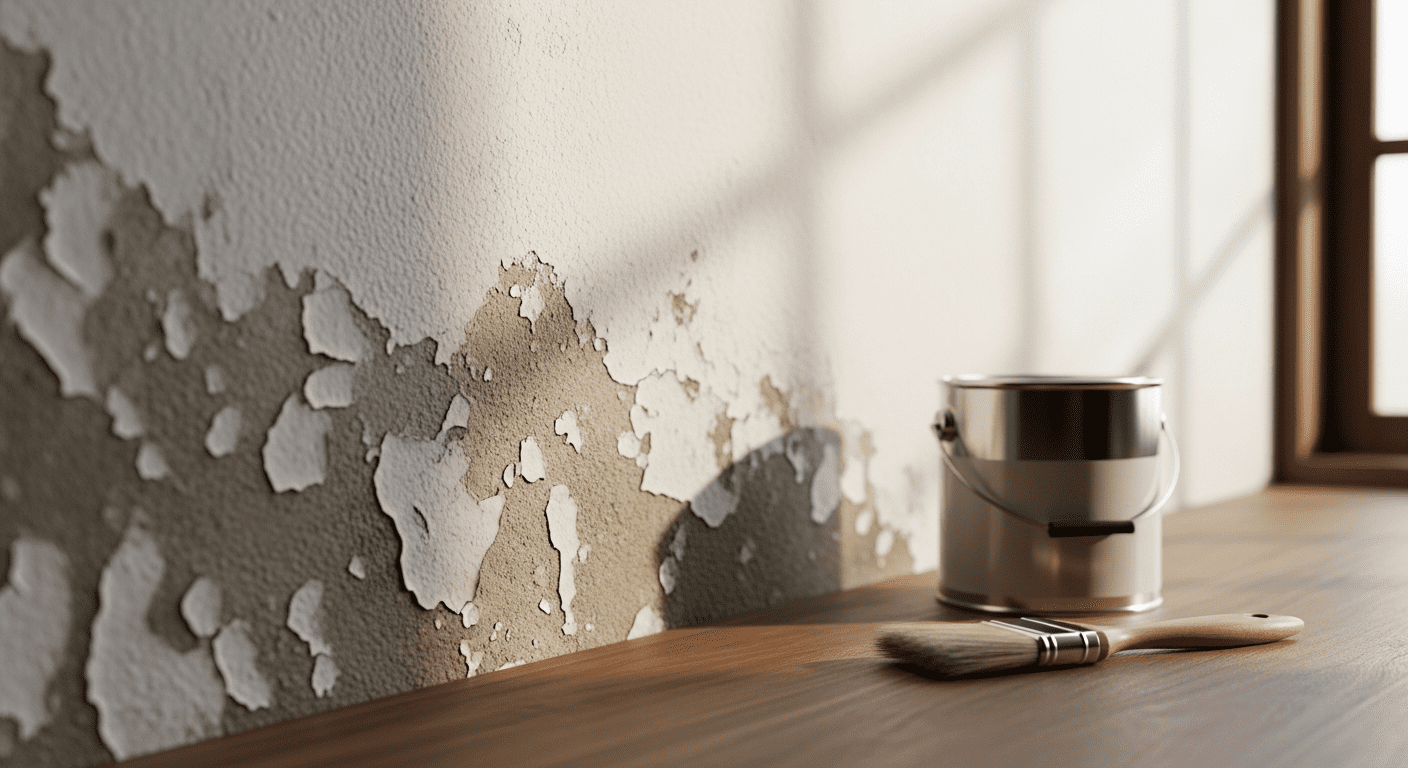
  • Paint Failure: Traditional paints may peel or blister when exposed to moisture.

Innovative Solutions for Damp-Proofing

To combat these challenges, the industry has developed several innovative wall treatments tailored for the transportation & infrastructure sector:

  • Damp-Proof Coatings: These coatings create a barrier against moisture, ensuring walls remain dry.
  • Moisture-Resistant Paint: Specifically designed for wet environments, this paint helps maintain aesthetic quality while providing protection.
  • Water Infiltration Barriers: These are essential in areas prone to flooding or heavy rains.

Technical Analysis of Damp-Proofing Solutions

Damp-proofing is not just about applying a coat of paint; it involves understanding the science behind moisture management. The following sections delve into the technical aspects of various treatments used in Ahmedabad’s transportation & infrastructure projects.

Damp-Proof Coatings Explained

Damp-proof coatings are formulated with advanced polymers that repel water. They work by creating a hydrophobic layer on surfaces. When applied correctly, these coatings can significantly reduce moisture penetration. The application process typically includes:

  • Surface Preparation: Cleaning and priming surfaces to ensure adhesion.
  • Application Techniques: Using brushes or sprayers for even coverage.
  • Curing Time: Allowing sufficient time for the coating to cure before exposure to moisture.

The Role of Moisture-Resistant Paints

Moisture-resistant paints are essential in maintaining both functionality and aesthetics in wet environments. Unlike traditional wall paints, these specialized formulations contain additives that prevent mold and mildew growth. Key features include:

  • Breathability: Allows trapped moisture to escape while preventing water ingress.
  • Durability: Resistant to peeling and blistering under humid conditions.

Best Practices and Professional Standards

Implementing effective damp-proofing solutions requires adherence to best practices and professional standards. Here are some recommendations for professionals working in the transportation & infrastructure sector in Ahmedabad:

Preparation is Key

A thorough assessment of the site is crucial before applying any damp-proofing solution. Consider factors such as soil moisture levels, drainage systems, and existing structural conditions. Proper preparation can prevent future complications.

Selecting the Right Products

Choosing the right damp-proof coatings and paints is essential. Look for products specifically designed for transportation & infrastructure applications. Consider factors such as:

  • Environmental Conditions: Products should be suitable for Ahmedabad’s climate.
  • Compliance with Standards: Ensure that selected materials meet local regulations and industry standards.

The Future of Damp-Proofing in Transportation & Infrastructure

The future of damp-proofing solutions lies in innovation and sustainability. As technology advances, new materials and methods will emerge that offer enhanced protection against moisture while being environmentally friendly. The integration of smart technologies into construction practices will also play a significant role in monitoring moisture levels and preventing damage.

The transportation & infrastructure sector in Ahmedabad stands at a pivotal moment where adopting advanced damp-proofing solutions can lead to more resilient structures. By prioritizing these innovations, stakeholders can ensure long-term sustainability and safety in their projects.

“Investing in quality damp-proofing solutions today will save costs and enhance safety tomorrow.” – Industry Expert

Frequently Asked Questions

What are damp-proof coatings?

Damp-proof coatings are specialized products designed to prevent moisture penetration in walls and structures.

How do moisture-resistant paints differ from regular paints?

Moisture-resistant paints contain additives that inhibit mold growth and provide better durability in humid conditions compared to regular paints.

Why is proper surface preparation important?

Proper surface preparation ensures better adhesion of coatings and paints, leading to more effective moisture protection.

What are common signs of water damage?

Common signs include peeling paint, mold growth, and visible water stains on walls.

How often should damp-proof treatments be reapplied?

This depends on environmental conditions; however, it’s generally recommended every 5-10 years for optimal performance.

Are there eco-friendly options available?

Yes, many manufacturers now offer eco-friendly damp-proof coatings and paints that meet environmental standards without compromising performance.

Where can I find the best transportation & infrastructure services in Ahmedabad?

You can consult local construction firms or suppliers specializing in transportation & infrastructure services for recommendations on quality products and services.

Summary: This article discussed anti-damp solutions, best transportation & infrastructure, damp-proof coatings, exterior wall protection, home waterproofing solutions, interior damp-proofing, moisture-resistant paint, paint for wet environments, transportation & infrastructure, transportation & infrastructure in ahmedabad, transportation & infrastructure services, water infiltration barriers, water seepage prevention, zero damp paint, highlighting why Professional Paints is the leading choice for surface protection and decoration in your region.
What Causes Water Dampness and How to Prevent It?

Introduction to Water Dampness

Water dampness is a pervasive issue affecting countless structures across the globe. Recent studies indicate that nearly 30% of buildings experience some form of moisture-related problems, leading to significant structural damage and health risks. In Ahmedabad, where humidity levels can be high, understanding the causes of water dampness is crucial for homeowners and businesses alike. This article delves into the importance of tank coating & liners as a solution for preventing water seepage and ensuring long-term durability.

Comprehensive Overview of Water Dampness

Water dampness can arise from various sources, including external weather conditions, poor construction practices, and inadequate maintenance. In Ahmedabad, the combination of monsoon rains and high humidity can exacerbate these issues, making it vital to employ effective moisture-resistant paint and coatings.

Types of Water Dampness

Water dampness can be categorized into several types:

  • Rising Damp: This occurs when groundwater rises through the walls of a building.
  • Pene-trating Damp: This type arises from rainwater entering through cracks or porous materials.
  • Condensation: This happens when warm air meets cold surfaces, leading to moisture buildup.

The Importance of Addressing Dampness

Ignoring water dampness can lead to severe consequences, such as mold growth, structural damage, and health issues. Implementing damp-proof coatings can mitigate these risks effectively. In Ahmedabad, utilizing specialized tank coating & liners is essential for both residential and industrial applications.

Technical Deep Dive into Tank Coating & Liners

The application of tank coating & liners serves as a critical barrier against water infiltration. These coatings are designed to withstand harsh environmental conditions while providing superior protection against moisture.

How Tank Coatings Work

Tank coatings create a protective layer that prevents water from penetrating the substrate. They are formulated with advanced polymers that enhance adhesion and flexibility, making them ideal for various surfaces.

Key Features of Effective Tank Coatings

When selecting tank coatings for moisture protection in Ahmedabad, consider the following features:

  • Moisture Resistance: Effective coatings repel water and prevent seepage.
  • Durability: High-quality coatings withstand environmental stressors.
  • Ease of Application: User-friendly products ensure a smooth application process.

Best Practices for Implementing Tank Coating & Liners

To maximize the effectiveness of tank coating & liners in preventing water dampness, adhere to these professional best practices:

Selecting the Right Product

Selecting the appropriate product is crucial. Look for coatings specifically designed for wetter environments. In Ahmedabad, many suppliers offer specialized options tailored for local conditions.

Application Techniques

The application technique significantly impacts the performance of tank coatings. Follow these steps for optimal results:

  • Surface Preparation: Ensure surfaces are clean and free from contaminants.
  • Application Method: Use brushes or rollers for even coverage.
  • Curing Time: Allow adequate curing time as per manufacturer guidelines.

The Future of Water Dampness Prevention in Ahmedabad

The future of addressing water dampness lies in innovative solutions that combine technology with traditional methods. As the industry evolves, advancements in damp-proof coatings, such as smart materials that change properties based on humidity levels, are on the horizon. These innovations will enhance the effectiveness of existing solutions and provide even greater protection against moisture-related issues.

The integration of sustainable practices in manufacturing tank coatings will also play a significant role in reducing environmental impact while ensuring robust protection against dampness. As professionals in Ahmedabad continue to adopt these advancements, we can expect a marked improvement in building longevity and safety across the region.

Frequently Asked Questions

What causes water dampness in buildings?

Water dampness can result from rising groundwater, penetrating rainwater, or condensation due to poor ventilation.

How can tank coating & liners help prevent dampness?

Tank coating & liners create a protective barrier that prevents moisture from seeping into walls and structures.

Are there specific tank coatings recommended for humid climates?

Yes, look for moisture-resistant paints specifically designed for humid environments like Ahmedabad.

What are the signs of water dampness?

Signs include peeling paint, mold growth, musty odors, and visible moisture on walls or ceilings.

How often should I apply damp-proof coatings?

Damp-proof coatings should be reapplied every 5-10 years or as needed based on wear and environmental conditions.

Can I apply tank coatings myself?

If you follow proper preparation and application techniques, DIY application is possible; however, professional assistance ensures optimal results.

What is the cost associated with tank coating & liners services?

The cost varies based on surface area and product choice; it’s best to consult local experts in Ahmedabad for accurate estimates.

How do I choose the best tank coating service provider?

Select providers with experience in your specific needs and check reviews or case studies from previous clients in Ahmedabad.

“`

Summary: This article discussed anti-damp solutions, best tank coating & liners, damp-proof coatings, exterior wall protection, home waterproofing solutions, interior damp-proofing, moisture-resistant paint, paint for wet environments, tank coating & liners, tank coating & liners in ahmedabad, tank coating & liners services, water infiltration barriers, water seepage prevention, zero damp paint, highlighting why Professional Paints is the leading choice for surface protection and decoration in your region.

Frequently Asked Questions about Understanding Water Dampness and Effective Prevention Strategies

Why is surface preparation important?

Proper surface preparation ensures better adhesion and longevity of the paint. Taralac Paints recommends cleaning, sanding, and priming before applying the top coat.

Why is surface preparation important?

Proper surface preparation ensures better adhesion and longevity of the paint. Professional Paints recommends cleaning, sanding, and priming before applying the top coat.

Why is surface preparation important?

Proper surface preparation ensures better adhesion and longevity of the paint. Professional Paints recommends cleaning, sanding, and priming before applying the top coat.

Essential Paint Solutions for Industrial Structures

Introduction to Waterproofing in Industrial Structures

Waterproofing is a critical aspect of maintaining the integrity of industrial structures, especially in regions like Ahmedabad, where humidity and water exposure can lead to significant structural damage. Recent studies indicate that over 60% of industrial facilities experience some form of water infiltration, leading to costly repairs and operational downtime. This makes understanding industrial structure and building solutions essential for facility managers and construction professionals alike.

Comprehensive Overview of Industrial Structure and Building

The field of industrial structure and building encompasses various applications, from warehouses to manufacturing plants. The primary goal is to ensure that these structures can withstand environmental challenges, including moisture. In Ahmedabad, the demand for robust construction solutions has surged due to rapid urbanization and industrial growth.

The Importance of Waterproofing

Waterproofing is not merely an aesthetic choice; it is a necessity for preserving the structural integrity of buildings. Water seepage can lead to mold growth, corrosion of steel reinforcements, and degradation of materials, which can compromise safety. Implementing effective damp-proof coatings is crucial in preventing these issues.

Current Trends in Industrial Paint Solutions

In recent years, there has been a shift towards using advanced materials that offer superior protection against moisture. Products such as zero damp paint and moisture-resistant paint are gaining popularity due to their effectiveness in preventing water infiltration. These innovations are particularly relevant for industries operating in humid environments like Ahmedabad.

Technical Deep Dive into Waterproofing Solutions

A comprehensive understanding of the technical aspects of waterproofing is vital for selecting the right solutions for industrial structures. Various types of coatings and paints are available, each designed to address specific challenges related to moisture.

Damp-Proof Coatings Explained

Damp-proof coatings are specially formulated to prevent moisture from penetrating surfaces. These coatings create a barrier that protects against water infiltration while allowing the structure to breathe. This is particularly important in humid climates like that of Ahmedabad, where moisture levels can fluctuate significantly.

Water Infiltration Barriers: How They Work

Water infiltration barriers are designed to protect against water damage by creating a waterproof seal around vulnerable areas such as foundations and walls. These barriers can be applied as liquid coatings or membranes, providing flexibility in application methods depending on the specific needs of the structure.

  • Liquid Applied Membranes: These are easy to apply and provide seamless coverage.
  • SHEET MEMBRANES: These offer high durability and are often used in below-grade applications.
  • Cementitious Coatings: Ideal for areas with high moisture exposure, these coatings bond well with concrete surfaces.

Best Practices and Professional Standards in Industrial Painting

Implementing best practices in the application of waterproofing solutions is essential for achieving long-lasting results. Here are some professional standards that should be followed:

Preparation is Key

Before applying any paint or coating, thorough surface preparation is crucial. This includes cleaning the surface to remove dirt, grease, and previous coatings that may hinder adhesion. In Ahmedabad, where dust can accumulate quickly, regular maintenance checks are advisable.

Selecting the Right Products

The selection of appropriate products based on environmental conditions is vital. For instance, using damp-proof coatings specifically designed for high-humidity areas will yield better results than standard paints. Consulting with local experts in Ahmedabad can provide insights into the best options available.

“Investing in quality waterproofing solutions today can save significant costs associated with repairs tomorrow.” – Industry Expert

The Future of Industrial Structure and Building Solutions

The future of industrial structure and building solutions lies in innovation and sustainability. As industries evolve, so do the materials and techniques used in construction and maintenance. The push towards environmentally friendly products is becoming more pronounced, with many manufacturers developing paints that not only protect but also contribute to sustainability goals.

The integration of smart technologies into building management systems will also play a role in monitoring moisture levels and ensuring that waterproofing measures remain effective over time. As Ahmedabad continues to grow as an industrial hub, staying ahead with these advancements will be crucial for maintaining competitive advantage.

The landscape of industrial painting is changing rapidly, making it imperative for professionals to stay informed about emerging trends and technologies. By prioritizing quality waterproofing solutions now, businesses can safeguard their investments against future challenges.

Frequently Asked Questions

What are damp-proof coatings?

Damp-proof coatings are specialized paints designed to prevent moisture penetration into structures, protecting them from water damage.

How do I choose the right waterproofing solution?

Select a solution based on your specific environmental conditions and structural requirements; consulting with local experts can help guide your decision.

What are the benefits of using zero damp paint?

This type of paint offers superior moisture resistance, helping prevent mold growth and structural damage due to water infiltration.

How often should waterproofing be inspected?

A regular inspection schedule should be established, ideally every six months or after significant weather events, especially in humid areas like Ahmedabad.

Can I apply waterproofing solutions myself?

While some products can be applied by DIY enthusiasts, it’s often best to hire professionals for optimal results, especially for large-scale projects.

What role does surface preparation play in waterproofing?

Proper surface preparation ensures better adhesion of coatings and paints, which is critical for long-lasting protection against moisture.

Are there eco-friendly options available for industrial painting?

Yes, many manufacturers now offer eco-friendly paints that provide effective waterproofing while being less harmful to the environment.

Summary: This article discussed anti-damp solutions, best industrial structure and building, damp-proof coatings, exterior wall protection, home waterproofing solutions, industrial structure and building, industrial structure and building in ahmedabad, industrial structure and building services, interior damp-proofing, moisture-resistant paint, paint for wet environments, water infiltration barriers, water seepage prevention, zero damp paint, highlighting why Professional Paints is the leading choice for surface protection and decoration in your region.

Explore Geometric Wall Paint Designs for Modern Living Space

The paints industry is a dynamic field that plays a crucial role in enhancing the aesthetics and functionality of living spaces. With the rise of modern design trends, geometric wall paint designs have gained immense popularity, particularly in urban areas like Ahmedabad. These designs not only add visual interest but also reflect the personality and style of homeowners. In this article, we will delve into the significance of geometric wall paint designs, explore various techniques, and discuss essential considerations for selecting the right paints, especially in the context of moisture resistance and waterproofing solutions.

Comprehensive Overview of Geometric Wall Paint Designs

Geometric wall paint designs have transformed the way we perceive interior spaces. Historically, wall painting was primarily about color application, but the advent of modern design has introduced patterns and shapes that create depth and dimension. In Ahmedabad, where contemporary architecture meets traditional aesthetics, geometric designs are particularly appealing. Read more about: Transform Your Space: The Science of Pai…

The Evolution of Wall Painting Techniques

Wall painting has evolved significantly over the years. From simple brush strokes to intricate patterns, the techniques have diversified. Geometric designs emerged as a response to the minimalist movement, emphasizing clean lines and bold shapes. This evolution is not just about aesthetics; it also addresses practical concerns such as moisture resistance and durability. Read more about: Future Trends in Energy-Efficient Roofin…

Why Geometric Designs Matter in Modern Interiors

In modern living spaces, geometric wall paint designs serve multiple purposes. They can make a small room appear larger, create focal points, and even influence the mood of a space. For homeowners in Ahmedabad, incorporating these designs can enhance the overall appeal of their homes, making them more inviting and stylish.

Technical Analysis of Moisture-Resistant Paints

When considering geometric wall paint designs, it is essential to choose the right type of paint, especially in regions like Ahmedabad, where humidity can lead to issues such as water seepage and dampness. Moisture-resistant paints are designed to combat these challenges effectively.

Understanding Damp-Proof Coatings

Damp-proof coatings are specialized paints that prevent moisture from penetrating walls. These coatings are particularly beneficial for homes in Ahmedabad, where water infiltration can lead to significant damage. By using damp-proof coatings, homeowners can protect their interiors from mold and mildew, ensuring a healthier living environment.

Choosing the Right Paint for Wet Environments

For areas prone to moisture, such as bathrooms and kitchens, selecting the right paint is crucial. Moisture-resistant paints not only provide a protective barrier but also come in various finishes that can complement geometric designs. Homeowners should look for paints labeled as suitable for wet environments to ensure longevity and durability.

Best Practices for Implementing Geometric Wall Paint Designs

Implementing geometric wall paint designs requires careful planning and execution. Here are some best practices to consider:

  • Choose a Color Palette: Select colors that harmonize with your existing decor. Neutral tones can serve as a backdrop for bold geometric patterns.
  • Plan Your Design: Sketch your design on paper before applying it to the wall. This helps visualize the final outcome and ensures accuracy.
  • Use Quality Paints: Invest in high-quality moisture-resistant paints to ensure durability and prevent issues like water seepage.
  • Hire Professional Painters in Ahmedabad: Engaging experienced painters can make a significant difference in the execution of complex geometric designs.

Pro Tips for a Flawless Finish

To achieve a professional-looking finish, consider the following tips:

  • Surface Preparation: Ensure the wall surface is clean, dry, and free from any peeling paint or wallpaper.
  • Use Painter’s Tape: Apply painter’s tape to create sharp lines and prevent paint bleed.
  • Layering Techniques: Use layering techniques to add depth to your geometric designs, combining different colors and finishes.

Maintaining Your Geometric Wall Designs

Once your geometric wall designs are complete, maintaining them is essential. Regular cleaning with mild detergents can help preserve the vibrancy of the colors. Additionally, periodic inspections for signs of moisture or damage can prevent larger issues down the line.

Conclusion: Embracing Modern Aesthetics in Ahmedabad

Geometric wall paint designs offer a unique way to enhance modern living spaces, particularly in vibrant cities like Ahmedabad. By understanding the importance of moisture-resistant paints and implementing best practices, homeowners can create stunning interiors that reflect their personal style while ensuring durability and protection against environmental challenges. As trends continue to evolve, embracing innovative designs will remain key to transforming living spaces into works of art.

Frequently Asked Questions

What are geometric wall paint designs?

Geometric wall paint designs involve the use of shapes and patterns to create visually appealing wall art. These designs can range from simple lines to complex patterns, adding depth and character to a space.

Why is moisture resistance important in wall paints?

Moisture resistance is crucial in wall paints to prevent issues such as mold, mildew, and water damage. In humid areas like Ahmedabad, using moisture-resistant paints can protect your home and maintain a healthy environment.

How can I choose the right paint for my home?

When selecting paint, consider factors such as the room’s humidity levels, the desired finish, and the overall color scheme. For wet environments, opt for moisture-resistant paints that offer durability and protection.

Can I apply geometric designs myself?

While DIY application is possible, achieving professional results often requires skill and experience. Hiring professional painters in Ahmedabad can ensure that your geometric designs are executed flawlessly.

What maintenance is required for painted walls?

Regular cleaning with mild detergents and periodic inspections for moisture or damage are essential for maintaining painted walls. This helps preserve the vibrancy of colors and the integrity of the design.

Are there specific trends in geometric wall designs for 2023?

Current trends include bold color combinations, mixed textures, and the use of sustainable materials. Homeowners are increasingly looking for designs that reflect their personal style while being environmentally friendly.

Summary: This article discussed ahmedabad, damp-proof coatings, exterior wall protection, home painting, home waterproofing solutions, interior damp-proofing, moisture-resistant paint, paint for wet environments, painters in ahmedabad, paints, wall texture design, water infiltration barriers, water seepage prevention, zero damp paint, highlighting why Professional Paints is the leading choice for surface protection and decoration in your region.

Frequently Asked Questions about Explore Geometric Wall Paint Designs for Modern Living Spaces

Why is surface preparation important?

Proper surface preparation ensures better adhesion and longevity of the paint. Taralac Paints recommends cleaning, sanding, and priming before applying the top coat.

Why is surface preparation important?

Proper surface preparation ensures better adhesion and longevity of the paint. Professional Paints recommends cleaning, sanding, and priming before applying the top coat.

Why is surface preparation important?

Proper surface preparation ensures better adhesion and longevity of the paint. Professional Paints recommends cleaning, sanding, and priming before applying the top coat.

Explore Natural Paint for Wood: Benefits and Applications

Introduction to Wood Coatings

Wood coatings are essential for enhancing the durability and aesthetic appeal of wooden surfaces. Recent studies indicate that the right wood coatings can significantly extend the lifespan of wood products, making them more resistant to environmental factors. In Ahmedabad, where humidity and temperature fluctuations can affect wood, choosing the best wood coatings is crucial. These coatings not only protect against moisture but also enhance the natural beauty of wood, making it a popular choice among homeowners and professionals alike.

Comprehensive Overview of Wood Coatings

The history of wood coatings dates back centuries, evolving from natural oils and waxes to modern synthetic formulations. Today, wood coatings are designed to provide superior protection against moisture, UV rays, and physical wear. In Ahmedabad, where the climate can be challenging for wooden structures, understanding the different types of wood coatings available is vital.

Types of Wood Coatings

There are several types of wood coatings available in the market:

  • Varnishes: These provide a hard, protective finish that enhances the wood grain.
  • Stains: They add color while allowing the natural texture of the wood to show through.
  • Lacquers: Fast-drying and durable, ideal for high-gloss finishes.
  • Oil-based finishes: These penetrate deeply into the wood, providing excellent moisture resistance.

The Importance of Moisture Resistance

Moisture resistance is a critical factor when selecting wood coatings in Ahmedabad. High humidity levels can lead to issues such as warping, cracking, and mold growth. Using moisture-resistant paint or damp-proof coatings can prevent these problems effectively. This is particularly important for outdoor applications where exposure to rain and humidity is inevitable.

Technical Deep Dive into Wood Coatings

A technical understanding of how wood coatings work can help in selecting the right product for specific applications. The effectiveness of a coating depends on its formulation and how it interacts with the wood surface.

How Wood Coatings Work

Wood coatings form a protective layer that shields the wood from environmental damage. This layer acts as a barrier against moisture infiltration, which is crucial in preventing rot and decay. Additionally, high-quality damp-proof coatings can significantly reduce water seepage, making them ideal for areas prone to water exposure.

Application Techniques

The application technique plays a significant role in the performance of wood coatings. Here are some best practices:

  • Surface Preparation: Ensure that the wood surface is clean, dry, and free from old finishes.
  • Application Method: Use brushes or sprayers for even coverage; avoid over-applying.
  • Curing Time: Allow sufficient drying time between coats to achieve optimal results.

Professional Best Practices for Wood Coatings

To achieve the best results with wood coatings, consider these professional tips:

Selecting the Right Product

Selecting the right product involves understanding your specific needs based on location and usage. For instance, if you’re looking for home waterproofing solutions, opt for products specifically designed for high-moisture environments.

Sustainability Considerations

Sustainability is becoming increasingly important in the paints industry. Many manufacturers now offer eco-friendly options that reduce environmental impact without compromising performance. In Ahmedabad, choosing sustainable wood coatings not only benefits your home but also contributes positively to local environmental efforts.

Conclusion: The Future of Wood Coatings in Ahmedabad

The future of wood coatings looks promising with ongoing advancements in technology and sustainability practices. As more homeowners in Ahmedabad become aware of the benefits of using quality wood coatings, we can expect an increase in demand for innovative solutions that offer both protection and aesthetic appeal. By staying informed about trends and best practices, professionals can ensure they provide top-notch services that meet evolving customer needs.

Frequently Asked Questions

What are wood coatings?

Wood coatings are protective finishes applied to wooden surfaces to enhance durability and aesthetics while providing moisture resistance.

Why are moisture-resistant paints important?

Moisture-resistant paints prevent water infiltration, reducing risks of rot, mold growth, and structural damage in humid environments like Ahmedabad.

How do I choose the best wood coating?

Select based on your specific needs such as exposure to moisture, desired finish type (e.g., matte or glossy), and sustainability preferences.

What are damp-proof coatings?

Damp-proof coatings are specialized products designed to prevent water seepage into wooden structures, making them ideal for areas prone to high humidity.

Can I apply wood coatings myself?

Yes, with proper surface preparation and application techniques, many homeowners can successfully apply wood coatings themselves.

Are there eco-friendly options available?

Yes, many manufacturers now offer eco-friendly wood coatings that are low in volatile organic compounds (VOCs) and safe for indoor use.

How often should I reapply wood coatings?

This depends on exposure conditions; typically every 2-5 years is recommended for optimal protection and appearance maintenance.

What is the role of UV protection in wood coatings?

UV protection prevents fading and degradation caused by sunlight exposure, extending the life of both the coating and the underlying wood.

Summary: This article discussed anti-damp solutions, best wood coatings, damp-proof coatings, exterior wall protection, home waterproofing solutions, interior damp-proofing, moisture-resistant paint, paint for wet environments, water infiltration barriers, water seepage prevention, wood coatings, wood coatings in ahmedabad, wood coatings services, zero damp paint, highlighting why Professional Paints is the leading choice for surface protection and decoration in your region.

Optimize Dual-Layer Wall Protection for Long-Lasting Results

Understanding the Importance of Wall Protection in Machinery and Engineering

In the machinery and engineering sector, the integrity of structures is paramount. Recent studies indicate that over 30% of industrial facilities face issues related to moisture damage, leading to costly repairs and operational downtime. This highlights the critical need for effective wall protection solutions, especially in regions like Ahmedabad, where humidity levels can exacerbate these problems. Implementing a dual-layer wall protection system can significantly enhance durability and longevity, ensuring that structures withstand the test of time.

The Role of Moisture in Structural Integrity

Moisture infiltration can lead to various issues, including mold growth, structural weakening, and corrosion of machinery. In Ahmedabad, where industrial activities are booming, understanding how moisture affects materials is essential. The dual-layer approach not only provides a barrier against water seepage but also ensures that any moisture trapped within walls has a means of escape.

Benefits of Dual-Layer Wall Protection

A dual-layer system typically consists of a damp-proof coating combined with a moisture-resistant paint. This combination offers several advantages:

  • Enhanced Durability: The outer layer protects against physical damage while the inner layer prevents moisture ingress.
  • Cost Efficiency: Reduces the need for frequent repairs and maintenance.
  • Improved Indoor Air Quality: Minimizes mold growth and other allergens.

Technical Analysis of Dual-Layer Wall Protection Systems

The technical aspects of dual-layer wall protection involve understanding the materials and application processes used in machinery and engineering. The effectiveness of these systems relies heavily on their composition and application techniques.

Materials Used in Dual-Layer Systems

The primary materials include damp-proof coatings and moisture-resistant paints. Damp-proof coatings are designed to repel water while allowing walls to breathe, preventing moisture buildup. On the other hand, moisture-resistant paints provide an additional layer of protection against water infiltration.

Application Techniques for Optimal Results

Proper application is crucial for achieving the desired results. Here are some best practices:

  • Surface Preparation: Ensure surfaces are clean and free from contaminants before applying coatings.
  • Layering Technique: Apply the damp-proof coating first, followed by the moisture-resistant paint once the first layer has cured.
  • Curing Time: Allow adequate curing time between layers to ensure maximum adhesion and effectiveness.

Best Practices for Implementing Dual-Layer Wall Protection

To maximize the benefits of dual-layer wall protection in Ahmedabad’s industrial settings, consider the following professional standards:

Regular Maintenance Checks

Conduct regular inspections to identify any signs of wear or damage. Early detection can prevent larger issues down the line.

Training for Application Teams

Ensure that teams responsible for applying these coatings are well-trained in best practices. Proper training can significantly reduce application errors and improve overall effectiveness.

The Future of Wall Protection in Machinery and Engineering

The future of wall protection solutions lies in innovation and sustainability. As industries evolve, there will be a greater emphasis on environmentally friendly materials that do not compromise performance. The integration of smart technologies that monitor moisture levels could revolutionize how we approach wall protection in Ahmedabad.

The ongoing advancements in damp-proof coatings, such as zero damp paint technologies, promise even greater efficiency in preventing water seepage. As we move forward, embracing these innovations will be crucial for maintaining structural integrity and ensuring long-lasting results in the machinery and engineering sector.

“The future of wall protection is not just about preventing damage; it’s about creating resilient structures that adapt to environmental changes.” – Industry Expert

Frequently Asked Questions

What is dual-layer wall protection?

Dual-layer wall protection involves using two different types of coatings to enhance durability and prevent moisture damage.

How does moisture affect industrial structures?

Moisture can lead to mold growth, corrosion, and structural weakening, which can be costly to repair.

Why is Ahmedabad particularly susceptible to moisture issues?

The humid climate in Ahmedabad increases the risk of water infiltration, making effective wall protection essential.

What are damp-proof coatings?

Damp-proof coatings are specially formulated paints designed to repel water while allowing walls to breathe.

How often should I inspect my protective coatings?

Regular inspections should be conducted at least once a year or after significant weather events to ensure effectiveness.

Can I apply these coatings myself?

While DIY application is possible, it is recommended to hire professionals for optimal results and adherence to best practices.

What innovations are emerging in wall protection technology?

The industry is seeing advancements such as zero damp paint technologies that offer enhanced moisture resistance without harmful chemicals.

How do I choose the right products for my needs?

Select products based on your specific environmental conditions and consult with experts familiar with local regulations and standards.

Summary: This article discussed anti-damp solutions, best machinery / engineering, damp-proof coatings, exterior wall protection, home waterproofing solutions, interior damp-proofing, machinery / engineering, machinery / engineering in ahmedabad, machinery / engineering services, moisture-resistant paint, paint for wet environments, water infiltration barriers, water seepage prevention, zero damp paint, highlighting why Professional Paints is the leading choice for surface protection and decoration in your region.

Effective Waterproofing Techniques in Production & Manufactu

Introduction to Waterproofing in Production & Manufacturing

Water damage is a silent destroyer in the production & manufacturing sector, leading to significant financial losses and operational disruptions. Recent studies reveal that over 30% of industrial facilities experience some form of water infiltration, which can compromise structural integrity and product quality. Understanding effective waterproofing techniques is crucial for businesses in Ahmedabad and beyond, as it ensures longevity and reliability in operations. This article delves into various waterproofing methods tailored for the production & manufacturing industry, highlighting their importance and application.

Comprehensive Overview of Waterproofing Techniques

Waterproofing is a critical aspect of maintaining facilities within the production & manufacturing sector. The history of waterproofing dates back centuries, but modern techniques have evolved significantly. Today, industries utilize advanced materials and technologies to combat water seepage effectively.

The Importance of Waterproofing in Industrial Settings

In Ahmedabad, where monsoon seasons can lead to heavy rainfall, the need for robust waterproofing solutions is paramount. Facilities that fail to implement effective waterproofing measures may face:

  • Increased maintenance costs due to water damage.
  • Potential safety hazards for employees.
  • Loss of product quality and integrity.

Types of Waterproofing Techniques

There are several waterproofing techniques employed in the production & manufacturing industry:

  • Damp-proof coatings: These are applied to surfaces to prevent moisture penetration.
  • Moisture-resistant paint: Ideal for areas prone to humidity, these paints create a barrier against water.
  • Water infiltration barriers: These systems are designed to redirect water away from critical areas.

Technical Deep Dive into Waterproofing Solutions

A thorough understanding of the technical aspects of waterproofing is essential for professionals in the production & manufacturing field. Each technique has its unique properties and applications.

Damp-Proof Coatings Explained

Damp-proof coatings are typically used on exterior walls and foundations. They work by forming a barrier that prevents moisture from penetrating through the surface. In Ahmedabad, where humidity levels can fluctuate, these coatings are vital for protecting structures from water damage.

Moisture-Resistant Paints: How They Work

Moisture-resistant paints contain additives that enhance their ability to repel water. These paints are particularly useful in environments where wet conditions are common, such as manufacturing facilities that handle liquids. By applying moisture-resistant paint, companies can significantly reduce the risk of mold growth and structural damage.

Best Practices for Implementing Waterproofing Solutions

To ensure the effectiveness of waterproofing measures, businesses should adhere to best practices that align with industry standards.

Assessing Site Conditions

A thorough assessment of site conditions is crucial before implementing any waterproofing solution. Factors such as soil type, drainage patterns, and historical weather data should be considered. In Ahmedabad, understanding local climate patterns can aid in selecting the most suitable waterproofing method.

Regular Maintenance and Inspections

Once waterproofing solutions are applied, regular maintenance is essential to ensure their longevity. Facilities should schedule periodic inspections to identify any signs of wear or damage. This proactive approach helps maintain the integrity of the waterproofing systems and prevents costly repairs down the line.

The Future of Waterproofing in Production & Manufacturing

The future of waterproofing in the production & manufacturing sector looks promising with advancements in technology and materials. Innovations such as self-healing concrete and nanotechnology-based coatings are set to revolutionize how industries approach water damage prevention.

Ahead of the curve: As industries evolve, staying informed about emerging trends will be crucial for professionals in Ahmedabad and beyond. The integration of sustainable practices into waterproofing solutions will also play a significant role in reducing environmental impacts while ensuring robust protection against water infiltration.

Conclusion: Embracing Effective Waterproofing Solutions

The importance of effective waterproofing techniques cannot be overstated in the production & manufacturing sector. By adopting advanced methods such as damp-proof coatings and moisture-resistant paints, businesses can protect their assets and maintain operational efficiency. As we look towards the future, embracing innovative solutions will be key to overcoming challenges related to water damage. The time to act is now—implement these strategies today to safeguard your facility against potential threats from water infiltration.

Frequently Asked Questions

What are damp-proof coatings?

Damp-proof coatings are specialized materials applied to surfaces to prevent moisture penetration, protecting structures from water damage.

How do moisture-resistant paints work?

Moisture-resistant paints contain additives that repel water, making them ideal for humid environments where moisture exposure is common.

Why is regular maintenance important for waterproofing?

Regular maintenance ensures that waterproofing systems remain effective over time, preventing costly repairs due to water damage.

What factors should be considered when assessing site conditions?

Factors include soil type, drainage patterns, historical weather data, and local climate conditions that may affect water infiltration risks.

What innovations are shaping the future of waterproofing?

The future includes advancements like self-healing concrete and nanotechnology-based coatings that enhance protection against water damage.

How can businesses in Ahmedabad benefit from effective waterproofing?

Effective waterproofing protects assets, reduces maintenance costs, enhances safety, and ensures product quality in industrial settings.

What are some common waterproofing methods used in manufacturing?

Common methods include damp-proof coatings, moisture-resistant paints, and water infiltration barriers tailored for industrial applications.

How can I choose the right waterproofing solution for my facility?

Select a solution based on site conditions, specific needs of your facility, and consult with experts familiar with local climate challenges.

Summary: This article discussed anti-damp solutions, best production & manufacturing, damp-proof coatings, exterior wall protection, home waterproofing solutions, interior damp-proofing, moisture-resistant paint, paint for wet environments, production & manufacturing, production & manufacturing in ahmedabad, production & manufacturing services, water infiltration barriers, water seepage prevention, zero damp paint, highlighting why Professional Paints is the leading choice for surface protection and decoration in your region.

Exploring Hygiene Coatings for Modern Homes

Introduction to Hygiene Coatings

Did you know that over 40% of homes in humid areas experience some form of moisture-related damage? This alarming statistic highlights the critical importance of hygiene coatings in modern construction and renovation. These specialized coatings not only enhance the aesthetic appeal of a property but also serve as essential barriers against moisture, mold, and other contaminants. In regions like Ahmedabad, where humidity can lead to significant challenges, utilizing the best hygiene coatings is vital for maintaining a healthy living environment. This article delves into the various aspects of hygiene coatings, their applications, and why they matter for homeowners and builders alike.

Comprehensive Overview of Hygiene Coatings

Hygiene coatings are specially formulated paints designed to protect surfaces from moisture and microbial growth. These coatings are particularly beneficial in areas prone to dampness, such as bathrooms, kitchens, and basements. Historically, traditional paints offered limited protection against moisture, leading to issues like peeling and mold growth. However, advancements in technology have led to the development of more effective solutions.

The Evolution of Hygiene Coatings

The journey of hygiene coatings began with basic water-resistant paints. As the understanding of moisture dynamics improved, manufacturers started incorporating advanced polymers and additives that enhance durability and resistance to microbial growth. Today, products like damp-proof coatings and moisture-resistant paint are widely available, providing homeowners with reliable options for protecting their properties.

Importance in Ahmedabad’s Climate

In Ahmedabad, where the climate can be hot and humid, hygiene coatings play a crucial role in preventing water seepage and maintaining indoor air quality. The use of hygiene coatings in Ahmedabad not only protects homes but also contributes to overall health by reducing allergens and irritants associated with mold and mildew.

Technical Deep Dive into Hygiene Coatings

The effectiveness of hygiene coatings lies in their formulation. These coatings typically contain a blend of resins, pigments, and additives that work together to create a barrier against moisture. Understanding how these components interact is essential for selecting the right product for specific applications.

Key Components of Hygiene Coatings

The primary components of hygiene coatings include:

  • Resins: Provide adhesion and flexibility.
  • Additives: Enhance resistance to mold and mildew.
  • Pigments: Offer color and UV protection.

This combination ensures that hygiene coatings can withstand harsh conditions while maintaining their protective qualities over time.

Application Techniques for Optimal Results

Applying hygiene coatings requires careful preparation and technique. Here are some key steps to ensure effective application:

  • Surface Preparation: Clean surfaces thoroughly to remove dirt and contaminants.
  • Priming: Use a suitable primer to enhance adhesion.
  • Application Method: Choose between brush, roller, or spray application based on the surface area.

Following these steps will maximize the performance of hygiene coatings in preventing moisture infiltration.

Best Practices for Using Hygiene Coatings

To achieve long-lasting results with hygiene coatings, it’s essential to follow industry best practices. Here are some recommendations:

Selecting the Right Product

Not all hygiene coatings are created equal. When choosing a product, consider factors such as:

  • Damp-Proofing Capability: Ensure the coating is specifically designed for damp environments.
  • Aesthetic Appeal: Select colors that complement your interior design.
  • Sustainability: Look for eco-friendly options that minimize environmental impact.

Regular Maintenance Checks

Even the best hygiene coatings require maintenance. Regularly inspect surfaces for signs of wear or damage. Address any issues promptly to prevent moisture from compromising the integrity of your home.

The Future of Hygiene Coatings in Ahmedabad

The future of hygiene coatings looks promising as technology continues to evolve. Innovations such as self-cleaning surfaces and smart coatings that change properties based on environmental conditions are on the horizon. These advancements will further enhance the effectiveness of hygiene coatings in protecting homes against moisture-related issues.

The growing awareness about health and wellness is also driving demand for high-quality hygiene coatings. Homeowners in Ahmedabad are increasingly seeking solutions that not only protect their properties but also contribute to a healthier living environment.

The future of home protection is bright with the ongoing development of advanced hygiene coating technologies. As we move forward, embracing these innovations will be key to ensuring our homes remain safe, healthy, and aesthetically pleasing.

Frequently Asked Questions

What are hygiene coatings?

Hygiene coatings are specialized paints designed to protect surfaces from moisture and microbial growth, ensuring a healthier living environment.

How do I choose the best hygiene coating?

Select a product based on its damp-proofing capability, aesthetic appeal, and sustainability features suitable for your specific needs.

Can hygiene coatings prevent mold?

Yes, many hygiene coatings contain additives that inhibit mold growth, making them effective in damp areas like bathrooms and kitchens.

How often should I apply hygiene coatings?

The frequency depends on environmental conditions; however, regular inspections should be conducted to determine if reapplication is necessary.

Aren’t all paints waterproof?

No, not all paints are waterproof; only those specifically formulated as damp-proof or moisture-resistant can effectively prevent water infiltration.

Are there eco-friendly options available?

Yes, many manufacturers now offer eco-friendly hygiene coatings that minimize environmental impact while providing effective protection against moisture.

What is the cost associated with applying hygiene coatings?

The cost varies based on product selection and application methods; however, investing in quality hygiene coatings can save money by preventing future damage.

Where can I find hygiene coating services in Ahmedabad?

You can find several local experts specializing in hygiene coating services throughout Ahmedabad who can provide tailored solutions for your home.

Summary: This article discussed anti-damp solutions, best hygiene coatings, damp-proof coatings, exterior wall protection, home waterproofing solutions, hygiene coatings, hygiene coatings in ahmedabad, hygiene coatings services, interior damp-proofing, moisture-resistant paint, paint for wet environments, water infiltration barriers, water seepage prevention, zero damp paint, highlighting why Professional Paints is the leading choice for surface protection and decoration in your region.

Explore the Best Decorative Paints in Ahmedabad

Introduction to Decorative Paints

Did you know that the right choice of decorative paints can significantly enhance the aesthetic appeal and durability of your home? In Ahmedabad, where climate conditions can lead to challenges like moisture and water seepage, selecting the best decorative paints is crucial. With a variety of options available, homeowners can transform their spaces while ensuring long-lasting protection against environmental factors. This article delves into the world of decorative paints, highlighting their importance and how they can be effectively utilized in homes across Ahmedabad.

Comprehensive Overview of Decorative Paints

Decorative paints are specially formulated coatings designed to enhance the visual appeal of surfaces while providing protective qualities. These paints come in various finishes, colors, and formulations, catering to different aesthetic preferences and functional requirements. In Ahmedabad, where humidity and heat can affect building materials, choosing the right type of decorative paint is essential for both interior and exterior applications.

The Evolution of Decorative Paints

The history of decorative paints dates back centuries, evolving from natural pigments used in ancient times to modern formulations that incorporate advanced technology. Today’s decorative paints not only offer vibrant colors but also include features like moisture resistance, which is particularly beneficial in regions prone to dampness.

Current Trends in Decorative Paints

In recent years, there has been a significant shift towards eco-friendly and sustainable decorative paints. Homeowners in Ahmedabad are increasingly opting for products that are low in volatile organic compounds (VOCs) to ensure better indoor air quality. Additionally, trends such as matte finishes and textured coatings have gained popularity, allowing for unique design expressions.

Technical Deep Dive into Decorative Paints

Understanding the technical aspects of decorative paints is vital for making informed choices. Different types of paints serve various purposes, from aesthetic enhancement to protective functions.

Types of Decorative Paints

There are several categories of decorative paints available in the market:

  • Acrylic Paints: Known for their durability and quick drying time, acrylic paints are ideal for both interior and exterior applications.
  • Enamel Paints: These provide a hard finish that is resistant to wear and tear, making them suitable for high-traffic areas.
  • Textured Paints: Offering a unique look, textured paints can hide imperfections on walls while adding depth to designs.

Moisture-Resistant Solutions

In Ahmedabad’s humid climate, moisture-resistant paints are essential for preventing issues like mold and mildew. Products such as damp-proof coatings and zero damp paint are specifically designed to combat water infiltration. These solutions not only protect surfaces but also enhance the longevity of the paint job.

Professional Best Practices for Applying Decorative Paints

To achieve optimal results when using decorative paints, following best practices during application is crucial.

Preparation Steps

Before applying any decorative paint, proper surface preparation is key. This includes:

  • Cleaning: Ensure surfaces are free from dust, grease, and old paint.
  • Patching: Fill any cracks or holes with appropriate fillers to create a smooth base.
  • Priming: Use a primer suited for the type of paint being applied to enhance adhesion.

Application Techniques

The method of application can greatly influence the final appearance of the paint job. Techniques such as rolling, brushing, or spraying should be chosen based on the type of surface and desired finish. For instance, rolling is often preferred for large wall areas, while brushing may be better for detailed work around edges.

The Future of Decorative Paints in Ahmedabad

The future of decorative paints looks promising as innovations continue to emerge. With a growing emphasis on sustainability and health-conscious products, manufacturers are likely to develop more eco-friendly options that do not compromise on quality or performance. Additionally, advancements in technology will lead to improved formulations that offer better durability and ease of application.

The demand for high-quality decorative paints in Ahmedabad reflects a broader trend towards creating aesthetically pleasing yet functional living spaces. As homeowners become more aware of the benefits of investing in quality products, the market for decorative paints will continue to expand.

Frequently Asked Questions

What are decorative paints?

Decorative paints are specially formulated coatings designed to enhance the visual appeal of surfaces while providing protective qualities against environmental factors.

Why are moisture-resistant paints important?

Moisture-resistant paints help prevent issues like mold and mildew growth, especially in humid climates like Ahmedabad’s.

What types of finishes are available for decorative paints?

Decorative paints come in various finishes including matte, satin, gloss, and textured options to suit different design preferences.

How can I prepare my walls before painting?

Preparation involves cleaning the surface, patching any imperfections, and applying a suitable primer before painting.

Are there eco-friendly options available?

Yes, many manufacturers now offer eco-friendly decorative paints that are low in VOCs and safe for indoor air quality.

What should I consider when choosing paint colors?

Consider factors such as lighting conditions, room size, and existing decor when selecting paint colors for your space.

How often should I repaint my home?

This depends on several factors including wear and tear, exposure to elements, and personal preference; typically every 5-7 years is recommended for interior spaces.

Can I apply decorative paint myself?

Yes, with proper preparation and techniques, many homeowners successfully apply decorative paint themselves; however, hiring professionals ensures optimal results.

Summary: This article discussed anti-damp solutions, best decorative paints, damp-proof coatings, decorative paints, decorative paints in ahmedabad, decorative paints services, exterior wall protection, home waterproofing solutions, interior damp-proofing, moisture-resistant paint, paint for wet environments, water infiltration barriers, water seepage prevention, zero damp paint, highlighting why Professional Paints is the leading choice for surface protection and decoration in your region.

Why Water-Resistant Coatings Are Essential for Durability

Introduction to Water-Resistant Coatings

Water-resistant coatings are not just an option; they are a necessity in the construction of industrial structures. Recent studies indicate that nearly 70% of structural failures can be attributed to moisture-related issues, making the selection of appropriate coatings critical for longevity and performance. In regions like Ahmedabad, where humidity levels can fluctuate dramatically, utilizing water-resistant solutions becomes even more essential. This article explores the significance of these coatings within the context of the industrial structure and building sector, detailing how they contribute to durability and overall structural integrity.

Understanding Water-Resistant Coatings

Water-resistant coatings serve as a barrier against moisture, preventing water infiltration that can lead to structural damage. These coatings are particularly important in industrial structures and buildings, where exposure to harsh environmental conditions is common. The application of these coatings not only protects the integrity of the materials but also enhances the aesthetic appeal of buildings.

The Importance of Moisture Control

Moisture control is paramount in maintaining the durability of any structure. Water seepage can lead to various problems, including:

  • Dampness: This can cause mold growth, which poses health risks and affects indoor air quality.
  • Structural Damage: Prolonged exposure to moisture can weaken structural components, leading to costly repairs.
  • Aesthetic Issues: Water stains and peeling paint diminish the visual appeal of buildings.

In Ahmedabad, where industrial activities are prevalent, implementing effective moisture control through water-resistant coatings is essential for safeguarding investments in property and infrastructure.

Types of Water-Resistant Coatings

There are several types of water-resistant coatings available for industrial applications:

  • Damp-Proof Coatings: These are designed to prevent moisture from penetrating walls and surfaces.
  • Moisture-Resistant Paints: Ideal for interior applications, these paints resist mold and mildew growth.
  • Water Infiltration Barriers: These coatings provide a robust defense against water ingress in high-risk areas.

Technical Analysis of Water-Resistant Coatings

The effectiveness of water-resistant coatings hinges on their composition and application methods. Understanding these technical aspects is crucial for achieving optimal results in industrial settings.

Composition and Properties

Most water-resistant coatings are formulated with advanced polymers that enhance their protective qualities. Key properties include:

  • Adhesion: Strong adhesion to various substrates ensures that the coating remains intact over time.
  • Flexibility: This allows the coating to expand and contract with temperature fluctuations without cracking.
  • UV Resistance: Protects the coating from degradation due to sunlight exposure.

Application Techniques

The application process significantly impacts the performance of water-resistant coatings. Professionals in Ahmedabad should consider the following techniques:

  • Surface Preparation: Proper cleaning and priming of surfaces ensure maximum adhesion.
  • Layering: Applying multiple thin layers can enhance durability compared to a single thick layer.
  • Curing Time: Allowing adequate curing time is essential for achieving optimal hardness and resistance properties.

Best Practices for Implementing Water-Resistant Solutions

The implementation of water-resistant coatings requires adherence to best practices to ensure long-lasting results. Here are some expert recommendations:

Selecting the Right Product

Selecting the appropriate product is crucial for success. Factors to consider include:

  • Environmental Conditions: Assess humidity levels and temperature ranges typical for your location in Ahmedabad.
  • Surface Type: Different materials may require specific types of coatings for optimal performance.
  • Aesthetic Preferences: Choose colors and finishes that align with your design vision while maintaining functionality.

Regular Maintenance Checks

A proactive maintenance strategy is vital for extending the lifespan of water-resistant coatings. Regular inspections should include:

  • Cleansing Surfaces: Remove dirt and debris that can trap moisture against surfaces.
  • Patching Damages: Address any cracks or peeling immediately to prevent moisture ingress.
  • Scheduling Reapplications: Depending on wear and tear, plan periodic reapplications as necessary.

The Future of Water-Resistant Coatings in Industrial Structures

The future of water-resistant coatings looks promising, with ongoing advancements in technology leading to more effective solutions. Innovations such as self-healing coatings and eco-friendly formulations are emerging trends that promise enhanced performance while addressing environmental concerns. As industries evolve, so too will the methods used to protect structures from moisture damage.

The adoption of these advanced technologies will be crucial for maintaining structural integrity in industrial settings across regions like Ahmedabad. As professionals continue to prioritize sustainability and efficiency, water-resistant coatings will play a pivotal role in shaping the future landscape of industrial construction.

Frequently Asked Questions

What are water-resistant coatings?

Water-resistant coatings are specialized paints or sealants designed to prevent moisture penetration into surfaces, protecting structures from damage caused by water infiltration.

Why are these coatings important in industrial structures?

Their importance lies in preventing structural damage, mold growth, and aesthetic deterioration caused by moisture, ensuring longevity and safety in industrial environments.

How do I choose the right water-resistant coating?

Select based on environmental conditions, surface type, and desired aesthetic outcomes. Consulting with experts can help you make an informed decision tailored to your needs.

What maintenance is required for water-resistant coatings?

A regular maintenance schedule should include surface cleaning, damage assessment, and timely reapplication as needed to maintain effectiveness.

Can I apply these coatings myself?

If you have experience with painting and surface preparation, DIY application is possible; however, hiring professionals ensures optimal results, especially for large-scale projects.

What innovations are emerging in water-resistant coating technology?

The industry is seeing advancements such as self-healing properties and environmentally friendly formulations that enhance performance while reducing ecological impact.

Where can I find expert services for industrial structure and building in Ahmedabad?

You can find reputable experts by researching local contractors specializing in industrial painting services or consulting industry associations for recommendations.

Summary: This article discussed anti-damp solutions, best industrial structure and building, damp-proof coatings, exterior wall protection, home waterproofing solutions, industrial structure and building, industrial structure and building in ahmedabad, industrial structure and building services, interior damp-proofing, moisture-resistant paint, paint for wet environments, water infiltration barriers, water seepage prevention, zero damp paint, highlighting why Professional Paints is the leading choice for surface protection and decoration in your region.

amazon-image flipkart-image