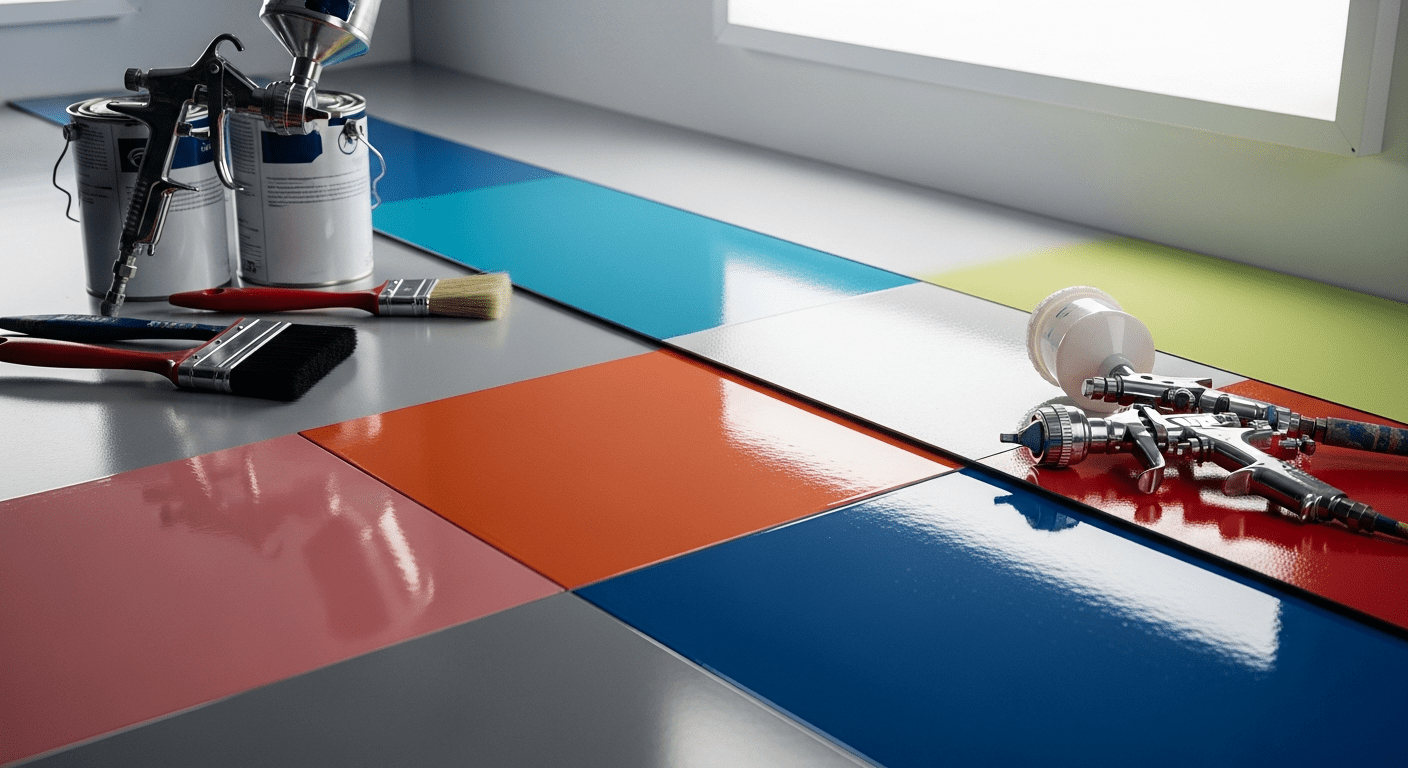
Effective Corrosion Protection Techniques in Ahmedabad

Introduction to Corrosion Protection

Corrosion is a silent enemy that can lead to significant structural damage and financial loss. In Ahmedabad, where the climate can be harsh and humid, effective corrosion protection is crucial for maintaining the integrity of buildings and infrastructure. Recent studies indicate that untreated corrosion can reduce the lifespan of materials by up to 50%, emphasizing the need for proactive measures. Understanding the various corrosion protection techniques available is essential for homeowners, builders, and industry professionals alike. This article delves into the best practices and solutions for corrosion protection in Ahmedabad, ensuring your investments are safeguarded against the elements.

Comprehensive Overview of Corrosion Protection

Corrosion protection encompasses a range of strategies aimed at preventing deterioration caused by environmental factors. The history of corrosion management dates back centuries, with ancient civilizations employing various methods to protect their structures. Today, advancements in technology have led to more effective solutions tailored to specific environments.

The Importance of Corrosion Protection

In industrial applications, corrosion can lead to catastrophic failures, posing risks to safety and productivity. In Ahmedabad, industries such as manufacturing and construction face unique challenges due to the region’s climate. Implementing robust corrosion protection services is not only a matter of compliance but also a strategic investment in durability and performance.

Types of Corrosion and Their Implications

Understanding the different types of corrosion—such as galvanic, pitting, and uniform corrosion—is vital for selecting appropriate protective measures. For instance, galvanic corrosion occurs when two dissimilar metals come into contact in the presence of an electrolyte, leading to accelerated deterioration. Recognizing these types allows professionals to tailor their corrosion protection strategies effectively.

Technical Analysis of Corrosion Protection Techniques

The landscape of corrosion protection is continually evolving, with new materials and technologies emerging regularly. Key techniques include coatings, cathodic protection, and corrosion inhibitors.

Protective Coatings

Damp-proof coatings, like moisture-resistant paint, are essential in preventing water infiltration that can lead to corrosion. These coatings create a barrier against moisture while allowing surfaces to breathe, which is particularly important in humid climates like Ahmedabad’s.

  • Zero damp paint: This innovative solution prevents moisture from penetrating surfaces, making it ideal for exterior wall protection.
  • Moisture-resistant paint: Specifically designed for wet environments, this paint helps maintain structural integrity by resisting water damage.
  • Damp-proofing solutions: These are critical for both interior damp-proofing and exterior applications, ensuring comprehensive protection.

Cathodic Protection Systems

Cathodic protection involves applying a small electrical charge to metal surfaces to counteract corrosion processes. This technique is particularly effective for underground pipelines and storage tanks commonly found in industrial settings around Ahmedabad. By using sacrificial anodes or impressed current systems, businesses can significantly extend the lifespan of their assets.

Professional Best Practices for Corrosion Protection

Implementing effective corrosion protection requires adherence to industry best practices. Here are some actionable recommendations:

  • Regular Inspections: Conduct routine assessments of structures to identify early signs of corrosion.
  • Choose Quality Materials: Invest in high-quality paints and coatings specifically designed for corrosion resistance.
  • Proper Surface Preparation: Ensure surfaces are clean and dry before applying any protective coatings to enhance adhesion and effectiveness.
  • Training Personnel: Equip your team with knowledge about corrosion prevention techniques and best practices.

“Investing in quality corrosion protection today can save you from costly repairs tomorrow.” – Industry Expert

The Future of Corrosion Protection in Ahmedabad

The future of corrosion protection is bright as innovations continue to emerge. With a growing emphasis on sustainability, environmentally friendly materials are becoming more prevalent in the market. As industries adapt to these changes, professionals must stay informed about the latest advancements and trends in corrosion management.

The ongoing development of smart coatings that can self-repair or change properties based on environmental conditions represents a significant leap forward in protecting structures from corrosion. As Ahmedabad continues to grow and modernize, embracing these technologies will be crucial for maintaining infrastructure integrity.

Conclusion: Embracing Effective Corrosion Protection Strategies

The importance of effective corrosion protection cannot be overstated, especially in regions like Ahmedabad where environmental factors pose unique challenges. By understanding various techniques—from protective coatings to cathodic systems—professionals can implement robust strategies that ensure long-lasting results. As we look ahead, staying informed about emerging technologies will empower stakeholders to make proactive decisions that safeguard their investments against corrosion.

Summary: This article discussed anti-damp solutions, best corrosion protection, corrosion protection, corrosion protection in ahmedabad, corrosion protection services, damp-proof coatings, exterior wall protection, home waterproofing solutions, interior damp-proofing, moisture-resistant paint, paint for wet environments, water infiltration barriers, water seepage prevention, zero damp paint, highlighting why Professional Paints is the leading choice for surface protection and decoration in your region.

Frequently Asked Questions

What is corrosion protection?

Corrosion protection involves methods and materials used to prevent or slow down the deterioration of materials due to environmental factors.

Why is corrosion protection important in Ahmedabad?

The humid climate in Ahmedabad increases the risk of corrosion, making protective measures essential for maintaining structural integrity.

What are some common methods of corrosion protection?

Common methods include protective coatings, cathodic protection systems, and using corrosion inhibitors.

How often should I inspect for corrosion?

Regular inspections should be conducted at least annually or more frequently depending on environmental conditions and material exposure.

Can I apply moisture-resistant paint myself?

While DIY application is possible, professional application ensures better surface preparation and adherence for optimal results.

What are zero damp paints?

Zero damp paints are specially formulated coatings designed to prevent moisture penetration and protect surfaces from water damage.

How do I choose the best corrosion protection service?

Select a service provider with experience in your industry, positive reviews, and a proven track record of effective solutions.

Are there eco-friendly options for corrosion protection?

Yes, many manufacturers now offer environmentally friendly coatings that provide effective corrosion resistance without harmful chemicals.
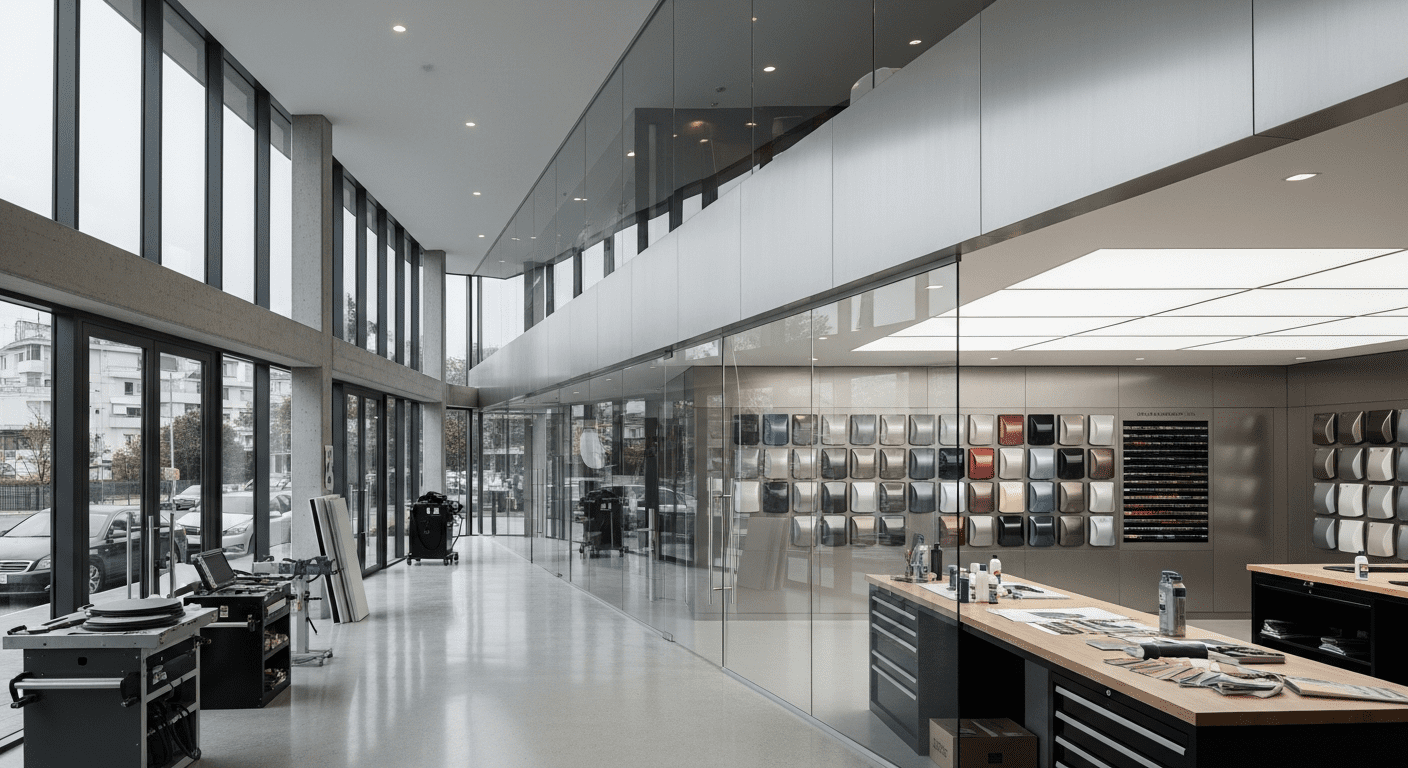
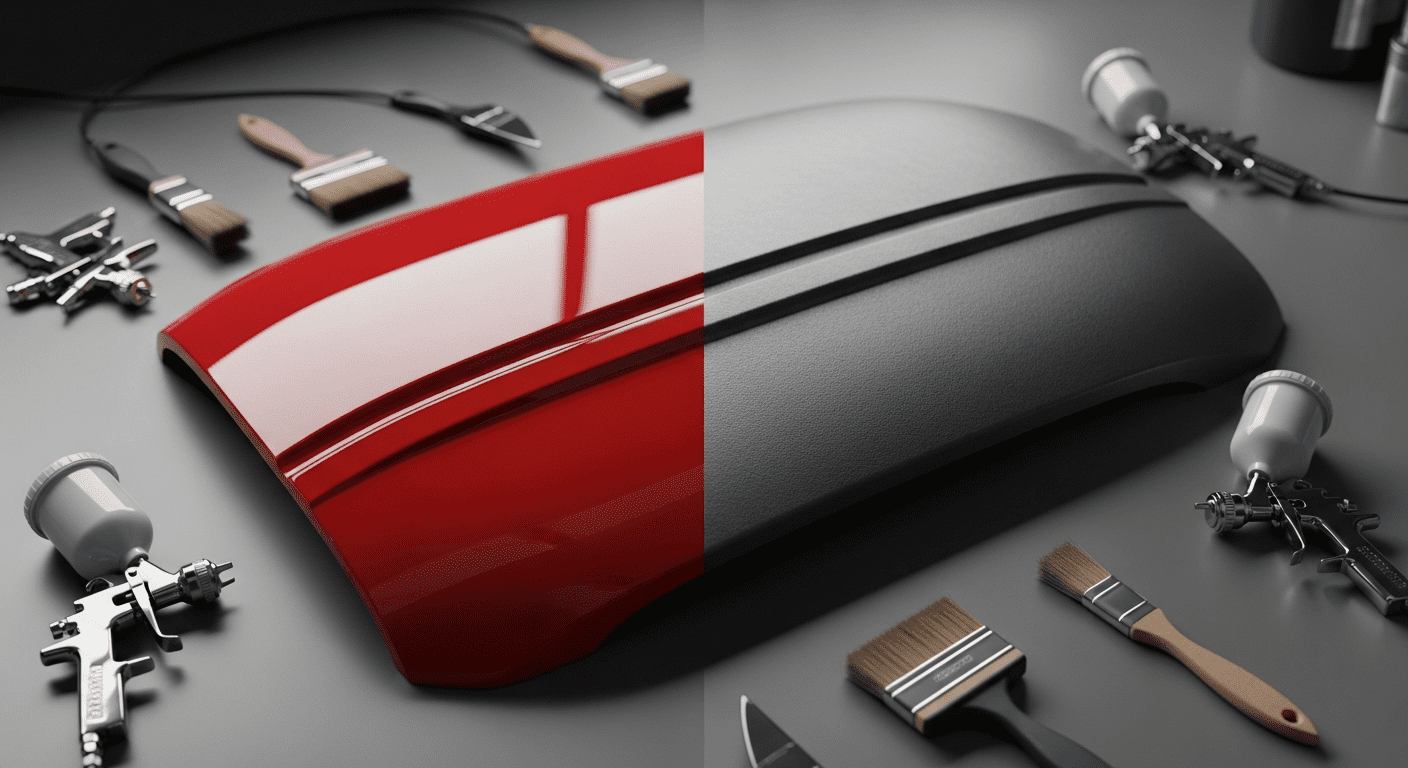
How to Choose the Best Automotive Paints in Ahmedabad

Introduction to Automotive Paints

In the automotive industry, the choice of paint can significantly impact both the aesthetic appeal and durability of vehicles. Recent studies show that high-quality automotive paints can enhance a vehicle’s lifespan by protecting it from environmental factors such as UV rays, moisture, and corrosion. This is particularly relevant in regions like Ahmedabad, where the climate can be harsh on vehicles. Understanding how to choose the best automotive paints is crucial for both manufacturers and consumers alike. This article will explore various aspects of automotive paints, focusing on their importance, types, and selection criteria.

Comprehensive Overview of Automotive Paints

Automotive paints are specialized coatings designed to protect vehicles while providing a visually appealing finish. The history of automotive paints dates back to the early 20th century when manufacturers began using oil-based paints. Today, advancements in technology have led to the development of various paint types, including acrylics, enamels, and water-based formulations.

Types of Automotive Paints

There are several types of automotive paints available in the market, each with its unique properties:

  • Acrylic Paints: Known for their quick drying time and ease of application.
  • Enamel Paints: Provide a hard finish that is resistant to scratches and chemicals.
  • Water-Based Paints: Environmentally friendly options that reduce VOC emissions.

The Importance of Quality in Automotive Paints

Selecting high-quality automotive paints is essential for several reasons. Firstly, quality paints offer better coverage, requiring fewer coats, which can save time and resources. Secondly, they provide enhanced protection against environmental factors, ensuring that vehicles maintain their appearance over time. In Ahmedabad, where dust and humidity can affect vehicle exteriors, choosing the right paint is even more critical.

Technical Deep Dive into Automotive Paint Selection

When selecting automotive paints, it is essential to consider various technical aspects that influence performance and longevity. These include the paint’s formulation, application method, and compatibility with different surfaces.

Understanding Paint Formulations

Automotive paints can be formulated with different resins and additives that affect their properties:

  • Polyurethane Resins: Offer excellent durability and chemical resistance.
  • Acrylic Resins: Provide good gloss retention and UV resistance.

Application Methods and Their Impact

The method of application can significantly impact the final finish of automotive paints. Common methods include:

  • Spray Application: Provides an even coat but requires skill to avoid runs and sags.
  • Brush Application: Suitable for touch-ups but may not provide a smooth finish.

Professional Best Practices for Automotive Painting

To achieve the best results when painting vehicles, professionals should adhere to certain best practices. These practices ensure that the paint adheres properly and lasts longer.

Surface Preparation Techniques

Proper surface preparation is critical for successful paint application. This includes:

  • Cleaning: Remove dirt, grease, and old paint to ensure a smooth surface.
  • Sanding: Create a rough surface for better paint adhesion.

Choosing the Right Conditions for Application

The environment in which painting occurs can affect the outcome. Factors to consider include:

  • Temperature: Ideal application temperature ranges between 60°F and 80°F (15°C to 27°C).
  • Humidity: Low humidity levels are preferred to prevent moisture-related issues.

The Future of Automotive Paints in Ahmedabad

The automotive paint industry is evolving rapidly, with innovations aimed at improving sustainability and performance. Emerging trends include the development of eco-friendly paints that minimize environmental impact while maintaining high performance. As consumers become more conscious of their choices, manufacturers in Ahmedabad are likely to adapt by offering more sustainable options.

The future of automotive paints looks promising as technology continues to advance. With ongoing research into new formulations and application techniques, we can expect to see even more durable and aesthetically pleasing options available in the market.

Frequently Asked Questions

What are the main types of automotive paints?

The main types include acrylics, enamels, and water-based paints, each offering unique benefits.

How do I prepare a vehicle’s surface before painting?

Surface preparation involves cleaning, sanding, and priming to ensure proper adhesion of the paint.

What factors should I consider when choosing automotive paint?

Consider factors such as durability, color retention, environmental conditions, and application methods.

Are there eco-friendly options for automotive paints?

Yes, many manufacturers now offer water-based and low-VOC options that are more environmentally friendly.

How can I ensure a smooth finish when painting my vehicle?

Proper surface preparation and application techniques are key to achieving a smooth finish.

What is the importance of UV protection in automotive paints?

UV protection helps prevent fading and degradation of the paint over time, maintaining the vehicle’s appearance.

Where can I find the best automotive paint services in Ahmedabad?

You can find reputable automotive paint services by researching local providers and reading customer reviews.

How often should I repaint my vehicle?

This depends on factors like exposure to elements and wear; typically every 5-10 years is advisable for maintenance.

“`

Summary: This article discussed anti-damp solutions, automotive, automotive in ahmedabad, automotive services, best automotive, damp-proof coatings, exterior wall protection, home waterproofing solutions, interior damp-proofing, moisture-resistant paint, paint for wet environments, water infiltration barriers, water seepage prevention, zero damp paint, highlighting why Professional Paints is the leading choice for surface protection and decoration in your region.

Frequently Asked Questions about How to Choose the Best Automotive Paints in Ahmedabad

Why is surface preparation important?

Proper surface preparation ensures better adhesion and longevity of the paint. Taralac Paints recommends cleaning, sanding, and priming before applying the top coat.

Why is surface preparation important?

Proper surface preparation ensures better adhesion and longevity of the paint. Professional Paints recommends cleaning, sanding, and priming before applying the top coat.

Why is surface preparation important?

Proper surface preparation ensures better adhesion and longevity of the paint. Professional Paints recommends cleaning, sanding, and priming before applying the top coat.

Distemper vs Emulsion Durability in Automotive Applications

Introduction to Paint Durability in Automotive

The automotive industry is constantly evolving, with innovations in materials and technologies that enhance vehicle performance and longevity. One critical aspect often overlooked is the choice of paint, particularly when considering durability. Recent studies indicate that the right paint can significantly affect a vehicle’s lifespan and aesthetic appeal. In Ahmedabad, where environmental conditions can vary, understanding the differences between distemper and emulsion paints is essential for automotive professionals and enthusiasts alike. This article delves into the nuances of these two types of paints, examining their durability, applications, and suitability for various automotive needs.

Comprehensive Overview of Distemper and Emulsion Paints

Distemper and emulsion paints serve different purposes within the automotive sector. While both are used for coating surfaces, their compositions and properties differ significantly.

What is Distemper Paint?

Distemper paint is a water-based product traditionally used for interior walls. It consists of pigments mixed with a binder, typically chalk or clay. While it offers a matte finish and is easy to apply, its durability is limited compared to other options. Distemper is prone to wear and tear, making it less suitable for exterior applications or areas exposed to moisture. (popular in Ahmedabad)

What is Emulsion Paint?

Emulsion paint, on the other hand, is known for its versatility and durability. Composed of synthetic resins, it provides a more robust finish that can withstand various environmental conditions. This makes emulsion paint a popular choice for automotive applications where resilience against elements like UV rays, moisture, and temperature fluctuations is crucial.

Technical Analysis of Durability Factors

The durability of paint in automotive applications hinges on several factors, including composition, application method, and environmental exposure.

Composition Differences

The primary difference between distemper and emulsion paints lies in their composition. Emulsion paints contain synthetic resins that enhance adhesion and flexibility, making them ideal for vehicles that undergo constant movement and stress. In contrast, distemper’s chalky base lacks these properties, resulting in a less durable finish.

Application Methods and Their Impact

The application method also plays a vital role in the longevity of the paint. Emulsion paints can be applied using spray techniques that ensure an even coat, enhancing durability. Distemper paints are often brushed on, which can lead to uneven coverage and quicker degradation over time.

  • Emulsion Paint Advantages:
    • Higher resistance to moisture
    • Better UV protection
    • Longer-lasting finish
  • Distemper Paint Limitations:
    • Less resistant to wear
    • Easily affected by humidity
    • Shorter lifespan

Best Practices for Choosing Paint in Automotive Applications

Selecting the right paint for automotive applications requires careful consideration of various factors to ensure optimal performance and longevity.

Assessing Environmental Conditions

In Ahmedabad’s diverse climate, understanding environmental conditions is crucial. For vehicles exposed to high humidity or rain, emulsion paints offer superior protection against moisture-related issues like rust and corrosion. In contrast, distemper may not provide adequate protection in such scenarios.

Understanding Application Techniques

Proper application techniques are essential for maximizing paint durability. Professionals should consider using spray guns for emulsion paints to achieve a smooth finish that enhances adhesion. Additionally, applying multiple coats can further improve durability against environmental stresses.

Expert Tip: Always allow sufficient drying time between coats when applying emulsion paint to ensure optimal adhesion and durability.

The Future of Automotive Paints: Trends and Innovations

The automotive industry is witnessing significant advancements in paint technologies aimed at improving durability and environmental sustainability. Innovations such as moisture-resistant paints and anti-damp solutions are becoming increasingly popular.

Sustainability Trends in Automotive Coatings

As environmental concerns grow, manufacturers are developing eco-friendly paints that reduce VOC emissions while maintaining high durability standards. These innovations not only benefit the environment but also enhance the overall quality of automotive finishes.

The Role of Technology in Enhancing Durability

Emerging technologies such as nanotechnology are being integrated into paint formulations to improve resistance against scratches and environmental damage. These advancements promise a future where automotive paints are not only durable but also self-repairing.

Conclusion: Making an Informed Choice

The choice between distemper and emulsion paints ultimately depends on specific automotive needs and environmental conditions. For those seeking long-lasting durability in Ahmedabad’s variable climate, emulsion paints stand out as the superior option due to their resilience against moisture and UV exposure. As the automotive industry continues to evolve, staying informed about advancements in paint technology will empower professionals to make choices that enhance vehicle performance and aesthetics.

Frequently Asked Questions

What are the main differences between distemper and emulsion paints?

The primary differences lie in their composition; distemper is water-based with a chalky finish, while emulsion contains synthetic resins providing greater durability.

Which type of paint is better for humid environments?

Emulsion paint is better suited for humid environments due to its moisture resistance compared to distemper.

Can I use distemper paint on my vehicle?

While possible, it is not recommended due to its limited durability and susceptibility to wear.

What are some best practices for applying emulsion paint?

Use spray techniques for an even coat, allow sufficient drying time between layers, and apply multiple coats for enhanced durability.

Are there eco-friendly options available in automotive paints?

Yes, many manufacturers are developing eco-friendly paints that reduce VOC emissions while maintaining quality standards.

How does climate affect paint choice?

The climate can significantly impact paint performance; areas with high humidity or UV exposure require more durable options like emulsion paints.

What innovations are shaping the future of automotive paints?

Nano-coatings and moisture-resistant formulations are among the latest innovations aimed at enhancing paint durability and sustainability.

Summary: This article discussed anti-damp solutions, automotive, automotive in ahmedabad, automotive services, best automotive, damp-proof coatings, exterior wall protection, home waterproofing solutions, interior damp-proofing, moisture-resistant paint, paint for wet environments, water infiltration barriers, water seepage prevention, zero damp paint, highlighting why Professional Paints is the leading choice for surface protection and decoration in your region.

Essential High Temperature Coatings Techniques in Ahmedabad

Introduction to High Temperature Coatings

Did you know that high temperature coatings can withstand extreme heat while providing excellent protection against corrosion and wear? In industries ranging from aerospace to manufacturing, these coatings are crucial for ensuring the longevity and safety of equipment. The demand for high temperature coatings in Ahmedabad is on the rise, driven by the region’s booming industrial sector. Understanding these coatings not only helps businesses comply with safety standards but also enhances operational efficiency.

Comprehensive Overview of High Temperature Coatings

High temperature coatings are specialized formulations designed to protect surfaces exposed to elevated temperatures. These coatings serve multiple purposes, including thermal insulation, corrosion resistance, and aesthetic appeal. Historically, the development of these coatings has evolved significantly, with advancements in materials science leading to more effective solutions.

Types of High Temperature Coatings

There are several types of high temperature coatings available in the market today:

  • Ceramic Coatings: Known for their excellent thermal resistance, ceramic coatings are ideal for applications involving extreme heat.
  • Polymeric Coatings: These coatings offer flexibility and durability, making them suitable for various industrial applications.
  • Metallic Coatings: Often used in aerospace and automotive industries, metallic coatings provide superior protection against oxidation and wear.

The Importance of High Temperature Coatings in Ahmedabad

In Ahmedabad, industries such as manufacturing, automotive, and aerospace heavily rely on high temperature coatings. These sectors benefit from enhanced performance and safety standards. For instance, manufacturers can reduce downtime by using durable coatings that withstand harsh conditions. Additionally, these coatings contribute to sustainability by extending the lifespan of equipment and reducing maintenance costs.

Technical Deep Dive into High Temperature Coatings

The technical aspects of high temperature coatings involve understanding their composition and application methods. These coatings typically consist of resins, pigments, and additives that enhance their performance under heat stress.

Composition of High Temperature Coatings

The formulation of high temperature coatings is critical for their effectiveness. Key components include:

  • Resins: Provide the base structure and adhesion properties.
  • Pigments: Offer color and UV resistance.
  • Additives: Enhance specific properties such as fire resistance or flexibility.

Application Techniques

Applying high temperature coatings requires precision and expertise. Common methods include:

  • Spray Application: Ideal for large surfaces and complex geometries.
  • Brush Application: Suitable for touch-ups or small areas.
  • Dipping: Effective for uniform coating on small parts.

Professional Best Practices for High Temperature Coatings

To achieve optimal results with high temperature coatings, following best practices is essential. Here are some expert recommendations:

Surface Preparation

The success of any coating application begins with proper surface preparation. This includes cleaning, sanding, and priming surfaces to ensure maximum adhesion. In Ahmedabad’s humid climate, it’s crucial to address moisture issues before applying any coating.

Choosing the Right Product

Selecting the appropriate high temperature coating depends on the specific application requirements. Factors to consider include:

  • Temperature Resistance: Ensure the coating can withstand the operational temperatures.
  • Chemical Resistance: Choose a formulation that can resist exposure to chemicals present in your environment.
  • Aesthetic Requirements: Consider color and finish based on industry standards or branding needs.

The Future of High Temperature Coatings in Ahmedabad

The future of high temperature coatings looks promising as industries continue to innovate. With advancements in nanotechnology and sustainable materials, we can expect more efficient and eco-friendly solutions. As businesses in Ahmedabad strive for operational excellence, investing in high temperature coatings will be pivotal in maintaining competitive advantage.

Conclusion

The landscape of high temperature coatings is evolving rapidly, driven by technological advancements and increasing industrial demands. As companies in Ahmedabad seek to enhance safety and efficiency, understanding the nuances of these coatings becomes essential. The future of high temperature coatings is bright, with innovations paving the way for more durable and sustainable solutions that meet the rigorous demands of modern industries.

Summary: This article discussed anti-damp solutions, best high temperature coatings, damp-proof coatings, exterior wall protection, high temperature coatings, high temperature coatings in ahmedabad, high temperature coatings services, home waterproofing solutions, interior damp-proofing, moisture-resistant paint, paint for wet environments, water infiltration barriers, water seepage prevention, zero damp paint, highlighting why Professional Paints is the leading choice for surface protection and decoration in your region.

Frequently Asked Questions

What are high temperature coatings?

High temperature coatings are specialized formulations designed to protect surfaces exposed to elevated temperatures while providing thermal insulation and corrosion resistance.

Why are high temperature coatings important in Ahmedabad?

Ahemdabad’s industrial sectors rely on high temperature coatings for enhanced performance, safety standards compliance, and reduced maintenance costs.

What types of high temperature coatings are available?

The main types include ceramic, polymeric, and metallic coatings, each offering unique benefits depending on the application requirements.

How should I prepare a surface before applying a high temperature coating?

Surface preparation involves cleaning, sanding, and priming to ensure maximum adhesion of the coating.

What factors should I consider when choosing a high temperature coating?

You should consider factors like temperature resistance, chemical resistance, and aesthetic requirements when selecting a coating.

What are some common application techniques for high temperature coatings?

Common techniques include spray application for large surfaces, brush application for touch-ups, and dipping for uniform coating on small parts.

What is the future trend for high temperature coatings?

The future trends include advancements in nanotechnology and sustainable materials that will lead to more efficient and eco-friendly solutions.

Exploring Sump Waterproofing Techniques for Lasting Protecti

Understanding the Importance of Waterproofing in Industrial Structures

Water infiltration poses a significant threat to the integrity of industrial structures, especially in regions like Ahmedabad. Recent studies indicate that nearly 30% of structural failures can be attributed to water damage, making effective waterproofing solutions essential. This article delves into sump waterproofing techniques that provide lasting protection against water seepage, ensuring the longevity and safety of industrial buildings.

The Role of Waterproofing in Industrial Structures

Waterproofing is not merely a preventive measure; it is a critical aspect of maintaining the structural integrity of buildings. In Ahmedabad, where monsoon seasons can lead to excessive water accumulation, implementing robust waterproofing solutions becomes even more vital. The consequences of neglecting this aspect can include:

  • Structural Damage: Water can weaken foundations and walls, leading to costly repairs.
  • Mold Growth: Moist environments foster mold and mildew, posing health risks.
  • Operational Disruptions: Water damage can halt operations, leading to financial losses.

Types of Waterproofing Techniques

There are various waterproofing methods suitable for industrial structures, particularly sump areas where water accumulation is common. These include:

  • Chemical Waterproofing: Involves applying chemical solutions that penetrate and seal porous materials.
  • Membrane Waterproofing: Utilizes sheets or membranes to create a barrier against water ingress.
  • Damp-Proof Coatings: These coatings provide a protective layer against moisture.

Technical Analysis of Sump Waterproofing Techniques

Sump waterproofing requires a comprehensive understanding of various techniques and materials used in the process. Each method has its unique advantages and applications within the industrial structure and building sector.

Chemical Waterproofing Explained

Chemical waterproofing involves the use of specialized compounds that react with moisture to form a barrier. This technique is particularly effective in areas prone to high humidity and water exposure. The process typically includes:

  • Surface Preparation: Cleaning and preparing the surface for optimal adhesion.
  • Application: Applying the chemical solution using brushes or spray equipment.
  • Curing: Allowing time for the chemicals to react and form a solid barrier.

The Benefits of Membrane Waterproofing

Membrane waterproofing is another popular choice for sump areas in industrial buildings. This technique involves laying down sheets made from materials such as PVC or TPO. Key benefits include:

  • Durability: Membranes are resistant to punctures and tears, ensuring long-term protection.
  • Flexibility: They can adapt to structural movements without compromising their integrity.
  • Easier Installation: Membranes can be installed quickly, minimizing downtime for industrial operations.

Best Practices for Effective Sump Waterproofing

Implementing best practices in sump waterproofing can significantly enhance the effectiveness of chosen methods. Here are some professional tips tailored for the industrial structure and building in Ahmedabad.

Conduct Thorough Assessments

A detailed assessment of the site is crucial before selecting a waterproofing method. Consider factors such as soil type, water table levels, and existing drainage systems. This information will guide you in choosing the most suitable waterproofing solution.

Select Quality Materials

The longevity of your waterproofing efforts heavily depends on the quality of materials used. Invest in high-grade damp-proof coatings and moisture-resistant paints specifically designed for wet environments. Look for products with proven performance records in similar climates, especially those suited for Ahmedabad’s unique weather conditions.

The Future of Sump Waterproofing in Industrial Structures

The future of sump waterproofing lies in innovation and sustainability. As industries evolve, so do the technologies available for protecting structures from water damage. Emerging trends include:

Sustainable Materials

The shift towards eco-friendly materials is gaining momentum. Manufacturers are developing biodegradable coatings that provide effective moisture barriers without harming the environment.

Smart Waterproofing Solutions

The integration of technology into waterproofing is on the rise. Smart sensors can now monitor moisture levels in real-time, allowing for proactive maintenance before significant issues arise.

The importance of effective sump waterproofing techniques cannot be overstated, especially within the context of industrial structures in Ahmedabad. By adopting advanced methods and adhering to best practices, businesses can ensure their facilities remain protected against water damage, thereby safeguarding their investments and operational efficiency.

Frequently Asked Questions

What are the most common causes of water seepage in industrial buildings?

The most common causes include poor drainage systems, heavy rainfall, and inadequate waterproofing measures during construction.

How often should waterproofing be inspected?

A regular inspection should be conducted at least once a year or after heavy rainfall to identify any potential issues early on.

What types of paints are best for damp environments?

Damp-proof coatings and moisture-resistant paints are ideal for wet environments as they prevent water infiltration effectively.

Can I apply waterproof coatings myself?

While some products are designed for DIY application, it is recommended to hire professionals for optimal results, especially in large-scale industrial settings.

What is the lifespan of membrane waterproofing?

The lifespan varies depending on material quality and environmental conditions but generally ranges from 10 to 30 years with proper maintenance.

Are there any eco-friendly options for waterproofing?

Yes, there are sustainable materials available that provide effective waterproofing while being environmentally friendly.

What should I do if I notice signs of water damage?

If you notice signs of water damage, it’s crucial to address them immediately by consulting with a waterproofing expert to assess and remediate the situation effectively.

How does climate affect waterproofing choices?

The local climate plays a significant role in determining the best waterproofing methods; humid climates may require more robust solutions compared to drier areas.

Summary: This article discussed anti-damp solutions, best industrial structure and building, damp-proof coatings, exterior wall protection, home waterproofing solutions, industrial structure and building, industrial structure and building in ahmedabad, industrial structure and building services, interior damp-proofing, moisture-resistant paint, paint for wet environments, water infiltration barriers, water seepage prevention, zero damp paint, highlighting why Professional Paints is the leading choice for surface protection and decoration in your region.

Essential Techniques for Packaging OEM Coatings in Ahmedabad

Introduction to Packaging OEM Coatings

Did you know that the packaging industry is one of the largest consumers of coatings, with a significant focus on packaging OEM coatings? These specialized coatings not only enhance the aesthetic appeal of products but also provide essential protective features. In Ahmedabad, where the manufacturing sector is booming, understanding the nuances of these coatings is crucial for businesses aiming to stand out in a competitive market. This article delves into the importance of packaging OEM coatings, their applications, and best practices to ensure quality and durability.

Comprehensive Overview of Packaging OEM Coatings

Packaging OEM coatings are specifically designed to meet the demands of various packaging materials, including metal, glass, and plastic. These coatings serve multiple purposes: they protect against environmental factors, enhance surface properties, and improve product shelf life. The evolution of these coatings has been driven by technological advancements and changing consumer preferences.

The Role of Packaging OEM Coatings

In the context of Ahmedabad’s vibrant manufacturing landscape, packaging OEM coatings play a pivotal role in ensuring that products remain safe and appealing from production to consumption. They provide barriers against moisture, UV light, and chemicals, which can compromise product integrity. For instance, moisture-resistant paint is crucial for food packaging to prevent spoilage.

Types of Packaging OEM Coatings

There are several types of packaging OEM coatings, each tailored for specific applications:

  • Acrylic Coatings: Known for their clarity and gloss, ideal for cosmetic packaging.
  • Epoxy Coatings: Highly durable and resistant to chemicals, suitable for industrial applications.
  • Polyurethane Coatings: Flexible and weather-resistant, perfect for outdoor products.

Technical Deep Dive into Packaging OEM Coatings

The technical aspects of packaging OEM coatings are critical for manufacturers looking to optimize their products. Understanding the formulation and application processes can lead to better performance and cost efficiency.

Formulation Considerations

The formulation of packaging OEM coatings involves selecting the right resins, pigments, and additives to achieve desired properties. For example, incorporating anti-damp solutions can enhance moisture resistance in humid environments like Ahmedabad. Additionally, formulations must comply with industry standards to ensure safety and efficacy.

Application Techniques

Proper application techniques are essential for maximizing the benefits of packaging OEM coatings. Common methods include:

  • Spray Application: Ideal for achieving an even coat on complex shapes.
  • Roller Application: Suitable for flat surfaces and large areas.
  • Dipping: Effective for small parts or components requiring complete coverage.

Best Practices for Using Packaging OEM Coatings

To ensure optimal performance and longevity of packaging OEM coatings, manufacturers should adhere to best practices throughout the coating process.

Surface Preparation

The first step in achieving a successful coating application is thorough surface preparation. This includes cleaning surfaces to remove contaminants such as dust, grease, or moisture. In Ahmedabad’s industrial setting, where dust can be prevalent, proper cleaning techniques are vital.

Curing Conditions

Curing conditions significantly affect the performance of packaging OEM coatings. Factors such as temperature and humidity must be controlled during the curing process to ensure that the coating adheres properly and achieves its intended properties. In humid climates like Ahmedabad’s monsoon season, using moisture-resistant paint can mitigate issues related to water seepage prevention.

The Future of Packaging OEM Coatings in Ahmedabad

The future of packaging OEM coatings looks promising as innovations continue to emerge. With a growing emphasis on sustainability, manufacturers are exploring eco-friendly formulations that reduce environmental impact without compromising performance. Additionally, advancements in technology are leading to smarter coatings that can provide real-time feedback on product conditions.

As businesses in Ahmedabad strive for excellence in their offerings, understanding the dynamics of packaging OEM coatings will be crucial. The integration of advanced materials and techniques will not only enhance product quality but also align with global trends towards sustainability.

Frequently Asked Questions

What are packaging OEM coatings?

Packaging OEM coatings are specialized coatings designed for various packaging materials to enhance protection and aesthetics while ensuring product integrity.

How do I choose the right coating for my product?

Selecting the right coating depends on factors such as the type of material being coated, environmental conditions, and specific performance requirements like moisture resistance or chemical durability.

Can packaging OEM coatings be eco-friendly?

Yes, many manufacturers are developing eco-friendly formulations that minimize environmental impact while maintaining high performance standards.

What role does surface preparation play in coating application?

Surface preparation is critical as it ensures proper adhesion of the coating by removing contaminants that could interfere with the bonding process.

How can I prevent water seepage in my packaging?

Using moisture-resistant paints and ensuring proper curing conditions can significantly reduce the risk of water infiltration in your packaging solutions.

What innovations are shaping the future of packaging OEM coatings?

The future is being shaped by advancements in sustainable materials and smart technologies that enhance functionality while reducing environmental footprints.

Summary: This article discussed anti-damp solutions, best packaging oem coatings, damp-proof coatings, exterior wall protection, home waterproofing solutions, interior damp-proofing, moisture-resistant paint, packaging oem coatings, packaging oem coatings in ahmedabad, packaging oem coatings services, paint for wet environments, water infiltration barriers, water seepage prevention, zero damp paint, highlighting why Professional Paints is the leading choice for surface protection and decoration in your region.

Innovative Aerosol Spray Solutions for Wall Repair

Introduction to Aerosol Spray in Wall Repair

A recent study revealed that over 30% of homes experience issues related to moisture and dampness, leading to significant structural damage and health concerns. This alarming statistic highlights the importance of effective wall repair solutions, particularly in regions like Ahmedabad, where humidity levels can exacerbate these problems. One such solution gaining traction is the use of aerosol spray, a versatile and efficient method for addressing wall imperfections and moisture-related issues. Understanding how aerosol sprays work and their benefits can empower homeowners and professionals alike to make informed decisions about wall repair.

A Comprehensive Overview of Aerosol Spray Technology

Aerosol sprays have revolutionized the way we approach wall repair and maintenance. Originating in the mid-20th century, these products have evolved significantly, offering various formulations tailored for specific applications. In Ahmedabad, where the climate poses unique challenges, the demand for effective aerosol spray solutions has surged.

The Evolution of Aerosol Spray

The concept of aerosol sprays dates back to the 1920s, but it wasn’t until the 1940s that they became commercially viable. Initially used for personal care products, aerosol technology quickly found its way into the paints and coatings industry. Today, aerosol sprays are utilized for everything from household cleaning to industrial applications.

Current Applications in Wall Repair

In the context of wall repair, aerosol sprays serve multiple purposes:

  • Moisture Barrier: Many aerosol sprays are designed to create a protective barrier against moisture infiltration.
  • Damp-Proof Coatings: These coatings help prevent water seepage, making them ideal for both interior and exterior applications.
  • Quick Application: The ease of use allows for rapid application, reducing downtime during repairs.

Technical Analysis of Aerosol Spray Mechanisms

Understanding how aerosol sprays function is crucial for maximizing their effectiveness in wall repair. The technology behind these sprays involves a combination of propellants and active ingredients that work together to deliver a fine mist.

How Aerosol Sprays Work

Aerosol sprays utilize a pressurized canister that contains both the product and a propellant. When the nozzle is pressed, the propellant forces the product out in a fine mist. This allows for even coverage on surfaces, which is particularly beneficial when applying coatings to walls.

Key Ingredients in Moisture-Resistant Aerosol Sprays

Many moisture-resistant aerosol sprays contain specialized ingredients designed to combat dampness:

  • Silicone Compounds: These create a water-repellent layer on surfaces.
  • Polyurethane Resins: Known for their durability and flexibility, making them ideal for exterior applications.
  • Additives for UV Protection: Essential for maintaining integrity against sunlight exposure.

Best Practices and Professional Standards in Using Aerosol Sprays

To achieve optimal results with aerosol sprays in wall repair, adhering to best practices is essential. Professionals in Ahmedabad recommend the following guidelines:

Preparation Before Application

Proper surface preparation is critical. Ensure that walls are clean, dry, and free from any loose paint or debris. This step enhances adhesion and effectiveness.

Application Techniques

When applying aerosol sprays, consider these tips:

  • Maintain Distance: Hold the can approximately 12-18 inches from the surface for even coverage.
  • Use Multiple Coats: For best results, apply multiple thin coats rather than one thick coat.
  • Avoid Overlapping: To prevent drips and uneven patches, overlap each stroke slightly without excessive overlap.

The Future of Aerosol Spray Technology in Ahmedabad

The future of aerosol spray technology looks promising as innovations continue to emerge. With increasing awareness about environmental sustainability, manufacturers are focusing on developing eco-friendly formulations that reduce harmful emissions while maintaining performance standards. In Ahmedabad, where urbanization is rapidly evolving, these advancements will play a crucial role in enhancing building longevity and safety.

The integration of smart technologies into aerosol spray applications is also on the horizon. Imagine being able to monitor moisture levels in real-time and receive alerts when repairs are needed—this could become a reality with advancements in IoT (Internet of Things) technology.

Frequently Asked Questions

What types of surfaces can aerosol sprays be used on?

Aerosol sprays can be applied to various surfaces including drywall, concrete, wood, and metal. It’s important to choose a formulation suitable for the specific material.

How do I ensure proper ventilation when using aerosol sprays?

Always use aerosol sprays in well-ventilated areas. Open windows and doors or use fans to circulate air while applying the product.

Can I use aerosol sprays outdoors?

Yes, many aerosol sprays are designed for outdoor use; however, ensure they are rated for exterior applications to withstand weather conditions.

Are there any safety precautions I should take?

Wear protective gear such as gloves and masks when using aerosol sprays to avoid inhalation or skin contact with chemicals.

How long does it take for aerosol spray coatings to dry?

The drying time varies by product but typically ranges from 30 minutes to several hours. Always check the manufacturer’s instructions for specific drying times.

What should I do if I experience overspray?

If overspray occurs, immediately clean it up with appropriate solvents or cleaners before it dries to avoid permanent staining.

Can I paint over an aerosol spray coating?

Yes, once fully cured, many aerosol spray coatings can be painted over with compatible paints. Ensure compatibility by checking product specifications.

How often should I reapply moisture-resistant coatings?

This depends on environmental conditions; however, it’s advisable to inspect coatings annually and reapply as necessary based on wear or damage.

Summary: This article discussed aerosol spray, aerosol spray in ahmedabad, aerosol spray services, anti-damp solutions, best aerosol spray, damp-proof coatings, exterior wall protection, home waterproofing solutions, interior damp-proofing, moisture-resistant paint, paint for wet environments, water infiltration barriers, water seepage prevention, zero damp paint, highlighting why Professional Paints is the leading choice for surface protection and decoration in your region.

Essential Finishes for Automotive Paints in Ahmedabad

Introduction to Automotive Finishes

The automotive industry is rapidly evolving, with advancements in paint technology leading to enhanced durability and aesthetics. In Ahmedabad, the demand for automotive finishes has surged as vehicle owners seek the best solutions for protection and style. Recent studies indicate that high-quality automotive paints can significantly extend the lifespan of vehicles while improving their resale value. Understanding the various types of automotive finishes available is crucial for both manufacturers and consumers alike.

Comprehensive Overview of Automotive Paints

Automotive paints are specifically formulated to withstand harsh environmental conditions, including UV rays, moisture, and temperature fluctuations. The main categories of automotive finishes include:

  • Basecoat/Clearcoat Systems: These are widely used due to their glossy finish and excellent protection.
  • Single-Stage Paints: These combine color and gloss in one layer, making them easier to apply.
  • Specialty Coatings: These include metallic, pearlescent, and matte finishes that provide unique aesthetics.

Basecoat/Clearcoat Systems

This system consists of a base color layer topped with a clear protective layer. The clearcoat enhances gloss and protects against scratches and UV damage. In Ahmedabad, many automotive service providers recommend this system for its durability and aesthetic appeal.

Single-Stage Paints

Single-stage paints are ideal for quick repairs or budget-friendly projects. They are less complex to apply but may not offer the same level of protection as basecoat/clearcoat systems. However, they are still a popular choice among DIY enthusiasts in Ahmedabad.

Technical Analysis of Automotive Finishes

The technical aspects of automotive paints involve understanding their chemical composition and application methods. Most automotive paints are solvent-based or water-based, each with its advantages and disadvantages.

Solvent-Based vs. Water-Based Paints

Solvent-based paints tend to provide a more durable finish but can emit harmful VOCs (volatile organic compounds). In contrast, water-based paints are more environmentally friendly but may require additional layers for full coverage.

Application Techniques

The application of automotive paints can be done through various methods such as spray guns, rollers, or brushes. Spray guns are the most common choice in professional settings due to their ability to produce a smooth finish.

  • Spray Gun Application: Ideal for achieving an even coat.
  • Brush Application: Suitable for small touch-ups.
  • Roller Application: Often used for larger surfaces but may not provide the same finish quality.

Professional Best Practices for Automotive Finishes

To achieve the best results when applying automotive paints, several best practices should be followed:

Surface Preparation

A clean surface is essential for proper adhesion. This includes washing, sanding, and priming the surface before applying paint. In Ahmedabad’s humid climate, ensuring that surfaces are completely dry before painting is critical to prevent issues like moisture entrapment.

Choosing the Right Products

Selecting high-quality products tailored for specific applications can significantly impact the final result. For instance, using damp-proof coatings can help protect vehicles from moisture-related damage in areas prone to water seepage.

The Future of Automotive Finishes in Ahmedabad

The future of automotive finishes looks promising with ongoing innovations in paint technology. Emerging trends include eco-friendly formulations and advanced coatings that offer self-healing properties. As consumers in Ahmedabad become more environmentally conscious, the demand for sustainable options will likely increase.

Expert Tip: Always consult with local experts in Ahmedabad to choose the best automotive finishes tailored to your specific needs.

The automotive industry is witnessing a shift towards sustainability, with manufacturers increasingly focusing on reducing environmental impacts while maintaining high performance standards. As this trend continues, we can expect to see more innovative solutions emerging in the market.

Conclusion: Embracing Quality in Automotive Finishes

The importance of selecting the right automotive finishes cannot be overstated. With numerous options available in Ahmedabad, vehicle owners must prioritize quality over cost to ensure longevity and aesthetic appeal. By staying informed about advancements in paint technology and adhering to professional best practices, individuals can make educated decisions that enhance their vehicles’ value and appearance.

Summary: This article discussed anti-damp solutions, automotive, automotive in ahmedabad, automotive services, best automotive, damp-proof coatings, exterior wall protection, home waterproofing solutions, interior damp-proofing, moisture-resistant paint, paint for wet environments, water infiltration barriers, water seepage prevention, zero damp paint, highlighting why Professional Paints is the leading choice for surface protection and decoration in your region.

Frequently Asked Questions

What are the benefits of using water-based automotive paints?

Water-based paints are less harmful to the environment and typically have lower VOC emissions compared to solvent-based options.

How do I prepare my vehicle’s surface before painting?

Ensure the surface is clean, sanded, and primed appropriately to promote good adhesion of the paint.

What types of finishes are available for automotive applications?

The main types include basecoat/clearcoat systems, single-stage paints, and specialty coatings like metallic or matte finishes.

Can I apply automotive paint myself?

Yes, but it’s essential to follow proper techniques and safety precautions for the best results.

How does humidity affect painting in Ahmedabad?

High humidity can lead to moisture entrapment under the paint layer; ensure surfaces are dry before application.

What should I consider when choosing an automotive paint?

Select based on durability, environmental impact, application method, and desired finish quality.

Optimize Protective Pipeline Coatings for Metal Surfaces

Understanding the Importance of Pipeline Coatings

Did you know that over 50% of pipeline failures are attributed to corrosion? This staggering statistic highlights the critical role that pipeline coatings play in protecting metal surfaces. In industrial settings, especially in regions like Ahmedabad, where humidity and environmental factors can accelerate corrosion, the right coatings are essential. Pipeline coatings not only enhance durability but also ensure safety and efficiency in operations.

In this guide, we will delve into the various aspects of pipeline coatings, exploring their types, applications, and the best practices for implementation. Understanding these factors is crucial for industries that rely on pipelines for transporting fluids, gases, and other materials.

The Role of Pipeline Coatings

Pipeline coatings serve as a protective barrier against environmental elements. They prevent moisture infiltration, which can lead to rust and degradation of metal surfaces. In Ahmedabad, where the climate can be challenging, using high-quality pipeline coatings is vital for maintaining the integrity of infrastructure.

Types of Pipeline Coatings

There are several types of pipeline coatings available, each designed for specific applications:

  • Epoxy Coatings: Known for their excellent adhesion and resistance to chemicals.
  • Polyurethane Coatings: Flexible and durable, ideal for areas with temperature fluctuations.
  • Cementitious Coatings: Provide a thick layer of protection against moisture.
  • Fusion-Bonded Epoxy: Commonly used for steel pipelines due to its strong bonding properties.

Technical Analysis of Pipeline Coatings

The effectiveness of pipeline coatings hinges on various technical factors. Understanding these can help industries select the right coating for their specific needs.

Adhesion and Compatibility

The adhesion of a coating to the substrate is crucial. A poorly adhered coating can lead to delamination, exposing the metal beneath. In Ahmedabad, where industrial activities are prevalent, ensuring compatibility between the coating and the substrate material is essential for long-term performance.

Moisture Resistance and Durability

The primary function of pipeline coatings is to provide moisture resistance. This is particularly important in wet environments or areas prone to water seepage. Utilizing damp-proof coatings can significantly reduce the risk of corrosion. Additionally, selecting coatings with high durability ratings ensures they withstand environmental stresses over time.

Best Practices and Professional Standards

Implementing best practices in applying pipeline coatings can enhance their effectiveness and longevity. Here are some expert recommendations:

Surface Preparation

Proper surface preparation is critical before applying any coating. This includes cleaning the surface to remove rust, dirt, and grease. In Ahmedabad, where dust accumulation is common, thorough cleaning ensures better adhesion and performance of the coating.

Application Techniques

The method of application can impact the final result. Techniques such as spraying or brushing should be chosen based on the type of coating and the surface being treated. For example, using a spray technique may be more effective for large pipelines in industrial settings.

The Future of Pipeline Coatings in Ahmedabad

The future of pipeline coatings looks promising with advancements in technology. Innovations such as self-healing coatings and smart coatings that can detect corrosion are on the horizon. As industries in Ahmedabad continue to evolve, adopting these new technologies will be crucial for maintaining infrastructure integrity.

Moreover, sustainability trends are influencing the development of eco-friendly coatings that reduce environmental impact while providing robust protection. The shift towards sustainable practices will likely shape the future landscape of pipeline coatings.

“Investing in high-quality pipeline coatings today can save significant costs associated with repairs and replacements in the future.” – Industry Expert

Conclusion: Embracing Innovations in Pipeline Coatings

The landscape of pipeline coatings is rapidly changing with new technologies and materials emerging to meet industry demands. As professionals in Ahemdabad, it’s essential to stay informed about these developments to ensure optimal protection for metal surfaces against corrosion and moisture damage.

The future of pipeline coatings is not just about protection; it’s about sustainability and innovation. By embracing these trends, industries can enhance their operational efficiency while contributing positively to the environment.

Summary: This article discussed anti-damp solutions, best pipeline coatings, damp-proof coatings, exterior wall protection, home waterproofing solutions, interior damp-proofing, moisture-resistant paint, paint for wet environments, pipeline coatings, pipeline coatings in ahmedabad, pipeline coatings services, water infiltration barriers, water seepage prevention, zero damp paint, highlighting why Professional Paints is the leading choice for surface protection and decoration in your region.

Frequently Asked Questions

What are pipeline coatings?

Pipeline coatings are protective layers applied to metal surfaces to prevent corrosion and moisture damage.

Why are pipeline coatings important?

Pipelines are susceptible to corrosion, which can lead to failures; coatings help prolong their lifespan and ensure safety.

What types of pipeline coatings are available?

The main types include epoxy, polyurethane, cementitious, and fusion-bonded epoxy coatings.

How do I choose the right coating?

Select a coating based on environmental conditions, substrate material, and specific application requirements.

What is surface preparation?

This involves cleaning the surface thoroughly before applying any coating to ensure proper adhesion.

Are there eco-friendly options available?

Yes, many manufacturers are developing sustainable coatings that minimize environmental impact while providing effective protection.

How often should I inspect my pipelines?

Pipelines should be inspected regularly based on industry standards; frequent checks help identify issues early on.

What advancements are being made in pipeline coatings?

Innovations include self-healing materials and smart coatings that can monitor their condition over time.

Effective Paint Stripping Techniques for Machinery and Engin

Introduction to Paint Stripping in Machinery and Engineering

Did you know that improper paint application can lead to significant operational inefficiencies in machinery? In the machinery and engineering sectors, maintaining equipment with effective paint stripping techniques is crucial for ensuring optimal performance and longevity. The right methods not only enhance the aesthetic appeal of machinery but also protect against corrosion, moisture, and other environmental factors. This article delves into the importance of paint stripping, particularly in Ahmedabad, where industrial standards demand high-quality finishes. Understanding these techniques can help businesses achieve a flawless finish while adhering to best practices in the industry.

Comprehensive Overview of Paint Stripping Techniques

Paint stripping is a critical process in the maintenance of machinery and engineering components. Over time, paint can deteriorate due to exposure to harsh environments, leading to issues such as rust and reduced functionality. Therefore, knowing how to effectively strip paint is essential for any engineering professional.

The Importance of Paint Stripping

In Ahmedabad, where industrial activity is booming, the demand for high-quality machinery is on the rise. Effective paint stripping techniques ensure that machinery is not only visually appealing but also free from contaminants that could affect its performance. By removing old paint layers, engineers can inspect surfaces for damage and apply new coatings that enhance durability.

Common Methods of Paint Stripping

There are several methods used for paint stripping in the machinery and engineering sectors:

  • Chemical Stripping: Involves using solvents or chemical agents to dissolve paint.
  • Mechanical Stripping: Utilizes tools like sanders or grinders to physically remove paint.
  • Thermal Stripping: Applies heat to soften paint for easier removal.
  • Blasting Techniques: Uses abrasive materials to strip away paint.

Technical Deep Dive into Paint Stripping Processes

The choice of paint stripping technique can significantly impact the outcome of the project. Each method has its advantages and limitations, which must be considered based on the specific requirements of the machinery being serviced.

Chemical Stripping Explained

Chemical stripping is often favored for its effectiveness on intricate designs where mechanical methods may cause damage. The process involves applying a chemical agent that penetrates the paint layer, breaking down its bond with the substrate. However, safety precautions are paramount when using these chemicals, as they can be hazardous.

Mechanical vs. Thermal Stripping

Mechanical stripping is ideal for large surfaces and heavy-duty applications, while thermal stripping is suitable for delicate components. Mechanical methods can generate dust and debris, necessitating proper ventilation and protective gear. Conversely, thermal methods require careful temperature control to avoid damaging underlying materials.

Best Practices and Professional Standards in Paint Stripping

Implementing best practices in paint stripping not only ensures a flawless finish but also enhances safety and efficiency in operations. Here are some professional tips:

Preparation is Key

Before starting any paint stripping project, thorough preparation is essential. This includes:

  • Assessing the condition of the surface.
  • Selecting the appropriate stripping method based on material compatibility.
  • Ensuring a clean workspace to prevent contamination.

Safety Measures During Paint Stripping

Safety should always be a priority when working with chemicals or mechanical tools. Use personal protective equipment (PPE) such as gloves, goggles, and masks to minimize exposure to harmful substances or dust particles.

The Future of Paint Stripping in Machinery and Engineering

The landscape of machinery and engineering is evolving with advancements in technology. As industries in Ahmedabad continue to grow, so does the need for innovative solutions in paint stripping. Emerging technologies such as eco-friendly solvents and automated stripping systems are paving the way for more efficient processes that reduce environmental impact while maintaining high standards of quality.

The future of paint stripping lies in integrating sustainable practices that align with global trends towards environmental responsibility. As businesses adopt these innovations, they will not only improve operational efficiency but also contribute positively to their communities.

Frequently Asked Questions

What are the most common methods of paint stripping?

The most common methods include chemical stripping, mechanical stripping, thermal stripping, and blasting techniques.

How do I choose the right paint stripping method?

Your choice should depend on factors such as the type of surface, the condition of the existing paint, and safety considerations.

Are there any safety measures I should take during paint stripping?

Yes, always wear appropriate personal protective equipment (PPE) like gloves, goggles, and masks to ensure safety during the process.

Can I use multiple methods for paint stripping?

Absolutely! In many cases, combining methods can yield better results depending on the complexity of the surface being stripped.

What are eco-friendly alternatives for chemical strippers?

There are several eco-friendly solvents available that are less harmful than traditional chemical strippers while still being effective.

How often should machinery undergo paint stripping?

This depends on environmental exposure; however, regular inspections can help determine when maintenance is necessary.

Is it necessary to repaint after stripping?

Yes, repainting after stripping is essential to protect surfaces from corrosion and enhance their appearance.

Where can I find professional paint stripping services in Ahmedabad?

You can find numerous experts in Ahmedabad specializing in machinery maintenance who offer reliable paint stripping services tailored to industrial needs.

Summary: This article discussed anti-damp solutions, best machinery / engineering, damp-proof coatings, exterior wall protection, home waterproofing solutions, interior damp-proofing, machinery / engineering, machinery / engineering in ahmedabad, machinery / engineering services, moisture-resistant paint, paint for wet environments, water infiltration barriers, water seepage prevention, zero damp paint, highlighting why Professional Paints is the leading choice for surface protection and decoration in your region.

amazon-image flipkart-image