India
India


Introduction to Enamel Paint Drying Times
Did you know that the drying time of enamel paint can significantly impact the quality of your finish? In the production & manufacturing sector, understanding these drying times is crucial for achieving optimal results. Whether you’re working on large-scale projects or intricate details, the right timing can make all the difference. Enamel paints are favored for their durability and glossy finish, making them a popular choice in various applications, especially in Ahmedabad, where industrial standards are high. This article delves into the intricacies of enamel paint drying times and their implications in the production & manufacturing industry.
Comprehensive Overview of Enamel Paints
Enamel paints are oil-based or water-based coatings known for their hard, glossy finish. They are widely used in various industries, including automotive, furniture, and industrial equipment. The drying time of enamel paint can vary based on several factors, including the type of enamel used, environmental conditions, and application methods.
The Chemistry Behind Enamel Paints
The drying process of enamel paints involves a combination of evaporation and chemical reactions. When applied, solvents evaporate, leaving behind a solid film. This film continues to cure through oxidation or polymerization, depending on whether the paint is oil-based or water-based. Understanding this process is essential for professionals in Ahmedabad, as it directly affects the quality and durability of the finish.
Factors Affecting Drying Time
Several factors influence how quickly enamel paint dries:
- Temperature: Higher temperatures accelerate drying times.
- Humidity: High humidity can slow down the drying process.
- Airflow: Good ventilation helps in faster solvent evaporation.
- Thickness of Application: Thicker layers take longer to dry.
Technical Analysis of Enamel Paint Drying Times
The technical aspects of enamel paint drying times are vital for ensuring quality control in production & manufacturing processes. Understanding these elements allows manufacturers to optimize their workflows effectively.
You might also be interested in: Read more about: Maximizing Efficiency in Utility Power A…
Understanding Drying Stages
The drying process consists of three stages: surface dry, touch dry, and fully cured. Each stage has different implications for handling and re-coating:
- Surface Dry: The paint feels dry to touch but is not fully cured.
- Touch Dry: The paint can be handled lightly but may still be soft underneath.
- Fully Cured: The paint has reached its maximum hardness and durability.
Measuring Drying Times
In a professional setting, measuring drying times accurately is essential. Using tools like infrared thermometers can help determine surface temperatures, which directly affect drying rates. Additionally, using a timer to track each stage can ensure that projects remain on schedule, especially in busy environments like those found in Ahmedabad.
Best Practices for Working with Enamel Paints
To achieve the best results when using enamel paints in production & manufacturing, consider the following best practices:
Preparation is Key
Before applying enamel paint, ensure that surfaces are clean and free from contaminants. Proper surface preparation enhances adhesion and reduces the likelihood of defects.
Application Techniques
The method of application can significantly impact drying times and final appearance. Here are some recommended techniques:
You might also be interested in: Read more about: Optimize Drying Time for Automotive Pain…
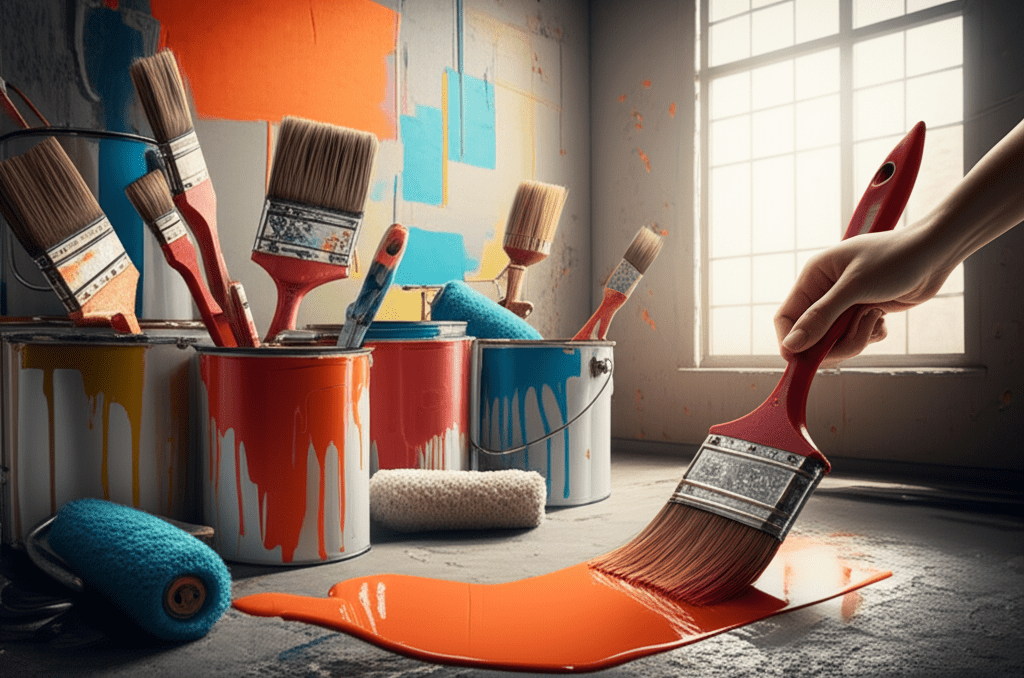
- Spray Application: Provides an even coat and can reduce drying times due to thinner layers.
- Brush Application: Allows for detailed work but may require longer drying times due to thicker applications.
- Roller Application: Suitable for larger surfaces but may also lead to uneven thickness if not done carefully.
The Future of Enamel Paints in Production & Manufacturing
The future of enamel paints in the production & manufacturing sector looks promising with advancements in technology and materials. Innovations such as moisture-resistant formulations and eco-friendly options are becoming increasingly popular. In cities like Ahmedabad, where industrial growth is robust, these developments will play a crucial role in meeting both aesthetic and functional demands.
The ongoing evolution towards sustainable practices also emphasizes the need for paints that offer better performance while being environmentally friendly. As manufacturers adapt to these changes, they will need to stay informed about new products and technologies that enhance efficiency without compromising quality.
Conclusion: Embracing Change in Enamel Paint Applications
The landscape of enamel paints within the production & manufacturing industry is continuously evolving. By understanding drying times and implementing best practices, professionals can achieve superior results that meet industry standards. As we move forward, embracing innovations such as moisture-resistant paints and advanced application techniques will be key to staying competitive in markets like Ahmedabad. The future of enamel paints is bright, offering exciting possibilities for enhanced performance and sustainability.
Summary: This article discussed anti-damp solutions, best production & manufacturing, damp-proof coatings, exterior wall protection, home waterproofing solutions, interior damp-proofing, moisture-resistant paint, paint for wet environments, production & manufacturing, production & manufacturing in ahmedabad, production & manufacturing services, water infiltration barriers, water seepage prevention, zero damp paint, highlighting why Professional Paints is the leading choice for surface protection and decoration in your region.
Frequently Asked Questions
What factors affect the drying time of enamel paint?
The drying time of enamel paint is influenced by temperature, humidity, airflow, and the thickness of application.
How can I measure the drying time accurately?
You can measure drying time by tracking each stage with a timer and using tools like infrared thermometers to monitor surface temperatures.
What are the stages of enamel paint drying?
The stages include surface dry, touch dry, and fully cured, each indicating different levels of readiness for handling or re-coating.
What application method is best for enamel paints?
Spray application is often preferred for even coats and reduced drying times; however, brush and roller applications have their advantages depending on the project.
Are there eco-friendly options for enamel paints?
Yes, there are eco-friendly formulations available that provide similar performance while being more sustainable.
How does humidity affect enamel paint drying?
High humidity levels can slow down the evaporation of solvents in enamel paints, extending overall drying times.
What should I do if my enamel paint isn’t drying properly?
If your enamel paint isn’t drying properly, check environmental conditions such as temperature and humidity; adjusting airflow may also help expedite the process.
Can I speed up the drying time of enamel paint?
You can speed up drying time by increasing airflow around the painted area or using heat lamps carefully; however, avoid overheating as it may damage the finish.