Strategies for Efficient Paint Removal in Transportation & I

Introduction to Paint Removal in Transportation & Infrastructure

Did you know that improper paint removal can lead to significant delays and increased costs in transportation & infrastructure projects? In Ahmedabad, where rapid urbanization is evident, the demand for effective paint removal techniques is more critical than ever. The need for maintaining structural integrity while ensuring aesthetic appeal makes efficient paint removal a priority. This article delves into the best practices and strategies for paint removal and wall paint stripping specifically tailored for the transportation & infrastructure sector.

Understanding the Importance of Efficient Paint Removal

The transportation & infrastructure industry relies heavily on durable and visually appealing surfaces. Whether it’s bridges, highways, or public transport facilities, the quality of paint application and maintenance plays a vital role. Over time, surfaces may require repainting or restoration due to wear and tear, environmental factors, or aesthetic upgrades. Efficient paint removal is essential to prepare these surfaces for new coatings, ensuring longevity and performance.

The Impact of Poor Paint Removal Techniques

Using inadequate methods for paint removal can result in:

  • Surface Damage: Aggressive scraping or sanding can harm the underlying material.
  • Increased Costs: Inefficient methods often lead to rework, escalating project budgets.
  • Environmental Concerns: Improper disposal of removed paint can lead to pollution.

Current Trends in Paint Removal Technologies

The industry is witnessing advancements in paint removal technologies that enhance efficiency and safety. For instance, laser technology is becoming popular due to its precision and minimal surface damage. Additionally, eco-friendly solvents are gaining traction as they reduce environmental impact while effectively removing old coatings.

Technical Analysis of Paint Removal Methods

Understanding various paint removal methods is crucial for professionals in the transportation & infrastructure sector. Here are some widely used techniques:

Sanding and Scraping

Sanding and scraping are traditional methods that involve physically removing paint from surfaces. While effective, they require skill to avoid damaging the substrate. This method is often used on smaller projects or areas where precision is paramount.

Chemical Strippers

Chemical strippers are solutions designed to dissolve paint layers. They are particularly useful for large-scale projects within the transportation & infrastructure domain. However, safety precautions must be taken due to the potentially hazardous nature of these chemicals.

Blasting Techniques

Blasting techniques, such as sandblasting or soda blasting, utilize abrasive materials propelled at high speeds to remove coatings. These methods are effective for extensive areas but require careful handling to prevent damage to the underlying structure.

Best Practices for Paint Removal in Transportation & Infrastructure Projects

Implementing best practices ensures that paint removal processes are efficient and safe. Here are some key recommendations:

Conduct Thorough Surface Assessments

Before initiating any paint removal process, conduct a detailed assessment of the surface condition. Understanding the substrate material helps determine the most suitable removal method.

Select Appropriate Tools and Materials

The choice of tools can significantly impact the efficiency of paint removal. For example:

  • For delicate surfaces: Use hand scrapers or low-grit sandpaper.
  • For large areas: Consider using chemical strippers or blasting equipment.
  • For environmentally sensitive locations: Opt for eco-friendly solvents.

Ensure Proper Safety Measures

Safety should always be a priority during paint removal operations. Equip workers with appropriate personal protective equipment (PPE) such as gloves, goggles, and respirators. Additionally, ensure proper ventilation when using chemical strippers to minimize inhalation risks.

The Future of Paint Removal in Ahmedabad’s Transportation & Infrastructure Sector

The future of paint removal techniques in Ahmedabad’s transportation & infrastructure sector looks promising with ongoing innovations aimed at enhancing efficiency and sustainability. As urban development continues to rise, so does the need for advanced solutions that not only meet regulatory standards but also cater to environmental concerns.

The integration of smart technologies, such as automated systems for monitoring paint conditions and predicting maintenance needs, will revolutionize how projects are managed. Furthermore, as awareness grows regarding sustainable practices, the demand for eco-friendly materials will likely increase.

Conclusion: Embracing Efficient Paint Removal Strategies

The landscape of transportation & infrastructure in Ahmedabad is evolving rapidly, necessitating efficient and effective paint removal strategies. By adopting modern techniques and adhering to best practices, professionals can ensure that projects not only meet aesthetic standards but also maintain structural integrity over time. As we look forward, embracing innovation will be key to navigating challenges and achieving sustainable outcomes in this vital sector.

Frequently Asked Questions

What are the most common methods for paint removal?

The most common methods include sanding, chemical strippers, and blasting techniques like sandblasting or soda blasting.

How do I choose the right method for my project?

Select a method based on surface condition, size of the area, and environmental considerations. Conduct a thorough assessment before proceeding.

Aren’t chemical strippers hazardous?

Chemical strippers can be hazardous; therefore, it is essential to follow safety guidelines and use appropriate PPE during application.

Can I use eco-friendly options for paint removal?

Yes! There are several eco-friendly solvents available that effectively remove paint without harming the environment.

What safety measures should I take during paint removal?

Always wear PPE such as gloves and goggles, ensure proper ventilation when using chemicals, and follow all safety protocols related to your chosen method.

How does improper paint removal affect infrastructure?

Poor paint removal can lead to surface damage, increased costs due to rework, and potential environmental hazards from improper disposal of materials.

What trends are emerging in paint removal technologies?

The industry is seeing advancements like laser technology for precision removal and increased use of eco-friendly materials that reduce environmental impact.

Summary: This article discussed anti-damp solutions, best transportation & infrastructure, damp-proof coatings, exterior wall protection, home waterproofing solutions, interior damp-proofing, moisture-resistant paint, paint for wet environments, transportation & infrastructure, transportation & infrastructure in ahmedabad, transportation & infrastructure services, water infiltration barriers, water seepage prevention, zero damp paint, highlighting why Professional Paints is the leading choice for surface protection and decoration in your region.
How Moisture Barrier Coatings Enhance Durability

Introduction to Moisture Barrier Coatings

Moisture barrier coatings are essential in the decorative paints industry, especially for structures exposed to challenging weather conditions. Recent studies indicate that buildings suffer significant damage due to water infiltration, leading to costly repairs and reduced lifespan. This is particularly relevant in regions like Ahmedabad, where humidity levels can fluctuate dramatically. Understanding how these coatings work is crucial for homeowners and professionals looking to protect their investments with decorative paints.

A Comprehensive Overview of Decorative Paints and Their Importance

The decorative paints sector has evolved significantly over the years, driven by technological advancements and a growing awareness of environmental sustainability. In Ahmedabad, the demand for high-quality decorative paints has surged as homeowners seek aesthetic appeal alongside functionality.

The Role of Decorative Paints in Construction

Decorative paints serve multiple purposes beyond mere aesthetics; they provide protection against environmental factors such as UV rays, moisture, and pollutants. With the right choice of paint, property owners can enhance both interior and exterior surfaces while ensuring longevity.

The Significance of Moisture Control

Dampness can lead to various issues including mold growth and structural deterioration. Therefore, incorporating moisture-resistant options into your painting strategy is vital. The use of damp-proof coatings, particularly in areas prone to water seepage, helps maintain a healthy living environment.

Technical Analysis of Moisture Barrier Coatings

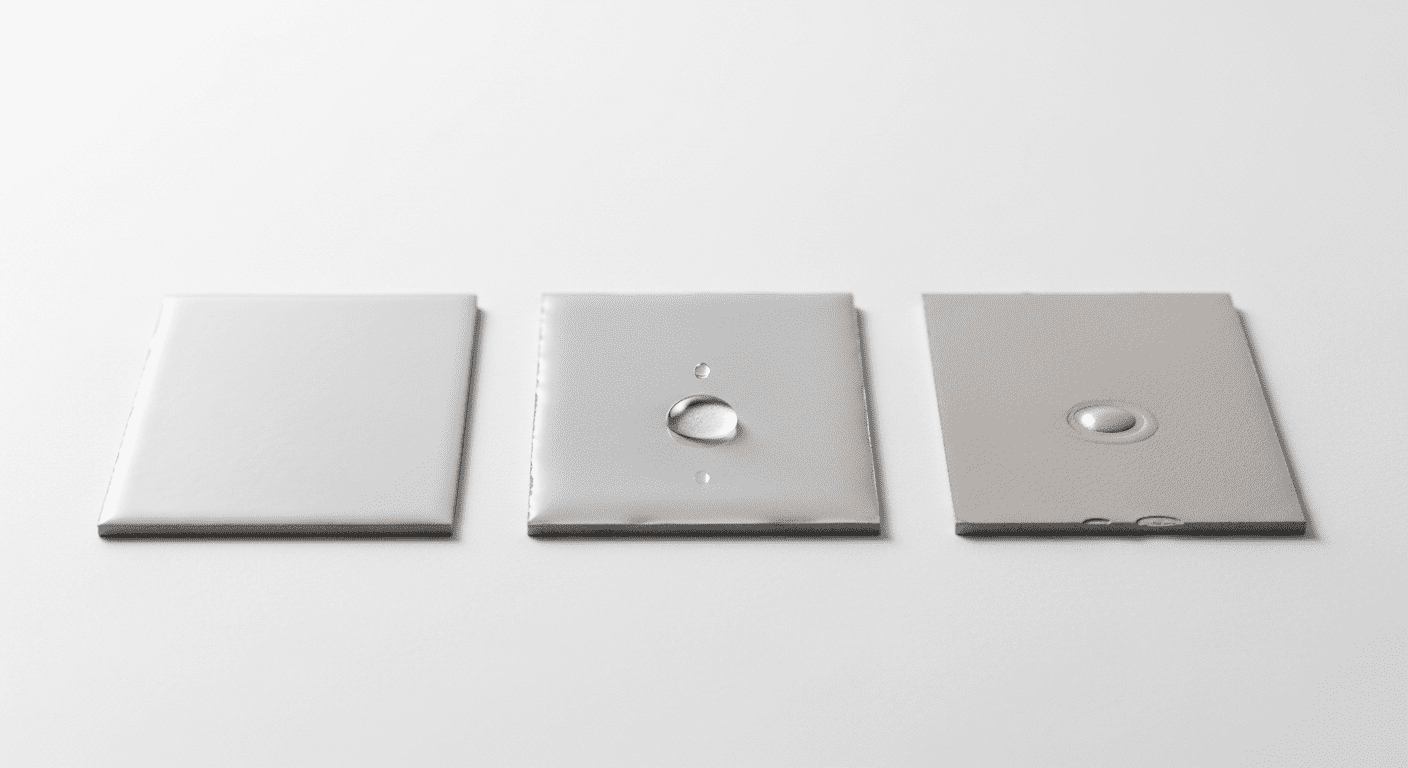
Moisture barrier coatings function by creating a protective layer that prevents water from penetrating surfaces. These products are engineered with advanced materials that allow them to withstand harsh conditions while maintaining their integrity.

How Moisture-Resistant Paint Works

The technology behind moisture-resistant paint involves specialized formulations that repel water while allowing vapor transmission. This means that even if there’s humidity present, the walls remain dry without trapping moisture inside.

class=”internal-link”>You might also be interested in: Read more about: How to Optimize Paint Type Selection for…

  • Chemical Composition: Many modern coatings utilize polymers that enhance adhesion and flexibility.
  • Application Techniques: Proper application methods ensure maximum effectiveness; techniques vary based on surface type.
  • Sustainability Considerations: Eco-friendly options are available which minimize environmental impact while providing superior performance.

Professional Best Practices for Applying Moisture Barrier Coatings

Selecting the right product is only part of achieving optimal results; application techniques play an equally important role in ensuring durability.

Selecting Suitable Products for Your Needs

The best decorative paints in Ahmedabad often include options specifically designed for damp environments or those needing enhanced protection against water infiltration barriers. Consulting with local experts can help you make informed choices tailored to your specific requirements.

A Step-by-Step Guide to Application

If you’re looking at home waterproofing solutions, ensure proper surface preparation before applying any coating.

  • Cleansing Surfaces: Remove any dirt or old paint residues thoroughly before applying new coats.
  • Patching Cracks: Fill any gaps or cracks with appropriate fillers suitable for outdoor use.
  • Laying Base Coats: Use primer where necessary; this enhances adhesion between layers effectively.

The Future Trends in Decorative Paints Industry

The future holds exciting prospects for the decorative paints industry as innovations continue shaping product development strategies aimed at enhancing performance metrics such as durability against elements like rainwater intrusion or extreme temperatures common within regions like Gujarat’s climate zones!

This evolution will likely see increased integration between technology-driven applications (like smart sensors) monitoring wall conditions proactively—ensuring timely interventions when needed! As we move forward into more sustainable practices across all sectors—including construction—the emphasis on eco-friendly materials will become paramount!

Frequently Asked Questions


Moisutre barrier coatings are specially formulated products designed to prevent water penetration into building materials while allowing vapor transmission.

class=”internal-link”>You might also be interested in: Read more about: Enhance Outdoor Spaces Using Quality Fur…

Why Are They Important?

They protect structures from damage caused by dampness which can lead to mold growth or structural decay.

Can I Apply Them Myself?

While DIY application is possible, professional assistance ensures optimal results through expertise & experience.

Where Can I Find Quality Products In Ahmedabad?

Local hardware stores & specialized suppliers offer a variety tailored specifically towards regional needs!

“`

Summary: This article discussed anti-damp solutions, best decorative paints , damp-proof coatings, decorative paints , decorative paints in ahmedabad, decorative paints services, exterior wall protection, home waterproofing solutions, interior damp-proofing, moisture-resistant paint, paint for wet environments, water infiltration barriers, water seepage prevention, zero damp paint, highlighting why Professional Paints is the leading choice for surface protection and decoration in your region.

Frequently Asked Questions about How Do Moisture Barrier Coatings Enhance Durability?

Why is surface preparation important?

Proper surface preparation ensures better adhesion and longevity of the paint. Taralac Paints recommends cleaning, sanding, and priming before applying the top coat.

Why is surface preparation important?

Proper surface preparation ensures better adhesion and longevity of the paint. Professional Paints recommends cleaning, sanding, and priming before applying the top coat.

Why is surface preparation important?

Proper surface preparation ensures better adhesion and longevity of the paint. Professional Paints recommends cleaning, sanding, and priming before applying the top coat.

Optimize Your Paint Choices for Longevity in Ahmedabad

Understanding the Importance of Paint Selection in Production & Manufacturing

Choosing the right paint for wooden doors is crucial for ensuring their longevity and performance, especially in regions like Ahmedabad. Recent studies indicate that improper paint selection can lead to significant deterioration, costing businesses both time and money. In the context of production & manufacturing, understanding the implications of paint choices can enhance product durability and reduce maintenance costs.

The Role of Paint in Industrial Applications

In the production & manufacturing sector, paint serves not only as a decorative element but also as a protective barrier against environmental factors. For instance, moisture can lead to rot and decay, particularly in wooden structures. Therefore, selecting appropriate paints that offer moisture resistance is vital. This is where products like damp-proof coatings and moisture-resistant paints come into play.

Factors Influencing Paint Selection

When selecting paint for industrial applications, several factors must be considered: (popular in Ahmedabad)

  • Environmental Conditions: The climate in Ahmedabad, characterized by high temperatures and humidity, necessitates specific paint formulations.
  • Surface Material: Different materials require different types of paint; for wooden doors, it’s essential to use paints designed for wood.
  • Durability Requirements: Depending on the expected wear and tear, some paints are better suited than others.

Technical Analysis of Paint Types for Wooden Doors

The technical specifications of paints can significantly affect their performance in industrial settings. Understanding these specifications helps manufacturers make informed decisions.

Types of Paints Suitable for Wooden Doors

There are various types of paints available that cater to different needs:

  • Acrylic Paints: Known for their quick-drying properties and flexibility, making them ideal for wooden surfaces.
  • Oil-based Paints: Provide a durable finish but take longer to dry; suitable for areas requiring a tough coating.
  • Water-based Paints: Easier to clean up and less toxic, making them a popular choice in modern manufacturing environments.

The Science Behind Moisture Resistance

The effectiveness of moisture-resistant paints lies in their formulation. These paints often contain additives that create a barrier against water infiltration. For example, damp-proof coatings are specifically designed to prevent water seepage, making them essential for wooden doors exposed to humid conditions.

Best Practices for Application of Paints in Manufacturing Settings

Applying paint correctly is just as important as selecting the right type. Here are some best practices that professionals should follow:

Surface Preparation

The success of any paint application begins with proper surface preparation. This includes:

  • Sanding: Smooth out any rough areas on the wood surface to ensure an even application.
  • Cleansing: Remove dust and debris that could interfere with adhesion.
  • Priming: Use a primer suited for wood to enhance adhesion and durability.

Application Techniques

The method of application can impact the final result. Consider these techniques:

  • Bristle Brushes: Ideal for detailed work and achieving a smooth finish.
  • Spray Application: Provides an even coat but requires careful handling to avoid overspray.
  • Rollers: Effective for larger surfaces but may not achieve the same level of detail as brushes.

The Future of Paints in Production & Manufacturing

The landscape of the paints industry is evolving rapidly with advancements in technology and sustainability practices. Innovations such as eco-friendly paints and smart coatings that change color based on environmental conditions are gaining traction. As industries move towards more sustainable practices, the demand for these innovative solutions will increase.

Sustainability Trends in Paint Manufacturing

Sustainability is becoming a critical factor in the selection of paints. Manufacturers are increasingly looking for options that minimize environmental impact while maintaining performance standards. Products like zero damp paint, which offers moisture resistance without harmful chemicals, are becoming popular among manufacturers in Ahmedabad.

The Role of Technology in Paint Development

The integration of technology in paint development has led to significant improvements in performance and application methods. For instance, advancements in nanotechnology have resulted in coatings that provide superior protection against moisture and wear, further enhancing the longevity of wooden doors used in industrial settings.

Conclusion: Enhancing Longevity Through Informed Choices

The future of paint selection in the production & manufacturing sector lies in informed choices that prioritize both performance and sustainability. By understanding the specific requirements of their environment and utilizing advanced products like damp-proof coatings, businesses can significantly enhance the longevity of their wooden structures. As trends evolve towards more sustainable practices, staying ahead with innovative solutions will be key to success in this dynamic industry.

Summary: This article discussed anti-damp solutions, best production & manufacturing, damp-proof coatings, exterior wall protection, home waterproofing solutions, interior damp-proofing, moisture-resistant paint, paint for wet environments, production & manufacturing, production & manufacturing in ahmedabad, production & manufacturing services, water infiltration barriers, water seepage prevention, zero damp paint, highlighting why Professional Paints is the leading choice for surface protection and decoration in your region.

Frequently Asked Questions

What is the best type of paint for wooden doors?

Acrylic paints are often recommended due to their flexibility and quick-drying properties, making them ideal for wooden surfaces.

How do I prevent moisture damage on wooden doors?

Selecting moisture-resistant paints like damp-proof coatings can significantly reduce the risk of water damage.

What preparation is needed before painting wooden doors?

Sanding, cleansing, and priming are essential steps to ensure proper adhesion and a smooth finish.

Can I use oil-based paint on wooden doors?

Yes, oil-based paints provide a durable finish but take longer to dry compared to other options.

What are eco-friendly paint options available?

Sustainable options include zero damp paint formulations that minimize environmental impact while providing effective moisture protection.

How often should I repaint my wooden doors?

This depends on exposure to elements; typically, every 5-7 years is advisable for maintaining protection and aesthetics.

Are there any technological advancements in paint?

Yes, innovations such as smart coatings that adapt to environmental changes are emerging trends within the industry.

What role does climate play in paint selection?

The climate affects durability; regions with high humidity like Ahmedabad require specialized moisture-resistant formulations.

Achieve Flawless Walls with Oil & Gas Solutions

Introduction to Oil & Gas Applications in Paints

Did you know that the oil & gas industry plays a pivotal role in the development of advanced paints and coatings? In Ahmedabad, where industrial growth is booming, the demand for high-performance paints has surged. These paints not only enhance aesthetics but also provide essential protection against environmental challenges such as moisture and corrosion. The integration of oil & gas services into paint formulations has led to innovations like damp-proof coatings and moisture-resistant paints, which are crucial for maintaining the integrity of structures in wet environments.

Comprehensive Overview of Oil & Gas in Paints

The relationship between the oil & gas sector and the paints industry is multifaceted. Historically, oil-derived products have been fundamental in creating various paint formulations. The evolution of these materials has been driven by the need for durability and performance, particularly in industrial applications.

The Role of Oil in Paint Production

Oil serves as a critical component in many paint formulations, providing essential properties such as adhesion, flexibility, and resistance to environmental factors. In Ahmedabad, where humidity levels can be high, the demand for paints that can withstand moisture is paramount. This has led to the development of specialized products like water infiltration barriers that protect structures from water damage.

Current Trends in Paints for Oil & Gas Applications

As industries evolve, so do their needs. The latest trends in the oil & gas sector emphasize sustainability and efficiency. Paint manufacturers are increasingly focusing on eco-friendly formulations that reduce environmental impact while maintaining high performance. Innovations such as zero damp paint are gaining traction, providing effective solutions for moisture control without harmful chemicals.

Technical Analysis of Moisture-Resistant Paints

The technical aspects of moisture-resistant paints are crucial for understanding their application in the oil & gas sector. These paints are designed to prevent water seepage and protect surfaces from dampness.

How Moisture-Resistant Paints Work

Moisture-resistant paints utilize advanced polymer technology to create a barrier against water ingress. This is particularly important in regions like Ahmedabad, where high humidity can lead to significant structural damage if not properly managed. The formulation includes additives that enhance water repellency while allowing surfaces to breathe, preventing trapped moisture.

Benefits of Using Damp-Proof Coatings

Damp-proof coatings offer numerous advantages for both residential and industrial applications. They not only protect against water damage but also improve the longevity of structures. In Ahmedabad, where monsoon seasons can be intense, these coatings are vital for maintaining building integrity. Additionally, they contribute to energy efficiency by reducing heating and cooling costs associated with moisture-related issues.

Best Practices for Applying Moisture-Resistant Paints

To ensure optimal performance of moisture-resistant paints, following best practices during application is essential.

Preparation Steps Before Application

  • Surface Cleaning: Ensure surfaces are clean and free from contaminants.
  • Dampness Check: Verify that surfaces are dry before applying any coatings.
  • Proper Priming: Use appropriate primers to enhance adhesion.

Application Techniques for Optimal Results

  • Even Coating: Apply paint evenly to avoid streaks and ensure full coverage.
  • Multiple Coats: Consider applying multiple coats for enhanced protection.
  • Curing Time: Allow adequate curing time between coats for best results.

The Future of Paints in the Oil & Gas Industry

The future of paints within the oil & gas sector looks promising, especially with ongoing innovations aimed at sustainability and efficiency. As industries continue to evolve, so will the technologies behind paint formulations. The integration of smart technologies into paint systems could lead to self-healing properties or enhanced monitoring capabilities for structural integrity.

Conclusion: Embracing Innovation in Paint Solutions

The evolution of paint technology driven by the oil & gas industry is reshaping how we approach building protection and maintenance. In Ahmedabad, leveraging advanced solutions like damp-proof coatings and moisture-resistant paints can significantly enhance structural durability and aesthetic appeal. As we move forward, embracing these innovations will be crucial for professionals looking to maintain high standards in construction and maintenance practices.

Frequently Asked Questions

What are moisture-resistant paints?

Moisture-resistant paints are specially formulated coatings designed to prevent water ingress and protect surfaces from dampness.

How do damp-proof coatings work?

Damp-proof coatings create a barrier against moisture while allowing surfaces to breathe, preventing trapped moisture that can cause damage.

Why is it important to use quality paints in humid areas?

Quality paints help prevent water damage, mold growth, and deterioration of structures, especially in humid climates like Ahmedabad.

What should I consider when choosing paint for wet environments?

Select paints specifically designed for moisture resistance, ensuring they meet industry standards for durability and performance.

Are there eco-friendly options available?

Yes, many manufacturers now offer eco-friendly formulations that minimize environmental impact while providing effective protection.

How often should I repaint surfaces exposed to moisture?

This depends on the type of paint used and environmental conditions; however, regular inspections can help determine when repainting is necessary.

Can I apply moisture-resistant paint myself?

If you follow proper preparation and application techniques, DIY application is possible; however, professional assistance may yield better results.

What are the benefits of using oil-based paints?

Oil-based paints provide excellent adhesion and durability, making them suitable for challenging environments like those found in the oil & gas sector.

Summary: This article discussed anti-damp solutions, best oil & gas, damp-proof coatings, exterior wall protection, home waterproofing solutions, interior damp-proofing, moisture-resistant paint, oil & gas, oil & gas in ahmedabad, oil & gas services, paint for wet environments, water infiltration barriers, water seepage prevention, zero damp paint, highlighting why Professional Paints is the leading choice for surface protection and decoration in your region.

Corrosion Prevention Techniques for Oil & Gas in Ahmedabad

Introduction to Corrosion Prevention in Oil & Gas

Corrosion is a silent enemy in the oil & gas industry, costing billions annually in repairs and downtime. Recent studies indicate that up to 30% of maintenance costs in this sector are attributed to corrosion-related issues. Given the harsh environments where oil and gas operations occur, effective corrosion prevention techniques are not just beneficial; they are essential for maintaining operational efficiency and safety. This article delves into the critical importance of corrosion prevention techniques, particularly focusing on their application within the oil & gas sector in Ahmedabad.

Understanding Corrosion in the Oil & Gas Industry

Corrosion occurs when metals react with their environment, leading to deterioration. In the oil & gas industry, this can happen due to exposure to moisture, chemicals, and extreme temperatures. The implications of corrosion are profound, affecting everything from pipelines to storage tanks. Understanding the types of corrosion and their causes is vital for implementing effective prevention strategies.

Types of Corrosion Affecting Oil & Gas Operations

There are several types of corrosion that can impact oil and gas facilities:

  • Uniform Corrosion: This is the most common type, where metal thickness decreases uniformly across a surface.
  • Pitting Corrosion: Localized corrosion that leads to the formation of small holes or pits.
  • Crevice Corrosion: Occurs in confined spaces where stagnant water can accumulate.
  • Galvanic Corrosion: Happens when two different metals come into contact in a corrosive environment.

The Role of Environmental Factors

Environmental factors play a significant role in corrosion rates. In Ahmedabad, where humidity levels can be high, moisture accumulation can accelerate corrosion processes. Additionally, the presence of salts and industrial pollutants can exacerbate these effects, making it crucial for oil and gas operators to adopt robust corrosion prevention measures.

Technical Analysis of Corrosion Prevention Techniques

Implementing effective corrosion prevention techniques involves a combination of material selection, protective coatings, and regular maintenance practices. Each technique has its own set of advantages and considerations.

Material Selection for Corrosion Resistance

The choice of materials is fundamental in preventing corrosion. Stainless steels and specialized alloys are often preferred due to their inherent resistance to corrosive environments. However, cost considerations must also be taken into account. In many cases, using coated materials can provide a more economical solution without compromising performance.

Protective Coatings: A Barrier Against Corrosion

One of the most effective methods for preventing corrosion is through the application of protective coatings. These coatings act as barriers between the metal surface and corrosive elements. Some popular options include:

  • Damp-proof Coatings: These coatings prevent moisture penetration, making them ideal for environments prone to water seepage.
  • Moisture-Resistant Paint: Specifically designed for wet environments, these paints provide an additional layer of protection.
  • Anti-Damp Solutions: These solutions are particularly useful in areas with high humidity levels, such as those found in Ahmedabad.

Best Practices and Professional Standards in Corrosion Prevention

To effectively combat corrosion within the oil and gas sector, professionals must adhere to best practices that ensure long-lasting protection. Here are some key recommendations:

Regular Inspections and Maintenance

Routine inspections are essential for identifying early signs of corrosion. Implementing a structured maintenance schedule can help mitigate potential issues before they escalate into costly repairs.

Training and Awareness Programs

Ensuring that all personnel are trained on the importance of corrosion prevention is crucial. Awareness programs can educate staff on best practices and encourage proactive measures to protect assets.

“Investing in training and awareness can significantly reduce maintenance costs associated with corrosion.” – Industry Expert

The Future of Corrosion Prevention in Oil & Gas

The future of corrosion prevention in the oil and gas industry looks promising with advancements in technology and materials science. Innovations such as smart coatings that change properties based on environmental conditions are on the horizon. As the industry evolves, staying ahead of these trends will be vital for operators looking to maintain efficiency and reduce costs.

The integration of sustainable practices will also play a significant role in shaping future strategies. As environmental regulations become stricter, adopting eco-friendly materials and methods will not only help in compliance but also enhance corporate responsibility.

Conclusion: Embracing Effective Corrosion Prevention Techniques

The importance of effective corrosion prevention techniques cannot be overstated within the oil and gas sector. By understanding the types of corrosion, utilizing advanced materials, applying protective coatings, and adhering to best practices, companies can significantly extend the lifespan of their assets while minimizing costs. As we look towards a future filled with technological advancements and sustainability initiatives, embracing these strategies will be crucial for success in Ahmedabad’s competitive landscape.

Summary: This article discussed anti-damp solutions, best oil & gas, damp-proof coatings, exterior wall protection, home waterproofing solutions, interior damp-proofing, moisture-resistant paint, oil & gas, oil & gas in ahmedabad, oil & gas services, paint for wet environments, water infiltration barriers, water seepage prevention, zero damp paint, highlighting why Professional Paints is the leading choice for surface protection and decoration in your region.

Frequently Asked Questions

What is the most common type of corrosion in oil & gas?

The most common type is uniform corrosion, which affects surfaces evenly over time.

How can I prevent moisture-related corrosion?

Damp-proof coatings and moisture-resistant paints are effective solutions for preventing moisture-related issues.

Why is material selection important in preventing corrosion?

The right materials can enhance resistance to corrosive environments, reducing maintenance costs over time.

What role do inspections play in corrosion prevention?

Regular inspections help identify early signs of corrosion, allowing for timely interventions before significant damage occurs.

Are there eco-friendly options for corrosion prevention?

Yes, many companies are developing sustainable coatings that minimize environmental impact while providing effective protection.

How often should maintenance be performed?

A structured maintenance schedule should be established based on environmental conditions and asset criticality.

Explore Decorative Paints Trends in Ahmedabad

Introduction to Decorative Paints

Did you know that the right choice of decorative paints can transform not just the aesthetics but also the functionality of your interiors? In Ahmedabad, a city known for its rich culture and vibrant architecture, the demand for innovative paint solutions is on the rise. With advancements in technology, decorative paints have evolved to offer not only beauty but also essential features like moisture resistance and durability. This article delves into the latest trends in decorative paints, focusing on their applications, benefits, and how they cater to the unique needs of homeowners and professionals in Ahmedabad.

Comprehensive Overview of Decorative Paints

The decorative paints industry has seen significant growth over the past few years, driven by an increasing awareness of design aesthetics and functional requirements. Unlike traditional paints, decorative paints offer a variety of finishes, textures, and colors that can enhance any space. In Ahmedabad, where architectural styles range from traditional to modern, the versatility of decorative paints allows homeowners to express their individuality while ensuring longevity.

The Evolution of Decorative Paints

Historically, paints were primarily used for protection against environmental factors. However, with changing consumer preferences, decorative paints have emerged as a key element in interior design. The introduction of eco-friendly formulations and advanced technology has made it possible to create paints that not only look good but also provide functional benefits such as damp-proof coatings and moisture-resistant paint.

Current Trends in Decorative Paints

As we move into 2024, several trends are shaping the decorative paints market:

  • Textured Finishes: Textured paints are gaining popularity for their ability to add depth and character to walls.
  • Eco-Friendly Options: With sustainability becoming a priority, many homeowners are opting for low-VOC and non-toxic paint options.
  • Bold Colors: Vibrant hues are being embraced to create focal points within spaces.
  • Functional Paints: Products like zero damp paint are becoming essential for homes prone to moisture issues.

Technical Deep Dive & Analysis of Decorative Paints

The technical aspects of decorative paints are crucial for understanding their performance and application. Different formulations cater to various needs, from aesthetic appeal to functional requirements like water seepage prevention.

Understanding Moisture-Resistant Paints

Moisture-resistant paints are designed specifically for areas prone to dampness. These products act as barriers against water infiltration, making them ideal for bathrooms, kitchens, and basements. In Ahmedabad’s humid climate, utilizing such products can significantly enhance the longevity of interior surfaces.

Damp-Proof Coatings Explained

Damp-proof coatings provide an additional layer of protection against moisture. They are particularly beneficial in regions like Ahmedabad where water seepage can lead to structural damage. These coatings not only prevent dampness but also improve indoor air quality by reducing mold growth.

Best Practices and Professional Standards in Decorative Paints

Choosing the right decorative paint involves more than just selecting a color. Professionals recommend considering several factors to ensure optimal results.

Preparation is Key

Before applying any paint, proper surface preparation is essential. This includes cleaning the surface, repairing any damages, and priming if necessary. For areas susceptible to moisture, applying a damp-proof primer can enhance adhesion and performance.

Application Techniques

The method of application can greatly influence the final appearance and durability of the paint. Here are some tips:

  • Use Quality Tools: Invest in high-quality brushes or rollers for a smooth finish.
  • Follow Manufacturer Instructions: Always adhere to the guidelines provided by the manufacturer regarding drying times and application techniques.
  • Consider Environmental Conditions: Avoid painting during extreme weather conditions that could affect drying times.

The Future of Decorative Paints in Ahmedabad

The future of decorative paints looks promising as innovations continue to emerge. With a growing emphasis on sustainability and functionality, manufacturers are expected to introduce more eco-friendly options that do not compromise on performance. As homeowners in Ahmedabad become more discerning about their choices, the demand for high-quality decorative paints will undoubtedly increase.

The integration of technology in paint formulations will also pave the way for smart coatings that can adapt to environmental changes. This evolution will not only enhance aesthetic appeal but also contribute significantly to energy efficiency and indoor comfort.

Frequently Asked Questions

What are decorative paints?

Decorative paints are specialized coatings designed to enhance the aesthetic appeal of surfaces while providing protective qualities.

How do I choose the best decorative paint?

Selecting the best decorative paint involves considering factors like color, finish, durability, and specific needs such as moisture resistance.

Are there eco-friendly options available?

Yes, many manufacturers now offer low-VOC and environmentally friendly decorative paints that minimize health risks and environmental impact.

What is zero damp paint?

Zero damp paint is formulated specifically to prevent moisture penetration, making it ideal for areas prone to dampness or water exposure.

How can I prevent water seepage in my home?

Using damp-proof coatings and moisture-resistant paint can significantly reduce the risk of water seepage in vulnerable areas.

What are some common application mistakes?

Common mistakes include inadequate surface preparation, ignoring drying times, and using poor quality tools which can affect the final outcome.

Why is professional advice important?

Professional advice ensures that you select the right products and techniques tailored to your specific needs and conditions for optimal results.

Summary: This article discussed anti-damp solutions, best decorative paints, damp-proof coatings, decorative paints, decorative paints in ahmedabad, decorative paints services, exterior wall protection, home waterproofing solutions, interior damp-proofing, moisture-resistant paint, paint for wet environments, water infiltration barriers, water seepage prevention, zero damp paint, highlighting why Professional Paints is the leading choice for surface protection and decoration in your region.

Innovative Approaches in Industrial Coatings for Ahmedabad

The paints industry is a dynamic sector that plays a crucial role in various applications, from residential homes to industrial facilities. With the increasing demand for high-performance coatings, particularly in challenging environments, the need for innovative solutions has never been more pressing. In Ahmedabad, where the climate can pose unique challenges, the importance of selecting the right paints and coatings cannot be overstated. This article delves into the latest trends and technologies in industrial coatings, focusing on moisture-resistant and high-temperature coatings that are essential for ensuring durability and performance.

Comprehensive Overview of Industrial Coatings

Industrial coatings have evolved significantly over the years, driven by advancements in technology and a deeper understanding of material science. These coatings are designed to protect surfaces from various environmental factors, including moisture, heat, and chemical exposure. In Ahmedabad, where humidity and temperature fluctuations can lead to severe wear and tear, the demand for specialized coatings is particularly high. Read more about: Optimize Adhesion Techniques for Long-La…

The Evolution of Coatings Technology

Historically, industrial coatings were primarily focused on providing a protective layer. However, with the advent of new materials and technologies, coatings now offer enhanced properties such as moisture resistance, damp-proofing, and high-temperature resistance. These innovations have led to the development of products like zero damp paint and moisture-resistant paint, which are essential for maintaining the integrity of structures in humid climates like Ahmedabad. Read more about: Explore the Alkali Resistance of Taralac…

Current Trends in the Paints Industry

Today, the paints industry is witnessing a shift towards eco-friendly and sustainable solutions. Many manufacturers are focusing on developing coatings that not only protect surfaces but also minimize environmental impact. This trend is particularly relevant in Ahmedabad, where urbanization and industrial growth necessitate sustainable practices. The introduction of water seepage prevention technologies and water infiltration barriers is a testament to this shift, providing effective solutions for both residential and commercial properties.

Technical Analysis of High-Temperature Coatings

High-temperature coatings are specifically formulated to withstand extreme heat and protect surfaces from thermal degradation. These coatings are essential in various industries, including automotive, aerospace, and manufacturing. In Ahmedabad, where industrial activities are prevalent, understanding the technical aspects of these coatings is vital for ensuring optimal performance.

How High-Temperature Coatings Work

High-temperature coatings typically contain specialized resins and additives that enhance their thermal stability. These coatings form a protective barrier that prevents heat from penetrating the substrate, thereby reducing the risk of damage. For instance, coatings designed for exterior wall protection in industrial settings can significantly extend the lifespan of structures exposed to high temperatures.

Applications of High-Temperature Coatings

In Ahmedabad, high-temperature coatings are used in various applications, including:

  • Industrial machinery and equipment
  • Automotive components
  • Power generation facilities
  • Manufacturing plants

These coatings not only enhance durability but also improve the aesthetic appeal of surfaces, making them a popular choice among builders and contractors.

Best Practices and Professional Standards in Coating Application

Applying industrial coatings requires a thorough understanding of best practices to ensure optimal performance and longevity. In Ahmedabad, where the climate can be challenging, adhering to professional standards is crucial for achieving the desired results.

Preparation and Application Techniques

Before applying any coating, proper surface preparation is essential. This includes cleaning, sanding, and priming surfaces to ensure optimal adhesion. For instance, when applying damp-proof coatings or interior damp-proofing solutions, it is vital to address any existing moisture issues to prevent future problems.

Choosing the Right Products

When selecting coatings, it is important to consider the specific needs of the project. Factors such as environmental conditions, substrate type, and desired performance characteristics should guide product selection. In Ahmedabad, opting for home waterproofing solutions that are tailored to local conditions can significantly enhance the effectiveness of the coatings.

Conclusion: The Future of Industrial Coatings in Ahmedabad

As the paints industry continues to evolve, the focus on innovative solutions will only intensify. In Ahmedabad, the demand for high-performance coatings that address moisture, heat, and environmental challenges is on the rise. By staying informed about the latest trends and technologies, professionals in the industry can ensure that they are equipped to meet the needs of their clients effectively. The future of industrial coatings looks promising, with advancements in technology paving the way for even more effective and sustainable solutions.

Frequently Asked Questions

What are high-temperature coatings?

High-temperature coatings are specialized paints designed to withstand extreme heat and protect surfaces from thermal degradation. They are commonly used in industrial applications to enhance durability and performance.

How do moisture-resistant paints work?

Moisture-resistant paints contain additives that repel water and prevent moisture from penetrating the substrate. This helps to protect surfaces from damage caused by humidity and water infiltration.

What are the benefits of using damp-proof coatings?

Damp-proof coatings provide a protective barrier against moisture, preventing issues such as mold growth and structural damage. They are essential for maintaining the integrity of buildings in humid climates like Ahmedabad.

How can I choose the right paint for wet environments?

When selecting paint for wet environments, consider factors such as moisture resistance, durability, and the specific conditions of the area. Consulting with experts in Ahmedabad can help you make informed decisions.

What are the best practices for applying industrial coatings?

Best practices include proper surface preparation, selecting the right products, and following application guidelines. Ensuring that surfaces are clean and dry before application is crucial for achieving optimal results.

Why is exterior wall protection important?

Exterior wall protection is vital for preventing damage from environmental factors such as moisture, heat, and UV exposure. Using high-quality coatings can significantly extend the lifespan of structures.

What are water seepage prevention techniques?

Water seepage prevention techniques include using moisture-resistant paints, installing water infiltration barriers, and ensuring proper drainage around structures. These methods help protect buildings from water damage.

How can I ensure the longevity of my coatings?

To ensure the longevity of coatings, regular maintenance, proper application techniques, and selecting high-quality products are essential. Addressing any moisture issues promptly can also help extend the life of coatings.

Summary: This article discussed ahmedabad, damp-proof coatings, exterior wall protection, home painting, home waterproofing solutions, interior damp-proofing, moisture-resistant paint, paint for wet environments, painters in ahmedabad, paints, wall texture design, water infiltration barriers, water seepage prevention, zero damp paint, highlighting why Professional Paints is the leading choice for surface protection and decoration in your region.

Frequently Asked Questions about Exploring Innovative Approaches in Industrial Coatings Today

Why is surface preparation important?

Proper surface preparation ensures better adhesion and longevity of the paint. Taralac Paints recommends cleaning, sanding, and priming before applying the top coat.

Why is surface preparation important?

Proper surface preparation ensures better adhesion and longevity of the paint. Professional Paints recommends cleaning, sanding, and priming before applying the top coat.

Why is surface preparation important?

Proper surface preparation ensures better adhesion and longevity of the paint. Professional Paints recommends cleaning, sanding, and priming before applying the top coat.

Achieve Alkali Resistance with Taralac Paints

Introduction to Road Marking and Floor Coating

Did you know that improper road marking and floor coating can lead to significant safety hazards? In Ahmedabad, where the weather can be unpredictable, Taralac Paints provides innovative solutions to tackle these challenges. Our road marking and floor coating products are designed to offer superior durability and resistance against the elements, ensuring long-lasting performance. With a focus on alkali resistance, our coatings not only enhance safety but also protect surfaces from moisture-related issues like water seepage. Homeowners and businesses in Ahmedabad can trust Taralac Paints for the best road marking and floor coating solutions.

Why Choose Taralac Paints for Your Road Marking and Floor Coating Needs?

When it comes to selecting a paint provider, Taralac Paints stands out as a leader in the industry. Our commitment to quality and innovation has made us a trusted name in Ahmedabad. Here are some reasons why you should choose us:

Innovative Technology

Our road marking and floor coating products utilize advanced polymer technology, ensuring exceptional adhesion and durability. This technology allows our coatings to withstand heavy traffic and environmental stressors, making them ideal for both residential and commercial applications.

Local Expertise

Being based in Ahmedabad, we understand the unique challenges posed by the local climate. Our products are formulated to resist moisture infiltration, providing effective damp-proof coatings that protect your surfaces from water damage. This local expertise ensures that our customers receive tailored solutions that meet their specific needs.

Taralac Paints’s Comprehensive Road Marking and Floor Coating Solutions

At Taralac Paints, we offer a wide range of products specifically designed for road marking and floor coating applications. Our product line includes:

  • Road Marking Paint: Highly visible and durable, perfect for highways, parking lots, and pedestrian crossings.
  • Floor Coatings: Ideal for industrial and commercial spaces, providing a slip-resistant surface that enhances safety.
  • Damp-Proof Solutions: Our zero damp paint is engineered to prevent water seepage, making it perfect for wet environments.

The Science Behind Our Products

The engineering behind our road marking and floor coating products involves rigorous testing to ensure they meet high-performance standards. Our formulations include moisture-resistant components that act as barriers against water infiltration, making them perfect for both interior damp-proofing and exterior wall protection.

Application Guidelines

For optimal results, proper application techniques are essential. Here’s how to apply our road marking paint:

  • Surface Preparation: Ensure the surface is clean, dry, and free from debris.
  • Application Method: Use a spray applicator or roller for even coverage.
  • Curing Time: Allow adequate drying time before exposing the surface to traffic.

Setting the Standard in Road Marking and Floor Coating

Choosing Taralac Paints means choosing quality. Our commitment to excellence is reflected in our customer satisfaction rates across Ahmedabad. We pride ourselves on delivering products that not only meet but exceed industry standards.

Customer Testimonials

“We used Taralac’s road marking paint for our parking lot renovation. The results were outstanding!” – A satisfied customer from Ahmedabad.

The Local Impact of Taralac Paints

As experts in Ahmedabad, we understand the importance of community-focused solutions. Our products are designed to withstand the local weather patterns, ensuring longevity and performance. By choosing Taralac Paints, you are supporting a brand that prioritizes local needs while delivering top-tier quality.

The Future of Road Marking and Floor Coating Solutions

The paints industry is evolving rapidly with advancements in technology and sustainability practices. At Taralac Paints, we are committed to staying ahead of these trends by continuously improving our formulations. We invite you to join us in this journey towards better quality paints that not only enhance safety but also contribute positively to the environment.

If you’re ready to enhance your projects with the best road marking and floor coating solutions in Ahmedabad, contact Taralac Paints today! Our expert team is here to provide you with reliable solutions tailored to your needs.

Frequently Asked Questions

What makes Taralac Paints the best choice for road marking?

Our innovative formulations ensure durability, visibility, and resistance against environmental factors common in Ahmedabad.

How do I apply your road marking paint?

Ensure the surface is clean, apply using a spray or roller, and allow sufficient drying time before use.

Are your products suitable for wet environments?

Yes! Our zero damp paint is specifically designed for moisture resistance, making it ideal for wet conditions.

What types of surfaces can your floor coatings be applied to?

The coatings can be applied on concrete, wood, and other surfaces as long as they are properly prepared beforehand.

How does Taralac Paints contribute to sustainability?

We focus on eco-friendly formulations that minimize environmental impact while maximizing performance.

Can I get a consultation for my project?

Absolutely! Contact us for a free consultation tailored to your specific needs in Ahmedabad.

What is the drying time for your products?

The drying time varies by product; however, most coatings will be touch-dry within a few hours but may require longer before full use.

Do you offer warranties on your products?

Yes! We stand behind our products with warranties that reflect our commitment to quality.

Summary: This article discussed anti-damp solutions, best road marking and floor coating, damp-proof coatings, exterior wall protection, home waterproofing solutions, interior damp-proofing, moisture-resistant paint, paint for wet environments, road marking and floor coating, road marking and floor coating in ahmedabad, road marking and floor coating services, taralac paints, water infiltration barriers, water seepage prevention, zero damp paint, highlighting why Taralac Paints is the leading choice for surface protection and decoration in Ahmedabad.

Optimize Hygiene Coatings for Sustainable Design

Introduction to Hygiene Coatings

The paints industry is undergoing a significant transformation, with hygiene coatings emerging as a critical component in promoting health and safety in various environments. Recent studies indicate that the use of hygiene coatings can reduce the presence of harmful bacteria on surfaces by up to 99%. This is particularly important in high-traffic areas such as hospitals, schools, and public spaces. As consumers become more aware of the importance of cleanliness and sustainability, the demand for hygiene coatings in Ahmedabad is on the rise. These coatings not only provide aesthetic value but also contribute to a healthier living environment, making them essential for modern furniture design.

Comprehensive Overview of Hygiene Coatings

Hygiene coatings are specially formulated paints designed to inhibit the growth of bacteria, fungi, and viruses on surfaces. They are particularly beneficial in settings where cleanliness is paramount. The history of hygiene coatings dates back to the early 20th century when the need for sanitary conditions in healthcare facilities became apparent. Today, these coatings are used across various industries, including healthcare, food processing, and education.

Types of Hygiene Coatings

There are several types of hygiene coatings available, each tailored for specific applications:

  • Antimicrobial Paints: These paints contain agents that actively kill or inhibit the growth of microorganisms.
  • Damp-Proof Coatings: Essential for preventing moisture-related issues, these coatings protect surfaces from water infiltration.
  • Moisture-Resistant Paints: Ideal for wet environments, these paints ensure durability and longevity.

The Importance of Hygiene Coatings in Ahmedabad

In Ahmedabad, where humidity levels can be high, the use of hygiene coatings becomes even more critical. The local climate can lead to increased moisture levels, making buildings susceptible to mold and mildew. Implementing best hygiene coatings can significantly reduce these risks, ensuring that both residential and commercial properties maintain their integrity and aesthetic appeal.

Technical Deep Dive into Hygiene Coatings

The effectiveness of hygiene coatings lies in their unique formulation and application methods. Understanding these technical aspects is crucial for selecting the right product for specific needs.

How Hygiene Coatings Work

Hygiene coatings work by creating a protective barrier on surfaces that prevents microbial growth. This is achieved through the incorporation of antimicrobial agents that disrupt the cellular processes of bacteria and fungi. For example, silver ions are commonly used due to their proven efficacy against a wide range of pathogens.

Application Techniques

The application of hygiene coatings requires precision and expertise to ensure maximum effectiveness. Key techniques include:

  • Surface Preparation: Proper cleaning and priming of surfaces are essential for adhesion and performance.
  • Layering: Multiple layers may be necessary to achieve optimal thickness and durability.
  • Curing: Allowing sufficient curing time is critical for the coating’s performance.

Best Practices for Implementing Hygiene Coatings

To maximize the benefits of hygiene coatings, it is essential to follow industry best practices. Here are some recommendations:

Selecting the Right Product

Choosing the appropriate hygiene coating depends on various factors such as environmental conditions, surface type, and intended use. Consulting with experts in Ahmedabad can provide valuable insights into selecting the best products available.

Regular Maintenance

Even with high-quality hygiene coatings, regular maintenance is crucial. This includes periodic cleaning and inspections to ensure that the coating remains intact and effective over time.

Expert Tip: Always consult with professionals who specialize in hygiene coatings services. Their expertise can guide you in making informed decisions tailored to your specific needs.

The Future of Hygiene Coatings

The future of hygiene coatings looks promising as technology continues to evolve. Innovations such as self-cleaning surfaces and advanced antimicrobial formulations are on the horizon. As awareness grows regarding health and environmental sustainability, we can expect an increase in demand for these advanced solutions across various sectors.

The integration of hygiene coatings into sustainable furniture design not only enhances aesthetic appeal but also promotes a healthier living environment. With ongoing advancements in technology and materials, professionals in Ahmedabad are well-positioned to lead this charge towards a cleaner future.

Summary: This article discussed anti-damp solutions, best hygiene coatings, damp-proof coatings, exterior wall protection, home waterproofing solutions, hygiene coatings, hygiene coatings in ahmedabad, hygiene coatings services, interior damp-proofing, moisture-resistant paint, paint for wet environments, water infiltration barriers, water seepage prevention, zero damp paint, highlighting why Professional Paints is the leading choice for surface protection and decoration in your region.

Frequently Asked Questions

What are hygiene coatings?

Hygiene coatings are specialized paints designed to inhibit microbial growth on surfaces, enhancing cleanliness and safety.

How do hygiene coatings work?

They contain antimicrobial agents that disrupt microbial cellular processes, effectively preventing their growth on treated surfaces.

Why are hygiene coatings important in humid climates?

In humid climates like Ahmedabad’s, they help prevent mold and mildew growth caused by excess moisture.

What types of surfaces can be treated with hygiene coatings?

A wide range of surfaces including walls, furniture, and equipment can be treated with hygiene coatings for enhanced protection.

How often should hygiene coatings be reapplied?

This depends on usage and environmental conditions; regular inspections can help determine when reapplication is necessary.

Can I apply hygiene coatings myself?

While DIY application is possible, professional application ensures optimal performance and longevity of the coating.

Exploring Aerosol Spray Solutions for Moisture Barriers

Introduction to Aerosol Spray Solutions

A recent study revealed that over 30% of buildings experience moisture-related issues, leading to structural damage and health concerns. This alarming statistic highlights the importance of effective moisture barrier solutions, particularly in regions like Ahmedabad, where humidity levels can be significant. Aerosol spray technology has emerged as a versatile and efficient method for addressing these challenges. By utilizing aerosol sprays, homeowners and professionals can achieve superior moisture resistance, ensuring long-lasting protection against water infiltration.

Comprehensive Overview of Aerosol Spray Technology

Aerosol sprays have revolutionized the way we approach moisture barriers in construction and home improvement. These products deliver a fine mist of protective coating that adheres to surfaces, creating an effective barrier against moisture. The history of aerosol technology dates back to the 1940s, but its application in the paints industry has gained momentum in recent years.

The Evolution of Aerosol Sprays

Initially used for personal care products, aerosol technology found its way into the paints industry as manufacturers recognized its potential for delivering uniform coatings. The development of moisture-resistant formulations has allowed aerosol sprays to become essential tools for both interior damp-proofing and exterior wall protection.

Why Moisture Barriers Matter

Moisture barriers are critical in preventing water seepage, which can lead to mold growth, structural damage, and decreased indoor air quality. In Ahmedabad, where monsoon seasons bring heavy rainfall, the need for effective damp-proof coatings is paramount. Utilizing aerosol spray solutions can significantly enhance the durability and longevity of buildings.

Technical Deep Dive into Aerosol Spray Mechanisms

The effectiveness of aerosol spray solutions lies in their unique formulation and application methods. Understanding how these products work can help professionals make informed decisions when selecting moisture barrier solutions.

How Aerosol Sprays Work

Aerosol sprays consist of a mixture of propellants and active ingredients that create a fine mist when released. This mist allows for even coverage on surfaces, ensuring that every nook and cranny is coated effectively. The quick-drying nature of these sprays means that they can be applied rapidly, reducing downtime during projects.

Key Features of Effective Moisture Barriers

When selecting an aerosol spray for moisture barrier applications, consider the following features:

  • Water Resistance: The ability to repel water effectively.
  • Damp-Proofing Properties: Prevents moisture from penetrating surfaces.
  • Durability: Long-lasting protection against wear and tear.
  • Ease of Application: User-friendly design for quick application.

Professional Best Practices for Using Aerosol Sprays

To maximize the effectiveness of aerosol spray solutions, adhering to professional best practices is essential. Here are some expert recommendations:

Preparation Before Application

Before applying any aerosol spray, ensure that the surface is clean and dry. Remove any existing paint or debris that may hinder adhesion. For optimal results, consider conducting a small test patch to assess compatibility with the surface material.

Application Techniques

When applying aerosol sprays:

  • Maintain Distance: Hold the can 6-12 inches away from the surface to achieve an even coat.
  • Use Even Strokes: Apply in a steady motion to avoid drips or uneven coverage.
  • Multiple Coats: For enhanced protection, apply multiple thin coats rather than one thick layer.

The Future of Aerosol Spray Solutions in Ahmedabad

The future of aerosol spray technology appears promising as innovations continue to emerge. With a growing emphasis on sustainability and eco-friendly formulations, manufacturers are developing products that not only protect against moisture but also minimize environmental impact.

Aerosol sprays are becoming increasingly popular among contractors and homeowners alike in Ahmedabad due to their efficiency and effectiveness. As awareness grows about the importance of moisture barriers, we can expect to see a rise in demand for these innovative solutions.

Conclusion: Embracing Innovation in Moisture Barrier Solutions

The landscape of moisture barrier solutions is evolving rapidly with the advent of aerosol spray technology. As we face increasing challenges related to water infiltration and dampness, embracing these innovative products will be crucial for maintaining healthy living environments. Professionals in Ahmedabad should consider integrating aerosol sprays into their toolkit for effective home waterproofing solutions that stand the test of time.

Summary: This article discussed aerosol spray, aerosol spray in ahmedabad, aerosol spray services, anti-damp solutions, best aerosol spray, damp-proof coatings, exterior wall protection, home waterproofing solutions, interior damp-proofing, moisture-resistant paint, paint for wet environments, water infiltration barriers, water seepage prevention, zero damp paint, highlighting why Professional Paints is the leading choice for surface protection and decoration in your region.

Frequently Asked Questions

What are aerosol sprays used for?

Aerosol sprays are commonly used for applying coatings such as paints, sealants, and moisture barriers due to their ease of use and efficiency.

How do I choose the best aerosol spray for moisture barriers?

Select an aerosol spray with strong water resistance, durability, and ease of application tailored to your specific needs.

Are there eco-friendly aerosol spray options available?

Yes, many manufacturers are now offering eco-friendly formulations that reduce environmental impact while providing effective moisture protection.

Can aerosol sprays be used indoors?

Aerosol sprays can be used indoors; however, ensure proper ventilation during application to avoid inhalation of fumes.

How long does it take for aerosol sprays to dry?

The drying time varies by product but typically ranges from 30 minutes to a few hours depending on environmental conditions.

What surfaces can benefit from aerosol spray moisture barriers?

Aerosol spray moisture barriers can be applied to various surfaces including concrete, wood, and metal to prevent water infiltration.

amazon-image flipkart-image