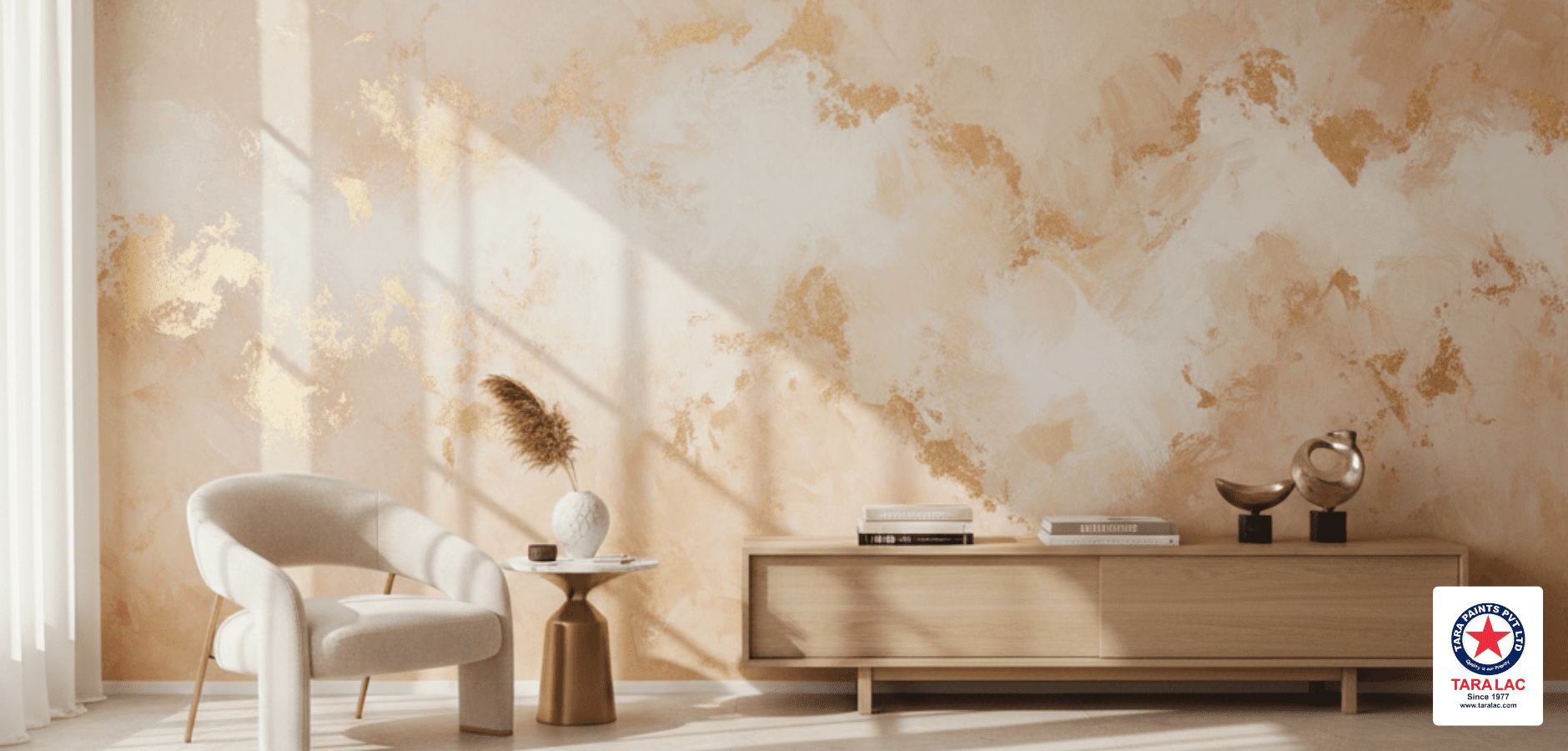
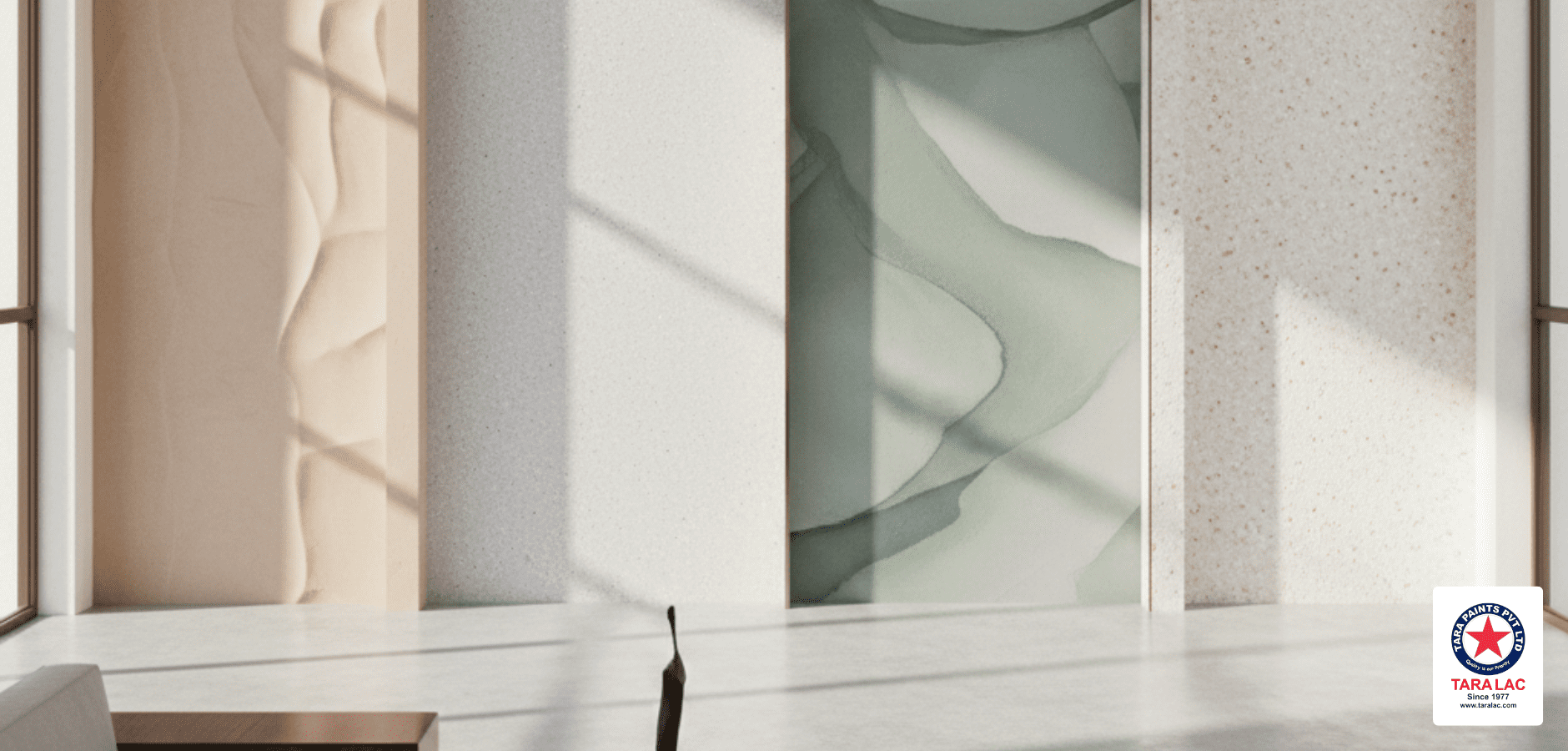
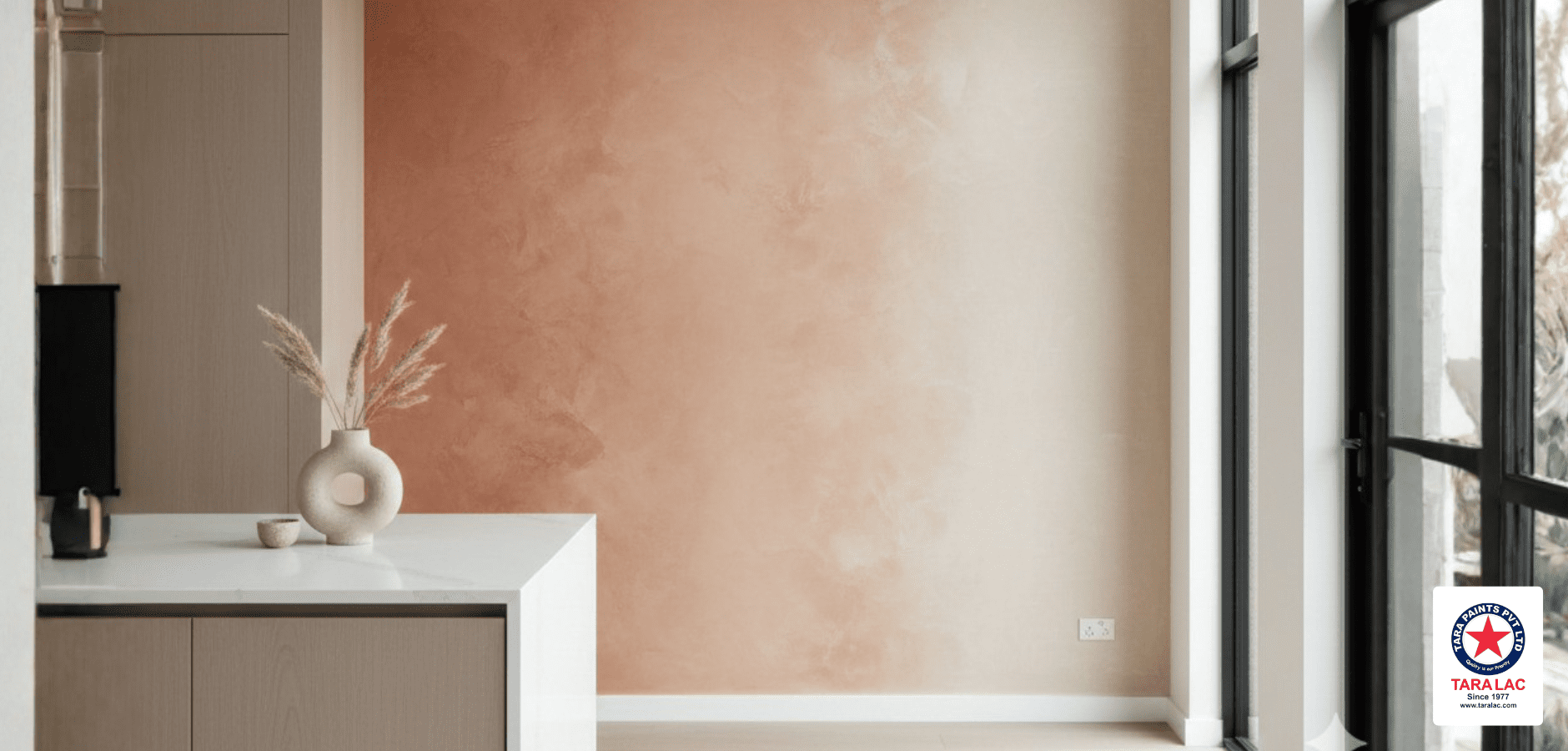
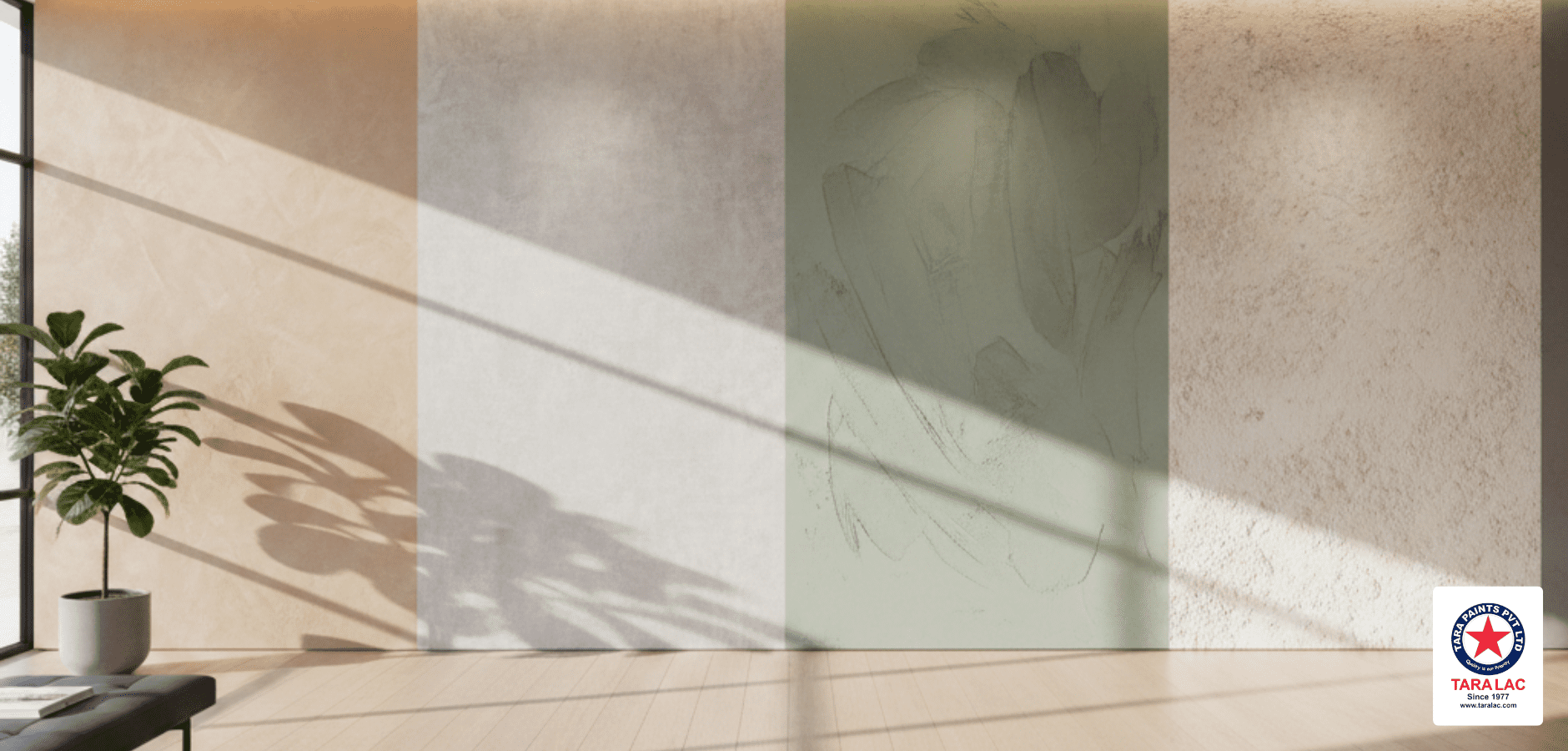
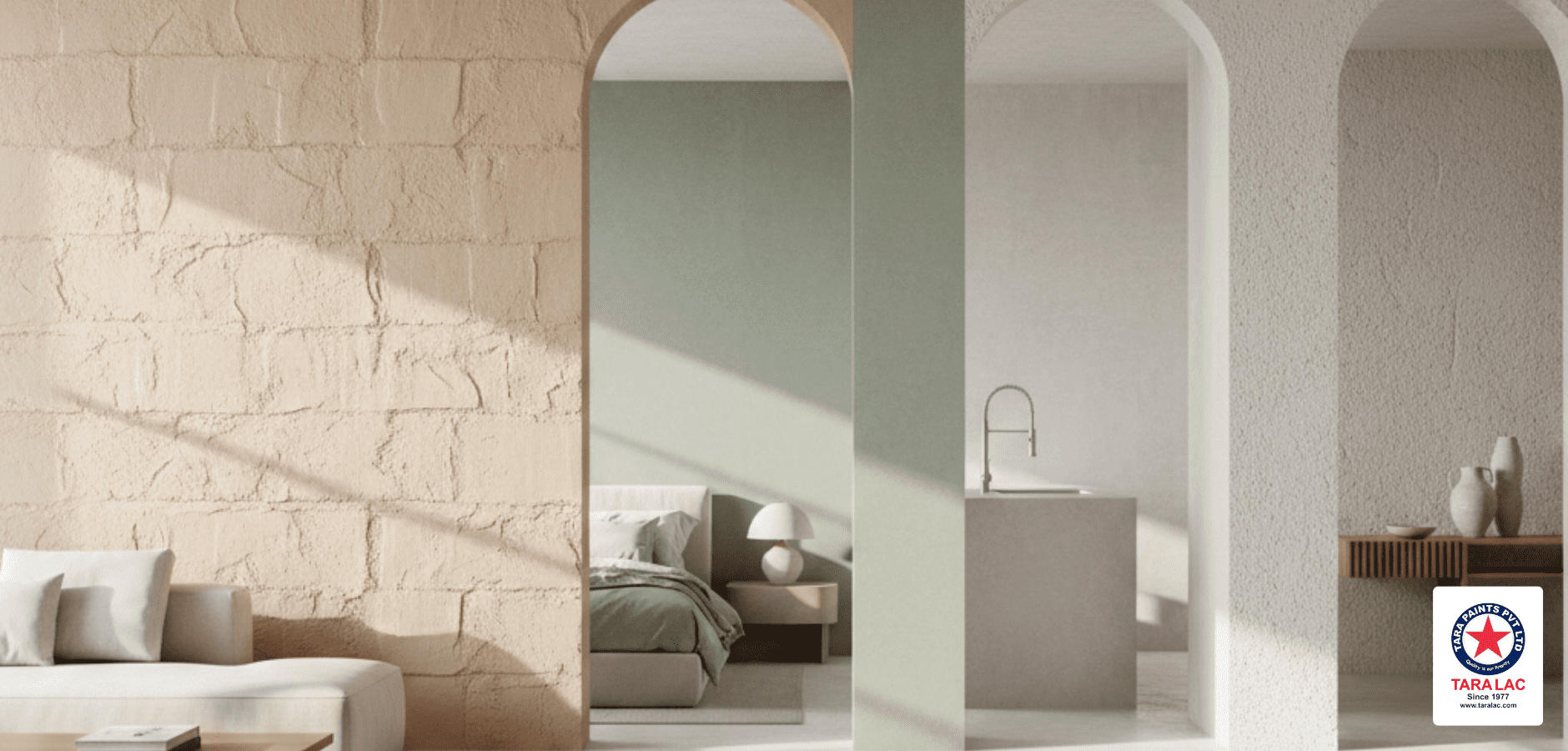
Vibrant Decorative Paints for Festive Homes in Ahmedabad

Introduction to Decorative Paints

Every year, as the festival of Diwali approaches, homes across Ahmedabad are adorned with vibrant colors that reflect the spirit of celebration. Decorative paints play a crucial role in transforming ordinary spaces into extraordinary festive environments. Recent studies indicate that the right choice of paint can enhance mood and create an inviting atmosphere, making it essential for homeowners to select the best decorative paints available. This article delves into the significance of decorative paints in Ahmedabad, focusing on their aesthetic appeal and functional benefits, particularly during festive seasons.

Comprehensive Overview of Decorative Paints

The decorative paints industry has evolved significantly over the years, driven by advancements in technology and changing consumer preferences. In Ahmedabad, where cultural vibrancy meets modern aesthetics, decorative paints are not just about color; they represent a lifestyle choice that reflects personal taste and cultural heritage.

The Evolution of Decorative Paints

Historically, decorative paints were limited to basic colors and finishes. However, with the advent of new technologies, homeowners now have access to a wide array of options including textures, finishes, and eco-friendly formulations. This evolution has made it easier for residents in Ahmedabad to find decorative paints that suit their specific needs and preferences.

Current Trends in Decorative Paints

As we approach Diwali, several trends are emerging in the decorative paints market. Homeowners are increasingly leaning towards bold colors that evoke joy and warmth. Additionally, there is a growing demand for moisture-resistant paint options that can withstand the humid climate of Ahmedabad. These innovations not only enhance aesthetics but also provide practical solutions for common issues like water seepage and dampness.

Technical Deep Dive into Decorative Paints

Understanding the technical aspects of decorative paints is vital for making informed choices. Different types of decorative paints serve various purposes, from enhancing visual appeal to providing protection against environmental factors.

Types of Decorative Paints

There are several types of decorative paints available in the market today:

  • Acrylic Paints: Known for their durability and quick drying properties, acrylic paints are ideal for both interior and exterior applications.
  • Textured Paints: These paints add depth and dimension to walls, making them perfect for creating feature walls or accent areas.
  • Eco-Friendly Paints: With increasing awareness about environmental sustainability, many homeowners in Ahmedabad are opting for low-VOC or zero-VOC paints that are safer for indoor air quality.

Moisture-Resistant Solutions

In regions like Ahmedabad where humidity can lead to issues such as dampness and mold growth, selecting moisture-resistant paint is crucial. Products like damp-proof coatings and anti-damp solutions not only protect walls but also enhance the longevity of the paint job. Homeowners should consider these options when planning their festive decor to ensure a lasting finish.

Best Practices for Applying Decorative Paints

To achieve a stunning finish with decorative paints, following best practices during application is essential. Here are some expert tips to consider:

Preparation is Key

Before applying any paint, proper surface preparation is critical. This includes cleaning the walls, repairing any damages, and applying a suitable primer if necessary. For regions prone to moisture issues, using a damp-proof primer can significantly improve adhesion and durability.

Choosing the Right Tools

The tools you use can greatly affect the outcome of your painting project. High-quality brushes and rollers designed for specific paint types will yield better results. Additionally, using painter’s tape can help achieve clean lines and prevent paint from bleeding onto adjacent surfaces.

The Future of Decorative Paints in Ahmedabad

The future of decorative paints looks promising as innovations continue to emerge. With an increasing focus on sustainability and functionality, manufacturers are developing products that not only beautify spaces but also address environmental concerns.

Emerging Technologies

The integration of smart technologies into paint formulations is on the rise. For instance, self-cleaning paints that repel dirt and grime are becoming popular among homeowners looking for low-maintenance solutions. Such advancements will likely shape the future landscape of decorative paints in Ahmedabad.

Sustainability Trends

Sustainability is no longer just a trend; it’s becoming a necessity. As consumers become more environmentally conscious, there is a growing demand for eco-friendly decorative paints that minimize harmful emissions while providing excellent coverage and durability.

Conclusion: Embracing Colorful Futures

The world of decorative paints offers endless possibilities for transforming homes into vibrant spaces that reflect personal style and cultural significance. As we celebrate Diwali this year, homeowners in Ahmedabad have an opportunity to embrace innovative solutions that not only beautify their homes but also protect them from environmental challenges. The future of decorative paints is bright, with exciting trends on the horizon that promise to enhance both aesthetics and functionality.

Summary: This article discussed anti-damp solutions, best decorative paints, damp-proof coatings, decorative paints, decorative paints in ahmedabad, decorative paints services, exterior wall protection, home waterproofing solutions, interior damp-proofing, moisture-resistant paint, paint for wet environments, water infiltration barriers, water seepage prevention, zero damp paint, highlighting why Professional Paints is the leading choice for surface protection and decoration in your region.

Frequently Asked Questions

What are decorative paints?

Decorative paints are specially formulated coatings designed to enhance the aesthetic appeal of surfaces while providing protection against environmental factors.

Why should I choose moisture-resistant paint?

Moisture-resistant paint helps prevent mold growth and damage caused by humidity, making it ideal for areas prone to dampness.

How do I prepare my walls before painting?

Proper preparation includes cleaning the surface, repairing any damages, and applying a suitable primer if necessary.

What types of finishes are available in decorative paints?

You can choose from various finishes such as matte, satin, gloss, or textured depending on your desired look.

Are eco-friendly paints worth it?

Yes! Eco-friendly paints reduce harmful emissions and improve indoor air quality while still providing excellent coverage.

How do I choose the right color for my home?

Select colors that reflect your personality and complement your existing decor while considering the mood you want to create in each space.

Can I apply decorative paint myself?

If you follow best practices and prepare adequately, many homeowners successfully apply decorative paint themselves; however, hiring professionals can ensure optimal results.
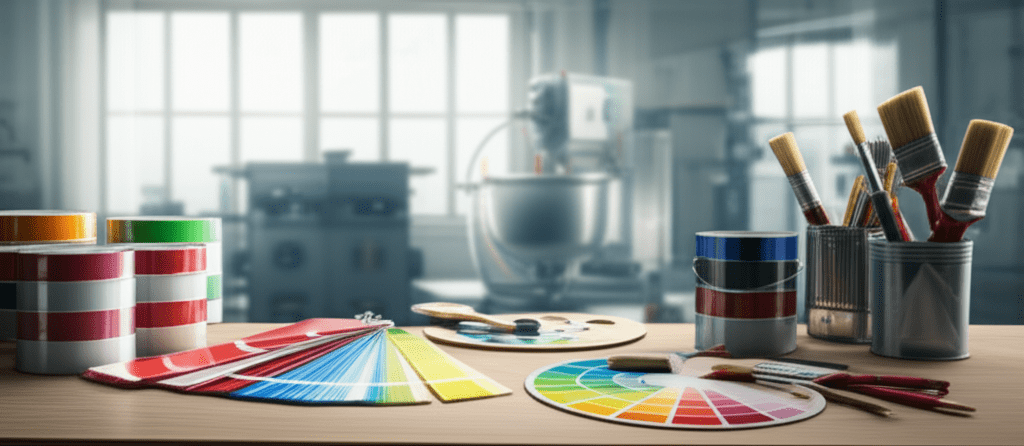
Simplifying Paint Selection in Production & Manufacturing

Introduction to Paint Selection in Industry

Did you know that the right choice of paint can significantly enhance the durability and performance of industrial applications? In the production & manufacturing sector, selecting the appropriate paint is not just about aesthetics; it directly impacts operational efficiency and product longevity. The paints industry has evolved, offering a range of solutions tailored to meet specific challenges faced by manufacturers. This article delves into the critical factors influencing paint selection, particularly in Ahmedabad, where industrial growth is booming.

Understanding the Paint Landscape in Production & Manufacturing

The paints used in production & manufacturing are not merely decorative; they serve functional purposes that are essential for various applications. Historically, paints were primarily used for protection against corrosion and wear. However, advancements in technology have led to the development of specialized coatings that address specific needs such as moisture resistance, chemical resistance, and environmental sustainability.

The Evolution of Industrial Paints

Over the decades, the paints industry has witnessed significant transformations. From traditional oil-based paints to modern water-based formulations, manufacturers now have access to a plethora of options. For instance, damp-proof coatings and moisture-resistant paints have become increasingly popular due to their effectiveness in preventing water seepage and protecting structures from dampness.

The Importance of Local Context: Ahmedabad’s Industrial Needs

A key factor in selecting paints for industrial applications in Ahmedabad is understanding local environmental conditions. The region experiences a variety of weather patterns that can affect paint performance. For example, high humidity levels necessitate the use of anti-damp solutions to safeguard buildings and machinery from moisture-related damage.

Technical Analysis of Paint Selection Factors

Selecting the right paint involves a thorough understanding of various technical aspects. Key considerations include adhesion properties, drying time, and resistance to environmental factors.

Adhesion and Durability

The adhesion of paint to surfaces is crucial for its longevity. Poor adhesion can lead to peeling and flaking, which undermines protective qualities. In industrial settings, it is vital to choose paints that offer superior bonding capabilities, especially when applied to metal or concrete surfaces.

Resistance to Environmental Factors

Industrial environments often expose surfaces to harsh conditions, including chemicals, UV radiation, and moisture. Therefore, selecting paints with high resistance to these factors is essential. For example, water infiltration barriers are critical in preventing water damage in manufacturing facilities located in humid areas like Ahmedabad.

  • Zero Damp Paint: Ideal for wet environments.
  • Damp-Proof Coatings: Essential for moisture control.
  • Moisture-Resistant Paint: Provides long-lasting protection.
  • Exterior Wall Protection: Safeguards against weather elements.
  • Interior Damp-Proofing: Prevents mold and mildew growth.

Best Practices and Professional Standards in Paint Application

To ensure optimal performance of selected paints, adhering to best practices during application is crucial. Here are some professional standards that should be followed:

Surface Preparation

The success of any paint application starts with proper surface preparation. This includes cleaning surfaces to remove dirt, grease, and old paint layers. In industrial settings, this step cannot be overlooked as contaminants can significantly affect adhesion.

Application Techniques

The method of application can also impact the final outcome. Whether using brushes, rollers, or spray systems, it’s important to follow manufacturer guidelines for each product. In regions like Ahmedabad, where temperatures can vary greatly, timing the application based on weather conditions can enhance results.

“Proper surface preparation and application techniques are critical for achieving the desired performance from industrial paints.” – Industry Expert

The Future of Paints in Production & Manufacturing

The future of the paints industry is leaning towards sustainability and innovation. With increasing awareness about environmental issues, manufacturers are exploring eco-friendly options that do not compromise on performance. Innovations such as self-healing coatings and advanced formulations that reduce VOC emissions are becoming more prevalent.

The evolution of technology also promises smarter solutions for monitoring paint performance over time. As industries continue to grow in Ahmedabad, staying ahead with these advancements will be crucial for maintaining competitive advantage.

Conclusion: Embracing Change in Paint Selection

The landscape of paint selection in the production & manufacturing sector is rapidly changing. By understanding key factors such as adhesion properties, environmental resistance, and local conditions in Ahmedabad, manufacturers can make informed decisions that enhance their operations. As we look forward, embracing sustainable practices and innovative technologies will be essential for future success in this dynamic industry.

Summary: This article discussed anti-damp solutions, best production & manufacturing, damp-proof coatings, exterior wall protection, home waterproofing solutions, interior damp-proofing, moisture-resistant paint, paint for wet environments, production & manufacturing, production & manufacturing in ahmedabad, production & manufacturing services, water infiltration barriers, water seepage prevention, zero damp paint, highlighting why Professional Paints is the leading choice for surface protection and decoration in your region.

Frequently Asked Questions

What are the key factors to consider when selecting industrial paint?

The main factors include adhesion properties, resistance to environmental conditions, drying time, and surface preparation requirements.

How does humidity affect paint selection?

High humidity levels necessitate moisture-resistant paints to prevent issues like mold growth and peeling.

What types of coatings are best for wet environments?

Damp-proof coatings and moisture-resistant paints are ideal for protecting surfaces exposed to water.

Why is surface preparation important?

Proper surface preparation ensures better adhesion and longevity of the paint application.

What innovations are shaping the future of industrial paints?

Sustainable practices and technologies like self-healing coatings are becoming increasingly important in the industry.

How can I ensure optimal application of industrial paints?

Follow manufacturer guidelines for application methods and consider environmental conditions during application.

What role does local climate play in paint selection?

The local climate influences moisture levels and temperature variations that affect paint performance; thus, regional considerations are crucial.

Are there eco-friendly options available for industrial paints?

Yes, many manufacturers are now offering eco-friendly formulations that reduce VOC emissions while maintaining performance standards.

Exploring Marine Coatings: Best Solutions in Ahmedabad

Introduction to Marine Coatings

Marine coatings are essential for protecting vessels and structures exposed to harsh marine environments. With the increasing demand for durability and longevity in coatings, understanding the various types of marine coatings available is crucial. These coatings not only enhance the aesthetic appeal of boats and ships but also provide vital protection against corrosion, UV rays, and other environmental factors. In Ahmedabad, where maritime activities are prevalent, selecting the right marine coatings can significantly impact the lifespan and performance of your assets.

Comprehensive Overview of Marine Coatings

The marine coatings industry has evolved significantly over the years, driven by advancements in technology and increasing environmental regulations. Historically, marine coatings were primarily oil-based, offering limited protection. However, modern formulations now include advanced polymers and additives that enhance performance and sustainability.

Types of Marine Coatings

Marine coatings can be categorized into several types based on their application and properties:

  • Anti-fouling Coatings: Designed to prevent the growth of marine organisms on submerged surfaces.
  • Anti-corrosive Coatings: Protect metal surfaces from rust and degradation caused by saltwater exposure.
  • Topside Coatings: Used on above-water surfaces to provide a durable finish that withstands UV radiation.
  • Deck Coatings: Provide slip resistance and protect deck surfaces from wear and tear.

The Importance of Marine Coatings in Ahmedabad

A city like Ahmedabad, with its proximity to water bodies, emphasizes the need for effective marine coatings. The local climate can be harsh, with high humidity levels and exposure to saltwater, making it essential to choose marine coatings in Ahmedabad that offer superior protection. The right coatings not only extend the life of vessels but also reduce maintenance costs significantly.

Technical Deep Dive into Marine Coatings

Understanding the technical aspects of marine coatings is vital for making informed decisions. These coatings are formulated with specific properties that cater to different environmental challenges faced in marine settings.

Key Features of Marine Coatings

Some critical features that define high-quality marine coatings include:

  • Moisture Resistance: Essential for preventing water infiltration and damage.
  • UV Stability: Protects against fading and degradation caused by sunlight.
  • Chemical Resistance: Ensures durability against harsh chemicals encountered in marine environments.
  • Flexibility: Allows for movement without cracking or peeling.

How Marine Coatings Work

The effectiveness of marine coatings lies in their chemical composition. Most modern marine coatings utilize advanced polymers that create a protective barrier on surfaces. This barrier prevents moisture from penetrating the substrate while allowing it to breathe, thus reducing the risk of blistering and peeling.

Professional Best Practices for Marine Coatings

Selecting and applying marine coatings requires expertise to ensure optimal performance. Here are some best practices to consider:

Choosing the Right Marine Coating

Selecting the appropriate coating depends on various factors including the type of vessel, its intended use, and environmental conditions. Consulting with experts in Ahmedabad can help you identify the best marine coatings suited for your specific needs.

Application Techniques

The application process is critical to achieving a durable finish. Here are some tips:

  • Surface Preparation: Ensure surfaces are clean, dry, and free from contaminants before applying any coating.
  • Follow Manufacturer Guidelines: Adhere strictly to application instructions provided by manufacturers for best results.
  • Use Quality Tools: Invest in high-quality brushes or spray equipment to achieve an even coat.

The Future of Marine Coatings in Ahmedabad

The future of marine coatings is leaning towards sustainability and innovation. With growing environmental concerns, manufacturers are focusing on eco-friendly formulations that minimize harmful emissions while maintaining performance standards. As Ahmedabad continues to develop its maritime infrastructure, the demand for high-quality marine coatings will only increase.

The integration of smart technologies into marine coatings is also on the rise. Innovations such as self-healing coatings that can repair minor damages autonomously are being researched and developed, promising even greater longevity and protection.

Conclusion: Embracing Advanced Marine Coatings

The landscape of marine coatings is rapidly evolving, driven by technological advancements and a focus on sustainability. For professionals in Ahmedabad looking to protect their investments effectively, understanding the various options available is crucial. By selecting the right marine coatings services, you can ensure long-lasting protection against environmental challenges while enhancing the aesthetic appeal of your vessels. As we move forward, embracing these innovations will be key to maintaining operational efficiency and sustainability in maritime activities.

Frequently Asked Questions

What are marine coatings?

Marine coatings are specialized paints designed to protect vessels from harsh environmental conditions such as saltwater corrosion, UV rays, and fouling organisms.

Why are marine coatings important?

They provide essential protection against corrosion and wear, extending the lifespan of boats and ships while reducing maintenance costs.

What types of marine coatings are available?

The main types include anti-fouling, anti-corrosive, topside, and deck coatings, each serving specific purposes based on their application area.

How do I choose the right marine coating?

Selecting the right coating depends on factors like vessel type, intended use, and local environmental conditions. Consulting with experts can help make an informed choice.

Are there eco-friendly options for marine coatings?

Yes, many manufacturers are now producing eco-friendly marine coatings that minimize harmful emissions while maintaining high performance standards.

How should I apply marine coatings?

Proper surface preparation is crucial. Follow manufacturer guidelines closely and use quality tools for application to achieve an even coat.

Where can I find marine coating services in Ahmedabad?

A variety of local suppliers offer specialized marine coating services tailored to meet the needs of maritime professionals in Ahmedabad.

What is the future trend in marine coatings?

The future trends include sustainable formulations and smart technologies like self-healing capabilities that promise enhanced durability and performance.

Summary: This article discussed anti-damp solutions, best marine coatings, damp-proof coatings, exterior wall protection, home waterproofing solutions, interior damp-proofing, marine coatings, marine coatings in ahmedabad, marine coatings services, moisture-resistant paint, paint for wet environments, water infiltration barriers, water seepage prevention, zero damp paint, highlighting why Professional Paints is the leading choice for surface protection and decoration in your region.

How Cream Paint Trends Shape Modern Interiors

Introduction to Cream Paint Trends

Recent studies indicate that the choice of paint color can significantly influence mood and perception in interior spaces. Among the myriad of colors available, cream paint trends have emerged as a favorite for modern interiors, particularly in dynamic markets like Ahmedabad. This trend not only enhances aesthetic appeal but also plays a crucial role in creating a sense of warmth and spaciousness within homes. As the production & manufacturing industry continues to evolve, understanding these trends becomes essential for homeowners and professionals alike.

Understanding the Evolution of Cream Paint Trends

The history of cream paints dates back to ancient civilizations, where natural pigments were used to create soft, neutral tones. Today, the production & manufacturing of paints has advanced significantly, allowing for a wider variety of shades and finishes. In Ahmedabad, local manufacturers are increasingly focusing on producing high-quality cream paints that cater to contemporary design preferences.

The Role of Cream Paints in Modern Design

Cream paints serve as a versatile backdrop that complements various design styles, from minimalist to traditional. They are particularly favored in urban settings like Ahmedabad, where space is often limited. By using cream tones, homeowners can create an illusion of larger spaces while maintaining a cozy atmosphere. This adaptability makes cream paints a staple in many interior design projects.

Current Trends Influencing Cream Paint Choices

Several factors influence the popularity of cream paint trends today:

  • Sustainability: With an increasing focus on eco-friendly products, manufacturers are developing low-VOC and zero-damp paint options that align with environmental standards.
  • Technological Advancements: Innovations in paint technology have led to the creation of moisture-resistant paints and damp-proof coatings that are ideal for humid climates.
  • Consumer Preferences: The demand for customizable solutions has prompted manufacturers in Ahmedabad to offer a range of cream shades tailored to individual tastes.

Technical Analysis of Cream Paints

The technical aspects of cream paints are crucial for understanding their application and performance in various environments. The production & manufacturing processes involve selecting high-quality pigments and binders that ensure durability and finish quality.

Composition and Features of Cream Paints

Cream paints typically consist of several key components:

  • Pigments: These provide color and opacity. The choice of pigments affects the final appearance and durability.
  • Binders: Binders hold the pigment particles together and help the paint adhere to surfaces. Different binders can enhance water resistance and flexibility.
  • Additives: Various additives improve performance characteristics such as drying time, flow properties, and mildew resistance.

Application Techniques for Optimal Results

To achieve the best results when using cream paints, consider the following techniques:

  • Surface Preparation: Ensure surfaces are clean, dry, and free from contaminants before application.
  • Priming: Use a primer suitable for the surface type to enhance adhesion and coverage.
  • Layering: Apply multiple thin coats rather than one thick coat to achieve even coverage and avoid drips.

Best Practices for Using Cream Paints in Interiors

Implementing best practices when using cream paints can significantly enhance their effectiveness in interior design projects. Here are some expert recommendations:

Selecting the Right Shade

The right shade of cream can dramatically alter the ambiance of a room. Consider factors such as lighting conditions and existing furnishings when selecting a shade. For instance, warmer creams can create a cozy feel, while cooler tones may lend a more modern touch.

Incorporating Cream Paints with Other Colors

Cream paints pair well with various color palettes. To create a harmonious look, consider combining them with earthy tones or vibrant accents. This approach not only adds depth but also enhances the overall aesthetic appeal.

“Choosing the right paint color is as important as selecting furniture; it sets the tone for your entire space.” – Interior Design Expert

The Future of Cream Paint Trends in Ahmedabad

The future of cream paint trends looks promising as more homeowners in Ahmedabad embrace these versatile shades. With advancements in production & manufacturing techniques, we can expect even more innovative products that cater to specific needs such as moisture resistance and eco-friendliness.

The growing awareness around sustainability will likely drive demand for zero damp paint options that prevent water seepage and protect interiors from moisture damage. As technology continues to evolve, manufacturers will play a pivotal role in shaping these trends by offering solutions that meet both aesthetic desires and practical requirements.

Conclusion: Embracing Cream Paint Trends for Modern Living

The integration of cream paint trends into modern interiors reflects broader shifts towards sustainability and personalization in home design. As Ahmedabad’s market continues to grow, embracing these trends will not only enhance aesthetic appeal but also improve functionality through innovative products like moisture-resistant paints and damp-proof coatings. Forward-thinking homeowners should consider these elements when planning their next interior project to ensure they stay ahead of design trends while creating beautiful living spaces.

Summary: This article discussed anti-damp solutions, best production & manufacturing, damp-proof coatings, exterior wall protection, home waterproofing solutions, interior damp-proofing, moisture-resistant paint, paint for wet environments, production & manufacturing, production & manufacturing in ahmedabad, production & manufacturing services, water infiltration barriers, water seepage prevention, zero damp paint, highlighting why Professional Paints is the leading choice for surface protection and decoration in your region.

Frequently Asked Questions

What are the benefits of using cream paint?

Cream paint offers versatility, warmth, and the ability to make spaces appear larger while complementing various design styles.

How do I choose the right shade of cream paint?

Select a shade based on lighting conditions and existing decor; warmer tones create coziness while cooler tones provide a modern feel.

Are there eco-friendly options for cream paints?

Yes, many manufacturers now offer low-VOC or zero-damp paints that are environmentally friendly without compromising quality.

What is moisture-resistant paint?

This type of paint is designed to withstand humidity and prevent mold growth, making it ideal for areas prone to moisture.

How can I ensure proper application of cream paint?

Prepare surfaces thoroughly, use appropriate primers, and apply multiple thin coats for even coverage.

Can I mix cream paint with other colors?

Cream paints pair well with both earthy tones and vibrant colors, allowing for creative combinations that enhance interior aesthetics.

What are damp-proof coatings?

Damp-proof coatings are specialized products designed to prevent water infiltration and protect surfaces from moisture damage.

Where can I find the best production & manufacturing services for paints in Ahmedabad?

A variety of local suppliers offer high-quality production & manufacturing services tailored to meet specific needs within Ahmedabad’s vibrant market.

Achieve Stunning Finishes with Taralac Paints Wood Guard

Introduction to Packaging Coatings

Did you know that nearly 30% of all paint failures are attributed to moisture issues? This staggering statistic highlights the importance of selecting the right packaging coatings for your projects. In Ahmedabad, where humidity can be a challenge, homeowners and businesses alike are turning to Taralac Paints for their innovative solutions. With a reputation for excellence, Taralac Paints offers some of the best packaging coatings in the industry, specifically designed to combat moisture-related problems such as water seepage and dampness. Whether you are a DIY enthusiast or a professional contractor, understanding how to effectively use these coatings can lead to stunning finishes that stand the test of time.

Why Choose Taralac Paints for Your Packaging Coating Needs?

When it comes to packaging coatings, Taralac Paints stands out for several compelling reasons. Our products are engineered with cutting-edge technology that ensures durability and performance. Here are a few key features that set us apart:

Innovative Technology

At Taralac Paints, we utilize advanced polymer technology in our packaging coatings. This innovation enhances adhesion and flexibility, making our coatings ideal for various surfaces, including cardboard, metal, and plastic. The result is a robust barrier against moisture and environmental factors.

Local Expertise in Ahmedabad

Understanding the unique climate conditions of Ahmedabad allows us to tailor our products specifically for this region. Our packaging coatings are designed to withstand high humidity levels and temperature fluctuations, ensuring long-lasting protection for your projects.

Taralac Paints’s Comprehensive Packaging Coatings Solutions

We offer a wide range of packaging coatings, each formulated for specific applications. Here’s an overview of our top products:

Moisture-Resistant Paints

Our moisture-resistant paints are perfect for areas prone to water infiltration. They form a protective layer that prevents water from seeping through surfaces, making them ideal for both interior and exterior applications.

  • Damp-Proof Coatings: These coatings are specifically designed to combat dampness, providing a reliable solution for homeowners in Ahmedabad.
  • Zero Damp Paint: This innovative product offers unparalleled protection against moisture, ensuring your surfaces remain dry and intact.

Exterior Wall Protection

The exterior walls of your home or business face constant exposure to the elements. Our damp-proof coatings not only enhance the aesthetic appeal but also provide essential protection against moisture damage.

The Taralac Paints Quality Standards & Local Impact

At Taralac Paints, we pride ourselves on maintaining the highest quality standards. Our commitment to excellence is reflected in every product we offer. Here’s how we ensure quality:

Sustainable Practices

We prioritize sustainability by using eco-friendly materials in our packaging coatings. This not only benefits the environment but also ensures that our products are safe for use in homes across Ahmedabad.

Customer Testimonials

Our clients consistently report satisfaction with our products. One homeowner in Ahmedabad shared, “Since using Taralac Paints’ moisture-resistant solutions, I’ve noticed a significant decrease in dampness in my home.” Such feedback motivates us to continue innovating and improving our offerings.

Your Next Steps with Taralac Paints

The future of your projects starts with choosing the right products. By selecting Taralac Paints, you’re not just buying paint; you’re investing in quality and reliability. Don’t let moisture ruin your hard work—reach out today!

If you’re ready to transform your space with the best packaging coatings in Ahmedabad, contact us now or visit our website to learn more about our innovative solutions.

Summary: This article discussed anti-damp solutions, best packaging coatings, damp-proof coatings, exterior wall protection, home waterproofing solutions, interior damp-proofing, moisture-resistant paint, packaging coatings, packaging coatings in ahmedabad, packaging coatings services, paint for wet environments, taralac paints, water infiltration barriers, water seepage prevention, zero damp paint, highlighting why Taralac Paints is the leading choice for surface protection and decoration in Ahmedabad.

Frequently Asked Questions

What are packaging coatings?

Packing coatings are specialized paints designed to protect surfaces from moisture and environmental damage.

Why choose moisture-resistant paint?

This type of paint prevents water infiltration, protecting your surfaces from dampness and mold.

Where can I buy Taralac Paints?

You can purchase our products directly from our website or authorized retailers across Ahmedabad.

How do I apply packaging coatings?

Ensure surfaces are clean and dry before applying; follow the manufacturer’s instructions for best results.

Can I use these coatings indoors?

Yes, our moisture-resistant paints are suitable for both indoor and outdoor applications.

What makes Taralac Paints different?

We focus on innovation and local expertise, ensuring our products meet the specific needs of homeowners in Ahmedabad.

Aren’t all paints waterproof?

No, not all paints offer waterproofing capabilities; it’s essential to choose specialized moisture-resistant options.

How can I contact customer support?

You can reach our customer support team via our website or by calling our local office in Ahmedabad.

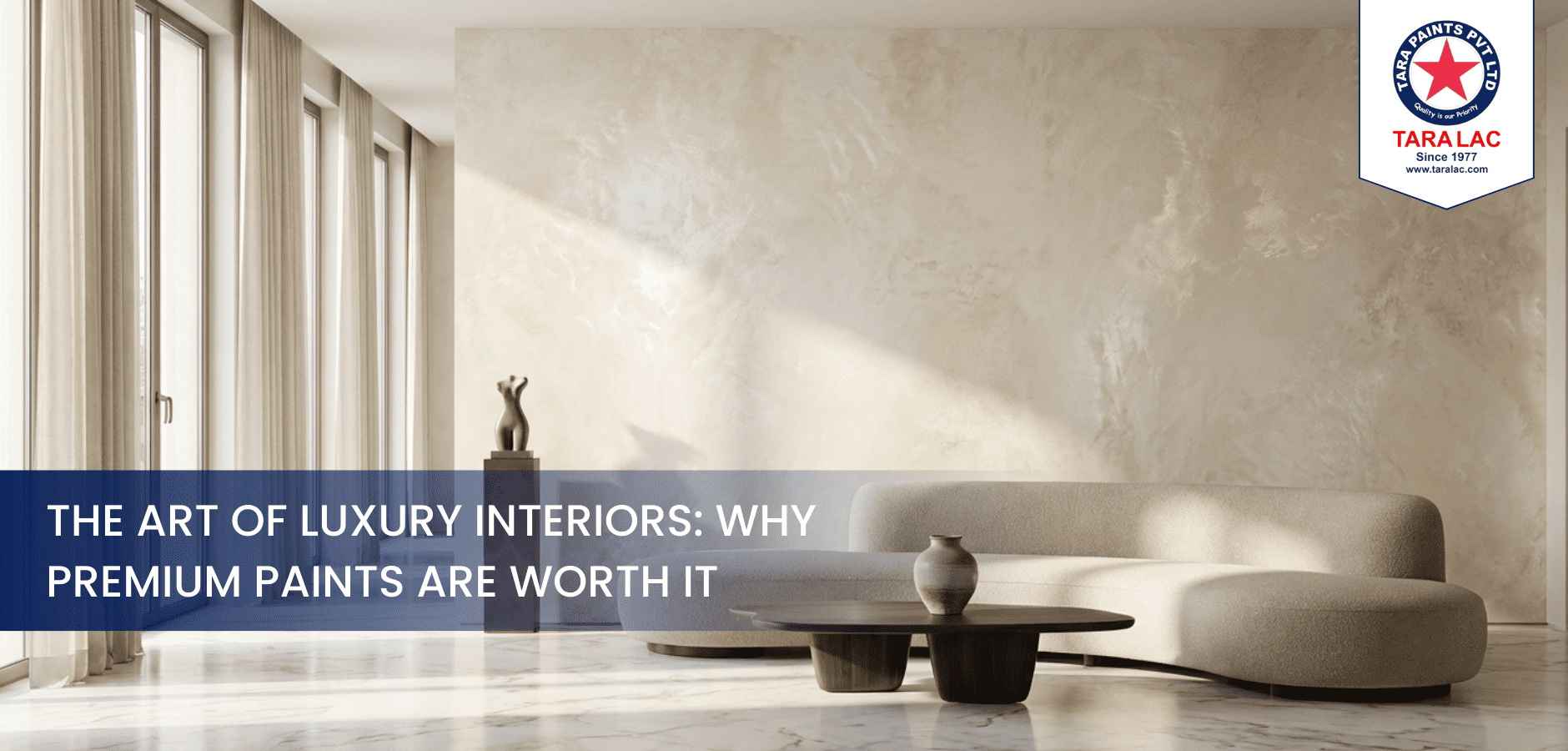
The Art of Luxury Interiors: Why Premium Paints Are Worth It

What Are the Most Popular Luxury Interior Paints?

Luxury interior paints are not simply upgraded versions of ordinary emulsions. They belong to categories that behave differently under changing daylight conditions, interior lighting, and even the movement of people in a room. People searching for luxury wall paints for the home often explore these finishes first. Visual impact drives the interest, and the range of decorative effects keeps the exploration going.

Matte finishes remain popular because they blend quietly into a room, while satin finishes bring a subtle glow that suits spaces where people tend to spend time together. Metallic shades change slightly as the light moves, so the wall never looks exactly the same from morning to night. Textured finishes help a room feel more layered and lived-in, especially when the goal is character without anything showy.

In this blog post, you’ll find a closer look at popular luxury finishes, their practical advantages, what they usually cost, and brand choices that guide homeowners toward luxury interior paints. 

Benefits of Using Luxury Paint

Premium paints appeal for more than their look. They elevate everyday living in small yet meaningful ways, often serving as the quiet backbone of an interior.

Enhanced Aesthetic Appeal

Colour depth stands out in luxury collections. Shades appear richer, smoother, and more consistent across the wall. When natural light touches the surface, the paint settles into the room rather than reflecting sharply.

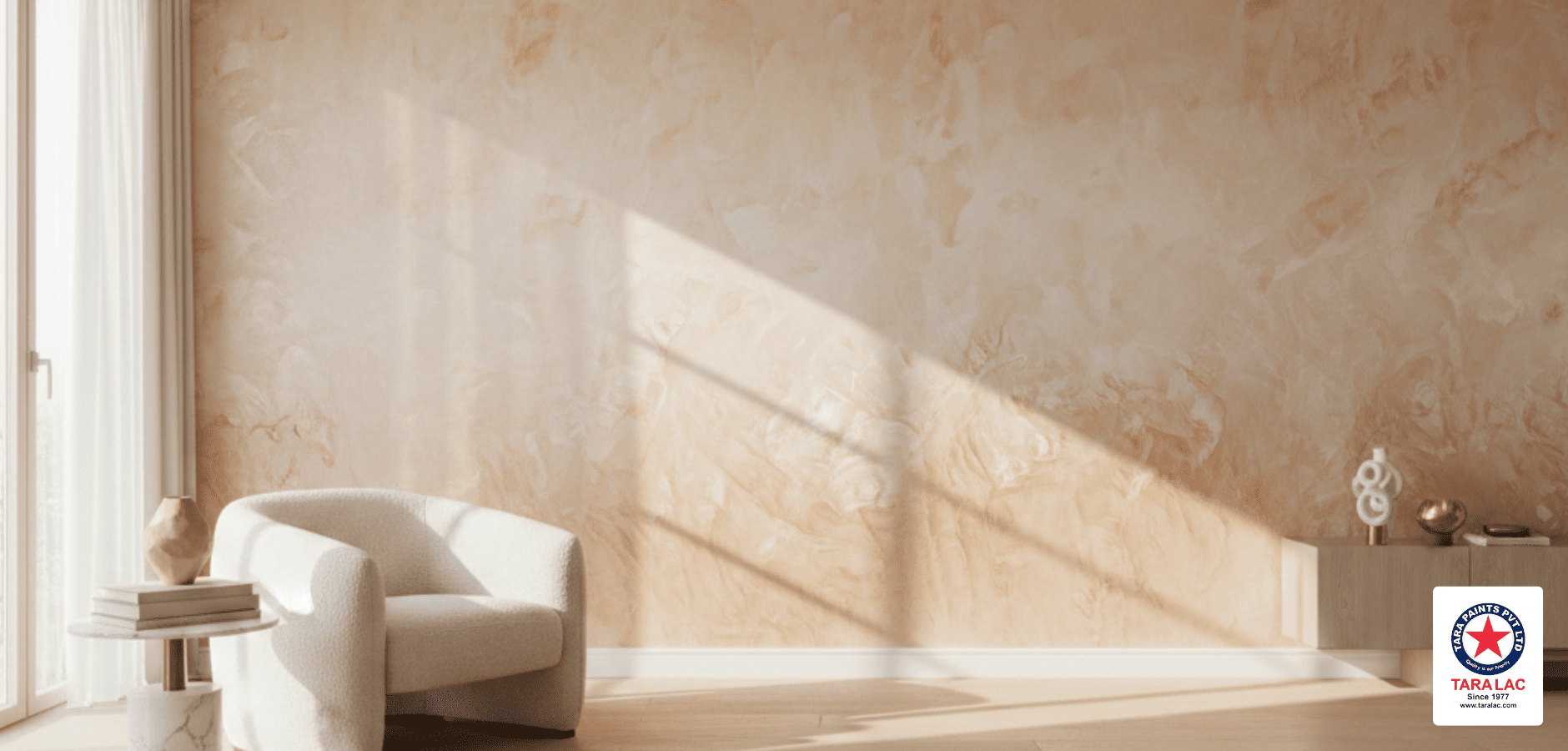
Textures in luxury ranges feel deliberate. A soft suede-like wall, a plaster-style design, or a brushed effect can turn an ordinary corner into the most memorable part of a room. These finishes rarely call attention to themselves, yet they influence how the rest of the interior feels.

Premium lines usually offer coordinated palettes, which help while designing accent walls or mixing textures. Rooms gain definition without extra décor, and small spaces often appear more structured with the right combination.

How Long Does the Paint Really Last

Long-term value becomes clearer after a few months of living with premium paint. Surfaces hold up better, colours stay consistent, and the overall appearance remains fresh for a longer period.

Households with children, frequent gatherings, or regular visitors tend to prefer stain-resistant emulsions because everyday marks come off with little effort, resulting in fewer touch-ups. The sturdier binders help, too, keeping the paint layer stable and reducing the risk of cracks or peeling as the wall ages. Homes in areas with humidity shifts notice this even more, as the walls stay intact across longer cycles.

The quality of the paint also shapes day-to-day comfort in ways that aren’t always obvious. Many luxury formulations give off fewer fumes, so the room feels calmer during and after painting, and people can return to the space sooner. Some premium ranges also aim for cleaner compositions, which appeal to households that prefer materials with safer indoor behaviour and a lower environmental impact.

Easy Maintenance

Maintenance often becomes the factor that convinces many homeowners to invest in a premium product. Being able to clean marks from the wall without damaging the finish adds convenience to daily living. This feature benefits high-touch areas such as hallways, living rooms, and dining spaces.

Lower-grade paints tend to fade under sunlight or after cleaning. Luxury finishes retain their original shade for years, keeping the room’s intended atmosphere intact without uneven patches.

What Goes Into the Cost of Luxury Paint

The higher upfront cost of luxury wall paint can appear intimidating. Yet once the full picture becomes clear, the price often aligns with practical and aesthetic returns.

A number of things come together to determine the final cost: 

  • Brand and quality: Reputable brands invest more in pigments, binders, and technology, and the price reflects that difference.
  • Finish type: Metallic and textured finishes sit on the higher end, while satin and matte variations remain mid-premium.
  • Quantity required: Room size, surface condition, number of coats, and primer needs influence the total material cost.

Typical Price Range for Luxury Paints

Premium paints generally cost more per liter, especially for metallic or textured finishes. Smooth matte or satin versions remain more approachable. When compared to standard emulsions, luxury paints may appear steep at first, yet their reduced maintenance and slower ageing balance the equation over time.

Basic paints demand more frequent touch-ups and repaints. Over a five-year span, many households end up spending more on standard paints because of repeated labour and material cycles. Luxury paints shift the cost toward long-term stability rather than short-term savings.

Is It Worth the Investment?

A luxury finish changes how a room feels from the moment the paint dries. Colour depth, surface quality, and light interaction combine into a more refined interior. Practical advantages reinforce the visual ones. Surfaces stay fresher, require fewer repairs, and resist stains far better than standard paints.

Not every wall needs a textured or decorative finish. Many homeowners use smoother premium emulsions for most rooms and reserve feature effects for the living area or master bedroom. Selective use works well when balancing cost with design interest.

Homes across Gujarat often favour durable finishes because the climate shifts quickly between seasons. This underscores the relevance of luxury interior paints in Gujarat, especially for families seeking long-term consistency.

Tara Paints has a steady presence among decorative paint manufacturers in Gujarat, supported by its long-standing work in protective coatings.

Luxury Paints by Tara Paints

Tara Paints offers premium textures and smooth interior finishes suited to contemporary Indian homes. Surfaces painted with these formulations often feel more refined and maintain their appearance longer. Its association with industrial paint manufacturers in Gujarat gives the decorative range a sturdier foundation, allowing the finishes to stay beautiful even with daily wear and tear.

Homeowners looking for the best wall paint in Ahmedabad often end up at Tara Paints because the products hold up well and offer a wide selection of finishes. The collection covers matte, satin, metallic, and textured finishes, giving enough choice for anything from simple rooms to walls meant to stand out.

Those comparing luxury wall paints in India often appreciate the balance Tara Paints offers between craftsmanship, longevity, and cost. Families interested in luxury wall paints for the home find flexibility in the brand’s range, whether designing a muted, soft setting or a more expressive feature zone.

Conclusion

Luxury paints shape interiors in ways that become more evident over time. Walls stay cleaner, colours hold their strength, and rooms come together without needing much decoration. Over time, the value becomes clearer as the surfaces handle seasons, gatherings, and everyday use without losing their look. Homes painted with premium finishes usually keep their warmth and charm for much longer, both visually and in how the surfaces hold up.

At Tara Paints, we offer a range of premium finishes suited to homes seeking depth, quiet character, and surfaces that hold steady through everyday use. The products are made to last, remain manageable over the years, and support the feel of modern Indian homes.

Explore the complete catalogue, compare textures, and choose solutions designed to remain reliable over the long term. For assistance or project guidance, contact Tara Paints at +91 8000 011 774.

FAQ

Enhanced pigments and refined binders create smoother layers, while decorative finishes add depth that standard paints cannot reproduce.

Most premium formulations offer strong resistance, making them suitable for high-use rooms.

The reduced need for repainting, better appearance, and improved durability make the investment practical for many homes.

Matte versions work well on ceilings. Doors and furniture may require specialised coatings, though some wall finishes can be adapted with the right surface preparation.

Many luxury emulsions handle humid conditions effectively and are suitable for regions with varying moisture levels.

Most surfaces can be repainted with a primer coat. Light sanding may help when the existing sheen is glossy.

Light wiping with a soft cloth and a mild solution is enough to keep the finish in good condition. Abrasive tools should be avoided.


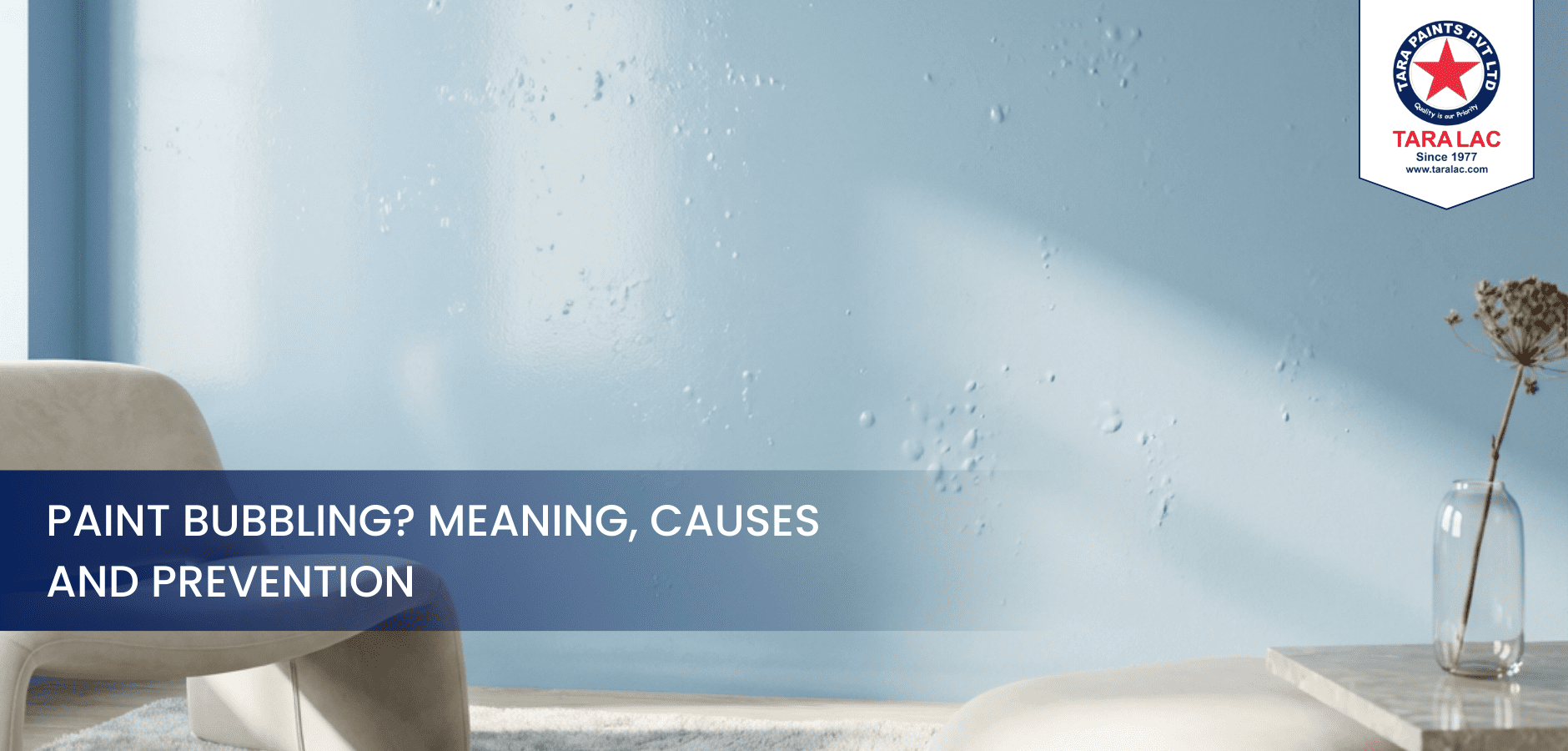
Paint Bubbling? Meaning, Causes and Prevention

Paint Bubbling: What It Is and How You Can Prevent It

When paint begins to lift or develop small, rounded patches, it signals that the surface and the coating are no longer holding together as they should. This effect, known as paint bubbling, forms when air or moisture becomes trapped beneath the layer and pushes it outward. As the surface starts to look uneven, the immediate question is what caused it in the first place. 

Understanding the typical triggers makes the issue far easier to assess. Paint bubbling is common, but the reasons behind it can differ from one surface to another, which is why identifying the exact cause can feel uncertain. In many cases, the problem relates to adhesion failures, moisture activity, or conditions during application.

This article explains what bubbling is, why it happens, and how to prevent it before the problem spreads.

What Is Paint Bubbling?

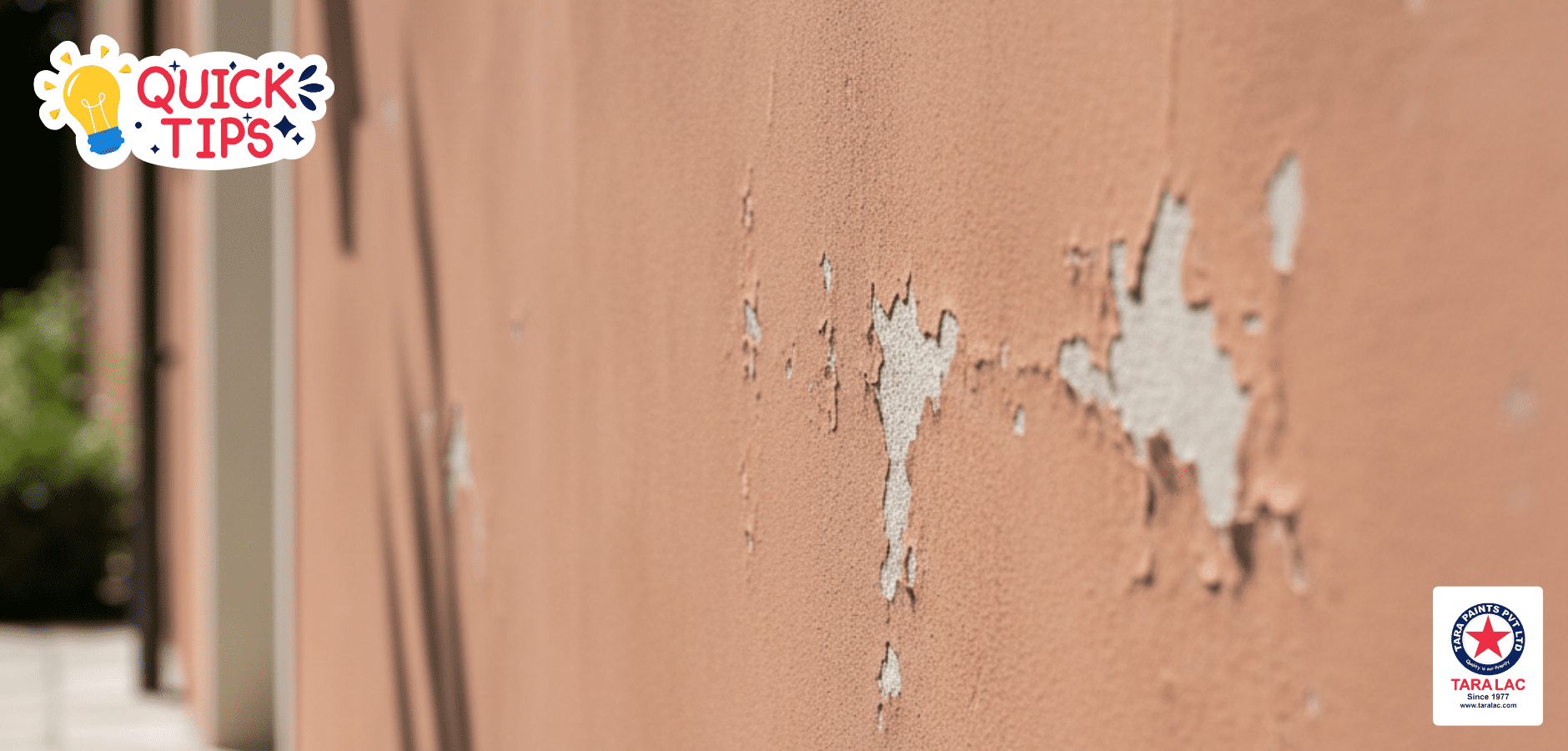
Paint bubbling occurs when pockets of air, moisture, or vapour get trapped beneath the paint film. The surface begins to lift slightly, forming small domes beneath the colour. If you press them, they may feel soft or crisp depending on how long they have been forming. Sometimes these bubbles appear immediately after painting, and sometimes they show up weeks later.

In many homes, paint bubbling on the wall begins near damp corners, bathrooms, or exterior-facing surfaces. In other cases, it appears without warning on a ceiling, above a shower, or next to a window, leading people to wonder whether the structure is shifting. The reality is usually a combination of natural building behaviour and small issues during preparation or application.

Causes Of Paint Bubbling on Walls

There is rarely one singular cause. Bubbling can come from moisture, heat, rushed painting, or the nature of the surface itself. Each factor plays its part.

Moisture Infiltration

When a wall contains moisture, the paint film does not bond well. Water tries to escape through the layer, which forces the paint to lift and form blisters. You might notice a damp smell, or the wall might feel slightly cooler in that patch. Sometimes there is no visible sign of dampness. The only signal is paint on the ceiling bubbling or a wall water bubble that appears after a rainy spell.

Moisture is the most common reason for bubbling. Painters often share stories of walls that looked completely dry but had hidden seepage from another room. The fresh paint held up for a week, then started forming clusters of bubbles. It rarely happens dramatically, and yet it is one of the most persistent issues.

Poor Surface Preparation

If dust, grease, or old flaking paint is left on the wall, the new coat cannot grip properly. This weak bond forms a space where air or moisture collects. Even a thin layer of invisible dirt from daily activity can cause trouble.

Many people assume that one quick wipe is enough. Most of the time, it is not. Preparation feels tedious, so it gets shortened. Then, a few days later, you see paint bubbling on the wall in the exact areas where the surface wasn’t thoroughly prepped.

Excessive Humidity

Areas where moisture tends to linger, particularly kitchens and bathrooms, can make painted surfaces more prone to bubbling. Heavy air slows down drying. When paint dries too slowly, moisture can become trapped within the film.

This also contributes to paint bubbling on the ceiling because steam rises and settles overhead. Ceilings do not receive the same airflow as walls, so moisture lingers for longer and creates bubbles more easily.

Application in Unfavourable Conditions

Painting during extreme heat, very cold weather, or damp conditions creates instability. Paint expands or contracts as the temperature shifts. When that movement is too sudden, the paint separates from the surface. You may notice a cluster of bubbles under the paint near a window where the sun hits directly.

This is easy to underestimate. You open a can, apply the colour, and assume it will behave consistently everywhere. Then the next morning reveals small raised spots in the areas that dried unevenly.

Using Low-Quality Paint Products

Some paints lack strong adhesion or moisture resistance. When a product cannot withstand temperature changes or dampness, bubbling becomes more likely.

This is where reputable paint manufacturers in India make a noticeable difference. Their formulations are designed to bond better and remain stable under varying conditions.

Substrate Shifts and Their Impact

Walls and ceilings expand and contract throughout the year. Timber swells when humidity rises. Cement shifts slightly when a building settles. These movements are small, but the paint film reacts immediately. If the base layer moves more than the coating can tolerate, the bond breaks and a bubble forms.

This often shows up as bubbling drywall in newer construction or as paint bubbling along joint lines on the ceiling. Many people assume the painter made a mistake when the cause is actually structural movement.

Tips to Avoid Paint Blistering on the Wall and How to Fix It

Even when you paint thoughtfully, the results do not always turn out predictable. The steps below help reduce bubbling and also offer a path to repairing existing problem areas.

Prevention Tips

Proper Surface Preparation

Preparing the surface has more impact on the final result than most people realise. Cleaning, sanding lightly, removing loose flakes, and filling cracks all create a stable base.

When this is done well, the risk of paint bubbling on the wall decreases significantly. The improvement is not always obvious on day one, but it becomes clear over time.

Repair Damaged Areas

If there is seepage, repair it before painting. This might involve fixing plumbing, sealing exterior cracks, or waterproofing vulnerable walls. A wall water bubble almost always indicates deeper moisture. Painting over it only postpones the issue.

Choose High-Quality Paints

Premium coatings offer stronger bonding and better humidity resistance. Many wood coating manufacturers and paint producers develop formulas that endure temperature swings and damp air. These products are more dependable for kitchens, bathrooms, and exterior walls.

Choose the Ideal Time to Apply Paint

Choose a time of day or season when the temperature and humidity are moderate. Mid-morning and late afternoon are usually safe. Extreme heat causes paint to dry too fast, while damp evenings trap moisture inside the film.

Ensure Sufficient Ventilation

Air movement helps the paint cure evenly. Good ventilation also pushes moisture out instead of trapping it beneath the surface. This simple practice can help prevent bubbling ceiling paint and other irregularities in closed rooms.

Steps to Repair Bubbling Paint

Once bubbling occurs, the repair process requires patience and a step-by-step approach.

Identify the Cause

Check for leaks, humidity, or surface contamination. Bubbling that appears without any visible signs often indicates hidden moisture behind the wall.

Remove Blisters

Use a scraper or utility knife to open the bubbles and remove the loose paint. It may feel counterproductive to scrape more paint away, but leaving bubbles intact creates further weakness.

Sand the Area

Sanding smooths the edges of the damaged spot and blends it with the rest of the surface. It also creates texture that helps the primer adhere.

Prime the Surface

Primer seals the repaired area, blocks moisture, and prepares it for new paint. Skipping the primer almost guarantees that bubbling will return.

Repaint the Wall

Use light, consistent coats and give each layer enough time to dry before moving on to the next. People often rush at this stage because the wall looks nearly finished, but careful application prevents the issue from reappearing.

Conclusion

Paint bubbling may seem minor at first, yet it often signals that the surface has been affected by something beneath the coating. The issue may stem from moisture, mistakes during application, or subtle movement within the material, but each has an identifiable cause and a practical solution. Once the cause is identified, the steps needed to restore the surface become much clearer. With thoughtful preparation and the right products, most bubbling issues can be avoided in the future.

At TARALAC, you will find coatings created for strong adhesion and dependable performance, especially if you’re looking for finishes that last longer and resist bubbling. The formulations are crafted for homes that face humidity shifts, seasonal changes, and everyday wear. Whether you are renovating or starting fresh, choosing the right paint has a direct impact on how well your surfaces hold up over time.

Contact +91 8000 011 774 for guidance tailored to your project.

FAQs

Scrape away the loose paint, sand the surface to smooth it, apply primer to stabilise the area, and repaint it carefully.

Moisture, unclean surfaces, humidity, or poor-quality paint are the most common causes. Unfavourable temperature conditions during application can also create bubbles.

Prepare the wall thoroughly, resolve moisture issues, allow each coat to dry evenly, and use reliable, durable paint products.

Yes. Extreme heat can cause paint to dry too quickly, weakening the bond. Very cold weather slows curing, which traps moisture inside the film.

The two terms overlap in everyday use, though blistering usually refers to larger pockets, while bubbling describes smaller surface lifts. Both indicate that the paint film has detached.

Wall Texture Paint: Transforming Spaces with Elegance and Style

Wall Texture Paint: Transforming Spaces with Elegance and Style

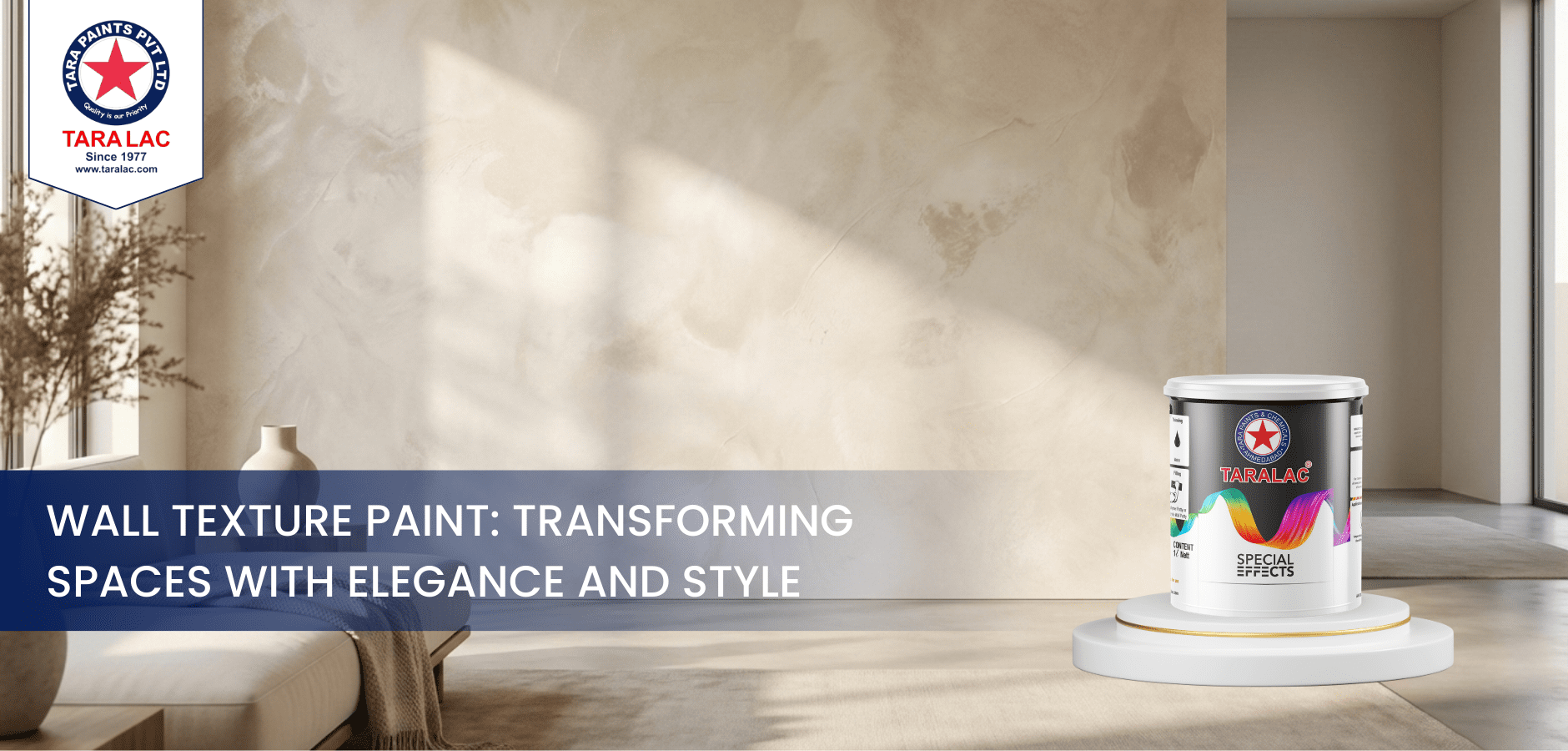
Texture paint has become a defining choice in modern homes because it changes how a room feels, not just how it looks. Instead of relying solely on flat colour, you can add depth, movement, and subtle character through finishes that respond differently to light and shadow. With finishes that react to light and shadow, a textured wall can set a calm, bold, or earthy mood. 

As homeowners explore more expressive interiors, wall texture paint offers a way to give walls a presence they never quite had before. With the wide range of patterns and tones available today, it is possible to turn an otherwise plain surface into something that anchors the room.

This article walks through how texture works, why it can change a room so noticeably, and how to choose the right finish for different areas of a home.

What Is Wall Texture Paint?

When people first hear the term, they often imagine something complicated or difficult to maintain. In reality, wall texture paint is simply paint with added materials such as quartz or sand that create a pattern or tactile design on a surface. Instead of a smooth finish, the wall takes on a raised, artistic feel.

For anyone trying to understand it in the simplest possible terms, it’s paint that gives the wall character. You can see it and feel it, not just look at a colour wash.

Regular paint coats the surface with colour. Whereas, texture paint creates a layer that stands out visually and physically. It hides imperfections more effectively, stays intact longer, and becomes part of the room’s personality. It also takes light a bit differently, which can be surprisingly beautiful once you notice it.

Many homeowners start by testing a small section and eventually choose textured walls for larger spaces. A few practical benefits make the choice obvious:

  • Improved coverage, especially when the wall has minor undulations
  • A finish that feels more crafted and grounded
  • Added durability for areas that face frequent use
  • Design options that work across modern, classic, and mixed interiors

Not every home needs it everywhere, and yet the right placement can change the mood of a space in a way that’s hard to replicate with flat colour.

The Beauty of Texture Paint

Some things are hard to describe until you see them. The way texture catches light is one of those things. A wall that looks calm in the morning can turn dramatic by evening as shadows shift and highlights move.

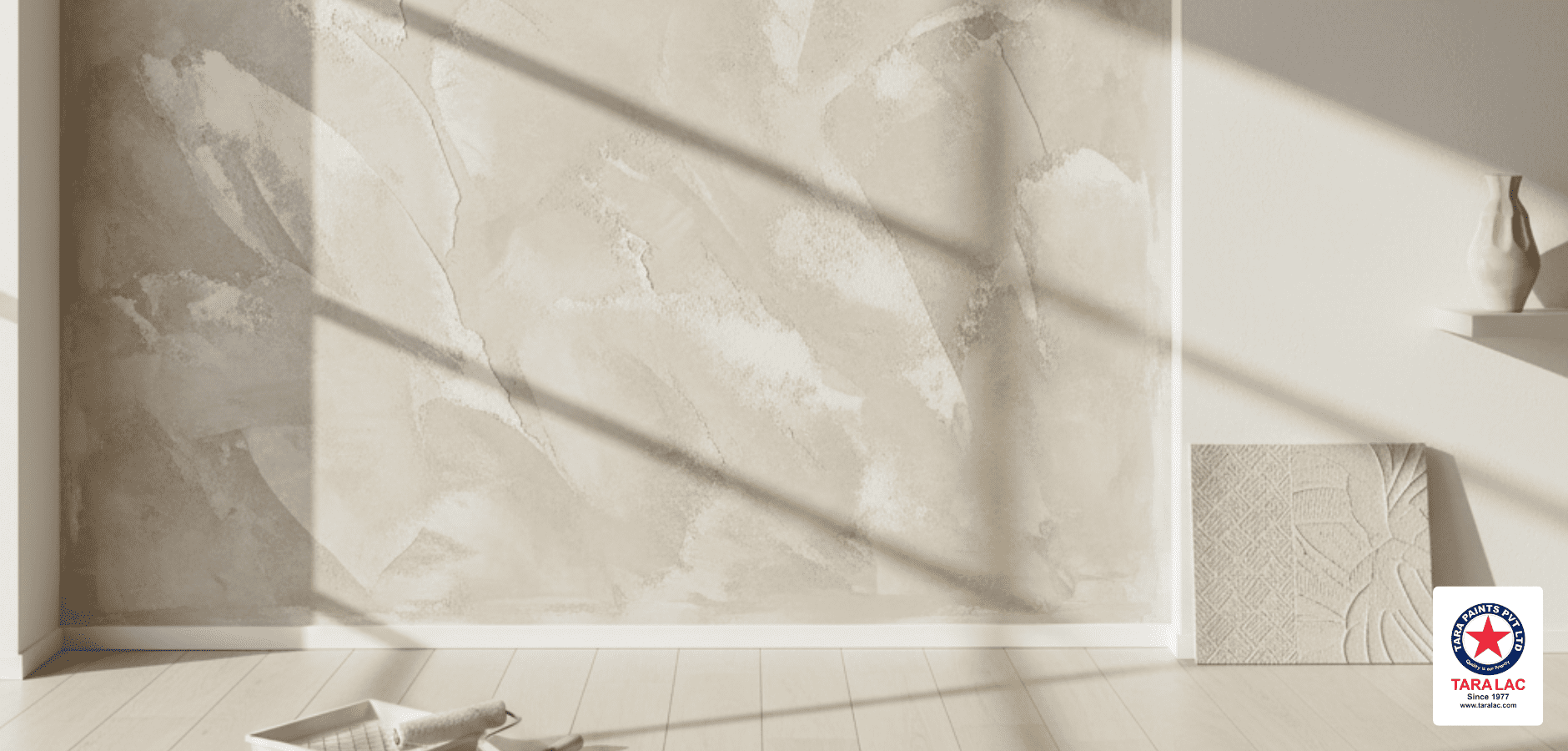
Depth is difficult to achieve with flat paint, which is why interior wall texture often stands out. As the surface builds gentle layers, it creates its own mix of shadows and highlights, giving the wall a presence you notice without effort. Even a modest rise in the pattern can feel crafted rather than decorative. From structured designs to softer, cloud-like finishes, the appeal lies in how these textures shape the room without overpowering it.

A single window or a warm lamp can bring out details you barely noticed before. Rooms that feel a bit flat often come alive once texture is introduced. It isn’t always predictable, and that slight unpredictability tends to make a textured wall feel more natural.

The Strength Behind the Style

It’s easy to assume textured finishes are all about looks. The practical side is often more impressive. The extra materials in interior wall texture paint make it resilient. Minor scuffs, furniture bumps, or even kids running toys against the wall do not show up as easily.

Most people notice this benefit of scratch and stain-resistant materials over time. A textured surface hides mild scratches because of its uneven pattern. Stains also become less visible, especially in mid-tone colours. Busy families or homes with pets often discover this accidentally and then commit to textured finishes in high-traffic rooms.

You can use wall texture paint for the home almost anywhere, but some areas truly shine:

  • Living rooms where you want a focal point
  • Bedrooms needing a warm or calming backdrop
  • Entryways that set the tone for guests
  • Family rooms where resilience matters
  • Offices where you want quiet elegance

Bathrooms and kitchens work too if the finish is suitable for moisture and easy cleaning.

Mixing Color and Texture

Colour decisions influence the mood more than people expect. Pair that with wall texture, and the outcome becomes even more expressive.

Soft neutrals calm a room. Deep shades bring intensity. Pastels lift a space and make it feel more open. When colours sit on textured surfaces, they behave differently. A single shade can look layered because the pattern alters how light hits it.

Rough textures work well with warm tones. Smooth textures lean toward cooler shades. Patterns with waves or swirls pair nicely with muted palettes, while sharper designs can handle bold colours without overwhelming the room. There’s no strict formula, just a sense of balance you notice once a sample is on the wall.

Here are simple colour and texture ideas that can refresh any room without complicating the design:

  • For a living room, subtle greys on a stone-like pattern
  • For bedrooms, taupe or pastel shades with a soft and cloudy texture
  • For hallways, off-white shades with linear impressions
  • For family rooms, warm beiges with medium textures that hide marks easily

If you’re unsure, test a small patch first. Real light reveals things that a catalogue never can.

Choosing the Right Texture Paint

People often focus on colour, and then texture becomes a second thought. In practice, texture should be chosen with equal care.

Focus on three aspects:

  • Look at how the finish appears in the room and whether it matches the mood you want.
  • Check how sturdy it is, since some textures hold up better to daily use than others.
  • Think about the surface itself, too, and whether you prefer a stronger statement or something more restrained.

The goal is for the texture to support the space rather than override it, and the range of choices available makes it easy to find a fit. Grainy, rugged, smooth-rise, swirl, wave, brick impressions, marble-like finishes, and artistic patterns all convey different things. Rough finishes bring warmth, while gentle waves create a calm backdrop.

Tara Paints has built its reputation by delivering consistent quality, especially for customers who need long-lasting finishes. As one of the recognised texture paint manufacturers in Ahmedabad, the brand offers blends that work well in both modern and traditional homes. Our formulations retain colour, resist damage, and remain elegant for many years.

Since we are also trusted among decorative paint manufacturers in Gujarat, homeowners and designers often turn to us for projects that demand both beauty and durability.

Using Texture Paint in Different Rooms

You don’t need to texture every wall. Sometimes a single surface lifts the entire room.

Living Room: Statement or Accent Walls

A textured feature behind the sofa or TV area becomes a focal point without forcing attention. It adds presence to a room that might otherwise feel too minimal.

Bedroom: Soft Colors and Relaxing Textures

Bedrooms benefit from gentle patterns. Something that doesn’t distract but still adds warmth. A balanced shade combined with a mild pattern works well for people who prefer quiet spaces.

Entryway: Bold First Impressions

Entryways can handle bolder textures. A strong pattern here creates an impression before guests even step fully inside the home.

Kids’ and Family Rooms: Fun Yet Durable Finishes

These rooms see constant movement. Textured walls hide wear and last longer, which helps when you don’t want to repaint often.

Kitchen and Office: Easy-to-Clean and Elegant Looks

Some might hesitate to texture these areas, but the right finish, which is denser and smoother, can work surprisingly well. It stays clean, wipes easily, and adds a refined backdrop to a space people often underestimate.

Simple Tips for Best Results

Even the best wall texture paint benefits from thoughtful application.

Choose the Right Texture for the Right Area

A rugged design near the dining space might feel out of place. A very soft texture in the entryway may look understated. Match the feel of the room with the intensity of the texture.

Always Test Samples Under Real Light

A patch applied near a window will look different throughout the day. This small test saves effort later.

Mix Color and Texture for a Balanced Look

Texture alone isn’t enough. When colour supports it, the result feels intentional instead of accidental.

Keep Your Textured Walls Clean and Fresh

A light dusting now and then prevents buildup. For stronger textures, a soft brush often works better than a cloth.

Conclusion

Texture brings personality to a home. It changes how walls behave, how light moves, and how a room feels when you walk into it after a long day. Whether you want a bold statement or something quiet and comforting, wall texture paint for the home opens a range of options that go far beyond flat colour. A small shift in surface design can reshape how a space is experienced, sometimes far more than a complete makeover.

At Tara Paints, you’ll find finishes designed to refresh interiors with a crafted and long-lasting look. The range includes dependable options for wall texture paint and other premium coatings. Our products support modern homes, busy spaces, and detailed design work with ease.

Reach out to us at +91 8000 011 774 for guidance, samples, or purchase information. Our team can help you select the right texture and finish for your space.

FAQ

It adds depth and pattern rather than producing a smooth coat of colour. The finish interacts with light in ways flat paint never does. Many homeowners find the look more engaging once they see it in person.

Most walls work fine as long as the surface is dry and prepared properly. If the wall has deep cracks or moisture, those issues should be resolved first. A clean and stable base always helps the texture settle better.

Yes. Its strength and visual depth work well in both spaces. Workplaces often lean toward quieter textures that keep the setting professional, while homes have room to experiment with bolder or more detailed finishes. This makes texture paint easy to adjust for different needs.

Stone, swirl, sand, wave, and marble-inspired finishes remain widely used, each offering a distinct look without overwhelming the room. These styles work in a wide range of interiors, from minimalist to ornamental. Some people experiment with custom patterns to match their décor.

Minor imperfections are less visible once the texture covers them. It won’t fix structural problems, but it can soften the appearance of small flaws. This is why many older homes use textured finishes on selected walls.

Yes, a gentle brush or soft cloth usually works. For deeper textures, a small handheld brush reaches into the grooves more effectively. Regular light cleaning keeps the finish looking fresh.

Room size, lighting, and the type of texture all influence which colour works best, though mid-tones usually remain reliable. Warm shades soften the look of the texture, while deeper colours make the raised details stand out more clearly. Testing a small patch in the room’s actual light gives the most accurate sense of how it will behave.

High-quality texture paint holds its look for many years. Its resistance to scratches and stains often gives it a longer life than flat paint, and basic upkeep helps preserve that durability.

Yes, as long as you select a finish designed to handle moisture. These coatings stay stable even when humidity fluctuates. They also pair well with washable surfaces that kitchens and bathrooms often require.

Understanding Hygiene Coatings for a Healthier Home

Introduction to Hygiene Coatings

Did you know that the right hygiene coatings can significantly improve indoor air quality and reduce health risks? As urban areas like Ahmedabad face increasing humidity and pollution, the need for effective solutions becomes paramount. Hygiene coatings are designed to combat moisture, prevent mold growth, and enhance the overall health of your living environment. These specialized paints not only protect surfaces but also contribute to a cleaner, safer home. In this article, we will explore the various types of hygiene coatings available, their benefits, and how they can be effectively utilized in residential and commercial settings.

Comprehensive Overview of Hygiene Coatings

The concept of hygiene coatings has evolved significantly over the years. Initially developed for industrial applications, these coatings have now found their way into residential use, especially in areas prone to dampness and moisture-related issues. Hygiene coatings are formulated with antimicrobial properties that inhibit the growth of bacteria, fungi, and other harmful microorganisms.

Types of Hygiene Coatings

There are several types of hygiene coatings available in the market today:

  • Damp-proof coatings: These are specifically designed to prevent moisture from penetrating walls and ceilings.
  • Moisture-resistant paints: Ideal for areas with high humidity, such as bathrooms and kitchens.
  • Zero damp paint: A revolutionary solution that offers superior protection against water seepage.
  • Anti-damp solutions: These products provide an additional layer of defense against moisture infiltration.

The Importance of Hygiene Coatings in Ahmedabad

In a city like Ahmedabad, where humidity levels can soar during monsoon seasons, implementing hygiene coatings is essential. Not only do these coatings protect your property from water damage, but they also contribute to a healthier living environment by reducing allergens and pathogens. This is particularly important for families with children or individuals with respiratory issues.

Technical Deep Dive into Hygiene Coatings

The effectiveness of hygiene coatings lies in their unique formulations. These coatings often contain advanced polymers and additives that enhance their performance against moisture and microbial growth.

How Hygiene Coatings Work

Hygiene coatings function by creating a barrier on surfaces that repels water while allowing them to breathe. This means that while moisture is kept out, any trapped humidity within walls can escape, preventing mold growth. The antimicrobial agents embedded in these coatings actively kill bacteria and fungi upon contact.

Application Techniques for Optimal Results

To achieve the best results with hygiene coatings, proper application techniques are crucial:

  • Surface Preparation: Ensure surfaces are clean, dry, and free from contaminants.
  • Application Method: Use a roller or spray for even coverage; avoid brush marks.
  • Curing Time: Allow adequate drying time between coats for maximum effectiveness.

Professional Best Practices for Using Hygiene Coatings

Implementing best practices when using hygiene coatings can enhance their longevity and effectiveness. Here are some expert recommendations:

Regular Maintenance Checks

Conduct regular inspections of painted surfaces to identify any signs of wear or damage. Early detection allows for timely repairs and reapplication of hygiene coatings as needed.

Selecting the Right Product for Your Needs

When choosing hygiene coatings, consider factors such as:

  • The specific area of application (interior vs. exterior).
  • The level of moisture exposure (high humidity areas require more robust solutions).
  • Your budget and long-term maintenance plans.

“Investing in quality hygiene coatings today can save you from costly repairs tomorrow.” – Industry Expert

The Future of Hygiene Coatings in Ahmedabad

The demand for hygiene coatings is expected to grow as awareness about health and environmental concerns increases. With advancements in technology, future products will likely offer even greater protection against moisture and microbial threats. As the industry evolves, professionals in Ahmedabad must stay informed about new developments to provide the best solutions for their clients.

The future of hygiene coatings is bright as more homeowners recognize their importance in maintaining a healthy living environment. By adopting these innovative solutions, residents can enjoy improved air quality and enhanced protection against moisture-related issues.

Summary: This article discussed anti-damp solutions, best hygiene coatings, damp-proof coatings, exterior wall protection, home waterproofing solutions, hygiene coatings, hygiene coatings in ahmedabad, hygiene coatings services, interior damp-proofing, moisture-resistant paint, paint for wet environments, water infiltration barriers, water seepage prevention, zero damp paint, highlighting why Professional Paints is the leading choice for surface protection and decoration in your region.

Frequently Asked Questions

What are hygiene coatings?

Hygiene coatings are specialized paints designed to prevent moisture penetration and inhibit microbial growth on surfaces.

How do I choose the best hygiene coating for my home?

Select a product based on the specific area’s moisture exposure levels and your long-term maintenance plans.

Can hygiene coatings be applied outdoors?

Yes, there are specific formulations designed for exterior use that provide protection against weather elements.

How often should I reapply hygiene coatings?

This depends on the product used; however, regular inspections should guide timely reapplications.

Are there any eco-friendly options available?

Yes, many manufacturers now offer eco-friendly hygiene coatings that meet stringent environmental standards.

What is zero damp paint?

This is a type of coating specifically formulated to prevent dampness from penetrating walls effectively.

How do hygiene coatings improve indoor air quality?

By preventing mold growth and reducing allergens, these coatings contribute to better indoor air quality.

Where can I find hygiene coating services in Ahmedabad?

You can find numerous local experts specializing in hygiene coating applications throughout Ahmedabad.

Optimize Industrial Structure and Building with Innovative T

Introduction to Industrial Structure and Building Protection

Moisture-related issues are a significant concern in the industrial structure and building sector, particularly in regions like Ahmedabad. Recent studies indicate that over 30% of industrial buildings face challenges related to dampness and water seepage, leading to structural damage and increased maintenance costs. This alarming statistic highlights the urgent need for effective solutions in industrial structure and building applications. Protecting these structures is not just about aesthetics; it’s about ensuring longevity, safety, and operational efficiency. In this article, we will explore innovative techniques for optimizing interior decor protection while addressing moisture-related challenges faced by industrial structures in Ahmedabad.

Comprehensive Overview of Industrial Structure and Building

The industrial structure and building industry encompasses a wide range of facilities, including warehouses, factories, and distribution centers. These structures must withstand various environmental factors, including humidity, temperature fluctuations, and chemical exposure. Understanding the unique challenges posed by these environments is crucial for implementing effective protective measures.

The Importance of Moisture Management

Moisture management is a critical aspect of maintaining the integrity of industrial buildings. Excessive moisture can lead to mold growth, corrosion of metal components, and deterioration of concrete structures. In Ahmedabad, where humidity levels can fluctuate significantly, implementing robust moisture control strategies is essential.

Innovative Solutions for Dampness Issues

To combat dampness, various innovative solutions have emerged in the paints industry. For instance, damp-proof coatings and moisture-resistant paints are designed specifically to prevent water infiltration. These products create a barrier that protects surfaces from moisture damage while allowing the underlying materials to breathe.

Technical Deep Dive into Protective Paint Technologies

The advancement of paint technologies has revolutionized how we approach moisture protection in industrial structure and building. Understanding these technologies can help professionals select the right products for their specific needs.

Damp-Proof Coatings Explained

Damp-proof coatings are specially formulated to resist moisture penetration. They typically contain water-repellent additives that enhance their performance in wet environments. When applied correctly, these coatings can significantly reduce the risk of water damage in industrial settings.

Zero Damp Paint: A Game Changer

Zero damp paint is an innovative solution that offers superior protection against moisture. Unlike traditional paints, which may allow some level of moisture intrusion, zero damp paint forms a complete barrier against water infiltration. This makes it particularly effective for use in high-humidity areas within Ahmedabad.

  • Water Seepage Prevention: Effective coatings prevent water from penetrating walls.
  • Interior Damp-Proofing: Essential for maintaining indoor air quality.
  • Exterior Wall Protection: Shields against environmental elements.

Best Practices for Implementing Protective Measures

Implementing protective measures requires careful planning and execution. Here are some best practices to consider when addressing moisture issues in industrial structures:

Selecting the Right Products

The first step in protecting your industrial facility is selecting the right products. Consider factors such as the specific environmental conditions in Ahmedabad, the type of materials used in construction, and the intended use of the space. Consulting with experts in industrial structure and building services can provide valuable insights into product selection.

Application Techniques for Optimal Results

The application technique is just as important as the product itself. Ensure that surfaces are properly prepared before applying any coatings or paints. This includes cleaning, repairing any damage, and allowing adequate drying time between coats. Following manufacturer guidelines will ensure that you achieve the best possible results.

“Proper surface preparation is key to achieving long-lasting protection against moisture.” – Industry Expert

The Future of Industrial Structure Protection in Ahmedabad

The future of protecting industrial structures in Ahmedabad lies in continuous innovation and adaptation to emerging challenges. As climate patterns change and urban development increases, the demand for effective moisture management solutions will only grow. Forward-thinking professionals are already exploring advanced materials and technologies that promise enhanced durability and sustainability.

The integration of smart technologies into building management systems will also play a crucial role in monitoring moisture levels and ensuring timely interventions. By embracing these innovations, stakeholders can safeguard their investments while contributing to a more resilient infrastructure.

Conclusion: Embracing Innovation for Lasting Protection

The landscape of industrial structure and building protection is evolving rapidly. By adopting innovative techniques such as zero damp paint and advanced damp-proof coatings, professionals can effectively combat moisture-related challenges faced by industrial facilities in Ahmedabad. As we move forward, staying informed about emerging technologies will be essential for maintaining the integrity of our buildings while ensuring they remain functional and safe for years to come.

Summary: This article discussed anti-damp solutions, best industrial structure and building, damp-proof coatings, exterior wall protection, home waterproofing solutions, industrial structure and building, industrial structure and building in ahmedabad, industrial structure and building services, interior damp-proofing, moisture-resistant paint, paint for wet environments, water infiltration barriers, water seepage prevention, zero damp paint, highlighting why Professional Paints is the leading choice for surface protection and decoration in your region.

Frequently Asked Questions

What are damp-proof coatings?

Damp-proof coatings are specialized paints designed to prevent moisture penetration into walls and surfaces.

How does zero damp paint work?

Zero damp paint creates a complete barrier against water infiltration, making it ideal for high-humidity environments.

Why is moisture management important in industrial buildings?

Moisture management prevents structural damage, mold growth, and ensures a safe working environment.

What are some best practices for applying protective coatings?

Select appropriate products based on environmental conditions and ensure proper surface preparation before application.

Can I apply damp-proof coatings myself?

While DIY application is possible, consulting with professionals ensures optimal results and adherence to guidelines.

What role does technology play in moisture management?

Emerging technologies help monitor moisture levels and facilitate timely interventions to protect building integrity.

Where can I find experts in industrial structure services in Ahmedabad?

You can find experts through local construction associations or online directories specializing in industrial services.

amazon-image flipkart-image