India
India


Introduction to Damp-Proofing in Water Infrastructure
Did you know that over 30% of buildings in urban areas experience some form of moisture-related damage? This alarming statistic underscores the importance of effective damp-proofing techniques, especially in regions like Ahmedabad, where humidity can exacerbate water infiltration issues. The need for robust water infrastructure solutions is critical to prevent structural damage and ensure the longevity of buildings. In this article, we will explore various damp-proofing techniques that are essential for maintaining the integrity of water infrastructure, including innovative products and best practices.
Comprehensive Overview of Damp-Proofing Techniques
Damp-proofing is a crucial aspect of water infrastructure, aimed at preventing moisture from penetrating walls and foundations. This process is vital not only for residential buildings but also for large-scale industrial applications. The history of damp-proofing dates back centuries, but modern advancements have led to more effective solutions tailored to specific environmental conditions.
The Importance of Damp-Proofing in Ahmedabad
In Ahmedabad, the climate can lead to significant challenges regarding moisture control. With monsoon seasons bringing heavy rainfall, the risk of water seepage increases dramatically. Implementing effective damp-proofing techniques can protect structures from potential damage caused by water infiltration.
Types of Damp-Proofing Techniques
There are several methods employed in damp-proofing, including:
- Damp-Proof Membranes (DPMs): These are physical barriers installed within walls or floors to prevent moisture from rising.
- Damp-Proof Coatings: These are applied directly to surfaces to create a moisture-resistant layer.
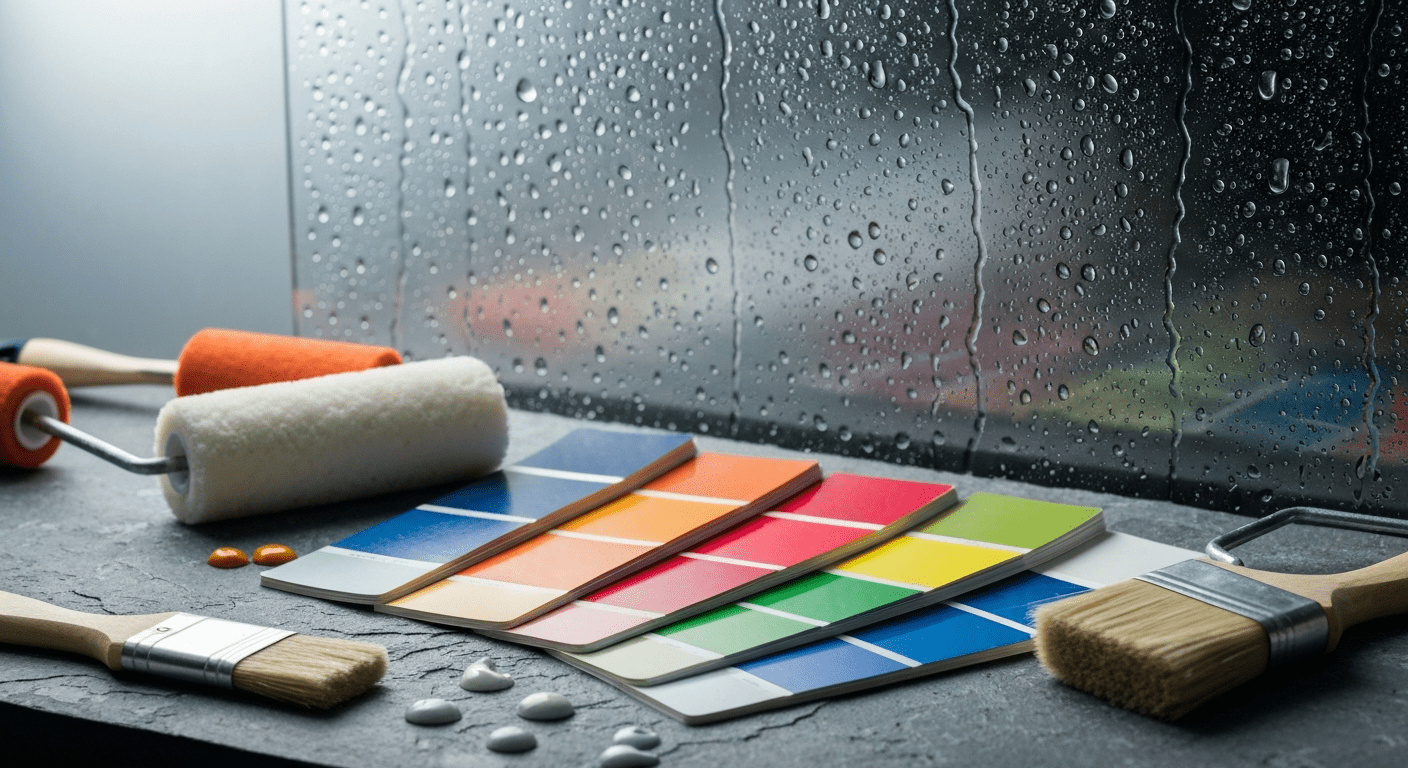
- Moisture-Resistant Paint: Specially formulated paints that can withstand wet environments are used to protect interior and exterior surfaces.
- Water Infiltration Barriers: These systems redirect water away from structures, minimizing the risk of seepage.
Technical Deep Dive into Damp-Proofing Solutions
The effectiveness of damp-proofing solutions relies on understanding the mechanics behind moisture control. Various factors influence how well these techniques perform, including environmental conditions, material properties, and application methods.
How Damp-Proof Membranes Work
Damp-proof membranes act as barriers that prevent moisture from rising through capillary action. They are typically made from polyethylene or bitumen and are installed during construction or renovation projects. Proper installation is critical; any gaps or punctures can compromise their effectiveness.
The Role of Moisture-Resistant Paints
Moisture-resistant paints are designed to repel water and resist mold growth. These paints contain additives that enhance their durability in humid environments. For example, using moisture-resistant paint in bathrooms or kitchens can significantly reduce the likelihood of mold and mildew formation.
Best Practices for Effective Damp-Proofing
Implementing best practices in damp-proofing ensures long-lasting results and protects investments in water infrastructure. Here are some professional recommendations:
You might also be interested in: Read more about: Optimize Water Infrastructure Solutions …
Conduct Thorough Assessments
Before applying any damp-proofing technique, it’s essential to conduct a comprehensive assessment of the property. This includes checking for existing moisture issues, identifying vulnerable areas, and evaluating the building’s overall condition.
Select Appropriate Materials
The choice of materials plays a significant role in the success of damp-proofing efforts. In Ahmedabad, selecting products specifically designed for local climate conditions can enhance performance. For instance, using damp-proof coatings that are resistant to high humidity will yield better results.
The Future of Damp-Proofing in Water Infrastructure
The future of damp-proofing techniques is promising, with ongoing research and development leading to more effective solutions. Innovations such as smart coatings that change properties based on environmental conditions are emerging. As sustainability becomes a priority, eco-friendly materials and methods will likely gain traction in the industry.
Emerging Technologies in Damp-Proofing
Technological advancements are paving the way for smarter damp-proofing solutions. For example, nanotechnology is being explored to create ultra-thin coatings that provide superior protection without adding bulk to structures.
Sustainability Trends in Water Infrastructure
Sustainability is becoming increasingly important in the paints industry. The use of low-VOC (volatile organic compounds) products not only improves indoor air quality but also reduces environmental impact. Choosing sustainable options aligns with global efforts to promote eco-friendly practices within water infrastructure services.
Conclusion: The Path Forward for Water Infrastructure in Ahmedabad
The future of damp-proofing techniques is bright as innovations continue to emerge, providing enhanced protection against moisture-related issues. For professionals working in Ahmedabad, staying informed about these advancements is crucial. By adopting best practices and utilizing cutting-edge materials, stakeholders can ensure the longevity and integrity of their structures. As we move forward, embracing sustainability alongside technological advancements will be key to developing resilient water infrastructure solutions.
Frequently Asked Questions
What is damp-proofing?
Damp-proofing refers to methods used to prevent moisture from penetrating walls and foundations, protecting structures from water damage.
Why is damp-proofing important in Ahmedabad?
The humid climate and heavy monsoon rains in Ahmedabad increase the risk of water infiltration, making effective damp-proofing essential for building longevity.
You might also be interested in: Read more about: Best Water Infrastructure Solutions in A…
What types of materials are used for damp-proofing?
Damp-proof membranes, coatings, moisture-resistant paints, and water infiltration barriers are commonly used materials for effective damp-proofing.
How do I choose the right damp-proofing solution?
Select a solution based on a thorough assessment of your property’s needs, considering local climate conditions and specific vulnerabilities.
Can I apply damp-proof coatings myself?
While some coatings can be applied by homeowners, it’s recommended to consult professionals for optimal results and proper application techniques.
What are the benefits of using eco-friendly damp-proofing products?
Eco-friendly products reduce environmental impact and improve indoor air quality while providing effective moisture protection.
How often should I assess my property’s damp-proofing needs?
A thorough assessment should be conducted regularly or whenever significant weather events occur to ensure ongoing protection against moisture issues.
Are there any new technologies in damp-proofing?
Yes, emerging technologies include smart coatings that adapt to environmental conditions and nanotechnology for enhanced protection without added bulk.
Summary: This article discussed anti-damp solutions, best water infrastructure, damp-proof coatings, exterior wall protection, home waterproofing solutions, interior damp-proofing, moisture-resistant paint, paint for wet environments, water infiltration barriers, water infrastructure, water infrastructure in ahmedabad, water infrastructure services, water seepage prevention, zero damp paint, highlighting why Professional Paints is the leading choice for surface protection and decoration in your region.