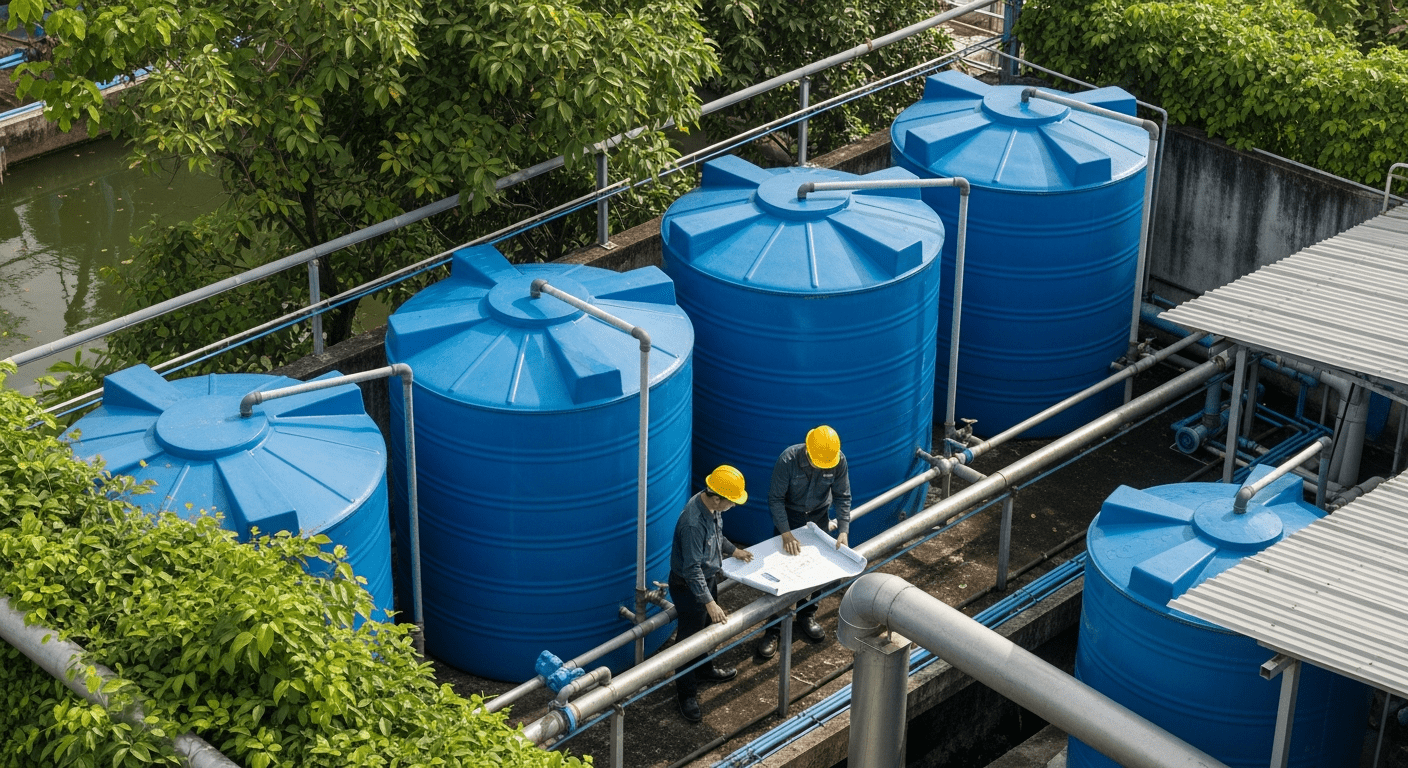
Effective Strategies for Water Infrastructure in Ahmedabad

Understanding the Importance of Water Infrastructure

Water infrastructure is the backbone of any urban area, particularly in rapidly growing cities like Ahmedabad. This infrastructure encompasses various systems that manage the supply, treatment, and distribution of water, ensuring that residents have access to clean and safe water. Recent studies highlight that cities with well-developed water infrastructure experience improved public health outcomes and economic growth. The urgency for effective water management strategies has never been more critical, especially as Ahmedabad faces challenges related to population growth and climate change.

Comprehensive Overview of Water Infrastructure in Ahmedabad

The concept of water infrastructure includes a multitude of components such as reservoirs, pipelines, treatment plants, and distribution networks. In Ahmedabad, the increasing demand for water due to urbanization has led to significant pressure on existing systems. Understanding the historical context and current challenges is essential for developing effective solutions.

The Historical Context of Water Infrastructure in Ahmedabad

Historically, Ahmedabad has relied on various sources for its water supply, including rivers, lakes, and groundwater. The ancient systems were designed to harness monsoon rains effectively, but as the population grew, these methods became insufficient. Today, modern engineering solutions are paramount. Integrating technology with traditional practices can enhance efficiency and sustainability.

Current Challenges Facing Water Infrastructure

Ahmedabad faces several challenges regarding its water infrastructure:

  • Water Scarcity: The demand for water is increasing significantly, putting pressure on available resources.
  • Deteriorating Infrastructure: Aging pipes and treatment plants lead to inefficiencies and substantial water losses.
  • Pollution: Contamination of water sources poses serious health risks to residents.

Addressing these challenges requires innovative approaches and investment in modern technologies to ensure a sustainable future for water infrastructure in Ahmedabad.

Technical Deep Dive into Water Management Solutions

Implementing effective water management solutions involves understanding the technical aspects of various systems. This section explores key technologies that can enhance water infrastructure in Ahmedabad.

Smart Water Management Systems

Smart technologies are revolutionizing how cities manage their water resources. These systems utilize sensors and data analytics to monitor water quality and usage patterns in real-time. For instance, smart meters can detect leaks early, reducing waste and improving efficiency. In Ahmedabad, adopting smart water management systems can significantly enhance the reliability of the water supply.

Sustainable Practices in Water Infrastructure

Sustainability is at the forefront of modern water management strategies. Techniques such as rainwater harvesting and greywater recycling are becoming increasingly popular in Ahmedabad. These practices not only conserve water but also reduce the burden on existing infrastructure. By implementing sustainable practices, communities can contribute to a more resilient water infrastructure.

Professional Best Practices for Enhancing Water Infrastructure

To ensure the longevity and effectiveness of water infrastructure, professionals must adhere to best practices that incorporate both technical knowledge and sustainable approaches.

Regular Maintenance and Upgrades

Routine maintenance is essential for preventing system failures. Regular inspections can identify potential issues before they escalate into costly repairs. Upgrading old systems with modern materials can also enhance durability and performance. In Ahmedabad, prioritizing maintenance can lead to significant improvements in service delivery.

Community Engagement and Education

Engaging the community in water conservation efforts is vital. Educational programs can raise awareness about the importance of preserving water resources and encourage responsible usage among residents. Involving local communities in decision-making processes fosters a sense of ownership and responsibility towards sustainable practices.

The Future of Water Infrastructure in Ahmedabad

The future of water infrastructure in Ahmedabad hinges on innovation, sustainability, and community involvement. As urban challenges continue to evolve, so too must our approaches to managing water resources. By embracing new technologies and fostering public engagement, we can create a resilient water infrastructure that meets the needs of all residents. The ongoing commitment to improvement will ensure that Ahmedabad remains a leader in effective water management practices.

Frequently Asked Questions

What is meant by water infrastructure?

Water infrastructure refers to the systems and facilities that manage the supply, treatment, and distribution of water within a community.

Why is sustainable water management crucial?

Sustainable water management helps conserve resources, reduce environmental impact, and ensure long-term availability of clean water.

How can technology improve water infrastructure?

Technology enhances monitoring capabilities, increases efficiency through data analytics, and facilitates early detection of issues such as leaks.

What are some common challenges faced by urban areas like Ahmedabad?

Common challenges include aging infrastructure, pollution, increased demand due to population growth, and impacts from climate change.

How can communities participate in improving local water management?

Communities can engage through educational programs, participating in conservation initiatives, and advocating for sustainable practices.

What role do government policies play in water infrastructure?

Government policies are critical for funding projects, setting regulations for sustainable practices, and ensuring equitable access to clean water.

What are some examples of innovative solutions for water conservation?

Innovative solutions include rainwater harvesting systems, greywater recycling techniques, and smart irrigation technologies that optimize resource use.

Summary: This article discussed anti-damp solutions, best water infrastructure, damp-proof coatings, exterior wall protection, home waterproofing solutions, interior damp-proofing, moisture-resistant paint, paint for wet environments, water infiltration barriers, water infrastructure, water infrastructure in ahmedabad, water infrastructure services, water seepage prevention, zero damp paint, highlighting why Professional Paints is the leading choice for surface protection and decoration in your region.
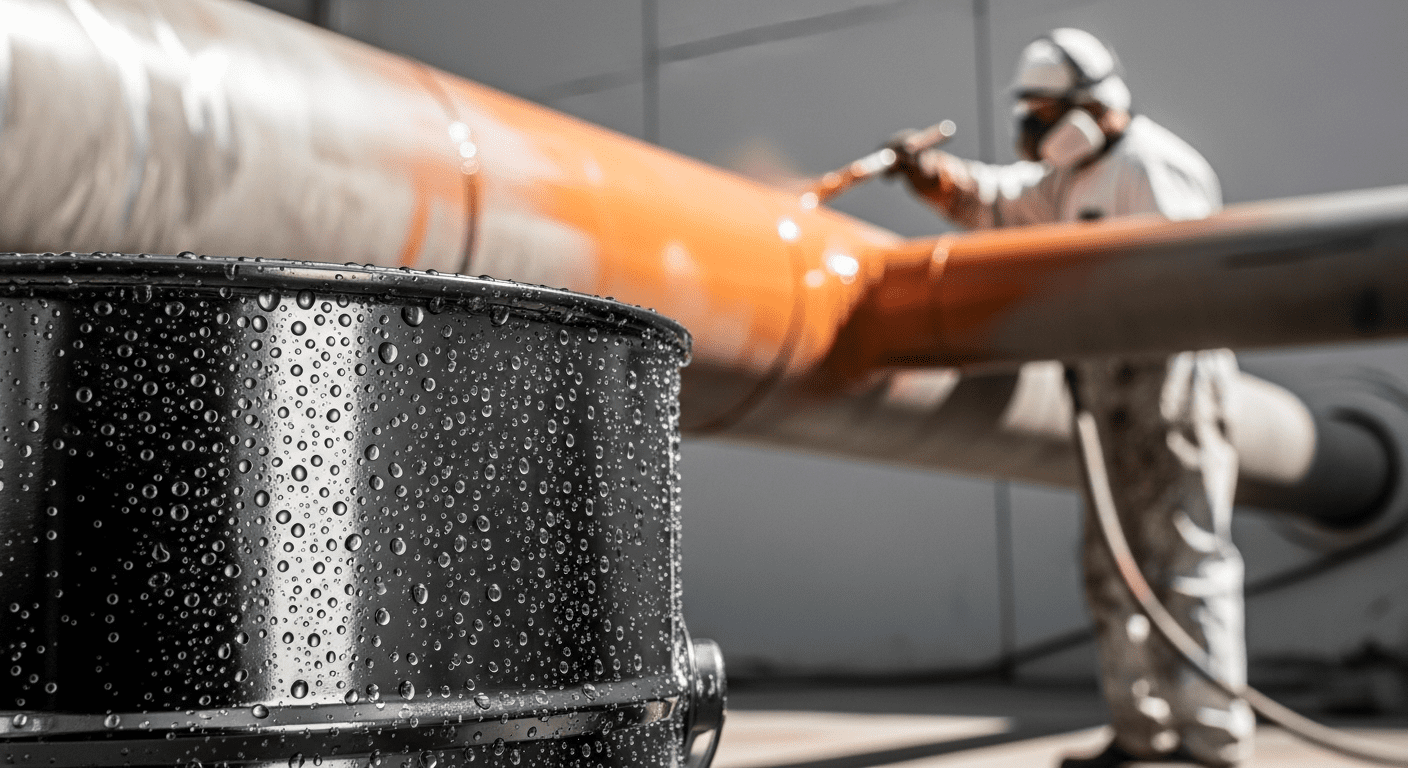
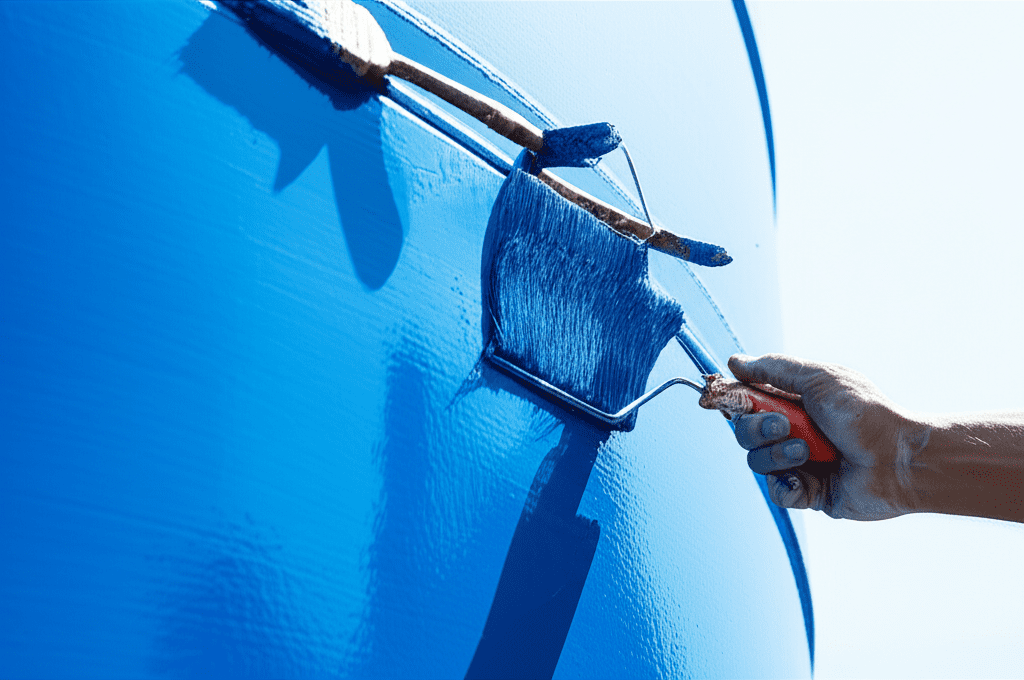
Optimize Paint Durability for Water Infrastructure

Introduction to Water Infrastructure Paints

Did you know that the right choice of paint can significantly enhance the longevity and effectiveness of water infrastructure? In Ahmedabad, where water management is crucial due to varying climatic conditions, understanding how to optimize paint durability is essential. The water infrastructure sector faces unique challenges, including moisture exposure and potential water seepage. This article will delve into the critical aspects of paint selection and application that can help mitigate these challenges, ensuring that structures remain resilient and functional.

Comprehensive Overview and Context

The importance of water infrastructure cannot be overstated, especially in urban areas like Ahmedabad. It encompasses systems such as pipelines, reservoirs, and treatment plants that are vital for supplying clean water. However, these structures are often exposed to harsh environmental conditions, leading to wear and tear over time. The use of appropriate paints and coatings is a key factor in maintaining their integrity.

Historical Context of Paints in Water Infrastructure

Historically, paints used in water infrastructure were primarily focused on aesthetics rather than functionality. However, with advancements in technology, there has been a shift towards developing specialized coatings that offer protection against moisture and corrosion. For instance, damp-proof coatings have become essential in preventing water infiltration in critical areas.

The Current Landscape of Paints for Water Infrastructure

Today, the market offers a variety of paints specifically designed for water infrastructure. These include moisture-resistant paints, which are formulated to withstand wet environments. In Ahmedabad, where humidity can be high, selecting the right product is crucial for ensuring long-term performance.

Technical Deep Dive & Analysis

Understanding the technical specifications of paints used in water infrastructure is vital for making informed decisions. Various factors influence paint performance, including composition, application methods, and environmental conditions.

Key Features of Moisture-Resistant Paints

Moisture-resistant paints are engineered to repel water and prevent dampness from penetrating surfaces. These products often contain specialized additives that enhance their ability to resist moisture and mildew growth. For instance, paints with wax emulsions or silicone-based formulations can provide superior protection against water damage.

Application Techniques for Optimal Performance

The application method significantly impacts the durability of paint in water infrastructure. Proper surface preparation is crucial; surfaces must be clean, dry, and free from contaminants. Additionally, applying multiple thin coats rather than a single thick coat can enhance adhesion and overall durability.

  • Ensure surfaces are thoroughly cleaned before painting.
  • Use primer specifically designed for high-moisture environments.
  • Apply at recommended temperatures to ensure proper curing.

Professional Best Practices

Implementing best practices in painting can greatly extend the life of water infrastructure. Here are some expert recommendations:

Choosing the Right Products

Selecting the right products is fundamental. Look for paints labeled as damp-proof solutions, which are designed specifically for areas prone to moisture exposure. In Ahmedabad, opting for local suppliers who understand regional challenges can provide an added advantage.

Sustainability Considerations

Sustainability is becoming increasingly important in the paints industry. Choosing eco-friendly options not only benefits the environment but also often results in better performance over time. Products with low volatile organic compounds (VOCs) are preferable as they contribute less to air pollution while maintaining effectiveness.

Conclusion: The Future of Paints in Water Infrastructure

The future of paint technology in water infrastructure is promising. As innovations continue to emerge, professionals must stay informed about new products and techniques that enhance durability and sustainability. By prioritizing high-quality materials and adhering to best practices, stakeholders can ensure that their investments in infrastructure withstand the test of time and environmental challenges.

Frequently Asked Questions

What types of paint are best for water infrastructure?

The best types of paint for water infrastructure include moisture-resistant paints and damp-proof coatings designed to withstand wet environments.

How often should I repaint water infrastructure?

The frequency of repainting depends on environmental conditions; however, it is advisable to inspect every 5 years and repaint as necessary.

Can I use regular wall paint on outdoor water infrastructure?

No, regular wall paint lacks the necessary properties to withstand moisture exposure and may lead to deterioration over time.

What are damp-proof coatings?

Damp-proof coatings are specialized paints designed to prevent moisture penetration and protect surfaces from water damage.

How do I prepare surfaces before painting?

Surfaces should be cleaned thoroughly, dried completely, and any existing peeling paint should be removed before applying new coatings.

Are there eco-friendly options available?

Yes, many manufacturers now offer eco-friendly paints with low VOCs that provide effective protection while being better for the environment.

What role does climate play in paint selection?

The local climate significantly influences paint selection; areas with high humidity require moisture-resistant products to ensure durability.

Where can I find reliable suppliers in Ahmedabad?

You can find reliable suppliers by researching local hardware stores or consulting with professionals who specialize in water infrastructure projects.

Summary: This article discussed anti-damp solutions, best water infrastructure, damp-proof coatings, exterior wall protection, home waterproofing solutions, interior damp-proofing, moisture-resistant paint, paint for wet environments, water infiltration barriers, water infrastructure, water infrastructure in ahmedabad, water infrastructure services, water seepage prevention, zero damp paint, highlighting why Professional Paints is the leading choice for surface protection and decoration in your region.
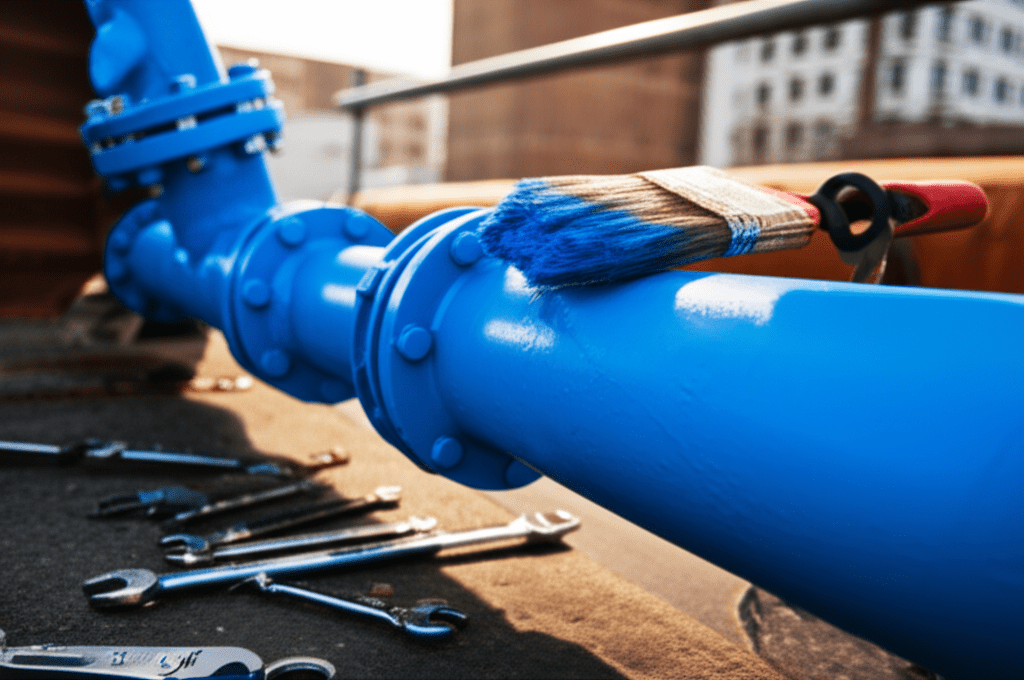
Explore Contractor-Grade Painting Supplies for Professionals

Introduction to Water Infrastructure and Its Importance

Did you know that water infrastructure plays a crucial role in ensuring the sustainability of urban environments? In cities like Ahmedabad, the demand for effective water management systems is ever-increasing due to rapid urbanization and climate change. The paints used in these systems are not just aesthetic; they serve vital functions such as protection against moisture, corrosion, and environmental degradation. This article delves into the significance of specialized paints in the water infrastructure sector, particularly focusing on the unique challenges faced in Ahmedabad.

The Role of Paints in Water Infrastructure

Paints are essential in the water infrastructure industry, providing protective coatings that enhance durability and functionality. They prevent issues such as water seepage, corrosion, and biological growth, which can compromise the integrity of structures. In Ahmedabad, where monsoon seasons can lead to significant water exposure, using the right type of paint is critical.

Types of Paints Used in Water Infrastructure

There are several types of paints specifically designed for use in water infrastructure:

  • Damp-proof coatings: These are designed to prevent moisture ingress and protect surfaces from damp-related damage.
  • Moisture-resistant paint: Ideal for areas exposed to high humidity or direct water contact.
  • Anti-damp solutions: These paints contain additives that inhibit mold and mildew growth.

Benefits of Specialized Paints

The benefits of using specialized paints in water infrastructure projects include:

  • Enhanced durability: These paints withstand harsh environmental conditions.
  • Cost-effectiveness: By preventing damage, they reduce maintenance costs over time.
  • Sustainability: Many modern paints are eco-friendly, contributing to green building practices.

Technical Analysis of Paints for Water Infrastructure

A deep understanding of the technical aspects of paints used in water infrastructure is essential for professionals in the field. The formulation of these paints often includes specific resins and additives that enhance their performance.

Key Features of Effective Water Infrastructure Paints

When selecting paints for water infrastructure, consider the following features:

  • Waterproofing capabilities: Essential for preventing water infiltration barriers.
  • Chemical resistance: Important for areas exposed to pollutants or harsh chemicals.
  • UV resistance: Protects against degradation from sunlight exposure.

The Application Process

The application process for these specialized paints is critical to their effectiveness. Proper surface preparation, including cleaning and priming, ensures optimal adhesion and performance. In addition, environmental conditions during application can significantly impact the curing process and overall effectiveness.

Best Practices and Professional Standards in Painting for Water Infrastructure

Adhering to best practices is vital for ensuring the longevity and effectiveness of paints used in water infrastructure projects. Here are some professional standards to consider:

Preparation and Application Guidelines

The following guidelines should be followed during preparation and application:

  • Surface cleaning: Ensure all surfaces are free from dirt, grease, and old paint.
  • Priming: Use a suitable primer to enhance adhesion.
  • Curing time: Allow adequate curing time between coats to achieve maximum durability.

Sustainability Considerations

Sustainability is becoming increasingly important in the paints industry. Opting for eco-friendly products not only helps the environment but also meets regulatory requirements. Professionals should look for certifications that indicate low VOC (volatile organic compounds) levels and other environmentally friendly attributes.

The Future of Water Infrastructure Paints in Ahmedabad

The future of water infrastructure paints is promising, especially with advancements in technology leading to more durable and sustainable options. As cities like Ahmedabad continue to grow, the need for effective solutions will only increase. Emerging trends include smart coatings that can self-repair or change properties based on environmental conditions.

This evolution presents opportunities for professionals to innovate and improve existing practices. By staying informed about new technologies and materials, industry experts can ensure that they provide the best possible solutions for their clients.

“The future of water infrastructure is not just about maintaining what we have; it’s about innovating for sustainability.” – Industry Expert

Conclusion: Embracing Innovation in Water Infrastructure Painting Solutions

The landscape of water infrastructure is evolving rapidly, driven by technological advancements and increasing environmental awareness. Professionals must adapt by embracing innovative painting solutions that offer enhanced durability and sustainability. As we look towards the future, it is clear that the right choice of paint can significantly impact the longevity and effectiveness of water management systems in Ahmedabad. By prioritizing quality and sustainability, we can ensure a resilient future for our urban environments.

Summary: This article discussed anti-damp solutions, best water infrastructure, damp-proof coatings, exterior wall protection, home waterproofing solutions, interior damp-proofing, moisture-resistant paint, paint for wet environments, water infiltration barriers, water infrastructure, water infrastructure in ahmedabad, water infrastructure services, water seepage prevention, zero damp paint, highlighting why Professional Paints is the leading choice for surface protection and decoration in your region.

Frequently Asked Questions

What types of paints are best for damp environments?

Damp-proof coatings and moisture-resistant paints are ideal for areas prone to high humidity or direct water exposure.

How do I choose the right paint for my project?

Select paints based on their waterproofing capabilities, chemical resistance, and UV resistance depending on your project’s specific needs.

Are there eco-friendly options available?

Yes, many manufacturers now offer eco-friendly paints with low VOC levels that comply with environmental regulations.

What preparation steps should I take before painting?

Cleansing surfaces thoroughly, applying a suitable primer, and ensuring proper curing times between coats are essential preparation steps.

How can I ensure long-lasting results?

Select high-quality paints, follow application guidelines meticulously, and consider environmental factors during application to achieve long-lasting results.

What innovations are emerging in water infrastructure paints?

The industry is seeing advancements such as smart coatings that can self-repair or adapt based on environmental conditions.

Why is sustainability important in paint selection?

Sustainability ensures compliance with regulations, reduces environmental impact, and often leads to better long-term performance of materials used.

Where can I find professional painting services in Ahmedabad?

You can find expert painting services specializing in water infrastructure by searching local directories or consulting industry associations within Ahmedabad.

Innovative Solutions for Water Infrastructure in Ahmedabad

Understanding the Importance of Water Infrastructure

The significance of water infrastructure cannot be overstated, especially in urban areas like Ahmedabad. With increasing population density and industrial growth, the demand for efficient water management systems has surged. Recent studies indicate that cities with robust water infrastructure experience fewer disruptions and better public health outcomes. This article delves into the various aspects of water infrastructure, its challenges, and innovative solutions tailored for regions like Ahmedabad.

The Role of Water Infrastructure

Water infrastructure encompasses a range of systems designed to manage water resources effectively. This includes treatment plants, distribution networks, and stormwater management systems. In Ahmedabad, the integration of modern technologies has become essential to address issues such as water scarcity and contamination. The city’s unique geographical and climatic conditions necessitate tailored approaches to ensure sustainable water supply and quality.

Challenges Faced in Urban Water Management

Despite advancements, urban areas face numerous challenges in managing their water resources. In Ahmedabad, issues such as aging infrastructure, inadequate maintenance, and pollution from industrial activities pose significant threats to water quality. Furthermore, rapid urbanization has led to increased demand, often outpacing supply capabilities. Addressing these challenges requires innovative solutions that prioritize sustainability and resilience.

Technical Innovations in Water Infrastructure

Recent technological advancements have revolutionized the field of water infrastructure. Innovations such as smart water management systems, advanced filtration technologies, and eco-friendly materials are paving the way for more efficient operations. In Ahmedabad, these technologies are being integrated into existing frameworks to enhance performance and reliability.

Smart Water Management Systems

Smart water management systems utilize sensors and data analytics to monitor water usage and detect leaks in real-time. This technology not only reduces waste but also helps municipalities like Ahmedabad optimize their resources. By implementing these systems, cities can achieve significant cost savings while improving service delivery.

Advanced Filtration Technologies

Filtration technologies have evolved significantly, with innovations such as membrane filtration and UV disinfection becoming standard practices in modern water treatment facilities. These methods enhance the safety and quality of drinking water, addressing concerns about contaminants prevalent in urban environments like Ahmedabad.

Best Practices for Water Infrastructure Maintenance

Maintaining effective water infrastructure is crucial for ensuring long-term sustainability. Municipalities must adopt best practices that prioritize regular inspections, timely repairs, and community engagement. In Ahmedabad, proactive maintenance strategies can significantly reduce operational costs and improve service reliability.

Regular Inspections and Monitoring

Conducting regular inspections is vital for identifying potential issues before they escalate. Municipalities should implement routine assessments of pipelines, treatment plants, and storage facilities to ensure optimal performance. In Ahmedabad, leveraging technology for monitoring can facilitate early detection of leaks or failures.

Community Engagement and Education

Engaging the community is essential for fostering awareness about water conservation practices. Educational programs can empower residents in Ahmedabad to participate actively in maintaining their local water resources. By promoting responsible usage and reporting issues promptly, communities can contribute to the overall health of their water infrastructure.

The Future of Water Infrastructure in Ahmedabad

The future of water infrastructure in Ahmedabad looks promising with ongoing investments in technology and sustainability initiatives. As cities worldwide strive to adapt to climate change impacts, innovative solutions will play a crucial role in enhancing resilience against extreme weather events.

Sustainability Trends in Water Management

Sustainability is becoming a central theme in urban planning. In Ahmedabad, initiatives aimed at reducing carbon footprints through green infrastructure are gaining traction. This includes implementing rainwater harvesting systems and utilizing recycled wastewater for non-potable applications.

The Role of Policy and Governance

A strong policy framework is essential for guiding the development of effective water infrastructure. Local governments in Ahmedabad must collaborate with stakeholders to create regulations that promote sustainable practices while ensuring equitable access to clean water for all residents.

“Investing in innovative solutions today will secure a sustainable water future for generations to come.” – Water Infrastructure Expert

The integration of advanced technologies, community involvement, and robust policies will shape the future landscape of water infrastructure in Ahmedabad. As we move forward, embracing these changes will be crucial for addressing the pressing challenges faced by urban centers globally.

Frequently Asked Questions

What are the main components of water infrastructure?

The main components include treatment plants, distribution networks, storage facilities, and stormwater management systems.

How does smart technology improve water management?

Smart technology enhances monitoring capabilities, detects leaks early, and optimizes resource allocation.

What challenges does Ahmedabad face regarding its water supply?

Aging infrastructure, pollution from industrial activities, and rapid urbanization are significant challenges.

What role does community engagement play in water management?

Community engagement fosters awareness about conservation practices and encourages residents to report issues promptly.

How can sustainability be integrated into water infrastructure?

Sustainability can be achieved through green infrastructure initiatives like rainwater harvesting and wastewater recycling.

What future trends should we expect in water infrastructure?

The future will likely see increased investments in technology, sustainability initiatives, and stronger policy frameworks.

Benefits of Using Professional Paints Products

  • Superior coverage and durability
  • Wide range of finishes including matte, gloss, and satin
  • Anti-fungal and dust-resistant properties
  • Wide network of dealers in your region

Summary: This article discussed anti-damp solutions, best water infrastructure, damp-proof coatings, exterior wall protection, home waterproofing solutions, interior damp-proofing, moisture-resistant paint, paint for wet environments, water infiltration barriers, water infrastructure, water infrastructure in ahmedabad, water infrastructure services, water seepage prevention, zero damp paint, highlighting why Professional Paints is the leading choice for surface protection and decoration in your region.

Optimize House Painting Timing for Lasting Results

Understanding Water Infrastructure and Its Importance

Water infrastructure is a critical component of urban development, especially in rapidly growing cities like Ahmedabad. It encompasses the systems and facilities that provide water supply, sanitation, and drainage services. The significance of robust water infrastructure cannot be overstated; it directly affects public health, economic growth, and environmental sustainability. Recent studies indicate that cities with well-maintained water infrastructure experience fewer health issues related to waterborne diseases, making it essential for urban planners and policymakers to prioritize these systems.

The Historical Context of Water Infrastructure

The evolution of water infrastructure in Ahmedabad reflects broader trends in urbanization and industrialization. Initially, the city relied on surface water sources, but as the population grew, the demand for reliable water supply led to the development of advanced systems, including reservoirs, treatment plants, and distribution networks. Understanding this historical context helps stakeholders appreciate the complexities involved in maintaining and upgrading these systems.

Current Challenges in Water Infrastructure

Despite advancements, water infrastructure in Ahmedabad faces significant challenges. Issues such as aging pipelines, inadequate treatment facilities, and pollution threaten the quality and availability of water. Furthermore, climate change exacerbates these problems by increasing the frequency of extreme weather events, leading to flooding and water scarcity. Addressing these challenges requires innovative solutions and a commitment to sustainable practices.

Technical Analysis of Water Infrastructure Solutions

A comprehensive approach to improving water infrastructure involves understanding various technical aspects. From material selection to system design, each element plays a crucial role in ensuring efficiency and longevity.

Materials Used in Water Infrastructure

The choice of materials is vital for the durability of water infrastructure. For instance, damp-proof coatings and moisture-resistant paint are essential for protecting surfaces from water infiltration. These materials not only enhance the lifespan of structures but also contribute to overall system reliability. In areas prone to high humidity or flooding, implementing anti-damp solutions can prevent damage to both residential and commercial properties.

Innovative Technologies in Water Management

Emerging technologies are transforming how cities manage their water resources. Advanced monitoring systems using IoT (Internet of Things) can provide real-time data on water quality and usage patterns. This data enables better decision-making and proactive maintenance of infrastructure. Additionally, smart irrigation systems help conserve water while ensuring that landscapes remain healthy.

Best Practices for Maintaining Water Infrastructure

Implementing best practices is crucial for sustaining effective water infrastructure. Regular maintenance schedules, community engagement, and investment in new technologies can significantly enhance service delivery.

Regular Maintenance Protocols

A routine maintenance schedule is essential for identifying potential issues before they escalate into major problems. This includes inspecting pipelines for leaks, testing water quality regularly, and ensuring that treatment facilities operate efficiently. In Ahmedabad, local authorities should prioritize these protocols to maintain high standards of service.

Community Engagement Strategies

Engaging the community is vital for successful water management. Public awareness campaigns can educate residents about the importance of conserving water and reporting issues promptly. Additionally, involving community members in decision-making processes fosters a sense of ownership and responsibility towards local water resources.

The Future of Water Infrastructure in Ahmedabad

The future of water infrastructure in Ahmedabad looks promising yet challenging. As urbanization continues to accelerate, innovative solutions will be required to meet the growing demands for clean water and efficient waste management.

Sustainable Practices for Future Development

Sustainability must be at the forefront of any future developments in water infrastructure. This includes adopting green technologies such as rainwater harvesting systems and wastewater recycling plants. By integrating these practices, cities can reduce their environmental impact while ensuring a reliable supply of water.

The Role of Government Policies

Government policies play a significant role in shaping the future landscape of water infrastructure. By investing in research and development, providing incentives for sustainable practices, and enforcing regulations on pollution control, authorities can create a framework that supports long-term sustainability goals.

Conclusion: Embracing Change for a Sustainable Future

The landscape of water infrastructure services is evolving rapidly due to technological advancements and increasing environmental concerns. Stakeholders must embrace change by adopting innovative solutions that prioritize sustainability and resilience. As we look towards the future, it is clear that proactive measures will be essential for ensuring that cities like Ahmedabad can thrive amidst growing challenges.

Frequently Asked Questions

What are the main components of water infrastructure?

The main components include treatment plants, distribution networks, storage facilities, and drainage systems.

How does climate change affect water infrastructure?

Climate change leads to extreme weather events that can cause flooding or droughts, impacting the reliability of water supply systems.

What are damp-proof coatings?

Damp-proof coatings are protective layers applied to surfaces to prevent moisture penetration and damage.

Why is community engagement important in water management?

Community engagement fosters awareness and responsibility among residents regarding local water resources.

What technologies are improving water management?

IoT devices for monitoring usage patterns and smart irrigation systems are among the technologies enhancing water management.

How can cities promote sustainability in their water infrastructure?

Cities can promote sustainability by implementing green technologies like rainwater harvesting and wastewater recycling.

Benefits of Using Professional Paints Products

  • Superior coverage and durability
  • Wide range of finishes including matte, gloss, and satin
  • Anti-fungal and dust-resistant properties
  • Wide network of dealers in your region

Summary: This article discussed anti-damp solutions, best water infrastructure, damp-proof coatings, exterior wall protection, home waterproofing solutions, interior damp-proofing, moisture-resistant paint, paint for wet environments, water infiltration barriers, water infrastructure, water infrastructure in ahmedabad, water infrastructure services, water seepage prevention, zero damp paint, highlighting why Professional Paints is the leading choice for surface protection and decoration in your region.

Enhance Water Infrastructure in Ahmedabad with Expert Tips

Introduction to Water Infrastructure

Did you know that over 60% of water-related issues in urban areas stem from inadequate infrastructure? This alarming statistic highlights the critical need for robust water infrastructure solutions, especially in rapidly growing cities like Ahmedabad. As the demand for reliable water supply and management increases, understanding the best practices and materials available becomes essential. This article delves into the importance of effective water infrastructure in Ahmedabad, focusing on innovative solutions such as moisture-resistant paints, damp-proof coatings, and home waterproofing solutions.

Comprehensive Overview of Water Infrastructure

The concept of water infrastructure encompasses a wide range of systems and services designed to manage water resources effectively. This includes everything from treatment plants and distribution networks to stormwater management systems. In Ahmedabad, where rapid urbanization poses significant challenges, investing in quality water infrastructure is vital.

The Historical Context of Water Infrastructure in Ahmedabad

Historically, Ahmedabad has faced numerous challenges regarding its water supply. The city’s growth has often outpaced the development of its water systems, leading to issues such as water seepage and inadequate drainage. Understanding this history is crucial for implementing effective solutions today.

Current Status and Challenges

As of now, Ahmedabad’s water infrastructure is under pressure due to population growth and climate change. Frequent flooding during monsoon seasons exacerbates existing problems, making it imperative to adopt advanced technologies and materials. The use of damp-proof coatings and water infiltration barriers can significantly mitigate these issues.

Technical Deep Dive into Water Infrastructure Solutions

A technical analysis of water infrastructure reveals several innovative approaches that can enhance system efficiency and durability. One key area is the application of specialized paints designed for wet environments.

Moisture-Resistant Paints: A Game Changer

Moisture-resistant paint plays a pivotal role in protecting structures from water damage. These paints create a barrier that prevents moisture from penetrating surfaces, making them ideal for both interior and exterior applications. In Ahmedabad, where humidity levels can fluctuate dramatically, using such paints is essential for maintaining the integrity of buildings.

Damp-Proof Coatings and Their Importance

Damp-proof coatings are another critical component of effective water infrastructure. These coatings not only protect against moisture but also enhance the longevity of structures by preventing mold growth and structural deterioration. Implementing these solutions in Ahmedabad can lead to significant improvements in building resilience.

Professional Best Practices for Water Infrastructure Maintenance

To ensure the longevity and effectiveness of water infrastructure systems, adhering to professional best practices is crucial. Here are some actionable tips:

  • Regular Inspections: Conduct routine inspections to identify potential issues before they escalate.
  • Use Quality Materials: Invest in high-quality paints and coatings specifically designed for damp conditions.
  • Implement Effective Drainage Solutions: Ensure proper drainage systems are in place to manage stormwater effectively.
  • Educate Stakeholders: Provide training for maintenance personnel on the latest technologies and best practices.
  • Sustainability Practices: Incorporate sustainable practices in all aspects of water management to enhance resilience.

The Future of Water Infrastructure in Ahmedabad

The future of water infrastructure in Ahmedabad looks promising with ongoing advancements in technology and materials. As cities evolve, so too must their approaches to managing water resources. Innovations such as smart water management systems and eco-friendly materials will play a crucial role in shaping sustainable urban environments.

The integration of cutting-edge solutions like damp-proof coatings, moisture-resistant paints, and effective drainage systems will not only improve the quality of life for residents but also protect valuable resources for future generations. As we move forward, embracing these innovations will be key to overcoming the challenges posed by climate change and urbanization.

“Investing in robust water infrastructure today ensures a sustainable tomorrow.” – Industry Expert

Conclusion: A Call to Action for Enhanced Water Infrastructure

The importance of enhancing water infrastructure in Ahmedabad cannot be overstated. With increasing challenges related to climate change and urban growth, it is imperative that stakeholders prioritize effective solutions. By adopting advanced materials such as damp-proof coatings, implementing regular maintenance practices, and investing in education, we can build a resilient future for our communities.

The future of winter infrastructure in Ahmedabad is bright with potential innovations on the horizon. As professionals in the field continue to explore new technologies and methodologies, we must remain committed to sustainable practices that protect our most vital resource: water.

Summary: This article discussed anti-damp solutions, best water infrastructure, damp-proof coatings, exterior wall protection, home waterproofing solutions, interior damp-proofing, moisture-resistant paint, paint for wet environments, water infiltration barriers, water infrastructure, water infrastructure in ahmedabad, water infrastructure services, water seepage prevention, zero damp paint, highlighting why Professional Paints is the leading choice for surface protection and decoration in your region.

Frequently Asked Questions

What is the role of moisture-resistant paint in water infrastructure?

Moisture-resistant paint helps prevent water damage by creating a barrier against moisture penetration, making it essential for maintaining structural integrity.

How do damp-proof coatings work?

Damp-proof coatings provide a protective layer that prevents moisture from entering buildings, reducing the risk of mold growth and structural damage.

Why is regular inspection important for water infrastructure?

Regular inspections help identify potential issues early on, allowing for timely maintenance and preventing costly repairs down the line.

What are some best practices for maintaining water infrastructure?

Best practices include using quality materials, implementing effective drainage solutions, conducting regular inspections, and educating maintenance personnel.

How can sustainable practices improve water management?

Sustainable practices enhance resilience by ensuring efficient use of resources while minimizing environmental impact.

What innovations are shaping the future of water infrastructure?

The future includes smart management systems, eco-friendly materials, and advanced technologies aimed at improving efficiency and sustainability.

Exploring Paint Formulation for Water Infrastructure

Introduction to Paints in Water Infrastructure

The significance of water infrastructure cannot be overstated, especially in regions like Ahmedabad, where the climate poses unique challenges. Recent studies indicate that improper paint formulations can lead to severe issues such as water seepage and structural damage. This makes understanding the right paint formulations critical for ensuring the longevity and durability of infrastructure. In this article, we will delve into the various aspects of paint formulation specifically designed for water infrastructure, focusing on moisture-resistant solutions that can withstand the harsh conditions prevalent in Ahmedabad.

Comprehensive Overview of Water Infrastructure Paints

The paints used in water infrastructure are not just any ordinary coatings; they are specially formulated to address specific challenges such as moisture control, adhesion, and durability. The history of these formulations dates back decades, evolving with advancements in technology and an increasing understanding of environmental factors.

The Role of Moisture-Resistant Paints

Moisture-resistant paints play a crucial role in protecting surfaces from the damaging effects of water infiltration. These paints are designed to create a barrier that prevents water from penetrating the underlying materials. In a city like Ahmedabad, where humidity levels can fluctuate dramatically, using moisture-resistant paints is essential for maintaining structural integrity.

Types of Paints Used in Water Infrastructure

There are several types of paints that are commonly used in water infrastructure, including:

  • Damp-proof coatings: These are applied to walls and surfaces to prevent moisture from seeping through.
  • Moisture-resistant paint: Ideal for areas prone to high humidity, offering superior protection against mold and mildew.
  • Waterproofing solutions: These paints create a waterproof barrier, crucial for structures exposed to constant moisture.

Technical Deep Dive into Paint Formulations

A deep understanding of the technical aspects behind paint formulations is essential for professionals in the field. The components of these paints determine their effectiveness in various applications within water infrastructure.

Chemical Composition and Functionality

The chemical composition of moisture-resistant paints typically includes polymers that enhance adhesion and flexibility. These properties are vital for ensuring that the paint can expand and contract with temperature changes without cracking or peeling. For instance, acrylic-based paints are often preferred for their durability and resistance to UV rays, making them suitable for outdoor applications in Ahmedabad.

Application Techniques for Optimal Performance

Proper application techniques significantly influence the performance of paint in water infrastructure projects. Factors such as surface preparation, environmental conditions, and application methods must be carefully considered. For example:

  • Surface Preparation: Cleaning and priming surfaces before painting can enhance adhesion and longevity.
  • Environmental Conditions: Applying paint during optimal temperature and humidity levels ensures better curing and performance.
  • Layering Techniques: Multiple thin layers often yield better results than a single thick coat, allowing for even coverage and reduced risk of peeling.

Best Practices for Water Infrastructure Paint Application

Implementing best practices is crucial for achieving long-lasting results in water infrastructure projects. Here are some professional recommendations:

Selecting the Right Products

Selecting the right products tailored for specific applications is essential. For example, when dealing with areas prone to flooding or heavy rainfall, using damp-proof coatings can significantly reduce the risk of water damage.

Regular Maintenance and Inspection

Regular maintenance and inspection of painted surfaces can preemptively identify issues before they escalate. This includes checking for signs of peeling, bubbling, or discoloration, which may indicate underlying moisture problems.

“Investing in high-quality paints tailored for your local climate can save you significant costs in repairs down the line.” – Industry Expert

The Future of Paints in Water Infrastructure

The future of paints used in water infrastructure looks promising with ongoing research into sustainable materials and innovative formulations. As environmental concerns continue to rise, there is a growing demand for eco-friendly options that do not compromise on performance.

Ahead of us lies a path filled with opportunities to enhance our water management systems through advanced paint technologies that promise durability without harming our environment.

Frequently Asked Questions

What are moisture-resistant paints?

Moisture-resistant paints are specially formulated coatings designed to prevent water infiltration and protect surfaces from damage caused by humidity.

How do damp-proof coatings work?

Damp-proof coatings create a barrier that prevents moisture from penetrating walls or surfaces, thereby protecting them from water damage.

Why is surface preparation important before painting?

Surface preparation ensures better adhesion of the paint to the substrate, which enhances durability and longevity.

What types of environments benefit from waterproofing solutions?

Areas prone to high humidity or frequent exposure to water, such as basements or exterior walls in wet climates, benefit significantly from waterproofing solutions.

How often should I inspect painted surfaces?

You should inspect painted surfaces at least once a year to identify any signs of wear or damage early on.

Can eco-friendly paints be used in water infrastructure?

Yes, eco-friendly paints designed specifically for durability can be effectively used in water infrastructure applications without compromising performance.

What is the best practice for applying paint in humid conditions?

The best practice is to apply paint during cooler parts of the day when humidity levels are lower to ensure proper curing.

How do I choose the right paint for my project?

Selecting the right paint involves considering factors like environmental conditions, substrate type, and specific performance requirements such as moisture resistance.

Summary: This article discussed anti-damp solutions, best water infrastructure, damp-proof coatings, exterior wall protection, home waterproofing solutions, interior damp-proofing, moisture-resistant paint, paint for wet environments, water infiltration barriers, water infrastructure, water infrastructure in ahmedabad, water infrastructure services, water seepage prevention, zero damp paint, highlighting why Professional Paints is the leading choice for surface protection and decoration in your region.

Optimize Your Painting Project: Understanding Material Costs

Introduction to Water Infrastructure Costs

Did you know that effective management of material costs can significantly enhance the sustainability and efficiency of water infrastructure projects? In regions like Ahmedabad, where water management is crucial due to varying climate conditions, understanding the intricacies of water infrastructure is essential. The right choice of materials not only impacts the overall budget but also influences long-term durability and maintenance. This article delves into the various aspects of material costs associated with water infrastructure, providing insights that can help professionals make informed decisions.

Comprehensive Overview of Water Infrastructure

Water infrastructure encompasses a wide range of systems and services that facilitate the management and distribution of water resources. This includes everything from treatment plants to distribution networks and storage facilities. In Ahmedabad, the demand for efficient water infrastructure services has been on the rise, driven by urbanization and population growth.

The Importance of Water Infrastructure

Water infrastructure plays a critical role in public health, economic development, and environmental sustainability. It ensures that communities have access to clean drinking water while also managing wastewater effectively. The best water infrastructure systems are designed to minimize waste and maximize efficiency, which is particularly important in regions facing water scarcity.

Current Trends in Water Infrastructure Development

Recent developments in technology have transformed how water infrastructure is built and maintained. Innovations such as smart sensors and automated monitoring systems allow for real-time data collection, which can lead to better decision-making regarding maintenance and upgrades. In Ahmedabad, these trends are becoming increasingly relevant as the city seeks to enhance its water management systems.

Technical Deep Dive into Material Costs

Understanding the technical aspects of material costs is vital for anyone involved in water infrastructure projects. Various materials are used in construction, each with its own cost implications and performance characteristics.

Types of Materials Used in Water Infrastructure

The materials chosen for water infrastructure projects can significantly affect both initial costs and long-term maintenance expenses. Common materials include:

  • Cement and Concrete: Widely used for constructing tanks, pipes, and treatment facilities.
  • PVC Pipes: Popular for their durability and resistance to corrosion.
  • Damp-proof Coatings: Essential for protecting structures from moisture damage.

Cost Factors Influencing Material Selection

Several factors influence the cost of materials in water infrastructure projects:

  • Material Quality: Higher quality materials often come with a higher price tag but can reduce long-term maintenance costs.
  • Sourcing Location: Proximity to suppliers can affect transportation costs.
  • Market Demand: Fluctuations in demand can lead to price changes for certain materials.

Best Practices for Managing Material Costs

To optimize material costs effectively, professionals should adopt several best practices throughout the project lifecycle.

Conducting a Thorough Cost Analysis

A comprehensive cost analysis should be conducted at the project’s outset. This involves evaluating all potential material options, considering both initial costs and long-term implications. For instance, while damp-proof coatings may have a higher upfront cost, they can prevent costly repairs due to moisture damage later on.

Implementing Sustainable Practices

Sustainability is becoming increasingly important in water infrastructure projects. Utilizing materials that are environmentally friendly can not only reduce costs but also enhance community support for projects. In Ahmedabad, adopting sustainable practices aligns with local regulations aimed at promoting environmental stewardship.

The Future of Water Infrastructure in Ahmedabad

The future of water infrastructure in Ahmedabad looks promising as advancements in technology continue to emerge. With an increased focus on sustainability and efficiency, professionals must stay informed about new materials and practices that can enhance project outcomes.

The Role of Innovation in Cost Management

Innovation will play a crucial role in managing material costs effectively. Emerging technologies such as AI-driven analytics can help predict maintenance needs and optimize resource allocation, leading to significant savings over time.

The Importance of Community Engagement

Engaging with the community can provide valuable insights into local needs and preferences regarding water infrastructure projects. This engagement can lead to better project outcomes and increased public support, ultimately impacting funding and resource allocation.

Conclusion: Moving Forward with Confidence

The landscape of water infrastructure is evolving rapidly, particularly in regions like Ahmedabad. By understanding material costs and implementing best practices, professionals can ensure that projects are not only successful but also sustainable. As we look ahead, embracing innovation and community engagement will be key drivers for optimizing water infrastructure services.

Frequently Asked Questions

What are the main components of water infrastructure?

The main components include treatment plants, distribution systems, storage facilities, and wastewater management systems.

How does material choice impact water infrastructure?

The choice of materials affects both initial construction costs and long-term maintenance expenses.

What are damp-proof coatings used for?

Damp-proof coatings protect structures from moisture damage, extending their lifespan and reducing repair costs.

Why is sustainability important in water infrastructure?

Sustainability reduces environmental impact and often leads to cost savings through efficient resource use.

How can technology improve water infrastructure?

Technology enables real-time monitoring and data analysis, leading to better decision-making regarding maintenance and upgrades.

What role does community engagement play in project success?

Community engagement helps align projects with local needs, increasing support and potentially improving funding opportunities.

What are some best practices for managing material costs?

A thorough cost analysis, sustainable practices, and innovative technologies are key best practices for managing material costs effectively.

How can I learn more about local regulations regarding water infrastructure?

You can consult local government resources or industry associations that provide guidelines on regulations affecting water infrastructure projects in your area.

Summary: This article discussed anti-damp solutions, best water infrastructure, damp-proof coatings, exterior wall protection, home waterproofing solutions, interior damp-proofing, moisture-resistant paint, paint for wet environments, water infiltration barriers, water infrastructure, water infrastructure in ahmedabad, water infrastructure services, water seepage prevention, zero damp paint, highlighting why Professional Paints is the leading choice for surface protection and decoration in your region.

Exploring Waterproof Interior Paint: Benefits and Applicatio

Introduction to Waterproof Paint in Water Infrastructure

Did you know that moisture-related issues account for a significant percentage of structural damage in buildings? In Ahmedabad, where humidity can be a concern, waterproof interior paint plays a crucial role in maintaining the integrity of structures. This type of paint not only enhances aesthetic appeal but also serves as a protective barrier against water infiltration, making it an essential component in the water infrastructure sector. As cities evolve and face challenges related to climate change, understanding the benefits and applications of waterproof paint becomes increasingly important.

Comprehensive Overview of Waterproof Interior Paint

Waterproof interior paint is specifically formulated to resist moisture and prevent water damage. This type of paint is especially relevant in regions like Ahmedabad, where the climate can lead to dampness and mold growth. The history of waterproof coatings dates back to ancient civilizations that used natural substances to protect their structures from water damage. Today, advancements in technology have led to the development of modern waterproof paints that offer superior protection and durability.

The Importance of Waterproofing in Ahmedabad

In Ahmedabad, the need for effective waterproofing solutions is paramount due to seasonal rains and high humidity levels. Buildings without proper waterproofing can suffer from issues like damp walls, mold growth, and structural deterioration. These problems not only affect the aesthetic quality of buildings but can also lead to health hazards for occupants. Hence, investing in waterproof interior paint is a proactive measure that ensures long-term protection.

Types of Waterproof Paints Available

There are various types of waterproof paints available on the market, each designed for specific applications. Some common types include:

  • Latex-based paints: These are easy to apply and clean up with water, making them suitable for interior use.
  • Acrylic paints: Known for their durability and flexibility, acrylic paints are ideal for areas prone to moisture.
  • Epoxy coatings: These provide a hard, protective layer that is resistant to water and chemicals, often used in industrial settings.

Technical Deep Dive into Waterproof Paints

The effectiveness of waterproof interior paint lies in its formulation. These paints typically contain special additives that enhance their moisture resistance. Understanding how these components work can help professionals select the right product for their specific needs.

Key Components of Waterproof Paints

Waterproof paints often include:

  • Polymer resins: These create a strong bond with surfaces, preventing water penetration.
  • Additives: Such as anti-fungal agents that inhibit mold growth.
  • Fillers: These improve the paint’s texture and coverage, ensuring a smooth finish.

How Waterproof Paint Works

The mechanism behind waterproof paint involves creating a barrier on the surface it is applied to. When moisture comes into contact with the paint, it is repelled rather than absorbed. This is crucial in areas like bathrooms or kitchens where humidity levels are typically higher. Additionally, many modern formulations are designed to allow surfaces to breathe while still preventing moisture ingress.

Professional Best Practices for Application

Applying waterproof interior paint requires careful preparation and execution to ensure optimal results. Here are some best practices professionals should follow:

Preparation Steps Before Application

Before applying waterproof paint, it’s essential to prepare the surface adequately:

  • Clean the surface: Remove any dirt, grease, or old peeling paint.
  • Repair any damages: Fill cracks or holes with appropriate fillers.
  • Prime if necessary: Use a primer designed for waterproofing if the surface requires it.

Application Techniques

The application technique can significantly affect the performance of waterproof paint. Here are some tips:

  • Use high-quality brushes or rollers: This ensures an even application.
  • Avoid over-application: Applying too thickly can lead to peeling or bubbling.
  • Follow drying times: Allow adequate drying time between coats for maximum adhesion.

The Future of Waterproofing Solutions in Ahmedabad

The future of waterproofing solutions in Ahmedabad looks promising as technology continues to advance. Innovations such as eco-friendly formulations and smart coatings that change properties based on environmental conditions are emerging trends. As awareness about sustainability grows, more professionals will seek out environmentally friendly options that do not compromise on performance.

The integration of technology into waterproofing solutions also opens doors for enhanced monitoring systems that can detect moisture levels within walls, allowing for timely interventions before significant damage occurs.

Conclusion: Embracing Innovative Solutions for Water Infrastructure

The importance of waterproof interior paint cannot be overstated in today’s construction landscape, especially in regions like Ahmedabad where moisture control is critical. As we move forward, embracing innovative solutions will be key to enhancing our water infrastructure resilience against climate challenges. By investing in quality waterproofing products and adhering to best practices, professionals can ensure lasting protection for buildings while contributing to a sustainable future.

Frequently Asked Questions

What is waterproof interior paint?

Waterproof interior paint is specially formulated to resist moisture and prevent water damage within buildings.

Why is waterproofing important in Ahmedabad?

Ahemdabad experiences high humidity levels which can lead to dampness and mold growth; thus, waterproofing helps protect structures from these issues.

What types of surfaces can I use waterproof paint on?

You can apply waterproof paint on various surfaces including drywall, concrete, and masonry.

How long does waterproof paint last?

The longevity of waterproof paint depends on factors like surface preparation and environmental conditions but typically lasts several years when applied correctly.

Can I apply waterproof paint myself?

If you follow proper preparation and application techniques, you can apply waterproof paint yourself; however, hiring professionals may yield better results.

Are there eco-friendly options available?

Yes, many manufacturers now offer eco-friendly waterproof paints that minimize environmental impact while providing effective moisture protection.

What should I do if my walls are already damp?

If your walls are damp, it’s crucial to address the underlying moisture issue before applying any paint; otherwise, the problem may persist or worsen.

How do I maintain painted surfaces?

Maintaining painted surfaces involves regular cleaning and inspections for any signs of wear or damage which should be addressed promptly.

Summary: This article discussed anti-damp solutions, best water infrastructure, damp-proof coatings, exterior wall protection, home waterproofing solutions, interior damp-proofing, moisture-resistant paint, paint for wet environments, water infiltration barriers, water infrastructure, water infrastructure in ahmedabad, water infrastructure services, water seepage prevention, zero damp paint, highlighting why Professional Paints is the leading choice for surface protection and decoration in your region.

Optimize Water Seepage Prevention with Durable Paint Solutio

Understanding Water Infrastructure and Its Importance

Water infrastructure is a critical component of urban development, especially in regions like Ahmedabad. It encompasses the systems and structures that manage water resources, including supply, treatment, and distribution. Recent studies indicate that effective water management can significantly enhance urban resilience against climate change. The importance of durable paint solutions in this sector cannot be overstated, as they play a vital role in protecting structures from water damage and ensuring long-term functionality.

The Role of Paint in Water Infrastructure

Paint serves as a protective barrier against moisture and environmental factors that can lead to structural degradation. In Ahmedabad, where humidity levels can fluctuate dramatically, using the right type of paint is essential for maintaining the integrity of water infrastructure. Moisture-resistant paints, such as damp-proof coatings, are specifically designed to prevent water infiltration and protect surfaces from dampness.

Challenges Faced in Water Management

One of the significant challenges faced by cities like Ahmedabad is water seepage, which can lead to extensive damage if not addressed promptly. This issue is exacerbated by aging infrastructure and inadequate maintenance practices. Implementing effective water seepage prevention strategies is crucial for safeguarding both public health and property values.

Technical Analysis of Water Seepage Prevention Solutions

Understanding the technical aspects of water infrastructure paints is essential for selecting the right products for specific applications. Various types of coatings are available, each designed to address different challenges associated with moisture control.

Damp-Proof Coatings

Damp-proof coatings are specially formulated to prevent moisture from penetrating walls and surfaces. These coatings create a barrier that resists water infiltration, making them ideal for use in areas prone to dampness. In Ahmedabad, where monsoon seasons can lead to increased humidity, these coatings are invaluable for maintaining the integrity of buildings.

Moisture-Resistant Paints

Moisture-resistant paints offer another layer of protection against water damage. These paints are often used in both interior and exterior applications, providing a durable finish that withstands wet environments. When applied correctly, they can significantly reduce the risk of mold and mildew growth, which is particularly important in humid climates like that of Ahmedabad.

Best Practices and Professional Standards in Paint Application

To ensure the effectiveness of paint solutions in water infrastructure, adherence to best practices during application is critical. Here are some professional standards to consider:

  • Surface Preparation: Properly prepare surfaces by cleaning and repairing any damage before applying paint.
  • Application Techniques: Use appropriate techniques such as spraying or rolling to achieve an even coat.
  • Curing Time: Allow sufficient curing time between coats to ensure optimal adhesion and performance.
  • Environmental Conditions: Monitor weather conditions; avoid application during extreme temperatures or high humidity.
  • Regular Maintenance: Schedule regular inspections and maintenance to identify potential issues early.

The Future of Water Infrastructure in Ahmedabad

The future of water infrastructure services in Ahmedabad hinges on innovation and sustainability. As urban areas continue to grow, the demand for effective water management solutions will increase. Emerging technologies, such as smart monitoring systems and advanced materials, will play a pivotal role in enhancing the resilience of water infrastructure.

“Investing in durable paint solutions today will pay dividends tomorrow by reducing maintenance costs and extending the lifespan of our infrastructure.” – Industry Expert

The integration of sustainable practices into construction and maintenance will also be crucial. Utilizing eco-friendly paints that minimize environmental impact while providing superior protection against moisture will become increasingly important as cities strive for greener futures.

Conclusion: Embracing Innovative Solutions for Water Management

The landscape of wonderful water infrastructure in Ahmedabad is evolving rapidly. By embracing innovative paint solutions designed for moisture resistance and durability, stakeholders can significantly mitigate the risks associated with water seepage. As we look ahead, it is imperative that professionals prioritize sustainable practices that not only protect our structures but also contribute positively to the environment. The future of water management lies in our ability to adapt and innovate.

Summary: This article discussed anti-damp solutions, best water infrastructure, damp-proof coatings, exterior wall protection, home waterproofing solutions, interior damp-proofing, moisture-resistant paint, paint for wet environments, water infiltration barriers, water infrastructure, water infrastructure in ahmedabad, water infrastructure services, water seepage prevention, zero damp paint, highlighting why Professional Paints is the leading choice for surface protection and decoration in your region.

Frequently Asked Questions

What are damp-proof coatings?

Damp-proof coatings are specialized paints designed to prevent moisture from penetrating walls and surfaces, protecting structures from water damage.

How do moisture-resistant paints work?

Moisture-resistant paints create a protective barrier on surfaces that resists water infiltration, helping to prevent mold and mildew growth.

Why is surface preparation important before painting?

Proper surface preparation ensures better adhesion of the paint, leading to a more durable finish and longer-lasting protection against moisture.

What are some common challenges faced in water management?

Common challenges include aging infrastructure, inadequate maintenance practices, and seasonal fluctuations in humidity that can lead to water seepage.

How often should I inspect my painted surfaces?

Regular inspections should be conducted at least once a year or after severe weather events to identify any potential issues early on.

What role does technology play in modern water infrastructure?

Technology enhances monitoring capabilities, improves maintenance practices, and supports the implementation of sustainable solutions within water management systems.

Aren’t all paints suitable for wet environments?

No, not all paints are suitable for wet environments; it’s essential to choose products specifically designed for moisture resistance.

How can I ensure I am using eco-friendly paint options?

Select paints labeled as low-VOC or eco-friendly, which minimize environmental impact while still providing effective protection against moisture.

amazon-image flipkart-image