Advanced Waterproofing Solutions for Transportation & Infras

Introduction to Waterproofing in Transportation & Infrastructure

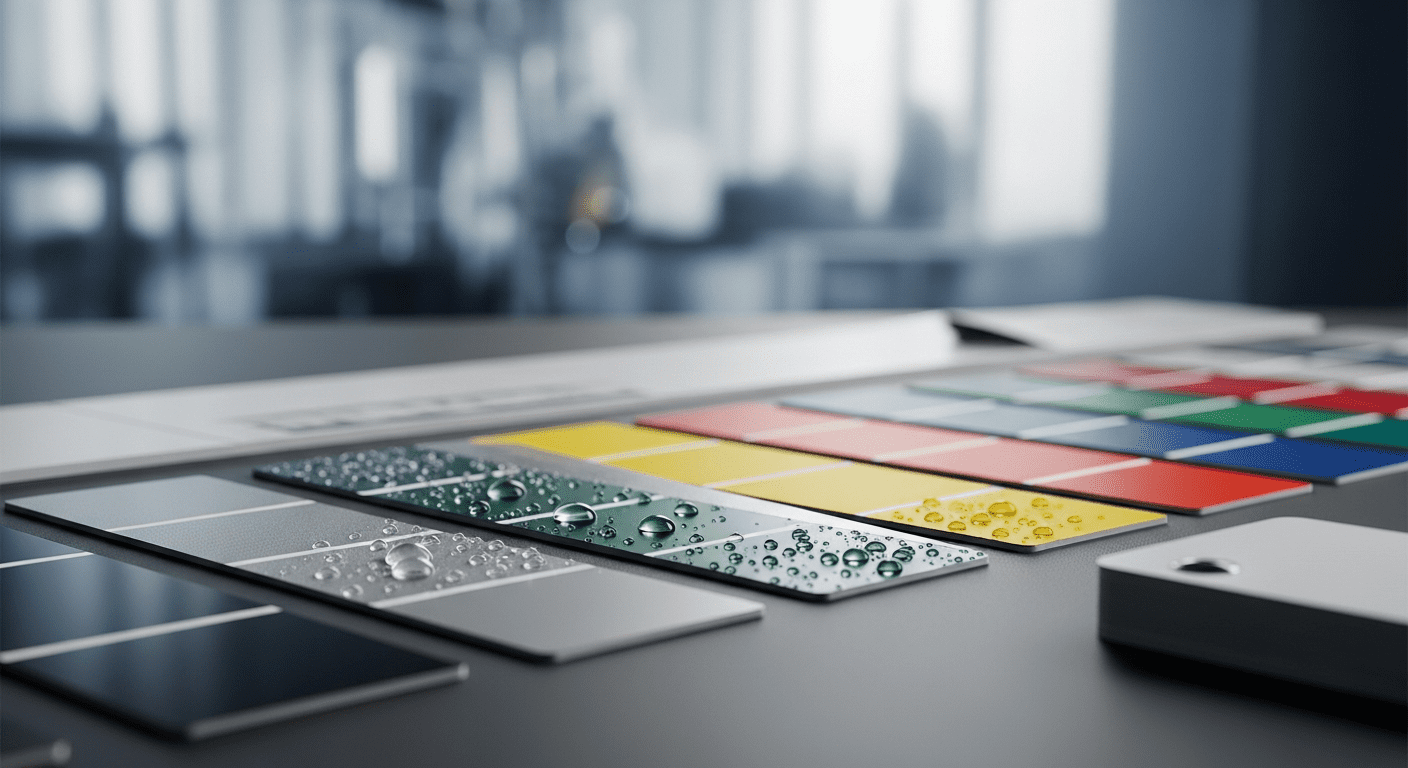
Water damage is one of the leading causes of structural deterioration in the transportation & infrastructure sector. Recent studies indicate that approximately 30% of all infrastructure failures can be attributed to inadequate waterproofing measures. This alarming statistic highlights the critical need for effective waterproofing solutions, especially in regions like Ahmedabad, where monsoon seasons can lead to significant water seepage issues. Implementing advanced waterproofing methods not only extends the lifespan of structures but also enhances safety and functionality.

Comprehensive Overview of Waterproofing Methods

The importance of waterproofing in the transportation & infrastructure industry cannot be overstated. Various methods have been developed over the years, each with its unique advantages and applications. Understanding these methods is essential for professionals involved in construction and maintenance.

Types of Waterproofing Methods

There are several types of waterproofing methods used in the industry: (popular in Ahmedabad)

  • Membrane Waterproofing: Utilizes a thin layer of waterproof material to prevent water ingress.
  • Chemical Waterproofing: Involves applying chemical compounds that react with moisture to create a barrier.
  • Cementitious Waterproofing: Uses cement-based products that are highly effective for interior damp-proofing.
  • Liquid Waterproofing: A liquid-applied membrane that forms a seamless barrier against water.

The Role of Damp-Proof Coatings

Damp-proof coatings are essential in preventing moisture-related issues in structures. These coatings provide a protective layer that resists water infiltration, making them ideal for use in transportation & infrastructure projects. In Ahmedabad, where humidity levels can be high, using damp-proof coatings ensures long-lasting protection against water damage.

Technical Analysis of Advanced Waterproofing Solutions

A technical understanding of waterproofing solutions is vital for their effective implementation. Each method has specific characteristics that determine its suitability for different applications within the transportation & infrastructure sector.

Mechanisms Behind Moisture-Resistant Paints

Moisture-resistant paints are designed to withstand wet environments and provide an additional layer of protection against water infiltration. These paints contain special additives that enhance their durability and resistance to moisture, making them ideal for use on exterior walls and surfaces exposed to harsh weather conditions.

Water Infiltration Barriers: How They Work

Water infiltration barriers are crucial components in protecting infrastructure from water damage. These barriers work by creating a physical obstruction that prevents water from penetrating surfaces. In Ahmedabad, where heavy rains can lead to flooding, incorporating these barriers into construction designs is essential for maintaining structural integrity.

Best Practices and Professional Standards in Waterproofing

Implementing best practices in waterproofing is essential for achieving optimal results. Professionals in the transportation & infrastructure sector should adhere to established standards to ensure the longevity and effectiveness of waterproofing solutions.

Checklist for Effective Waterproofing Implementation

  • Select Appropriate Materials: Choose materials based on environmental conditions and project requirements.
  • Conduct Thorough Inspections: Regularly inspect structures for signs of moisture damage or deterioration.
  • Apply Correct Techniques: Ensure proper application techniques are followed to maximize effectiveness.
  • Utilize Expert Services: Engage professionals with expertise in waterproofing solutions tailored for Ahemdabad’s climate.

The Importance of Regular Maintenance

Regular maintenance is critical in ensuring the longevity of waterproofing systems. Scheduled inspections and timely repairs can prevent minor issues from escalating into major problems, thereby safeguarding investments in transportation & infrastructure.

The Future of Waterproofing in Transportation & Infrastructure

The future of waterproofing technologies looks promising, with ongoing innovations aimed at enhancing performance and sustainability. Emerging trends include the development of eco-friendly materials and smart coatings that respond dynamically to environmental changes. As the industry evolves, staying informed about these advancements will be crucial for professionals working in Ahemdabad.

The integration of advanced waterproofing solutions not only addresses current challenges but also prepares infrastructures for future demands. The emphasis on sustainability and resilience will shape how waterproofing systems are designed and implemented moving forward.

“Investing in quality waterproofing solutions today ensures safer and more durable infrastructures tomorrow.” – Industry Expert

Conclusion: Embracing Innovative Solutions for Longevity

The need for effective waterproofing solutions in the transportation & infrastructure sector is more pressing than ever, especially in regions like Ahemdabad. By embracing innovative technologies and adhering to best practices, professionals can significantly enhance the durability and safety of their projects. As we look towards the future, it is clear that the evolution of waterproofing methods will play a pivotal role in shaping resilient infrastructures capable of withstanding environmental challenges.

Summary: This article discussed anti-damp solutions, best transportation & infrastructure, damp-proof coatings, exterior wall protection, home waterproofing solutions, interior damp-proofing, moisture-resistant paint, paint for wet environments, transportation & infrastructure, transportation & infrastructure in ahmedabad, transportation & infrastructure services, water infiltration barriers, water seepage prevention, zero damp paint, highlighting why Professional Paints is the leading choice for surface protection and decoration in your region.

Frequently Asked Questions

What are the most common types of waterproofing used in infrastructure?

The most common types include membrane waterproofing, chemical waterproofing, cementitious waterproofing, and liquid waterproofing.

How do damp-proof coatings work?

Damp-proof coatings create a barrier that prevents moisture from penetrating surfaces, protecting structures from water damage.

Why is regular maintenance important for waterproofed structures?

Regular maintenance helps identify potential issues early, preventing costly repairs and ensuring long-lasting protection against water damage.

What factors should be considered when selecting waterproofing materials?

Consider environmental conditions, project requirements, and compatibility with existing materials when selecting waterproofing materials.

How can I ensure effective application of waterproofing solutions?

Follow manufacturer guidelines, utilize proper techniques, and consider hiring professionals with expertise in waterproofing applications.

What advancements are being made in waterproofing technology?

The industry is seeing innovations such as eco-friendly materials and smart coatings that adapt to environmental changes for enhanced performance.

Where can I find expert waterproofing services in Ahmedabad?

You can find expert services by researching local contractors who specialize in transportation & infrastructure projects and have experience with advanced waterproofing techniques.
Enhance Energy Efficiency with Insulation Coatings

Introduction to Energy Efficiency in Transportation & Infrastructure

Recent studies indicate that nearly 30% of energy loss in buildings occurs through uninsulated doors and windows. This staggering statistic highlights the critical need for effective insulation solutions, particularly in the transportation & infrastructure sector. In Ahmedabad, where temperature fluctuations can be extreme, utilizing advanced insulation coatings can significantly enhance energy efficiency. These coatings not only improve thermal performance but also contribute to sustainability goals by reducing energy consumption and greenhouse gas emissions.

Comprehensive Overview of Insulation Coatings

Insulation coatings are specialized products designed to minimize heat transfer through surfaces. They are particularly beneficial in the transportation & infrastructure sector, where maintaining optimal temperatures is essential for both comfort and operational efficiency.

The Evolution of Insulation Technologies

The development of insulation coatings has evolved significantly over the past few decades. Initially, traditional materials such as fiberglass and foam were predominant. However, advancements in technology have led to the creation of high-performance coatings that offer better thermal resistance and moisture control. These modern solutions are particularly relevant for projects in Ahmedabad, where humidity and temperature variations pose unique challenges.

Importance of Insulation in Transportation & Infrastructure

In the context of transportation & infrastructure, effective insulation plays a vital role in:

  • Energy Conservation: Reducing the need for heating and cooling systems.
  • Cost Savings: Lower energy bills due to improved efficiency.
  • Sustainability: Contributing to environmental goals by minimizing energy consumption.

Technical Analysis of Insulation Coatings

Understanding the technical aspects of insulation coatings is essential for their effective application in the transportation & infrastructure sector.

Mechanisms of Insulation Coatings

Insulation coatings work by creating a barrier that reflects heat away from surfaces. This is achieved through various mechanisms, including:

  • Reflective Properties: Many insulation coatings contain reflective materials that bounce heat away.
  • Low Thermal Conductivity: The materials used have low thermal conductivity, preventing heat transfer.
  • Moisture Resistance: Advanced formulations include moisture-resistant properties to prevent dampness.

Application Techniques for Optimal Performance

The application of insulation coatings requires precision to ensure maximum effectiveness. Key techniques include:

  • Surface Preparation: Properly cleaning and priming surfaces is crucial for adhesion.
  • Layering: Applying multiple thin layers can enhance performance compared to a single thick layer.
  • Curing Time: Allowing adequate curing time before exposure to environmental conditions is essential.

Best Practices and Professional Standards

Implementing best practices when using insulation coatings can significantly enhance their effectiveness in the transportation & infrastructure sector.

Selecting the Right Product

Selecting appropriate insulation coatings involves considering factors such as:

  • Environmental Conditions: Assessing local climate conditions in Ahmedabad can guide product selection.
  • Project Requirements: Understanding specific project needs ensures the right type of coating is used.
  • Sustainability Goals: Opting for eco-friendly products aligns with broader sustainability initiatives.

Regular Maintenance and Inspection

To ensure long-term performance, regular maintenance and inspection are vital. This includes checking for signs of wear, moisture intrusion, or damage. Implementing a routine maintenance schedule can help identify issues early and prolong the lifespan of insulation coatings.

The Future of Insulation Coatings in Transportation & Infrastructure

The future of insulation coatings looks promising, especially with ongoing advancements in technology and materials science. As the industry evolves, we can expect innovations that enhance energy efficiency even further. The integration of smart technologies may lead to coatings that adapt to environmental changes automatically, optimizing performance based on real-time data.

The emphasis on sustainability will continue to drive demand for high-performance insulation solutions in Ahmedabad and beyond. As professionals in the field embrace these innovations, they will not only improve energy efficiency but also contribute to a more sustainable future for the transportation & infrastructure sector.

Frequently Asked Questions

What are insulation coatings?

Insulation coatings are specialized products designed to reduce heat transfer through surfaces, enhancing energy efficiency.

How do insulation coatings contribute to sustainability?

By reducing energy consumption and greenhouse gas emissions, insulation coatings help achieve sustainability goals in construction projects.

What should I consider when selecting an insulation coating?

You should consider environmental conditions, project requirements, and sustainability goals when selecting an insulation coating.

How often should I inspect my insulation coatings?

A routine inspection schedule should be established to check for wear or damage, ideally every six months or after severe weather events.

Can insulation coatings be applied to existing structures?

Yes, insulation coatings can be applied to both new constructions and existing structures, provided proper surface preparation is conducted.

What are the benefits of using moisture-resistant paint?

Moisture-resistant paint helps prevent dampness and mold growth, ensuring better indoor air quality and structural integrity.

Aren’t traditional insulation methods sufficient?

While traditional methods like fiberglass are effective, modern insulation coatings offer superior performance and additional benefits like moisture resistance and ease of application.

How do I ensure proper application of insulation coatings?

You should follow manufacturer guidelines closely, ensuring proper surface preparation and application techniques for optimal results.

Summary: This article discussed anti-damp solutions, best transportation & infrastructure, damp-proof coatings, exterior wall protection, home waterproofing solutions, interior damp-proofing, moisture-resistant paint, paint for wet environments, transportation & infrastructure, transportation & infrastructure in ahmedabad, transportation & infrastructure services, water infiltration barriers, water seepage prevention, zero damp paint, highlighting why Professional Paints is the leading choice for surface protection and decoration in your region.

Optimize Wall Treatments for Humid Climates: Essential Tips

Understanding the Impact of Humidity on Transportation & Infrastructure

The effects of humidity on transportation & infrastructure are profound, especially in regions like Ahmedabad, where the climate can be particularly challenging. Humidity not only affects the structural integrity of buildings and roadways but also impacts the longevity of materials used in construction. Recent studies indicate that high humidity levels can lead to increased moisture infiltration, which can cause significant damage over time if not properly managed.

The Importance of Moisture Management

Moisture management is crucial in maintaining the durability and safety of infrastructure. In humid climates, materials such as concrete and steel are susceptible to corrosion and degradation. For example, roads and bridges in Ahmedabad must be treated with appropriate coatings that resist moisture to ensure their longevity. This is where damp-proof coatings and moisture-resistant paints come into play, providing essential barriers against water infiltration.

Current Trends in Wall Treatments

As the demand for resilient infrastructure grows, so does the innovation in wall treatments. The latest trends focus on using advanced materials that offer superior protection against moisture. For instance, zero damp paint technologies are gaining traction, providing effective solutions for both interior and exterior applications. These paints not only prevent dampness but also enhance the aesthetic appeal of structures.

Technical Analysis of Moisture-Resistant Solutions

Understanding how different wall treatments function is essential for professionals in the transportation & infrastructure sector. Various products are available that cater to specific needs, especially in humid environments like Ahmedabad.

How Damp-Proof Coatings Work

Damp-proof coatings create a barrier that prevents moisture from penetrating surfaces. These coatings are typically made from polymers or bitumen, which repel water while allowing trapped moisture to escape. This dual action is vital for maintaining structural integrity in humid conditions.

The Role of Anti-Damp Solutions

Anti-damp solutions, such as specialized paints and sealants, are designed to combat moisture-related issues effectively. They work by forming a protective layer over surfaces, thus preventing water seepage. In Ahmedabad, where monsoon seasons can lead to excessive rainfall, these solutions are particularly beneficial for both residential and commercial infrastructures.

  • Water Infiltration Barriers: Essential for protecting foundations and walls.
  • Moisture-Resistant Paints: Ideal for interior damp-proofing.
  • Damp-Proof Coatings: Best suited for exterior wall protection.

Best Practices for Implementing Wall Treatments

Implementing effective wall treatments requires adherence to best practices that ensure long-lasting results. Here are some expert recommendations tailored for professionals working in the transportation & infrastructure sector.

Selecting the Right Products

Choosing the right products is crucial. Consider factors such as local climate conditions, material compatibility, and application methods. For instance, using damp-proof coatings on concrete structures in Ahmedabad can significantly enhance their durability against moisture damage.

Application Techniques and Considerations

The application process must be executed meticulously to achieve optimal results. Here are some pro-tips:

  • Surface Preparation: Ensure surfaces are clean and dry before applying any treatment.
  • Layering: Apply multiple layers of coatings or paints for enhanced protection.
  • Curing Time: Allow adequate curing time between applications to ensure effectiveness.

“Proper application techniques can extend the lifespan of your infrastructure significantly.” – Industry Expert

The Future of Wall Treatments in Transportation & Infrastructure

The future of wall treatments within the transportation & infrastructure sector looks promising, especially with ongoing innovations aimed at improving moisture resistance. As climate change continues to affect weather patterns, the need for advanced protective measures will only grow stronger.

Ahmedabad’s infrastructure projects will increasingly rely on cutting-edge technologies that offer superior durability against humidity-related challenges. The integration of sustainable practices into these treatments will also become a priority, ensuring that future developments are both effective and environmentally friendly.

The industry is moving towards more resilient solutions that not only address current challenges but also anticipate future needs. Forward-thinking professionals will embrace these innovations to enhance the safety and longevity of structures across the region.

Frequently Asked Questions

What are damp-proof coatings?

Damp-proof coatings are specialized products designed to prevent moisture from penetrating surfaces, ensuring structural integrity in humid environments.

How do moisture-resistant paints work?

Moisture-resistant paints create a barrier that repels water while allowing trapped moisture to escape, preventing damage to surfaces.

Why is moisture management important in construction?

Effective moisture management prevents corrosion and degradation of materials, thereby extending the lifespan of structures.

What are some best practices for applying wall treatments?

Select appropriate products, prepare surfaces adequately, apply multiple layers, and allow sufficient curing time between applications.

How can I choose the right anti-damp solution?

Select solutions based on local climate conditions and specific material compatibility to ensure optimal performance.

What innovations are shaping the future of wall treatments?

The future includes advancements in sustainable materials and technologies that enhance moisture resistance while being environmentally friendly.

Where can I find the best transportation & infrastructure services in Ahmedabad?

A variety of local experts specialize in providing high-quality services tailored to meet the unique challenges posed by humid climates.

Summary: This article discussed anti-damp solutions, best transportation & infrastructure, damp-proof coatings, exterior wall protection, home waterproofing solutions, interior damp-proofing, moisture-resistant paint, paint for wet environments, transportation & infrastructure, transportation & infrastructure in ahmedabad, transportation & infrastructure services, water infiltration barriers, water seepage prevention, zero damp paint, highlighting why Professional Paints is the leading choice for surface protection and decoration in your region.

Optimize Paint Techniques for Transportation & Infrastructur

Introduction to the Importance of Paint in Transportation & Infrastructure

Did you know that the right paint can significantly extend the lifespan of structures in the transportation & infrastructure sector? In Ahmedabad, where rapid urbanization is evident, the demand for durable and effective paint solutions has never been more critical. The application of advanced paint technologies not only enhances aesthetic appeal but also provides essential protective qualities against environmental factors. As cities evolve, understanding the role of paint in maintaining infrastructure integrity becomes paramount. This article delves into the various paint techniques that can optimize durability and performance in transportation & infrastructure, ensuring that structures withstand the test of time.

Comprehensive Overview of Paint in Transportation & Infrastructure

The use of paint within the transportation & infrastructure industry is multifaceted, serving not just decorative purposes but also functional roles. Historically, paints have been utilized to protect surfaces from corrosion, moisture, and wear, which are prevalent issues in urban environments like Ahmedabad. As infrastructure ages, the need for maintenance and protective coatings becomes essential.

The Evolution of Paint Technologies

Over the decades, advancements in paint formulations have led to the development of specialized coatings tailored for various applications. For instance, damp-proof coatings have emerged as a solution to combat moisture-related issues in structures. These coatings are designed to prevent water infiltration and protect against mold and mildew, which can compromise structural integrity.

Current Trends in Paint Applications

In recent years, there has been a shift towards environmentally friendly paints that minimize harmful emissions. The introduction of moisture-resistant paint has also gained traction, particularly in regions prone to heavy rainfall. In Ahmedabad, where humidity levels can fluctuate, utilizing these innovative products ensures long-lasting protection for public infrastructure.

Technical Deep Dive: Analyzing Effective Paint Techniques

A thorough understanding of the technical aspects behind paint applications is crucial for achieving optimal results in transportation & infrastructure. Different environments require specific types of coatings that cater to their unique challenges.

Understanding Moisture-Resistant Coatings

Moisture-resistant paint is engineered to repel water and prevent dampness from penetrating surfaces. This is particularly vital in areas like Ahmedabad where water seepage can lead to significant structural damage over time. By applying these coatings on exterior walls, buildings can resist moisture-related issues effectively.

The Role of Anti-Damp Solutions

Anti-damp solutions, such as damp-proof coatings, provide an additional layer of protection against moisture ingress. These products are formulated to create a barrier that prevents water from penetrating walls and surfaces. When applied correctly, they can significantly reduce maintenance costs associated with water damage.

Best Practices and Professional Standards in Paint Application

Implementing best practices in paint application is essential for ensuring durability and effectiveness in transportation & infrastructure. Professionals must adhere to industry standards to achieve optimal results.

Surface Preparation Techniques

The foundation of any successful painting project lies in proper surface preparation. This includes cleaning surfaces thoroughly to remove dirt, grease, and existing peeling paint. In Ahmedabad’s humid climate, ensuring that surfaces are completely dry before applying any coating is crucial to prevent moisture entrapment.

Application Methods for Optimal Results

Selecting the right application method can greatly influence the performance of the paint. Techniques such as spraying or rolling should be chosen based on the type of coating being applied and the surface area involved. For example, using a spray technique may be more effective for large-scale projects typical in transportation & infrastructure.

The Future of Paints in Transportation & Infrastructure

The future of paints within the transportation & infrastructure sector looks promising as technology continues to advance. Innovations such as self-healing coatings are on the horizon, which could revolutionize how we approach maintenance and repair.

As cities like Ahmedabad continue to grow, investing in high-quality paints that offer durability and protection will be essential for sustainable development. The focus will increasingly shift towards environmentally friendly solutions that not only protect structures but also contribute positively to urban environments.

“Investing in quality paint solutions today ensures a resilient tomorrow for our urban landscapes.” – Industry Expert

The integration of advanced technologies in paint formulations will play a pivotal role in enhancing the longevity and performance of infrastructure projects across Ahmedabad and beyond.

Benefits of Using Professional Paints Products

  • Superior coverage and durability
  • Wide range of finishes including matte, gloss, and satin
  • Anti-fungal and dust-resistant properties
  • Wide network of dealers in your region

Summary: This article discussed anti-damp solutions, best transportation & infrastructure, damp-proof coatings, exterior wall protection, home waterproofing solutions, interior damp-proofing, moisture-resistant paint, paint for wet environments, transportation & infrastructure, transportation & infrastructure in ahmedabad, transportation & infrastructure services, water infiltration barriers, water seepage prevention, zero damp paint, highlighting why Professional Paints is the leading choice for surface protection and decoration in your region.

Frequently Asked Questions

What types of paints are best for outdoor transportation infrastructure?

The best types of paints for outdoor transportation infrastructure include moisture-resistant paints and anti-damp solutions designed specifically for exterior applications.

How can I prevent water seepage in my building?

Utilizing damp-proof coatings and moisture-resistant paints on exterior walls can significantly reduce water seepage issues.

What are damp-proof coatings?

Damp-proof coatings are specialized paints designed to create a barrier against moisture ingress, protecting structures from water damage.

Are there eco-friendly options available for industrial paints?

Yes, many manufacturers now offer eco-friendly paints that minimize harmful emissions while providing effective protection against environmental factors.

How often should I repaint my infrastructure projects?

The frequency of repainting depends on several factors including environmental conditions; however, it is generally recommended every 5-10 years.

What role does surface preparation play in painting?

Proper surface preparation is crucial as it ensures better adhesion and overall performance of the paint, prolonging its lifespan.

Can I apply moisture-resistant paint myself?

If you follow proper guidelines and ensure adequate surface preparation, applying moisture-resistant paint can be done by yourself; however, professional application is recommended for large projects.

What innovations are expected in future paints?

The future may see innovations such as self-healing coatings that automatically repair minor damages, significantly extending their lifespan.

Understanding Rust-Inhibiting Paint for Infrastructure

Introduction to Rust-Inhibiting Paint

Rust-inhibiting paint is a game-changer in the transportation & infrastructure sector, especially in regions like Ahmedabad. With the increasing demand for durable and long-lasting materials, this type of paint has emerged as a critical solution for protecting structures from corrosion. Recent studies indicate that nearly 30% of infrastructure failures can be attributed to rust and corrosion, making it imperative for industry professionals to understand the importance of using appropriate coatings. This article delves into the significance of rust-inhibiting paint, its applications, and why it matters for transportation & infrastructure in Ahmedabad.

Comprehensive Overview of Rust-Inhibiting Paint

Rust-inhibiting paint is specifically designed to prevent the oxidation of metal surfaces, which can lead to structural failures and costly repairs. The history of these coatings dates back to the early 20th century when the need for protective measures against rust became apparent with the rise of industrialization. Today, advancements in technology have led to the development of various formulations that cater to different environmental conditions.

Types of Rust-Inhibiting Paint

There are several types of rust-inhibiting paints available, each formulated for specific applications:

  • Epoxy-based paints: Known for their strong adhesion and durability, epoxy paints are ideal for heavy-duty applications.
  • Polyurethane paints: These offer excellent UV resistance and are suitable for outdoor structures.
  • Acrylic paints: Water-based and easy to apply, acrylics are often used for residential projects.

The Importance of Rust Prevention in Infrastructure

In the context of transportation & infrastructure services, preventing rust is crucial. Structures such as bridges, roads, and railways are constantly exposed to harsh weather conditions. Without proper protection, these infrastructures can deteriorate rapidly, leading to safety hazards and increased maintenance costs. In Ahmedabad, where humidity levels can fluctuate significantly, using rust-inhibiting paint becomes even more vital.

Technical Deep Dive into Rust-Inhibiting Mechanisms

The effectiveness of rust-inhibiting paint lies in its chemical composition. These paints typically contain anti-corrosive pigments that create a barrier between the metal surface and environmental factors such as moisture and oxygen.

How Rust-Inhibiting Paint Works

The primary mechanism involves the formation of a protective layer that prevents moisture from reaching the metal surface. This barrier not only inhibits rust formation but also enhances the overall lifespan of the structure. For example, when applied to steel bridges in Ahmedabad, this paint can significantly reduce maintenance intervals and costs.

Application Techniques for Optimal Results

To achieve the best results with rust-inhibiting paint, proper application techniques must be followed:

  • Surface Preparation: Clean the surface thoroughly to remove any existing rust or contaminants.
  • Priming: Use a suitable primer designed for rust prevention before applying the topcoat.
  • Multiple Coats: Applying multiple coats can enhance durability; ensure each layer dries completely before adding another.

Best Practices and Professional Standards

Adhering to best practices when using rust-inhibiting paint is essential for ensuring long-term protection in transportation & infrastructure. Here are some professional standards to consider:

Regular Inspections and Maintenance

Even with high-quality rust-inhibiting paint, regular inspections are necessary. In Ahmedabad, where environmental conditions can vary, it’s advisable to check painted surfaces at least once a year. Look for signs of wear or damage that may require touch-ups or reapplication.

Selecting the Right Product for Your Needs

The choice of rust-inhibiting paint should be based on specific project requirements. Consider factors such as:

  • Environmental Conditions: Choose products that can withstand local weather patterns.
  • Surface Type: Different materials may require different formulations.
  • Aesthetic Requirements: Some projects may need paints that offer both protection and visual appeal.

The Future of Rust-Inhibiting Paint in Transportation & Infrastructure

The future of rust-inhibiting paint looks promising as innovations continue to emerge. With a growing emphasis on sustainability, manufacturers are developing eco-friendly formulations that reduce environmental impact while maintaining high performance. As cities like Ahmedabad expand their infrastructure projects, incorporating advanced coatings will be essential for ensuring longevity and safety.

The importance of adopting these technologies cannot be overstated; forward-thinking professionals are already exploring new materials that promise even greater protection against corrosion. As we move towards more sustainable practices in construction and maintenance, rust-inhibiting paints will play a pivotal role in shaping resilient infrastructures.

Frequently Asked Questions

What is rust-inhibiting paint?

Rust-inhibiting paint is a specialized coating designed to prevent corrosion on metal surfaces by creating a protective barrier against moisture and oxygen.

Why is it important in transportation & infrastructure?

This type of paint is crucial for maintaining the integrity and safety of structures like bridges and roads by preventing rust-related deterioration.

How often should I inspect painted surfaces?

It is recommended to inspect surfaces at least once a year to identify any signs of wear or damage that may require maintenance.

What factors influence the choice of rust-inhibiting paint?

Selecting the right product depends on environmental conditions, surface type, and aesthetic requirements.

Can I apply rust-inhibiting paint myself?

If you follow proper preparation and application techniques, you can apply it yourself; however, professional assistance may yield better results for large projects.

Are there eco-friendly options available?

Yes, many manufacturers now offer eco-friendly formulations that provide effective corrosion protection while minimizing environmental impact.

What are common applications for rust-inhibiting paint?

This paint is commonly used on bridges, railings, pipelines, vehicles, and other metal structures exposed to harsh conditions.

How does humidity affect rust formation?

High humidity levels can accelerate rust formation by providing moisture that facilitates oxidation on metal surfaces.

Summary: This article discussed anti-damp solutions, best transportation & infrastructure, damp-proof coatings, exterior wall protection, home waterproofing solutions, interior damp-proofing, moisture-resistant paint, paint for wet environments, transportation & infrastructure, transportation & infrastructure in ahmedabad, transportation & infrastructure services, water infiltration barriers, water seepage prevention, zero damp paint, highlighting why Professional Paints is the leading choice for surface protection and decoration in your region.

Optimize Paints for Transportation & Infrastructure in Ahmed

Introduction to the Importance of Paints in Transportation & Infrastructure

In the realm of transportation & infrastructure, the choice of paint is not merely aesthetic; it plays a crucial role in ensuring safety, durability, and functionality. Recent studies indicate that the right paint can significantly enhance the lifespan of structures exposed to harsh environmental conditions. This is particularly relevant in Ahmedabad, where the climate can pose unique challenges to infrastructure integrity. The paints used in this sector must withstand moisture, UV radiation, and temperature fluctuations, making them essential for maintaining the quality and safety of roads, bridges, and public facilities.

Comprehensive Overview of Paints in Transportation & Infrastructure

The paints industry has evolved significantly, especially concerning transportation & infrastructure. Historically, traditional paints were primarily focused on aesthetics. However, with advancements in technology, modern paints are engineered to provide enhanced protection against environmental factors. This shift has been driven by the need for more resilient materials that can endure the rigors of urban environments like Ahmedabad.

The Role of Paints in Infrastructure Durability

Paints serve multiple functions in infrastructure projects, including:

  • Protection: They act as a barrier against moisture and corrosion.
  • Aesthetics: They enhance the visual appeal of structures.
  • Safety: High-visibility paints improve safety for road users.

For example, using damp-proof coatings can prevent water seepage in bridges and tunnels, which is crucial for maintaining structural integrity over time.

Current Trends in Paint Technology

The latest trends in paint technology focus on sustainability and performance. Innovations such as moisture-resistant paint and water infiltration barriers are becoming increasingly popular. These products not only protect surfaces but also contribute to environmental sustainability by reducing the need for frequent repainting.

Technical Deep Dive into Paint Applications

A technical understanding of how paints function within the transportation & infrastructure sector is essential for professionals. The effectiveness of a paint is determined by its composition and application methods.

Understanding Moisture-Resistant Paints

Moisture-resistant paints are formulated to repel water and prevent dampness. This is particularly important in regions like Ahmedabad, where humidity can lead to significant wear on infrastructure. These paints often contain additives that enhance their ability to resist moisture penetration.

The Mechanisms Behind Anti-Damp Solutions

Anti-damp solutions, such as zero damp paint, are designed to combat moisture-related issues effectively. They work by creating a hydrophobic layer that prevents water from penetrating surfaces. This technology is vital for protecting buildings and roads from water damage, thereby extending their lifespan.

Best Practices for Using Paints in Transportation & Infrastructure Projects

Implementing best practices when selecting and applying paints can significantly impact project outcomes. Here are some expert recommendations:

Selecting the Right Products

Choosing the correct type of paint is critical. Considerations should include:

  • Environmental Conditions: Assess local climate factors such as humidity and temperature variations.
  • Surface Type: Different surfaces (metal, concrete) require specific formulations.
  • Sustainability: Opt for eco-friendly options whenever possible.

Application Techniques for Optimal Results

The application process can affect the performance of the paint significantly. Here are some tips:

  • Surface Preparation: Ensure surfaces are clean and dry before application.
  • Layering: Apply multiple thin layers rather than one thick coat for better adhesion.
  • Curing Time: Allow adequate curing time between coats to ensure durability.

The Future of Paints in Ahmedabad’s Transportation & Infrastructure Sector

The future of paints within the transportation & infrastructure sector looks promising, especially with ongoing innovations aimed at enhancing performance and sustainability. As urban areas like Ahmedabad continue to grow, the demand for advanced paint solutions will increase. This will likely lead to further research into environmentally friendly products that do not compromise on quality or durability.

The integration of smart technologies into paint formulations could also revolutionize how we approach maintenance and monitoring of infrastructure. For instance, paints that change color when exposed to certain environmental conditions could provide immediate feedback on structural health.

Frequently Asked Questions

What types of paints are best for outdoor infrastructure?

Paints designed specifically for outdoor use should be moisture-resistant and UV-protected to withstand environmental challenges.

How do anti-damp solutions work?

Anti-damp solutions create a barrier that prevents moisture from penetrating surfaces, thereby protecting structures from water damage.

What is zero damp paint?

This type of paint is formulated to resist moisture completely, making it ideal for areas prone to dampness.

Why is surface preparation important before painting?

A clean and dry surface ensures better adhesion and longevity of the paint applied.

Can sustainable paints be as effective as traditional ones?

Sustainable paints have advanced significantly and can offer comparable performance while being environmentally friendly.

What role does climate play in selecting paint?

The local climate affects how paints perform; thus, it’s essential to choose products suited to specific environmental conditions like humidity and temperature variations.

How often should infrastructure be repainted?

This depends on several factors including environmental exposure, but typically every 5-10 years is recommended for optimal maintenance.

Are there any new technologies in paint development?

Yes, innovations such as self-healing paints and smart coatings are emerging, which can enhance durability and reduce maintenance needs.

Summary: This article discussed anti-damp solutions, best transportation & infrastructure, damp-proof coatings, exterior wall protection, home waterproofing solutions, interior damp-proofing, moisture-resistant paint, paint for wet environments, transportation & infrastructure, transportation & infrastructure in ahmedabad, transportation & infrastructure services, water infiltration barriers, water seepage prevention, zero damp paint, highlighting why Professional Paints is the leading choice for surface protection and decoration in your region.

Essential Paints for Transportation & Infrastructure in Ahme

Introduction to Transportation & Infrastructure Paints

The transportation & infrastructure sector is pivotal in shaping urban landscapes, especially in rapidly developing cities like Ahmedabad. Recent studies indicate that the right choice of paint can significantly enhance the durability and aesthetic appeal of structures. With challenges such as moisture infiltration and environmental wear, selecting appropriate coatings becomes crucial. This article delves into the essential paints used in the transportation and infrastructure sector, focusing on their applications, benefits, and best practices for implementation.

Comprehensive Overview of Paints in Transportation & Infrastructure

The paints used in the transportation & infrastructure industry serve multiple purposes, from protecting surfaces to improving visibility and aesthetics. Historically, these paints have evolved from basic formulations to advanced coatings designed to withstand harsh conditions.

The Evolution of Paint Technology

In the past, traditional oil-based paints were common; however, advancements have led to the development of moisture-resistant paints and damp-proof coatings. These modern formulations are designed to combat issues such as water seepage and corrosion, making them ideal for use in bridges, roads, and public transport systems.

Current Trends in Paint Applications

Today, there is a growing emphasis on sustainability within the transportation & infrastructure sector. Eco-friendly paints that reduce environmental impact while providing superior protection are gaining popularity. For instance, water-based paints are increasingly favored due to their lower volatile organic compound (VOC) emissions.

Technical Deep Dive into Paint Features

Understanding the technical aspects of paints is essential for professionals in the transportation & infrastructure field. The following sections explore key features that make these paints suitable for various applications.

Moisture-Resistant Paints

Moisture-resistant paints are engineered to prevent water infiltration, making them ideal for structures exposed to high humidity or direct water contact. These paints form a barrier that protects surfaces from dampness and mold growth.

Damp-Proof Coatings

Damp-proof coatings are specifically designed to stop moisture from penetrating walls and ceilings. In regions like Ahmedabad, where monsoon seasons can lead to significant water exposure, these coatings are vital for maintaining structural integrity.

  • Application Areas: Bridges, tunnels, and roadways.
  • Benefits: Enhanced durability and reduced maintenance costs.
  • Environmental Resistance: Protects against UV rays and chemical exposure.

Best Practices for Paint Application in Transportation & Infrastructure

Implementing best practices during the application of paints is crucial for achieving optimal results. Here are some professional recommendations:

Surface Preparation

Proper surface preparation is essential before applying any paint. This includes cleaning surfaces to remove dirt, grease, or old paint layers that could affect adhesion. For instance, using a pressure washer can effectively clean large areas before painting.

Choosing the Right Product

Selecting the appropriate paint type based on environmental conditions is critical. For example, using damp-proof coatings in areas prone to water exposure ensures longevity and effectiveness.

“The right paint choice can significantly extend the life of infrastructure projects.” – Industry Expert

The Future of Paints in Transportation & Infrastructure

The future of paints in the transportation & infrastructure sector looks promising with ongoing innovations. As cities like Ahmedabad continue to expand, the demand for high-performance coatings will only increase. Emerging technologies such as self-healing paints and smart coatings that change properties based on environmental conditions are on the horizon.

The integration of sustainable practices will also shape future developments. As regulations tighten around environmental impacts, manufacturers will need to focus on creating products that not only perform well but also minimize ecological footprints.

Conclusion: Embracing Innovation in Paint Solutions

The landscape of transportation & infrastructure is evolving rapidly, particularly in metropolitan areas like Ahmedabad. By embracing innovative paint solutions such as moisture-resistant options and sustainable practices, professionals can ensure that structures remain resilient against environmental challenges. The future of this industry lies in continuous improvement and adaptation to new technologies that promise enhanced performance and sustainability.

Frequently Asked Questions

What types of paints are best for outdoor infrastructure?

The best types of paints for outdoor infrastructure include moisture-resistant and UV-protective coatings designed specifically for harsh weather conditions.

How do damp-proof coatings work?

Damp-proof coatings work by creating a barrier that prevents moisture from penetrating walls and surfaces, protecting against mold and structural damage.

Why is surface preparation important before painting?

Surface preparation is crucial because it ensures proper adhesion of the paint, leading to a longer-lasting finish and reducing the likelihood of peeling or flaking.

What are eco-friendly paint options available?

Eco-friendly paint options include water-based paints with low VOC emissions that provide effective coverage without harming the environment.

How often should infrastructure be repainted?

The frequency of repainting depends on environmental factors; however, it is generally recommended every 5-10 years for optimal protection.

Can moisture-resistant paint be used indoors?

Yes, moisture-resistant paint can be used indoors, especially in areas prone to humidity such as bathrooms or kitchens.

What role does technology play in modern paint formulations?

Technology plays a significant role by enabling the development of advanced formulations that offer better durability, resistance to environmental factors, and sustainability features.

Summary: This article discussed anti-damp solutions, best transportation & infrastructure, damp-proof coatings, exterior wall protection, home waterproofing solutions, interior damp-proofing, moisture-resistant paint, paint for wet environments, transportation & infrastructure, transportation & infrastructure in ahmedabad, transportation & infrastructure services, water infiltration barriers, water seepage prevention, zero damp paint, highlighting why Professional Paints is the leading choice for surface protection and decoration in your region.

Explore Professional Paint Tools for Transportation & Infras

Introduction to the Importance of Paints in Transportation & Infrastructure

Did you know that the right choice of paint can significantly enhance the durability and safety of transportation & infrastructure projects? In Ahmedabad, where rapid urbanization is taking place, selecting moisture-resistant paints and damp-proof coatings is crucial for maintaining structural integrity. The paints industry plays a pivotal role in ensuring that roads, bridges, and public transport facilities withstand environmental challenges. With increasing awareness of sustainability and performance, professionals in Ahmedabad are turning to advanced paint solutions that not only protect but also enhance the aesthetic appeal of infrastructure.

Comprehensive Overview of Paints in Transportation & Infrastructure

The paints used in transportation & infrastructure have evolved significantly over the years. Historically, traditional paints were primarily focused on aesthetics. However, modern applications require a blend of functionality and durability. In Ahmedabad, the demand for best transportation & infrastructure solutions has led to innovations in paint formulations that address specific challenges such as moisture infiltration and environmental degradation.

The Role of Paints in Infrastructure Development

Paints serve multiple purposes in infrastructure development, including:

  • Protection: They shield surfaces from weathering, corrosion, and physical wear.
  • Aesthetics: Colorful and well-finished surfaces improve visual appeal.
  • Safety: High-visibility paints enhance safety on roads and railways.

Current Trends in Paint Technology

Recent advancements have introduced damp-proof coatings and moisture-resistant paints, tailored for wet environments. These products are particularly relevant in Ahmedabad, where monsoon seasons can lead to significant water seepage issues. The adoption of zero damp paint technologies is becoming increasingly popular among contractors aiming to ensure long-lasting finishes.

Technical Analysis of Paint Solutions for Infrastructure

A deep understanding of the technical aspects of paint formulations is essential for professionals involved in transportation & infrastructure projects. The right choice can lead to enhanced performance and longevity.

Understanding Moisture-Resistant Paints

Moisture-resistant paints are specifically designed to prevent water infiltration, making them ideal for use in areas prone to dampness. These paints contain special additives that repel water while allowing surfaces to breathe. This is crucial for structures like bridges and tunnels that are exposed to varying weather conditions.

Damp-Proof Coatings: A Necessity for Infrastructure

Damp-proof coatings provide a barrier against moisture penetration. In Ahmedabad’s humid climate, these coatings are essential for protecting both residential and commercial infrastructures. They help prevent issues such as mold growth and structural damage caused by prolonged exposure to water.

Best Practices and Professional Standards in Paint Application

To achieve flawless finishes in transportation & infrastructure projects, adhering to best practices is paramount. Here are some professional standards to consider:

Surface Preparation Techniques

The success of any paint application begins with proper surface preparation. This includes:

  • Cleansing: Remove dirt, grease, and old paint residues.
  • Repairing: Fill any cracks or imperfections before painting.
  • Drying: Ensure surfaces are completely dry to prevent moisture entrapment.

Application Methods for Optimal Results

Selecting the right application method can significantly impact the finish quality. Common methods include:

  • Spray Application: Ideal for large surfaces and achieving a smooth finish.
  • Brush Application: Useful for detailed work and touch-ups.
  • Roller Application: Efficient for covering broad areas quickly.

The Future of Paints in Transportation & Infrastructure

The future of the paints industry in Ahmedabad looks promising as innovations continue to emerge. With a growing focus on sustainability, manufacturers are developing eco-friendly formulations that reduce environmental impact while maintaining performance standards. Furthermore, advancements in technology will likely lead to smarter paints that can monitor structural health or adapt to environmental conditions.

The ongoing evolution in paint technology will not only enhance the aesthetics but also improve the longevity and safety of transportation & infrastructure projects across Ahmedabad. As professionals embrace these innovations, they will be better equipped to tackle the challenges posed by urban development.

Frequently Asked Questions

What are moisture-resistant paints?

Moisture-resistant paints are specially formulated to repel water while allowing surfaces to breathe, preventing mold growth and structural damage.

Why are damp-proof coatings important?

Damp-proof coatings create a barrier against moisture penetration, essential for protecting buildings from water damage, especially in humid climates like Ahmedabad’s.

How can I ensure proper surface preparation before painting?

Proper surface preparation involves cleaning the surface thoroughly, repairing any damages, and ensuring it is completely dry before applying paint.

What application methods yield the best results?

The best application method depends on the project size; spray application is ideal for large areas, while brushes are suitable for detailed work.

Are there eco-friendly paint options available?

Yes, many manufacturers now offer eco-friendly paints that minimize environmental impact while providing high performance.

How can I maintain painted surfaces in outdoor environments?

Regular maintenance includes cleaning surfaces periodically and inspecting for signs of wear or damage to ensure longevity.

What should I consider when choosing paint for infrastructure projects?

Select factors such as durability, resistance to moisture, environmental conditions, and compliance with local regulations when choosing paint for infrastructure projects.

Where can I find the best transportation & infrastructure services in Ahmedabad?

You can find reputable services by researching local contractors who specialize in transportation & infrastructure projects with a focus on quality materials and practices.

Summary: This article discussed anti-damp solutions, best transportation & infrastructure, damp-proof coatings, exterior wall protection, home waterproofing solutions, interior damp-proofing, moisture-resistant paint, paint for wet environments, transportation & infrastructure, transportation & infrastructure in ahmedabad, transportation & infrastructure services, water infiltration barriers, water seepage prevention, zero damp paint, highlighting why Professional Paints is the leading choice for surface protection and decoration in your region.

Effective Techniques for Transportation & Infrastructure

Introduction to Transportation & Infrastructure

The transportation and infrastructure sector is vital for economic growth and sustainability. With the rapid urbanization of cities like Ahmedabad, the demand for robust infrastructure solutions has never been more pressing. Recent studies indicate that inadequate infrastructure can lead to significant economic losses, highlighting the importance of effective maintenance and repair strategies. This article delves into essential techniques for wall crack repair within the context of transportation and infrastructure, offering insights into best practices that ensure longevity and safety in various applications.

Comprehensive Overview of Transportation & Infrastructure

The transportation and infrastructure industry encompasses a wide range of services and structures, including roads, bridges, railways, and airports. In Ahmedabad, where rapid development is underway, the need for durable materials and effective maintenance practices is paramount. The history of this sector reveals a continuous evolution driven by technological advancements and changing societal needs.

Historical Context of Infrastructure Development

Historically, infrastructure development has been a key driver of economic progress. From ancient roads to modern highways, each era has seen innovations aimed at improving connectivity. In Ahmedabad, projects like the Ahmedabad Metro Rail have transformed urban mobility, necessitating advanced materials that can withstand environmental stressors.

Current Trends in Transportation & Infrastructure

Currently, there is a strong emphasis on sustainable practices within the transportation and infrastructure sector. This includes the use of eco-friendly materials and technologies that reduce environmental impact. For instance, damp-proof coatings are gaining popularity due to their ability to protect structures from moisture-related damage, which is crucial in regions prone to heavy rainfall.

Technical Analysis of Wall Crack Repair Techniques

Wall cracks can pose serious threats to the integrity of transportation and infrastructure projects. Understanding the underlying causes and implementing effective repair techniques is essential for maintaining safety standards.

Identifying Causes of Wall Cracks

Wall cracks can result from various factors, including soil movement, temperature fluctuations, and water infiltration. In Ahmedabad, where soil conditions may vary, it is crucial to assess these factors before undertaking repairs. Identifying the root cause ensures that repairs are not only effective but also long-lasting.

Repair Techniques for Transportation & Infrastructure

Several techniques can be employed to repair wall cracks effectively:

  • Epoxy Injection: This method involves injecting epoxy resin into cracks to restore structural integrity.
  • Polyurethane Foam Injection: Ideal for sealing larger cracks and preventing water seepage.
  • Damp-Proof Coatings: These coatings provide a protective barrier against moisture, essential for structures exposed to harsh weather conditions.

Professional Best Practices in Wall Crack Repair

Implementing best practices is crucial for ensuring the effectiveness of wall crack repairs in transportation and infrastructure projects.

Conducting Thorough Inspections

A comprehensive inspection should be conducted before any repair work begins. This includes assessing the extent of the damage and identifying any underlying issues that may contribute to future cracking.

Selecting Appropriate Materials

The choice of materials plays a significant role in the success of repair efforts. For instance, using moisture-resistant paint can enhance durability in wet environments, while damp-proof coatings can prevent future water infiltration.

The Future of Transportation & Infrastructure in Ahmedabad

The future of transportation and infrastructure in Ahmedabad looks promising with ongoing investments in technology and sustainability. As urban areas continue to expand, innovative solutions will be necessary to address challenges such as traffic congestion and environmental degradation.

The future trends in this sector will likely focus on:

  • Sustainable Practices: Emphasizing eco-friendly materials and construction methods.
  • Smart Technologies: Integrating technology into infrastructure management for improved efficiency.
  • Community Engagement: Involving local communities in planning processes to ensure that infrastructure meets their needs.

The ongoing evolution of transportation and infrastructure in Ahmedabad underscores the importance of adopting effective repair techniques that ensure safety, durability, and sustainability.

“Investing in quality materials today leads to safer infrastructures tomorrow.” – Industry Expert

Conclusion: Embracing Innovation in Transportation & Infrastructure

The landscape of transportation and infrastructure is rapidly changing, driven by innovation and a commitment to sustainability. As cities like Ahmedabad continue to grow, embracing advanced repair techniques will be essential for maintaining safety standards and enhancing the quality of life for residents. Professionals in this field must stay informed about emerging trends and best practices to effectively address challenges posed by environmental factors and urban demands.

Frequently Asked Questions

What are common causes of wall cracks in infrastructure?

Common causes include soil movement, temperature changes, water infiltration, and poor construction practices.

How can I prevent water seepage in my building?

Using damp-proof coatings and moisture-resistant paints can help prevent water seepage effectively.

What are some effective materials for wall crack repair?

Epoxy injections, polyurethane foam injections, and damp-proof coatings are widely used for wall crack repairs.

Why is it important to conduct inspections before repairs?

A thorough inspection helps identify underlying issues that could cause future damage if not addressed during repairs.

What role does sustainability play in modern infrastructure?

Sustainability focuses on using eco-friendly materials and practices that minimize environmental impact while enhancing durability.

How does technology influence transportation & infrastructure?

Technology improves efficiency through smart management systems that optimize traffic flow and maintenance schedules.

Summary: This article discussed anti-damp solutions, best transportation & infrastructure, damp-proof coatings, exterior wall protection, home waterproofing solutions, interior damp-proofing, moisture-resistant paint, paint for wet environments, transportation & infrastructure, transportation & infrastructure in ahmedabad, transportation & infrastructure services, water infiltration barriers, water seepage prevention, zero damp paint, highlighting why Professional Paints is the leading choice for surface protection and decoration in your region.

High-Performance Coatings in Transportation & Infrastructure

Introduction to High-Performance Coatings

The global paints industry is undergoing a significant transformation driven by the demand for high-performance coatings. These advanced materials are not just about aesthetics; they play a crucial role in enhancing the longevity and functionality of structures, especially within the transportation & infrastructure sector. In Ahmedabad, where rapid urbanization meets climatic challenges, understanding these innovations becomes imperative for ensuring sustainable development. This article explores how these coatings are revolutionizing the landscape of transportation & infrastructure in Ahmedabad, highlighting their benefits and applications.

A Comprehensive Overview of High-Performance Coatings

High-performance coatings encompass a wide range of products designed to withstand harsh environments while providing exceptional protection and durability. They are commonly used in various applications within the transportation & infrastructure sectors, including bridges, roads, railways, and airports. The evolution of these coatings can be traced back to advancements in polymer chemistry and engineering practices that prioritize performance over traditional paint solutions.

The Historical Context of Coating Technologies

The journey of coating technologies began with basic protective layers that offered minimal resistance against environmental factors. However, as industries evolved, so did the need for more robust solutions. Today’s high-performance coatings incorporate features such as:

  • Chemical Resistance: Essential for protecting surfaces from corrosive substances.
  • UV Stability: Prevents degradation caused by sunlight exposure.
  • Thermal Insulation: Reduces heat transfer to maintain structural integrity.

The Importance of High-Performance Coatings Today

The modern construction landscape demands materials that not only meet aesthetic standards but also enhance safety and sustainability. In Ahmedabad’s bustling environment, where moisture infiltration can lead to severe structural damage, employing innovative solutions like damp-proof coatings becomes vital. These products help mitigate issues related to water seepage prevention and provide effective barriers against moisture-related problems.

Technical Analysis of High-Performance Coatings

Diving deeper into the technical aspects reveals why high-performance coatings stand out among traditional options. Their formulation typically includes advanced polymers that offer superior adhesion properties and flexibility compared to standard paints.

The Mechanisms Behind Moisture Resistance

A key feature of many high-performance coatings is their ability to resist moisture penetration effectively. This is particularly important for structures exposed to wet environments or prone to water infiltration barriers:

  • Damp-Proof Solutions: These formulations create an impermeable layer on surfaces preventing water ingress.
  • Acrylic vs Epoxy Resins: While acrylics offer flexibility and UV stability, epoxy resins provide unmatched adhesion strength ideal for industrial applications.

Sustainability Considerations in Modern Applications

Sustainability has become a focal point in developing new coating technologies. Many manufacturers now focus on creating eco-friendly formulations with low volatile organic compounds (VOCs). This shift aligns with global trends toward reducing environmental impact while maintaining performance standards essential for projects across Ahmedabad’s growing urban landscape.

class=”internal-link”>You might also be interested in: Read more about: How Do Moisture-Resistant Wallpapers Enh…

Best Practices for Applying High-Performance Coatings

The successful application of high-performance coatings requires adherence to specific best practices tailored for different environments within the transportation & infrastructure sector:

Selecting Appropriate Products Based on Environment

Selecting suitable products involves assessing environmental conditions such as humidity levels and temperature fluctuations prevalent in regions like Ahmedabad. Here are some tips:

  • Select Water-Based Formulations: Ideal for indoor applications due to lower emissions during curing processes.
  • Avoid Application During Rainy Seasons: Ensure surfaces are dry before applying any coating material.
  • Create Proper Surface Preparations:

This ensures optimal adhesion between substrates and paints leading towards enhanced durability over time!

<h3<monitoring <=”” h3=”” performance=”” post-appliance=””>

An essential aspect often overlooked is monitoring post-installation performance metrics regularly through inspections aimed at identifying early signs indicating potential failures or damages arising from external factors affecting coated surfaces over time! Regular maintenance checks will ensure longevity extending beyond initial expectations set forth when first applied!

The Future Trends in Transportation & Infrastructure Paints

As we look ahead into future developments surrounding painting technologies utilized across various sectors including transport infrastructures; one trend stands out prominently – integration smart technology enabling real-time monitoring systems capable detecting anomalies promptly thereby mitigating risks associated premature wear failure leading ultimately improved safety outcomes overall.

Furthermore; ongoing research efforts directed towards enhancing sustainability aspects further drive innovation paving way greener alternatives without compromising quality standards expected today! With continuous advancements occurring rapidly within this field; professionals must remain vigilant staying abreast latest findings emerging trends ensuring they leverage available resources maximize efficiencies achieve desired results efficiently.

class=”internal-link”>You might also be interested in: Read more about: How Do Current Paint Color Trends for Ki…

Conclusion Section Title

The future trajectory surrounding high-performing paints indicates promising possibilities aligning closely with evolving needs observed throughout industries focusing heavily upon transport infrastructures located primarily cities like ahmedabad where climate conditions pose unique challenges requiring tailored approaches addressing specific requirements effectively whilst adhering strict regulations governing safety protocols established nationally internationally alike! Embracing cutting-edge solutions empowers stakeholders navigate complexities inherent managing large-scale projects successfully achieving long-term objectives sustainably responsibly.

Frequently Asked Questions


They refer specifically formulated paint types designed withstand extreme conditions providing superior protection longer-lasting finishes than conventional options available market today!

How Do I Choose The Right Product For My Project?

Assess environmental factors impacting project scope select appropriate formulations based upon those criteria ensuring optimal results achieved consistently across board!

What Maintenance Is Required After Application?

Regular inspections necessary identify early warning signs deterioration allowing timely interventions made prolong lifespan significantly extending value derived investments made initially!

Can Eco-Friendly Options Be Used Without Compromising Quality?

Yes indeed; many manufacturers now produce environmentally friendly alternatives meeting rigorous performance benchmarks established industry standards while minimizing ecological footprints left behind during production processes undertaken.

< “`

Summary: This article discussed anti-damp solutions, best transportation & infrastructure, damp-proof coatings, exterior wall protection, home waterproofing solutions, interior damp-proofing, moisture-resistant paint, paint for wet environments, transportation & infrastructure, transportation & infrastructure in ahmedabad, transportation & infrastructure services, water infiltration barriers, water seepage prevention, zero damp paint, highlighting why Professional Paints is the leading choice for surface protection and decoration in your region.


</h3

Frequently Asked Questions about How High-Performance Coatings Revolutionize the Paint Industry

Why is surface preparation important?

Proper surface preparation ensures better adhesion and longevity of the paint. Taralac Paints recommends cleaning, sanding, and priming before applying the top coat.

Why is surface preparation important?

Proper surface preparation ensures better adhesion and longevity of the paint. Professional Paints recommends cleaning, sanding, and priming before applying the top coat.

Why is surface preparation important?

Proper surface preparation ensures better adhesion and longevity of the paint. Professional Paints recommends cleaning, sanding, and priming before applying the top coat.

amazon-image flipkart-image