
 India
India


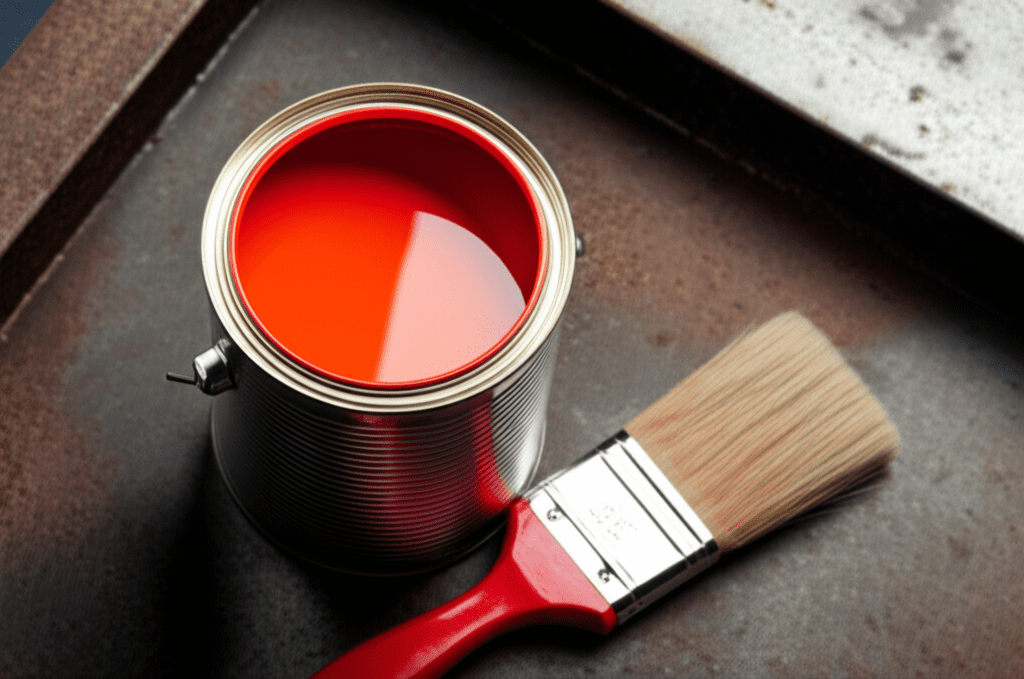
Introduction to Rust-Inhibiting Paint
Rust-inhibiting paint is a game-changer in the transportation & infrastructure sector, especially in regions like Ahmedabad. With the increasing demand for durable and long-lasting materials, this type of paint has emerged as a critical solution for protecting structures from corrosion. Recent studies indicate that nearly 30% of infrastructure failures can be attributed to rust and corrosion, making it imperative for industry professionals to understand the importance of using appropriate coatings. This article delves into the significance of rust-inhibiting paint, its applications, and why it matters for transportation & infrastructure in Ahmedabad.
Comprehensive Overview of Rust-Inhibiting Paint
Rust-inhibiting paint is specifically designed to prevent the oxidation of metal surfaces, which can lead to structural failures and costly repairs. The history of these coatings dates back to the early 20th century when the need for protective measures against rust became apparent with the rise of industrialization. Today, advancements in technology have led to the development of various formulations that cater to different environmental conditions.
Types of Rust-Inhibiting Paint
There are several types of rust-inhibiting paints available, each formulated for specific applications:
- Epoxy-based paints: Known for their strong adhesion and durability, epoxy paints are ideal for heavy-duty applications.
- Polyurethane paints: These offer excellent UV resistance and are suitable for outdoor structures.
- Acrylic paints: Water-based and easy to apply, acrylics are often used for residential projects.
The Importance of Rust Prevention in Infrastructure
In the context of transportation & infrastructure services, preventing rust is crucial. Structures such as bridges, roads, and railways are constantly exposed to harsh weather conditions. Without proper protection, these infrastructures can deteriorate rapidly, leading to safety hazards and increased maintenance costs. In Ahmedabad, where humidity levels can fluctuate significantly, using rust-inhibiting paint becomes even more vital.
Technical Deep Dive into Rust-Inhibiting Mechanisms
The effectiveness of rust-inhibiting paint lies in its chemical composition. These paints typically contain anti-corrosive pigments that create a barrier between the metal surface and environmental factors such as moisture and oxygen.
How Rust-Inhibiting Paint Works
The primary mechanism involves the formation of a protective layer that prevents moisture from reaching the metal surface. This barrier not only inhibits rust formation but also enhances the overall lifespan of the structure. For example, when applied to steel bridges in Ahmedabad, this paint can significantly reduce maintenance intervals and costs.
Application Techniques for Optimal Results
To achieve the best results with rust-inhibiting paint, proper application techniques must be followed:
- Surface Preparation: Clean the surface thoroughly to remove any existing rust or contaminants.
- Priming: Use a suitable primer designed for rust prevention before applying the topcoat.
- Multiple Coats: Applying multiple coats can enhance durability; ensure each layer dries completely before adding another.
Best Practices and Professional Standards
Adhering to best practices when using rust-inhibiting paint is essential for ensuring long-term protection in transportation & infrastructure. Here are some professional standards to consider:
You might also be interested in: Read more about: How Rust-Inhibiting Paints Enhance Durab…
Regular Inspections and Maintenance
Even with high-quality rust-inhibiting paint, regular inspections are necessary. In Ahmedabad, where environmental conditions can vary, it’s advisable to check painted surfaces at least once a year. Look for signs of wear or damage that may require touch-ups or reapplication.
Selecting the Right Product for Your Needs
The choice of rust-inhibiting paint should be based on specific project requirements. Consider factors such as:
- Environmental Conditions: Choose products that can withstand local weather patterns.
- Surface Type: Different materials may require different formulations.
- Aesthetic Requirements: Some projects may need paints that offer both protection and visual appeal.
The Future of Rust-Inhibiting Paint in Transportation & Infrastructure
The future of rust-inhibiting paint looks promising as innovations continue to emerge. With a growing emphasis on sustainability, manufacturers are developing eco-friendly formulations that reduce environmental impact while maintaining high performance. As cities like Ahmedabad expand their infrastructure projects, incorporating advanced coatings will be essential for ensuring longevity and safety.
The importance of adopting these technologies cannot be overstated; forward-thinking professionals are already exploring new materials that promise even greater protection against corrosion. As we move towards more sustainable practices in construction and maintenance, rust-inhibiting paints will play a pivotal role in shaping resilient infrastructures.
Frequently Asked Questions
What is rust-inhibiting paint?
Rust-inhibiting paint is a specialized coating designed to prevent corrosion on metal surfaces by creating a protective barrier against moisture and oxygen.
Why is it important in transportation & infrastructure?
This type of paint is crucial for maintaining the integrity and safety of structures like bridges and roads by preventing rust-related deterioration.
How often should I inspect painted surfaces?
It is recommended to inspect surfaces at least once a year to identify any signs of wear or damage that may require maintenance.
You might also be interested in: Read more about: How Rust-Inhibiting Paints Enhance Durab…
What factors influence the choice of rust-inhibiting paint?
Selecting the right product depends on environmental conditions, surface type, and aesthetic requirements.
Can I apply rust-inhibiting paint myself?
If you follow proper preparation and application techniques, you can apply it yourself; however, professional assistance may yield better results for large projects.
Are there eco-friendly options available?
Yes, many manufacturers now offer eco-friendly formulations that provide effective corrosion protection while minimizing environmental impact.
What are common applications for rust-inhibiting paint?
This paint is commonly used on bridges, railings, pipelines, vehicles, and other metal structures exposed to harsh conditions.
How does humidity affect rust formation?
High humidity levels can accelerate rust formation by providing moisture that facilitates oxidation on metal surfaces.
Summary: This article discussed anti-damp solutions, best transportation & infrastructure, damp-proof coatings, exterior wall protection, home waterproofing solutions, interior damp-proofing, moisture-resistant paint, paint for wet environments, transportation & infrastructure, transportation & infrastructure in ahmedabad, transportation & infrastructure services, water infiltration barriers, water seepage prevention, zero damp paint, highlighting why Professional Paints is the leading choice for surface protection and decoration in your region.

