India
India


Introduction to High Temperature Coatings
High temperature coatings are essential in protecting surfaces exposed to extreme heat and harsh environments. These specialized coatings not only enhance durability but also improve the aesthetic appeal of industrial applications. Recent studies indicate that the demand for high temperature coatings has surged, particularly in regions like Ahmedabad, where industries are rapidly evolving. Understanding the significance of these coatings can help businesses make informed decisions about their protective needs.
Comprehensive Overview of High Temperature Coatings
High temperature coatings are formulated to withstand elevated temperatures, often exceeding 1000°F (538°C). They are widely used in various industries, including automotive, aerospace, and manufacturing. The history of these coatings dates back several decades, with advancements in technology leading to more effective formulations that offer superior protection against corrosion, oxidation, and thermal degradation.
Types of High Temperature Coatings
There are several types of high temperature coatings available, each designed for specific applications:
- Ceramic Coatings: Known for their excellent thermal resistance, ceramic coatings are ideal for components exposed to extreme temperatures.
- Silicone Coatings: These provide flexibility and resistance to high temperatures while maintaining adhesion.
- Epoxy Coatings: Often used in industrial settings, epoxy coatings offer strong adhesion and chemical resistance.
Applications in Various Industries
The applications of high temperature coatings are vast. In the automotive industry, they protect engine components from heat damage. In aerospace, they safeguard critical parts from thermal stress. Additionally, manufacturing plants utilize these coatings on equipment to prolong lifespan and reduce maintenance costs.
Technical Deep Dive into High Temperature Coatings
The formulation of high temperature coatings involves a complex interplay of materials designed to withstand extreme conditions. Understanding the technical aspects can help industries select the right coating for their needs.
You might also be interested in: Read more about: High Temperature Coatings: Essential Ben…
Mechanisms of Action
High temperature coatings work by forming a protective barrier that insulates the substrate from heat and corrosive elements. The key mechanisms include:
- Thermal Insulation: Reduces heat transfer to underlying materials.
- Corrosion Resistance: Protects surfaces from oxidizing agents at high temperatures.
- Adhesion Properties: Ensures that the coating remains intact under thermal stress.
Choosing the Right Coating
Selecting the appropriate high temperature coating involves considering factors such as the operating environment, temperature range, and exposure to chemicals. For example, industries in Ahmedabad often require coatings that can withstand humidity and pollution while maintaining performance under heat.
Professional Best Practices for Application
Applying high temperature coatings requires adherence to specific best practices to ensure optimal performance and longevity.
Surface Preparation
The success of any coating application begins with proper surface preparation. This includes cleaning, sanding, and priming surfaces to ensure maximum adhesion. In Ahmedabad, where dust and humidity can affect application quality, thorough cleaning is crucial.
You might also be interested in: Read more about: High Temperature Coatings: Essential Ins…
Application Techniques
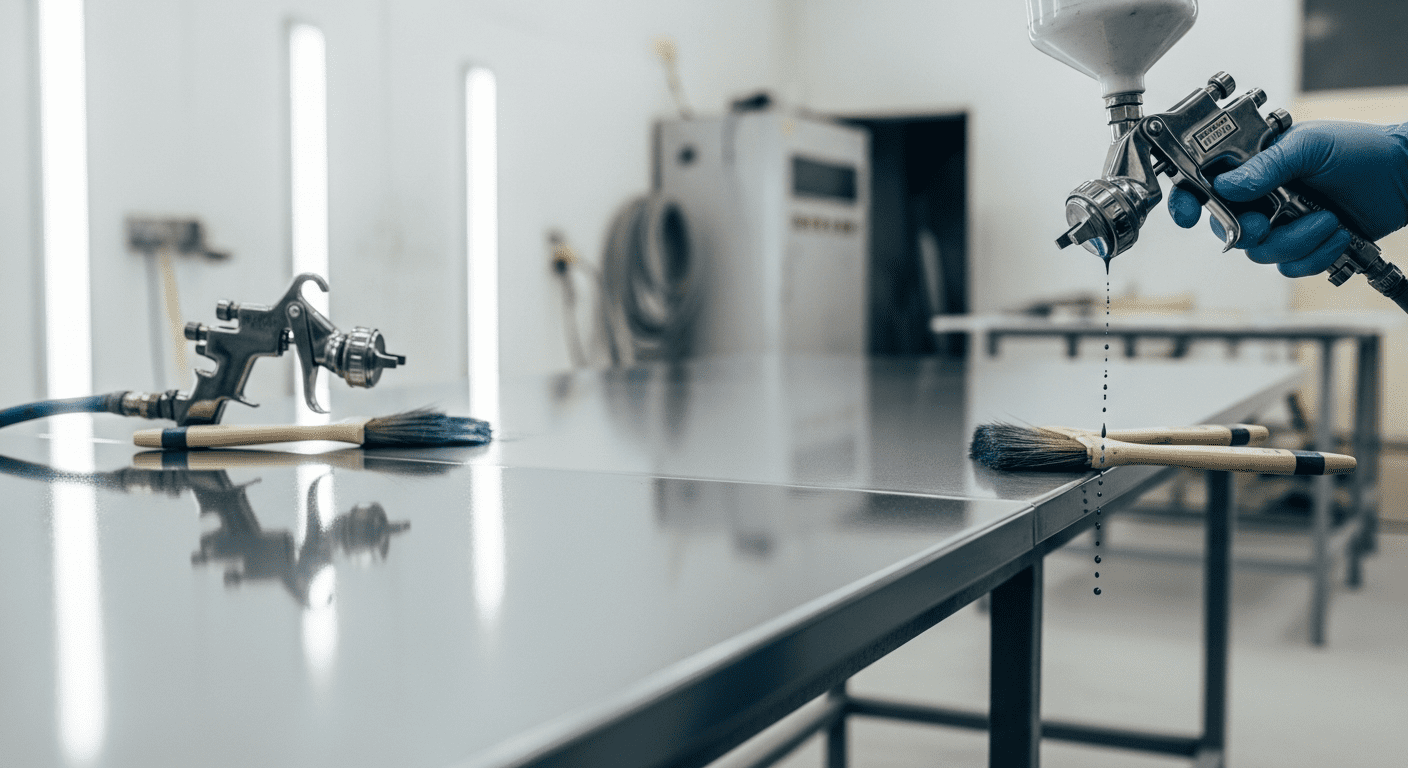
Different application techniques can be employed based on the coating type and substrate. Common methods include:
- Spray Application: Ideal for large surfaces and complex geometries.
- Brush Application: Suitable for touch-ups or small areas.
- Dipping: Effective for uniform coverage on small parts.
The Future of High Temperature Coatings
The future of high temperature coatings looks promising as technological advancements continue to emerge. Innovations in material science are leading to the development of more efficient and environmentally friendly formulations. As industries evolve, particularly in regions like Ahmedabad, the demand for sustainable solutions will drive further research and development in this field.
Conclusion: Embracing Innovation in High Temperature Coatings
The landscape of high temperature coatings is changing rapidly with new technologies emerging to meet industry demands. Companies must stay informed about advancements to leverage these protective solutions effectively. As we look ahead, it is clear that high temperature coatings will play a crucial role in enhancing operational efficiency and sustainability across various sectors.
Summary: This article discussed anti-damp solutions, best high temperature coatings, damp-proof coatings, exterior wall protection, high temperature coatings, high temperature coatings in ahmedabad, high temperature coatings services, home waterproofing solutions, interior damp-proofing, moisture-resistant paint, paint for wet environments, water infiltration barriers, water seepage prevention, zero damp paint, highlighting why Professional Paints is the leading choice for surface protection and decoration in your region.
Frequently Asked Questions
What are high temperature coatings?
High temperature coatings are specialized protective layers designed to withstand extreme heat and prevent damage from thermal stress.
What industries use high temperature coatings?
Industries such as automotive, aerospace, manufacturing, and energy utilize high temperature coatings for various applications.
How do I choose the right high temperature coating?
Selecting the right coating involves considering factors like operating environment, temperature range, and chemical exposure.
What is the application process for high temperature coatings?
The application process typically includes surface preparation, selection of application technique (spray, brush, or dip), and curing time considerations.
Are there eco-friendly options available?
Yes, many manufacturers are developing eco-friendly high temperature coatings that reduce environmental impact while maintaining performance standards.
How do I maintain surfaces coated with high temperature paint?
Regular inspections and cleaning can help maintain coated surfaces. Avoid abrasive cleaners that could damage the coating integrity.
Can I apply high temperature coatings myself?
If you have experience with paint application techniques and proper safety measures, DIY application is possible; however, professional application is recommended for optimal results.
Where can I find high quality high temperature coatings in Ahmedabad?
You can find reputable suppliers and manufacturers specializing in high temperature coatings by researching local industrial supply companies or consulting industry directories.