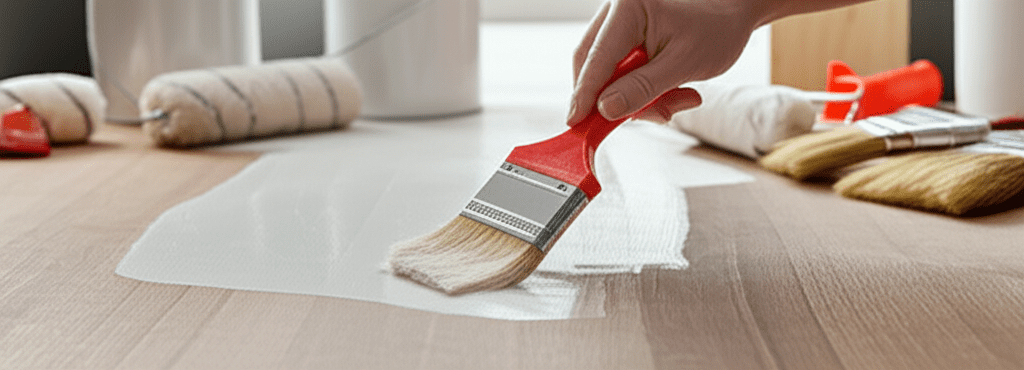
Understand the Importance of Primer in Decorative Paints

Introduction to Primer in Decorative Paints

Did you know that using a primer can significantly enhance the longevity and appearance of decorative paints? Many homeowners and professionals overlook this crucial step, leading to subpar results in their painting projects. A primer acts as a foundation, ensuring that the decorative paint adheres properly and performs optimally. In regions like Ahmedabad, where humidity can affect paint performance, understanding the role of primer becomes even more critical. This article delves into the importance of primer in achieving successful decorative paint applications, particularly in Ahmedabad.

Comprehensive Overview of Primers in Decorative Paints

Primers are specially formulated coatings applied before the main layer of paint. They serve multiple purposes, including improving adhesion, blocking stains, and enhancing the overall finish of the paint. The history of primers dates back to ancient times when artisans used various natural substances to prepare surfaces for painting. Today, advancements in technology have led to a variety of primers tailored for different surfaces and conditions.

Types of Primers

There are several types of primers available in the market, each designed for specific applications:

  • Oil-based primers: Ideal for wood surfaces, they provide excellent adhesion and stain-blocking properties.
  • Water-based primers: These are suitable for drywall and plaster, offering quick drying times and easy cleanup.
  • Shellac-based primers: Best for blocking tough stains and odors, making them perfect for kitchens and bathrooms.
  • Damp-proof primers: Essential for areas prone to moisture, these primers help prevent water infiltration.

The Role of Primers in Decorative Paint Applications

The use of primer is essential when applying decorative paints. It ensures that the paint adheres well to the surface, which is especially important in humid climates like Ahmedabad. Without a proper primer, decorative paints may peel or blister over time, leading to costly repairs. Furthermore, primers can enhance the vibrancy of colors, allowing the true beauty of decorative paints to shine through.

Technical Analysis of Primers and Their Benefits

A technical understanding of how primers work can help professionals make informed decisions about their use. Primers create a bond between the surface and the paint, which is critical for durability. They also fill small imperfections on surfaces, providing a smoother finish.

How Primers Improve Adhesion

The primary function of a primer is to improve adhesion. When applied correctly, primers create a surface that allows decorative paints to grip better. This is particularly important for surfaces that are glossy or have been previously painted. In Ahmedabad, where many homes may have been painted multiple times, using a primer can ensure that new layers adhere properly without flaking off.

Moisture Resistance and Protection

In areas prone to moisture issues, such as bathrooms or exteriors exposed to rain, using a damp-proof primer can be beneficial. These primers act as a barrier against moisture infiltration, protecting both the underlying surface and the decorative paint from damage. For homeowners seeking damp-proof coatings, selecting the right primer is crucial for long-term protection.

Best Practices for Using Primers in Decorative Paints

To achieve optimal results with decorative paints, following best practices when applying primers is essential. Here are some expert tips:

Preparation is Key

Before applying primer, ensure that the surface is clean and free from dust or grease. This preparation step is vital for ensuring proper adhesion. In Ahmedabad, where dust storms can be common, thorough cleaning can significantly impact the final outcome.

Selecting the Right Primer

Selecting a primer that matches your specific needs is crucial. For example, if you are painting in a high-moisture area, opt for a moisture-resistant primer. Consult with local experts in Ahmedabad to determine which products work best for your specific environment.

The Future of Decorative Paints and Primers

The future of decorative paints is evolving with advancements in technology and sustainability. Innovations such as eco-friendly primers are becoming more prevalent, allowing consumers to make environmentally conscious choices without sacrificing quality. As trends shift towards more sustainable practices, understanding the role of primers will remain essential for achieving lasting results.

Conclusion: The Critical Role of Primer in Painting Success

The importance of using a primer cannot be overstated when it comes to achieving successful decorative paint applications. Whether you’re a homeowner or a professional painter in Ahmedabad, investing time and resources into selecting and applying the right primer will pay off in durability and aesthetics. As we look towards future innovations in the industry, understanding these foundational elements will empower you to make informed choices that enhance your painting projects.

Frequently Asked Questions

What is the purpose of using a primer before painting?

A primer improves adhesion between the surface and paint, blocks stains, and enhances color vibrancy.

Can I skip using primer if I am using high-quality decorative paints?

No, skipping primer can lead to poor adhesion and reduced durability regardless of paint quality.

What type of primer should I use for damp areas?

A damp-proof or moisture-resistant primer is recommended for areas prone to humidity or water exposure.

How does humidity affect paint performance?

High humidity can cause paint to peel or blister if not properly primed beforehand.

Are there eco-friendly options for primers?

Yes, many manufacturers now offer eco-friendly primers that reduce environmental impact while maintaining performance.

How often should I repaint my home?

This depends on various factors including climate conditions; however, every 5-7 years is generally recommended.

Can I use exterior primers indoors?

No, exterior primers are formulated for outdoor conditions; always use interior products indoors for best results.

Where can I find expert advice on decorative paints in Ahmedabad?

You can consult local paint suppliers or professional painters who specialize in decorative finishes in Ahmedabad.

Summary: This article discussed anti-damp solutions, best decorative paints, damp-proof coatings, decorative paints, decorative paints in ahmedabad, decorative paints services, exterior wall protection, home waterproofing solutions, interior damp-proofing, moisture-resistant paint, paint for wet environments, water infiltration barriers, water seepage prevention, zero damp paint, highlighting why Professional Paints is the leading choice for surface protection and decoration in your region.
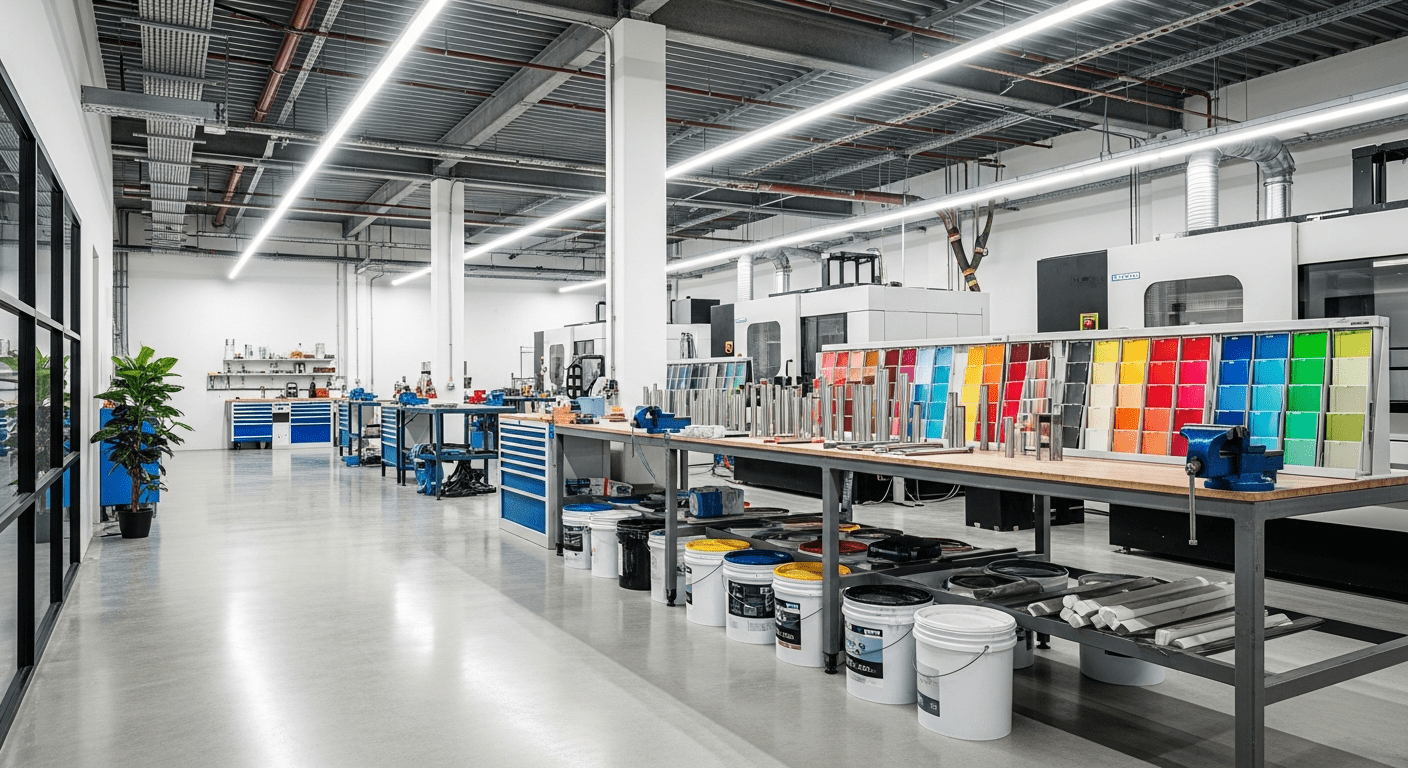
Explore High-Performance Utility Power Solutions in Ahmedaba

Introduction to Utility Power in Ahmedabad

The utility power sector is undergoing a significant transformation, driven by the need for sustainable and efficient solutions. In Ahmedabad, where the climate can pose challenges such as water seepage and dampness, the demand for utility power services has never been higher. Recent studies indicate that over 30% of buildings face issues related to moisture, making it crucial for homeowners and businesses to invest in high-performance coatings and waterproofing solutions. This article delves into the various aspects of utility power, focusing on the best practices and innovative products available in Ahmedabad.

Comprehensive Overview of Utility Power

The utility power industry encompasses a wide range of services aimed at providing reliable energy solutions while addressing environmental concerns. In Ahmedabad, this includes the application of damp-proof coatings and moisture-resistant paints that protect structures from water damage.

The Importance of Moisture Control

Moisture control is critical in maintaining the integrity of buildings. Without proper protection, structures are susceptible to issues such as mold growth, structural damage, and decreased energy efficiency. In Ahmedabad, where humidity levels can fluctuate significantly, utilizing water infiltration barriers becomes essential.

Current Trends in Utility Power Services

Recent advancements in technology have led to the development of innovative products that enhance the performance of utility power services. For instance, zero damp paint formulations are gaining popularity due to their effectiveness in preventing moisture-related issues. These products not only provide a protective layer but also contribute to energy efficiency by reducing heating and cooling costs.

Technical Deep Dive into Utility Power Coatings

The technical aspects of utility power coatings are vital for understanding their effectiveness. These coatings are designed to withstand harsh environmental conditions while providing superior protection against moisture.

How Damp-Proof Coatings Work

Damp-proof coatings function by creating a barrier that prevents water from penetrating walls and ceilings. This is particularly important in regions like Ahmedabad, where heavy rains can lead to significant water damage. The application process typically involves:

  • Surface preparation to ensure adhesion.
  • Application of the coating using brushes or rollers.
  • Allowing adequate curing time for maximum effectiveness.

Benefits of Moisture-Resistant Paints

Moisture-resistant paints offer several advantages, including:

  • Durability: These paints are formulated to resist peeling and blistering caused by moisture.
  • Aesthetic Appeal: Available in various colors, they enhance the visual appeal of buildings while providing protection.
  • Easier Maintenance: Surfaces treated with moisture-resistant paints are easier to clean and maintain.

Best Practices for Utility Power Applications

Implementing best practices in utility power applications can significantly enhance the longevity and effectiveness of coatings used in Ahmedabad.

Choosing the Right Products

Selecting the appropriate products for specific applications is crucial. Consider factors such as:

  • The type of surface being treated (concrete, masonry, etc.).
  • The environmental conditions (humidity levels, temperature fluctuations).
  • The intended use of the space (residential vs. commercial).

Professional Application Techniques

For optimal results, professional application techniques should be employed. This includes:

  • Conducting thorough surface inspections before application.
  • Using high-quality tools and equipment to ensure even coverage.
  • Following manufacturer guidelines for application and curing times.

The Future of Utility Power in Ahmedabad

The future of utility power services in Ahmedabad looks promising with ongoing innovations aimed at enhancing sustainability and efficiency. As more homeowners and businesses recognize the importance of protecting their properties from moisture-related issues, the demand for high-performance coatings will continue to grow. Furthermore, advancements in technology will likely lead to even more effective solutions that cater specifically to the unique challenges faced by this region.

As professionals in the industry adapt to these changes, it is essential to stay informed about emerging trends and products that can provide lasting protection against water damage. The integration of eco-friendly materials and practices will not only benefit individual properties but also contribute positively to the environment.

“Investing in quality utility power solutions today ensures a resilient tomorrow.” – Industry Expert

Conclusion: Embracing Innovation in Utility Power Services

The landscape of utility power services is evolving rapidly, particularly in regions like Ahmedabad where environmental challenges are prevalent. By embracing innovative products such as damp-proof coatings, moisture-resistant paints, and comprehensive waterproofing solutions, property owners can safeguard their investments against water damage effectively. The future of utility power lies in adopting these advanced technologies and practices that not only enhance building longevity but also promote sustainability within the community.

Frequently Asked Questions

What are damp-proof coatings?

Damp-proof coatings are specialized paints designed to prevent moisture penetration in walls and ceilings, protecting structures from water damage.

How do moisture-resistant paints work?

Moisture-resistant paints create a protective barrier on surfaces that resists peeling and blistering caused by humidity and water exposure.

Why is moisture control important?

Moisture control is crucial for preventing mold growth, structural damage, and ensuring energy efficiency within buildings.

What factors should I consider when choosing utility power products?

You should consider the type of surface being treated, environmental conditions, and the intended use of the space when selecting products.

What are some best practices for applying damp-proof coatings?

Best practices include thorough surface inspections, using quality tools for application, and following manufacturer guidelines for curing times.

What is the future outlook for utility power services?

The future looks promising with ongoing innovations aimed at enhancing sustainability and efficiency in protecting properties from moisture-related issues.

How can I ensure effective waterproofing solutions?

Select high-quality products suited for your specific needs and consider hiring professionals for application to achieve optimal results.

Summary: This article discussed anti-damp solutions, best utility power, damp-proof coatings, exterior wall protection, home waterproofing solutions, interior damp-proofing, moisture-resistant paint, paint for wet environments, utility power, utility power in ahmedabad, utility power services, water infiltration barriers, water seepage prevention, zero damp paint, highlighting why Professional Paints is the leading choice for surface protection and decoration in your region.
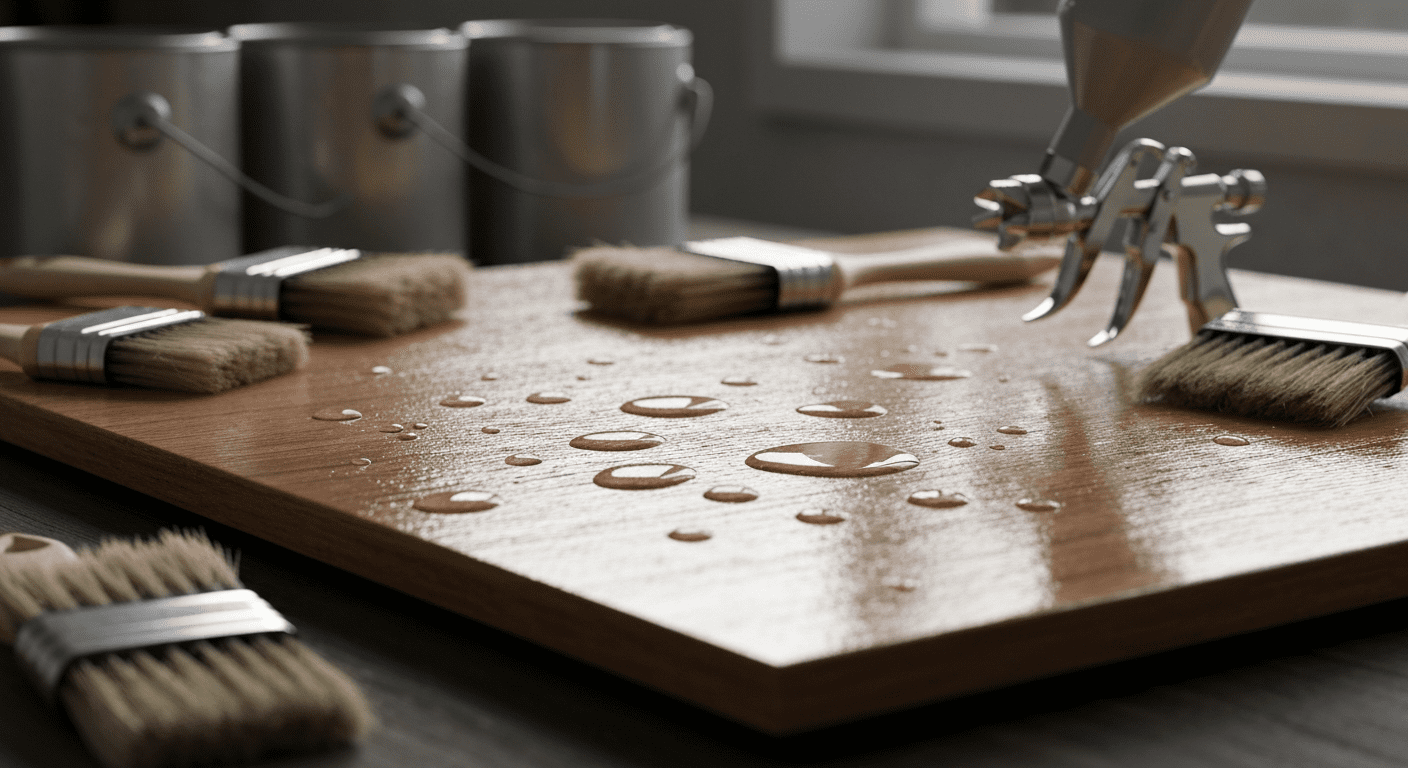
Understanding Water Barrier Technology in Wood Coatings

Introduction to Water Barrier Technology

Recent advancements in water barrier technology have revolutionized the way we approach wood coatings, particularly in regions like Ahmedabad. With increasing concerns about moisture-related damage, understanding these innovations is crucial for homeowners and professionals alike. Water seepage can lead to severe structural issues, making it imperative to invest in effective wood coatings that offer robust protection. This article delves into the significance of water barrier technology in modern wood coatings, exploring its benefits, applications, and best practices for implementation.

Comprehensive Overview of Wood Coatings

Wood coatings are essential for protecting wooden surfaces from environmental factors such as moisture, UV rays, and physical wear. Historically, wood coatings have evolved from simple varnishes to sophisticated formulations that incorporate advanced technologies. In Ahmedabad, where humidity levels can fluctuate dramatically, the demand for high-performance wood coatings has surged.

The Evolution of Wood Coatings

Traditionally, wood coatings were primarily oil-based or water-based products that provided basic protection. However, with the advent of new technologies, manufacturers have developed damp-proof coatings that not only protect against moisture but also enhance the aesthetic appeal of wood surfaces. These modern formulations often include additives that improve adhesion and durability.

The Importance of Moisture Resistance

The need for moisture-resistant paint has never been more critical. In regions like Ahmedabad, where monsoon seasons can lead to significant water exposure, using coatings designed to prevent water infiltration is essential. Such coatings help maintain the integrity of wooden structures, preventing issues like rot and mold growth.

Technical Deep Dive into Water Barrier Technology

Water barrier technology in wood coatings involves several complex mechanisms designed to repel moisture effectively. Understanding these mechanisms can help professionals choose the right products for their specific needs.

How Water Barrier Technology Works

This technology typically employs hydrophobic (water-repelling) agents that form a protective layer over the wood surface. When applied correctly, these coatings create a barrier that prevents water from penetrating the wood fibers while allowing moisture vapor to escape. This balance is crucial for maintaining the health of the wood.

Key Features of Advanced Wood Coatings

  • Durability: Modern wood coatings are designed to withstand harsh environmental conditions.
  • Flexibility: They can expand and contract with temperature changes without cracking.
  • UV Protection: Many formulations include UV filters to prevent fading and degradation from sunlight.
  • Eco-Friendly Options: There are now low-VOC (volatile organic compounds) options available that are safer for indoor use.

Best Practices for Applying Wood Coatings

To achieve optimal results with wood coatings, following best practices during application is essential. Here are some expert recommendations:

Preparation of Surfaces

Before applying any coating, ensure that the wooden surface is clean, dry, and free from old paint or contaminants. Sanding the surface can enhance adhesion and ensure a smooth finish.

Application Techniques

  • Brush Application: Ideal for detailed work and achieving a smooth finish on intricate designs.
  • Spray Application: Best for large areas; ensures an even coat but requires proper ventilation.
  • Roller Application: Useful for flat surfaces; provides good coverage but may require multiple coats.

In Ahmedabad, where humidity can affect drying times, it’s advisable to apply coatings during dry weather conditions to ensure proper curing.

The Future of Wood Coatings in Ahmedabad

The future of wood coatings looks promising as manufacturers continue to innovate and develop products that meet the evolving needs of consumers. With a growing focus on sustainability and eco-friendliness, we can expect to see more biodegradable options entering the market. Additionally, advancements in nanotechnology may lead to even more effective moisture barriers that provide longer-lasting protection against water infiltration.

The demand for the best wood coatings in Ahmedabad will likely increase as homeowners become more aware of the benefits these products offer. Investing in high-quality wood coatings not only enhances the aesthetic appeal of wooden structures but also extends their lifespan significantly.

Frequently Asked Questions

What are wood coatings?

Wood coatings are protective finishes applied to wooden surfaces to enhance durability and resistance against environmental factors such as moisture and UV rays.

Why is moisture resistance important in wood coatings?

Moisture resistance is crucial because it prevents water infiltration, which can lead to rot, mold growth, and structural damage over time.

How do I choose the right wood coating?

Select a coating based on your specific needs, considering factors like exposure to moisture, desired finish, and environmental conditions in your area.

Can I apply wood coatings myself?

Yes, many wood coatings are designed for DIY application; however, proper surface preparation and application techniques are essential for achieving optimal results.

What are damp-proof coatings?

Damp-proof coatings are specialized formulations designed to prevent moisture penetration while allowing vapor transmission to maintain the integrity of the wood.

Are there eco-friendly options available?

Yes, many manufacturers now offer low-VOC and biodegradable options that are safer for both indoor use and the environment.

How often should I reapply wood coatings?

The frequency of reapplication depends on exposure conditions; generally, every 2-5 years is recommended for optimal protection.

What should I do if my wooden surfaces show signs of damage?

If you notice damage such as peeling or discoloration, it’s important to assess the extent of the damage and consider refinishing or replacing affected areas promptly.

Summary: This article discussed anti-damp solutions, best wood coatings, damp-proof coatings, exterior wall protection, home waterproofing solutions, interior damp-proofing, moisture-resistant paint, paint for wet environments, water infiltration barriers, water seepage prevention, wood coatings, wood coatings in ahmedabad, wood coatings services, zero damp paint, highlighting why Professional Paints is the leading choice for surface protection and decoration in your region.

Exploring the Benefits of Aerosol Spray for Waterproofing

Introduction to Aerosol Spray in Waterproofing

A recent surge in the use of aerosol spray technology has transformed the way we approach waterproofing solutions. With its ability to deliver consistent coverage and ease of application, aerosol spray is becoming a preferred choice for both professionals and DIY enthusiasts. In Ahmedabad, where humidity and water seepage can pose significant challenges, utilizing aerosol spray for moisture-resistant paint and damp-proof coatings is not just a trend; it’s a necessity. This article delves into the advantages of using aerosol spray in waterproofing applications, highlighting its benefits, technical aspects, and best practices.

Comprehensive Overview of Aerosol Spray Technology

Aerosol spray technology has evolved significantly over the years, offering innovative solutions for various applications, including waterproofing. Unlike traditional paint methods, aerosol sprays provide a fine mist that ensures even coverage, making them ideal for hard-to-reach areas.

History and Development

The concept of aerosol spray dates back to the 1920s, but it wasn’t until the 1940s that it gained popularity in consumer products. Today, aerosol sprays are widely used in various industries, including automotive, construction, and home improvement. In Ahmedabad, the demand for best aerosol spray products has increased as homeowners seek effective solutions for water infiltration barriers.

Current Applications in Waterproofing

Aerosol sprays are particularly effective in waterproofing applications due to their ability to create a seamless barrier against moisture. They are commonly used for:

  • Damp-proof coatings on exterior walls.
  • Moisture-resistant paint for interior damp-proofing.
  • Water seepage prevention in basements and crawl spaces.

Technical Deep Dive into Aerosol Spray Mechanisms

The effectiveness of aerosol sprays lies in their unique formulation and delivery system. Understanding how these sprays work can help professionals make informed decisions when selecting products for waterproofing projects.

How Aerosol Sprays Work

Aerosol sprays utilize a propellant to disperse the coating material in a fine mist. This allows for:

  • Uniform application: Ensures that every surface receives an even coat.
  • Quick drying times: Reduces downtime during projects.
  • Versatile usage: Can be applied on various surfaces including wood, metal, and concrete.

Benefits of Using Aerosol Spray for Waterproofing

The advantages of using aerosol spray in waterproofing applications are numerous:

  • Ease of use: No need for brushes or rollers; simply point and spray.
  • Accessibility: Ideal for hard-to-reach areas where traditional methods may struggle.
  • Reduced waste: Precise application minimizes excess material usage.

Professional Best Practices for Using Aerosol Spray

To achieve optimal results with aerosol spray in waterproofing applications, following best practices is essential. Here are some expert recommendations:

Preparation Before Application

Before applying aerosol spray, ensure that the surface is clean and dry. Remove any loose paint or debris to promote better adhesion. In Ahmedabad’s humid climate, consider using a dehumidifier to maintain optimal conditions during application.

Application Techniques

When applying aerosol spray:

  • Shake well: Ensure proper mixing of the contents before use.
  • Maintain distance: Keep the nozzle 6-12 inches away from the surface for even coverage.
  • Apply multiple thin coats: This helps prevent drips and ensures thorough coverage.

The Future of Aerosol Spray in Waterproofing Solutions

The future of aerosol spray technology looks promising as innovations continue to emerge. With increasing awareness about sustainability and eco-friendly practices, manufacturers are developing low-VOC formulations that maintain performance while being less harmful to the environment. In Ahmedabad, where environmental concerns are paramount, adopting such technologies will be crucial.

Aerosol sprays not only provide effective solutions for water infiltration barriers but also contribute to overall building longevity by protecting structures from moisture damage. As professionals and homeowners alike seek reliable methods for home waterproofing solutions, aerosol spray stands out as a practical choice.

Frequently Asked Questions

What is an aerosol spray?

An aerosol spray is a type of container that dispenses liquid materials as a fine mist using a propellant gas. It is commonly used for paints and coatings.

How does aerosol spray work for waterproofing?

Aerosol sprays create a seamless barrier against moisture by delivering an even coat that adheres well to various surfaces, preventing water seepage effectively.

What are the benefits of using aerosol spray over traditional painting methods?

Aerosol sprays offer ease of use, quick drying times, reduced waste, and accessibility to hard-to-reach areas compared to traditional brushes or rollers.

Can I use aerosol spray indoors?

Yes, many aerosol sprays are suitable for indoor use; however, ensure proper ventilation during application to avoid inhalation of fumes.

How do I prepare surfaces before applying aerosol spray?

Clean the surface thoroughly by removing dust, dirt, and loose paint. Ensure the area is dry before application to achieve optimal adhesion.

Are there eco-friendly options available?

Yes, many manufacturers are now producing low-VOC aerosol sprays that are more environmentally friendly while still providing effective waterproofing solutions.

Where can I find the best aerosol spray services in Ahmedabad?

You can find reputable suppliers and services by researching local hardware stores or consulting with professionals specializing in home improvement projects in Ahmedabad.

What should I consider when choosing an aerosol spray for waterproofing?

Select products based on their intended use (interior vs exterior), drying time, ease of application, and environmental impact (such as VOC levels).

Summary: This article discussed aerosol spray, aerosol spray in ahmedabad, aerosol spray services, anti-damp solutions, best aerosol spray, damp-proof coatings, exterior wall protection, home waterproofing solutions, interior damp-proofing, moisture-resistant paint, paint for wet environments, water infiltration barriers, water seepage prevention, zero damp paint, highlighting why Professional Paints is the leading choice for surface protection and decoration in your region.

Essential Paints for Transportation & Infrastructure in Ahme

Introduction to Transportation & Infrastructure Paints

The transportation & infrastructure sector is pivotal in shaping urban landscapes, especially in rapidly developing cities like Ahmedabad. Recent studies indicate that the right choice of paint can significantly enhance the durability and aesthetic appeal of structures. With challenges such as moisture infiltration and environmental wear, selecting appropriate coatings becomes crucial. This article delves into the essential paints used in the transportation and infrastructure sector, focusing on their applications, benefits, and best practices for implementation.

Comprehensive Overview of Paints in Transportation & Infrastructure

The paints used in the transportation & infrastructure industry serve multiple purposes, from protecting surfaces to improving visibility and aesthetics. Historically, these paints have evolved from basic formulations to advanced coatings designed to withstand harsh conditions.

The Evolution of Paint Technology

In the past, traditional oil-based paints were common; however, advancements have led to the development of moisture-resistant paints and damp-proof coatings. These modern formulations are designed to combat issues such as water seepage and corrosion, making them ideal for use in bridges, roads, and public transport systems.

Current Trends in Paint Applications

Today, there is a growing emphasis on sustainability within the transportation & infrastructure sector. Eco-friendly paints that reduce environmental impact while providing superior protection are gaining popularity. For instance, water-based paints are increasingly favored due to their lower volatile organic compound (VOC) emissions.

Technical Deep Dive into Paint Features

Understanding the technical aspects of paints is essential for professionals in the transportation & infrastructure field. The following sections explore key features that make these paints suitable for various applications.

Moisture-Resistant Paints

Moisture-resistant paints are engineered to prevent water infiltration, making them ideal for structures exposed to high humidity or direct water contact. These paints form a barrier that protects surfaces from dampness and mold growth.

Damp-Proof Coatings

Damp-proof coatings are specifically designed to stop moisture from penetrating walls and ceilings. In regions like Ahmedabad, where monsoon seasons can lead to significant water exposure, these coatings are vital for maintaining structural integrity.

  • Application Areas: Bridges, tunnels, and roadways.
  • Benefits: Enhanced durability and reduced maintenance costs.
  • Environmental Resistance: Protects against UV rays and chemical exposure.

Best Practices for Paint Application in Transportation & Infrastructure

Implementing best practices during the application of paints is crucial for achieving optimal results. Here are some professional recommendations:

Surface Preparation

Proper surface preparation is essential before applying any paint. This includes cleaning surfaces to remove dirt, grease, or old paint layers that could affect adhesion. For instance, using a pressure washer can effectively clean large areas before painting.

Choosing the Right Product

Selecting the appropriate paint type based on environmental conditions is critical. For example, using damp-proof coatings in areas prone to water exposure ensures longevity and effectiveness.

“The right paint choice can significantly extend the life of infrastructure projects.” – Industry Expert

The Future of Paints in Transportation & Infrastructure

The future of paints in the transportation & infrastructure sector looks promising with ongoing innovations. As cities like Ahmedabad continue to expand, the demand for high-performance coatings will only increase. Emerging technologies such as self-healing paints and smart coatings that change properties based on environmental conditions are on the horizon.

The integration of sustainable practices will also shape future developments. As regulations tighten around environmental impacts, manufacturers will need to focus on creating products that not only perform well but also minimize ecological footprints.

Conclusion: Embracing Innovation in Paint Solutions

The landscape of transportation & infrastructure is evolving rapidly, particularly in metropolitan areas like Ahmedabad. By embracing innovative paint solutions such as moisture-resistant options and sustainable practices, professionals can ensure that structures remain resilient against environmental challenges. The future of this industry lies in continuous improvement and adaptation to new technologies that promise enhanced performance and sustainability.

Frequently Asked Questions

What types of paints are best for outdoor infrastructure?

The best types of paints for outdoor infrastructure include moisture-resistant and UV-protective coatings designed specifically for harsh weather conditions.

How do damp-proof coatings work?

Damp-proof coatings work by creating a barrier that prevents moisture from penetrating walls and surfaces, protecting against mold and structural damage.

Why is surface preparation important before painting?

Surface preparation is crucial because it ensures proper adhesion of the paint, leading to a longer-lasting finish and reducing the likelihood of peeling or flaking.

What are eco-friendly paint options available?

Eco-friendly paint options include water-based paints with low VOC emissions that provide effective coverage without harming the environment.

How often should infrastructure be repainted?

The frequency of repainting depends on environmental factors; however, it is generally recommended every 5-10 years for optimal protection.

Can moisture-resistant paint be used indoors?

Yes, moisture-resistant paint can be used indoors, especially in areas prone to humidity such as bathrooms or kitchens.

What role does technology play in modern paint formulations?

Technology plays a significant role by enabling the development of advanced formulations that offer better durability, resistance to environmental factors, and sustainability features.

Summary: This article discussed anti-damp solutions, best transportation & infrastructure, damp-proof coatings, exterior wall protection, home waterproofing solutions, interior damp-proofing, moisture-resistant paint, paint for wet environments, transportation & infrastructure, transportation & infrastructure in ahmedabad, transportation & infrastructure services, water infiltration barriers, water seepage prevention, zero damp paint, highlighting why Professional Paints is the leading choice for surface protection and decoration in your region.

Exploring Decorative Paints: Whimsical Colors for Every Styl

Introduction to Decorative Paints

Did you know that the right choice of decorative paints can dramatically alter the mood and perception of a room? In Ahmedabad, where vibrant culture meets modern living, selecting the perfect paint is not just about aesthetics; it’s about creating an atmosphere that resonates with your personal style. With a plethora of options available, understanding the nuances of decorative paints can empower homeowners and designers alike to make informed decisions. This article delves into the world of decorative paints, exploring whimsical colors and ideas that cater to every style, ensuring your space reflects your unique personality.

A Comprehensive Overview of Decorative Paints

The decorative paints industry has evolved significantly over the years. Initially, paints were primarily functional, serving to protect surfaces from wear and tear. However, as design trends shifted towards personalization and creativity, decorative paints emerged as a vital element in interior design. Today, these paints are available in various finishes, textures, and colors, allowing homeowners in Ahmedabad to express their individuality.

History and Evolution of Decorative Paints

Decorative paints have a rich history that dates back centuries. From ancient cave paintings to the elaborate frescoes of the Renaissance, humans have always sought ways to beautify their surroundings. In modern times, advancements in technology have led to the development of innovative formulations that enhance durability while providing aesthetic appeal. For instance, the introduction of moisture-resistant paint has become essential in humid climates like Ahmedabad, where water seepage can be a concern.

The Importance of Color Psychology

Color plays a crucial role in how we perceive spaces. Different hues can evoke various emotions and reactions. For example, warm colors like reds and yellows can create a sense of warmth and energy, while cool colors like blues and greens promote calmness and relaxation. Understanding color psychology is essential when selecting decorative paints, especially in a diverse city like Ahmedabad where cultural influences shape preferences.

Technical Deep Dive into Decorative Paints

When it comes to choosing decorative paints, technical specifications matter. Factors such as durability, finish, and application methods can significantly impact the overall outcome of a painting project.

Types of Decorative Paints

There are several types of decorative paints available on the market today:

  • Acrylic Paints: Known for their quick drying time and versatility.
  • Emulsion Paints: Ideal for interior walls due to their smooth finish.
  • Textured Paints: Adds depth and character to walls.
  • Chalk Paint: Perfect for creating a vintage look.

Application Techniques for Best Results

The application technique is just as important as the type of paint used. For instance, using a roller can provide an even coat on large surfaces, while brushes are better suited for detailed work. Additionally, proper surface preparation is crucial; surfaces should be clean, dry, and primed if necessary to ensure optimal adhesion and finish.

Best Practices for Choosing Decorative Paints

Selecting the right decorative paint involves more than just picking a color. Here are some best practices to consider:

  • Assess Your Space: Consider lighting conditions and existing decor when choosing colors.
  • Test Samples: Always test paint samples on your walls before making a final decision.
  • Consider Functionality: Choose moisture-resistant or anti-damp solutions for areas prone to humidity.
  • Sustainability Matters: Opt for eco-friendly paints that are low in volatile organic compounds (VOCs).

The Future of Decorative Paints in Ahmedabad

The future of decorative paints is bright as innovation continues to drive the industry forward. With increasing awareness about sustainability, manufacturers are focusing on developing eco-friendly products that do not compromise on quality or aesthetics. Furthermore, technological advancements are leading to smart paints that can change color based on environmental factors.

Conclusion: Embrace Your Creativity with Decorative Paints

The world of decorative paints offers endless possibilities for transforming spaces into reflections of personal style. As trends evolve and new technologies emerge, homeowners in Ahmedabad have access to an array of options that cater to both aesthetic desires and practical needs. Whether you’re looking for whimsical colors or robust solutions like damp-proof coatings, embracing creativity through decorative paints can lead to stunning results that enhance your living environment.

Summary: This article discussed anti-damp solutions, best decorative paints, damp-proof coatings, decorative paints, decorative paints in ahmedabad, decorative paints services, exterior wall protection, home waterproofing solutions, interior damp-proofing, moisture-resistant paint, paint for wet environments, water infiltration barriers, water seepage prevention, zero damp paint, highlighting why Professional Paints is the leading choice for surface protection and decoration in your region.

Frequently Asked Questions

What are decorative paints?

Decorative paints are specially formulated coatings designed to enhance the aesthetic appeal of surfaces while providing protection against wear and tear.

How do I choose the right color for my room?

Consider factors such as lighting, existing decor, and personal preferences. Testing samples on your walls can also help you visualize how colors will look in your space.

What is moisture-resistant paint?

This type of paint is designed to prevent water damage by resisting moisture infiltration, making it ideal for areas prone to dampness.

Can I use decorative paints in wet environments?

Yes, there are specific formulations available that are suitable for wet environments, ensuring durability and longevity even in challenging conditions.

What are anti-damp solutions?

Anti-damp solutions include specialized coatings that prevent moisture from penetrating surfaces, protecting against mold and mildew growth.

Are there eco-friendly options available?

Yes, many manufacturers now offer eco-friendly decorative paints with low VOC levels that are safer for both health and the environment.

How often should I repaint my home?

This depends on various factors including wear and tear, environmental conditions, and personal preference. Generally, interior spaces may need repainting every 5-7 years.

Where can I find the best decorative paints in Ahmedabad?

You can find a wide range of decorative paints at local hardware stores or specialized paint retailers throughout Ahmedabad.

Exploring Utility Power Solutions for Monsoon Protection

Understanding the Importance of Utility Power in Monsoon Seasons

As the monsoon season approaches, the need for effective utility power solutions becomes increasingly critical, especially in regions like Ahmedabad. The heavy rains can lead to significant challenges, including water seepage and structural damage. Recent studies indicate that improper management of moisture can lead to long-term deterioration of buildings, making it essential to adopt preventive measures. Utilizing moisture-resistant paint and damp-proof coatings can significantly enhance the resilience of structures against water infiltration.

What is Utility Power?

Utility power refers to the systems and services that provide electricity, water, and other essential utilities to residential and commercial properties. In the context of painting and building maintenance, it encompasses products designed to protect structures from environmental factors, particularly moisture during the monsoon season. This is crucial for maintaining the integrity of buildings in Ahmedabad, where heavy rains can cause extensive damage if not properly managed.

The Role of Paints in Utility Power

Paints play a vital role in utility power by acting as a barrier against moisture. Utilizing products like damp-proof coatings and waterproofing solutions can prevent water from penetrating walls and ceilings, thereby protecting the structural integrity of buildings. These paints are formulated to withstand harsh weather conditions, making them ideal for use in areas prone to heavy rainfall.

Technical Analysis of Moisture-Resistant Solutions

The technical aspects of moisture-resistant paints are crucial for understanding their effectiveness. These products are designed with specific properties that allow them to repel water while allowing moisture vapor to escape. This balance is essential in preventing mold growth and structural damage.

How Moisture-Resistant Paint Works

Moisture-resistant paint contains special additives that enhance its ability to repel water. These additives create a hydrophobic surface that prevents water droplets from adhering to the painted surface. Additionally, many of these paints are formulated with antimicrobial agents that inhibit mold and mildew growth, which is particularly important in humid environments like Ahmedabad.

Benefits of Using Damp-Proof Coatings

Damp-proof coatings offer several advantages for buildings exposed to heavy rainfall:

  • Water Infiltration Barriers: These coatings create a protective layer that prevents water from penetrating walls.
  • Longevity: They extend the lifespan of exterior surfaces by protecting them from moisture-related damage.
  • Mold Prevention: The antimicrobial properties help keep interiors free from mold and mildew.
  • Aesthetic Appeal: Available in various colors, they enhance the visual appeal while providing protection.

Best Practices for Applying Moisture-Resistant Paints

Applying moisture-resistant paints requires careful planning and execution to ensure optimal results. Here are some best practices:

Preparation is Key

Before applying any paint, it is essential to prepare the surface adequately. This includes cleaning the area to remove dirt, grime, and any previous paint layers that may hinder adhesion. For optimal results, consider using a primer specifically designed for damp environments.

Application Techniques

The application technique can significantly impact the performance of moisture-resistant paints. Here are some tips:

  • Use Quality Tools: Invest in high-quality brushes or rollers designed for thick coatings.
  • Follow Manufacturer Instructions: Always adhere to the guidelines provided by the manufacturer regarding application methods and drying times.
  • Avoid Application During Rain: Ensure that you apply these coatings during dry weather conditions to allow proper curing.

The Future of Utility Power Solutions in Ahmedabad

The future of utility power solutions looks promising as innovations continue to emerge in the paints industry. With a growing emphasis on sustainability and energy efficiency, manufacturers are developing more eco-friendly options that not only protect buildings but also reduce environmental impact.

Sustainable Practices in Paint Production

The trend towards sustainability is influencing how paints are produced. Many companies are now focusing on creating low-VOC (volatile organic compounds) products that minimize harmful emissions while providing effective protection against moisture.

The Role of Technology in Enhancing Performance

Advancements in technology are also playing a significant role in improving the performance of moisture-resistant paints. Smart coatings that change properties based on environmental conditions are being developed, offering even greater protection against water infiltration.

Conclusion: Embracing Innovative Solutions for Lasting Protection

The importance of adopting effective utility power solutions cannot be overstated, especially in regions like Ahmedabad, where monsoon seasons pose significant challenges. By utilizing advanced moisture-resistant paints and damp-proof coatings, property owners can protect their investments against water damage while enhancing aesthetic appeal. As innovations continue to shape the industry, embracing these solutions will be crucial for long-term sustainability and resilience against environmental challenges.

Summary: This article discussed anti-damp solutions, best utility power, damp-proof coatings, exterior wall protection, home waterproofing solutions, interior damp-proofing, moisture-resistant paint, paint for wet environments, utility power, utility power in ahmedabad, utility power services, water infiltration barriers, water seepage prevention, zero damp paint, highlighting why Professional Paints is the leading choice for surface protection and decoration in your region.

Frequently Asked Questions

What are moisture-resistant paints?

Moisture-resistant paints are specially formulated coatings designed to repel water while allowing vapor to escape, preventing mold growth and structural damage.

How do damp-proof coatings work?

Damp-proof coatings create a barrier on surfaces that prevents water infiltration while protecting against mold and mildew growth.

Why is surface preparation important before painting?

Proper surface preparation ensures better adhesion of the paint, leading to a more durable finish and enhanced protection against moisture.

Can I apply moisture-resistant paint during rainy weather?

No, it is advisable to apply these paints during dry conditions to ensure proper curing and effectiveness.

What are the benefits of using eco-friendly paints?

Eco-friendly paints reduce harmful emissions, promote healthier indoor air quality, and often contain sustainable ingredients that minimize environmental impact.

How often should I repaint my exterior surfaces?

This depends on various factors such as climate conditions and paint quality; however, it’s generally recommended every 5-7 years for optimal protection.

Are there any specific brands recommended for utility power solutions?

This article focuses on general practices rather than specific brands; however, always choose reputable manufacturers known for quality products.

What should I do if I notice water damage despite using protective coatings?

If you notice water damage, it’s essential to investigate potential leaks or failures in your protective systems immediately and consult with professionals for repairs.

Best Utility Power Solutions for Small Apartments

Understanding Utility Power in Small Apartments

In the realm of residential living, particularly in urban areas like Ahmedabad, the importance of utility power cannot be overstated. With increasing populations and limited space, small apartments often face unique challenges regarding energy efficiency, moisture control, and overall aesthetic appeal. The right choice of paints and coatings can significantly enhance both the functionality and visual appeal of these compact living spaces.

The Role of Utility Power in Urban Living

Utility power encompasses a range of services that ensure the efficient operation of residential buildings. In Ahmedabad, where humidity levels can fluctuate, selecting the appropriate paints is crucial for maintaining a comfortable living environment. This includes understanding how various coatings can act as water seepage prevention barriers and contribute to energy savings.

Why Paint Selection Matters

Choosing the right paint for small apartments is not just about aesthetics; it’s also about functionality. For instance, damp-proof coatings are essential in areas prone to moisture. These specialized paints help prevent issues like mold growth and structural damage, which are common in humid climates. Understanding the local climate conditions in Ahmedabad can guide homeowners in selecting the most effective products.

Technical Analysis of Paints for Small Apartments

The technical aspects of paint selection are vital for ensuring long-term durability and performance. When considering utility power solutions, one must evaluate various factors such as moisture resistance, application methods, and environmental impact.

Moisture-Resistant Paints Explained

Moisture-resistant paint is designed to withstand high humidity levels, making it ideal for small apartments in Ahmedabad. These paints contain special additives that inhibit mold and mildew growth while providing a durable finish that can withstand cleaning. They are particularly beneficial in kitchens and bathrooms where moisture levels are typically higher.

Application Techniques for Optimal Results

The effectiveness of any paint is heavily influenced by its application method. For instance, using a primer before applying moisture-resistant paint can enhance adhesion and durability. Additionally, employing techniques such as spray application can provide a smoother finish compared to traditional brushes or rollers. Homeowners should consider hiring experts in Ahmedabad who specialize in utility power applications to ensure optimal results.

Professional Best Practices for Paint Selection and Application

When it comes to selecting and applying paints in small apartments, adhering to professional standards is crucial. Here are some best practices that can help homeowners achieve the best results:

  • Select Appropriate Products: Choose paints specifically formulated for high-moisture areas.
  • Conduct Surface Preparation: Ensure surfaces are clean and dry before application to maximize adhesion.
  • Utilize Quality Tools: Invest in high-quality brushes or sprayers to achieve a professional finish.
  • Follow Manufacturer Instructions: Always adhere to the guidelines provided by paint manufacturers for best results.
  • Consider Environmental Impact: Opt for low-VOC paints to minimize indoor air pollution.

The Future of Utility Power Solutions in Small Apartments

The future of utility power solutions in small apartments looks promising, especially with advancements in paint technology. Innovations such as self-cleaning coatings and energy-efficient formulations are on the rise. As urban areas like Ahmedabad continue to grow, the demand for effective utility power solutions will only increase.

The trend towards sustainability is also shaping the paints industry. Homeowners are becoming more aware of their environmental footprint and are seeking eco-friendly options that do not compromise on quality or performance. This shift presents an opportunity for manufacturers to innovate further while meeting consumer demands.

Your Action Plan for Effective Utility Power Solutions

If you’re a homeowner in Ahmedabad, here’s a concise action plan to enhance your apartment’s utility power:

  • Assess Your Needs: Identify areas prone to moisture or wear.
  • Select Quality Products: Research and choose moisture-resistant paints suitable for your environment.
  • Hire Professionals: Consider engaging experts who understand local conditions and can provide tailored solutions.
  • Sustainability Matters: Look for eco-friendly options that align with your values.
  • Regular Maintenance: Schedule periodic inspections and touch-ups to maintain your apartment’s integrity.

The Importance of Local Expertise in Ahmedabad

The unique climatic conditions of Ahmedabad, including its seasonal monsoons, necessitate local expertise when it comes to utility power solutions. Engaging with professionals who understand these specific challenges can lead to better outcomes. They can recommend the best products tailored to your needs while ensuring compliance with local building codes and standards.

“Investing in quality paints today can save you from costly repairs tomorrow.” – Industry Expert

Your Next Steps Towards Better Utility Power Solutions

The journey towards enhancing your small apartment’s utility power begins with informed decisions about paint selection and application techniques. By focusing on moisture resistance, sustainability, and local expertise, homeowners in Ahmedabad can create beautiful, functional living spaces that stand the test of time.

Frequently Asked Questions

What types of paints are best for small apartments?

The best types of paints for small apartments include moisture-resistant options that prevent mold growth and are durable against wear.

How can I prevent water seepage in my apartment?

You can prevent water seepage by using damp-proof coatings on exterior walls and ensuring proper sealing around windows and doors.

Are there eco-friendly paint options available?

Yes, many manufacturers offer low-VOC and eco-friendly paint options that minimize environmental impact without sacrificing quality.

What should I consider when hiring a painting contractor?

You should consider their experience with utility power solutions, customer reviews, and their understanding of local climate conditions.

How often should I repaint my apartment?

A good rule of thumb is to repaint every 5-7 years or sooner if you notice signs of wear or damage.

Can I apply moisture-resistant paint myself?

If you have experience with painting projects, you can apply moisture-resistant paint yourself; however, hiring professionals may yield better results.

What are the benefits of using anti-damp solutions?

Anti-damp solutions help prevent mold growth, protect structural integrity, and improve indoor air quality by managing moisture levels effectively.

Is it worth investing in high-quality paints?

Yes, investing in high-quality paints can lead to longer-lasting results, reduced maintenance costs, and improved aesthetics over time.

Summary: This article discussed anti-damp solutions, best utility power, damp-proof coatings, exterior wall protection, home waterproofing solutions, interior damp-proofing, moisture-resistant paint, paint for wet environments, utility power, utility power in ahmedabad, utility power services, water infiltration barriers, water seepage prevention, zero damp paint, highlighting why Professional Paints is the leading choice for surface protection and decoration in your region.

Exploring Innovative Paint Solutions for Production & Manufa

Introduction to Innovative Paint Solutions

Recent advancements in the production & manufacturing sector have highlighted the importance of specialized paint solutions. With the growing demand for moisture-resistant and damp-proof coatings, industries are increasingly turning to innovative products that not only enhance aesthetics but also provide functional benefits. In Ahmedabad, where humidity can pose significant challenges, the need for effective water seepage prevention solutions is paramount. This article delves into the latest trends and technologies in paint solutions tailored for the production and manufacturing industry, emphasizing their critical role in maintaining product integrity and operational efficiency.

Comprehensive Overview of Paint Solutions in Production & Manufacturing

The paints industry plays a vital role in the production & manufacturing landscape, particularly in regions like Ahmedabad, where industrial activities are booming. The evolution of paint technology has led to the development of products that cater specifically to industrial needs, such as damp-proof coatings and moisture-resistant paints.

The Historical Context of Paints in Industry

The use of paints in industrial applications dates back centuries, but it has undergone significant transformation over the years. Initially, paints were primarily used for aesthetic purposes. However, with advancements in chemistry and materials science, modern paints now offer protective qualities that are essential for industrial applications. For instance, the introduction of anti-damp solutions has revolutionized how manufacturers address moisture-related issues.

The Current Landscape of Paint Solutions

Today, the market is flooded with various paint options designed for specific industrial applications. In Ahmedabad, manufacturers are increasingly opting for water infiltration barriers that not only protect surfaces but also enhance durability. The focus has shifted towards creating paints that can withstand harsh environmental conditions while providing a visually appealing finish.

Technical Deep Dive into Paint Technologies

An understanding of the technical aspects of paint formulations is crucial for professionals in the production & manufacturing sector. This section explores the mechanisms behind innovative paint technologies.

Understanding Moisture-Resistant Paints

Moisture-resistant paints are formulated with specific resins and additives that repel water and prevent mold growth. These paints are essential for industries located in humid environments like Ahmedabad. They create a barrier that protects surfaces from moisture damage, which can lead to costly repairs and downtime.

The Role of Damp-Proof Coatings

Damp-proof coatings serve as a protective layer against moisture ingress. These coatings are particularly beneficial for buildings and structures exposed to high humidity levels or water exposure. They work by forming a hydrophobic barrier that prevents water from penetrating surfaces, thus ensuring longevity and structural integrity.

  • Enhanced Durability: Protects surfaces from wear and tear.
  • Mold Prevention: Reduces the risk of mold growth.
  • Aesthetic Appeal: Maintains a clean and professional appearance.

Best Practices for Implementing Paint Solutions in Industry

To maximize the benefits of innovative paint solutions, professionals in the production & manufacturing sector should adhere to best practices during application and maintenance.

Selecting the Right Products

Choosing the appropriate paint product is crucial. Factors such as environmental conditions, surface type, and intended use should guide product selection. For example, industries dealing with high moisture levels should prioritize damp-proof coatings over standard paints to ensure optimal performance.

Application Techniques for Optimal Results

The application process significantly impacts the effectiveness of paint solutions. Proper surface preparation, application techniques, and curing times must be followed to achieve desired results. For instance, applying multiple thin coats rather than a single thick coat can enhance adhesion and durability.

“Proper surface preparation is key to ensuring that your paint adheres correctly and performs as expected.” – Industry Expert

The Future of Paint Solutions in Production & Manufacturing

The future of paint technology is promising, with ongoing research focusing on sustainability and performance enhancements. As industries evolve, so too will their requirements for innovative solutions that address environmental concerns while maintaining quality standards.

The future of production & manufacturing in Ahmedabad will rely heavily on adopting advanced paint technologies that offer both protection and aesthetic value.

This evolution will not only improve operational efficiency but also contribute to sustainability efforts within the industry. Forward-thinking professionals are already exploring eco-friendly formulations that minimize environmental impact while delivering superior performance.

Conclusion: Embracing Innovation in Paint Solutions

The paints industry is at a pivotal moment where innovation meets necessity. As manufacturers in Ahmedabad face unique challenges related to moisture and environmental conditions, adopting advanced paint solutions becomes imperative. By embracing these innovations, businesses can ensure their operations remain efficient while safeguarding their investments against potential damage from water infiltration and dampness.

Frequently Asked Questions

What are moisture-resistant paints?

Moisture-resistant paints are specially formulated to repel water and prevent mold growth, making them ideal for humid environments.

How do damp-proof coatings work?

Damp-proof coatings create a hydrophobic barrier that prevents water from penetrating surfaces, protecting structures from moisture damage.

Why is surface preparation important before painting?

Proper surface preparation ensures better adhesion of the paint, leading to improved durability and performance.

What are the benefits of using anti-damp solutions?

Anti-damp solutions help prevent moisture-related issues such as mold growth and structural damage, extending the life of painted surfaces.

How can I choose the right paint for my industrial needs?

Selecting the right paint involves considering factors such as environmental conditions, surface type, and specific industry requirements.

What trends are shaping the future of paint technology?

Sustainability and eco-friendly formulations are key trends shaping the future of paint technology in the production & manufacturing sector.

Summary: This article discussed anti-damp solutions, best production & manufacturing, damp-proof coatings, exterior wall protection, home waterproofing solutions, interior damp-proofing, moisture-resistant paint, paint for wet environments, production & manufacturing, production & manufacturing in ahmedabad, production & manufacturing services, water infiltration barriers, water seepage prevention, zero damp paint, highlighting why Professional Paints is the leading choice for surface protection and decoration in your region.

Exploring Tile Adhesion Properties in Production & Manufactu

Introduction to Tile Adhesion in Production & Manufacturing

Tile adhesion is a critical factor in the production & manufacturing industry, especially in regions like Ahmedabad, where construction and renovation projects are on the rise. The ability of tiles to adhere effectively to surfaces ensures durability and longevity, which is paramount for both aesthetic appeal and structural integrity. Recent studies indicate that improper tile adhesion can lead to significant issues such as cracking, peeling, and even water damage, making it essential for manufacturers and contractors to understand the underlying principles of tile adhesion.

This article delves into the various aspects of tile adhesion properties, exploring the materials, techniques, and best practices that contribute to successful outcomes in production & manufacturing. By understanding these factors, professionals can enhance their project results and minimize costly repairs.

Comprehensive Overview of Tile Adhesion Properties

The adhesion of tiles is influenced by several factors including the type of substrate, environmental conditions, and the adhesive materials used. In the context of production & manufacturing in Ahmedabad, understanding these elements is crucial for achieving optimal results. (popular in Ahmedabad)

Types of Adhesives Used in Tile Installation

There are various types of adhesives available for tile installation, each suited for specific applications:

  • Cement-based adhesives: These are commonly used due to their versatility and strength. They are ideal for most indoor and outdoor applications.
  • Epoxy adhesives: Known for their superior strength and moisture resistance, epoxy adhesives are perfect for wet environments.
  • Polymer-modified adhesives: These offer enhanced flexibility and bonding strength, making them suitable for challenging substrates.

The Role of Surface Preparation

Proper surface preparation is essential for effective tile adhesion. This includes ensuring that surfaces are clean, dry, and free from contaminants. In Ahmedabad, where humidity levels can fluctuate, it is particularly important to consider moisture levels before installation. Techniques such as priming or using moisture-resistant paint can help create an optimal bonding surface.

Technical Analysis of Tile Adhesion Mechanisms

The mechanisms behind tile adhesion involve complex chemical and physical interactions between the adhesive and the substrate. Understanding these mechanisms can significantly impact the success of tile installations in production & manufacturing services.

Chemical Bonding in Adhesives

Chemical bonding occurs when adhesive molecules interact with the surface of the substrate at a molecular level. This bond is crucial for ensuring that tiles remain securely attached over time. For instance, epoxy adhesives form strong covalent bonds that provide excellent resistance to water infiltration barriers.

Physical Bonding Factors

Physical bonding involves mechanical interlocking between the adhesive and the surface texture of the substrate. Rougher surfaces typically enhance this interlocking effect, providing additional strength to the bond. Therefore, selecting the right adhesive based on substrate texture is vital for successful tile installations.

Best Practices and Professional Standards in Tile Adhesion

To achieve lasting results in tile adhesion within the production & manufacturing sector, adhering to best practices is essential. Here are some professional standards to consider:

Conducting Moisture Tests

Before installation, it is advisable to conduct moisture tests on substrates to ensure they meet acceptable levels. High moisture content can lead to adhesion failure over time.

Selecting Appropriate Adhesives

Selecting the right adhesive based on specific project requirements is crucial. For example, using damp-proof coatings or moisture-resistant paint can provide additional protection against water seepage in wet environments.

The Future of Tile Adhesion in Production & Manufacturing

The future of tile adhesion technology looks promising with advancements in materials science leading to more effective adhesives that cater to diverse environments. As sustainability becomes a priority in Ahemdabad, eco-friendly adhesives are gaining popularity, offering both performance and environmental benefits.

Furthermore, innovations such as smart adhesives that change properties based on environmental conditions could revolutionize how tiles are installed and maintained. Professionals in the industry must stay abreast of these developments to ensure they are utilizing the best practices available.

Conclusion: Embracing Innovations in Tile Adhesion

The landscape of tile adhesion within production & manufacturing is evolving rapidly. As professionals embrace new technologies and materials, they will be better equipped to tackle challenges associated with tile installations. The future holds exciting possibilities for enhancing durability and performance through innovative solutions.

By focusing on best practices and staying informed about industry advancements, stakeholders can ensure their projects not only meet but exceed expectations in quality and longevity.

Frequently Asked Questions

What factors affect tile adhesion?

The main factors include surface preparation, type of adhesive used, environmental conditions, and substrate texture.

How can I prevent water seepage under tiles?

Using moisture-resistant paint or damp-proof coatings prior to installation can help prevent water seepage.

What types of adhesives are best for wet environments?

Epoxy adhesives and polymer-modified adhesives are recommended due to their moisture resistance and strong bonding capabilities.

Is surface preparation necessary before tile installation?

Yes, proper surface preparation is critical for ensuring effective adhesion and long-lasting results.

Can I use cement-based adhesives outdoors?

Cement-based adhesives are suitable for outdoor use if they are specifically designed for exterior applications.

What innovations are emerging in tile adhesion technology?

Innovations include eco-friendly adhesives and smart adhesives that adapt to environmental changes.

How often should I check my tiled surfaces for maintenance?

Regular inspections every few months can help identify potential issues early on and ensure longevity.

Are there any eco-friendly options for tile adhesives?

Yes, many manufacturers now offer eco-friendly adhesives that provide strong performance while minimizing environmental impact.

Summary: This article discussed anti-damp solutions, best production & manufacturing, damp-proof coatings, exterior wall protection, home waterproofing solutions, interior damp-proofing, moisture-resistant paint, paint for wet environments, production & manufacturing, production & manufacturing in ahmedabad, production & manufacturing services, water infiltration barriers, water seepage prevention, zero damp paint, highlighting why Professional Paints is the leading choice for surface protection and decoration in your region.

amazon-image flipkart-image