Essential Pipeline Coatings for Effective Protection

Understanding the Importance of Pipeline Coatings

Pipeline coatings play a crucial role in safeguarding infrastructure from environmental factors, especially in regions like Ahmedabad, where humidity and temperature fluctuations can lead to significant wear and tear. The right pipeline coatings not only enhance durability but also reduce maintenance costs and extend the lifespan of pipelines. Recent studies indicate that improper coating can lead to failures that cost industries millions annually, highlighting the necessity for effective solutions.

The Role of Pipeline Coatings in Infrastructure

Pipeline coatings serve as a protective barrier, preventing corrosion and damage caused by moisture, chemicals, and other external factors. In Ahmedabad, where industrial activities are prevalent, the demand for high-quality coatings has surged. These coatings are designed to withstand harsh conditions, ensuring that pipelines remain functional and safe over time.

Types of Pipeline Coatings Available

There are several types of pipeline coatings, each tailored to specific environments and requirements:

  • Epoxy Coatings: Known for their strong adhesion and resistance to chemicals.
  • Polyurethane Coatings: Offer excellent UV resistance and flexibility.
  • Cementitious Coatings: Ideal for high-temperature applications.
  • Fusion Bonded Epoxy: Provides a robust barrier against corrosion.

Technical Analysis of Pipeline Coatings

The effectiveness of pipeline coatings is determined by their composition and application methods. Understanding these technical aspects is vital for selecting the right coating for specific needs.

Composition of Pipeline Coatings

Most pipeline coatings consist of a polymer base mixed with additives that enhance performance. For instance, epoxy-based coatings are favored for their durability and resistance to moisture, making them ideal for areas prone to water seepage. In Ahmedabad, where water infiltration can be a concern, these coatings provide a reliable solution.

Application Methods and Best Practices

The application process significantly impacts the performance of pipeline coatings. Here are some best practices:

  • Surface Preparation: Properly cleaning and preparing the surface is essential for adhesion.
  • Temperature Control: Applying coatings at recommended temperatures ensures optimal curing.
  • Thickness Measurement: Ensuring the correct thickness during application can prevent premature failure.

Professional Best Practices in Pipeline Coating Application

Implementing best practices during the application of pipeline coatings can lead to enhanced performance and longevity. Here are some expert recommendations:

Regular Inspections and Maintenance

Conducting regular inspections helps identify potential issues before they escalate. In Ahmedabad, where environmental conditions can vary, routine checks can ensure that pipelines remain protected against moisture and corrosion.

Selecting the Right Contractor

Choosing experienced contractors who specialize in pipeline coatings services is crucial. They should be familiar with local conditions in Ahmedabad, ensuring that the selected coatings meet industry standards and local regulations.

The Future of Pipeline Coatings in Ahmedabad

The future of pipeline coatings is evolving with advancements in technology and materials science. Innovations such as self-healing coatings and environmentally friendly options are becoming more prevalent, offering enhanced protection while minimizing environmental impact.

The ongoing development in the field indicates that industries in Ahmedabad will benefit from improved solutions that not only protect infrastructure but also contribute to sustainability efforts. As professionals continue to seek out the best pipeline coatings, staying informed about emerging trends will be essential for maintaining competitive advantage.

“Investing in high-quality pipeline coatings is not just about protection; it’s about ensuring long-term sustainability and efficiency.” – Industry Expert

The future of pipeline coatings is bright, with continuous improvements paving the way for more effective solutions tailored to meet the challenges faced by industries today.

Frequently Asked Questions

What are pipeline coatings?

Pipeline coatings are protective layers applied to pipelines to prevent corrosion, moisture intrusion, and other forms of damage.

Why are pipeline coatings important?

Pipelines without proper coatings are susceptible to environmental damage, leading to costly repairs and safety hazards.

How do I choose the best pipeline coating?

Selecting the best coating involves considering factors like environmental conditions, chemical exposure, and application methods.

What types of pipeline coatings are available?

The main types include epoxy, polyurethane, cementitious, and fusion bonded epoxy coatings, each suited for different applications.

How often should pipeline coatings be inspected?

Pipelines should be inspected regularly, at least annually or more frequently in harsh environments, to ensure integrity.

Can I apply pipeline coatings myself?

While DIY application is possible, hiring professionals ensures proper surface preparation and application techniques for optimal results.

Are there environmentally friendly pipeline coating options?

Yes, many manufacturers now offer eco-friendly pipeline coatings that reduce environmental impact while providing effective protection.

Where can I find pipeline coating services in Ahmedabad?

You can find specialized contractors in Ahmedabad who offer comprehensive pipeline coating services tailored to local conditions.

Summary: This article discussed anti-damp solutions, best pipeline coatings, damp-proof coatings, exterior wall protection, home waterproofing solutions, interior damp-proofing, moisture-resistant paint, paint for wet environments, pipeline coatings, pipeline coatings in ahmedabad, pipeline coatings services, water infiltration barriers, water seepage prevention, zero damp paint, highlighting why Professional Paints is the leading choice for surface protection and decoration in your region.

Enhance Modern Wood Interiors with Decorative Paints

Introduction to Decorative Paints

Did you know that the right decorative paints can significantly enhance the aesthetics and durability of modern wood interiors? In Ahmedabad, where humidity can pose challenges to interior design, choosing the right paint is crucial. Decorative paints not only add a splash of color but also serve functional purposes, such as moisture resistance and protection against dampness. This article delves into the various types of decorative paints available, their applications, and how they can transform your living spaces.

Understanding Decorative Paints

Decorative paints are specially formulated to provide both aesthetic appeal and protective qualities. They come in various finishes, including matte, satin, and gloss, each serving different purposes. In Ahmedabad, where the climate can vary significantly, selecting the right type of paint is essential for maintaining the integrity of wooden surfaces.

Types of Decorative Paints

There are several types of decorative paints suitable for wood interiors:

  • Water-based paints: These are easy to apply and clean up, making them ideal for indoor use.
  • Oil-based paints: Known for their durability, oil-based paints are excellent for high-traffic areas.
  • Eco-friendly paints: With a growing emphasis on sustainability, eco-friendly options are becoming increasingly popular.

The Importance of Moisture Resistance

In regions like Ahmedabad, moisture can lead to significant issues such as mold growth and wood rot. Therefore, using moisture-resistant decorative paints is vital. These paints create a barrier that prevents water infiltration while allowing the wood to breathe. This is particularly important in areas prone to dampness or water seepage.

Technical Analysis of Decorative Paints

The formulation of decorative paints involves a complex interplay of resins, pigments, solvents, and additives. Understanding these components can help you make informed decisions about which products to use in your home.

Key Components of Decorative Paints

The main components include:

  • Resins: These provide adhesion and durability.
  • Pigments: Responsible for color and opacity.
  • Additives: Enhance performance characteristics such as drying time and flow.

How Moisture-Resistant Paint Works

Moisture-resistant paints contain special additives that repel water and prevent it from penetrating the surface. This is crucial for areas exposed to high humidity levels or direct water contact. For instance, using damp-proof coatings on wooden surfaces can significantly reduce the risk of damage from moisture.

Best Practices for Applying Decorative Paints

To achieve the best results when applying decorative paints, following professional standards is essential. Here are some best practices to consider:

Preparation is Key

Before painting, ensure that the surface is clean, dry, and free from any previous coatings that may interfere with adhesion. Sanding the surface can also help improve paint adherence.

Selecting the Right Tools

The choice of tools can greatly affect the finish of your paint job. Use high-quality brushes or rollers suited for the type of paint you are using. For intricate designs or detailed work, consider using a fine-tipped brush.

The Future of Decorative Paints in Ahmedabad

The decorative paints industry in Ahmedabad is evolving rapidly. With advancements in technology and a growing awareness of environmental issues, manufacturers are developing innovative products that cater to both aesthetic needs and functional requirements.

Sustainability Trends

As consumers become more environmentally conscious, there is a rising demand for eco-friendly decorative paints. These products not only reduce harmful emissions but also promote healthier indoor air quality.

The Role of Technology in Paint Development

New technologies are enabling manufacturers to create paints that offer enhanced durability and moisture resistance. Innovations such as self-cleaning surfaces and anti-damp solutions are becoming more common in the market.

Conclusion: Transform Your Space with Decorative Paints

The future of decorative paints is bright, especially in regions like Ahmedabad where climate considerations play a significant role in product selection. By choosing the right decorative paints, homeowners can enhance their interiors while ensuring long-lasting protection against moisture and other environmental factors. As trends shift towards sustainability and innovation, staying informed about new products will empower you to make choices that benefit both your home and the environment.

Frequently Asked Questions

What are decorative paints?

Decorative paints are specially formulated coatings designed to enhance the appearance and protect surfaces like wood from environmental factors.

Why is moisture resistance important for decorative paints?

Moisture resistance helps prevent issues such as mold growth and wood rot, especially in humid climates like Ahmedabad.

What types of decorative paints are available?

The main types include water-based, oil-based, and eco-friendly options, each offering unique benefits for different applications.

How do I prepare a surface for painting?

Ensure the surface is clean, dry, and sanded if necessary to promote better adhesion of the paint.

What tools should I use for applying decorative paints?

Select high-quality brushes or rollers appropriate for the type of paint being used to achieve a smooth finish.

Are there eco-friendly options available?

Yes, many manufacturers now offer eco-friendly decorative paints that reduce harmful emissions and promote healthier indoor air quality.

How can I ensure my paint job lasts?

Selecting high-quality products and following proper application techniques will help ensure longevity in your paint job.

Where can I find the best decorative paints in Ahmedabad?

You can find a variety of decorative paints at local hardware stores or specialized paint retailers throughout Ahmedabad.

Summary: This article discussed anti-damp solutions, best decorative paints, damp-proof coatings, decorative paints, decorative paints in ahmedabad, decorative paints services, exterior wall protection, home waterproofing solutions, interior damp-proofing, moisture-resistant paint, paint for wet environments, water infiltration barriers, water seepage prevention, zero damp paint, highlighting why Professional Paints is the leading choice for surface protection and decoration in your region.
Best Decorative Paints and Services in Ahmedabad

Introduction to Decorative Paints

The decorative paints industry has witnessed a significant transformation, driven by innovation and a growing demand for aesthetic appeal in both residential and commercial spaces. Recent studies indicate that the decorative paints market is expected to grow substantially, fueled by trends towards personalization and sustainability. In Ahmedabad, homeowners and businesses alike are increasingly seeking decorative paints that not only enhance the beauty of their interiors but also offer durability and protection against environmental factors. This article delves into the various aspects of decorative paints, highlighting their importance, types, and the best practices for application.

Comprehensive Overview of Decorative Paints

Decorative paints are specially formulated coatings designed to enhance the visual appeal of surfaces while providing protection against wear and tear. The history of decorative paints dates back centuries, evolving from natural pigments to modern synthetic formulations that offer a wide range of colors and finishes. Today, decorative paints are categorized into several types, including water-based, oil-based, and specialty coatings.

Types of Decorative Paints

Understanding the different types of decorative paints is crucial for making informed choices. Here are some common categories:

  • Water-Based Paints: These are popular due to their low odor and easy cleanup. They dry quickly and are ideal for interior applications.
  • Oil-Based Paints: Known for their durability and smooth finish, oil-based paints are often used for high-traffic areas.
  • Specialty Coatings: This category includes textures, metallic finishes, and eco-friendly options that cater to specific design needs.

The Importance of Quality in Decorative Paints

Choosing high-quality decorative paints is essential for achieving long-lasting results. In Ahmedabad, where humidity can affect paint performance, opting for moisture-resistant options can prevent issues like peeling and mold growth. Moreover, using damp-proof coatings can significantly enhance the longevity of painted surfaces.

Technical Deep Dive into Decorative Paints

The formulation of decorative paints involves a complex interplay of ingredients designed to achieve desired properties such as adhesion, durability, and color retention. Understanding these components can help consumers make better choices when selecting products for their projects.

Key Ingredients in Decorative Paints

Decorative paints typically consist of pigments, binders, solvents, and additives. Each component plays a vital role:

  • Pigments: These provide color and opacity. The choice of pigments can affect the paint’s durability and resistance to fading.
  • Binders: Binders hold the pigment particles together and adhere them to the surface. Different binders can influence the paint’s finish and flexibility.
  • Additives: These enhance specific properties such as drying time, flow, and mildew resistance.

Application Techniques for Optimal Results

The application process significantly impacts the performance of decorative paints. Professionals in Ahmedabad recommend several techniques to ensure a flawless finish:

  • Surface Preparation: Properly preparing surfaces by cleaning, sanding, and priming is crucial for adhesion.
  • Application Methods: Techniques such as brushing, rolling, or spraying can be used depending on the surface area and desired finish.
  • Curing Time: Allowing adequate curing time between coats ensures better adhesion and durability.

Best Practices and Professional Standards

Adhering to best practices when using decorative paints is essential for achieving professional results. Here are some recommendations:

Selecting the Right Products

When choosing decorative paints in Ahmedabad, consider factors such as:

  • Environment: Select moisture-resistant or anti-damp solutions for areas prone to humidity.
  • Aesthetic Goals: Choose colors and finishes that align with your design vision while ensuring they complement existing elements.
  • Sustainability: Opt for eco-friendly paints that minimize environmental impact without compromising quality.

Hiring Professional Services

If you’re unsure about your painting project or lack the necessary tools, hiring experts in Ahmedabad can save you time and ensure high-quality results. Professional painters understand local conditions and can recommend suitable products tailored to your needs.

The Future of Decorative Paints in Ahmedabad

The decorative paints industry is evolving rapidly with advancements in technology and a growing emphasis on sustainability. Innovations such as smart coatings that change color based on temperature or light are emerging trends that could redefine how we think about paint. As consumers become more environmentally conscious, there will be an increasing demand for low-VOC (volatile organic compounds) options that provide both aesthetic appeal and health benefits.

Conclusion: Embrace the Vibrance of Decorative Paints

The future of decorative paints is bright as new technologies emerge to meet consumer demands for quality, sustainability, and aesthetic versatility. Whether you’re looking to refresh your home or protect your property from moisture with damp-proof coatings, understanding your options will empower you to make informed decisions. As Ahmedabad continues to grow as a hub for innovative design solutions, embracing these advancements will enhance both residential and commercial spaces across the city.

Summary: This article discussed anti-damp solutions, best decorative paints, damp-proof coatings, decorative paints, decorative paints in ahmedabad, decorative paints services, exterior wall protection, home waterproofing solutions, interior damp-proofing, moisture-resistant paint, paint for wet environments, water infiltration barriers, water seepage prevention, zero damp paint, highlighting why Professional Paints is the leading choice for surface protection and decoration in your region.

Frequently Asked Questions

What are decorative paints?

Decorative paints are specially formulated coatings designed to enhance aesthetics while providing protection against wear.

How do I choose the right decorative paint?

Select based on environmental conditions, desired aesthetics, and sustainability preferences.

What is moisture-resistant paint?

This type of paint helps prevent issues like mold growth by resisting water infiltration.

Can I apply decorative paint myself?

If you’re experienced with DIY projects, you can apply it yourself; otherwise, hiring professionals is advisable.

What are damp-proof coatings?

Damp-proof coatings are specialized products designed to protect surfaces from moisture-related damage.

Why is surface preparation important?

Proper surface preparation ensures better adhesion and longevity of the paint application.

Are there eco-friendly options available?

Yes, many brands now offer low-VOC and eco-friendly decorative paint options suitable for various applications.

Where can I find the best decorative paints in Ahmedabad?

You can find quality decorative paints at local hardware stores or specialized paint retailers throughout Ahmedabad.

Optimize Coatings for Plastic Durability in Ahmedabad

Introduction to Coatings for Plastic

Did you know that the right coatings for plastic can significantly enhance the lifespan and performance of plastic materials? In Ahmedabad, where humidity and environmental factors can take a toll on various surfaces, understanding how to optimize these coatings is crucial. The application of high-quality coatings not only improves aesthetic appeal but also provides essential protection against moisture, UV rays, and physical wear. This article delves into the importance of coatings for plastic, particularly focusing on their durability and effectiveness in the local context.

Comprehensive Overview of Coatings for Plastic

Coatings for plastic have evolved dramatically over the years, driven by advancements in technology and a growing understanding of material science. These coatings serve multiple purposes, including enhancing adhesion, providing corrosion resistance, and improving surface hardness. In Ahmedabad, where industrial applications are prevalent, the demand for durable coatings has surged.

The Role of Coatings in Plastic Applications

Coatings play a vital role in various industries that utilize plastic components. For instance, automotive manufacturers use specialized coatings to protect plastic parts from harsh environmental conditions. Similarly, in consumer goods, coatings enhance the visual appeal while providing necessary protection against scratches and fading.

Types of Coatings for Plastic

There are several types of coatings available for plastic surfaces, each tailored to specific applications:

  • Acrylic Coatings: Known for their clarity and UV resistance, these are ideal for outdoor applications.
  • Polyurethane Coatings: These provide excellent durability and chemical resistance, making them suitable for industrial uses.
  • Epoxy Coatings: Often used in flooring applications due to their strong adhesion and resistance to wear.

Technical Deep Dive & Analysis of Coatings for Plastic

The technical aspects of coatings for plastic involve understanding their chemical composition and application methods. Each type of coating has unique properties that make it suitable for different environments.

Understanding Polymer Chemistry

The effectiveness of coatings is largely determined by their polymer chemistry. For example, polyurethane coatings are known for their flexibility and toughness, which makes them ideal for applications requiring high durability. In contrast, acrylics offer better clarity and are often used where aesthetics are paramount.

Application Techniques

Proper application techniques are crucial to achieving optimal results with coatings. Common methods include:

  • Spray Application: Provides an even coat and is ideal for large surfaces.
  • Dipping: Ensures complete coverage but may not be practical for all shapes.
  • Brushing: Useful for detailed work but may result in uneven thickness if not done carefully.

Best Practices and Professional Standards in Coating Application

To ensure the longevity and effectiveness of coatings for plastic, adhering to best practices is essential. Here are some professional recommendations:

Surface Preparation

Before applying any coating, proper surface preparation is critical. This includes cleaning the surface to remove any contaminants such as dust or grease. In Ahmedabad’s humid climate, ensuring that the surface is completely dry before application is vital to prevent adhesion failures.

Choosing the Right Coating

Selecting the appropriate coating based on the specific application is key. For instance, if you’re looking at exterior applications in Ahmedabad, consider moisture-resistant options like damp-proof coatings. These coatings not only prevent water seepage but also protect against mold growth.

“The right choice of coating can make all the difference in performance and longevity.” – Industry Expert

Conclusion: The Future of Coatings for Plastic in Ahmedabad

The future of coatings for plastic looks promising as innovations continue to emerge. With increasing awareness about sustainability and environmental impact, manufacturers are developing eco-friendly options that do not compromise on performance. As industries evolve, so will the techniques and materials used in coating applications. Professionals in Ahmedabad must stay informed about these trends to ensure they are using the best practices available today.

Frequently Asked Questions

What are coatings for plastic?

Coatings for plastic are protective layers applied to plastic surfaces to enhance durability, appearance, and resistance to environmental factors.

Why are coatings important in Ahmedabad?

The humid climate in Ahmedabad can lead to moisture-related issues; therefore, effective coatings help prevent damage from water infiltration and UV exposure.

What types of coatings are best for outdoor plastics?

Acrylic and polyurethane coatings are highly recommended due to their UV resistance and durability against weather conditions.

How do I prepare a surface before applying a coating?

Ensure that the surface is clean, dry, and free from contaminants such as dust or grease to achieve optimal adhesion.

Can I apply coatings myself?

While DIY application is possible, professional application is recommended for complex projects to ensure proper technique and material selection.

What are damp-proof coatings?

Damp-proof coatings are specialized formulations designed to prevent moisture penetration and protect surfaces from water damage.

How can I maintain coated plastic surfaces?

Regular cleaning with mild detergents and avoiding abrasive materials will help maintain the integrity of coated surfaces over time.

Where can I find experts in Ahmedabad for coating services?

You can find professionals specializing in coatings for plastic by searching local directories or industry associations focused on painting and coating services.

Summary: This article discussed anti-damp solutions, best coatings for plastic, coatings for plastic, coatings for plastic in ahmedabad, coatings for plastic services, damp-proof coatings, exterior wall protection, home waterproofing solutions, interior damp-proofing, moisture-resistant paint, paint for wet environments, water infiltration barriers, water seepage prevention, zero damp paint, highlighting why Professional Paints is the leading choice for surface protection and decoration in your region.

Enhance Bedroom Aesthetics with Aerosol Spray Solutions

Introduction to Aerosol Spray in Interior Design

The use of aerosol spray in interior design has revolutionized how we approach aesthetics and functionality in our living spaces. Recent studies indicate that the right choice of paint can significantly influence mood and perception, making it crucial for homeowners to select the best aerosol spray options available. In Ahmedabad, where humidity can lead to issues like moisture damage, utilizing aerosol sprays not only enhances visual appeal but also provides essential protective qualities. This article explores how aerosol spray can transform your bedroom aesthetics while addressing common challenges such as dampness and water seepage.

A Comprehensive Overview of Aerosol Spray Applications

Aerosol sprays have become a staple in both residential and commercial painting projects due to their versatility and ease of use. Unlike traditional wall paints, aerosol sprays offer a fine mist that allows for even coverage and intricate designs. This section delves into the various applications of aerosol sprays, particularly in the context of enhancing bedroom aesthetics.

1.1 The Evolution of Aerosol Spray Technology

The technology behind aerosol sprays has evolved significantly over the years. Initially developed for industrial applications, these sprays are now widely used for home improvement projects. The introduction of eco-friendly formulas has made them a popular choice among environmentally conscious consumers in Ahmedabad. These advancements not only improve the quality of the finish but also reduce harmful emissions, aligning with modern sustainability goals.

1.2 Benefits of Using Aerosol Spray for Interior Design

Utilizing aerosol spray in interior design offers numerous benefits:

  • Ease of Application: Aerosol sprays can be applied quickly and evenly, making them ideal for DIY projects.
  • Versatility: They are suitable for various surfaces, including wood, metal, and plastic.
  • Color Variety: A wide range of colors and finishes are available, allowing homeowners to achieve their desired aesthetic effortlessly.
  • Damp-Proofing Properties: Many aerosol sprays include moisture-resistant formulations that help prevent water infiltration.

Technical Deep Dive into Aerosol Spray Formulations

Understanding the technical aspects of aerosol spray formulations is essential for selecting the right product for your needs. This section examines the components that make up these sprays and their implications for performance and durability.

2.1 Key Ingredients in Aerosol Sprays

Aerosol sprays typically consist of several key ingredients:

  • Propellants: These are gases that help expel the paint from the can. Common propellants include hydrocarbons and compressed air.
  • Binders: Binders help the paint adhere to surfaces and provide durability.
  • Pigments: Pigments give color to the paint and can vary widely in quality.
  • Additives: These may include anti-damp solutions and moisture-resistant agents that enhance performance.

2.2 How Aerosol Sprays Work

The mechanism behind aerosol sprays involves a combination of pressure and propellant gases that create a fine mist when released. This allows for even application across surfaces, reducing the risk of drips or uneven coverage. Understanding this mechanism is crucial for achieving professional results in your painting projects.

Best Practices for Using Aerosol Spray Effectively

To maximize the benefits of aerosol spray, it’s important to follow best practices during application. This section provides actionable tips for achieving optimal results.

3.1 Preparation Steps Before Application

Before applying aerosol spray, consider these preparation steps:

  • Selecting the Right Environment: Ensure you are working in a well-ventilated area to avoid inhaling fumes.
  • Surface Preparation: Clean surfaces thoroughly to remove dust, grease, or old paint that could affect adhesion.
  • Testing Colors: Always test a small area first to ensure color accuracy and compatibility with existing decor.

3.2 Application Techniques for Optimal Results

To achieve a flawless finish with aerosol spray, follow these application techniques:

  • Maintain Distance: Hold the can 6-12 inches away from the surface to ensure even coverage.
  • Use Light Coats: Apply multiple light coats rather than one heavy coat to prevent runs and drips.
  • Avoid Overlapping Strokes: Overlapping can lead to uneven color distribution; instead, keep your strokes consistent.

The Future of Aerosol Spray in Ahmedabad’s Paint Industry

The future of aerosol spray technology looks promising, especially as innovation continues to drive improvements in formulation and application methods. As Ahmedabad’s climate poses unique challenges such as humidity and moisture infiltration, the demand for effective solutions like moisture-resistant paints will likely increase. Homeowners are becoming more aware of the benefits of using high-quality aerosol sprays that not only beautify their spaces but also protect against environmental factors.

The trend towards sustainable products is also expected to shape the future landscape of aerosol sprays. With increasing awareness about environmental impacts, manufacturers are likely to focus on developing eco-friendly formulations that meet consumer demands without compromising performance.

A Call to Action for Homeowners in Ahmedabad

If you’re looking to enhance your bedroom aesthetics while ensuring protection against dampness, consider incorporating high-quality aerosol sprays into your home improvement projects. With their ease of use and versatility, these products offer an excellent solution for both aesthetic enhancement and practical protection against moisture-related issues.

Frequently Asked Questions

What are the advantages of using aerosol spray over traditional paint?

Aerosol sprays provide easier application, faster drying times, and a wider variety of finishes compared to traditional paint methods.

Can aerosol spray be used on all surfaces?

Aerosol sprays are versatile but should be tested on a small area first; they work well on wood, metal, plastic, and more.

How do I prevent moisture damage when using aerosol spray?

Select moisture-resistant formulations specifically designed to combat dampness and apply them according to manufacturer instructions.

Is it safe to use aerosol spray indoors?

Yes, but ensure proper ventilation during application to avoid inhaling fumes; consider using low-VOC options for better indoor air quality.

How long does it take for aerosol spray paint to dry?

Drying times vary by product but typically range from 15 minutes to several hours; check product labels for specific information.

What should I do if I get overspray on unintended areas?

If overspray occurs, clean it immediately with a suitable solvent or cleaner before it dries completely to avoid permanent marks.

Are there eco-friendly options available in aerosol sprays?

Yes, many manufacturers now offer eco-friendly aerosol sprays that reduce harmful emissions while providing excellent performance.

How can I improve my skills using aerosol spray?

Practice is key! Start with small projects, experiment with different techniques, and always read product instructions carefully for best results.

Summary: This article discussed aerosol spray, aerosol spray in ahmedabad, aerosol spray services, anti-damp solutions, best aerosol spray, damp-proof coatings, exterior wall protection, home waterproofing solutions, interior damp-proofing, moisture-resistant paint, paint for wet environments, water infiltration barriers, water seepage prevention, zero damp paint, highlighting why Professional Paints is the leading choice for surface protection and decoration in your region.

Effective Damp-Proofing Solutions for Corrosion Protection

Introduction to Corrosion Protection

Did you know that moisture is one of the leading causes of structural damage in buildings? In Ahmedabad, where humidity levels can fluctuate, ensuring effective corrosion protection is crucial for maintaining the integrity of structures. The presence of water can lead to corrosion, which not only weakens materials but also necessitates costly repairs. This article explores effective damp-proofing solutions that not only protect against moisture but also enhance the longevity of your property. Understanding these solutions is vital for homeowners and industry professionals alike, especially in regions like Ahmedabad where environmental factors play a significant role in building maintenance.

Comprehensive Overview of Corrosion Protection

Corrosion protection encompasses various methods and materials designed to prevent the deterioration of structures due to moisture and other environmental factors. In Ahmedabad, the demand for corrosion protection services has grown significantly as industries and homeowners recognize the importance of safeguarding their investments. The history of corrosion protection dates back centuries, with ancient civilizations using various techniques to protect their structures from environmental wear.

The Importance of Corrosion Protection

Corrosion can lead to severe structural failures if not addressed promptly. In industrial settings, the cost of corrosion can be staggering, with estimates suggesting that it accounts for billions in losses annually. Implementing effective damp-proof coatings and moisture-resistant paints can significantly mitigate these risks. These protective measures are essential not only for aesthetic purposes but also for ensuring safety and compliance with industry standards.

Types of Corrosion Protection Solutions

There are several types of corrosion protection solutions available, each tailored to specific environments and applications:

  • Damp-proof coatings: These are applied to surfaces to create a barrier against moisture.
  • Moisture-resistant paints: Designed to withstand wet environments, these paints are ideal for both interior and exterior applications.
  • Water infiltration barriers: These systems prevent water from penetrating through walls and foundations.

Technical Deep Dive into Damp-Proofing Solutions

Damp-proofing is a critical aspect of corrosion protection, particularly in humid climates like Ahmedabad. Understanding the technical aspects of these solutions can help professionals select the right products for their projects.

How Damp-Proof Coatings Work

Damp-proof coatings function by creating a physical barrier that prevents moisture from seeping through walls and floors. These coatings are typically made from materials that repel water while allowing vapor to escape, thus preventing mold growth and structural damage. The application process involves thorough surface preparation, ensuring that the coating adheres properly and provides maximum protection.

Choosing the Right Moisture-Resistant Paint

Selecting the appropriate moisture-resistant paint involves considering factors such as:

  • Environmental conditions: Assess humidity levels and potential water exposure.
  • Surface type: Different surfaces may require specific formulations for optimal adhesion.
  • Aesthetic preferences: Choose colors and finishes that align with design goals while providing protection.

Best Practices for Corrosion Protection in Ahmedabad

Implementing best practices in corrosion protection is essential for achieving long-lasting results. Here are some expert recommendations:

  • Regular inspections: Conduct routine checks on vulnerable areas to identify early signs of moisture intrusion.
  • Proper surface preparation: Ensure surfaces are clean and dry before applying any protective coatings or paints.
  • Select high-quality materials: Invest in reputable brands known for their durability and effectiveness in moisture resistance.

The Future of Corrosion Protection Solutions

The future of corrosion protection is evolving with advancements in technology and materials science. Innovations such as self-healing coatings and nanotechnology are paving the way for more effective solutions that promise enhanced durability and lower maintenance costs. As environmental regulations tighten, there is also a growing emphasis on sustainable practices within the industry. Professionals in Ahmedabad must stay informed about these trends to ensure they are utilizing the best available options for their projects.

Frequently Asked Questions

What is corrosion protection?

Corrosion protection refers to methods and materials used to prevent deterioration caused by moisture and environmental factors.

Why is damp-proofing important?

Damp-proofing is crucial as it prevents moisture intrusion, which can lead to structural damage and increased repair costs.

What types of coatings are used for corrosion protection?

Damp-proof coatings, moisture-resistant paints, and water infiltration barriers are commonly used for corrosion protection.

How often should I inspect my property for signs of corrosion?

Regular inspections should be conducted at least once a year or after significant weather events to catch potential issues early.

Can I apply damp-proof coatings myself?

While some homeowners may choose DIY application, professional installation is recommended for optimal results.

What are the benefits of using moisture-resistant paint?

Moisture-resistant paint helps prevent mold growth, enhances durability, and protects surfaces from water damage.

Are there eco-friendly options available for corrosion protection?

Yes, many manufacturers now offer eco-friendly coatings that provide effective protection while minimizing environmental impact.

How do I choose the right corrosion protection solution?

Select based on environmental conditions, surface type, and desired aesthetics while considering professional recommendations.

Summary: This article discussed anti-damp solutions, best corrosion protection, corrosion protection, corrosion protection in ahmedabad, corrosion protection services, damp-proof coatings, exterior wall protection, home waterproofing solutions, interior damp-proofing, moisture-resistant paint, paint for wet environments, water infiltration barriers, water seepage prevention, zero damp paint, highlighting why Professional Paints is the leading choice for surface protection and decoration in your region.

Optimize Color Consistency in Transportation & Infrastructur

Introduction to Color Consistency in Transportation & Infrastructure

Color consistency is a critical factor in the transportation & infrastructure sector, influencing not just aesthetics but also safety and functionality. Recent studies reveal that projects with consistent color applications can enhance visibility and reduce accidents by up to 30%. In a bustling city like Ahmedabad, where infrastructure projects are rapidly evolving, understanding how to achieve optimal color consistency can lead to significant improvements in project outcomes. This article explores the importance of color consistency, the challenges faced in the transportation & infrastructure industry, and effective strategies to overcome these hurdles.

Comprehensive Overview of Color Consistency in Transportation & Infrastructure

The transportation & infrastructure industry encompasses a wide range of projects, including roads, bridges, railways, and airports. Each of these projects requires careful consideration of color application to ensure durability and compliance with safety standards. Historically, color was often an afterthought; however, modern practices emphasize its importance. For instance, traffic signs and road markings must adhere to specific color codes for visibility and compliance with regulations.

The Role of Color in Safety and Functionality

Color plays a vital role in ensuring safety on roads and highways. Bright colors are often used for road signs and markings to enhance visibility, especially at night or during adverse weather conditions. In Ahmedabad, where traffic density is high, the use of reflective paints can significantly improve safety by making road signs more visible.

Challenges in Achieving Color Consistency

Despite its importance, achieving color consistency in large-scale projects can be challenging due to various factors:

  • Environmental Conditions: Factors such as humidity and temperature can affect paint application and drying times.
  • Material Variability: Different substrates may absorb paint differently, leading to variations in color.
  • Application Techniques: Inconsistent application methods can result in uneven finishes.

Technical Deep Dive into Paint Types and Applications

A variety of paint types are used in the transportation & infrastructure sector, each with unique properties suited for specific applications. Understanding these differences is crucial for achieving optimal results.

Types of Paint Used in Transportation & Infrastructure

The following are common types of paints used:

  • Acrylic Paints: Known for their quick drying times and flexibility, making them ideal for road markings.
  • Epoxy Coatings: Highly durable and resistant to chemicals, suitable for industrial applications.
  • Reflective Paints: Enhance visibility at night, critical for road safety.

Application Techniques for Optimal Results

The method of application significantly impacts color consistency. Here are some recommended techniques:

  • Spray Application: Provides an even coat but requires skilled operators to avoid overspray.
  • Roller Application: Suitable for larger surfaces but may require multiple coats for even coverage.
  • Brush Application: Ideal for detailed work but can lead to inconsistencies if not applied correctly.

Professional Best Practices for Color Consistency

To ensure color consistency across projects in the transportation & infrastructure sector, professionals should adhere to best practices that encompass planning, execution, and evaluation.

Planning Phase Considerations

A comprehensive plan should include:

  • Selecting the Right Paint: Choose paints that are specifically designed for the intended environment (e.g., moisture-resistant paints for wet conditions).
  • Conducting Sample Tests: Always test paint samples on-site to evaluate how they perform under local conditions.
  • Sourcing Quality Materials: Use high-quality paints from reputable suppliers to minimize variability.

Execution Phase Strategies

Diligent execution is essential for maintaining color consistency. Key strategies include:

  • Consistent Application Techniques: Train staff on uniform application methods to reduce discrepancies.
  • Environmental Monitoring: Keep track of weather conditions during application to ensure optimal results.
  • Curing Times: Allow adequate time for curing between coats to prevent issues with adhesion and finish.

The Future of Color Consistency in Transportation & Infrastructure

The future of color consistency in the transportation & infrastructure sector is poised for innovation. As technology advances, we can expect improvements in paint formulations that enhance durability and environmental resistance. Additionally, the integration of smart technologies will allow real-time monitoring of paint performance, enabling quicker adjustments during application processes.

The ongoing development of sustainable materials will also play a crucial role. Eco-friendly paints that meet stringent environmental standards while providing excellent performance are becoming increasingly available. These innovations will not only improve the aesthetic appeal of infrastructure projects but also contribute positively to environmental sustainability efforts within cities like Ahmedabad.

Conclusion: Embracing Innovation for Better Outcomes

The journey towards achieving optimal color consistency in the transportation & infrastructure sector is ongoing. By embracing innovative practices and adhering to established best practices, professionals can significantly enhance project outcomes. The future holds exciting possibilities as new technologies emerge to address existing challenges. As we move forward, it is essential that stakeholders remain committed to quality and consistency, ensuring that our infrastructure not only meets current needs but also stands the test of time.

Frequently Asked Questions

What is the importance of color consistency in transportation?

Color consistency enhances visibility and safety on roads, reducing accidents significantly.

How do environmental conditions affect paint application?

Painters must consider humidity and temperature as they can alter drying times and finish quality.

What types of paints are best for transportation projects?

Acrylics, epoxies, and reflective paints are commonly used due to their durability and visibility features.

What are some best practices for applying paint consistently?

Selecting quality materials, training staff on techniques, and monitoring environmental conditions are key practices.

How can technology improve paint application processes?

The use of smart technologies allows real-time monitoring and adjustments during application for better results.

Aren’t eco-friendly paints less effective?

No, advancements have led to eco-friendly paints that meet performance standards while being sustainable.

What role does testing play before large-scale applications?

Testing samples on-site helps evaluate performance under local conditions before full-scale application.

How does Ahmedabad’s climate impact paint choice?

The humid climate necessitates moisture-resistant paints to prevent issues like peeling or fading over time.

Summary: This article discussed anti-damp solutions, best transportation & infrastructure, damp-proof coatings, exterior wall protection, home waterproofing solutions, interior damp-proofing, moisture-resistant paint, paint for wet environments, transportation & infrastructure, transportation & infrastructure in ahmedabad, transportation & infrastructure services, water infiltration barriers, water seepage prevention, zero damp paint, highlighting why Professional Paints is the leading choice for surface protection and decoration in your region.

Comparing Adhesive Sealants for Construction

Understanding the Importance of Construction Chemicals & Waterproofing

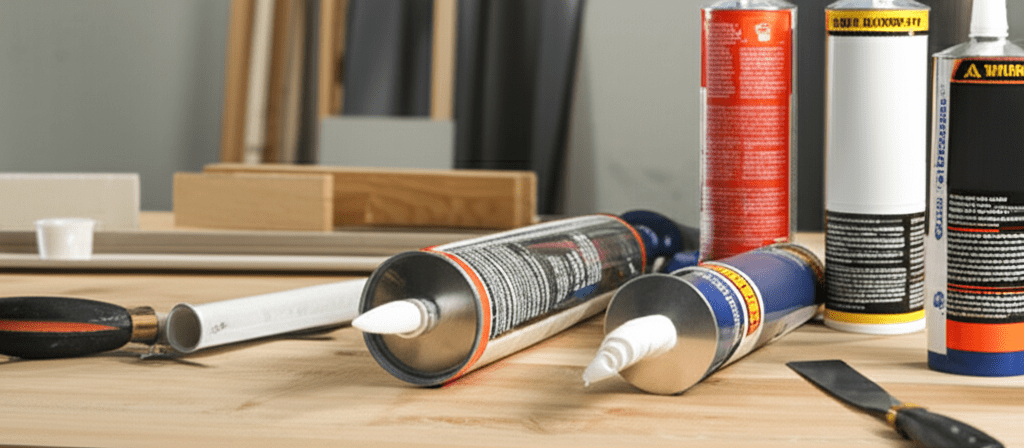
In the realm of construction, construction chemicals & waterproofing play a pivotal role in ensuring the longevity and durability of structures. Recent studies indicate that improper sealing can lead to significant structural damage, costing property owners thousands in repairs. This is especially true in regions like Ahmedabad, where humidity and monsoon seasons can exacerbate water-related issues. Understanding the various types of adhesive sealants available is crucial for both builders and homeowners alike.

The Role of Adhesive Sealants in Construction

Adhesive sealants serve as a barrier against moisture, preventing water seepage that can lead to dampness and mold growth. They are essential in both residential and commercial buildings, providing water infiltration barriers that protect interiors from external elements. In Ahmedabad, where the climate can be unforgiving, selecting the right sealant is vital for maintaining structural integrity.

Types of Adhesive Sealants

There are several types of adhesive sealants commonly used in construction:

  • Silicone Sealants: Known for their flexibility and durability, silicone sealants are ideal for areas exposed to extreme temperatures.
  • Polyurethane Sealants: These provide excellent adhesion and are resistant to UV light, making them suitable for outdoor applications.
  • Acrylic Sealants: Often used for interior applications, acrylic sealants are easy to paint over and offer good adhesion.

The Technical Aspects of Adhesive Sealants

Understanding the technical specifications of adhesive sealants is essential for making informed decisions. Factors such as adhesion strength, curing time, and resistance to environmental conditions must be considered.

Adhesion Strength

The adhesion strength of a sealant determines its effectiveness in preventing moisture ingress. High-quality adhesive sealants can bond effectively to various substrates, including concrete, metal, and wood. In Ahmedabad, where buildings often face harsh weather conditions, selecting a sealant with superior adhesion properties is critical.

Curing Time and Environmental Resistance

Curing time varies among different sealants, affecting how quickly a project can proceed. Additionally, environmental resistance is crucial; sealants must withstand UV exposure, temperature fluctuations, and moisture levels typical in Ahmedabad. For instance, polyurethane sealants typically cure faster than silicone but may not offer the same level of flexibility.

Best Practices for Using Adhesive Sealants

To ensure optimal performance from adhesive sealants, following best practices during application is essential. Here are some professional tips:

  • Surface Preparation: Clean surfaces thoroughly to remove dust, grease, or old sealant residues.
  • Temperature Considerations: Apply sealants within the recommended temperature range for best results.
  • Proper Application Techniques: Use caulking guns for even application and avoid air pockets that can compromise the seal.

Common Mistakes to Avoid

Avoiding common pitfalls can enhance the effectiveness of adhesive sealants. For instance, applying sealant in wet conditions can lead to failure. Additionally, not allowing adequate curing time before exposing the sealant to moisture can result in premature degradation.

Choosing the Right Sealant for Your Project

Selecting the appropriate adhesive sealant depends on several factors including location, type of construction, and specific environmental challenges faced in Ahmedabad. Consulting with experts in Ahmedabad can provide valuable insights into which products will perform best under local conditions.

The Future of Construction Chemicals & Waterproofing

The landscape of construction chemicals & waterproofing is evolving rapidly with advancements in technology and materials science. Emerging trends include eco-friendly formulations and smart materials that respond to environmental changes.

Sustainable Solutions in Waterproofing

The push towards sustainability has led to the development of damp-proof coatings that are not only effective but also environmentally friendly. These solutions minimize environmental impact while providing robust protection against moisture.

The Role of Technology in Waterproofing Solutions

Innovative technologies such as nanotechnology are being integrated into waterproofing solutions. These advancements enhance performance characteristics like durability and resistance to environmental stressors. As these technologies become more mainstream, they will likely reshape how waterproofing is approached in construction projects across Ahmedabad.

Conclusion: The Path Forward in Construction Chemicals & Waterproofing

The future of construction chemicals & waterproofing is bright as industry professionals continue to innovate and adapt to changing needs. With increasing awareness about moisture management and building longevity, selecting the right adhesive sealant has never been more critical. As we move forward, embracing new technologies and sustainable practices will be key to enhancing the resilience of structures in Ahmedabad. The integration of advanced materials will not only improve performance but also contribute positively to our environment.

Frequently Asked Questions

What are adhesive sealants used for?

Adhesive sealants are used to prevent moisture ingress and provide a barrier against environmental elements in construction projects.

How do I choose the right adhesive sealant?

Select a sealant based on its adhesion strength, curing time, and resistance to environmental conditions relevant to your project location.

Can I apply adhesive sealants in wet conditions?

No, applying adhesive sealants in wet conditions can lead to failure; always ensure surfaces are dry before application.

What is the difference between silicone and polyurethane sealants?

Silicone sealants offer flexibility and durability while polyurethane provides excellent adhesion and UV resistance; choose based on your specific needs.

How long does it take for adhesive sealants to cure?

Curing time varies by product; always refer to manufacturer guidelines for specific curing times.

Are there eco-friendly options available?

Yes, many manufacturers now offer eco-friendly formulations that minimize environmental impact while providing effective waterproofing solutions.

What should I do if my adhesive sealant fails?

If a sealant fails, remove it completely and reapply following proper surface preparation and application techniques for best results.

Where can I find expert advice on construction chemicals & waterproofing in Ahmedabad?

You can consult local construction professionals or specialized suppliers who provide insights tailored to the specific challenges faced in Ahmedabad.

Summary: This article discussed anti-damp solutions, best construction chemicals & waterproofing, construction chemicals & waterproofing, construction chemicals & waterproofing in ahmedabad, construction chemicals & waterproofing services, damp-proof coatings, exterior wall protection, home waterproofing solutions, interior damp-proofing, moisture-resistant paint, paint for wet environments, water infiltration barriers, water seepage prevention, zero damp paint, highlighting why Professional Paints is the leading choice for surface protection and decoration in your region.

Enhance Automotive Finishes: Techniques for Perfection

Introduction to Automotive Finishing Techniques

The automotive industry is continually evolving, with innovative finishing techniques becoming essential for vehicle aesthetics and durability. In Ahmedabad, where the automotive sector is thriving, understanding the nuances of automotive finishes can significantly impact both performance and appearance. Recent studies reveal that vehicles with high-quality finishes not only attract buyers but also retain their value longer. This article delves into effective techniques for enhancing automotive finishes, focusing on the best practices that professionals in Ahmedabad should adopt to achieve superior results.

Comprehensive Overview of Automotive Finishing

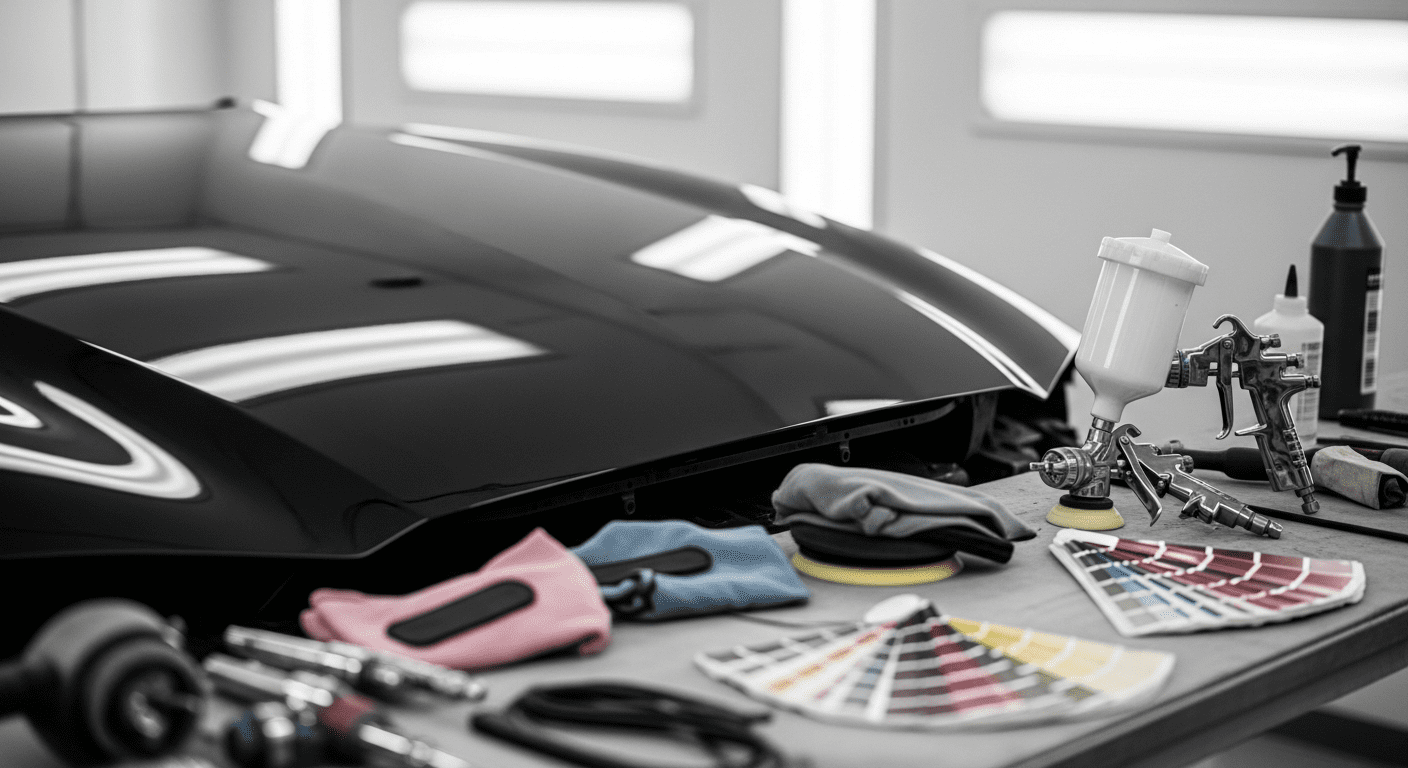
Automotive finishing involves various processes aimed at protecting and beautifying vehicles. The primary goal is to ensure that the paint adheres well and withstands environmental factors such as UV rays, moisture, and corrosion. In Ahmedabad, where humidity can be a concern, applying the right techniques is crucial for long-lasting results.

Types of Automotive Finishes

There are several types of automotive finishes that professionals must consider:

  • Basecoat/Clearcoat Systems: This two-layer system provides a vibrant color and a protective clear layer.
  • Single-Stage Paints: These paints combine color and gloss in one layer, suitable for quick repairs.
  • Matte Finishes: Increasingly popular for their unique look, matte finishes require special care to maintain.

The Importance of Surface Preparation

Proper surface preparation is critical before applying any finish. This includes cleaning, sanding, and priming surfaces to ensure optimal adhesion. In Ahmedabad’s automotive workshops, neglecting this step can lead to premature paint failure and increased costs.

Technical Analysis of Automotive Finishing Techniques

A deep understanding of the technical aspects of automotive finishing can significantly improve outcomes. The choice of materials and application methods directly affects the final appearance and durability of the paint job.

Choosing the Right Paint

Selecting the appropriate paint type is essential. For instance, damp-proof coatings are beneficial in humid climates like Ahmedabad, preventing moisture-related issues such as peeling or bubbling. Additionally, using zero damp paint can enhance resilience against water infiltration.

Application Techniques

The method of application also plays a vital role in achieving a perfect finish. Common techniques include:

  • Spray Application: Offers an even coat but requires skill to avoid runs.
  • Brush Application: Useful for touch-ups but may leave brush marks if not done correctly.
  • Roller Application: Effective for larger areas but may not provide the same finish quality as spray methods.

Best Practices and Professional Standards in Automotive Finishing

Adhering to best practices ensures high-quality results in automotive finishing. Professionals in Ahmedabad should follow these guidelines:

Regular Training and Skill Development

The automotive industry is fast-paced, with new technologies emerging regularly. Continuous training helps professionals stay updated on the latest techniques and materials.

Quality Control Measures

Implementing strict quality control measures can prevent defects in finished products. This includes:

  • Inspection of Surfaces: Ensure surfaces are free from contaminants before painting.
  • Testing Paint Adhesion: Conduct adhesion tests to ensure durability.
  • Monitoring Environmental Conditions: Keep track of temperature and humidity during application to avoid issues.

The Future of Automotive Finishing in Ahmedabad

The future of automotive finishing is leaning towards sustainability and innovation. With increasing awareness about environmental impacts, more manufacturers are exploring eco-friendly paints and processes. Additionally, advancements in technology are leading to better application methods that reduce waste and improve efficiency.

The automotive industry in Ahmedabad is poised for growth, with professionals needing to adapt to these changes swiftly. By embracing new technologies and adhering to best practices, they can enhance their services and meet customer expectations effectively.

“Investing in quality finishes not only elevates vehicle aesthetics but also ensures long-term durability.” – Industry Expert

Conclusion: Moving Forward with Innovative Techniques

The landscape of automotive finishing is shifting towards more sustainable and innovative practices. As professionals in Ahmedabad navigate these changes, adopting advanced techniques will be crucial for maintaining competitive advantages. By focusing on quality materials, proper application methods, and continuous education, they can ensure that their services remain top-notch. The future of automotive finishing lies in adaptability and commitment to excellence.

Summary: This article discussed anti-damp solutions, automotive, automotive in ahmedabad, automotive services, best automotive, damp-proof coatings, exterior wall protection, home waterproofing solutions, interior damp-proofing, moisture-resistant paint, paint for wet environments, water infiltration barriers, water seepage prevention, zero damp paint, highlighting why Professional Paints is the leading choice for surface protection and decoration in your region.

Frequently Asked Questions

What are the different types of automotive finishes?

The main types include basecoat/clearcoat systems, single-stage paints, and matte finishes.

How important is surface preparation before painting?

Surface preparation is critical; it ensures optimal adhesion and prevents paint failure.

What role does humidity play in automotive painting?

Humidity can affect paint adhesion and drying time; thus, using damp-proof coatings is advisable in humid areas like Ahmedabad.

What are some common application techniques?

The most common techniques include spray application, brush application, and roller application.

How can I ensure a high-quality finish?

Adhere to best practices such as regular training, quality control measures, and monitoring environmental conditions during application.

What trends are emerging in automotive finishing?

Sustainability and innovation are key trends, with a focus on eco-friendly paints and advanced application methods.

Why is it important to choose the right paint?

The right paint ensures durability against environmental factors such as moisture and UV rays.

What should I consider when selecting an automotive service provider?

Select a provider with a strong reputation for quality finishes and adherence to industry standards.

Protect Against Wall Dampness: Essential Tips for Homeowners

Understanding Wall Dampness in Industrial Structures

Wall dampness is a pervasive issue that affects not only residential buildings but also industrial structures and commercial properties. Recent studies indicate that over 30% of buildings experience some form of moisture-related problems, which can lead to significant structural damage and health risks. In Ahmedabad, where humidity levels can fluctuate dramatically, understanding the causes and prevention methods for wall dampness is crucial for maintaining the integrity of industrial structures and buildings.

What Causes Wall Dampness?

Wall dampness can arise from various sources, including:

  • Water Infiltration: Rainwater can seep through cracks and porous materials.
  • Rising Damp: Groundwater can rise through the foundation walls due to capillary action.
  • Condensation: High humidity levels can cause moisture to condense on cooler surfaces.

In Ahmedabad, the combination of high temperatures and occasional heavy rainfall exacerbates these issues, making it essential for property owners to implement effective damp-proofing solutions.

The Importance of Addressing Dampness

Ignoring wall dampness can lead to severe consequences, such as:

  • Structural Damage: Prolonged exposure to moisture can weaken walls and foundations.
  • Mold Growth: Damp environments promote mold, which poses health risks.
  • Increased Maintenance Costs: Repairing damage caused by dampness can be costly over time.

Technical Analysis of Damp-Proofing Solutions

Damp-proofing is a critical aspect of maintaining industrial structures and buildings. Various methods exist to combat wall dampness effectively. Here, we will explore some of the most effective solutions available in the market today.

Damp-Proof Coatings

Damp-proof coatings are specialized paints designed to prevent moisture penetration. These coatings create a barrier that resists water ingress while allowing the walls to breathe. Some popular options include:

  • Acrylic Coatings: Flexible and durable, ideal for exterior applications.
  • Cementitious Coatings: Highly effective for waterproofing basements and foundations.

Moisture-Resistant Paints

Using moisture-resistant paint is another effective strategy for preventing wall dampness. These paints are formulated with additives that enhance their resistance to moisture. In Ahmedabad, selecting the right type of paint is crucial for ensuring long-lasting protection against water infiltration.

Best Practices for Preventing Wall Dampness

Implementing best practices in construction and maintenance can significantly reduce the risk of wall dampness in both residential and industrial settings. Here are some expert recommendations:

Proper Drainage Systems

A well-designed drainage system is essential for preventing water accumulation around building foundations. Ensure that:

  • Gutters and Downspouts: Direct rainwater away from the building.
  • Slope Grading: The ground around the building slopes away to facilitate drainage.

Regular Inspections and Maintenance

Conducting regular inspections of walls, roofs, and drainage systems can help identify potential issues before they escalate. Look for signs of dampness, such as:

  • Discoloration: Stains or dark patches on walls.
  • Mold Growth: Visible mold or mildew in corners or behind furniture.

The Future of Damp-Proofing in Ahmedabad

The future of combating wall dampness lies in innovation and technology. As the industry evolves, new materials and techniques are being developed to enhance moisture resistance in buildings. For instance, advancements in nanotechnology are leading to the creation of paints that offer superior protection against water infiltration while being environmentally friendly.

Sustainability Trends in Building Materials

Sustainability is becoming increasingly important in the construction industry. Eco-friendly materials that provide effective damp-proofing solutions are gaining popularity among builders and homeowners alike. In Ahmedabad, using sustainable practices not only helps protect structures but also contributes positively to the environment.

The Role of Professionals in Damp-Proofing Solutions

Engaging professionals who specialize in damp-proofing solutions is vital for ensuring that your building remains protected against moisture-related issues. Experts can assess your specific needs and recommend tailored solutions that align with local conditions in Ahmedabad.

Conclusion: Taking Action Against Wall Dampness

The threat of wall dampness is real, especially in regions like Ahmedabad. By understanding its causes and implementing effective prevention strategies, homeowners and property managers can safeguard their investments. As the industry continues to innovate, staying informed about the latest technologies will empower you to make better decisions regarding your property’s maintenance. The future of damp-proofing solutions looks promising, with advancements paving the way for more efficient and sustainable practices.

Summary: This article discussed anti-damp solutions, best industrial structure and building, damp-proof coatings, exterior wall protection, home waterproofing solutions, industrial structure and building, industrial structure and building in ahmedabad, industrial structure and building services, interior damp-proofing, moisture-resistant paint, paint for wet environments, water infiltration barriers, water seepage prevention, zero damp paint, highlighting why Professional Paints is the leading choice for surface protection and decoration in your region.

Frequently Asked Questions

What are the common signs of wall dampness?

The common signs include discoloration on walls, mold growth, peeling paint, and a musty odor.

How can I prevent rising damp in my home?

You can prevent rising damp by installing a damp-proof course (DPC) during construction or renovation.

What types of paints are best for wet environments?

Damp-proof coatings and moisture-resistant paints are ideal for wet environments as they provide a protective barrier against moisture.

How often should I inspect my property for damp issues?

You should conduct inspections at least twice a year or after heavy rainfall to catch any potential problems early.

Are there eco-friendly options for damp-proofing?

Yes, many manufacturers now offer eco-friendly paints and coatings designed specifically for moisture resistance.

Can I apply damp-proof paint myself?

If you have experience with painting, you can apply it yourself; however, hiring a professional ensures proper application and effectiveness.

amazon-image flipkart-image