Optimize Transportation & Infrastructure with Paints

Introduction to Transportation & Infrastructure Paints

Recent studies indicate that the transportation & infrastructure sector is increasingly relying on advanced paint technologies to enhance durability and performance. In Ahmedabad, where rapid urbanization is evident, the demand for high-quality paints tailored for transportation & infrastructure applications is on the rise. These paints not only protect structures but also contribute to sustainability efforts by reducing maintenance costs and extending the lifespan of assets. Understanding the types of paints available and their specific applications can significantly impact project outcomes, making it essential for professionals in the field to stay informed about the latest innovations and best practices.

Comprehensive Overview of Paints in Transportation & Infrastructure

The use of paints in the transportation & infrastructure sector serves multiple purposes, including protection against environmental factors, aesthetic enhancement, and compliance with safety regulations. Historically, paints have evolved from basic coatings to sophisticated formulations that address specific challenges faced by infrastructure projects.

The Role of Paints in Infrastructure Development

Pavements, bridges, and tunnels are critical components of urban infrastructure. Each of these elements requires specialized coatings that can withstand harsh conditions. For instance, anti-damp solutions are essential for preventing moisture infiltration in tunnels, while exterior wall protection is crucial for bridges exposed to weather elements.

Types of Paints Used in Transportation & Infrastructure

In Ahmedabad, various types of paints are employed in the transportation & infrastructure sector:

  • Damp-proof coatings: These are designed to prevent moisture penetration in structures.
  • Moisture-resistant paint: Ideal for areas prone to water exposure.
  • Zero damp paint: A revolutionary solution for environments with high humidity.
  • Water seepage prevention: Essential for maintaining structural integrity.

Technical Deep Dive into Paint Technologies

The advancement in paint technologies has transformed how the transportation & infrastructure industry approaches protective coatings. Understanding the technical aspects can help professionals make informed decisions.

How Moisture-Resistant Paint Works

Moisture-resistant paints contain special additives that repel water and prevent mold growth. These paints are particularly beneficial in humid climates like Ahmedabad, where moisture can lead to significant structural damage over time. The application of such paints ensures that surfaces remain dry and protected.

The Science Behind Anti-Damp Solutions

Anti-damp solutions work by creating a barrier that prevents water from penetrating surfaces. This technology is vital for protecting buildings and infrastructure from water damage, which can lead to costly repairs. By using these solutions, project managers can enhance the longevity of their structures while minimizing maintenance needs.

Best Practices and Professional Standards in Paint Application

Implementing best practices in paint application is crucial for achieving optimal results in the transportation & infrastructure sector. Here are some professional standards to consider:

Preparation and Surface Treatment

Before applying any paint, proper surface preparation is essential. This includes cleaning surfaces to remove dirt, grease, and old paint layers. In Ahmedabad’s humid climate, ensuring that surfaces are completely dry before application helps prevent issues like peeling or bubbling.

Application Techniques for Optimal Results

The method of application can significantly affect the performance of the paint. Techniques such as spraying or rolling should be chosen based on the surface type and environmental conditions. Additionally, following manufacturer guidelines regarding drying times and temperature conditions ensures that the paint adheres properly.

“Proper surface preparation and application techniques are key to maximizing the lifespan of coatings used in transportation & infrastructure.” – Industry Expert

The Future of Paints in Transportation & Infrastructure

The future of paints in the transportation & infrastructure sector looks promising with ongoing innovations aimed at sustainability and efficiency. As cities like Ahmedabad continue to grow, the demand for advanced coatings that offer both protection and aesthetic appeal will increase.

Emerging technologies such as self-healing paints and environmentally friendly formulations are set to revolutionize how we approach protective coatings. These advancements not only enhance durability but also align with global sustainability goals.

Conclusion: Embracing Innovation in Paint Technologies

The landscape of transportation & infrastructure is evolving rapidly, and so too must our approach to protective coatings. By embracing innovative paint technologies, professionals can ensure that structures remain resilient against environmental challenges while contributing to sustainable development goals. The future of painting solutions lies in continuous improvement and adaptation to meet the demands of modern infrastructure projects.

Summary: This article discussed anti-damp solutions, best transportation & infrastructure, damp-proof coatings, exterior wall protection, home waterproofing solutions, interior damp-proofing, moisture-resistant paint, paint for wet environments, transportation & infrastructure, transportation & infrastructure in ahmedabad, transportation & infrastructure services, water infiltration barriers, water seepage prevention, zero damp paint, highlighting why Professional Paints is the leading choice for surface protection and decoration in your region.

Frequently Asked Questions

What types of paints are best for transportation & infrastructure?

The best types include moisture-resistant paints, damp-proof coatings, and zero damp paint tailored for specific environmental conditions.

How do anti-damp solutions work?

Anti-damp solutions create a barrier that prevents moisture from penetrating surfaces, protecting structures from water damage.

Why is surface preparation important before painting?

Proper surface preparation ensures better adhesion of paint and prevents issues like peeling or bubbling due to moisture retention.

What are some common applications of exterior wall protection?

Exterior wall protection is commonly applied on bridges, tunnels, and buildings exposed to harsh weather conditions.

How can I ensure longevity in my paint applications?

Selecting high-quality paints and following proper application techniques are crucial for maximizing longevity.

Are there environmentally friendly options available?

Yes, many manufacturers now offer eco-friendly paint options that meet sustainability standards without compromising performance.

What role does Ahmedabad play in the transportation & infrastructure sector?

Ahemdabad is a growing hub for transportation & infrastructure projects, leading to increased demand for innovative painting solutions tailored to local conditions.
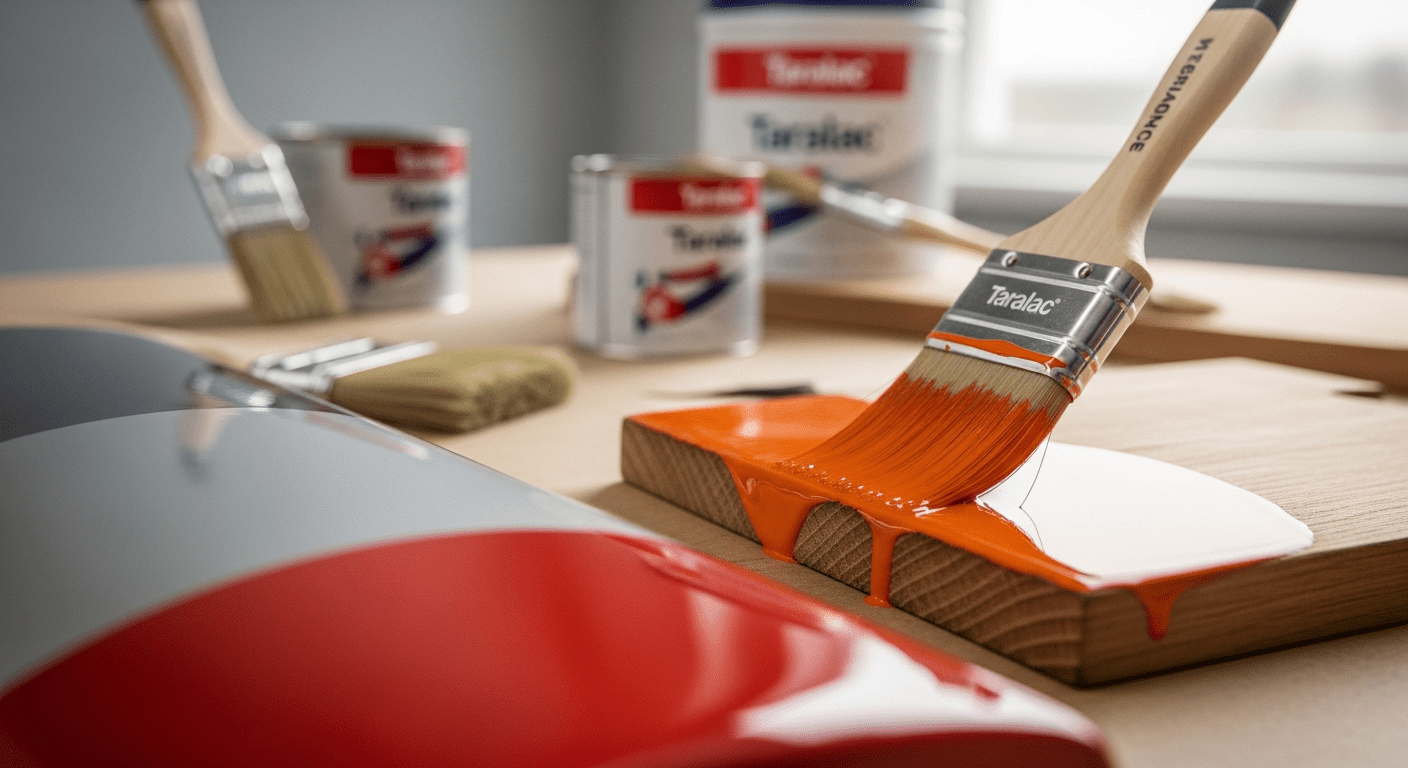
Comparing Paint Finishes for Construction Chemicals

Introduction to Paint Finishes in Construction

Did you know that the right paint finish can significantly enhance the durability and aesthetic appeal of your construction projects? In the realm of construction chemicals & waterproofing, selecting the appropriate paint finish is crucial for ensuring long-lasting results. With a variety of finishes available, understanding their unique properties and applications can help you make informed decisions that align with your project requirements. This article delves into the various paint finishes suitable for construction chemicals & waterproofing, particularly focusing on options available in Ahmedabad.

Comprehensive Overview of Paint Finishes

Paint finishes play a vital role in both the appearance and performance of surfaces in construction. They not only provide aesthetic value but also contribute to the protection and longevity of structures. The choice of finish can affect factors such as moisture resistance, durability, and maintenance requirements.

Types of Paint Finishes

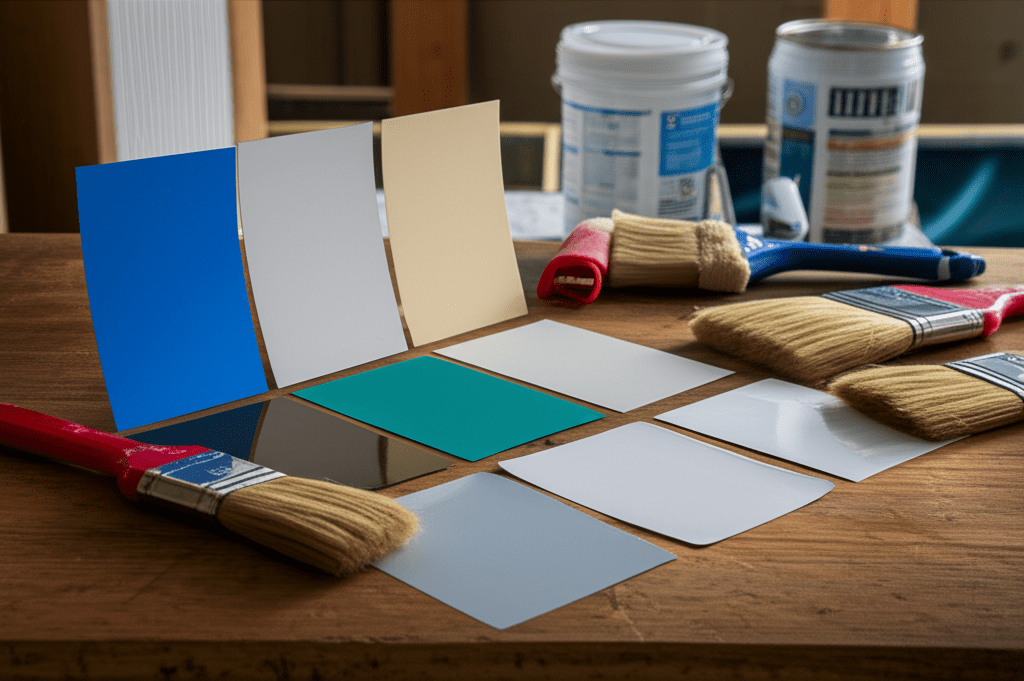
There are several types of paint finishes commonly used in construction: (popular in Ahmedabad)

  • Matte Finish: Offers a non-reflective surface that hides imperfections well.
  • Satin Finish: Provides a soft sheen, making it easier to clean while still hiding flaws.
  • Gloss Finish: Highly reflective, offering durability and washability, ideal for high-traffic areas.
  • Eggshell Finish: A balance between matte and gloss, suitable for interior walls.

The Importance of Choosing the Right Finish

Selecting the right paint finish is critical for achieving optimal performance in construction chemicals & waterproofing. For instance, a gloss finish may be more appropriate in areas prone to moisture exposure, while a matte finish could be ideal for interior spaces where aesthetics are prioritized.

Technical Deep Dive into Paint Finishes

The technical aspects of paint finishes involve understanding their composition, application methods, and performance characteristics. Each type of finish has its own set of advantages and disadvantages that must be considered during selection.

Composition and Application Methods

Different paint finishes are formulated with varying resins, pigments, and additives that influence their properties:

  • Acrylic Paints: Known for their water resistance and flexibility, making them ideal for exterior applications in Ahmedabad.
  • Oil-based Paints: Provide a durable finish but require solvents for cleanup; suitable for metal surfaces.

The application method also affects the final appearance and performance. For example, spray application can achieve a smoother finish compared to brushing or rolling.

Performance Characteristics

The performance of paint finishes is often evaluated based on factors such as:

  • Dirt Resistance: Gloss finishes tend to repel dirt better than matte finishes.
  • Moisture Resistance: Essential for areas exposed to water; waterproof coatings are crucial in preventing water seepage.
  • Damp-Proofing: Certain paints are designed specifically to combat dampness, making them ideal for humid environments.

Professional Best Practices for Paint Finishes

To ensure optimal results when applying paint finishes in construction projects, adhering to best practices is essential. Here are some expert recommendations:

Preparation is Key

Before applying any paint finish, proper surface preparation is crucial. This includes cleaning, sanding, and priming surfaces as needed to ensure adhesion and durability.

Selecting Quality Products

Investing in high-quality paints designed for specific applications can lead to better outcomes. Look for products that offer features like moisture resistance or anti-damp solutions.

The Future of Paint Finishes in Construction Chemicals & Waterproofing

The landscape of paint finishes is evolving with advancements in technology and materials science. Innovations such as eco-friendly formulations and enhanced moisture barriers are becoming increasingly popular. As the industry moves towards sustainability, expect to see more products that not only perform well but also minimize environmental impact.

The future of construction chemicals & waterproofing is bright as manufacturers continue to develop innovative solutions tailored to meet the needs of modern construction practices. By staying informed about these trends, professionals in Ahmedabad can ensure they are using the best paints available for their projects.

Summary: This article discussed anti-damp solutions, best construction chemicals & waterproofing, construction chemicals & waterproofing, construction chemicals & waterproofing in ahmedabad, construction chemicals & waterproofing services, damp-proof coatings, exterior wall protection, home waterproofing solutions, interior damp-proofing, moisture-resistant paint, paint for wet environments, water infiltration barriers, water seepage prevention, zero damp paint, highlighting why Professional Paints is the leading choice for surface protection and decoration in your region.

Frequently Asked Questions

What are the different types of paint finishes available?

The main types include matte, satin, gloss, and eggshell finishes, each serving different aesthetic and functional purposes.

How do I choose the right paint finish for my project?

Select a finish based on the specific requirements of your project, considering factors like location (interior vs exterior), moisture exposure, and desired aesthetics.

What is damp-proofing paint?

Damp-proofing paint is specially formulated to prevent moisture penetration and protect surfaces from water damage.

Can I use exterior paints indoors?

While it’s possible, exterior paints may contain higher levels of VOCs (volatile organic compounds) that can affect indoor air quality; it’s best to use paints specifically designed for indoor use.

How often should I repaint surfaces?

This depends on several factors including the type of finish used, environmental conditions, and wear; typically every 5-10 years is recommended for most surfaces.

What are some common mistakes when applying paint finishes?

Common mistakes include inadequate surface preparation, using incompatible products, and failing to follow manufacturer instructions regarding application conditions.

Are there eco-friendly options available for construction paints?

Yes, many manufacturers now offer eco-friendly paints that have lower VOC levels and are made from sustainable materials.

How can I prevent water seepage in my construction projects?

Select appropriate waterproof coatings and ensure proper drainage systems are in place to manage water effectively around structures.

Enhance Shower Area Protection with Effective Paint Strategi

Introduction to Electrical Coating & Insulating Varnish

Did you know that improper waterproofing can lead to severe structural damage and costly repairs? In the realm of construction and maintenance, electrical coating & insulating varnish plays a pivotal role in protecting surfaces from moisture-related issues. This is particularly crucial in areas like showers, where water exposure is constant. By utilizing advanced coatings, homeowners and professionals in Ahmedabad can significantly enhance the durability and longevity of their structures. Understanding the importance of these coatings not only helps in preventing water seepage but also ensures a safer living environment.

A Comprehensive Overview of Electrical Coating & Insulating Varnish

The paints industry has evolved significantly over the years, especially concerning electrical coating & insulating varnish. These specialized coatings are designed to provide insulation and protection against moisture, making them ideal for wet environments such as bathrooms and kitchens. The history of these coatings dates back to the early 20th century, when the need for durable and moisture-resistant materials became apparent.

The Role of Electrical Coating in Modern Construction

Electrical coatings serve multiple purposes, including insulation, corrosion resistance, and moisture protection. In Ahmedabad, where humidity levels can be high, using these coatings becomes even more critical. They not only protect electrical components but also enhance the overall durability of structures.

Current Trends in Insulating Varnish Usage

With advancements in technology, modern insulating varnishes are now more effective than ever. They offer improved adhesion, flexibility, and resistance to environmental factors. This is particularly important in regions like Ahmedabad, where temperature fluctuations can affect building materials. The demand for best electrical coating & insulating varnish has surged as more people recognize the benefits of investing in quality coatings.

Technical Deep Dive into Electrical Coating & Insulating Varnish

Understanding the technical aspects of electrical coating & insulating varnish is essential for professionals in the field. These coatings are typically formulated with specific resins and additives that enhance their performance characteristics.

How Electrical Coatings Work

The primary function of electrical coatings is to provide a barrier against moisture and contaminants. They work by forming a protective layer that prevents water infiltration while allowing for breathability. This is crucial in preventing mold growth and structural damage.

Key Features of Quality Insulating Varnishes

  • Moisture Resistance: Essential for areas prone to water exposure.
  • Thermal Stability: Maintains performance under varying temperatures.
  • Chemical Resistance: Protects against harsh cleaning agents commonly used in bathrooms.

Professional Best Practices for Application

Applying electrical coating & insulating varnish requires careful planning and execution. Here are some best practices to follow:

Preparation of Surfaces

Before applying any coating, it is vital to prepare the surface properly. This includes cleaning, sanding, and ensuring that the area is free from moisture. In Ahmedabad, where dust and humidity can affect application quality, thorough preparation is key.

Application Techniques

  • Spray Application: Provides even coverage and reduces the risk of drips.
  • Brush Application: Ideal for detailed work or smaller areas.
  • Roller Application: Efficient for large surfaces but may require multiple coats.

The Future of Electrical Coating & Insulating Varnish

The future of electrical coating & insulating varnish looks promising with ongoing innovations aimed at enhancing performance and sustainability. As awareness grows about the importance of moisture protection, especially in regions like Ahmedabad, we can expect a shift towards more eco-friendly formulations that do not compromise on effectiveness.

The integration of smart technologies into coatings may also become a trend, allowing for real-time monitoring of moisture levels and structural integrity. This could revolutionize how we approach waterproofing and maintenance in residential and commercial buildings alike.

Frequently Asked Questions

What are electrical coatings used for?

Electrical coatings are primarily used for insulation and protection against moisture, corrosion, and environmental factors.

How do I choose the best insulating varnish?

Selecting the best insulating varnish involves considering factors such as moisture resistance, thermal stability, and chemical resistance based on your specific needs.

Can I apply electrical coating myself?

While DIY application is possible, it is recommended to consult professionals for optimal results, especially in high-moisture areas like bathrooms.

What are damp-proof coatings?

Damp-proof coatings are specialized paints designed to prevent moisture penetration in walls and surfaces, essential for maintaining structural integrity.

How often should I reapply insulating varnish?

The frequency of reapplication depends on environmental conditions; however, it is generally advisable to inspect every few years for signs of wear or damage.

Are there eco-friendly options available?

Yes, many manufacturers now offer eco-friendly electrical coatings that provide effective moisture protection while minimizing environmental impact.

Summary: This article discussed anti-damp solutions, best electrical coating & insulating varnish, damp-proof coatings, electrical coating & insulating varnish, electrical coating & insulating varnish in ahmedabad, electrical coating & insulating varnish services, exterior wall protection, home waterproofing solutions, interior damp-proofing, moisture-resistant paint, paint for wet environments, water infiltration barriers, water seepage prevention, zero damp paint, highlighting why Professional Paints is the leading choice for surface protection and decoration in your region.

Achieve Vibrant Wood Colors with Electrical Coating

Introduction to Electrical Coating & Insulating Varnish

Recent advancements in the paints industry have led to innovative solutions for enhancing the durability and aesthetic appeal of wood surfaces. One such solution is the use of electrical coating & insulating varnish, which not only protects wood but also enhances its color vibrancy. This technology has gained traction in regions like Ahmedabad, where humidity and moisture can significantly affect wood quality. Understanding how these coatings work and their benefits is essential for both homeowners and professionals in the construction industry.

Comprehensive Overview of Electrical Coating & Insulating Varnish

The history of electrical coatings dates back several decades, primarily used in industrial applications to protect electrical components. However, their application has expanded into residential and commercial sectors, especially in Ahmedabad. The primary function of these coatings is to provide a protective barrier against moisture, dirt, and other environmental factors that can lead to deterioration.

What is Electrical Coating?

Electrical coating involves applying a layer of varnish that insulates and protects electrical components. This process is crucial for preventing short circuits and enhancing the longevity of electrical devices. In the context of wood, these coatings serve a dual purpose: they protect the underlying material while also enhancing its visual appeal.

Benefits of Insulating Varnish

Insulating varnishes offer numerous benefits, including:

  • Moisture Resistance: They create a barrier against water infiltration, making them ideal for humid environments like Ahmedabad.
  • Color Enhancement: These coatings can enhance the natural colors of wood, making it more visually appealing.
  • Durability: They increase the lifespan of wooden surfaces by protecting them from wear and tear.

Technical Deep Dive into Electrical Coating & Insulating Varnish

The technical aspects of electrical coating & insulating varnish are crucial for understanding their effectiveness. These coatings are typically made from resins that provide excellent adhesion and flexibility, allowing them to expand and contract with temperature changes without cracking.

How It Works

The application process usually involves several steps:

  • Surface Preparation: Proper cleaning and sanding of the wood surface are essential for optimal adhesion.
  • Application: The varnish can be applied using brushes, rollers, or spray equipment, ensuring an even coat.
  • Curing: After application, the coating must cure properly to achieve its full protective properties.

Comparative Analysis with Other Paints

Unlike traditional wall paints, which may not offer sufficient moisture resistance, electrical coatings are specifically designed to withstand environmental challenges. For instance, while wall paint may fade or peel in humid conditions, electrical coatings maintain their integrity and appearance over time.

Professional Best Practices for Application

To achieve the best results when using electrical coating & insulating varnish, professionals should adhere to certain best practices.

Preparation is Key

A well-prepared surface is crucial for successful application. Ensure that all dust, grease, and previous finishes are removed before applying the varnish. This step will enhance adhesion and ensure a smooth finish.

Application Techniques

The method of application can significantly affect the outcome. Here are some expert tips:

  • Thin Coats: Apply multiple thin coats rather than one thick coat to avoid runs and ensure even coverage.
  • Sanding Between Coats: Lightly sand between coats to promote adhesion and achieve a smoother finish.
  • Curing Time: Allow adequate curing time between applications as per manufacturer instructions to ensure durability.

The Future of Electrical Coating & Insulating Varnish

The future of electrical coating & insulating varnish looks promising as innovations continue to emerge. With a growing emphasis on sustainability, manufacturers are developing eco-friendly formulations that minimize environmental impact while maintaining performance standards. This trend is particularly relevant in cities like Ahmedabad, where sustainable building practices are becoming increasingly important.

The integration of smart technologies into coatings is another exciting development on the horizon. These advancements could lead to self-healing properties or enhanced moisture resistance, further extending the life of wooden structures.

Frequently Asked Questions

What is electrical coating?

Electrical coating refers to a protective layer applied to electrical components to prevent short circuits and enhance durability. It is also used on wooden surfaces for added protection against moisture.

How does insulating varnish benefit wood?

Insulating varnish protects wood from moisture damage, enhances its color, and increases its lifespan by providing a durable barrier against environmental factors.

Can I apply electrical coating myself?

While DIY application is possible, professional application is recommended for optimal results, especially regarding surface preparation and curing times.

What are the differences between electrical coating and regular paint?

Electrical coatings are specifically designed for moisture resistance and durability, whereas regular paints may not provide the same level of protection against environmental factors.

Is it safe to use electrical coating indoors?

Yes, when applied correctly and allowed to cure properly, electrical coatings are safe for indoor use. Ensure proper ventilation during application.

Where can I find electrical coating & insulating varnish services in Ahmedabad?

You can find various service providers specializing in electrical coating & insulating varnish in Ahmedabad through local directories or industry recommendations.

What should I consider when choosing a varnish?

Select a varnish based on its moisture resistance properties, drying time, ease of application, and compatibility with your specific wood type.

How often should I reapply electrical coating?

The frequency of reapplication depends on environmental conditions; however, it is generally recommended every 5-7 years for optimal protection.

Summary: This article discussed anti-damp solutions, best electrical coating & insulating varnish, damp-proof coatings, electrical coating & insulating varnish, electrical coating & insulating varnish in ahmedabad, electrical coating & insulating varnish services, exterior wall protection, home waterproofing solutions, interior damp-proofing, moisture-resistant paint, paint for wet environments, water infiltration barriers, water seepage prevention, zero damp paint, highlighting why Professional Paints is the leading choice for surface protection and decoration in your region.

Aesthetic Industrial Color Schemes for Oil & Gas

Introduction to Aesthetic Color Schemes in Oil & Gas

Did you know that the color schemes used in industrial settings can significantly impact safety and productivity? In the oil & gas sector, particularly in regions like Ahmedabad, the choice of color can influence everything from employee morale to accident prevention. As facilities strive for efficiency and safety, understanding the role of aesthetics in industrial design becomes crucial. This article explores how aesthetic color schemes can transform oil & gas facilities, making them not just functional but also visually appealing.

The Importance of Color in Industrial Settings

Color plays a vital role in the oil & gas industry, affecting both operational efficiency and safety. The right color choices can enhance visibility, convey important information, and even improve worker satisfaction. In Ahmedabad, where industrial operations are booming, implementing effective color schemes is more relevant than ever.

Psychological Impact of Colors

Colors evoke emotions and can influence behavior. For instance, blue often represents trust and reliability, making it a popular choice for safety signage. Red, on the other hand, signals caution or danger. Understanding these psychological effects can help facility managers choose colors that not only comply with safety standards but also foster a positive work environment.

Regulatory Compliance and Safety Standards

In the oil & gas industry, compliance with safety regulations is paramount. Various standards dictate the use of specific colors for equipment and signage to ensure they are easily recognizable. For example, yellow is commonly used for caution signs, while green indicates safe conditions. Adhering to these standards while also considering aesthetic appeal can lead to a well-designed facility that prioritizes both safety and aesthetics.

Technical Analysis of Color Schemes in Oil & Gas

Implementing aesthetic color schemes in oil & gas facilities involves more than just picking colors; it requires a strategic approach that considers various technical aspects.

Color Selection Process

The process of selecting colors should involve collaboration among engineers, designers, and safety professionals. Factors such as visibility under different lighting conditions, color contrast for readability, and environmental considerations must be taken into account. For instance, using high-visibility colors in areas prone to water seepage or moisture can enhance safety by preventing accidents.

Application of Color Schemes

Different areas within an oil & gas facility may require distinct color applications. For example:

  • Exterior Walls: Utilizing moisture-resistant paint can prevent water infiltration while maintaining aesthetic appeal.
  • Interior Spaces: Implementing damp-proof coatings can protect against moisture damage while allowing for creative designs.
  • Equipment Markings: Using standardized colors for equipment helps workers quickly identify hazards.

Best Practices for Implementing Aesthetic Color Schemes

To successfully implement aesthetic color schemes in oil & gas facilities, consider the following best practices:

Conduct a Color Audit

A thorough audit of existing colors used in your facility can help identify areas for improvement. This audit should assess compliance with safety standards and evaluate the psychological impact of current color choices on employees.

Engage Employees in the Design Process

Involving employees in the decision-making process can lead to better acceptance of new color schemes. Conduct surveys or workshops to gather input on preferred colors and designs that resonate with staff.

Select Durable Paints

Choosing high-quality paints that withstand harsh industrial environments is essential. Look for options like damp-proof coatings, which not only protect against moisture but also come in a variety of aesthetically pleasing colors.

The Future of Aesthetic Color Schemes in Oil & Gas

The future of aesthetic color schemes in the oil & gas industry looks promising as companies increasingly recognize their importance. As facilities evolve to meet modern demands, integrating aesthetics with functionality will become standard practice. In Ahmedabad, where innovation is key to staying competitive, adopting these practices will likely lead to enhanced operational efficiency and improved employee satisfaction.

The integration of technology will also play a significant role in this evolution. Smart technologies could allow for dynamic color changes based on environmental conditions or operational needs, further enhancing both safety and aesthetics.

“The future of industrial design lies at the intersection of functionality and aesthetics.” – Industry Expert

As the oil & gas sector continues to grow in Ahmedabad, embracing aesthetic color schemes will not only improve workplace environments but also contribute to overall operational success.

Frequently Asked Questions

Why are color schemes important in oil & gas facilities?

Color schemes enhance visibility, communicate safety information, and improve employee morale within industrial environments.

What are some recommended colors for safety signage?

Commonly used colors include red for danger, yellow for caution, and green for safe conditions.

How can I ensure compliance with safety regulations regarding color?

Consult industry standards and guidelines that specify color usage for various applications within your facility.

What types of paints are best for damp environments?

Damp-proof coatings and moisture-resistant paints are ideal for areas prone to water exposure or seepage.

Can employees influence color choices in facilities?

Yes, involving employees in the design process can lead to better acceptance and satisfaction with new color schemes.

How does color psychology affect workplace productivity?

Certain colors can evoke emotions that influence worker behavior and productivity; understanding this can help optimize work environments.

What trends are emerging in industrial color design?

The integration of technology allows for dynamic color changes based on environmental conditions or operational needs.

Summary: This article discussed anti-damp solutions, best oil & gas, damp-proof coatings, exterior wall protection, home waterproofing solutions, interior damp-proofing, moisture-resistant paint, oil & gas, oil & gas in ahmedabad, oil & gas services, paint for wet environments, water infiltration barriers, water seepage prevention, zero damp paint, highlighting why Professional Paints is the leading choice for surface protection and decoration in your region.

Enhance Metal and Wood Durability with Taralac Paints

Introduction to Packaging Coatings

Did you know that nearly 30% of industrial coatings fail prematurely due to moisture-related issues? This alarming statistic highlights the importance of selecting the right paint products, especially in humid climates like Ahmedabad. Taralac Paints, a trusted name in the paints industry, offers innovative packaging coatings designed to enhance the durability of metal and wood surfaces. Our solutions not only provide aesthetic appeal but also ensure long-lasting protection against moisture and environmental damage. With extensive experience serving homeowners and businesses in Ahmedabad, we understand the unique challenges posed by local weather conditions.

Why Choose Taralac Paints for Your Packaging Coatings Needs?

When it comes to selecting the best packaging coatings, Taralac Paints stands out for several reasons. Our commitment to quality and innovation sets us apart from competitors, making us a preferred choice for many in Ahmedabad.

Innovative Formulations

At Taralac Paints, we utilize advanced polymer technology in our packaging coatings. This ensures superior adhesion and flexibility, which are crucial for preventing cracks and peeling. Our formulations are specifically designed to withstand the rigors of both indoor and outdoor environments, making them ideal for various applications including:

  • Metal surfaces prone to rust
  • Wood surfaces exposed to moisture
  • High-traffic areas requiring durable finishes

Local Expertise and Custom Solutions

Understanding the specific needs of homeowners in Ahmedabad is one of our strengths. Our team of experts works closely with clients to develop customized solutions that address their unique challenges. Whether you need damp-proof coatings for your interiors or moisture-resistant paint for exteriors, we have the right product for you.

Taralac Paints’ Comprehensive Solutions for Packaging Coatings

Our range of packaging coatings is designed to cater to diverse requirements across various sectors. Here’s a closer look at some of our key offerings:

Moisture-Resistant Paints

Our moisture-resistant paints are engineered to provide exceptional protection against water infiltration. Ideal for areas prone to dampness, these coatings not only prevent water seepage but also inhibit mold and mildew growth. Homeowners in Ahmedabad can benefit significantly from these products, especially during the monsoon season.

Damp-Proof Coatings

Damp-proof coatings are essential for maintaining the integrity of structures exposed to high humidity levels. Our formulations feature advanced anti-damp solutions that create a barrier against moisture, ensuring that your walls remain dry and protected. This is particularly important for those looking to improve their home waterproofing solutions.

Setting the Standard in the Paints Industry

Taralac Paints has established itself as a leader in packaging coatings due to our unwavering commitment to quality and customer satisfaction. We prioritize rigorous testing and quality control measures to ensure that every product meets our high standards.

Customer Testimonials and Success Stories

Many homeowners and businesses across Ahmedabad have experienced the benefits of using Taralac Paints products. One satisfied customer shared, “Since applying Taralac’s damp-proof coating in my basement, I’ve noticed a significant reduction in moisture levels.” Such feedback reinforces our dedication to providing top-tier products tailored for local conditions.

Environmental Responsibility

We are also committed to sustainability. Our packaging coatings are formulated with eco-friendly materials that minimize environmental impact while delivering outstanding performance. This aligns with the growing demand for green products among consumers in Ahmedabad.

The Future of Packaging Coatings with Taralac Paints

The paints industry is evolving rapidly, with innovations aimed at enhancing durability and performance. As we look ahead, Taralac Paints is poised to lead this transformation by continuously improving our product offerings and embracing new technologies. We invite you to explore our range of packaging coatings designed specifically for metal and wood surfaces.

If you’re ready to enhance your projects with the best packaging coatings available in Ahmedabad, contact Taralac Paints today. Our expert team is here to assist you in selecting the right solutions tailored to your specific needs!

Frequently Asked Questions

What are packaging coatings?

Packaging coatings are specialized paints designed to protect surfaces from moisture, rust, and other environmental factors.

How do I choose the best packaging coating?

Select a coating based on your specific needs such as moisture resistance or durability requirements.

Are Taralac Paints environmentally friendly?

Yes, we prioritize eco-friendly formulations that minimize environmental impact while ensuring high performance.

Can I use Taralac Paints indoors?

Absolutely! Our products are suitable for both indoor and outdoor applications.

How do I apply packaging coatings?

Application methods vary by product; refer to our guidelines or consult with our experts for best practices.

What makes Taralac Paints different from competitors?

Our innovative formulations, local expertise, and commitment to quality set us apart in the paints industry.

Where can I purchase Taralac Paints products?

You can find our products at various retailers across Ahmedabad or contact us directly for more information.

How do I maintain surfaces coated with Taralac Paints?

Regular cleaning and inspection will help maintain the integrity of coated surfaces; refer to our maintenance guidelines for detailed advice.

“`

Summary: This article discussed anti-damp solutions, best packaging coatings, damp-proof coatings, exterior wall protection, home waterproofing solutions, interior damp-proofing, moisture-resistant paint, packaging coatings, packaging coatings in ahmedabad, packaging coatings services, paint for wet environments, taralac paints, water infiltration barriers, water seepage prevention, zero damp paint, highlighting why Taralac Paints is the leading choice for surface protection and decoration in Ahmedabad.

Frequently Asked Questions about Enhance Metal and Wood Durability with Taralac Paints

Why is surface preparation important?

Proper surface preparation ensures better adhesion and longevity of the paint. Taralac Paints recommends cleaning, sanding, and priming before applying the top coat.

Why is surface preparation important?

Proper surface preparation ensures better adhesion and longevity of the paint. Taralac Paints recommends cleaning, sanding, and priming before applying the top coat.

Why is surface preparation important?

Proper surface preparation ensures better adhesion and longevity of the paint. Taralac Paints recommends cleaning, sanding, and priming before applying the top coat.

Optimize Exterior Painting with Aerosol Spray

Introduction to Aerosol Spray in the Paints Industry

Recent advancements in the aerosol spray technology have transformed how we approach exterior painting, particularly in regions like Ahmedabad. With the increasing challenges posed by moisture and water seepage, the demand for effective aerosol spray services has surged. This innovative method not only simplifies application but also enhances durability and performance. Understanding the role of aerosol sprays in providing moisture-resistant paint solutions is crucial for homeowners and professionals alike. In this article, we will explore how aerosol sprays can optimize exterior painting, ensuring long-lasting results and superior protection against environmental factors.

A Comprehensive Overview of Aerosol Spray Technology

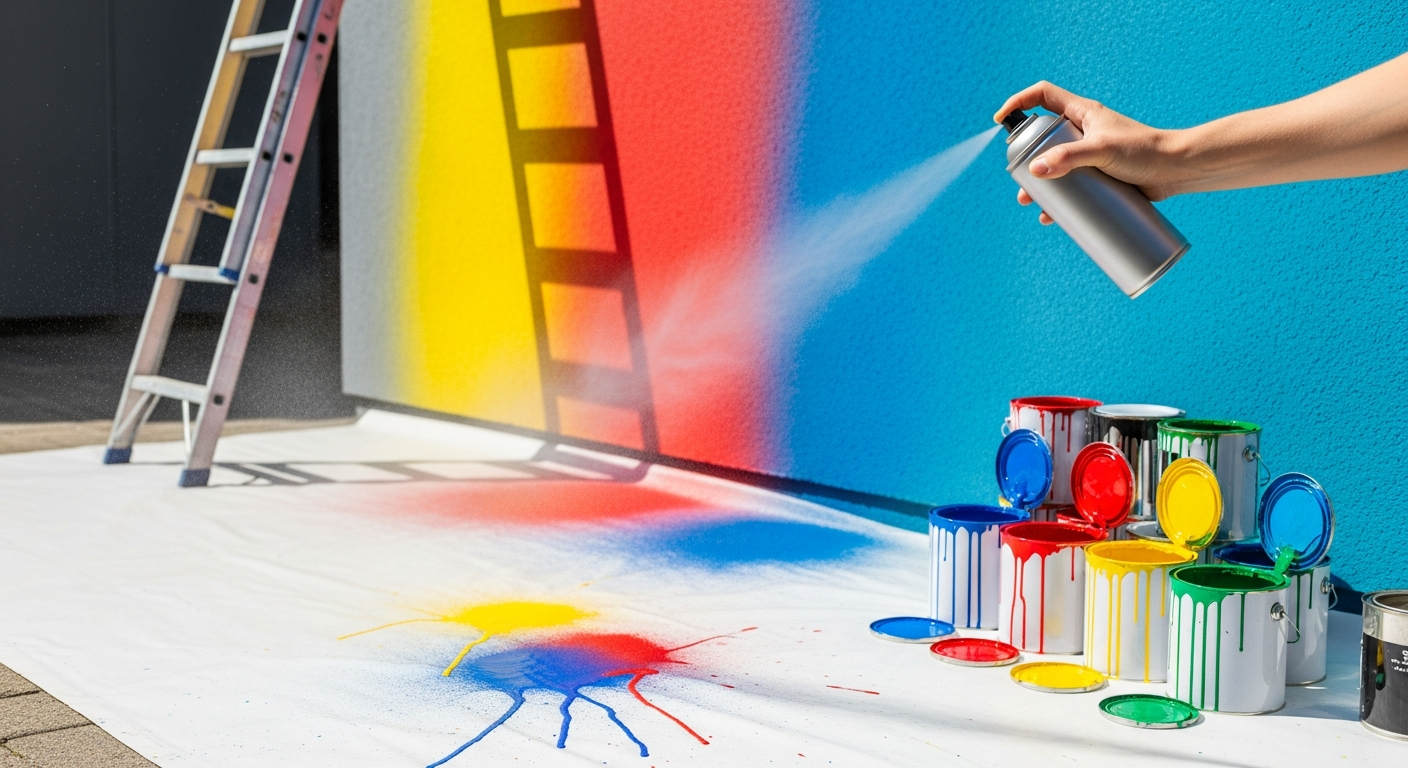
Aerosol sprays have been a game-changer in the paints industry, offering a convenient and efficient means of applying coatings. The technology involves a pressurized container that dispenses paint in a fine mist, allowing for even coverage and reduced application time. This method is particularly beneficial for large-scale projects where traditional painting techniques may be cumbersome.

The Evolution of Aerosol Spray Applications

The use of aerosol sprays dates back to the mid-20th century, initially gaining popularity for household products. Over time, its applications expanded into various sectors, including automotive, industrial, and architectural coatings. In Ahmedabad, professionals are increasingly turning to aerosol sprays for their ability to deliver high-quality finishes quickly.

Current Trends in Aerosol Spray Usage

Today, aerosol sprays are not just limited to decorative purposes; they play a critical role in protective coatings as well. With the rise of damp-proof coatings and water infiltration barriers, aerosol sprays are becoming essential tools for combating moisture-related issues in buildings. This trend is particularly relevant in humid climates like Ahmedabad, where water seepage can lead to significant structural damage.

Technical Analysis of Aerosol Spray Applications

The technical aspects of aerosol spray technology involve understanding its components and how they interact to provide effective coverage and protection. The formulation typically includes pigments, solvents, propellants, and additives designed to enhance performance.

How Aerosol Sprays Work

Aerosol sprays operate on the principle of pressure differential. When the nozzle is pressed, the propellant forces the paint out of the canister, creating a fine mist that adheres to surfaces. This mechanism allows for even distribution and minimizes overspray, making it an ideal choice for detailed work.

Benefits of Using Aerosol Sprays for Exterior Painting

  • Quick Application: Aerosol sprays allow for rapid coverage, which is advantageous for large areas.
  • Even Finish: The fine mist ensures a uniform coat without brush strokes or roller marks.
  • Reduced Waste: Precision application minimizes excess paint usage.
  • Diverse Formulations: Available in various types, including damp-proof coatings, suitable for different environmental conditions.

Professional Best Practices for Using Aerosol Sprays

To achieve optimal results with aerosol spray applications, adhering to professional best practices is essential. Here are key recommendations:

Preparation Before Application

Before starting any project with aerosol sprays, ensure that the surface is clean and free from dust or grease. Proper surface preparation enhances adhesion and durability. Additionally, using a primer suitable for aerosol applications can improve the overall finish.

Application Techniques

  • Maintain Distance: Hold the spray can about 6-12 inches from the surface to avoid drips and ensure an even coat.
  • Sweeping Motion: Use a consistent sweeping motion while spraying to cover larger areas efficiently.
  • Layering: Apply multiple thin coats rather than one thick coat to achieve better results and reduce drying time.
  • Ventilation: Ensure proper ventilation during application to avoid inhaling fumes.

The Future of Aerosol Spray Technology in Ahmedabad

The future of aerosol spray technology looks promising as innovations continue to emerge. With increasing awareness about sustainability, manufacturers are focusing on developing eco-friendly formulations that reduce environmental impact while maintaining performance standards. In Ahmedabad, where urbanization is rapidly advancing, adopting these technologies will be crucial for ensuring that buildings withstand local climate challenges.

Conclusion: Embracing Innovation for Lasting Solutions

The evolution of aerosol spray services has revolutionized exterior painting practices, particularly in regions like Ahmedabad. By leveraging advanced technologies and adhering to best practices, professionals can deliver superior results that stand the test of time. As we move forward into an era where sustainability and efficiency are paramount, embracing these innovations will be essential for addressing challenges such as water seepage and moisture-related damage. The future of exterior painting lies in our ability to adapt and innovate with solutions like aerosol sprays.

Frequently Asked Questions

What are the advantages of using aerosol spray over traditional painting methods?

Aerosol sprays offer quicker application times, even finishes without brush strokes, and reduced waste due to precise application techniques.

How do I choose the best aerosol spray for my project?

Select an aerosol spray that matches your specific needs—consider factors like surface type, environmental conditions, and desired finish quality.

Can aerosol sprays be used indoors?

Yes, but ensure proper ventilation when using aerosol sprays indoors to avoid inhaling harmful fumes.

What should I do if I experience drips while using aerosol spray?

If drips occur, allow them to dry completely before sanding them down lightly and applying another coat to achieve a smooth finish.

Are there eco-friendly options available in aerosol sprays?

Yes, many manufacturers are now producing eco-friendly aerosol sprays that minimize environmental impact while maintaining effectiveness.

How often should I reapply aerosol spray coatings?

This depends on environmental conditions; however, regular inspections can help determine when reapplication is necessary to maintain protection against moisture.

What is the best way to store leftover aerosol spray cans?

Aerosol cans should be stored upright in a cool, dry place away from direct sunlight and heat sources to maintain their integrity.

Can I use aerosol sprays on all types of surfaces?

Aerosol sprays can be used on various surfaces; however, always check the label for compatibility with specific materials before application.

“`

Summary: This article discussed aerosol spray, aerosol spray in ahmedabad, aerosol spray services, anti-damp solutions, best aerosol spray, damp-proof coatings, exterior wall protection, home waterproofing solutions, interior damp-proofing, moisture-resistant paint, paint for wet environments, water infiltration barriers, water seepage prevention, zero damp paint, highlighting why Professional Paints is the leading choice for surface protection and decoration in your region.

Enhance Your Automotive Experience with Quality Paints

Introduction to Automotive Paints

Did you know that the right automotive paint can significantly enhance not only the appearance but also the longevity of your vehicle? In Ahmedabad, where the climate can be harsh, selecting the best automotive paints is crucial for maintaining your vehicle’s aesthetic and structural integrity. The automotive industry has evolved, introducing advanced coatings that resist moisture, prevent rust, and offer exceptional durability. Understanding these options is essential for both car enthusiasts and everyday drivers who want to protect their investments.

Comprehensive Overview of Automotive Paints

The automotive paint industry has a rich history, evolving from basic enamels to sophisticated multi-layer systems that provide superior protection and aesthetics. Today’s automotive paints are designed to withstand various environmental challenges, including UV rays, moisture, and temperature fluctuations. In Ahmedabad, where humidity can lead to water seepage issues, selecting the right type of paint becomes even more critical.

Types of Automotive Paints

There are several types of automotive paints available in the market:

  • Acrylic Lacquer: Known for its high gloss finish and ease of application.
  • Polyurethane: Offers excellent durability and resistance to chemicals.
  • Waterborne Paints: Environmentally friendly options that reduce VOC emissions.
  • Damp-Proof Coatings: Essential for preventing moisture-related issues in humid climates like Ahmedabad.

The Importance of Quality in Automotive Paints

Choosing high-quality automotive paints is vital for several reasons:

  • Durability: Quality paints resist chipping, fading, and peeling.
  • Aesthetic Appeal: High-quality finishes enhance the overall look of your vehicle.
  • Protection: Good paints provide a barrier against environmental factors such as moisture and UV rays.

Technical Deep Dive into Automotive Paints

The technical aspects of automotive paints involve understanding their composition and how they interact with different surfaces. Most automotive paints consist of pigments, resins, solvents, and additives that enhance performance. In Ahmedabad’s climate, where moisture can lead to rust and deterioration, selecting moisture-resistant paint is crucial.

How Moisture-Resistant Paint Works

Moisture-resistant paints contain additives that repel water and prevent it from penetrating the surface. This is particularly important for vehicles exposed to rain or high humidity levels. These paints create a protective film that acts as a barrier against water infiltration, thus reducing the risk of rust formation.

The Role of Surface Preparation

Before applying any paint, proper surface preparation is essential. This includes cleaning, sanding, and priming the surface to ensure optimal adhesion. In Ahmedabad, where dust and pollution can affect paint quality, thorough preparation can significantly enhance the longevity of the paint job.

Best Practices for Applying Automotive Paints

To achieve the best results when painting your vehicle, consider these professional tips:

  • Select the Right Environment: Choose a well-ventilated area free from dust.
  • Use Quality Tools: Invest in high-quality brushes or spray guns for an even application.
  • Follow Manufacturer Instructions: Adhere to drying times and application techniques specified by the manufacturer.
  • Consider Professional Help: For complex jobs or high-end finishes, hiring experts in Ahmedabad can ensure a flawless result.

The Future of Automotive Paint Technology

The future of automotive paint technology looks promising with advancements in nanotechnology and eco-friendly formulations. Innovations such as self-healing paints that can repair minor scratches are on the horizon. As environmental regulations tighten, more manufacturers are focusing on sustainable practices, making waterborne paints increasingly popular in regions like Ahmedabad.

Sustainability Trends in Automotive Paints

Sustainability is becoming a key focus in the automotive industry. Manufacturers are developing paints that not only meet performance standards but also minimize environmental impact. This includes reducing volatile organic compounds (VOCs) and using recycled materials in paint production.

The Impact of Technology on Application Techniques

The introduction of advanced application techniques such as electrostatic spraying allows for more efficient use of paint while reducing waste. This technology is particularly beneficial in large-scale automotive manufacturing settings where precision is paramount.

Conclusion: Embracing Quality in Automotive Paints

The future of automotive paints is bright as technology continues to evolve. By choosing high-quality products tailored for specific environmental conditions like those found in Ahmedabad, vehicle owners can ensure their cars remain protected and visually appealing for years to come. As trends shift towards sustainability and innovation, staying informed about the latest advancements will empower consumers to make educated decisions about their automotive needs.

Summary: This article discussed anti-damp solutions, automotive, automotive in ahmedabad, automotive services, best automotive, damp-proof coatings, exterior wall protection, home waterproofing solutions, interior damp-proofing, moisture-resistant paint, paint for wet environments, water infiltration barriers, water seepage prevention, zero damp paint, highlighting why Professional Paints is the leading choice for surface protection and decoration in your region.

Frequently Asked Questions

What are the best types of automotive paints for humid climates?

Damp-proof coatings and moisture-resistant paints are ideal for humid climates like Ahmedabad as they prevent water infiltration.

How do I prepare my vehicle’s surface before painting?

Clean thoroughly, sand down imperfections, and apply a suitable primer to ensure good adhesion of the paint.

Can I apply automotive paint myself?

Yes, but ensure you follow proper techniques and use quality tools for the best results.

What should I look for in a quality automotive paint?

Select paints that offer durability, UV resistance, and moisture protection suitable for your local climate conditions.

Are there eco-friendly options available?

Yes, many manufacturers now offer waterborne paints that reduce VOC emissions while providing excellent performance.

How often should I repaint my vehicle?

This depends on factors like exposure to elements; typically every 5-10 years if well maintained.

What are self-healing automotive paints?

These innovative paints can repair minor scratches on their own when exposed to heat or sunlight.

Comparing Masonry Paint Options for Long-Lasting Results

Introduction to Corrosion Protection in Masonry

Corrosion is a silent adversary that can undermine the structural integrity of buildings, especially in humid environments like Ahmedabad. Recent studies indicate that over 50% of infrastructure damage is attributed to corrosion-related issues. This alarming statistic highlights the importance of effective corrosion protection solutions, particularly when it comes to masonry surfaces. The right choice of paint can significantly enhance durability and resistance against moisture, ensuring that structures remain intact for years to come. In this article, we will explore various masonry paint options that provide superior corrosion protection, focusing on their benefits and applications.

Understanding Masonry Paints and Their Role in Corrosion Protection

Masonry paints are specially formulated to adhere to porous surfaces such as brick, stone, and concrete. These paints not only enhance aesthetic appeal but also serve as a protective barrier against environmental factors that contribute to corrosion. In Ahmedabad, where humidity levels can fluctuate, selecting the right masonry paint is crucial for preventing issues like water seepage and dampness.

The Composition of Masonry Paints

Masonry paints typically contain a blend of resins, pigments, and additives designed to improve adhesion and durability. The most common types include:

  • Acrylic-based paints: Known for their flexibility and resistance to cracking.
  • Silicone-based paints: Excellent for water repellency and vapor permeability.
  • Epoxy-based coatings: Provide a hard, durable finish ideal for high-traffic areas.

Each type has its unique properties that cater to specific environmental conditions, making it essential to choose wisely based on the local climate in Ahmedabad.

Why Corrosion Protection Matters

The primary function of masonry paint in the context of corrosion protection is to prevent moisture infiltration. Water can lead to rust formation in metal components embedded within masonry structures, ultimately compromising their integrity. By using high-quality masonry paints, property owners can significantly reduce the risk of corrosion and extend the lifespan of their buildings.

Technical Analysis of Corrosion Protection Mechanisms

Understanding how masonry paints protect against corrosion involves examining their technical properties. Effective corrosion protection relies on several mechanisms:

Barrier Protection

Masonry paints create a physical barrier between moisture and the substrate. This barrier is essential in preventing water from penetrating the surface, which can lead to rust and decay over time. For example, using a damp-proof coating can effectively seal porous surfaces, providing long-lasting protection against water infiltration.

Water Repellency and Breathability

A critical aspect of masonry paint is its ability to repel water while allowing moisture vapor to escape. This balance is vital in humid climates like Ahmedabad, where trapped moisture can lead to mold growth and structural damage. Silicone-based paints are particularly effective in achieving this dual function, making them ideal for exterior wall protection.

Best Practices for Applying Masonry Paints

To ensure optimal performance of masonry paints, following best practices during application is crucial. Here are some expert recommendations:

Surface Preparation

Before applying any paint, proper surface preparation is essential. This includes:

  • Cleaning: Remove dirt, dust, and any previous coatings that may hinder adhesion.
  • Repairing: Fill cracks or holes with appropriate fillers to create a smooth surface.
  • Dampness Check: Ensure the surface is dry before application to prevent trapping moisture.

Application Techniques

The method of application can also impact the effectiveness of the paint. Consider these techniques:

  • Brush Application: Ideal for detailed work and ensuring even coverage on textured surfaces.
  • Roller Application: Suitable for large areas; ensures quick coverage but may require multiple coats.
  • Spray Application: Provides a smooth finish but requires careful masking of surrounding areas.

The Future of Corrosion Protection in Ahmedabad

The future of corrosion protection in Ahmedabad looks promising with advancements in paint technology. Innovations such as self-healing coatings and eco-friendly formulations are gaining traction. These developments not only enhance durability but also align with sustainability goals by reducing environmental impact.

As the industry evolves, property owners must stay informed about emerging trends and technologies that can further enhance their buildings’ resilience against corrosion. Investing in high-quality masonry paints today will pay dividends in longevity and maintenance savings tomorrow.

Frequently Asked Questions

What types of masonry paints are best for corrosion protection?

Acrylic-based and silicone-based paints are highly recommended due to their durability and water-repellent properties.

How often should I repaint my masonry surfaces?

This depends on environmental conditions; however, it’s advisable to inspect every 5 years and repaint if necessary.

Can I apply masonry paint over existing paint?

You can if the existing paint is in good condition; ensure proper cleaning and surface preparation first.

How do I know if my masonry needs waterproofing?

If you notice signs of dampness or efflorescence on your walls, it’s time to consider waterproofing solutions.

Are there eco-friendly options for masonry paints?

Yes, many manufacturers now offer low-VOC or zero-VOC formulations that are safer for both health and the environment.

What should I do if my masonry starts showing signs of corrosion?

If you notice rust or deterioration, consult a professional for assessment and potential treatment options immediately.

Is it necessary to use a primer before applying masonry paint?

A primer is recommended for better adhesion and coverage, especially on bare or previously unpainted surfaces.

Where can I find the best corrosion protection services in Ahmedabad?

You can find reputable services by searching online reviews or seeking recommendations from local contractors specializing in masonry work.

Summary: This article discussed anti-damp solutions, best corrosion protection, corrosion protection, corrosion protection in ahmedabad, corrosion protection services, damp-proof coatings, exterior wall protection, home waterproofing solutions, interior damp-proofing, moisture-resistant paint, paint for wet environments, water infiltration barriers, water seepage prevention, zero damp paint, highlighting why Professional Paints is the leading choice for surface protection and decoration in your region.

Achieve Stunning Balcony Festive Themes with Paint

Introduction to Coatings for Plastic

Did you know that the right coatings for plastic can completely transform your outdoor spaces? In Ahmedabad, where the climate can be quite challenging, selecting the appropriate paint is crucial for maintaining aesthetics and durability. Many homeowners overlook the importance of using specialized coatings that not only enhance the visual appeal but also provide essential protection against environmental factors. This article delves into the significance of coatings for plastic, particularly in festive balcony themes, and how they can elevate your outdoor experience.

Comprehensive Overview of Coatings for Plastic

The coatings for plastic industry has evolved significantly over the years, driven by advancements in technology and an increasing demand for durable and aesthetically pleasing solutions. These coatings are designed to adhere to various plastic substrates, providing a protective layer that can withstand harsh weather conditions, UV radiation, and physical wear. In Ahmedabad, where humidity and temperature fluctuations are common, utilizing high-quality coatings is essential for ensuring longevity.

Types of Coatings Available

There are several types of coatings available for plastic surfaces, each serving distinct purposes:

  • Acrylic Coatings: Known for their excellent adhesion and flexibility, acrylic coatings are ideal for outdoor applications.
  • Polyurethane Coatings: These offer superior resistance to abrasion and chemicals, making them suitable for high-traffic areas.
  • Epoxy Coatings: Renowned for their durability, epoxy coatings are often used in industrial applications but can also be applied to residential projects.

The Importance of Choosing the Right Coating

Selecting the right coating is vital not just for aesthetics but also for functionality. For instance, using moisture-resistant paint can prevent water infiltration barriers from failing during the monsoon season in Ahmedabad. This is particularly important when considering damp-proof coatings that protect against moisture-related issues.

Technical Deep Dive & Analysis of Coatings

The technical aspects of coatings for plastic involve understanding their chemical composition and how they interact with different surfaces. Most coatings consist of resins, pigments, and additives that enhance performance characteristics such as adhesion, flexibility, and resistance to environmental factors.

How Coatings Work

The application process of coatings involves several critical steps:

  • Surface Preparation: Properly cleaning and preparing the surface ensures optimal adhesion.
  • Application Techniques: Techniques such as spraying or rolling can affect the final finish and durability of the coating.
  • Curing Process: Allowing adequate curing time is essential for achieving the desired hardness and resistance properties.

Environmental Considerations

In Ahmedabad, environmental factors play a significant role in the performance of coatings. High temperatures can lead to rapid drying times, which may affect application quality. Additionally, UV radiation can cause fading over time. Therefore, selecting UV-resistant coatings is crucial for maintaining vibrant colors on balconies decorated for festive occasions.

Best Practices and Professional Standards

To ensure successful application and longevity of coatings for plastic, adhering to professional standards is essential. Here are some best practices:

Preparation and Application Tips

  • Thorough Cleaning: Remove all dirt, grease, and old paint residues before applying new coatings.
  • Selecting Quality Products: Invest in high-quality coatings that are specifically formulated for plastic surfaces.
  • Weather Conditions: Avoid applying coatings during extreme temperatures or high humidity to ensure proper curing.

Maintenance Recommendations

Regular maintenance can extend the life of your coatings significantly. Here are some tips:

  • Cleansing: Regularly wash surfaces to remove dirt and grime that can degrade the coating over time.
  • Inspection: Periodically check for signs of wear or damage and address them promptly to prevent further deterioration.

The Future of Coatings in Ahmedabad

The future of coatings for plastic looks promising as technology continues to advance. Innovations such as eco-friendly formulations and smart coatings that change color or provide additional functionalities are on the horizon. As sustainability becomes a priority in Ahmedabad’s construction industry, more homeowners will seek out environmentally friendly options that do not compromise on performance or aesthetics.

The ongoing trend towards customization will also influence the market, allowing homeowners to create unique festive themes that reflect personal style while ensuring durability through high-quality coatings. The integration of smart technologies into coatings may also lead to enhanced performance characteristics that adapt to environmental changes.

Frequently Asked Questions

What are the best coatings for plastic?

The best coatings for plastic include acrylics, polyurethanes, and epoxies, each offering unique benefits depending on your specific needs.

How do I prepare a plastic surface before applying paint?

Thoroughly clean the surface to remove any dirt or grease and ensure it is dry before applying any coating.

Can I use regular paint on plastic surfaces?

No, regular paint may not adhere properly to plastic surfaces; it is recommended to use paints specifically designed for plastics.

What is damp-proof coating?

Damp-proof coating is a specialized paint designed to prevent moisture penetration in walls and surfaces exposed to water.

How often should I repaint my balcony?

This depends on environmental conditions; however, it is generally advisable to inspect and potentially repaint every 5-7 years.

Are there eco-friendly options available?

Yes, many manufacturers now offer eco-friendly paints that have lower VOCs (volatile organic compounds) and are safer for both health and the environment.

What should I consider when choosing a coating?

You should consider factors such as climate conditions in Ahmedabad, intended use of the surface, desired aesthetic finish, and durability requirements.

Summary: This article discussed anti-damp solutions, best coatings for plastic, coatings for plastic, coatings for plastic in ahmedabad, coatings for plastic services, damp-proof coatings, exterior wall protection, home waterproofing solutions, interior damp-proofing, moisture-resistant paint, paint for wet environments, water infiltration barriers, water seepage prevention, zero damp paint, highlighting why Professional Paints is the leading choice for surface protection and decoration in your region.

amazon-image flipkart-image