
Essential Painting Techniques for Metal Surfaces

Introduction to Painting Techniques for Metal Surfaces

Did you know that improperly painted metal surfaces can lead to significant structural damage and costly repairs? In the machinery and engineering sectors, the importance of effective painting techniques cannot be overstated. Properly applied coatings not only enhance the aesthetic appeal but also protect against corrosion, moisture, and environmental factors. This article delves into essential painting techniques specifically tailored for metal surfaces, particularly relevant for professionals in Ahmedabad and surrounding regions. Understanding these techniques is crucial for ensuring the longevity and performance of machinery and equipment.

Comprehensive Overview of Metal Surface Painting

Painting metal surfaces involves a series of steps that ensure optimal adhesion and durability. The history of metal coatings dates back centuries, evolving from simple protective layers to advanced formulations designed to withstand harsh conditions. Today, various types of paints are available, including damp-proof coatings, moisture-resistant paint, and specialized industrial coatings that cater to specific environments.

The Importance of Surface Preparation

Before applying any paint, surface preparation is critical. This process includes cleaning, sanding, and priming the metal surface to remove rust, dirt, and grease. A well-prepared surface enhances adhesion and ensures a smooth finish. In Ahmedabad, where humidity can be a concern, proper preparation helps prevent issues like water seepage and corrosion.

Choosing the Right Paint for Metal Surfaces

Selecting the appropriate paint type is vital for achieving desired results. For instance, zero damp paint is ideal for environments prone to moisture, while anti-damp solutions provide additional protection against water infiltration. Understanding the specific needs of your project will guide you in choosing the best machinery and engineering solutions available in Ahmedabad.

Technical Analysis of Painting Techniques

The technical aspects of painting metal surfaces involve understanding different application methods and their implications on performance. Common techniques include spray painting, brush application, and roller application. Each method has its advantages depending on the project scale and desired finish.

Spray Painting vs. Brush Application

Spray painting is often preferred for large-scale projects due to its efficiency and ability to cover uneven surfaces evenly. However, brush application allows for more control in detailed areas. In Ahmedabad, where industrial applications are prevalent, knowing when to use each technique can significantly impact project outcomes.

Understanding Coating Thickness

The thickness of the paint layer affects durability and protection levels. A thicker coating may offer better protection against moisture but can also lead to issues like peeling if not applied correctly. Professionals must balance thickness with adherence to industry standards to ensure long-lasting results.

Best Practices for Painting Metal Surfaces

Implementing best practices during the painting process can enhance the effectiveness of coatings applied to metal surfaces. Here are some expert recommendations:

  • Conduct Thorough Inspections: Regularly inspect metal surfaces for signs of wear or damage.
  • Select Quality Materials: Use high-quality paints specifically designed for industrial applications.
  • Follow Manufacturer Guidelines: Adhere to application instructions provided by paint manufacturers.
  • Consider Environmental Conditions: Be mindful of temperature and humidity levels during application.
  • Implement Safety Measures: Use appropriate personal protective equipment (PPE) when handling paints and solvents.

The Future of Metal Surface Coatings in Ahmedabad

The future of painting techniques for metal surfaces is evolving with advancements in technology and materials science. Emerging trends include eco-friendly paints that reduce environmental impact without compromising performance. As industries in Ahmedabad continue to grow, adopting innovative solutions will be crucial for maintaining competitive advantages.

Sustainability in Paint Formulations

Sustainability is becoming increasingly important in the paints industry. Manufacturers are developing low-VOC (volatile organic compounds) paints that minimize harmful emissions while providing excellent coverage. These innovations not only contribute to a healthier environment but also align with global sustainability goals.

The Role of Technology in Application Processes

The integration of technology into painting processes is transforming how coatings are applied. Automated systems can ensure consistent application thickness and reduce waste, leading to more efficient operations in manufacturing settings across Ahmedabad.

Conclusion: Embracing Innovative Painting Techniques

The landscape of painting techniques for metal surfaces is continuously changing, driven by technological advancements and a growing emphasis on sustainability. Professionals in the machinery and engineering sectors must stay informed about these trends to implement effective solutions that meet industry standards. As we look ahead, embracing innovative practices will not only enhance operational efficiency but also contribute to a more sustainable future in Ahmedabad’s industrial landscape.

Frequently Asked Questions

What are the best practices for preparing metal surfaces before painting?

The best practices include cleaning the surface thoroughly, removing rust or old paint, sanding rough areas, and applying a suitable primer before painting.

How do I choose the right paint for my metal project?

Select a paint that is specifically formulated for metal surfaces and consider factors such as environmental exposure, desired finish, and durability requirements.

What are damp-proof coatings?

Damp-proof coatings are specialized paints designed to prevent moisture penetration, making them ideal for use on exterior walls or in humid environments.

Can I apply paint directly onto rusted metal?

No, it’s essential to remove rust before applying paint to ensure proper adhesion and prevent further corrosion.

What safety measures should I take when painting?

Always wear appropriate PPE such as gloves, goggles, and masks when handling paints or solvents to protect against harmful chemicals.

How often should I repaint metal surfaces?

This depends on environmental conditions and wear; however, regular inspections can help determine when repainting is necessary.

Are there eco-friendly options available for industrial paints?

Yes, many manufacturers now offer low-VOC or water-based paints that are less harmful to the environment while still providing excellent performance.

What advancements are being made in painting technology?

The use of automated systems for application processes is increasing efficiency and consistency while reducing waste in industrial settings.

Summary: This article discussed anti-damp solutions, best machinery / engineering, damp-proof coatings, exterior wall protection, home waterproofing solutions, interior damp-proofing, machinery / engineering, machinery / engineering in ahmedabad, machinery / engineering services, moisture-resistant paint, paint for wet environments, water infiltration barriers, water seepage prevention, zero damp paint, highlighting why Professional Paints is the leading choice for surface protection and decoration in your region.
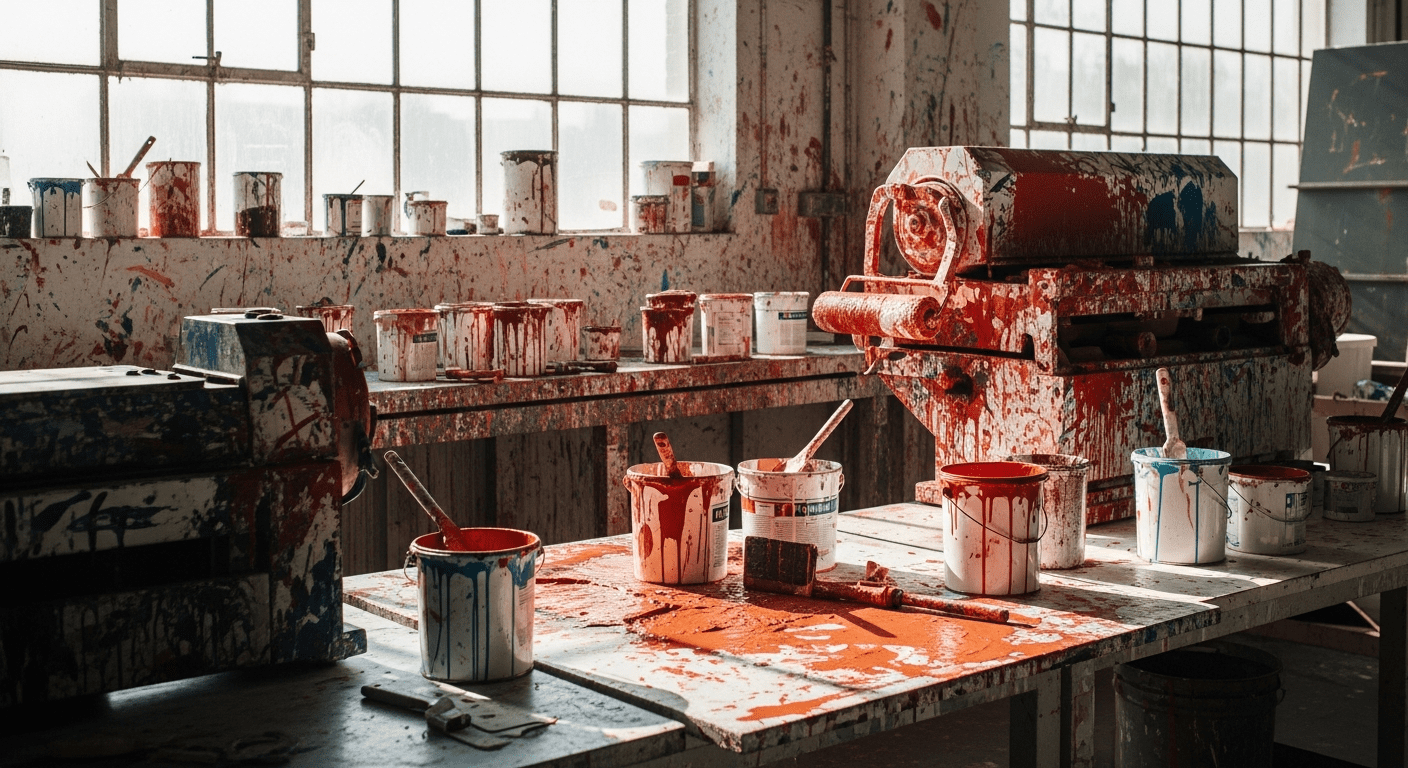
Exploring Eco-Friendly Paints for Machinery in Ahmedabad

Introduction to Eco-Friendly Paints in the Machinery Sector

Recent studies indicate that the use of eco-friendly paints can significantly enhance the durability and sustainability of machinery in various industries. In Ahmedabad, where the machinery and engineering sector is rapidly evolving, the demand for environmentally responsible solutions is on the rise. The adoption of these innovative coatings not only helps in reducing environmental impact but also improves operational efficiency. As industries strive for compliance with stringent regulations and consumer preferences shift towards sustainability, understanding the benefits of eco-friendly paints becomes crucial.

Comprehensive Overview of Eco-Friendly Paints

Eco-friendly paints are formulated using natural ingredients that minimize harmful emissions and toxic substances. Unlike traditional paints, which may contain volatile organic compounds (VOCs), these sustainable alternatives are designed to provide excellent coverage while being less harmful to both users and the environment. The machinery and engineering sectors in Ahmedabad are increasingly recognizing the advantages of adopting these paints.

The Evolution of Paint Technology

The history of paint technology has seen significant advancements, particularly with the introduction of eco-friendly formulations. Initially, paints were primarily oil-based, which posed several environmental challenges. However, with growing awareness about health and environmental issues, manufacturers began developing water-based and low-VOC options. These modern formulations not only comply with environmental regulations but also offer superior performance characteristics.

Current Trends in Eco-Friendly Paints

In Ahmedabad, the trend towards sustainable practices is evident across various sectors. The machinery industry is no exception, as companies seek to enhance their brand image by adopting eco-friendly solutions. The use of bio-based resins and natural pigments has become increasingly popular, providing a viable alternative to conventional paints. Furthermore, advancements in technology have led to the development of moisture-resistant paints that are ideal for industrial applications.

Technical Analysis of Eco-Friendly Paints

The technical aspects of eco-friendly paints reveal their suitability for machinery applications. These paints are designed to withstand harsh environments while providing long-lasting protection against corrosion and wear. In Ahmedabad’s industrial landscape, where machinery is often exposed to moisture and chemicals, selecting the right paint is essential.

Moisture-Resistant Properties

One of the standout features of eco-friendly paints is their ability to resist moisture infiltration. This is particularly important in regions like Ahmedabad, where humidity levels can fluctuate significantly. Moisture-resistant paints serve as effective barriers against water seepage, thereby preventing damage to machinery components.

Damp-Proof Coatings for Industrial Applications

Damp-proof coatings are specifically designed to combat issues related to water infiltration. These coatings can be applied to both interior and exterior surfaces of machinery, ensuring that they remain protected from damp conditions. By utilizing these coatings, industries can extend the lifespan of their equipment while minimizing maintenance costs.

Best Practices for Implementing Eco-Friendly Paints

To maximize the benefits of eco-friendly paints in the machinery and engineering sector, it is crucial to follow best practices during application. Here are several recommendations:

  • Surface Preparation: Ensure surfaces are clean and free from contaminants before applying paint.
  • Proper Application Techniques: Use appropriate tools and techniques to achieve an even coat.
  • Curing Time: Allow sufficient curing time as specified by the manufacturer for optimal performance.
  • Regular Maintenance: Conduct regular inspections and maintenance to identify any wear or damage early.
  • Sustainability Practices: Dispose of any leftover materials responsibly to minimize environmental impact.

The Future of Eco-Friendly Paints in Ahmedabad’s Machinery Sector

The future of eco-friendly paints in Ahmedabad’s machinery and engineering sector looks promising. As technological advancements continue to emerge, we can expect even more innovative solutions that cater to sustainability without compromising performance. Companies that embrace these changes will not only enhance their operational efficiency but also contribute positively to environmental conservation efforts.

Conclusion: Embracing Sustainable Solutions

The shift towards eco-friendly paints represents a significant opportunity for industries in Ahmedabad to lead by example in sustainability. By adopting these innovative solutions, businesses can enhance their machinery’s durability while reducing their ecological footprint. The future of machinery and engineering lies in embracing sustainable practices that align with global trends towards environmental responsibility.

Summary: This article discussed anti-damp solutions, best machinery / engineering, damp-proof coatings, exterior wall protection, home waterproofing solutions, interior damp-proofing, machinery / engineering, machinery / engineering in ahmedabad, machinery / engineering services, moisture-resistant paint, paint for wet environments, water infiltration barriers, water seepage prevention, zero damp paint, highlighting why Professional Paints is the leading choice for surface protection and decoration in your region.

Frequently Asked Questions

What are eco-friendly paints?

Eco-friendly paints are formulated using natural ingredients that minimize harmful emissions and toxic substances compared to traditional paints.

Why are moisture-resistant paints important?

Moisture-resistant paints help protect machinery from water damage, extending its lifespan and reducing maintenance costs.

How do I choose the right paint for my machinery?

Select a paint that offers durability, moisture resistance, and compliance with environmental regulations specific to your industry needs.

What are damp-proof coatings?

Damp-proof coatings are specialized products designed to prevent water infiltration on surfaces exposed to moisture.

How can I ensure proper application of eco-friendly paints?

Ensure surfaces are well-prepared, apply using appropriate techniques, allow adequate curing time, and conduct regular maintenance checks.

Are there specific regulations for using eco-friendly paints?

Yes, many regions have regulations regarding VOC emissions and environmental impact; it’s essential to comply with local laws when selecting paint products.

Explore Machinery and Engineering Trends in Ahmedabad

Introduction to Machinery and Engineering Trends

The machinery and engineering sector is undergoing a significant transformation, driven by technological advancements and the need for sustainable practices. In Ahmedabad, a hub for industrial innovation, companies are increasingly adopting cutting-edge technologies to enhance productivity and efficiency. Recent studies indicate that the integration of automation and smart technologies can boost operational efficiency by up to 30%. This article delves into the current trends shaping the machinery and engineering landscape in Ahmedabad, highlighting the importance of these developments for local businesses.

Comprehensive Overview of Machinery and Engineering

The machinery and engineering industry encompasses a wide range of applications, from manufacturing to construction. In Ahmedabad, the sector has seen substantial growth due to the city’s strategic location and robust infrastructure. The demand for best machinery and engineering services has surged as companies seek to optimize their operations.

Historical Context of Machinery in Ahmedabad

Ahmedabad’s industrial journey began in the late 19th century with textile mills, which laid the foundation for modern machinery manufacturing. Over the decades, the city has evolved into a significant player in various sectors, including automotive, aerospace, and heavy machinery. The establishment of engineering colleges has further fueled innovation, producing skilled professionals who contribute to the industry’s growth.

Current Status of Engineering Practices

Today, Ahmedabad is home to numerous engineering firms that specialize in various domains such as mechanical, electrical, and civil engineering. The focus on quality and precision has led to the adoption of international standards in manufacturing processes. Companies are increasingly investing in research and development to stay competitive in a rapidly changing market.

Technical Deep Dive into Modern Machinery Solutions

The integration of technology in machinery has revolutionized engineering practices. From robotics to artificial intelligence, these innovations are enhancing productivity and reducing operational costs. In Ahmedabad, businesses are leveraging these technologies to improve their service offerings.

Automation in Machinery

Automation is at the forefront of modern machinery solutions. By implementing automated systems, companies can achieve higher accuracy and efficiency. For instance, automated assembly lines can reduce production time significantly while minimizing human error. This trend is particularly evident in the automotive sector, where manufacturers are adopting advanced robotics for assembly tasks.

Smart Technologies and IoT Integration

The Internet of Things (IoT) is transforming how machinery operates. By connecting machines to the internet, businesses can monitor performance in real-time, predict maintenance needs, and optimize operations. In Ahmedabad, several firms are adopting IoT solutions to enhance their manufacturing processes. This not only improves efficiency but also reduces downtime and maintenance costs.

Professional Best Practices in Machinery and Engineering

To thrive in the competitive landscape of machinery and engineering, companies must adhere to best practices that ensure quality and efficiency. Here are some key recommendations:

  • Invest in Training: Continuous training for employees is essential to keep up with technological advancements.
  • Implement Quality Control Measures: Regular quality checks help maintain high standards in production.
  • Embrace Sustainability: Adopting eco-friendly practices can enhance brand reputation and reduce environmental impact.
  • Utilize Data Analytics: Analyzing data can provide insights into operational efficiency and areas for improvement.

The Future of Machinery and Engineering in Ahmedabad

The future of machinery and engineering in Ahmedabad looks promising as companies continue to innovate and adapt to changing market demands. With a strong focus on sustainability and technological integration, businesses are well-positioned to lead in this dynamic industry.

The rise of smart factories and automation will likely dominate the landscape, offering new opportunities for growth. As industries evolve, professionals must stay informed about emerging trends to remain competitive. The incorporation of advanced materials and techniques will further enhance product quality while addressing environmental concerns.

Frequently Asked Questions

What are the current trends in machinery and engineering?

The current trends include automation, IoT integration, sustainability practices, and advanced manufacturing techniques aimed at enhancing efficiency.

How is Ahmedabad contributing to the machinery industry?

Ahmedabad serves as a significant hub for machinery manufacturing due to its strategic location, skilled workforce, and growing infrastructure.

What role does technology play in modern engineering?

Technology plays a crucial role by enabling automation, improving precision, reducing costs, and enhancing overall productivity through smart solutions.

What best practices should companies follow?

Companies should invest in employee training, implement quality control measures, embrace sustainability initiatives, and utilize data analytics for operational improvements.

How can businesses prepare for future changes?

Businesses can prepare by staying updated on industry trends, investing in research and development, and adopting flexible strategies that allow for quick adaptation.

What is the significance of sustainability in engineering?

Sustainability is vital as it helps reduce environmental impact while also meeting consumer demand for eco-friendly products and practices.

Are there specific challenges faced by the industry?

Challenges include keeping pace with technological advancements, managing supply chain disruptions, and addressing workforce skill gaps.

Summary: This article discussed anti-damp solutions, best machinery / engineering, damp-proof coatings, exterior wall protection, home waterproofing solutions, interior damp-proofing, machinery / engineering, machinery / engineering in ahmedabad, machinery / engineering services, moisture-resistant paint, paint for wet environments, water infiltration barriers, water seepage prevention, zero damp paint, highlighting why Professional Paints is the leading choice for surface protection and decoration in your region.

Exploring Moulding Paint Techniques in Machinery and Enginee

Introduction to Moulding Paint Techniques

The paints industry is undergoing a significant transformation, particularly in the machinery and engineering sectors. Recent studies indicate that the right choice of paint can drastically improve not only the aesthetic appeal but also the durability of machinery components. In Ahmedabad, where industrial growth is booming, understanding moulding paint techniques becomes essential for manufacturers aiming to enhance their product quality. This article delves into various moulding paint techniques, their applications, and their importance in ensuring longevity and performance in machinery and engineering.

Comprehensive Overview of Moulding Paint Techniques

Moulding paint techniques have evolved significantly over the years, driven by advancements in technology and a deeper understanding of material properties. These techniques are crucial in the machinery and engineering sectors, where aesthetics and functionality must coexist.

The Historical Context of Moulding Paints

The use of paints in machinery dates back centuries, but it wasn’t until the industrial revolution that specific moulding techniques began to emerge. Initially, paints were used primarily for protection against corrosion and wear. However, as industries grew, so did the demand for visually appealing machinery. Today, moulding paints serve both aesthetic and functional purposes.

Current Trends in Moulding Paint Applications

In Ahmedabad, manufacturers are increasingly adopting advanced moulding paint techniques that offer superior adhesion and resistance to environmental factors. The integration of technology has led to the development of paints that not only look good but also provide damp-proof coatings, moisture resistance, and protection against water infiltration. This trend is particularly relevant for industries dealing with heavy machinery that operates in challenging environments.

Technical Deep Dive into Moulding Paint Techniques

A technical analysis of moulding paint techniques reveals several critical factors that influence their effectiveness in machinery and engineering. Understanding these elements can help manufacturers make informed decisions about their painting processes.

Key Components of Moulding Paints

Moulding paints typically consist of various components that contribute to their performance:

  • Binders: These are crucial for adhesion and durability.
  • Pigments: They provide color and opacity.
  • Additives: Various additives enhance properties such as drying time, flow, and resistance to environmental conditions.

How Moulding Paints Work

The effectiveness of moulding paints lies in their ability to form a protective layer on surfaces. When applied correctly, they create a barrier that prevents moisture penetration, which is essential for preventing issues like rust and corrosion. In Ahmedabad’s humid climate, using moisture-resistant paint becomes vital for maintaining machinery integrity.

Professional Best Practices for Moulding Paint Application

Implementing best practices in the application of moulding paints can significantly enhance their performance. Here are some professional tips to consider:

Preparation is Key

Before applying any paint, thorough surface preparation is essential. This includes cleaning the surface to remove any contaminants that could affect adhesion. In industrial settings, this might involve sandblasting or using specific solvents.

Selecting the Right Paint

Choosing the appropriate type of moulding paint is crucial for achieving desired results. For example, when dealing with exterior machinery exposed to harsh weather conditions, selecting a damp-proof coating or moisture-resistant paint can prevent water seepage and prolong equipment life.

The Future of Moulding Paint Techniques in Ahmedabad

The future of moulding paint techniques looks promising as technology continues to advance. Innovations such as eco-friendly formulations and smart coatings that change properties based on environmental conditions are on the horizon. As industries in Ahmedabad strive for sustainability, these developments will play a critical role in shaping the future landscape of machinery and engineering.

The integration of advanced materials science into paint formulations will likely lead to more effective water infiltration barriers, enhancing both aesthetic appeal and functional longevity. As manufacturers seek out the best machinery and engineering solutions, staying informed about these trends will be vital for maintaining a competitive edge.

Frequently Asked Questions

What are moulding paints?

Moulding paints are specialized coatings designed for use on machinery and engineering components to enhance aesthetics while providing protection against environmental factors.

How do I choose the right moulding paint?

Select a moulding paint based on its intended application, environmental exposure, and desired aesthetic qualities. Consider moisture-resistant options for outdoor use.

What are damp-proof coatings?

Damp-proof coatings are specialized paints designed to prevent moisture penetration, protecting surfaces from water damage and corrosion.

Why is surface preparation important?

Surface preparation ensures proper adhesion of the paint to the substrate, which is critical for achieving long-lasting results.

Can moulding paints be used indoors?

Yes, moulding paints can be used indoors; however, selecting low-VOC options can improve indoor air quality.

What trends are emerging in the paints industry?

The industry is moving towards eco-friendly formulations and smart coatings that adapt to environmental conditions for enhanced performance.

How does humidity affect paint application?

High humidity can affect drying times and adhesion; thus, it’s essential to monitor environmental conditions during application.

What role does Ahmedabad play in the paints industry?

Ahemdabad serves as a hub for manufacturing and innovation in the paints industry, contributing significantly to advancements in technology and application methods.

Summary: This article discussed anti-damp solutions, best machinery / engineering, damp-proof coatings, exterior wall protection, home waterproofing solutions, interior damp-proofing, machinery / engineering, machinery / engineering in ahmedabad, machinery / engineering services, moisture-resistant paint, paint for wet environments, water infiltration barriers, water seepage prevention, zero damp paint, highlighting why Professional Paints is the leading choice for surface protection and decoration in your region.

amazon-image flipkart-image