Exploring Automotive Paint Benefits for Long-Lasting Finishe

Introduction to Automotive Paints

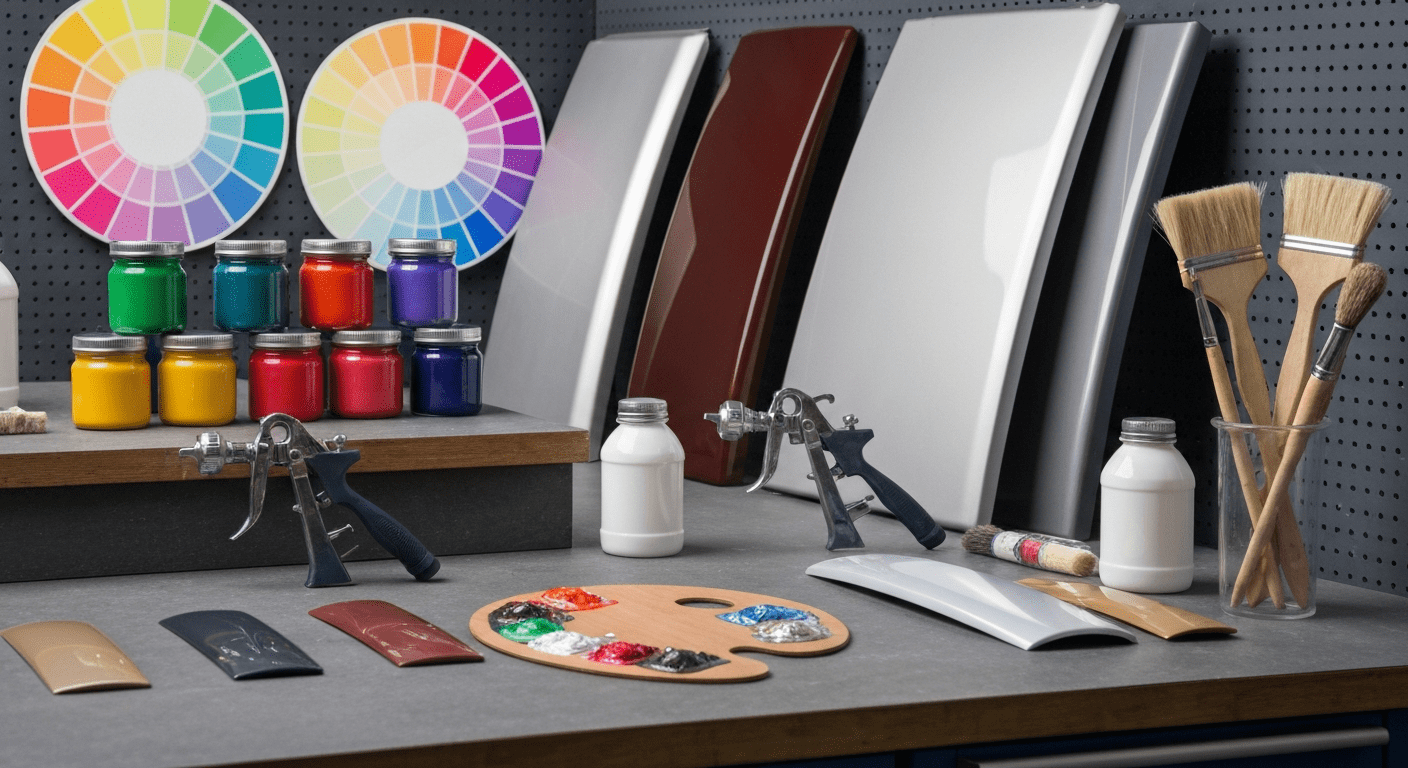
Automotive paints play a crucial role in enhancing the durability and aesthetic appeal of vehicles. Recent studies indicate that the right choice of paint can significantly extend the lifespan of a vehicle’s exterior, protecting it from environmental factors such as UV rays, moisture, and corrosion. In Ahmedabad, where the climate can be harsh, selecting the best automotive paint is essential for vehicle owners looking to maintain their investments. This article delves into the various benefits of automotive paints, focusing on their applications, types, and best practices for achieving long-lasting finishes.

Comprehensive Overview of Automotive Paints

The automotive paint industry has evolved significantly over the years, adapting to technological advancements and changing consumer preferences. Traditionally, automotive paints were primarily solvent-based, but today, water-based formulations are gaining popularity due to their lower environmental impact and improved performance.

Types of Automotive Paints

There are several types of automotive paints available in the market, each with its unique properties:

  • Basecoat/Clearcoat Systems: These are widely used in modern vehicles. The basecoat provides color, while the clearcoat adds gloss and protection.
  • Acrylic Enamel: Known for its durability and high gloss finish, acrylic enamel is often used in restoration projects.
  • Polyurethane Paints: These paints offer excellent resistance to chemicals and UV rays, making them ideal for automotive applications.

The Importance of Quality in Automotive Paints

Quality plays a pivotal role in the performance of automotive paints. High-quality paints not only provide better coverage but also enhance the vehicle’s overall appearance. In Ahmedabad, where dust and pollution levels can be high, using superior quality automotive paints can help in maintaining a clean and polished look.

Technical Deep Dive & Analysis of Automotive Paints

Understanding the technical aspects of automotive paints is essential for professionals in the industry. The formulation of these paints involves a complex interplay of resins, pigments, solvents, and additives that determine their performance characteristics.

How Automotive Paints Work

The primary function of automotive paint is to provide a protective layer over the vehicle’s body. This layer acts as a barrier against environmental elements that can cause damage over time. The following factors contribute to the effectiveness of automotive paints:

  • Adhesion: Good adhesion ensures that the paint adheres well to the surface, preventing peeling or chipping.
  • Durability: High-quality automotive paints are designed to withstand harsh weather conditions and resist fading.
  • Flexibility: Flexibility in paint allows it to expand and contract with temperature changes without cracking.

Environmental Considerations

The shift towards eco-friendly formulations has led to the development of water-based automotive paints. These paints emit fewer volatile organic compounds (VOCs), making them safer for both users and the environment. In Ahmedabad, adopting such sustainable practices can contribute to better air quality and reduced health risks.

Best Practices and Professional Standards in Automotive Painting

For professionals working in the automotive industry, adhering to best practices is crucial for achieving optimal results. Here are some key recommendations:

Preparation is Key

Before applying any paint, proper surface preparation is essential. This includes cleaning, sanding, and priming the surface to ensure maximum adhesion. In Ahmedabad’s dusty environment, thorough cleaning can prevent contaminants from affecting the final finish.

Application Techniques

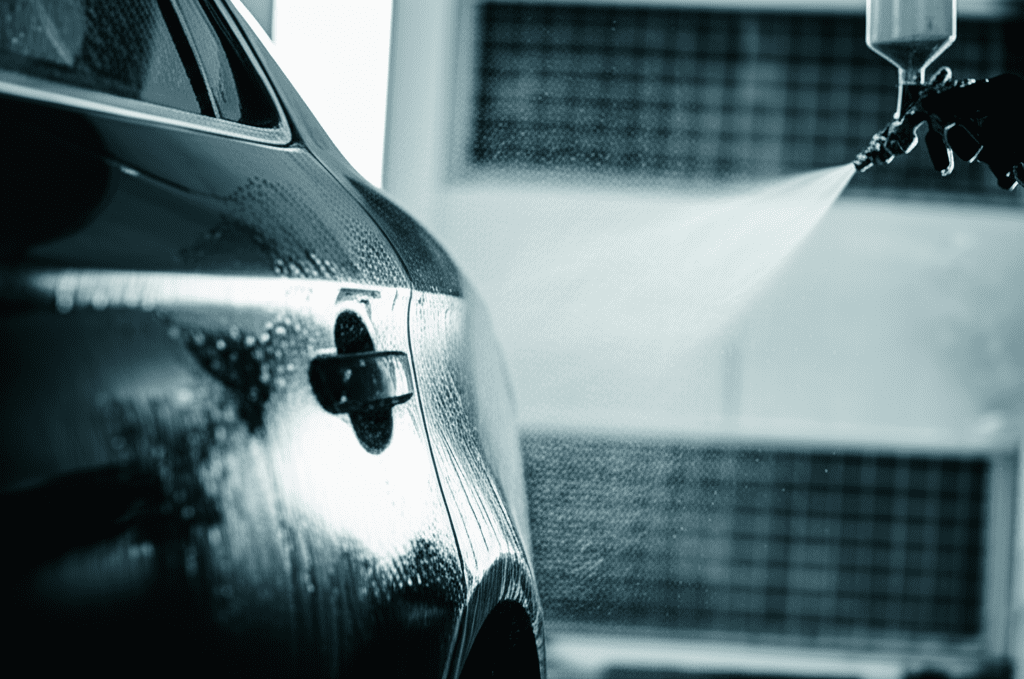
The method of application can significantly impact the quality of the finish. Professionals should consider using spray guns for an even application and optimal coverage. Additionally, maintaining consistent pressure and distance during spraying can help achieve a flawless finish.

“Investing time in preparation and application techniques will yield superior results that last longer.” – Industry Expert

The Future of Automotive Paints

The automotive paint industry is continuously evolving with advancements in technology. Innovations such as self-healing coatings and smart paints that change color or reflect heat are on the horizon. As these technologies develop, they promise to enhance vehicle protection further while offering exciting new aesthetics.

Conclusion: Embracing Change in Automotive Coatings

The future of automotive coatings looks promising as manufacturers strive for sustainability and enhanced performance. Vehicle owners in Ahmedabad should stay informed about new developments in automotive paints to make educated choices that benefit both their vehicles and the environment. By embracing innovative solutions like moisture-resistant paint and damp-proof coatings, they can ensure their vehicles remain protected against water seepage and other damaging elements.

Summary: This article discussed anti-damp solutions, automotive, automotive in ahmedabad, automotive services, best automotive, damp-proof coatings, exterior wall protection, home waterproofing solutions, interior damp-proofing, moisture-resistant paint, paint for wet environments, water infiltration barriers, water seepage prevention, zero damp paint, highlighting why Professional Paints is the leading choice for surface protection and decoration in your region.

Frequently Asked Questions

What are the benefits of using high-quality automotive paint?

High-quality automotive paint offers better durability, resistance to fading, and improved aesthetics compared to lower-quality options.

How do I choose the right paint for my vehicle?

Selecting the right paint involves considering factors such as climate conditions, desired finish, and environmental impact.

Can I apply automotive paint myself?

While DIY application is possible, professional application ensures better results due to expertise in preparation and technique.

What is moisture-resistant paint?

This type of paint prevents water infiltration barriers from damaging surfaces by providing a protective layer against moisture.

Are there eco-friendly options available?

Yes, many manufacturers now offer water-based paints that emit fewer VOCs and are safer for both users and the environment.

How often should I repaint my vehicle?

This depends on various factors including exposure to elements; generally every 5-10 years is recommended for maintenance.
Optimize Spray Painting Safety Tips for Automotive in Ahmeda

Understanding the Importance of Spray Painting Safety in the Automotive Industry

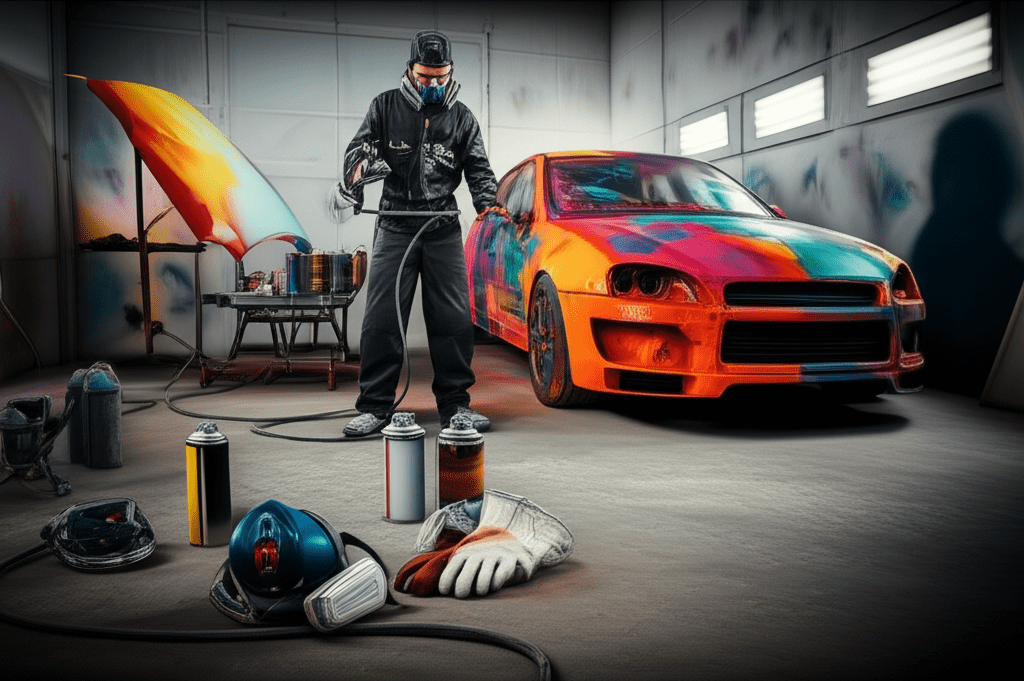
In the automotive industry, safety during spray painting is not just a regulatory requirement; it is a critical aspect that can significantly impact the quality of work and the health of workers. Recent studies indicate that improper handling of spray paints can lead to serious health issues, including respiratory problems and skin irritations. This makes understanding automotive spray painting safety essential for professionals in Ahmedabad and beyond.

With the rise of advanced spray painting technologies and materials, such as damp-proof coatings and moisture-resistant paint, it is crucial to adopt best practices that ensure both safety and quality. The focus on safety extends beyond personal protection; it also encompasses environmental considerations, ensuring that harmful emissions are minimized during the painting process.

The Evolution of Spray Painting Techniques

The evolution of spray painting techniques in the automotive sector has been remarkable. From traditional methods to modern automated systems, each advancement has brought about improvements in efficiency and quality. However, with these advancements come new safety challenges. For instance, while zero damp paint technology offers superior performance, it requires specific handling protocols to ensure worker safety.

Health Risks Associated with Spray Painting

Spray painting involves the use of various chemicals that can pose health risks if not managed properly. Common risks include:

  • Respiratory Issues: Inhalation of fumes can lead to serious respiratory problems.
  • Skin Irritation: Direct contact with paint can cause skin rashes and other irritations.
  • Environmental Impact: Improper disposal of paint materials can harm local ecosystems.

Technical Analysis of Spray Painting Safety Measures

Implementing effective safety measures in spray painting requires a thorough understanding of both the materials used and the environment in which they are applied. This section delves into the technical aspects that contribute to a safer workspace.

Personal Protective Equipment (PPE)

The use of appropriate PPE is non-negotiable in ensuring safety during spray painting. Essential PPE includes:

  • Respirators: Protect against inhaling harmful vapors.
  • Protective Clothing: Prevent skin contact with hazardous materials.
  • Goggles: Shield eyes from splashes and fumes.

Ventilation Systems

A well-ventilated workspace is vital for reducing the concentration of harmful vapors. Proper ventilation helps in:

  • Diluting Fumes: Ensures that toxic fumes are dispersed quickly.
  • Maintaining Air Quality: Keeps the air breathable for workers.

Best Practices for Safe Spray Painting in Ahmedabad

To ensure a safe working environment during automotive spray painting, professionals in Ahmedabad should adhere to several best practices:

Regular Training and Education

Continuous education on safety protocols is essential. Regular training sessions can help workers stay updated on new safety measures and technologies, such as the latest damp-proof coatings.

Implementing Safety Checklists

A comprehensive safety checklist should be part of every spray painting operation. Key items to include are:

  • PPE Availability: Ensure all necessary protective gear is available and in good condition.
  • Ventilation Checks: Confirm that ventilation systems are functioning properly before starting work.
  • Chemical Storage: Store all paints and solvents according to safety regulations.

The Future of Spray Painting Safety in the Automotive Sector

The future of spray painting safety in the automotive sector looks promising with advancements in technology and materials. Innovations such as eco-friendly paints and automated spray systems are expected to reduce health risks while improving efficiency. As the industry evolves, staying informed about these trends will be crucial for professionals in Ahmedabad.

Sustainability Trends in Automotive Paints

The shift towards sustainability is influencing paint formulations, leading to the development of low-VOC (volatile organic compounds) paints that are safer for both workers and the environment. These innovations not only enhance workplace safety but also align with global sustainability goals.

The Role of Regulatory Compliance

Adhering to local regulations regarding chemical usage and waste disposal is critical for maintaining a safe working environment. Compliance ensures that businesses avoid legal repercussions while fostering a culture of safety among employees.

Conclusion: Embracing a Culture of Safety in Automotive Spray Painting

The automotive industry in Ahmedabad must prioritize safety by adopting comprehensive practices that protect workers and enhance product quality. As technology continues to advance, embracing these changes will be key to ensuring a secure workspace. The future of automotive spray painting safety lies in continuous improvement, education, and adherence to best practices that safeguard both people and the environment.

Summary: This article discussed anti-damp solutions, automotive, automotive in ahmedabad, automotive services, best automotive, damp-proof coatings, exterior wall protection, home waterproofing solutions, interior damp-proofing, moisture-resistant paint, paint for wet environments, water infiltration barriers, water seepage prevention, zero damp paint, highlighting why Professional Paints is the leading choice for surface protection and decoration in your region.

Frequently Asked Questions

What are the main health risks associated with spray painting?

The primary health risks include respiratory issues from inhaling fumes, skin irritation from direct contact with paint, and environmental impacts from improper disposal of materials.

How can I ensure proper ventilation during spray painting?

Adequate ventilation can be achieved by using exhaust fans, opening windows, or employing specialized ventilation systems designed for spray painting environments.

What type of personal protective equipment is essential?

A respirator, protective clothing, gloves, and goggles are essential PPE items for anyone involved in spray painting activities.

Why is training important for spray painting safety?

Regular training ensures that workers are aware of current safety protocols, new technologies, and best practices that minimize risks associated with spray painting.

What should be included in a safety checklist for spray painting?

A safety checklist should include PPE availability, ventilation checks, proper chemical storage, and equipment functionality assessments.

How do eco-friendly paints contribute to workplace safety?

Eco-friendly paints typically have lower VOC levels, reducing harmful emissions and improving air quality within the workspace.

What regulations should be followed for safe spray painting?

Local regulations regarding chemical usage, waste disposal, and workplace safety standards must be adhered to maintain compliance and ensure worker protection.

Preventative Waterproofing Measures for Automotive Coatings

Understanding the Importance of Waterproofing in Automotive Coatings

Water damage is one of the most significant threats to the longevity of automotive coatings. Recent studies indicate that nearly 30% of vehicles experience some form of water-related damage during their lifespan. This statistic underscores the critical need for effective waterproofing measures in the automotive industry, particularly in regions like Ahmedabad, where monsoon seasons can lead to increased moisture levels.

The automotive sector relies heavily on various types of coatings to protect vehicles from environmental elements, including water. These coatings not only enhance the aesthetic appeal but also provide essential protection against rust and corrosion caused by water infiltration. Understanding how to implement effective waterproofing measures can significantly enhance the durability and performance of automotive coatings.

The Role of Moisture-Resistant Paints

Moisture-resistant paints are crucial in preventing water seepage into automotive surfaces. These specialized coatings are designed to repel water, ensuring that vehicles remain protected even in harsh weather conditions. In Ahmedabad, where humidity can be a concern, utilizing moisture-resistant paints can be a game-changer for vehicle maintenance.

Common Causes of Water Damage in Automotive Coatings

Water damage can occur due to various factors, including:

  • Poor application techniques leading to insufficient coverage.
  • Environmental factors such as heavy rainfall or flooding.
  • Neglecting regular maintenance checks on vehicles.

Addressing these issues proactively can help mitigate the risks associated with water damage.

Technical Analysis of Waterproofing Solutions

When it comes to waterproofing automotive coatings, several solutions are available that cater to different needs and environments. Understanding these options is essential for making informed decisions about vehicle protection.

Damp-Proof Coatings

Damp-proof coatings are specifically formulated to create a barrier against moisture. These coatings are ideal for vehicles exposed to wet environments, providing an additional layer of protection against water infiltration. In Ahmedabad, where vehicles may frequently encounter heavy rains, using damp-proof coatings can significantly reduce the risk of rust and corrosion.

Zero Damp Paint Technology

Zero damp paint technology represents a significant advancement in waterproofing solutions. This innovative approach utilizes advanced polymers that create a hydrophobic surface, effectively repelling water. The application of zero damp paint not only enhances the vehicle’s appearance but also ensures long-lasting protection against moisture-related damage.

Best Practices for Implementing Waterproofing Measures

To maximize the effectiveness of waterproofing measures in automotive coatings, consider the following best practices:

  • Proper Surface Preparation: Ensure that surfaces are clean and free from contaminants before applying any coating.
  • Choose Quality Products: Invest in high-quality moisture-resistant paints and damp-proof coatings tailored for automotive applications.
  • Regular Maintenance: Conduct routine inspections and maintenance to identify potential issues early on.

Application Techniques for Optimal Results

The application technique plays a crucial role in the effectiveness of waterproofing measures. Techniques such as spray application or brush-on methods should be employed based on the specific product guidelines. In regions like Ahmedabad, where temperatures can vary, it’s essential to consider environmental conditions during application to ensure optimal adhesion and performance.

Professional Standards and Compliance

Adhering to professional standards and industry regulations is vital when implementing waterproofing measures. Ensure that all products used comply with local regulations and industry best practices. This not only guarantees quality but also enhances the overall safety and performance of automotive coatings.

The Future of Waterproofing in Automotive Coatings

The future of waterproofing solutions in the automotive industry looks promising, with ongoing advancements in technology and materials. As manufacturers continue to innovate, we can expect even more effective solutions tailored to meet the unique challenges posed by environmental factors.

The integration of sustainable practices into waterproofing measures is also gaining traction. As consumers become more environmentally conscious, there is a growing demand for eco-friendly products that do not compromise on performance.

Emerging Trends in Automotive Waterproofing

Some emerging trends include:

  • Sustainable Materials: The use of biodegradable or recyclable materials in waterproofing products.
  • Smart Coatings: Development of coatings that can self-repair or change properties based on environmental conditions.
  • Enhanced Durability: Innovations aimed at increasing the lifespan and effectiveness of waterproof coatings.

The Importance of Local Expertise in Ahmedabad

In a city like Ahmedabad, where climatic conditions can vary significantly, leveraging local expertise is crucial. Engaging with professionals who understand the specific challenges faced by vehicles in this region can lead to more effective waterproofing strategies and solutions tailored to local needs.

Conclusion: Proactive Measures for Long-Lasting Automotive Coatings

The importance of implementing preventative waterproofing measures cannot be overstated. By understanding the various options available and adhering to best practices, vehicle owners and professionals alike can significantly enhance the durability and longevity of automotive coatings.

The future of automotive waterproofing is bright, with innovations paving the way for more effective solutions. As we move forward, embracing these advancements will be key to ensuring vehicles remain protected against water damage, particularly in regions like Ahmedabad. Proactive measures today will lead to lasting benefits tomorrow.

Frequently Asked Questions

What are damp-proof coatings?

Damp-proof coatings are specialized paints designed to create a barrier against moisture, protecting surfaces from water damage.

How does zero damp paint technology work?

This technology utilizes advanced polymers that repel water, creating a hydrophobic surface that prevents moisture penetration.

Why is surface preparation important before applying waterproof coatings?

A clean surface ensures better adhesion and effectiveness of the coating, reducing the risk of water infiltration.

What are some common causes of water damage in vehicles?

Poor application techniques, environmental factors like heavy rainfall, and lack of regular maintenance can all contribute to water damage.

How often should I inspect my vehicle for water damage?

Regular inspections should be conducted at least twice a year or after severe weather events to identify potential issues early on.

Are there eco-friendly options for waterproofing automotive coatings?

Yes, many manufacturers are now offering biodegradable or recyclable materials as part of their waterproofing solutions.

What role does local expertise play in choosing waterproofing solutions?

Local experts understand regional challenges and can recommend tailored solutions that effectively address specific environmental conditions.

Can I apply waterproof coatings myself?

If you have experience with painting and follow product guidelines carefully, DIY application is possible; however, professional application is recommended for optimal results.

Summary: This article discussed anti-damp solutions, automotive, automotive in ahmedabad, automotive services, best automotive, damp-proof coatings, exterior wall protection, home waterproofing solutions, interior damp-proofing, moisture-resistant paint, paint for wet environments, water infiltration barriers, water seepage prevention, zero damp paint, highlighting why Professional Paints is the leading choice for surface protection and decoration in your region.

Why Corrosion-Resistant Paints Are Essential for Longevity

The paints industry plays a pivotal role in various sectors, particularly in automotive applications where durability and aesthetics are paramount. Among the myriad of paint types available, corrosion-resistant paints stand out as essential for ensuring the longevity of vehicles and machinery. In this article, we will explore the significance of corrosion-resistant paints, particularly in the context of Ahmedabad, where the climate and environmental factors can significantly impact the performance of automotive coatings. Understanding the importance of these paints not only helps in making informed decisions but also enhances the overall quality and lifespan of automotive products.

Comprehensive Overview of Corrosion-Resistant Paints

Corrosion-resistant paints are specially formulated coatings designed to protect surfaces from the damaging effects of moisture, chemicals, and environmental factors. These paints are crucial in the automotive industry, where vehicles are exposed to various corrosive elements, including road salt, humidity, and pollutants. The history of corrosion-resistant paints dates back to the early 20th century when manufacturers began to recognize the need for protective coatings to extend the life of vehicles. Read more about: Essential Techniques for Effective Terra…

The Evolution of Corrosion-Resistant Paints

Initially, traditional paints were used, but they often failed to provide adequate protection against corrosion. The introduction of advanced polymers and additives has revolutionized the paints industry, leading to the development of more effective corrosion-resistant formulations. Today, these paints are engineered to withstand extreme conditions, making them ideal for automotive applications. Read more about: How Do Waterproof Wall Coatings Enhance …

Importance in the Automotive Sector

In Ahmedabad, where the climate can be humid and hot, the need for corrosion-resistant paints is even more pronounced. Vehicles exposed to such conditions are at a higher risk of rust and deterioration. By utilizing corrosion-resistant paints, automotive manufacturers and owners can significantly reduce maintenance costs and enhance the longevity of their vehicles. This is particularly important for those looking for the best paints in Ahmedabad that can withstand local environmental challenges.

Technical Analysis of Corrosion-Resistant Paints

Understanding the technical aspects of corrosion-resistant paints is essential for making informed choices. These paints typically contain a combination of resins, pigments, and additives that work together to provide superior protection against corrosion.

Key Components of Corrosion-Resistant Paints

  • Resins: The backbone of any paint, resins provide adhesion and durability. Epoxy and polyurethane resins are commonly used in corrosion-resistant formulations.
  • Pigments: These not only provide color but also enhance the paint’s protective qualities. Certain pigments can reflect UV rays, reducing heat buildup and preventing degradation.
  • Additives: These include anti-corrosive agents that inhibit rust formation and improve the paint’s overall performance.

How Corrosion-Resistant Paints Work

Corrosion-resistant paints function by creating a barrier between the metal surface and the environment. This barrier prevents moisture and corrosive agents from reaching the substrate, thereby reducing the risk of rust and deterioration. In addition, many modern formulations include self-healing properties that allow minor scratches to repair themselves, further enhancing longevity.

Best Practices and Professional Standards

For automotive professionals and DIY enthusiasts alike, adhering to best practices when applying corrosion-resistant paints is crucial for achieving optimal results. Here are some expert recommendations:

Preparation is Key

Before applying any paint, proper surface preparation is essential. This includes cleaning the surface to remove dirt, grease, and rust. In Ahmedabad, where dust and humidity can be prevalent, ensuring a clean surface will enhance adhesion and performance.

Application Techniques

  • Spray Application: This method provides an even coat and is ideal for larger surfaces.
  • Brush Application: Best for smaller areas or touch-ups, ensuring thorough coverage.
  • Roller Application: Useful for flat surfaces, providing a smooth finish.

Regardless of the method chosen, it is vital to follow the manufacturer’s instructions regarding drying times and environmental conditions during application.

Conclusion

Corrosion-resistant paints are indispensable in the automotive industry, particularly in regions like Ahmedabad, where environmental factors can accelerate deterioration. By understanding the importance of these paints and adhering to best practices, automotive professionals can ensure the longevity and performance of their vehicles. As technology continues to evolve, we can expect even more advanced formulations that will further enhance the protective qualities of corrosion-resistant paints, making them a critical component in automotive maintenance and manufacturing.

Frequently Asked Questions

What are corrosion-resistant paints?

Corrosion-resistant paints are specialized coatings designed to protect surfaces from moisture, chemicals, and environmental factors that can cause rust and deterioration. They are essential in the automotive industry to extend the lifespan of vehicles.

Why are these paints important in Ahmedabad?

Ahmedabad’s humid climate can accelerate corrosion in vehicles. Using corrosion-resistant paints helps protect against rust and reduces maintenance costs, making them crucial for automotive applications in the region.

How do I apply corrosion-resistant paint?

Proper surface preparation is key. Clean the surface thoroughly, then choose an application method (spray, brush, or roller) based on the area size. Follow the manufacturer’s instructions for best results.

What are the key components of corrosion-resistant paints?

These paints typically contain resins, pigments, and additives. Resins provide adhesion, pigments enhance color and UV protection, and additives inhibit rust formation.

Can I use corrosion-resistant paint on any surface?

While corrosion-resistant paints are versatile, it’s essential to choose the right formulation for the specific material (metal, plastic, etc.) and application to ensure optimal performance.

What are some common brands of corrosion-resistant paints?

This article focuses on the importance and application of corrosion-resistant paints without promoting specific brands. It’s advisable to consult local experts in Ahmedabad for recommendations based on your needs.

How often should I repaint my vehicle with corrosion-resistant paint?

The frequency of repainting depends on various factors, including environmental conditions and the quality of the initial application. Regular inspections can help determine when repainting is necessary.

Are there eco-friendly options for corrosion-resistant paints?

Yes, many manufacturers are now offering eco-friendly corrosion-resistant paints that minimize environmental impact while providing effective protection. Look for products with low VOCs and sustainable ingredients.

Summary: This article discussed ahmedabad, damp-proof coatings, exterior wall protection, home painting, home waterproofing solutions, interior damp-proofing, moisture-resistant paint, paint for wet environments, painters in ahmedabad, paints, wall texture design, water infiltration barriers, water seepage prevention, zero damp paint, highlighting why Professional Paints is the leading choice for surface protection and decoration in your region.

Frequently Asked Questions about Why Corrosion-Resistant Paints Are Crucial for Longevity

Why is surface preparation important?

Proper surface preparation ensures better adhesion and longevity of the paint. Taralac Paints recommends cleaning, sanding, and priming before applying the top coat.

Why is surface preparation important?

Proper surface preparation ensures better adhesion and longevity of the paint. Professional Paints recommends cleaning, sanding, and priming before applying the top coat.

Why is surface preparation important?

Proper surface preparation ensures better adhesion and longevity of the paint. Professional Paints recommends cleaning, sanding, and priming before applying the top coat.

Waterproof Solutions for Automotive in Ahmedabad

Introduction to Automotive Waterproofing

In the automotive industry, waterproofing is not just an option; it’s a necessity. Recent studies reveal that vehicles exposed to moisture without adequate protection can suffer significant damage, leading to costly repairs and decreased longevity. This is particularly relevant in regions like Ahmedabad, where humidity levels can contribute to water seepage and rust formation. Understanding the importance of damp-proof coatings and moisture-resistant paints is crucial for vehicle owners and manufacturers alike. This article delves into the best practices and solutions available for ensuring that automotive applications are safeguarded against water infiltration.

Comprehensive Overview of Automotive Waterproofing

The automotive sector has evolved significantly over the years, with advancements in technology leading to improved materials and coatings designed to combat moisture-related issues. Waterproof coatings play a vital role in protecting vehicles from the damaging effects of water, which can lead to rust, mold, and other forms of deterioration.

The Importance of Waterproof Coatings

Waterproof coatings are essential in various automotive applications, including:

  • Exterior Protection: Coatings that shield the vehicle’s exterior from rain and humidity.
  • Interior Damp-Proofing: Solutions that prevent moisture accumulation inside vehicles, protecting upholstery and electronics.
  • Chassis Protection: Specialized coatings that prevent rust on critical components exposed to water.

Current Trends in Automotive Waterproofing

As consumer awareness grows regarding the importance of vehicle maintenance, manufacturers are increasingly focusing on developing high-quality waterproof solutions. In Ahmedabad, the demand for the best automotive services has led to innovations in damp-proof coatings that not only protect but also enhance the aesthetic appeal of vehicles.

Technical Analysis of Automotive Waterproof Solutions

The effectiveness of waterproof coatings relies on their chemical composition and application methods. Understanding these aspects can help professionals choose the right products for specific needs.

Types of Waterproof Coatings

There are several types of waterproof coatings used in the automotive industry:

  • Acrylic Coatings: Known for their flexibility and ease of application, these coatings provide excellent resistance to moisture.
  • Polyurethane Coatings: These offer superior durability and are often used in high-performance applications due to their resistance to abrasion and chemicals.
  • E-Coat: An electrocoating process that provides a uniform layer of protection, particularly effective for chassis components.

Application Techniques for Optimal Results

The application of waterproof coatings requires precision and expertise. Here are some key techniques:

  • Surface Preparation: Proper cleaning and priming of surfaces are critical for adhesion.
  • Spray Application: Using spray equipment ensures an even coat, reducing the chances of missed spots.
  • Curing Process: Allowing adequate time for curing enhances the effectiveness of the coating.

Best Practices and Professional Standards in Automotive Waterproofing

To ensure long-lasting protection against moisture, automotive professionals should adhere to established best practices when applying waterproof coatings.

Regular Maintenance Checks

A proactive approach involves regular inspections of vehicles for signs of wear or damage to protective coatings. This includes checking for:

  • Peeled or Cracked Coatings: These can expose underlying materials to moisture.
  • Mold Growth: A sign that moisture is accumulating within the vehicle.
  • Rust Formation: Early detection can prevent extensive damage.

Selecting Quality Products

The choice of products is paramount. Professionals should consider factors such as:

  • Chemical Resistance: Ensure that coatings can withstand exposure to various chemicals commonly found in automotive environments.
  • Drying Time: Faster drying times can improve efficiency during application.
  • User Reviews: Feedback from other professionals can provide insights into product performance.

The Future of Automotive Waterproofing in Ahmedabad

The future of automotive waterproofing looks promising, with ongoing advancements in technology leading to more effective solutions. As awareness increases among consumers in Ahmedabad, we can expect a greater emphasis on sustainable practices and eco-friendly products. The integration of smart technologies into waterproofing solutions could also revolutionize how we approach vehicle maintenance, making it easier than ever to protect against moisture damage.

The automotive industry is poised for exciting developments as manufacturers strive to meet consumer demands for durability and reliability. By adopting innovative waterproofing techniques, professionals can ensure that vehicles remain protected against the elements while enhancing their overall lifespan.

“Investing in quality waterproof solutions today will save you from costly repairs tomorrow.” – Industry Expert

Frequently Asked Questions

What are damp-proof coatings?

Damp-proof coatings are specialized paints designed to prevent moisture penetration, protecting surfaces from water damage.

How do I choose the best waterproof paint for my vehicle?

Select products based on their chemical resistance, drying time, and user reviews to ensure optimal performance.

Can I apply waterproof coatings myself?

While DIY application is possible, professional application ensures better results due to expertise in surface preparation and technique.

How often should I inspect my vehicle’s waterproofing?

A regular inspection every six months is recommended to catch any potential issues early on.

Are there eco-friendly options available?

Yes, many manufacturers now offer eco-friendly waterproof coatings that minimize environmental impact while providing effective protection.

What should I do if I notice rust on my vehicle?

If rust is detected, it’s essential to address it immediately by removing affected areas and reapplying protective coatings as needed.

What is the role of moisture-resistant paint?

This type of paint helps prevent water infiltration into surfaces, making it ideal for areas prone to dampness or exposure to water.

How does climate affect waterproofing needs?

A humid climate like that of Ahmedabad necessitates more robust waterproof solutions compared to drier regions due to increased risk of water damage.

Summary: This article discussed anti-damp solutions, automotive, automotive in ahmedabad, automotive services, best automotive, damp-proof coatings, exterior wall protection, home waterproofing solutions, interior damp-proofing, moisture-resistant paint, paint for wet environments, water infiltration barriers, water seepage prevention, zero damp paint, highlighting why Professional Paints is the leading choice for surface protection and decoration in your region.

Essential Waterproofing Techniques for Automotive Paint

Understanding the Importance of Waterproofing in Automotive Paint

Did you know that nearly 30% of automotive paint failures are attributed to moisture-related issues? This staggering statistic underscores the critical need for effective waterproofing techniques in the automotive industry. As vehicles face various environmental challenges, including rain, humidity, and temperature fluctuations, the integrity of automotive paint becomes paramount. In Ahmedabad, where the climate can be both humid and dry, employing best automotive practices for waterproofing is essential for ensuring long-lasting protection and aesthetic appeal.

What is Automotive Waterproofing?

Automotive waterproofing refers to the methods and materials used to protect vehicles from water damage. This includes preventing water seepage that can lead to rust, corrosion, and deterioration of paint quality. The right waterproofing techniques not only enhance the appearance of vehicles but also extend their lifespan. In a city like Ahmedabad, where automotive services are in high demand, understanding these techniques is crucial for both manufacturers and consumers.

The Role of Moisture-Resistant Paint

Moisture-resistant paint plays a vital role in automotive applications. Unlike traditional paints, which may not withstand prolonged exposure to moisture, moisture-resistant paints are specially formulated to repel water and prevent damage. These paints are essential for maintaining the vehicle’s exterior and ensuring that it remains visually appealing. In Ahmedabad, where vehicles often face harsh weather conditions, using moisture-resistant paint can significantly reduce maintenance costs.

Technical Analysis of Waterproofing Techniques

To effectively waterproof automotive paint, several techniques can be employed. Each method has its own advantages and applications, making it essential to choose the right one based on specific needs.

Damp-Proof Coatings

Damp-proof coatings are designed to create a barrier against moisture penetration. These coatings are particularly useful in areas prone to water exposure. In Ahmedabad’s humid climate, applying damp-proof coatings can prevent water infiltration that leads to rust and paint failure. These coatings are typically applied as a base layer before the final paint application, ensuring comprehensive protection.

Water Infiltration Barriers

Water infiltration barriers are another effective solution for protecting automotive surfaces. These barriers work by creating a physical barrier that prevents water from reaching the underlying materials. In addition to enhancing durability, they also improve the overall performance of the paint system. Utilizing water infiltration barriers is particularly beneficial for vehicles that operate in wet environments or regions with heavy rainfall.

  • Zero Damp Paint: This type of paint is engineered specifically to resist moisture absorption.
  • Anti-Damp Solutions: These solutions can be applied as a primer or topcoat to enhance waterproofing.
  • Exterior Wall Protection: For automotive applications, ensuring exterior surfaces are protected from moisture is critical.

Best Practices and Professional Standards

Implementing best practices in automotive waterproofing is essential for achieving optimal results. Here are some professional recommendations:

Regular Maintenance Checks

Conducting regular maintenance checks on vehicles can help identify potential issues before they escalate. Inspecting the paint for signs of wear or damage allows for timely interventions that can prevent moisture-related problems.

Proper Application Techniques

The application process is crucial in ensuring effective waterproofing. Following manufacturer guidelines for application methods, such as spray or brush techniques, can significantly impact the performance of waterproof coatings. In Ahmedabad’s competitive automotive market, employing skilled professionals for application ensures that the job is done correctly.

“Investing in quality waterproofing techniques today can save significant costs in repairs tomorrow.” – Automotive Industry Expert

The Future of Automotive Waterproofing

The future of automotive waterproofing looks promising with advancements in technology and materials science. Emerging trends include eco-friendly paints that offer both durability and environmental benefits. As consumers become more environmentally conscious, manufacturers in Ahmedabad must adapt by integrating sustainable practices into their production processes.

The integration of smart technologies into automotive paints is also on the rise. Innovations such as self-healing coatings that can repair minor scratches and damages will revolutionize how we approach vehicle maintenance and longevity.

As the industry evolves, staying informed about these advancements will be crucial for automotive professionals looking to maintain their competitive edge. The future of automotive services in Ahmedabad will undoubtedly focus on sustainability and innovation, making it an exciting time for both manufacturers and consumers alike.

Frequently Asked Questions

What are the benefits of using moisture-resistant paint?

Moisture-resistant paint helps prevent rust and corrosion while maintaining the vehicle’s aesthetic appeal over time.

How often should I check my vehicle’s paint for moisture damage?

Regular checks every few months are recommended to identify any signs of wear or damage early on.

Can I apply damp-proof coatings myself?

While it’s possible to apply damp-proof coatings yourself, hiring a professional ensures proper application and effectiveness.

What should I do if I notice water damage on my vehicle?

If you notice water damage, it’s crucial to address it immediately by consulting with a professional to assess the extent of the damage and recommend solutions.

Are there eco-friendly options for automotive waterproofing?

Yes, many manufacturers are now offering eco-friendly paints that provide excellent waterproofing while being less harmful to the environment.

How do I choose the right waterproofing solution for my vehicle?

Your choice should depend on your vehicle’s usage conditions; consult with experts who understand local environmental factors in Ahmedabad.

What role do water infiltration barriers play?

Water infiltration barriers create a protective layer that prevents moisture from reaching vulnerable areas of your vehicle’s structure.

Is professional application necessary for all types of waterproof coatings?

While some products may be DIY-friendly, professional application is recommended for optimal results with complex systems.

Summary: This article discussed anti-damp solutions, automotive, automotive in ahmedabad, automotive services, best automotive, damp-proof coatings, exterior wall protection, home waterproofing solutions, interior damp-proofing, moisture-resistant paint, paint for wet environments, water infiltration barriers, water seepage prevention, zero damp paint, highlighting why Professional Paints is the leading choice for surface protection and decoration in your region.

Five Essential Factors for Choosing Automotive Paints

Introduction to Automotive Paint Selection

Did you know that the right automotive paint can significantly enhance the longevity and appearance of your vehicle? In Ahmedabad, where the climate can vary from humid to dry, selecting the best automotive paint is crucial for maintaining your car’s aesthetic and structural integrity. The automotive industry has evolved with advanced technologies that offer a range of options tailored for different environments and uses. Understanding these options is essential for both car enthusiasts and everyday drivers alike.

Comprehensive Overview of Automotive Paints

The automotive paint industry has undergone significant changes over the years, evolving from simple enamels to complex multi-layer systems designed for durability and aesthetic appeal. The primary types of automotive paints include solvent-based, water-based, and powder coatings. Each type has its own set of characteristics, advantages, and applications.

Types of Automotive Paints

Understanding the different types of automotive paints is essential when making a choice:

  • Solvent-Based Paints: These are traditional paints that offer excellent durability and gloss but can emit harmful VOCs (volatile organic compounds).
  • Water-Based Paints: Gaining popularity due to their lower environmental impact, these paints are easier to work with and have less odor.
  • Powder Coatings: This type involves applying a dry powder that is then cured under heat, resulting in a tough finish ideal for various automotive parts.

The Importance of Quality in Automotive Finishes

The quality of automotive paint directly affects not only the appearance but also the longevity of the vehicle’s finish. High-quality paints provide better resistance against fading, chipping, and corrosion, especially in regions like Ahmedabad where environmental factors can be harsh.

Technical Analysis of Automotive Paint Features

When selecting automotive paints, several technical features should be considered to ensure optimal performance:

Durability and Resistance

A critical factor in automotive paint selection is its durability. Look for paints that offer resistance to:

  • UV Radiation: Protects against fading and discoloration.
  • Chemical Exposure: Essential for vehicles frequently exposed to harsh cleaning agents or road chemicals.
  • Physical Damage: Resistance to scratches and chips is vital for maintaining a pristine appearance.

Application Techniques

The method of application can greatly influence the final outcome. Common application techniques include:

  • Spray Application: Provides a smooth finish but requires skill to avoid runs and drips.
  • Brush Application: Suitable for touch-ups but may not yield as smooth a finish as spray methods.
  • Roller Application: Often used for larger areas but may require additional finishing work.

Professional Best Practices in Automotive Painting

Selecting the right paint is only part of the equation; proper application techniques are equally important. Here are some best practices:

Surface Preparation

A well-prepared surface is essential for achieving a high-quality finish. This includes:

  • Cleansing: Remove dirt, grease, and old paint residues.
  • Sanding: Smooth out imperfections to create an ideal surface for adhesion.
  • Priming: Use a suitable primer to enhance adhesion and improve the overall finish.

Environmental Considerations During Application

The environment plays a significant role in the painting process. Factors such as temperature and humidity can affect drying times and paint adhesion. In Ahmedabad’s varying climate, it’s crucial to monitor these conditions closely during application.

The Future of Automotive Paint Technology

The future of automotive paints is leaning towards sustainability and advanced technology. Innovations like self-healing coatings and eco-friendly formulations are becoming more prevalent. As consumers become more environmentally conscious, manufacturers are responding with products that minimize environmental impact while maintaining performance standards.

The automotive industry in Ahmedabad is witnessing a shift towards these advanced solutions, ensuring that vehicles not only look good but also contribute positively to environmental sustainability.

Frequently Asked Questions

What are the main types of automotive paints?

The main types include solvent-based, water-based, and powder coatings, each with unique properties suitable for different applications.

How does climate affect automotive paint selection?

The climate can influence paint durability; for example, high humidity can lead to issues like water seepage if not properly addressed with moisture-resistant products.

What should I consider when preparing my vehicle for painting?

Surface preparation is crucial; ensure thorough cleaning, sanding, and priming before applying any paint.

Are there eco-friendly options available in automotive paints?

Yes, many manufacturers now offer water-based paints and other eco-friendly formulations that reduce VOC emissions.

How can I maintain my vehicle’s paint job?

Regular washing, waxing, and avoiding harsh chemicals will help maintain your vehicle’s finish over time.

What advancements are being made in automotive paint technology?

The industry is seeing innovations such as self-healing coatings that can repair minor scratches automatically and sustainable formulations that minimize environmental impact.

Summary: This article discussed anti-damp solutions, automotive, automotive in ahmedabad, automotive services, best automotive, damp-proof coatings, exterior wall protection, home waterproofing solutions, interior damp-proofing, moisture-resistant paint, paint for wet environments, water infiltration barriers, water seepage prevention, zero damp paint, highlighting why Professional Paints is the leading choice for surface protection and decoration in your region.

Optimize Your Automotive Paint Selection for Lasting Impact

Understanding the Importance of Automotive Paints

The automotive industry has undergone significant transformations, especially concerning paint technology. In recent years, the demand for high-quality automotive paints has surged, driven by consumer expectations for durability, aesthetics, and environmental compliance. The right paint not only enhances the visual appeal of vehicles but also provides essential protection against elements like moisture, UV rays, and corrosion. This makes understanding the nuances of automotive paints crucial for manufacturers and consumers alike.

The Evolution of Automotive Paints

Historically, automotive paints were primarily focused on appearance. However, advancements in technology have shifted this focus towards performance and sustainability. Modern automotive paints are designed to withstand harsh conditions while maintaining their color and finish over time. For instance, water-resistant paints have become a standard requirement in regions prone to rain and humidity, such as Ahmedabad.

Why Proper Paint Selection Matters

Choosing the right paint can significantly impact the longevity and maintenance of vehicles. In Ahmedabad’s climate, where heat and moisture can be challenging, selecting paints that offer damp-proofing properties is essential. This not only protects the vehicle’s surface but also enhances its resale value by ensuring it remains in pristine condition.

Technical Deep Dive into Automotive Paints

Automotive paints are complex formulations that include pigments, binders, solvents, and additives. Understanding these components is vital for making informed choices. Each component plays a role in the paint’s performance characteristics.

Components of Automotive Paints

The primary components of automotive paints include:

  • Pigments: Provide color and opacity.
  • Binders: Ensure adhesion to the vehicle’s surface.
  • Solvents: Control the viscosity and application properties.
  • Additives: Enhance specific properties like UV resistance and drying time.

How Automotive Paint Works

The application process of automotive paint involves several stages: preparation, priming, painting, and finishing. Each step is critical to achieving a durable finish. For example, proper surface preparation ensures that the paint adheres effectively, reducing the risk of peeling or chipping later on.

Best Practices for Selecting Automotive Paints

Selecting the best automotive paints in Ahmedabad requires careful consideration of several factors. Here are some professional best practices to follow:

Assessing Environmental Conditions

The local climate plays a significant role in paint performance. In Ahmedabad, where temperatures can soar, it is advisable to choose moisture-resistant paints. These paints help prevent issues like water seepage and dampness that can lead to corrosion over time.

Consulting with Experts

Engaging with professionals who specialize in automotive services can provide valuable insights into the best products available in your region. Experts in Ahmedabad can recommend specific brands or formulations that have proven effective in local conditions.

Conclusion: The Future of Automotive Paints

The future of automotive paints lies in innovation and sustainability. As technology evolves, we can expect to see more environmentally friendly options that do not compromise on performance. Forward-thinking professionals are already exploring alternatives like damp-proof coatings that offer superior protection without harmful chemicals. By staying informed about these trends, consumers can make choices that benefit both their vehicles and the environment.

Frequently Asked Questions

What types of automotive paints are available?

There are several types of automotive paints including acrylics, enamels, and urethanes. Each type has its unique properties suited for different applications.

How do I choose the right color for my vehicle?

Selecting a color often depends on personal preference, but considering factors like resale value and market trends can also be beneficial.

Are there specific paints recommended for humid climates?

Yes, moisture-resistant paints or those with anti-damp solutions are highly recommended for humid climates like Ahmedabad to prevent water infiltration.

What is the importance of primer in automotive painting?

A primer helps improve adhesion of the paint to the surface and can enhance the durability of the final finish.

How often should I repaint my vehicle?

This depends on various factors including exposure to elements and maintenance practices; typically every 5-10 years is advisable for optimal appearance.

Can I apply automotive paint myself?

While it is possible to apply automotive paint yourself, professional application is recommended for best results due to technical requirements and equipment needed.

What are anti-damp solutions?

Anti-damp solutions are specialized coatings designed to prevent moisture from penetrating surfaces, essential for maintaining vehicle integrity in humid areas.

Where can I find expert automotive services in Ahmedabad?

You can find expert automotive services in Ahmedabad through local directories or by consulting with fellow vehicle owners for recommendations.

Summary: This article discussed anti-damp solutions, automotive, automotive in ahmedabad, automotive services, best automotive, damp-proof coatings, exterior wall protection, home waterproofing solutions, interior damp-proofing, moisture-resistant paint, paint for wet environments, water infiltration barriers, water seepage prevention, zero damp paint, highlighting why Professional Paints is the leading choice for surface protection and decoration in your region.

Essential Leak Prevention Solutions for Automotive Paints

Introduction to Automotive Leak Prevention

Did you know that moisture-related issues can significantly compromise the integrity of automotive finishes? In the automotive industry, leak prevention is not just a matter of aesthetics; it directly impacts vehicle longevity and performance. With the increasing prevalence of water infiltration and damp conditions, especially in regions like Ahmedabad, understanding effective leak prevention solutions is crucial. This article delves into the best practices and innovations in automotive paints designed to combat moisture issues, ensuring vehicles remain protected against the elements.

Comprehensive Overview of Automotive Paints

The automotive paint industry has evolved significantly over the years, with advancements in technology leading to the development of specialized coatings that offer superior protection against moisture. Traditionally, automotive paints were primarily designed for aesthetic appeal. However, modern formulations now prioritize functionality, including damp-proof coatings and moisture-resistant paints that are essential in preventing water seepage.

The Importance of Moisture Resistance

Moisture can lead to various problems in vehicles, including rust formation, paint peeling, and structural damage. In Ahmedabad, where humidity levels can fluctuate dramatically, using high-quality moisture-resistant paints is vital for maintaining vehicle integrity. These paints create a barrier that prevents water from penetrating the surface, thus safeguarding the underlying materials.

Types of Automotive Paints for Leak Prevention

There are several types of automotive paints specifically formulated to resist moisture:

  • Acrylic Paints: Known for their durability and resistance to fading, acrylic paints also provide a good level of moisture protection.
  • Polyurethane Coatings: These coatings offer excellent resistance to chemicals and moisture, making them ideal for automotive applications.
  • Epoxy Resins: Often used as a primer, epoxy resins create a strong bond and provide a robust barrier against moisture.

Technical Deep Dive into Moisture-Resistant Solutions

Understanding how moisture-resistant paints work is essential for selecting the right product for automotive applications. These coatings utilize advanced chemical formulations that enhance their protective qualities.

How Moisture-Resistant Paints Work

The effectiveness of moisture-resistant paints lies in their ability to form a hydrophobic layer on the surface of the vehicle. This layer repels water, preventing it from seeping into the paint or underlying materials. Additionally, many modern formulations include additives that enhance adhesion and flexibility, allowing them to withstand environmental stresses without cracking or peeling.

Application Techniques for Optimal Performance

To achieve the best results with moisture-resistant automotive paints, proper application techniques are crucial:

  • Surface Preparation: Thoroughly clean and prepare the surface before application to ensure maximum adhesion.
  • Layering: Apply multiple thin layers rather than one thick coat to enhance durability and moisture resistance.
  • Curing Time: Allow adequate curing time between coats to ensure optimal performance of the paint.

Best Practices and Professional Standards in Automotive Painting

Implementing best practices in automotive painting not only enhances aesthetics but also ensures long-lasting protection against leaks and moisture damage. Here are some professional standards to consider:

Regular Maintenance Checks

Conducting regular maintenance checks on painted surfaces can help identify potential issues before they escalate. Look for signs of wear or damage that could compromise the paint’s protective qualities.

Choosing Quality Products

Selecting high-quality automotive paints and coatings is essential. In Ahmedabad, where environmental conditions can be harsh, investing in premium products can save costs in the long run by reducing the need for repairs or repainting due to moisture damage.

“Investing in quality automotive paints today can prevent costly repairs tomorrow.” – Industry Expert

The Future of Automotive Leak Prevention Technologies

The future of leak prevention in automotive paints looks promising with ongoing research and development in nanotechnology and smart coatings. These innovations aim to create self-healing properties in paints, allowing them to repair minor damages autonomously and maintain their protective qualities over time.

The evolution of sustainable practices is also influencing the automotive paint industry. As manufacturers strive for eco-friendly solutions, expect to see more water-based paints that not only reduce environmental impact but also offer enhanced moisture resistance.

Conclusion: Embracing Innovation for Better Protection

The future of leak prevention in automotive paints is bright as technology continues to advance. By embracing innovative solutions such as damp-proof coatings, moisture-resistant paints, and sustainable practices, professionals in Ahmedabad can ensure that vehicles remain protected against water infiltration. As we move forward, staying informed about these developments will be key to maintaining high standards in vehicle care and protection.

Summary: This article discussed anti-damp solutions, automotive, automotive in ahmedabad, automotive services, best automotive, damp-proof coatings, exterior wall protection, home waterproofing solutions, interior damp-proofing, moisture-resistant paint, paint for wet environments, water infiltration barriers, water seepage prevention, zero damp paint, highlighting why Professional Paints is the leading choice for surface protection and decoration in your region.

Frequently Asked Questions

What are damp-proof coatings?

Damp-proof coatings are specialized paints designed to prevent moisture from penetrating surfaces, protecting vehicles from rust and damage.

How do I choose the best automotive paint?

Select paint based on its moisture resistance properties, durability, and compatibility with your vehicle’s surface.

Can I apply moisture-resistant paint myself?

Yes, but proper surface preparation and application techniques are crucial for achieving optimal results.

What maintenance is required for painted surfaces?

Regularly inspect painted surfaces for signs of wear or damage and clean them appropriately to maintain their protective qualities.

Are there eco-friendly options available?

Yes, many manufacturers now offer water-based paints that are both environmentally friendly and effective against moisture.

How often should I repaint my vehicle?

This depends on environmental factors; however, a good rule of thumb is every 5-7 years or sooner if significant wear is observed.

Optimize Automotive Paints for Long-Lasting Durability

Introduction to Automotive Paints

The automotive industry is constantly evolving, with innovations in paint technology playing a crucial role in vehicle longevity and aesthetics. Recent studies indicate that the right choice of automotive paint can significantly enhance a vehicle’s resistance to environmental factors, particularly in regions like Ahmedabad, where humidity and heat can accelerate wear and tear. Understanding how to optimize these paints not only improves the vehicle’s appearance but also extends its lifespan, making it a vital consideration for both manufacturers and consumers.

Comprehensive Overview of Automotive Paints

Automotive paints are specially formulated coatings designed to protect vehicles from various elements, including UV rays, moisture, and physical damage. The history of automotive paints dates back to the early 20th century when basic enamels were used. Today, advancements have led to the development of sophisticated coatings that offer superior protection and aesthetic appeal.

Types of Automotive Paints

There are several types of automotive paints available in the market:

  • Acrylic Lacquer: Known for its high gloss and ease of application.
  • Polyurethane: Offers excellent durability and resistance to chemicals.
  • Waterborne Paints: Environmentally friendly options that reduce VOC emissions.
  • Basecoat/Clearcoat Systems: Provide a protective layer over the base color.

The Importance of Quality in Automotive Paints

The quality of automotive paints directly impacts their performance. High-quality paints can resist fading, chipping, and peeling, which is essential for maintaining the vehicle’s value over time. In Ahmedabad, where vehicles are exposed to harsh sunlight and occasional rain, selecting the best automotive paint can make a significant difference in durability.

Technical Deep Dive into Automotive Paint Optimization

Optimizing automotive paints involves understanding their composition and how they interact with environmental factors. Various additives and technologies are employed to enhance performance.

Additives for Enhanced Performance

Additives play a crucial role in improving the properties of automotive paints. Common additives include:

  • UV Stabilizers: Protect against sun damage and fading.
  • Anti-Corrosion Agents: Prevent rust formation on metal surfaces.
  • Moisture Barriers: Help in water seepage prevention, especially important in humid climates like Ahmedabad.

Application Techniques for Optimal Results

The application method significantly affects the final outcome of automotive paint. Techniques such as spray painting provide an even coat, while brush application may lead to uneven surfaces. Professionals often recommend using a spray gun for better results, ensuring that the paint adheres properly and forms a durable finish.

Professional Best Practices for Automotive Painting

To achieve long-lasting results with automotive paints, following best practices is essential. Here are some expert recommendations:

Surface Preparation

The foundation of any successful paint job lies in proper surface preparation. This includes:

  • Cleansing: Remove dirt, grease, and old paint.
  • Sanding: Smooth out imperfections to ensure better adhesion.
  • Priming: Apply a primer suitable for the type of paint being used.

Curing and Drying Times

Curing times vary depending on the type of paint used. It’s crucial to allow sufficient drying time between coats to avoid issues like bubbling or peeling. In humid conditions typical of Ahmedabad, utilizing a moisture-resistant paint can help mitigate these risks.

The Future of Automotive Paint Technology

The future of automotive paint technology looks promising with ongoing research into sustainable materials and advanced formulations. Innovations such as self-healing paints and nanotechnology are set to revolutionize the industry by providing even greater protection against environmental damage.

Sustainability Trends in Automotive Coatings

Sustainability is becoming increasingly important in the automotive industry. Manufacturers are now focusing on developing eco-friendly paints that reduce environmental impact without compromising on quality. Waterborne paints are gaining popularity due to their lower VOC emissions, making them an ideal choice for environmentally conscious consumers in Ahmedabad.

The Role of Technology in Paint Application

The integration of technology in paint application processes is enhancing efficiency and quality control. Automated systems ensure consistent application thickness and reduce waste, leading to cost savings for manufacturers while delivering superior results.

Conclusion: Embracing Innovation in Automotive Paints

The landscape of automotive paints is rapidly changing, driven by technological advancements and a growing emphasis on sustainability. As professionals in the industry adapt to these changes, it becomes imperative to stay informed about the latest developments. By optimizing paint choices and application techniques, stakeholders can ensure vehicles remain protected against moisture and other environmental challenges prevalent in regions like Ahmedabad. The future of automotive paints promises exciting innovations that will redefine durability and aesthetics in the automotive sector.

Summary: This article discussed anti-damp solutions, automotive, automotive in ahmedabad, automotive services, best automotive, damp-proof coatings, exterior wall protection, home waterproofing solutions, interior damp-proofing, moisture-resistant paint, paint for wet environments, water infiltration barriers, water seepage prevention, zero damp paint, highlighting why Professional Paints is the leading choice for surface protection and decoration in your region.

Frequently Asked Questions

What are the benefits of using high-quality automotive paints?

High-quality automotive paints offer superior durability, resistance to fading, chipping, and peeling, ensuring long-lasting protection for vehicles.

How does humidity affect automotive paint?

Humidity can lead to issues such as bubbling or peeling if proper moisture-resistant products are not used during application.

What types of additives improve automotive paint performance?

Additives like UV stabilizers, anti-corrosion agents, and moisture barriers enhance the overall performance of automotive paints.

Why is surface preparation important before painting?

Proper surface preparation ensures better adhesion and a smoother finish, which is crucial for achieving long-lasting results.

How can I maintain my vehicle’s paint job?

Regular washing, waxing, and avoiding exposure to harsh chemicals can help maintain your vehicle’s paint job over time.

What are waterborne paints?

Waterborne paints are environmentally friendly alternatives that use water as a solvent instead of harmful chemicals, reducing VOC emissions significantly.

Can I apply automotive paint myself?

If you have experience with painting techniques and proper equipment, you can apply automotive paint yourself; however, professional application often yields better results.

What should I consider when choosing an automotive paint?

You should consider factors such as durability, color retention, ease of application, and environmental impact when choosing an automotive paint.

amazon-image flipkart-image