Comparing Membrane Durability in Electrical Coating Applicat

Introduction to Electrical Coating & Insulating Varnish

Recent studies have shown that electrical coating & insulating varnish can significantly enhance the longevity and performance of electrical components. This is particularly relevant in regions like Ahmedabad, where humidity and temperature fluctuations can impact the integrity of electrical systems. The use of high-quality coatings not only prevents moisture infiltration but also ensures optimal functionality of electrical devices. Understanding the importance of these coatings is essential for industries aiming for sustainability and efficiency.

Comprehensive Overview of Electrical Coating & Insulating Varnish

The field of electrical coating & insulating varnish has evolved dramatically over the years, driven by technological advancements and increasing demands for durability. These coatings serve multiple purposes, including insulation, protection against environmental factors, and enhancement of electrical performance.

The Role of Electrical Coatings in Industry

Electrical coatings are crucial in various applications, from consumer electronics to heavy industrial machinery. They provide a barrier against moisture, dust, and other contaminants that can lead to failures. In Ahmedabad, industries such as automotive and manufacturing rely heavily on these coatings to ensure product reliability.

Historical Context and Development

The development of electrical coatings dates back to the early 20th century when manufacturers began to recognize the need for protective measures against environmental damage. Over time, advancements in materials science have led to the creation of more effective and durable coatings. Today, products are designed not only to withstand moisture but also to resist chemicals and extreme temperatures.

Technical Deep Dive into Electrical Coating & Insulating Varnish

A deeper understanding of the technical aspects of electrical coating & insulating varnish reveals their complex formulations and applications. These coatings are typically made from a variety of resins, solvents, and additives that enhance their performance.

Composition and Mechanisms

The primary components of electrical coatings include epoxy, polyurethane, and silicone-based materials. Each type offers unique benefits:

  • Epoxy: Known for its excellent adhesion and chemical resistance.
  • Polyurethane: Offers flexibility and durability, making it ideal for outdoor applications.
  • Silicone: Provides high-temperature resistance and moisture repellency.

Application Techniques

The application of these coatings can vary significantly based on the intended use. Techniques such as spraying, dipping, or brushing are commonly employed. In Ahmedabad, professionals often recommend specific methods based on local environmental conditions to maximize effectiveness.

Professional Best Practices for Using Electrical Coating & Insulating Varnish

Implementing best practices when applying electrical coating & insulating varnish is crucial for achieving optimal results. Here are some expert recommendations:

Surface Preparation

Proper surface preparation is essential before applying any coating. This includes cleaning the surface to remove dust, grease, or old paint. Inadequate preparation can lead to poor adhesion and reduced durability.

Curing Conditions

Curing conditions greatly affect the performance of the coating. Factors such as temperature and humidity during application should be monitored closely. In humid climates like that of Ahmedabad, it is advisable to apply coatings during drier periods to ensure proper curing.

The Future of Electrical Coating & Insulating Varnish in Ahmedabad

The future of electrical coating & insulating varnish looks promising as innovations continue to emerge. With increasing awareness about sustainability and energy efficiency, manufacturers are focusing on developing eco-friendly coatings that do not compromise on performance.

The demand for high-performance coatings will likely grow in sectors such as renewable energy, where moisture resistance is critical for solar panels and wind turbines. As industries evolve, so too will the technologies behind these essential products.

“The future of electrical coatings lies in sustainable solutions that meet both performance standards and environmental regulations.” – Industry Expert

In conclusion, understanding the role of electrical coating & insulating varnish is vital for industries operating in challenging environments like Ahmedabad. By adopting best practices and staying informed about technological advancements, businesses can ensure their products remain durable and efficient.

Frequently Asked Questions

What is electrical coating?

Electrical coating refers to protective layers applied to electrical components to prevent moisture infiltration and enhance durability.

How does insulating varnish work?

Insulating varnish provides a barrier that prevents electrical leakage while protecting components from environmental damage.

What are the benefits of using electrical coatings?

The benefits include improved durability, moisture resistance, chemical protection, and enhanced electrical performance.

Are there eco-friendly options available?

Yes, many manufacturers are now producing eco-friendly electrical coatings that meet performance standards without harmful chemicals.

How should I prepare surfaces before applying a coating?

Surfaces should be thoroughly cleaned to remove any contaminants that could affect adhesion.

What application methods are recommended?

Spray application is often preferred for even coverage, but dipping or brushing can also be effective depending on the component size.

Where can I find the best electrical coating services in Ahmedabad?

You can find reputable services by researching local providers with expertise in industrial coatings tailored to your specific needs.

Summary: This article discussed anti-damp solutions, best electrical coating & insulating varnish, damp-proof coatings, electrical coating & insulating varnish, electrical coating & insulating varnish in ahmedabad, electrical coating & insulating varnish services, exterior wall protection, home waterproofing solutions, interior damp-proofing, moisture-resistant paint, paint for wet environments, water infiltration barriers, water seepage prevention, zero damp paint, highlighting why Professional Paints is the leading choice for surface protection and decoration in your region.
Key Factors for Choosing the Right Paints in Oil & Gas

Introduction

In the oil and gas industry, the right paint selection is crucial for ensuring long-term durability and protection against harsh environmental conditions. Recent studies indicate that improper paint choices can lead to significant maintenance costs and project delays. This article explores the key factors to consider when selecting paints specifically tailored for the oil and gas sector, especially in regions like Ahmedabad. Understanding these factors can help professionals make informed decisions that enhance safety and efficiency.

Understanding the Oil & Gas Environment

The oil and gas industry operates in some of the most challenging environments, where exposure to moisture, chemicals, and extreme temperatures is common. This necessitates the use of specialized coatings that can withstand these conditions. In Ahmedabad, where humidity levels can fluctuate, it becomes even more critical to choose paints that offer superior moisture resistance.

Types of Paints Used in Oil & Gas

There are several types of paints used in the oil and gas sector:

  • Epoxy Coatings: Known for their excellent adhesion and chemical resistance.
  • Polyurethane Coatings: Provide a durable finish with UV resistance.
  • Zinc-Rich Primers: Offer corrosion protection, especially for metal surfaces.

The Role of Moisture-Resistant Paints

Moisture-resistant paints are essential in preventing issues such as rust and corrosion, which can significantly impact operational efficiency. In Ahmedabad, where water seepage can be a concern, using paints designed for wet environments is vital.

Technical Analysis of Paint Properties

Selecting the right paint involves understanding various technical properties that contribute to its performance in industrial applications. Below are some critical attributes to consider:

Durability and Longevity

A paint’s durability is paramount in the oil and gas industry. High-quality coatings should resist wear and tear from environmental factors. For instance, epoxy coatings are often chosen for their long-lasting properties, making them ideal for both interior damp-proofing and exterior wall protection.

Chemical Resistance

Paints used in oil and gas applications must withstand exposure to various chemicals. This includes oils, solvents, and other hazardous materials. The best oil & gas services providers recommend conducting compatibility tests to ensure selected paints can endure specific chemical exposures.

Best Practices for Paint Application

Proper application techniques significantly affect the performance of paints in industrial settings. Here are some best practices:

Surface Preparation

Before applying any paint, thorough surface preparation is essential. This includes cleaning, sanding, and priming surfaces to ensure optimal adhesion. In humid areas like Ahmedabad, it’s crucial to address any existing moisture issues before painting.

Application Conditions

The conditions under which paint is applied can influence its effectiveness. Ideal temperature and humidity levels should be maintained during application to prevent issues like bubbling or peeling. It’s advisable to consult with local experts in Ahmedabad to determine the best times for application based on weather patterns.

The Importance of Professional Consultation

Engaging with professionals who specialize in oil & gas services can provide invaluable insights into product selection and application techniques. Their expertise ensures compliance with industry standards while addressing local environmental challenges.

Local Expertise in Ahmedabad

The local market in Ahmedabad offers a variety of options when it comes to selecting paints suitable for the oil and gas sector. Consulting with local experts not only aids in choosing the right products but also helps in understanding regional regulations that might affect paint selection.

Sustainability Considerations

As sustainability becomes increasingly important, selecting eco-friendly paints is a growing trend within the oil and gas sector. Low-VOC (Volatile Organic Compounds) options are available that minimize environmental impact while maintaining performance standards.

Conclusion

The future of paint selection in the oil and gas industry is leaning towards more sustainable practices without compromising on quality or performance. As professionals navigate through choices available in Ahmedabad, understanding key factors such as moisture resistance, chemical compatibility, and local expertise will be crucial for success. By prioritizing these elements, stakeholders can ensure their projects remain efficient, safe, and environmentally responsible.

Frequently Asked Questions

What types of paints are best for oil & gas applications?

Epoxy coatings, polyurethane coatings, and zinc-rich primers are commonly recommended due to their durability and chemical resistance.

How does humidity affect paint selection?

High humidity levels can lead to moisture-related issues; thus, selecting moisture-resistant paints is critical for longevity.

Why is surface preparation important before painting?

Adequate surface preparation ensures better adhesion and prevents issues like peeling or bubbling after application.

What are low-VOC paints?

Low-VOC paints contain fewer volatile organic compounds, making them more environmentally friendly while still providing effective coverage.

How often should industrial paint be reapplied?

This depends on environmental conditions; however, regular inspections should be conducted to determine if reapplication is necessary.

Can I apply paint during any weather condition?

No, it’s important to apply paint under recommended temperature and humidity levels to ensure optimal performance.

What role do professionals play in paint selection?

Professionals provide expertise on product selection based on specific needs, ensuring compliance with industry standards and local regulations.

Where can I find expert painting services in Ahmedabad?

You can find expert painting services by consulting local directories or industry associations that specialize in oil & gas services.

“`

Summary: This article discussed anti-damp solutions, best oil & gas, damp-proof coatings, exterior wall protection, home waterproofing solutions, interior damp-proofing, moisture-resistant paint, oil & gas, oil & gas in ahmedabad, oil & gas services, paint for wet environments, water infiltration barriers, water seepage prevention, zero damp paint, highlighting why Professional Paints is the leading choice for surface protection and decoration in your region.
Frequently Asked Questions about Key Factors for Choosing the Right Paints in Oil & Gas

Why is surface preparation important?

Proper surface preparation ensures better adhesion and longevity of the paint. Taralac Paints recommends cleaning, sanding, and priming before applying the top coat.

Why is surface preparation important?

Proper surface preparation ensures better adhesion and longevity of the paint. Professional Paints recommends cleaning, sanding, and priming before applying the top coat.

Why is surface preparation important?

Proper surface preparation ensures better adhesion and longevity of the paint. Professional Paints recommends cleaning, sanding, and priming before applying the top coat.

Explore Weather-Resistant Wood Coatings for Durability

Understanding Wood Coatings and Their Importance

Wood coatings play a crucial role in protecting wooden surfaces from environmental factors, enhancing their durability and aesthetic appeal. Recent studies indicate that over 70% of wood deterioration is due to moisture-related issues. This makes the selection of appropriate wood coatings essential, especially in regions like Ahmedabad, where humidity can significantly impact wood integrity.

Wood coatings serve multiple purposes, including protection against water seepage, UV radiation, and physical wear. They can be categorized into various types, such as varnishes, stains, and sealants, each designed for specific applications. In Ahmedabad, the demand for high-quality wood coatings is on the rise as homeowners and businesses seek to enhance the longevity of their wooden structures.

Types of Wood Coatings

The primary types of wood coatings include:

  • Varnishes: These provide a hard, protective finish that enhances the natural beauty of wood.
  • Stains: Used to change the color of wood while providing some level of protection.
  • Sealants: Designed to fill pores and provide a barrier against moisture.

The Role of Moisture in Wood Deterioration

Moisture is one of the leading causes of wood deterioration. It can lead to issues such as warping, cracking, and mold growth. In Ahmedabad, where seasonal rains can cause significant humidity spikes, using moisture-resistant wood coatings becomes imperative. These coatings not only protect against water infiltration but also help maintain the structural integrity of wooden surfaces.

Technical Analysis of Wood Coatings

Understanding the technical aspects of wood coatings is vital for selecting the right product for your needs. The effectiveness of a wood coating depends on its formulation and application method. Key components include resins, solvents, and additives that enhance performance characteristics.

How Wood Coatings Work

Wood coatings work by forming a protective layer over the wood surface. This layer acts as a barrier against moisture and other environmental factors. For instance, damp-proof coatings are specifically designed to prevent moisture penetration, making them ideal for areas prone to water exposure.

Choosing the Right Wood Coating

Selecting the right wood coating involves considering several factors:

  • Environmental Conditions: Assess the climate in Ahmedabad. High humidity levels may require more robust moisture-resistant options.
  • Type of Wood: Different woods may react differently to various coatings; softer woods might need more protection than harder varieties.
  • Aesthetic Preferences: Consider whether you want a clear finish that highlights the natural grain or a colored stain.

Best Practices for Applying Wood Coatings

Applying wood coatings correctly is essential for achieving optimal results. Here are some professional best practices to follow:

Preparation is Key

Before applying any wood coating, ensure that the surface is clean and dry. Remove any old finishes, dirt, or grease that could affect adhesion. In Ahmedabad, where dust can accumulate quickly, thorough cleaning is crucial.

Application Techniques

The method of application can significantly impact the performance of wood coatings. Common techniques include:

  • Brushing: Ideal for detailed work but may leave brush marks if not done carefully.
  • Spraying: Provides an even coat but requires proper equipment and safety measures.
  • Dipping: Effective for complete coverage but may not be practical for all projects.

The Future of Wood Coatings in Ahmedabad

The future of wood coatings looks promising with advancements in technology leading to more effective formulations. Innovations such as zero damp paint and eco-friendly options are gaining traction among consumers who prioritize sustainability without compromising on quality.

Sustainability Trends in Wood Coatings

Sustainability is becoming increasingly important in the paints industry. Many manufacturers are now focusing on creating products that are low in volatile organic compounds (VOCs) and made from renewable resources. This trend aligns with global efforts to reduce environmental impact while providing effective solutions for moisture resistance and durability.

The Role of Technology in Enhancing Performance

The integration of technology into wood coatings has led to improved performance characteristics such as enhanced durability and ease of application. For example, moisture-resistant paints are now formulated with advanced polymers that provide superior protection against water infiltration barriers.

Conclusion: Embracing Advanced Wood Coating Solutions

The importance of selecting the right wood coatings cannot be overstated, especially in regions like Ahmedabad, where environmental conditions pose unique challenges. As we move forward, embracing advanced solutions such as moisture-resistant paints and sustainable options will be key to ensuring lasting durability and aesthetic appeal for wooden surfaces.

The future of wood coatings is bright, with continuous innovations paving the way for better protection against moisture and other damaging factors. By staying informed about these advancements, homeowners and professionals alike can make educated choices that enhance the longevity and beauty of their wooden structures.

Frequently Asked Questions

What are wood coatings?

Wood coatings are protective finishes applied to wooden surfaces to enhance durability and aesthetics while preventing damage from moisture and UV exposure.

Why are moisture-resistant paints important?

Moisture-resistant paints help prevent water infiltration, which can lead to warping, cracking, and mold growth in wooden surfaces.

How do I choose the right wood coating?

Selecting the right coating involves considering environmental conditions, type of wood, and aesthetic preferences.

What application methods are recommended for wood coatings?

The recommended methods include brushing, spraying, and dipping, each with its advantages depending on the project requirements.

Are there eco-friendly options available?

Yes, many manufacturers now offer low-VOC and sustainable wood coating options that minimize environmental impact while providing effective protection.

How often should I reapply wood coatings?

This depends on exposure conditions; generally, it’s advisable to inspect coated surfaces annually and reapply as necessary to maintain protection.

Can I use regular paint on wood surfaces?

No, regular paint may not provide adequate protection against moisture; it’s best to use products specifically designed for wood surfaces.

Where can I find quality wood coatings in Ahmedabad?

You can find quality wood coatings at local hardware stores or specialized paint suppliers in Ahmedabad that offer expert advice on suitable products.

Summary: This article discussed anti-damp solutions, best wood coatings, damp-proof coatings, exterior wall protection, home waterproofing solutions, interior damp-proofing, moisture-resistant paint, paint for wet environments, water infiltration barriers, water seepage prevention, wood coatings, wood coatings in ahmedabad, wood coatings services, zero damp paint, highlighting why Professional Paints is the leading choice for surface protection and decoration in your region.
Enhance Home Luxury Aesthetics with Premium Exterior Paints

Introduction to Construction Chemicals & Waterproofing

Did you know that over 60% of homes in Ahmedabad face issues related to water seepage and dampness? This startling statistic highlights the critical need for effective construction chemicals & waterproofing solutions. As homeowners increasingly seek to enhance their living spaces, the demand for premium exterior paints that offer both aesthetic appeal and functional protection has surged. The right choice of paints not only beautifies your home but also acts as a barrier against moisture, ensuring longevity and durability. In this article, we will explore the various aspects of construction chemicals & waterproofing in Ahmedabad, focusing on how these solutions can transform your home into a luxurious haven.

Understanding Construction Chemicals & Waterproofing

The field of construction chemicals & waterproofing encompasses a wide range of products designed to protect structures from water damage and enhance their overall performance. These chemicals include damp-proof coatings, moisture-resistant paints, and water infiltration barriers that are essential for maintaining the integrity of buildings, especially in regions like Ahmedabad where humidity can be a significant concern.

The Role of Waterproofing in Construction

Waterproofing is a crucial aspect of construction that involves applying various materials and techniques to prevent water from penetrating buildings. This process is vital for both new constructions and renovations. In Ahmedabad, where monsoon seasons can lead to severe water damage, effective waterproofing solutions are essential.

  • Damp-proof coatings: These coatings create a barrier that prevents moisture from seeping through walls.
  • Moisture-resistant paint: Specially formulated paints that resist mold and mildew growth.
  • Water infiltration barriers: Systems designed to redirect water away from critical areas.

Benefits of Using Construction Chemicals

The use of construction chemicals & waterproofing offers numerous advantages:

  • Enhanced durability: Protects structures from decay and deterioration.
  • Improved aesthetics: High-quality paints can elevate the visual appeal of any property.
  • Cost efficiency: Prevents costly repairs associated with water damage.

Technical Deep Dive into Waterproofing Solutions

A comprehensive understanding of the technical aspects of waterproofing is essential for selecting the right products for your home. Various types of waterproofing solutions are available, each suited for different applications and environments.

Types of Waterproofing Techniques

There are several techniques employed in waterproofing, including:

  • Chemical waterproofing: Involves using chemical compounds that react with moisture to form a barrier.
  • Membrane waterproofing: Utilizes sheets or membranes that are applied to surfaces to prevent water ingress.
  • Cementitious waterproofing: A mixture of cement and other additives that create a strong barrier against water.

Selecting the Right Products for Your Needs

Choosing the right products is crucial for effective waterproofing. Factors to consider include:

  • Environmental conditions: Assess the specific climate conditions in Ahmedabad.
  • Surface type: Different surfaces may require different types of treatments.
  • Longevity: Consider products that offer long-lasting protection against moisture.

Best Practices for Application and Maintenance

The application of construction chemicals & waterproofing solutions requires careful planning and execution to ensure optimal results. Here are some best practices:

Preparation Before Application

Before applying any waterproofing solution, it is essential to prepare the surface adequately. This includes:

  • Cleansing the surface: Remove any dirt, grease, or old paint that may interfere with adhesion.
  • Patching cracks: Fill any cracks or holes to create a smooth surface for application.
  • Selecting appropriate weather conditions: Apply products during dry weather to ensure proper curing.

Regular Maintenance Tips

To maintain the effectiveness of your waterproofing solutions, regular inspections and maintenance are necessary. Consider these tips:

  • Scheduling annual inspections: Check for signs of wear or damage regularly.
  • Cleansing surfaces periodically: Keep surfaces clean to prevent mold growth.
  • Treating minor issues promptly: Address any leaks or damp spots immediately to prevent escalation.

The Future of Construction Chemicals & Waterproofing in Ahmedabad

The future of construction chemicals & waterproofing services looks promising, with innovations continually emerging in the industry. As sustainability becomes more critical, eco-friendly options are gaining traction. Products that minimize environmental impact while providing superior protection are becoming increasingly popular among homeowners in Ahmedabad.

The demand for advanced technologies such as self-healing concrete and nanotechnology-based coatings is on the rise. These innovations not only enhance durability but also contribute to energy efficiency in buildings. As we move forward, embracing these advancements will be crucial for maintaining high standards in construction practices.

The future of home aesthetics and protection lies in combining luxury with functionality through premium exterior paints and effective waterproofing solutions. Homeowners in Ahmedabad should stay informed about these trends to make educated choices about their properties.

Frequently Asked Questions

What are construction chemicals?

Construction chemicals are specialized products used in building construction to improve durability, strength, and resistance against environmental factors such as moisture and corrosion.

How do I choose the best waterproofing solution?

Select a solution based on your specific needs, considering factors like surface type, environmental conditions, and product longevity.

Are there eco-friendly waterproofing options available?

Yes, many manufacturers now offer eco-friendly waterproofing products that minimize environmental impact while providing effective moisture protection.

How often should I inspect my waterproofing systems?

An annual inspection is recommended to check for signs of wear or damage and ensure continued effectiveness.

What is the difference between damp-proof coatings and moisture-resistant paint?

Damp-proof coatings create a barrier against moisture penetration, while moisture-resistant paint helps prevent mold growth on surfaces exposed to humidity.

Can I apply waterproofing solutions myself?

If you have experience with home improvement projects, you can apply some products yourself; however, hiring professionals ensures proper application and effectiveness.

What are the signs of water damage in my home?

Common signs include peeling paint, mold growth, damp spots on walls or ceilings, and musty odors within the property.

How can I prevent future water damage?

You can prevent future water damage by ensuring proper drainage around your home, applying quality waterproofing solutions, and conducting regular maintenance checks.

Summary: This article discussed anti-damp solutions, best construction chemicals & waterproofing, construction chemicals & waterproofing, construction chemicals & waterproofing in ahmedabad, construction chemicals & waterproofing services, damp-proof coatings, exterior wall protection, home waterproofing solutions, interior damp-proofing, moisture-resistant paint, paint for wet environments, water infiltration barriers, water seepage prevention, zero damp paint, highlighting why Professional Paints is the leading choice for surface protection and decoration in your region.

Explore Innovative Tank Coating & Liners Solutions

Introduction to Tank Coating & Liners

In the realm of industrial applications, the significance of tank coating & liners cannot be overstated. These solutions are pivotal in safeguarding tanks from corrosion, chemical damage, and moisture infiltration. Recent studies indicate that improper tank maintenance can lead to significant operational losses, making effective coatings essential. As industries evolve, so do the technologies surrounding tank coating & liners, particularly in regions like Ahmedabad, where industrial growth is booming. This article delves into the various aspects of tank coatings, highlighting their importance, applications, and best practices for ensuring long-lasting protection.

Comprehensive Overview of Tank Coating & Liners

Tank coatings and liners serve as protective barriers against environmental factors that can compromise the integrity of storage tanks. Historically, these coatings have evolved from basic protective layers to advanced formulations designed to withstand harsh conditions. In Ahmedabad, where industries such as petrochemicals and pharmaceuticals thrive, the demand for high-quality tank coating & liners is paramount.

The Evolution of Tank Coating Technologies

The evolution of tank coating technologies has been driven by the need for enhanced durability and effectiveness. Early coatings were primarily oil-based and offered limited protection. Today, advancements have led to the development of polyurethane, epoxy, and polyurea coatings, each tailored for specific industrial needs. These modern coatings not only provide superior resistance to chemicals but also offer flexibility and ease of application.

Importance of Tank Coatings in Industrial Applications

The importance of tank coatings extends beyond mere aesthetics; they play a critical role in maintaining operational efficiency and safety. For industries in Ahmedabad, effective tank coatings can prevent costly leaks and spills, ensuring compliance with environmental regulations. Furthermore, these coatings enhance the lifespan of tanks, reducing the frequency of repairs and replacements.

Technical Analysis of Tank Coating & Liners

A technical understanding of tank coating & liners is essential for selecting the right solution for specific applications. Various factors influence the choice of coating, including environmental conditions, chemical exposure, and substrate material.

Key Features of Effective Tank Coatings

Effective tank coatings possess several key features that contribute to their performance:

  • Moisture Resistance: Essential for preventing water seepage and corrosion.
  • Chemical Resistance: Ability to withstand exposure to various chemicals without degrading.
  • Adhesion: Strong bonding to substrates ensures longevity.
  • Flexibility: Accommodates structural movements without cracking.

How Tank Coatings Work

The mechanisms behind tank coatings involve complex interactions between the coating material and the substrate. For instance, epoxy coatings cure through a chemical reaction that forms a hard, durable layer resistant to moisture and chemicals. Understanding these mechanisms is crucial for professionals in Ahmedabad seeking to implement effective protective measures.

Best Practices for Tank Coating & Liners Application

Implementing best practices during the application of tank coatings is vital for achieving optimal results. Professionals must adhere to industry standards and guidelines to ensure effectiveness.

Preparation Steps Before Application

The preparation phase is critical in ensuring the success of any tank coating project. Key steps include:

  • Surface Cleaning: Remove all contaminants such as rust, oil, and dirt.
  • Surface Profiling: Create an appropriate texture on the substrate for better adhesion.
  • Dew Point Assessment: Ensure that application conditions are suitable to prevent moisture-related issues.

Application Techniques for Optimal Results

The technique used during application can significantly affect the performance of tank coatings. Professionals should consider methods such as spray application for even coverage or brush application for detailed work on small areas. In regions like Ahmedabad, where humidity levels can vary, timing and environmental conditions during application must be closely monitored to achieve desired results.

The Future of Tank Coating & Liners in Ahmedabad

The future of tank coating & liners looks promising with ongoing innovations aimed at enhancing performance while addressing environmental concerns. As industries in Ahmedabad continue to grow, the demand for sustainable and efficient coating solutions will drive further advancements in technology.

Sustainability Trends in Coatings

Sustainability is becoming increasingly important in the paints industry. New formulations are being developed that minimize environmental impact while maintaining performance standards. For example, water-based coatings are gaining popularity due to their lower VOC emissions compared to traditional solvent-based options.

The Role of Technology in Advancements

The integration of technology into tank coating processes is revolutionizing how these products are applied and maintained. Innovations such as smart coatings that can self-heal or indicate wear levels are on the horizon, providing even greater protection for tanks in industrial settings across Ahmedabad.

Conclusion: Embracing Innovative Solutions for Future Needs

The landscape of tank coating & liners is evolving rapidly, driven by technological advancements and an increasing focus on sustainability. Industries in Ahmedabad must stay informed about these changes to implement effective solutions that protect their assets while complying with environmental regulations. By embracing innovative technologies and adhering to best practices, professionals can ensure that their tanks remain protected against moisture infiltration and other damaging factors. The future of tank protection lies in proactive measures that prioritize both performance and sustainability.

Frequently Asked Questions

What are tank coatings used for?

Tank coatings are used to protect storage tanks from corrosion, chemical damage, and moisture infiltration.

How do I choose the right tank liner?

Select a liner based on factors such as chemical exposure, temperature conditions, and substrate material compatibility.

What are common types of tank coatings?

The most common types include epoxy, polyurethane, and polyurea coatings, each offering unique benefits.

How long do tank coatings last?

The lifespan of a tank coating depends on environmental conditions and maintenance but typically ranges from 5 to 15 years.

Can I apply tank coatings myself?

While DIY application is possible, it is recommended to hire professionals for optimal results due to technical requirements.

What should I do if my tank starts leaking?

If a leak is detected, immediate action should be taken to assess damage and apply appropriate repair measures or re-coat as necessary.

Are there environmentally friendly options available?

Yes, many manufacturers now offer water-based or low-VOC options that reduce environmental impact while maintaining effectiveness.

Where can I find tank coating services in Ahmedabad?

You can find specialized service providers by researching local industrial service directories or contacting industry associations in Ahmedabad.

“`

Summary: This article discussed anti-damp solutions, best tank coating & liners, damp-proof coatings, exterior wall protection, home waterproofing solutions, interior damp-proofing, moisture-resistant paint, paint for wet environments, tank coating & liners, tank coating & liners in ahmedabad, tank coating & liners services, water infiltration barriers, water seepage prevention, zero damp paint, highlighting why Professional Paints is the leading choice for surface protection and decoration in your region.

Explore Enamel Paint Benefits for Machinery and Engineering

Introduction to Enamel Paint in Machinery and Engineering

Enamel paints have become a critical component in the machinery and engineering sectors, especially in regions like Ahmedabad. Recent advancements in paint technology have led to the development of products that not only enhance aesthetics but also provide durability and protection against environmental factors. With the rise of industrial applications, understanding the benefits of enamel paints is essential for professionals seeking to optimize their projects. This article delves into the advantages of using enamel paints in machinery and engineering, focusing on their moisture-resistant properties, which are vital for maintaining equipment integrity.

A Comprehensive Overview of Enamel Paints

Enamel paints are known for their hard, glossy finish and are widely used in various industrial applications. Historically, these paints were primarily oil-based, but modern formulations include water-based options that offer lower VOC emissions and easier cleanup. The evolution of enamel paints has made them a preferred choice in the machinery and engineering sectors due to their resilience and versatility.

The Composition of Enamel Paints

The composition of enamel paints typically includes pigments, resins, solvents, and additives. These components work together to create a durable coating that can withstand harsh conditions. In Ahmedabad, where humidity can be a concern, selecting the right enamel paint formulation is crucial for ensuring long-lasting performance.

Applications in Machinery and Engineering

Enamel paints are extensively used in various machinery applications, including:

  • Heavy Equipment: Protecting machinery from rust and corrosion.
  • Industrial Structures: Providing a protective layer on steel structures.
  • Aerospace Components: Ensuring durability under extreme conditions.

The versatility of enamel paints makes them suitable for both interior and exterior applications, enhancing their appeal in the engineering sector.

Technical Analysis of Enamel Paints

The technical aspects of enamel paints reveal why they are favored in industrial settings. Their formulation allows for excellent adhesion to various substrates, making them ideal for use on metal surfaces commonly found in machinery.

Moisture Resistance and Protection Against Water Seepage

One of the standout features of modern enamel paints is their ability to act as a barrier against moisture. This is particularly important in regions like Ahmedabad, where water seepage can lead to significant damage over time. Enamel paints provide a robust defense against water infiltration, ensuring that machinery remains operational even in adverse conditions.

Damp-Proof Coatings for Enhanced Durability

Damp-proof coatings are essential for protecting machinery from moisture-related issues. These coatings prevent water from penetrating surfaces, which can lead to rust and deterioration. By incorporating damp-proof coatings into their projects, engineers can significantly extend the lifespan of their equipment.

Best Practices for Using Enamel Paints in Engineering Projects

To maximize the benefits of enamel paints in machinery and engineering applications, adhering to best practices is crucial. Here are some expert recommendations:

Surface Preparation

Proper surface preparation is vital for achieving optimal adhesion. Ensure that surfaces are clean, dry, and free from contaminants before applying enamel paint. This step is particularly important in humid environments like Ahmedabad.

Application Techniques

The method of application can greatly affect the performance of enamel paints. Consider using spray techniques for even coverage or brushes for detailed work. Always follow manufacturer guidelines regarding drying times and recoat intervals to ensure the best results.

The Future of Enamel Paints in Machinery and Engineering

The future of enamel paints looks promising as technology continues to advance. Innovations such as eco-friendly formulations and enhanced moisture resistance are paving the way for more sustainable practices within the industry. As professionals in Ahmedabad seek out the best solutions for their projects, staying informed about these developments will be essential.

The integration of smart coatings that can monitor environmental conditions is also on the horizon. These advancements will further enhance the protective capabilities of enamel paints, making them an even more valuable asset in machinery and engineering applications.

Frequently Asked Questions

What are the main benefits of using enamel paint in machinery?

Enamel paint offers durability, moisture resistance, and excellent adhesion to metal surfaces, making it ideal for protecting machinery from corrosion.

How does moisture resistance impact machinery longevity?

Moisture resistance prevents rust and deterioration caused by water infiltration, significantly extending the lifespan of machinery components.

Can enamel paint be used on outdoor equipment?

Yes, enamel paint is suitable for outdoor equipment due to its weather-resistant properties and ability to withstand harsh environmental conditions.

What preparation is needed before applying enamel paint?

Surfaces should be cleaned thoroughly, dried completely, and free from contaminants to ensure optimal adhesion of the enamel paint.

Are there eco-friendly options available for enamel paints?

Yes, many manufacturers now offer water-based enamel paints with lower VOC emissions that are more environmentally friendly.

How often should I repaint machinery with enamel paint?

This depends on environmental conditions; however, regular inspections should be conducted to assess wear and determine when repainting is necessary.

What application methods are recommended for enamel paint?

Spray application is often recommended for even coverage, while brushes can be used for detailed work. Always follow manufacturer guidelines for best results.

Summary: This article discussed anti-damp solutions, best machinery / engineering, damp-proof coatings, exterior wall protection, home waterproofing solutions, interior damp-proofing, machinery / engineering, machinery / engineering in ahmedabad, machinery / engineering services, moisture-resistant paint, paint for wet environments, water infiltration barriers, water seepage prevention, zero damp paint, highlighting why Professional Paints is the leading choice for surface protection and decoration in your region.

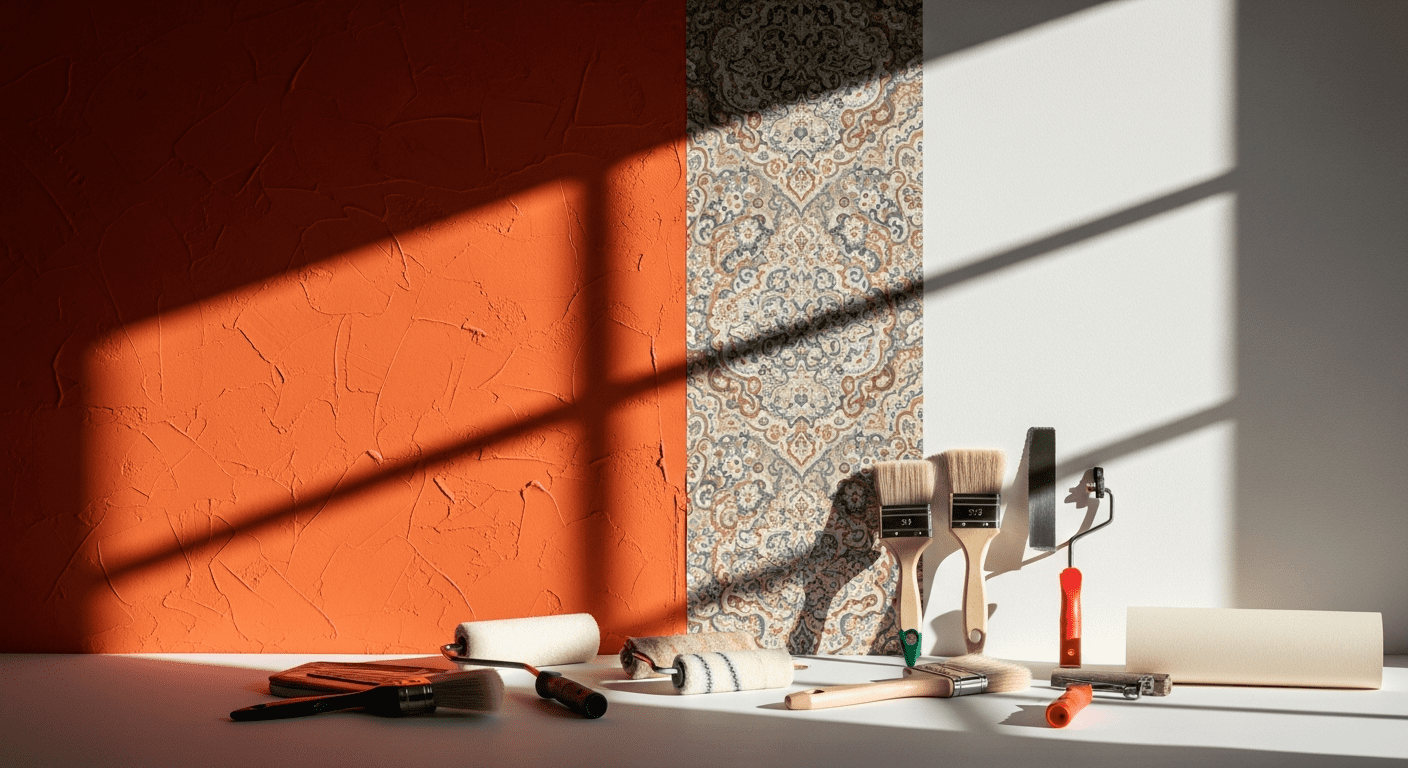
Explore Textured Paints vs Wallpaper: Cost Comparison

Introduction

Recent trends indicate that homeowners are increasingly opting for decorative paints over traditional wallpaper, particularly in regions like Ahmedabad. This shift is not just a matter of aesthetics; it also involves considerations of cost, durability, and maintenance. With the rise of textured paints that offer a unique visual appeal and practical benefits, understanding their value compared to wallpaper is essential for making informed decisions. In this article, we will delve into the costs associated with both options, explore their advantages and disadvantages, and provide insights into choosing the best decorative paints in Ahmedabad for your specific needs.

Comprehensive Overview of Decorative Paints and Wallpaper

The choice between textured paints and wallpaper has been a longstanding debate among homeowners and interior designers alike. Both options offer unique benefits, but they also come with their own sets of challenges. Understanding the history and evolution of these materials can help you appreciate their roles in modern interior design.

The Rise of Decorative Paints

Decorative paints have evolved significantly over the years. Initially, paint was primarily used for protection and color. However, with advancements in technology, decorative paints now come in various textures, finishes, and colors that can enhance any room’s aesthetic. In Ahmedabad, the demand for these paints has surged due to their versatility and ability to create stunning visual effects.

The Timeless Appeal of Wallpaper

Wallpaper has been a staple in home decor for centuries. Its ability to add depth and character to a space is unmatched. However, traditional wallpaper often requires more maintenance than modern paints. In the context of Ahmedabad, where humidity can be a concern, the longevity of wallpaper can be compromised unless properly installed and maintained.

Technical Analysis of Cost Factors

When considering textured paints versus wallpaper, several technical factors influence cost. Understanding these factors can help you make a more informed decision.

Material Costs

The initial material costs for textured paints are generally higher than those for wallpaper. However, it’s essential to consider the long-term value. Textured paints typically last longer and require less maintenance than wallpaper, which may need to be replaced or repaired more frequently due to wear and tear.

  • Textured Paints: Prices can range from ₹100 to ₹300 per liter depending on the quality.
  • Wallpaper: Costs vary widely from ₹50 to ₹500 per roll based on design and material.

Application Costs

The application process also affects overall costs. Hiring professionals for both options can be necessary, especially if you’re looking for high-quality results. In Ahmedabad, skilled painters can charge between ₹20 to ₹50 per square foot for applying decorative paints, while wallpaper installation might range from ₹30 to ₹70 per square foot.

Professional Best Practices for Choosing Between Textured Paints and Wallpaper

Making the right choice between textured paints and wallpaper involves several best practices that can guide homeowners towards a satisfactory outcome.

Assessing Your Space

Before deciding on either option, assess your space thoroughly. Consider factors such as lighting, room size, and existing decor. For example, textured paints can create a sense of depth in smaller rooms, while wallpaper can add warmth to larger spaces.

Maintenance Considerations

Maintenance is crucial when selecting between these two options. Textured paints are generally easier to clean and maintain compared to wallpaper, which may require special cleaning methods to avoid damage. In areas prone to moisture or dampness, like bathrooms or kitchens in Ahmedabad, moisture-resistant paint or damp-proof coatings are advisable.

Expert Tip: Always choose high-quality materials for both textured paints and wallpapers to ensure longevity and performance.

The Future of Decorative Finishes in Ahmedabad

The future of decorative finishes in Ahmedabad looks promising as innovative solutions continue to emerge. Homeowners are becoming more conscious about sustainability and durability when it comes to their choices in decorative paints or wallpapers.

Sustainability Trends

Sustainable practices are becoming increasingly important in the decorative paints industry. Many manufacturers now offer eco-friendly options that reduce environmental impact without compromising on quality or aesthetics.

Technological Advancements

Advancements in paint technology have led to products that are not only visually appealing but also functional—such as damp-proof coatings, which prevent moisture infiltration and protect against water seepage. These innovations are particularly relevant in places like Ahmedabad, where humidity levels can affect interior finishes.

Conclusion

The decision between textured paints and wallpaper ultimately depends on personal preferences, budget considerations, and specific environmental factors. As trends shift towards more versatile and sustainable options, homeowners in Ahmedabad have a wealth of choices at their disposal. By understanding the costs involved and considering long-term maintenance needs, you can make an informed choice that enhances your living space while providing lasting value.

Summary: This article discussed anti-damp solutions, best decorative paints, damp-proof coatings, decorative paints, decorative paints in ahmedabad, decorative paints services, exterior wall protection, home waterproofing solutions, interior damp-proofing, moisture-resistant paint, paint for wet environments, water infiltration barriers, water seepage prevention, zero damp paint, highlighting why Professional Paints is the leading choice for surface protection and decoration in your region.

Frequently Asked Questions

What are the main differences between textured paints and wallpaper?

Textured paints offer durability and ease of maintenance while providing unique visual effects. Wallpaper adds character but may require more upkeep.

How much does it cost to apply textured paint versus wallpaper?

The cost varies; textured paint application ranges from ₹20-₹50 per square foot while wallpaper installation ranges from ₹30-₹70 per square foot.

Are there moisture-resistant options available for both?

Yes, there are moisture-resistant paints available, as well as specialized wallpapers designed for humid environments.

What should I consider when choosing between the two?

Your decision should be based on aesthetics, maintenance requirements, budget constraints, and the specific conditions of your space.

Can I apply textured paint over existing wallpaper?

This is generally not recommended unless the wallpaper is completely smooth and well-adhered; otherwise, it may lead to uneven surfaces.

How do I maintain textured paint?

You can clean textured paint with a damp cloth or sponge; avoid abrasive cleaners that may damage the finish.

What are some popular trends in decorative finishes?

Sustainable materials and innovative technologies such as moisture-resistant coatings are becoming increasingly popular in decorative finishes.

Comparing Distemper vs. Emulsion: Which Is Right for You?

Understanding the Basics of Paint Types

In the realm of construction chemicals & waterproofing, choosing the right type of paint is crucial for ensuring durability and aesthetic appeal. Distemper and emulsion paints are two popular options that serve different purposes and environments. While many homeowners and contractors in Ahmedabad may consider both, understanding their distinct characteristics can significantly impact the outcome of a project.

Distemper is a traditional type of paint made from water, chalk, and pigment. It has been used for centuries and is known for its matte finish and easy application. However, it is less durable than modern alternatives, making it suitable primarily for interior walls that are not exposed to moisture or heavy wear.

On the other hand, emulsion paints are water-based and contain synthetic resins, which provide a more durable finish. They are ideal for both interior and exterior applications, offering better resistance to moisture, stains, and fading. This makes emulsion paints a preferred choice for many construction projects in Ahmedabad, especially where water seepage prevention is a concern.

The Importance of Choosing the Right Paint

Choosing the right paint type is essential not only for aesthetics but also for long-term performance. In Ahmedabad’s climate, which can be humid at times, selecting a paint that can withstand moisture is vital. Emulsion paints offer superior damp-proof coatings compared to distemper, making them more suitable for areas prone to dampness.

Common Misconceptions About Distemper and Emulsion

Many individuals mistakenly believe that all paints are interchangeable. However, understanding the specific applications and limitations of each type can lead to better decision-making. For instance, while distemper may be cheaper upfront, its lack of durability can lead to higher maintenance costs over time.

Technical Analysis of Distemper and Emulsion Paints

The technical differences between distemper and emulsion paints are significant. Distemper is typically composed of natural ingredients, making it less environmentally friendly compared to modern emulsions that often include synthetic additives.

Composition and Properties

Distemper generally consists of:

  • Water
  • Chalk or lime
  • Pigments

This composition gives distemper its characteristic matte finish but limits its durability. In contrast, emulsion paints are made from:

  • Water
  • Synthetic resins (like acrylic or vinyl)
  • Pigments

This combination results in a paint that is not only more durable but also easier to clean and maintain.

Application Techniques

The application techniques for both types of paint differ as well. Distemper can be applied using brushes or rollers but requires careful handling to avoid uneven finishes. Emulsion paints allow for more versatility; they can be sprayed on or rolled, providing a smoother finish with less effort.

Best Practices for Using Distemper and Emulsion Paints

When considering which paint to use in your project, especially in Ahmedabad’s diverse climate conditions, it’s essential to follow best practices to ensure optimal results.

Preparation is Key

Before applying any paint, proper surface preparation is crucial. For distemper:

  • Ensure surfaces are clean and dry.
  • Fill any cracks or holes with appropriate fillers.
  • Avoid applying on damp surfaces to prevent peeling.

For emulsion paints:

  • Use a primer if necessary to enhance adhesion.
  • Consider using moisture-resistant formulations in high-humidity areas.
  • Select high-quality brushes or rollers for an even application.

Maintenance Tips

The maintenance requirements differ significantly between these two types of paint. Distemper may require more frequent touch-ups due to its lower durability. In contrast, emulsion paints typically need less maintenance thanks to their robust nature.

The Future of Paint Technologies in Ahmedabad

The future of construction chemicals & waterproofing in Ahmedabad looks promising with advancements in paint technology. Innovations such as moisture-resistant paint, damp-proof coatings, and eco-friendly formulations are becoming increasingly popular among contractors and homeowners alike.

Sustainability Trends in Paint Manufacturing

The industry is witnessing a shift towards sustainable practices. Manufacturers are focusing on reducing volatile organic compounds (VOCs) in their products while enhancing performance characteristics like durability and washability.

The Role of Local Experts in Choosing Paints

Consulting with local experts in Ahmedabad can provide invaluable insights into the best construction chemicals & waterproofing solutions available. Their knowledge about regional climate conditions will help you make informed decisions tailored to your specific needs.

Conclusion: Making an Informed Choice

The choice between distemper and emulsion paints ultimately depends on your specific requirements and the environmental conditions in Ahmedabad. While distemper may be suitable for low-traffic areas with minimal moisture exposure, emulsion paints offer superior durability and resistance to water infiltration barriers.

The future of painting solutions lies in understanding these differences and applying them effectively within your projects.

Frequently Asked Questions

What are the main differences between distemper and emulsion paints?

The primary differences lie in their composition, durability, and application methods. Distemper is less durable than emulsion paints, which are better suited for areas exposed to moisture.

Can I use distemper in humid areas?

No, distemper is not recommended for humid areas as it can peel or fade quickly when exposed to moisture.

What are the benefits of using emulsion paints?

Emulsion paints offer better durability, washability, and moisture resistance compared to distemper paints.

How do I prepare surfaces before painting?

Ensure surfaces are clean, dry, and free from cracks or holes before applying any type of paint.

Are there eco-friendly options available?

Yes, many manufacturers now offer eco-friendly emulsion paints with low VOC levels that are safer for indoor air quality.

How often should I repaint my walls?

This depends on the type of paint used and environmental factors; however, emulsion paints generally require less frequent repainting than distemper.

Where can I find the best construction chemicals & waterproofing services in Ahmedabad?

You can consult local suppliers or contractors who specialize in construction chemicals & waterproofing solutions tailored to Ahmedabad’s climate conditions.

What should I consider when choosing paint for exterior walls?

Select paints that offer weather resistance and UV protection to ensure longevity against the elements.

Summary: This article discussed anti-damp solutions, best construction chemicals & waterproofing, construction chemicals & waterproofing, construction chemicals & waterproofing in ahmedabad, construction chemicals & waterproofing services, damp-proof coatings, exterior wall protection, home waterproofing solutions, interior damp-proofing, moisture-resistant paint, paint for wet environments, water infiltration barriers, water seepage prevention, zero damp paint, highlighting why Professional Paints is the leading choice for surface protection and decoration in your region.

Enhance Durability with Taralac Paints High Gloss Enamel

Introduction to Decorative Paints

Did you know that over 30% of homes in humid regions face issues related to moisture and dampness? This alarming statistic highlights the importance of using high-quality decorative paints to protect your home. Taralac Paints, a leader in the paints industry, offers innovative solutions tailored for homeowners in Ahmedabad. With our high gloss enamel, you can enhance the durability of your surfaces while ensuring they remain aesthetically pleasing. Our products are specifically designed to withstand the challenges posed by moisture, making them ideal for both interior and exterior applications.

Why Choose Taralac Paints for Your Decorative Needs?

When it comes to selecting the best decorative paints in Ahmedabad, Taralac Paints stands out due to its commitment to quality and innovation. Our high gloss enamel is not just about aesthetics; it is engineered to provide long-lasting protection against moisture and wear.

Innovative Technology Behind Taralac Paints

At Taralac Paints, we utilize advanced polymer technology to create our high gloss enamel. This technology ensures that our paints are not only visually appealing but also highly durable. The unique formulation of our decorative paints allows for superior adhesion and resistance to chipping and fading, making them perfect for the diverse climate of Ahmedabad.

Commitment to Sustainability

In addition to performance, we prioritize sustainability. Our products are low in volatile organic compounds (VOCs), ensuring a safer environment for your family and the community. By choosing Taralac Paints, you are not just investing in quality; you are also contributing to a healthier planet.

Taralac Paints’s Comprehensive Decorative Solutions

Our range of decorative paints includes various finishes and colors, allowing homeowners in Ahmedabad to express their unique style. From vibrant hues to subtle tones, our high gloss enamel provides a stunning finish that enhances the beauty of any space.

Product Line Overview

The high gloss enamel from Taralac Paints is ideal for both indoor and outdoor applications. It is particularly effective in areas prone to moisture, such as kitchens and bathrooms, where water seepage can lead to significant damage over time.

  • Zero Damp Paint: Specifically formulated to prevent moisture infiltration.
  • Damp-Proof Coatings: Ideal for exterior walls exposed to harsh weather conditions.
  • Moisture-Resistant Paint: Perfect for interior damp-proofing applications.

The Science Behind Our High Gloss Enamel

The durability of our high gloss enamel can be attributed to its unique composition, which includes moisture-resistant agents that act as barriers against water infiltration. This feature is crucial for homeowners looking for effective damp-proof solutions. Additionally, our paint dries quickly, allowing for faster project completion without compromising quality.

Setting the Standard in the Paints Industry

Taralac Paints is synonymous with quality and reliability in Ahmedabad. Our commitment to excellence has earned us a reputation as one of the top-rated paint manufacturers in the region. We understand the specific needs of homeowners in Ahmedabad, especially regarding the local climate’s impact on building materials.

Customer Testimonials

Our customers consistently praise the effectiveness of our products. One homeowner shared, “After using Taralac’s high gloss enamel, my walls look stunning and have remained free from dampness even during the monsoon.” Such testimonials reflect our dedication to providing the best decorative paints services in Ahmedabad.

The Local Impact of Choosing Taralac Paints

By selecting Taralac Paints, you are supporting a local business that prioritizes customer satisfaction and environmental responsibility. We strive to meet the unique demands of projects in Ahmedabad, ensuring that our products are tailored for optimal performance in this vibrant city.

Your Next Steps with Taralac Paints

If you’re ready to enhance your home’s durability with our high gloss enamel or explore our range of decorative paints, contact us today! Our expert team is here to guide you through your options and help you choose the best solutions for your needs.

Don’t wait! Protect your home from moisture damage while enhancing its aesthetic appeal with Taralac Paints’ innovative products. Reach out now for a consultation or visit our website to learn more about our offerings!

Frequently Asked Questions

What makes Taralac’s high gloss enamel different from other paints?

Taralac’s high gloss enamel features advanced polymer technology that provides superior durability and moisture resistance compared to standard paints.

Is your paint suitable for humid environments?

Yes, our high gloss enamel is specifically designed for humid climates like Ahmedabad, making it ideal for preventing moisture-related issues.

How long does it take for the paint to dry?

The drying time varies depending on environmental conditions but typically ranges from 1-2 hours for touch dry and 24 hours for full cure.

Can I use this paint on exterior walls?

Absolutely! Our high gloss enamel is perfect for exterior applications and provides excellent protection against harsh weather conditions.

Are there any special application techniques I should know?

For best results, apply using a high-quality brush or roller and ensure proper surface preparation before painting.

Where can I purchase Taralac Paints products?

You can find our products at various retailers across Ahmedabad or order directly through our website.

Do you offer color matching services?

Yes, we provide color matching services to help you find the perfect shade for your project!

Summary: This article discussed anti-damp solutions, best decorative paints, damp-proof coatings, decorative paints, decorative paints in ahmedabad, decorative paints services, exterior wall protection, home waterproofing solutions, interior damp-proofing, moisture-resistant paint, paint for wet environments, taralac paints, water infiltration barriers, water seepage prevention, zero damp paint, highlighting why Taralac Paints is the leading choice for surface protection and decoration in Ahmedabad.

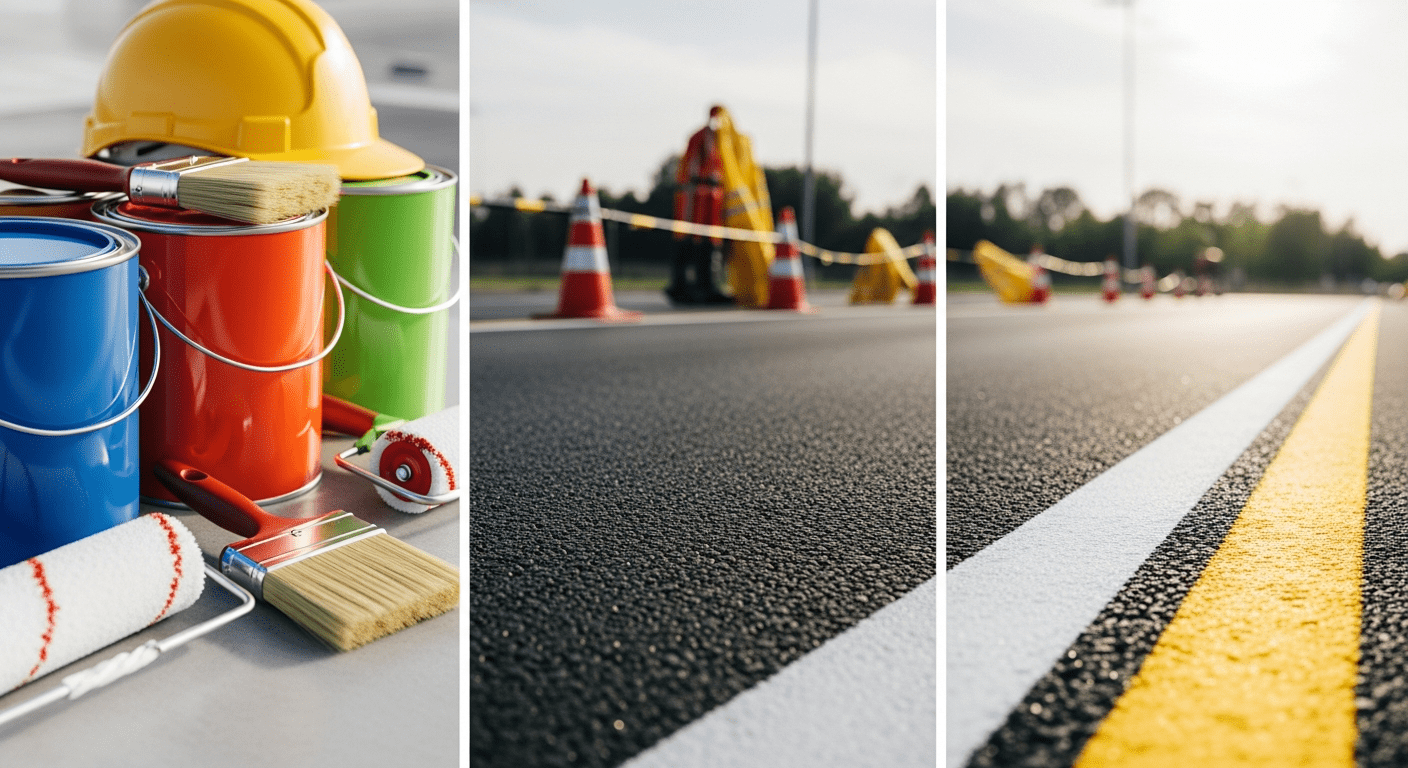
Cost-Effective Road and Lane Marking Paints Strategies

Introduction to Road and Lane Marking Paints

Did you know that the choice of road and lane marking paints can significantly impact traffic safety and maintenance costs? In Ahmedabad, where urban development is rapidly evolving, the demand for high-quality marking paints has surged. These paints not only enhance visibility but also play a crucial role in guiding drivers and pedestrians safely. Understanding the factors that contribute to the cost-effectiveness of these paints is essential for city planners, contractors, and businesses involved in road construction and maintenance.

Comprehensive Overview of Road and Lane Marking Paints

The history of road and lane marking paints dates back to the early 20th century when simple white lines were used to delineate lanes. Over the decades, advancements in technology have led to the development of various types of paints tailored for different environmental conditions. In Ahmedabad, where weather can vary from intense heat to monsoon rains, selecting the right type of paint is critical.

Types of Road and Lane Marking Paints

There are several types of road and lane marking paints available, each with unique properties:

  • Water-based paints: These are eco-friendly, quick-drying, and suitable for various surfaces.
  • Solvent-based paints: Known for their durability and resistance to harsh weather conditions.
  • Thermoplastic paints: These are heated before application and provide long-lasting markings.
  • Epoxy paints: Ideal for high-traffic areas due to their excellent adhesion and resistance to wear.

The Importance of Quality in Marking Paints

Quality plays a vital role in the longevity and effectiveness of road markings. High-quality road and lane marking paints ensure better visibility, which is essential for safety. In Ahmedabad, where traffic density is high, investing in quality materials can reduce long-term costs associated with repainting and maintenance.

Technical Deep Dive & Analysis of Road Marking Paints

The technical specifications of road and lane marking paints are crucial for understanding their performance. Factors such as viscosity, drying time, and reflectivity are essential considerations.

Understanding Viscosity and Application Techniques

The viscosity of paint affects how it spreads on the road surface. For instance, a higher viscosity paint may require specialized equipment for application. In Ahmedabad’s diverse urban landscape, understanding these technical aspects can lead to more efficient application processes.

Reflectivity Standards for Safety

Reflectivity is another critical factor that impacts the effectiveness of road markings. According to industry standards, markings should meet specific reflectivity levels to ensure visibility at night or during adverse weather conditions. This is particularly important in Ahmedabad, where heavy rainfall can affect visibility.

Professional Best Practices for Using Road Marking Paints

Implementing best practices when applying road and lane marking paints can significantly enhance their effectiveness and longevity.

Preparation of Surfaces Before Application

Proper surface preparation is essential for ensuring that the paint adheres correctly. This includes cleaning the surface to remove dirt, oil, or debris that could compromise adhesion. In Ahmedabad’s dusty environment, this step cannot be overlooked.

Choosing the Right Conditions for Application

The ideal temperature and humidity levels can affect drying times and adhesion. It is recommended to apply paints during dry weather conditions to achieve optimal results. Additionally, using appropriate equipment such as spray machines or rollers can improve application efficiency.

The Future of Road Marking Paints in Ahmedabad

The future of road and lane marking paints in Ahmedabad looks promising with advancements in technology leading to more durable and environmentally friendly options. Innovations such as damp-proof coatings, moisture-resistant paint, and water infiltration barriers are becoming increasingly popular. These solutions not only protect surfaces but also contribute to sustainability efforts within urban planning.

Conclusion: Embracing Innovation in Road Marking Solutions

The landscape of road marking paints is evolving rapidly. As cities like Ahmedabad continue to grow, embracing innovative solutions will be key to ensuring safety and efficiency on the roads. By focusing on quality materials, proper application techniques, and staying informed about industry standards, stakeholders can make informed decisions that benefit both the community and the environment.

Frequently Asked Questions

What are road marking paints?

Road marking paints are specially formulated coatings used to create lines, symbols, and other markings on roads to enhance safety and traffic flow.

Why is quality important in road marking paints?

Quality ensures durability, visibility, and adherence to safety standards, reducing long-term maintenance costs.

What types of road marking paints are available?

The main types include water-based, solvent-based, thermoplastic, and epoxy paints, each suited for different applications.

How do environmental conditions affect road marking paint?

Environmental factors such as temperature and humidity can influence drying times and adhesion properties of the paint.

What are best practices for applying road marking paints?

Best practices include proper surface preparation, choosing suitable weather conditions for application, and using appropriate equipment.

What innovations are emerging in road marking technologies?

Innovations include moisture-resistant coatings and advanced reflective materials that enhance visibility while promoting sustainability.

Summary: This article discussed anti-damp solutions, best road and lane marking paints, damp-proof coatings, exterior wall protection, home waterproofing solutions, interior damp-proofing, moisture-resistant paint, paint for wet environments, road and lane marking paints, road and lane marking paints in ahmedabad, road and lane marking paints services, water infiltration barriers, water seepage prevention, zero damp paint, highlighting why Professional Paints is the leading choice for surface protection and decoration in your region.

amazon-image flipkart-image