
Explore Vibrant Decorative Paints for Stunning Homes

Introduction to Decorative Paints

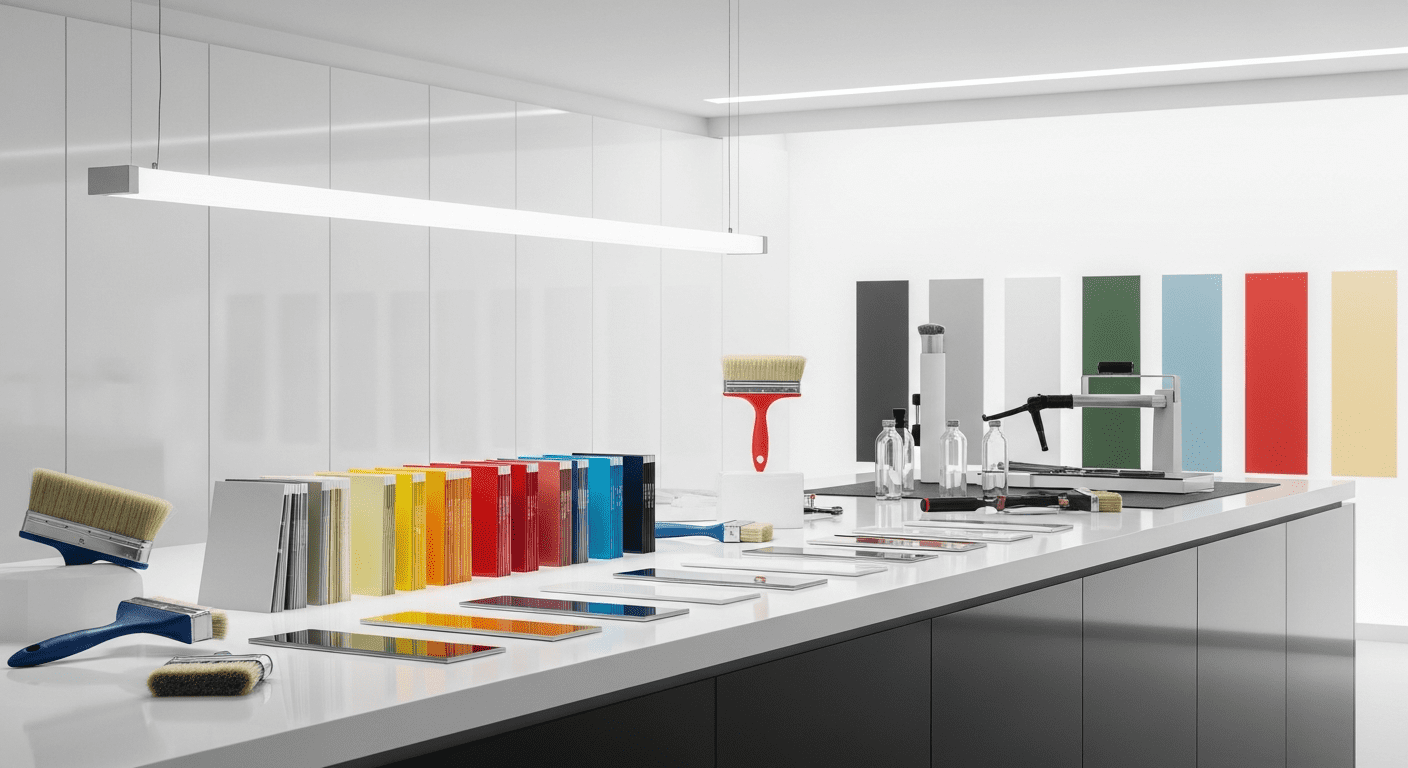
Did you know that the right choice of decorative paints can significantly enhance the aesthetic appeal of your home while also providing essential protective features? In Ahmedabad, where humidity and moisture can pose challenges, selecting the best decorative paints is crucial. These paints not only beautify surfaces but also offer solutions like damp-proof coatings and moisture-resistant paint, making them ideal for various environments. This article delves into the world of decorative paints, exploring their benefits, applications, and best practices for homeowners and professionals alike.

The Importance of Decorative Paints in Modern Homes

Decorative paints have evolved significantly over the years, becoming more than just a means to add color to walls. They now serve multiple functions, including protection against environmental factors and enhancing interior design. In Ahmedabad, where the climate can be challenging, choosing the right type of paint is essential for long-lasting results.

Types of Decorative Paints

There are various types of decorative paints available, each suited for different applications:

  • Acrylic Paints: Known for their durability and quick drying time, acrylic paints are ideal for both interior and exterior surfaces.
  • Enamel Paints: These provide a hard, glossy finish that is resistant to stains and scratches, making them perfect for high-traffic areas.
  • Textured Paints: These add depth and character to walls, allowing homeowners to create unique designs.

Benefits of Using Decorative Paints

The use of decorative paints comes with numerous advantages:

  • Aesthetic Appeal: They enhance the visual appeal of any space.
  • Protection: Many decorative paints come with features like damp-proof coatings, providing protection against moisture.
  • Versatility: Available in a wide range of colors and finishes, they can be tailored to suit any design preference.

Technical Analysis of Decorative Paints

The technical aspects of decorative paints are crucial for understanding their performance and suitability for various applications. In Ahmedabad, where environmental conditions can vary greatly, it is essential to choose paints that meet specific standards.

Moisture Resistance and Durability

One of the most critical factors in selecting decorative paints is their ability to resist moisture. Products like zero damp paint are designed specifically to prevent water seepage and protect surfaces from damage. This is particularly important in areas prone to water infiltration.

Application Techniques

The application of decorative paints requires skill and knowledge to achieve the desired finish. Here are some best practices:

  • Surface Preparation: Ensure that surfaces are clean, dry, and free from contaminants before applying paint.
  • Proper Tools: Use high-quality brushes or rollers suited for the type of paint being applied.
  • Layering: Apply multiple thin layers rather than one thick layer to avoid drips and ensure even coverage.

Professional Best Practices for Decorative Paints

To achieve the best results with decorative paints, professionals recommend following these best practices:

Selecting the Right Product

Selecting the appropriate product based on the environment is vital. For instance, using paint for wet environments in areas prone to moisture can prevent issues like mold growth and peeling.

Sustainability Considerations

Sustainable options are increasingly popular in the decorative paints industry. Look for products that are low in volatile organic compounds (VOCs) to minimize environmental impact while ensuring safety indoors.

The Future of Decorative Paints in Ahmedabad

The future of decorative paints looks promising as innovations continue to emerge. With advancements in technology, we can expect more eco-friendly options that offer enhanced performance. As homeowners in Ahmedabad become more aware of these advancements, the demand for high-quality decorative paints will likely increase.

The trend towards sustainability will shape the industry significantly. Homeowners are now looking for solutions that not only beautify their spaces but also contribute positively to the environment. This shift presents an opportunity for manufacturers and service providers in Ahmedabad to innovate and offer products that meet these evolving needs.

Frequently Asked Questions

What are decorative paints?

Decorative paints are specially formulated coatings used to enhance the aesthetic appeal of surfaces while providing protective features against environmental factors.

Why is moisture resistance important in decorative paints?

Moisture resistance is crucial as it prevents water damage, mold growth, and deterioration of surfaces, especially in humid climates like Ahmedabad.

What types of surfaces can be painted with decorative paints?

Decorative paints can be applied on various surfaces including walls, ceilings, woodwork, and metal surfaces depending on the type of paint used.

How do I choose the best decorative paint for my home?

Selecting the best decorative paint involves considering factors such as durability, moisture resistance, color preferences, and application methods suitable for your environment.

Are there eco-friendly options available?

Yes, many manufacturers now offer eco-friendly decorative paints that are low in VOCs and made from sustainable materials.

How can I ensure a professional finish when painting?

A professional finish can be achieved by properly preparing surfaces, using quality tools, applying multiple thin coats, and allowing adequate drying time between layers.

What should I do if my painted surface starts peeling?

If peeling occurs, it may indicate poor surface preparation or moisture issues. It’s essential to address underlying problems before repainting.

Where can I find the best decorative paints in Ahmedabad?

The best decorative paints in Ahmedabad can be found at local hardware stores or specialty paint retailers that offer a wide range of products tailored to regional needs.

Summary: This article discussed anti-damp solutions, best decorative paints, damp-proof coatings, decorative paints, decorative paints in ahmedabad, decorative paints services, exterior wall protection, home waterproofing solutions, interior damp-proofing, moisture-resistant paint, paint for wet environments, water infiltration barriers, water seepage prevention, zero damp paint, highlighting why Professional Paints is the leading choice for surface protection and decoration in your region.
Protect Your Terrace with Effective Surface Protection Solut

Introduction to Decorative Paints and Their Importance

Did you know that improper surface protection can lead to significant structural damage in homes? In regions like Ahmedabad, where humidity levels can fluctuate, the need for effective protective coatings is paramount. Decorative paints not only enhance the aesthetic appeal of a property but also serve as a barrier against moisture, ensuring that your terrace remains safe from water infiltration and dampness. This article delves into the various types of decorative paints available, their applications, and why they are crucial for maintaining the integrity of your home.

Comprehensive Overview of Decorative Paints

The decorative paints industry has evolved significantly over the years, particularly in response to environmental challenges. These paints are designed to provide both aesthetic value and functional benefits, such as moisture resistance and durability. In Ahmedabad, homeowners are increasingly opting for paints that not only beautify their spaces but also offer protection against the elements.

Types of Decorative Paints

There are several types of decorative paints available in the market today:

  • Acrylic Paints: Known for their versatility and quick drying time, acrylic paints are ideal for both interior and exterior applications.
  • Enamel Paints: These provide a hard, glossy finish that is resistant to stains and easy to clean.
  • Textured Paints: Perfect for adding depth and character to walls, textured paints can mimic various surfaces.
  • Anti-Damp Solutions: Specifically formulated to prevent moisture penetration, these paints are essential for areas prone to dampness.

The Role of Decorative Paints in Home Protection

In addition to their aesthetic appeal, decorative paints play a crucial role in protecting homes from environmental factors. For instance, moisture-resistant paint is particularly beneficial in areas like Ahmedabad, where water seepage can lead to significant damage over time. By using high-quality decorative paints, homeowners can create effective water infiltration barriers that safeguard their properties.

Technical Analysis of Decorative Paints

The composition and application techniques of decorative paints are vital for achieving optimal results. Understanding these technical aspects can help homeowners make informed decisions when selecting products for their terraces.

Composition of Decorative Paints

Decorative paints typically consist of pigments, binders, solvents, and additives. The quality of these components directly affects the paint’s performance:

  • Pigments: These provide color and opacity. High-quality pigments ensure better coverage and durability.
  • Binders: Binders hold the pigment particles together and adhere them to the surface. Acrylic binders are popular for their flexibility and resistance to cracking.
  • Additives: These enhance specific properties such as drying time, mildew resistance, and flow characteristics.

Application Techniques for Maximum Effectiveness

The application method significantly influences the performance of decorative paints. Here are some best practices:

  • Surface Preparation: Properly prepare surfaces by cleaning them thoroughly to remove dust, grease, or old paint.
  • Priming: Use a primer suitable for the surface type to enhance adhesion and durability.
  • Layering: Apply multiple thin coats rather than one thick coat to achieve better coverage and finish.

Best Practices and Professional Standards in Decorative Paint Application

To ensure long-lasting results when using decorative paints, adhering to professional standards is essential. Here are some expert recommendations:

Choosing the Right Products

Selecting the right type of paint for specific environments is crucial. For example, using damp-proof coatings on terraces exposed to high moisture levels can prevent issues like mold growth and structural damage.

Regular Maintenance

Even the best decorative paints require maintenance. Regular inspections can help identify early signs of wear or damage. Here are some tips:

  • Cleansing: Regularly clean painted surfaces with mild detergents to remove dirt and grime.
  • Touch-ups: Address any chips or scratches promptly to prevent further deterioration.
  • Repainting: Consider repainting every few years to maintain both aesthetic appeal and protective qualities.

The Future of Decorative Paints in Ahmedabad

The decorative paints industry is witnessing a shift towards more sustainable practices. As environmental concerns grow, manufacturers are developing eco-friendly options that reduce harmful emissions while maintaining performance standards. In cities like Ahmedabad, this trend is particularly relevant as consumers become more conscious of their environmental impact.

Sustainable Innovations

The future will likely see an increase in products made from natural materials that offer similar protective qualities without compromising on aesthetics. Homeowners should look out for innovations such as low-VOC (volatile organic compounds) paints that contribute less to air pollution while providing excellent coverage.

The Role of Technology in Paint Development

The integration of technology into paint formulation is paving the way for smarter solutions. For instance, moisture-sensing technologies can alert homeowners about potential dampness issues before they escalate into serious problems. This proactive approach will be crucial in maintaining the integrity of homes across Ahmedabad.

Conclusion: Embracing Protective Solutions for Your Home

The future of home maintenance lies in embracing innovative protective solutions like decorative paints. By investing in high-quality products tailored for specific environments—such as those available in Ahmedabad—homeowners can safeguard their properties against moisture-related issues effectively. As trends evolve towards sustainability and technological advancements, staying informed will empower consumers to make choices that enhance both beauty and durability in their homes.

Summary: This article discussed anti-damp solutions, best decorative paints, damp-proof coatings, decorative paints, decorative paints in ahmedabad, decorative paints services, exterior wall protection, home waterproofing solutions, interior damp-proofing, moisture-resistant paint, paint for wet environments, water infiltration barriers, water seepage prevention, zero damp paint, highlighting why Professional Paints is the leading choice for surface protection and decoration in your region.

Frequently Asked Questions

What are decorative paints?

Decorative paints are specially formulated coatings designed to enhance the aesthetic appeal of surfaces while providing protective qualities against environmental factors.

How do I choose the best decorative paint for my terrace?

Select a paint that offers moisture resistance and durability; consider local climate conditions when making your choice.

What is zero damp paint?

This type of paint is specifically designed to prevent moisture penetration, making it ideal for areas prone to dampness.

Can I apply decorative paint myself?

If you follow proper preparation and application techniques, you can successfully apply decorative paint yourself; however, professional assistance may yield better results.

How often should I repaint my terrace?

A good rule of thumb is every 5-7 years; however, this may vary based on environmental exposure and wear.

What are anti-damp solutions?

Anti-damp solutions are specialized coatings designed to prevent moisture ingress and protect surfaces from damage caused by dampness.

Are there eco-friendly options available?

Yes, many manufacturers now offer eco-friendly decorative paints with low VOC levels that are safer for both health and the environment.

How do I maintain painted surfaces?

Regular cleaning and prompt touch-ups will help maintain the appearance and protective qualities of painted surfaces over time.

Hygiene Coatings: Essential Solutions for Modern Needs

Introduction to Hygiene Coatings

Did you know that over 30% of buildings in humid climates suffer from moisture-related issues? Hygiene coatings are becoming increasingly vital in the construction and maintenance of structures, especially in regions like Ahmedabad, where humidity can lead to significant problems such as mold growth and structural damage. These specialized coatings not only offer protection against moisture but also enhance the overall hygiene of spaces. Understanding the importance of hygiene coatings is crucial for property owners, builders, and facility managers who aim to maintain a safe and healthy environment.

Comprehensive Overview of Hygiene Coatings

Hygiene coatings are designed to provide a barrier against moisture, preventing water seepage and the growth of harmful microorganisms. These coatings are particularly essential in settings such as hospitals, food processing plants, and residential buildings in Ahmedabad. The evolution of hygiene coatings has been driven by the need for improved sanitation and durability in various environments.

The Importance of Hygiene Coatings

In today’s world, where health concerns are paramount, hygiene coatings play a critical role. They help in:

  • Preventing mold and mildew growth.
  • Enhancing the longevity of building materials.
  • Providing easy-to-clean surfaces that resist staining.

Types of Hygiene Coatings

There are several types of hygiene coatings available on the market, each designed for specific applications:

  • Anti-damp solutions: These coatings are specifically formulated to combat moisture ingress.
  • Damp-proof coatings: Ideal for basements and areas prone to water exposure.
  • Moisture-resistant paint: Suitable for kitchens and bathrooms where humidity levels are high.

Technical Deep Dive into Hygiene Coatings

The technical aspects of hygiene coatings involve understanding their composition and how they function to protect surfaces. Most hygiene coatings contain additives that enhance their performance against moisture and microbial growth.

How Hygiene Coatings Work

The effectiveness of hygiene coatings lies in their ability to create a barrier that prevents water infiltration while allowing surfaces to breathe. This is crucial in preventing damage from trapped moisture. Key features include:

  • Water vapor permeability: Allows moisture to escape while blocking liquid water.
  • Antimicrobial properties: Inhibits the growth of bacteria and fungi on surfaces.

Application Techniques for Hygiene Coatings

The application of hygiene coatings requires precision to ensure maximum effectiveness. Here are some best practices:

  • Surface preparation: Ensure surfaces are clean, dry, and free from contaminants.
  • Proper mixing: Follow manufacturer instructions for mixing components to achieve optimal performance.
  • Application method: Use brushes, rollers, or spray equipment depending on the surface area and type of coating.

Professional Best Practices for Hygiene Coatings

Implementing best practices when using hygiene coatings can significantly enhance their effectiveness and longevity. Here are some recommendations:

Maintenance Tips

Regular maintenance is essential for preserving the integrity of hygiene coatings. Consider the following:

  • Routine inspections: Check for signs of wear or damage regularly.
  • Cleansing procedures: Use appropriate cleaning agents that do not degrade the coating.

Selecting the Right Product

Selecting the right hygiene coating is crucial based on environmental conditions. Factors to consider include:

  • Location: Different areas may require specific types of coatings (e.g., bathrooms vs. living rooms).
  • Damp-proofing needs: Assess whether you need a coating that provides additional damp-proofing capabilities.

The Future of Hygiene Coatings in Ahmedabad

The future of hygiene coatings looks promising, especially with advancements in technology leading to more effective solutions. As awareness about health and safety continues to grow, so does the demand for high-quality hygiene coatings in places like Ahmedabad. Innovations such as eco-friendly formulations and smart coatings that change properties based on environmental conditions are on the horizon.

The trend towards sustainability will also influence the development of new products that not only protect against moisture but also contribute positively to indoor air quality. As we move forward, it is essential for industry professionals to stay informed about these advancements to ensure they are using the best hygiene coatings available.

Frequently Asked Questions

What are hygiene coatings?

Hygiene coatings are specialized paints designed to prevent moisture penetration and inhibit microbial growth on surfaces.

Why are hygiene coatings important?

They help maintain a clean environment by preventing mold, mildew, and bacteria growth, which is crucial for health and safety.

Where can I use hygiene coatings?

You can use them in kitchens, bathrooms, hospitals, schools, and any area prone to moisture exposure.

How do I apply hygiene coatings?

The application involves surface preparation, proper mixing, and using suitable application methods like brushing or spraying.

What should I consider when choosing a hygiene coating?

You should consider factors like location, existing moisture issues, and specific needs like damp-proofing capabilities.

Are there eco-friendly options available?

Yes, many manufacturers now offer eco-friendly hygiene coatings that reduce environmental impact while providing effective protection.

How often should I inspect my hygiene coatings?

A routine inspection every 6-12 months is recommended to check for wear or damage and ensure continued effectiveness.

Can I use regular paint instead of hygiene coatings?

No, regular paint does not provide the same level of protection against moisture and microbial growth as specialized hygiene coatings do.

Summary: This article discussed anti-damp solutions, best hygiene coatings, damp-proof coatings, exterior wall protection, home waterproofing solutions, hygiene coatings, hygiene coatings in ahmedabad, hygiene coatings services, interior damp-proofing, moisture-resistant paint, paint for wet environments, water infiltration barriers, water seepage prevention, zero damp paint, highlighting why Professional Paints is the leading choice for surface protection and decoration in your region.

Key Factors in Square Foot Pricing for Waterproofing Solutio

Introduction to Waterproofing Solutions and Their Importance

Waterproofing is a critical aspect of construction and maintenance, particularly in regions prone to moisture issues. Recent studies indicate that nearly 30% of buildings experience water-related problems, leading to structural damage and health risks. This highlights the importance of effective waterproofing solutions, especially in urban areas like Ahmedabad, where rapid development can exacerbate water seepage issues. Understanding the factors that influence square foot pricing for waterproofing solutions is essential for homeowners and contractors alike. This article delves into the various elements that determine costs, ensuring you make informed decisions when selecting the best utility power services for your needs.

Understanding Waterproofing Solutions

Waterproofing solutions encompass a variety of methods and materials designed to prevent water infiltration in buildings. These solutions are crucial for protecting both the interior and exterior of structures from moisture damage. The choice of waterproofing method often depends on several factors, including the type of building, local climate, and specific moisture challenges faced by a region.

Types of Waterproofing Solutions

There are several types of waterproofing solutions available, each with its unique properties and applications:

  • Damp-proof coatings: These are applied to walls to prevent moisture from penetrating through the surface.
  • Moisture-resistant paint: Ideal for areas prone to dampness, these paints provide an additional layer of protection.
  • Water infiltration barriers: These barriers are installed during construction to prevent water from entering the building.
  • Anti-damp solutions: These products are designed to combat existing damp issues in older buildings.

The Role of Utility Power in Waterproofing

Utility power plays a significant role in the application of waterproofing solutions. Properly executed waterproofing requires access to reliable power sources for tools and equipment used during installation. In Ahmedabad, where construction activities are booming, ensuring that utility power is available and efficient can significantly impact project timelines and costs.

Factors Influencing Square Foot Pricing

The pricing of waterproofing solutions can vary widely based on several key factors. Understanding these elements can help you budget effectively and choose the right contractor for your project.

Material Selection

The type of materials used for waterproofing significantly impacts costs. High-quality materials such as damp-proof coatings or advanced moisture-resistant paints may have higher upfront costs but can save money in the long run by reducing maintenance needs. It’s essential to balance initial expenses with long-term benefits when selecting materials.

Labor Costs

Labor costs can vary based on the complexity of the job and the expertise of the workers involved. In Ahmedabad, skilled labor may command higher rates, but investing in experienced professionals often results in better quality work and fewer issues down the line.

Project Size and Scope

The total square footage being treated is another critical factor in pricing. Larger projects may benefit from economies of scale, but they also require careful planning and execution to ensure consistent quality across all areas. Consideration should be given to both interior damp-proofing and exterior wall protection when assessing project size.

Environmental Conditions

The local climate can significantly influence waterproofing needs and costs. Areas with high rainfall or humidity levels, such as parts of Gujarat, may require more robust solutions compared to drier regions. Understanding these environmental factors is crucial for selecting appropriate waterproofing methods that will stand up to local conditions.

Best Practices for Implementing Waterproofing Solutions

To achieve optimal results with waterproofing projects, adhering to best practices is essential. Here are some expert recommendations:

Conduct Thorough Assessments

A comprehensive assessment of the building’s current condition is vital before starting any waterproofing project. This should include identifying existing moisture issues, understanding the building’s architecture, and evaluating environmental factors that could affect performance.

Select Qualified Contractors

Choosing experienced contractors who specialize in waterproofing solutions is crucial. Look for professionals who understand local conditions in Ahmedabad and have a proven track record of successful projects. Verify their credentials and seek references before making a decision.

Utilize Quality Materials

Investing in high-quality materials can significantly enhance the effectiveness of your waterproofing efforts. Products like damp-proof coatings, moisture-resistant paints, and water infiltration barriers should be sourced from reputable suppliers to ensure reliability and performance.

The Future of Waterproofing Solutions

The future of waterproofing solutions is evolving with advancements in technology and materials science. Innovations such as self-healing coatings and sustainable materials are becoming more prevalent, offering exciting possibilities for enhancing building durability against moisture-related issues. As urban areas like Ahmedabad continue to grow, embracing these advancements will be crucial in developing resilient infrastructures capable of withstanding environmental challenges.

Frequently Asked Questions

What are the most common types of waterproofing solutions?

The most common types include damp-proof coatings, moisture-resistant paints, water infiltration barriers, and anti-damp solutions.

How does climate affect waterproofing needs?

The local climate influences the type and robustness of waterproofing solutions required; wetter climates typically need more durable options.

What factors contribute to square foot pricing for waterproofing?

Factors include material selection, labor costs, project size, scope, and environmental conditions.

Why is it important to hire qualified contractors?

Qualified contractors ensure proper installation techniques are used, which is crucial for long-lasting effectiveness of waterproofing solutions.

Can I apply waterproofing solutions myself?

While some homeowners may attempt DIY applications, professional installation is recommended to ensure effectiveness and compliance with local standards.

What role does utility power play in waterproofing projects?

Utility power is essential for operating tools and equipment during installation; reliable power sources enhance efficiency on site.

Are there sustainable options available for waterproofing?

Yes, there are environmentally friendly materials available that provide effective moisture protection while minimizing ecological impact.

How often should waterproofing be reapplied?

This depends on the materials used and local conditions; regular inspections can help determine when reapplication is necessary.

“`

Summary: This article discussed anti-damp solutions, best utility power, damp-proof coatings, exterior wall protection, home waterproofing solutions, interior damp-proofing, moisture-resistant paint, paint for wet environments, utility power, utility power in ahmedabad, utility power services, water infiltration barriers, water seepage prevention, zero damp paint, highlighting why Professional Paints is the leading choice for surface protection and decoration in your region.

Frequently Asked Questions about Key Factors in Square Foot Pricing for Waterproofing Solutions

Why is surface preparation important?

Proper surface preparation ensures better adhesion and longevity of the paint. Taralac Paints recommends cleaning, sanding, and priming before applying the top coat.

Why is surface preparation important?

Proper surface preparation ensures better adhesion and longevity of the paint. Professional Paints recommends cleaning, sanding, and priming before applying the top coat.

Why is surface preparation important?

Proper surface preparation ensures better adhesion and longevity of the paint. Professional Paints recommends cleaning, sanding, and priming before applying the top coat.

Optimize Durability in Paint: Key Factors for Lasting Finish

Understanding the Importance of Durable Paint in Oil & Gas

Did you know that the oil & gas industry is one of the largest consumers of industrial coatings? With the constant exposure to harsh environments, the need for durable paint solutions is paramount. In Ahmedabad, where industrial activities are booming, ensuring that your coatings can withstand extreme conditions is not just beneficial; it’s essential. This article delves into the critical factors that contribute to the longevity and effectiveness of paint used in oil & gas applications.

The Role of Paint in Oil & Gas Operations

In the oil & gas sector, paints serve multiple purposes beyond aesthetics. They provide corrosion resistance, protect against moisture, and enhance safety by improving visibility. The right paint can significantly reduce maintenance costs and extend the lifespan of equipment and structures. For instance, using damp-proof coatings can prevent water infiltration, which is crucial in preventing rust and degradation.

Challenges Faced by Paints in Harsh Environments

Paints used in oil & gas facilities face unique challenges due to their exposure to chemicals, extreme temperatures, and physical wear. In Ahmedabad’s industrial landscape, where humidity levels can fluctuate, moisture-resistant paint becomes critical. Without proper protection, surfaces can suffer from water seepage, leading to costly repairs and operational downtime.

Technical Analysis of Paint Durability Factors

Understanding the technical aspects of paint durability is essential for making informed decisions in the oil & gas sector. Various factors contribute to how well a paint performs over time.

Composition of High-Quality Paints

The composition of paint plays a vital role in its durability. High-quality paints often contain advanced polymers and additives that enhance their resistance to environmental stressors. For example, zero damp paint formulations are designed specifically to combat moisture-related issues, making them ideal for use in wet environments.

Application Techniques That Enhance Longevity

The application method can significantly affect the performance of paint. Proper surface preparation, including cleaning and priming, ensures better adhesion and durability. Moreover, applying multiple thin coats rather than one thick coat can lead to a more resilient finish. In Ahmedabad, where industrial standards are high, following these best practices can make a substantial difference in the longevity of coatings.

Best Practices for Selecting and Applying Paints

Selecting the right paint for your oil & gas applications involves understanding both the product specifications and the environmental conditions it will face.

Choosing the Right Type of Paint

When selecting paints for oil & gas facilities, consider factors such as moisture resistance, chemical compatibility, and UV stability. For example, paints designed for exterior wall protection should be able to withstand UV radiation while also providing a barrier against moisture.

Professional Application Standards

Adhering to professional application standards is crucial for achieving optimal results. This includes following manufacturer guidelines regarding temperature and humidity during application. Additionally, employing trained professionals who understand the nuances of working with industrial coatings can ensure a high-quality finish that lasts.

The Future of Paints in Oil & Gas: Innovations and Trends

The future of paints in the oil & gas industry looks promising with ongoing innovations aimed at enhancing durability and sustainability. Emerging technologies are focusing on creating more environmentally friendly options without compromising performance.

Sustainability Trends in Industrial Coatings

Sustainability is becoming increasingly important in all industries, including oil & gas. Manufacturers are developing low-VOC (volatile organic compounds) paints that minimize environmental impact while still providing excellent durability. In Ahmedabad, where environmental regulations are tightening, adopting these sustainable practices can give companies a competitive edge.

The Role of Technology in Enhancing Paint Performance

Advancements in technology are leading to smarter coatings that can self-heal or change properties based on environmental conditions. These innovations not only improve durability but also reduce maintenance costs over time. As these technologies become more accessible, they will likely revolutionize how paints are used in the oil & gas sector.

Conclusion: Embracing Quality for Longevity

The future of paint durability in the oil & gas industry hinges on understanding key factors such as composition, application techniques, and emerging technologies. As companies in Ahmedabad strive for excellence, investing in high-quality coatings will be crucial for maintaining operational efficiency and reducing long-term costs. The industry is evolving rapidly; therefore, staying informed about advancements will empower professionals to make better choices for their projects.

Frequently Asked Questions

What types of paint are best for oil & gas applications?

The best types of paint for oil & gas applications include moisture-resistant and chemical-resistant formulations designed specifically for harsh environments.

How does moisture affect paint durability?

Moisture can lead to corrosion and degradation of paint finishes; thus, using damp-proof coatings is essential to prevent water infiltration.

What are zero damp paints?

Zero damp paints are specially formulated to resist moisture penetration, making them ideal for use in wet environments common in the oil & gas sector.

Why is surface preparation important before painting?

Proper surface preparation ensures better adhesion and longevity of the paint by removing contaminants that could affect performance.

How often should industrial coatings be inspected?

Industrial coatings should be inspected regularly—at least annually—to identify any signs of wear or damage early on.

What advancements are being made in sustainable paints?

Sustainable paints with low VOC content are being developed to reduce environmental impact while maintaining high performance levels.

Can technology improve paint performance?

Yes, advancements such as self-healing coatings and smart technologies are enhancing paint performance significantly.

Benefits of Using Professional Paints Products

  • Superior coverage and durability
  • Wide range of finishes including matte, gloss, and satin
  • Anti-fungal and dust-resistant properties
  • Wide network of dealers in your region

Summary: This article discussed anti-damp solutions, best oil & gas, damp-proof coatings, exterior wall protection, home waterproofing solutions, interior damp-proofing, moisture-resistant paint, oil & gas, oil & gas in ahmedabad, oil & gas services, paint for wet environments, water infiltration barriers, water seepage prevention, zero damp paint, highlighting why Professional Paints is the leading choice for surface protection and decoration in your region.

Enhance Aesthetics with Construction Chemicals in Ahmedabad

Introduction to Construction Chemicals & Waterproofing

Did you know that the right construction chemicals & waterproofing solutions can dramatically enhance the longevity and aesthetics of your property? In Ahmedabad, where the climate can be harsh and unpredictable, utilizing effective waterproofing methods is not just a luxury but a necessity. With increasing urbanization and the demand for durable structures, understanding the role of construction chemicals in waterproofing is crucial for homeowners and builders alike. This article delves into the importance of these solutions, focusing on their applications, benefits, and best practices to ensure your property remains protected against water damage.

Comprehensive Overview of Construction Chemicals & Waterproofing

The field of construction chemicals & waterproofing has evolved significantly over the years. Initially, traditional methods such as tar-based coatings were used to prevent water seepage. However, advancements in technology have led to the development of modern solutions that offer superior protection and aesthetic appeal. In Ahmedabad, where monsoon rains can lead to severe water infiltration issues, these innovations are particularly relevant.

Historical Context of Waterproofing Solutions

Historically, waterproofing was often an afterthought in the construction process. Builders relied on materials like clay and bitumen, which provided limited protection against moisture. As urban development accelerated, especially in cities like Ahmedabad, the need for more effective solutions became apparent. Today, damp-proof coatings, moisture-resistant paint, and advanced sealants are integral to modern construction practices.

The Importance of Modern Waterproofing Techniques

Modern waterproofing techniques not only protect structures from water damage but also enhance their aesthetic value. For instance, using zero damp paint not only prevents moisture ingress but also provides a clean and attractive finish. Furthermore, these products are designed to withstand the specific challenges posed by Ahmedabad’s climate, making them ideal for both residential and commercial properties.

Technical Deep Dive into Construction Chemicals & Waterproofing

A thorough understanding of the technical aspects of construction chemicals & waterproofing is essential for effective application. These products are formulated to create barriers against water infiltration while allowing structures to breathe. This balance is crucial in preventing mold growth and structural damage.

How Waterproofing Works

The primary function of waterproofing materials is to create a barrier that prevents water from penetrating through surfaces. This is achieved through various mechanisms:

  • Hydrophobic Coatings: These repel water at a molecular level, preventing it from adhering to surfaces.
  • Membrane Systems: These involve applying a physical barrier that blocks water ingress.
  • Chemical Sealants: These penetrate materials and form a protective layer that resists moisture.

Examples of Effective Waterproofing Solutions

In Ahmedabad, several types of waterproofing solutions are commonly used:

  • Damp-Proof Coatings: Ideal for basements and foundations.
  • Moisture-Resistant Paint: Suitable for interior damp-proofing.
  • Water Infiltration Barriers: Used in exterior wall protection.

Best Practices for Applying Construction Chemicals & Waterproofing

To maximize the effectiveness of construction chemicals & waterproofing, following best practices during application is essential. Here are some expert recommendations:

Preparation is Key

Before applying any waterproofing solution, ensure that surfaces are clean and free from debris. This preparation helps in achieving better adhesion and effectiveness of the product.

Choosing the Right Product for Your Needs

Select products based on specific requirements such as location (interior vs exterior), environmental conditions, and surface types. Consulting with local experts in Ahmedabad can provide valuable insights into selecting the best construction chemicals for your project.

The Future of Construction Chemicals & Waterproofing in Ahmedabad

The future of construction chemicals & waterproofing looks promising with ongoing research and innovation. As sustainability becomes a priority in construction practices, eco-friendly waterproofing solutions are gaining traction. These products not only protect buildings but also contribute to environmental conservation by reducing waste and energy consumption.

The demand for high-performance materials will continue to rise as urban areas expand and climate challenges increase. Forward-thinking professionals in Ahmedabad are already adapting to these trends by incorporating advanced technologies into their projects.

Frequently Asked Questions

What are construction chemicals?

Construction chemicals are specialized products used to enhance the durability and performance of building materials. They include adhesives, sealants, and waterproofing agents.

Why is waterproofing important?

Waterproofing is crucial for preventing water damage, mold growth, and structural deterioration in buildings.

What types of waterproofing solutions are available?

Common types include damp-proof coatings, moisture-resistant paints, and membrane systems designed for various applications.

How do I choose the right waterproofing solution?

Select a solution based on your specific needs, such as surface type, environmental conditions, and whether it’s for interior or exterior use.

Can I apply waterproofing myself?

While some products can be applied by homeowners, professional application is recommended for best results, especially in critical areas like basements.

What are the benefits of using eco-friendly waterproofing products?

Eco-friendly products reduce environmental impact while providing effective moisture protection without harmful chemicals.

How often should I reapply waterproofing solutions?

This depends on the product used and environmental conditions; regular inspections can help determine when reapplication is necessary.

Where can I find construction chemicals & waterproofing services in Ahmedabad?

You can find various suppliers and experts specializing in construction chemicals & waterproofing services throughout Ahmedabad.

Summary: This article discussed anti-damp solutions, best construction chemicals & waterproofing, construction chemicals & waterproofing, construction chemicals & waterproofing in ahmedabad, construction chemicals & waterproofing services, damp-proof coatings, exterior wall protection, home waterproofing solutions, interior damp-proofing, moisture-resistant paint, paint for wet environments, water infiltration barriers, water seepage prevention, zero damp paint, highlighting why Professional Paints is the leading choice for surface protection and decoration in your region.

Explore UV-Protective Paint for Transportation & Infrastruct

Introduction to UV-Protective Paint in Transportation & Infrastructure

Recent studies have shown that UV-protective paint can extend the lifespan of structures significantly, making it a critical innovation in the transportation & infrastructure sector. In Ahmedabad, where the climate can be harsh, the need for durable and resilient materials is paramount. This type of paint not only protects surfaces from fading and degradation caused by sunlight but also enhances the overall aesthetic appeal of public and private infrastructures. The importance of transportation & infrastructure in Ahmedabad cannot be overstated, as it forms the backbone of economic growth and urban development.

Comprehensive Overview of UV-Protective Paint

UV-protective paint is specifically designed to shield surfaces from the damaging effects of ultraviolet radiation. This paint is particularly relevant in the context of transportation & infrastructure, where structures like bridges, roads, and buildings are exposed to environmental stressors.

The Importance of UV Protection

UV rays can cause significant damage to materials over time, leading to costly repairs and replacements. In Ahmedabad, the intense sun can accelerate this deterioration. By using UV-protective paint, structures can maintain their integrity and appearance for much longer periods.

Applications in Transportation & Infrastructure

This type of paint is used extensively across various applications within the transportation & infrastructure sector:

  • Bridges: Protecting steel and concrete from corrosion.
  • Roads: Enhancing visibility and safety through reflective coatings.
  • Buildings: Maintaining aesthetic appeal while providing weather resistance.

Technical Deep Dive into UV-Protective Paint

Understanding the technical aspects of UV-protective paint is crucial for its effective application in transportation & infrastructure. These paints are formulated with specific resins and additives that enhance their protective qualities.

Composition and Mechanism

The primary components of UV-protective paints include:

  • Acrylic Resins: Provide flexibility and durability.
  • UV Absorbers: Prevent degradation of the paint film.
  • Reflective Pigments: Enhance thermal performance by reflecting sunlight.

This unique composition allows UV-protective paints to form a barrier against moisture and pollutants while reflecting harmful rays that would otherwise penetrate deeper into the material.

Performance Standards

The effectiveness of UV-protective paints is often measured against industry standards. In Ahmedabad, compliance with local regulations ensures that these products meet safety and performance benchmarks essential for public works projects.

Best Practices for Applying UV-Protective Paint

To maximize the benefits of UV-protective paint in transportation & infrastructure, adherence to best practices during application is essential.

Preparation Steps

Before applying UV-protective paint, proper surface preparation is critical:

  • Cleansing: Remove dirt, grease, and old paint layers.
  • Patching: Repair any surface imperfections to ensure a smooth finish.
  • Drying: Ensure surfaces are completely dry before application.

Application Techniques

The method of application can significantly impact the performance of the paint. Techniques such as spray application or brush application should be chosen based on the specific project requirements. In Ahmedabad’s varied climate conditions, ensuring even coverage will enhance durability and protection against moisture infiltration.

The Future of UV-Protective Paint in Ahmedabad’s Transportation & Infrastructure

The future of transportation & infrastructure in Ahmedabad looks promising with advancements in UV-protective paint technology. As urbanization continues to rise, so does the demand for sustainable and long-lasting materials. Innovations such as eco-friendly formulations and smart coatings that adapt to environmental changes are on the horizon.

The integration of these advanced coatings will not only improve the longevity of structures but also contribute to energy efficiency by reducing heat absorption. As professionals in the field embrace these technologies, we can expect a significant transformation in how we approach infrastructure development in Ahmedabad.

“The future of transportation & infrastructure relies on innovative solutions that prioritize sustainability and resilience.” – Industry Expert

Conclusion: Embracing Innovation for Sustainable Growth

The implementation of UV-protective paint represents a significant step toward enhancing the durability and aesthetic quality of structures within Ahmedabad’s transportation & infrastructure sector. As we move forward, embracing these innovations will be crucial for sustainable growth. By prioritizing materials that offer long-term protection against environmental stressors, we can ensure that our infrastructures remain robust and visually appealing for generations to come.

Summary: This article discussed anti-damp solutions, best transportation & infrastructure, damp-proof coatings, exterior wall protection, home waterproofing solutions, interior damp-proofing, moisture-resistant paint, paint for wet environments, transportation & infrastructure, transportation & infrastructure in ahmedabad, transportation & infrastructure services, water infiltration barriers, water seepage prevention, zero damp paint, highlighting why Professional Paints is the leading choice for surface protection and decoration in your region.

Frequently Asked Questions

What is UV-protective paint?

UV-protective paint is specially formulated to protect surfaces from ultraviolet radiation, preventing degradation and extending lifespan.

How does UV protection benefit transportation & infrastructure?

This protection helps maintain structural integrity and appearance while reducing maintenance costs over time.

What are common applications for UV-protective paint?

This paint is commonly used on bridges, roads, buildings, and other structures exposed to sunlight.

What should be considered when applying this type of paint?

Surface preparation, application technique, and environmental conditions are critical factors for successful application.

Are there eco-friendly options available?

Yes, many manufacturers are developing eco-friendly formulations that reduce environmental impact while maintaining performance standards.

How can I ensure compliance with local regulations?

Consulting with local authorities or industry experts can help ensure that your projects meet all necessary standards and regulations.

Enhance Durability with Premium Tank Coating & Liners

Introduction to Tank Coating & Liners

Did you know that improper tank coatings can lead to severe structural damage and costly repairs? In the industrial sector, tank coating & liners play a critical role in protecting storage tanks from moisture, corrosion, and chemical exposure. This is especially important in regions like Ahmedabad, where humidity levels can exacerbate these issues. Understanding the key factors that contribute to the effectiveness of tank coatings is essential for businesses looking to enhance durability and longevity.

Comprehensive Overview of Tank Coating & Liners

The history of tank coatings dates back decades, evolving from basic protective measures to advanced formulations designed for specific industrial applications. Today, tank coating & liners are engineered to withstand extreme conditions, including temperature fluctuations and chemical exposure. In Ahmedabad, industries such as petrochemicals, water treatment, and food processing rely heavily on these protective solutions.

The Importance of Moisture Resistance

Moisture ingress is one of the leading causes of tank failure. Effective moisture-resistant paint can prevent water seepage, which is particularly crucial in humid environments like Ahmedabad. By utilizing advanced damp-proof coatings, businesses can significantly reduce the risk of corrosion and extend the lifespan of their tanks.

Types of Tank Coatings Available

There are various types of tank coatings available in the market today, each serving different purposes:

  • Epoxy Coatings: Known for their strong adhesion and chemical resistance.
  • Polyurethane Coatings: Flexible and durable, ideal for tanks exposed to varying temperatures.
  • Cementitious Coatings: Excellent for waterproofing and protecting against water infiltration.

Technical Deep Dive into Tank Coating & Liners

A technical analysis of tank coating & liners reveals several critical factors that influence their performance. These include the type of resin used, application methods, and curing processes.

The Role of Resin in Coatings

The choice of resin is vital for determining the durability and effectiveness of a coating. For instance, epoxy resins provide superior adhesion and chemical resistance, making them ideal for harsh environments. In contrast, polyurethane resins offer flexibility and UV resistance, which is beneficial for outdoor applications.

Application Techniques for Optimal Performance

The application method can significantly impact the performance of tank coatings. Techniques such as spray application or brush application can affect the thickness and uniformity of the coating. Proper surface preparation is also crucial; any contaminants on the surface can lead to adhesion failures.

Professional Best Practices for Tank Coating & Liners

Implementing best practices in the application and maintenance of tank coating & liners can lead to enhanced durability and cost savings over time.

Surface Preparation Checklist

A thorough surface preparation checklist includes:

  • Cleaning the surface to remove dirt, grease, and rust.
  • Ensuring proper surface profiling for better adhesion.
  • Conducting moisture tests to ensure suitability for coating application.

Maintenance Tips for Longevity

Regular maintenance is essential for extending the life of tank coatings. Here are some actionable tips:

  • Routine Inspections: Schedule periodic inspections to identify any signs of wear or damage early.
  • Cleansing Procedures: Implement cleaning procedures to remove contaminants that may compromise the coating’s integrity.
  • Reapplication Strategies: Develop a reapplication strategy based on environmental conditions and usage patterns.

The Future of Tank Coating & Liners in Ahmedabad

The future of tank coating & liners looks promising with advancements in technology leading to more effective solutions. Innovations such as self-healing coatings and eco-friendly materials are gaining traction. As industries in Ahmedabad continue to evolve, staying informed about these trends will be crucial for maintaining competitive advantages.

The demand for high-quality coatings that provide robust protection against moisture and corrosion will only increase as businesses strive for sustainability and efficiency. Forward-thinking professionals are already exploring new formulations that not only protect but also contribute to environmental sustainability.

Frequently Asked Questions

What are tank coatings?

Tank coatings are protective layers applied to storage tanks to prevent corrosion, moisture ingress, and chemical exposure.

Why are moisture-resistant paints important?

Moisture-resistant paints help prevent water seepage, which can lead to corrosion and structural damage in tanks.

What types of tank coatings are available?

The main types include epoxy, polyurethane, and cementitious coatings, each serving different protective purposes.

How do I prepare a surface before applying a tank coating?

The surface should be cleaned thoroughly, profiled properly, and tested for moisture content before applying any coating.

What maintenance practices should I follow?

Regular inspections, cleaning procedures, and timely reapplication strategies are essential for maintaining tank coatings effectively.

What innovations are shaping the future of tank coatings?

The future includes advancements like self-healing coatings and eco-friendly materials aimed at enhancing durability while promoting sustainability.

Where can I find the best tank coating services in Ahmedabad?

You can find expert services by researching local providers who specialize in industrial coatings tailored to your specific needs.

How often should I inspect my tank coatings?

A routine inspection schedule should be established based on environmental conditions but generally recommended at least once a year.

Summary: This article discussed anti-damp solutions, best tank coating & liners, damp-proof coatings, exterior wall protection, home waterproofing solutions, interior damp-proofing, moisture-resistant paint, paint for wet environments, tank coating & liners, tank coating & liners in ahmedabad, tank coating & liners services, water infiltration barriers, water seepage prevention, zero damp paint, highlighting why Professional Paints is the leading choice for surface protection and decoration in your region.

Explore High Temperature Coatings for Industrial Application

Introduction to High Temperature Coatings

High temperature coatings are essential in various industrial applications, providing critical protection against extreme heat and corrosive environments. These specialized coatings are designed to withstand temperatures exceeding 500°F (260°C), making them indispensable in sectors such as aerospace, automotive, and manufacturing. In Ahmedabad, the demand for high temperature coatings continues to grow as industries seek reliable solutions to enhance durability and performance. Understanding the significance of these coatings is crucial for businesses aiming to maintain operational efficiency and safety.

Comprehensive Overview of High Temperature Coatings

High temperature coatings serve multiple purposes, including thermal insulation, corrosion resistance, and aesthetic enhancement. Historically, these coatings have evolved from simple heat-resistant paints to advanced formulations that incorporate nanotechnology and other innovative materials. The development of high temperature coatings has been driven by the need for improved performance in harsh environments.

Types of High Temperature Coatings

There are several types of high temperature coatings available in the market, each tailored for specific applications:

  • Ceramic Coatings: Known for their excellent thermal stability and resistance to oxidation.
  • Polymer Coatings: These offer flexibility and can withstand moderate temperatures while providing corrosion resistance.
  • Metallic Coatings: Often used in aerospace applications, these coatings provide superior heat resistance and durability.

Applications in Various Industries

The versatility of high temperature coatings allows their application across diverse industries:

  • Aerospace: Protecting components from extreme heat during flight.
  • Automotive: Used on exhaust systems and engine components to prevent damage from high temperatures.
  • Manufacturing: Essential for equipment exposed to high heat during production processes.

Technical Deep Dive into High Temperature Coatings

The effectiveness of high temperature coatings is largely attributed to their chemical composition and application methods. Understanding these technical aspects is vital for selecting the right coating for specific needs.

Chemical Composition

High temperature coatings typically consist of a combination of resins, pigments, and fillers that contribute to their performance characteristics. For instance, ceramic-based coatings often include silica or alumina, which enhance thermal stability. In contrast, polymer-based coatings may utilize silicone or fluoropolymer resins that provide flexibility and chemical resistance.

Application Methods

The application of high temperature coatings can significantly impact their performance. Common methods include:

  • Spray Application: Ideal for large surfaces, ensuring even coverage.
  • Dipping: Effective for complex shapes, providing a uniform coating layer.
  • Brushing: Suitable for small repairs or touch-ups where precision is required.

Best Practices and Professional Standards

Implementing best practices in the application of high temperature coatings is essential for achieving optimal results. Here are some professional recommendations:

Surface Preparation

Proper surface preparation is crucial for adhesion and durability. This includes cleaning the surface to remove contaminants such as oil, dust, or rust. Additionally, roughening the surface can enhance mechanical bonding between the coating and substrate.

Curing Processes

Curing is a critical step that determines the final properties of the coating. Depending on the type of coating used, curing may involve heat treatment or air drying. Following manufacturer guidelines on curing times and temperatures is essential to ensure maximum performance.

The Future of High Temperature Coatings

The future of high temperature coatings looks promising with ongoing advancements in materials science. Innovations such as self-healing coatings and environmentally friendly formulations are gaining traction. As industries in Ahmedabad continue to evolve, adopting these cutting-edge technologies will be key to maintaining competitive advantages.

Frequently Asked Questions

What are high temperature coatings?

High temperature coatings are specialized paints designed to withstand extreme heat while providing protection against corrosion and wear.

What industries use high temperature coatings?

Aerospace, automotive, manufacturing, and energy sectors commonly utilize high temperature coatings for various applications.

How do I choose the right high temperature coating?

Selecting the right coating depends on factors such as operating temperature, environmental conditions, and substrate material.

Are there eco-friendly options available?

Yes, many manufacturers are developing environmentally friendly high temperature coatings that meet industry standards without compromising performance.

How should I apply high temperature coatings?

The application method can vary; common techniques include spray application, dipping, or brushing based on the specific requirements of the project.

What is the curing process for high temperature coatings?

Curing processes vary by product but generally involve heat treatment or air drying according to manufacturer specifications to achieve optimal performance.

Can high temperature coatings be used indoors?

Yes, many high temperature coatings are suitable for indoor applications; however, it’s important to consider ventilation during application due to potential fumes.

Where can I find high temperature coating services in Ahmedabad?

A variety of local suppliers and service providers specialize in high temperature coatings in Ahmedabad; researching options based on your specific needs is recommended.

Summary: This article discussed anti-damp solutions, best high temperature coatings, damp-proof coatings, exterior wall protection, high temperature coatings, high temperature coatings in ahmedabad, high temperature coatings services, home waterproofing solutions, interior damp-proofing, moisture-resistant paint, paint for wet environments, water infiltration barriers, water seepage prevention, zero damp paint, highlighting why Professional Paints is the leading choice for surface protection and decoration in your region.

Innovative Automotive Paint Solutions for Ahmedabad

Introduction to Automotive Paint Innovations

In the competitive automotive industry, the choice of paint solutions can significantly impact vehicle longevity and aesthetics. Recent advancements in moisture-resistant paints and damp-proof coatings have revolutionized how vehicles are protected against environmental factors. This is particularly crucial in regions like Ahmedabad, where humidity and water seepage can pose serious challenges. Understanding these innovative solutions not only enhances vehicle durability but also ensures compliance with industry standards, making it a vital topic for automotive professionals and enthusiasts alike.

Comprehensive Overview of Automotive Paints

The automotive paint industry has evolved dramatically over the past few decades. Initially dominated by solvent-based paints, the shift towards water-based and eco-friendly options has become a significant trend. This transition is driven by both environmental regulations and consumer demand for sustainable products. In Ahmedabad, local manufacturers are adapting to these changes, offering a variety of best automotive paint solutions.

The Role of Moisture-Resistant Paints

Moisture-resistant paints play a crucial role in protecting vehicles from water damage. These paints are formulated to create a barrier against water infiltration, which can lead to rust and corrosion over time. For automotive applications, this is especially important as vehicles are often exposed to varying weather conditions.

Damp-Proof Coatings and Their Importance

Damp-proof coatings are essential for vehicles that operate in high-humidity areas. These coatings not only prevent moisture from penetrating the paint layer but also enhance the overall durability of the vehicle’s exterior. In Ahmedabad, where seasonal rains can lead to increased moisture levels, utilizing damp-proof coatings can significantly prolong the life of automotive finishes.

Technical Deep Dive into Automotive Paint Technologies

The technical aspects of automotive paints involve various formulations and application techniques that ensure optimal performance. Understanding these elements is key for professionals in the automotive sector.

How Moisture-Resistant Paint Works

Moisture-resistant paints typically contain additives that repel water molecules, creating a hydrophobic surface. This technology is crucial for protecting vehicles from rainwater and humidity, particularly in regions like Ahmedabad. The application process often involves multiple layers to ensure maximum effectiveness.

The Mechanism Behind Damp-Proof Coatings

Damp-proof coatings work by forming a protective film over the vehicle’s surface. This film acts as a barrier against moisture, preventing it from reaching the underlying metal or other materials. The effectiveness of these coatings depends on proper application techniques, including surface preparation and curing times.

  • Ensure surfaces are clean and free from contaminants before application.
  • Apply multiple thin layers rather than one thick layer for better adhesion.
  • Allow sufficient drying time between coats to achieve optimal results.

Best Practices and Professional Standards in Automotive Painting

To achieve the best results in automotive painting, adherence to professional standards and best practices is essential. These practices not only enhance the quality of the finish but also ensure compliance with industry regulations.

Preparation Techniques for Optimal Results

The preparation phase is critical in achieving a flawless paint job. This includes sanding, cleaning, and priming surfaces before applying any paint or coating. In Ahmedabad, where dust and pollution can affect surface quality, thorough preparation is even more crucial.

Application Methods for Superior Finish

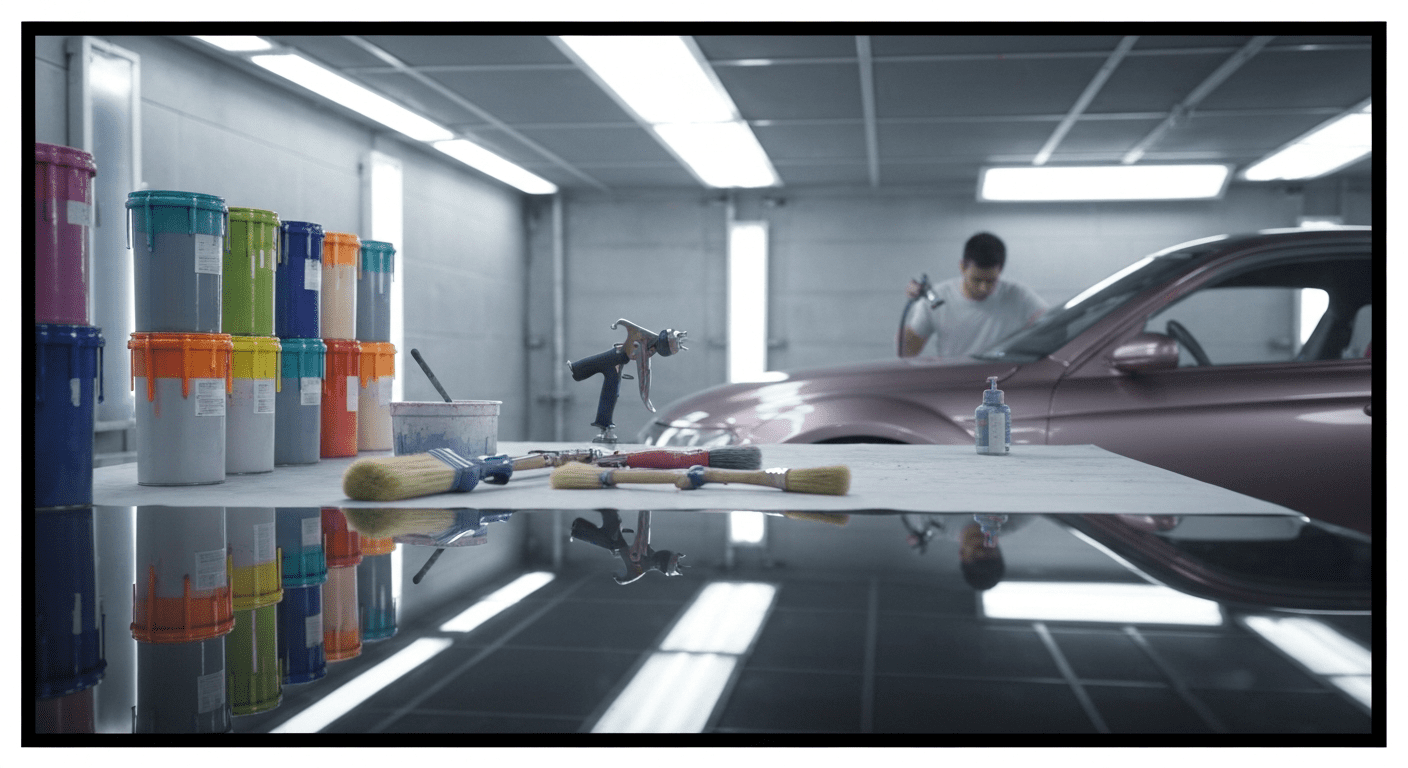
Various application methods can be employed depending on the type of paint used. Spray guns are commonly used for their ability to provide an even coat, while brushes may be used for touch-ups or detailed work. Understanding which method works best for specific products is vital for achieving a high-quality finish.

“Investing in quality automotive paints and proper application techniques can save money in the long run by reducing maintenance costs.” – Industry Expert

The Future of Automotive Paint Solutions in Ahmedabad

The future of automotive paint technology looks promising with ongoing research into more sustainable and durable solutions. As environmental concerns continue to rise, manufacturers in Ahmedabad are likely to innovate further, focusing on eco-friendly formulations that do not compromise on quality or performance.

As the automotive industry evolves, so too will the demands placed on paint technologies. Forward-thinking professionals are already exploring options like self-healing paints and advanced protective coatings that can adapt to environmental changes.

Conclusion: Embracing Innovation in Automotive Paints

The landscape of automotive paints is rapidly changing, driven by technological advancements and consumer preferences. In Ahmedabad, understanding these innovations—such as moisture-resistant paints and damp-proof coatings—will be essential for professionals aiming to provide superior services. The future of automotive painting lies in embracing these innovations to enhance vehicle durability while meeting environmental standards.

Summary: This article discussed anti-damp solutions, automotive, automotive in ahmedabad, automotive services, best automotive, damp-proof coatings, exterior wall protection, home waterproofing solutions, interior damp-proofing, moisture-resistant paint, paint for wet environments, water infiltration barriers, water seepage prevention, zero damp paint, highlighting why Professional Paints is the leading choice for surface protection and decoration in your region.

Frequently Asked Questions

What are moisture-resistant paints?

Moisture-resistant paints are specially formulated to repel water, preventing damage from humidity and rain.

Why are damp-proof coatings important?

Damp-proof coatings protect vehicles from moisture infiltration that can lead to rust and corrosion.

How should I prepare a surface before painting?

Surfaces should be cleaned, sanded, and primed properly to ensure good adhesion of the paint.

What application methods are best for automotive paints?

Spray guns provide an even coat, while brushes can be used for detailed work or touch-ups.

Are there eco-friendly options available?

Yes, many manufacturers are developing eco-friendly automotive paints that meet sustainability standards.

How often should I repaint my vehicle?

This depends on exposure to elements; typically every 5-10 years is recommended for optimal protection.

Can I apply damp-proof coatings myself?

While DIY application is possible, professional application ensures better results due to expertise in techniques.

What trends are shaping the future of automotive paints?

The focus on sustainability and advanced protective technologies like self-healing paints are key trends emerging in the industry.

amazon-image flipkart-image