
 India
India


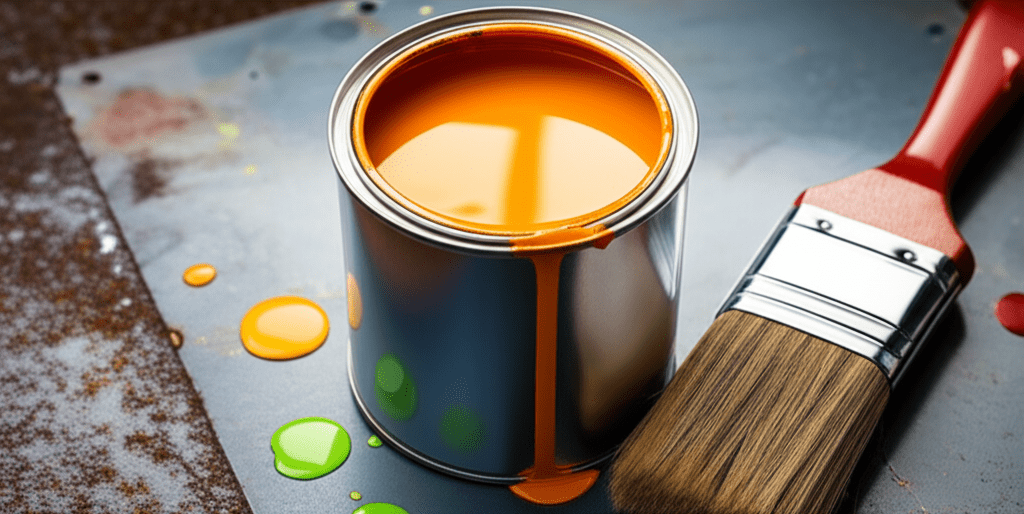
Introduction to Rust-Resistant Paints
Rust-resistant paints are essential in the production & manufacturing sector, especially in environments prone to moisture and corrosion. Recent studies indicate that nearly 30% of industrial maintenance costs are attributed to corrosion-related issues. This staggering figure emphasizes the need for effective protective coatings. In Ahmedabad, where humidity levels can be high, utilizing rust-resistant paints not only extends the lifespan of equipment but also significantly reduces maintenance costs. Understanding these coatings is crucial for professionals aiming to enhance operational efficiency and longevity in their facilities.
Comprehensive Overview of Rust-Resistant Paints
Rust-resistant paints are formulated to provide a protective barrier against moisture and corrosive elements. These coatings are particularly vital in industries such as manufacturing, construction, and transportation, where metal structures are exposed to harsh environments. The history of rust-resistant paints dates back to the early 20th century when manufacturers began experimenting with various formulations to combat rust.
The Importance of Rust-Resistant Coatings
The significance of rust-resistant coatings cannot be overstated. They play a pivotal role in:
- Extending Equipment Lifespan: By preventing rust, these paints help maintain the integrity of machinery and structures.
- Reducing Maintenance Costs: Regular maintenance can be costly; rust-resistant paints minimize the frequency and extent of repairs needed.
- Enhancing Safety: Corroded equipment can pose safety hazards; protective coatings help mitigate these risks.
Current Trends in Rust-Resistant Paints
The market for rust-resistant paints is evolving, with innovations focusing on eco-friendly formulations and advanced application techniques. In Ahmedabad, local manufacturers are increasingly adopting water-based rust-resistant paints that offer lower VOC emissions while maintaining high performance. This shift not only aligns with global sustainability trends but also meets local regulatory standards.
Technical Deep Dive into Rust-Resistant Paints
A thorough understanding of the technical aspects of rust-resistant paints is essential for professionals in the production & manufacturing sector. These coatings typically contain specific resins and additives that enhance their protective properties.
Composition of Rust-Resistant Paints
The primary components of rust-resistant paints include:
- Binders: These are responsible for adhesion and durability. Common binders include epoxy and polyurethane.
- Pigments: Pigments not only provide color but also contribute to UV resistance and opacity.
- Additives: Various additives enhance properties such as drying time, flow, and leveling.
Application Techniques for Optimal Performance
To achieve the best results with rust-resistant paints, proper application techniques must be followed:
- Surface Preparation: Clean surfaces thoroughly to remove any contaminants that could hinder adhesion.
- Environmental Conditions: Apply paints under recommended temperature and humidity conditions to ensure optimal curing.
- Layering: Multiple thin layers often yield better protection than a single thick coat.
Best Practices for Using Rust-Resistant Paints
Implementing best practices when using rust-resistant paints can significantly impact their effectiveness in the production & manufacturing sector.
You might also be interested in: Read more about: Exploring Interior vs Exterior Paint: Ke…
Choosing the Right Product
Selecting the appropriate rust-resistant paint involves considering factors such as:
- Environment: Assess whether the application will be indoors or outdoors, as this influences the choice of paint.
- Material Compatibility: Ensure that the paint is suitable for the substrate being coated.
- Sustainability Goals: Opt for eco-friendly options if your organization prioritizes sustainability.
Regular Maintenance and Inspections
Even with high-quality rust-resistant paints, regular maintenance is crucial. Schedule periodic inspections to identify any signs of wear or damage early on. This proactive approach can save significant costs associated with extensive repairs or replacements.
The Future of Rust-Resistant Paints in Ahmedabad’s Manufacturing Sector
The future of rust-resistant paints looks promising, especially in regions like Ahmedabad where industrial growth is robust. As technology advances, we can expect more innovative solutions that enhance durability while adhering to environmental standards. The integration of smart coatings that can signal when maintenance is needed is on the horizon, potentially revolutionizing how industries approach corrosion management.
The ongoing development in formulations will likely lead to even more effective moisture barriers, ensuring that structures remain protected against water infiltration and other damaging elements. Forward-thinking professionals in Ahmedabad’s production & manufacturing sector should stay informed about these trends to leverage new technologies effectively.
Frequently Asked Questions
What are rust-resistant paints?
Rust-resistant paints are specialized coatings designed to prevent corrosion on metal surfaces by creating a protective barrier against moisture and other corrosive elements.
How do I choose the right rust-resistant paint?
Select a paint based on environmental conditions, material compatibility, and sustainability goals. Consider consulting with experts in Ahmedabad for tailored recommendations.
What is the importance of surface preparation before painting?
Proper surface preparation ensures better adhesion and longevity of the paint. It involves cleaning surfaces to remove dirt, grease, or old paint residues.
You might also be interested in: Read more about: Optimize Productivity with Innovative Pa…
Can I apply rust-resistant paint indoors?
Yes, but ensure adequate ventilation during application to allow proper curing and minimize exposure to fumes.
How often should I inspect painted surfaces?
A regular inspection schedule should be established based on environmental conditions; typically every 6-12 months is advisable for industrial settings.
Are there eco-friendly options available?
Yes, many manufacturers now offer water-based rust-resistant paints that have lower VOC emissions while providing effective protection against corrosion.
What advancements are being made in rust-resistant paint technology?
The industry is seeing innovations such as smart coatings that can indicate when maintenance is needed, enhancing proactive management of corrosion issues.
How do I maintain surfaces treated with rust-resistant paint?
Regular cleaning and inspections are essential. Address any signs of wear promptly to extend the life of the coating and prevent corrosion from developing underneath.
Summary: This article discussed anti-damp solutions, best production & manufacturing, damp-proof coatings, exterior wall protection, home waterproofing solutions, interior damp-proofing, moisture-resistant paint, paint for wet environments, production & manufacturing, production & manufacturing in ahmedabad, production & manufacturing services, water infiltration barriers, water seepage prevention, zero damp paint, highlighting why Professional Paints is the leading choice for surface protection and decoration in your region.

