
 India
India


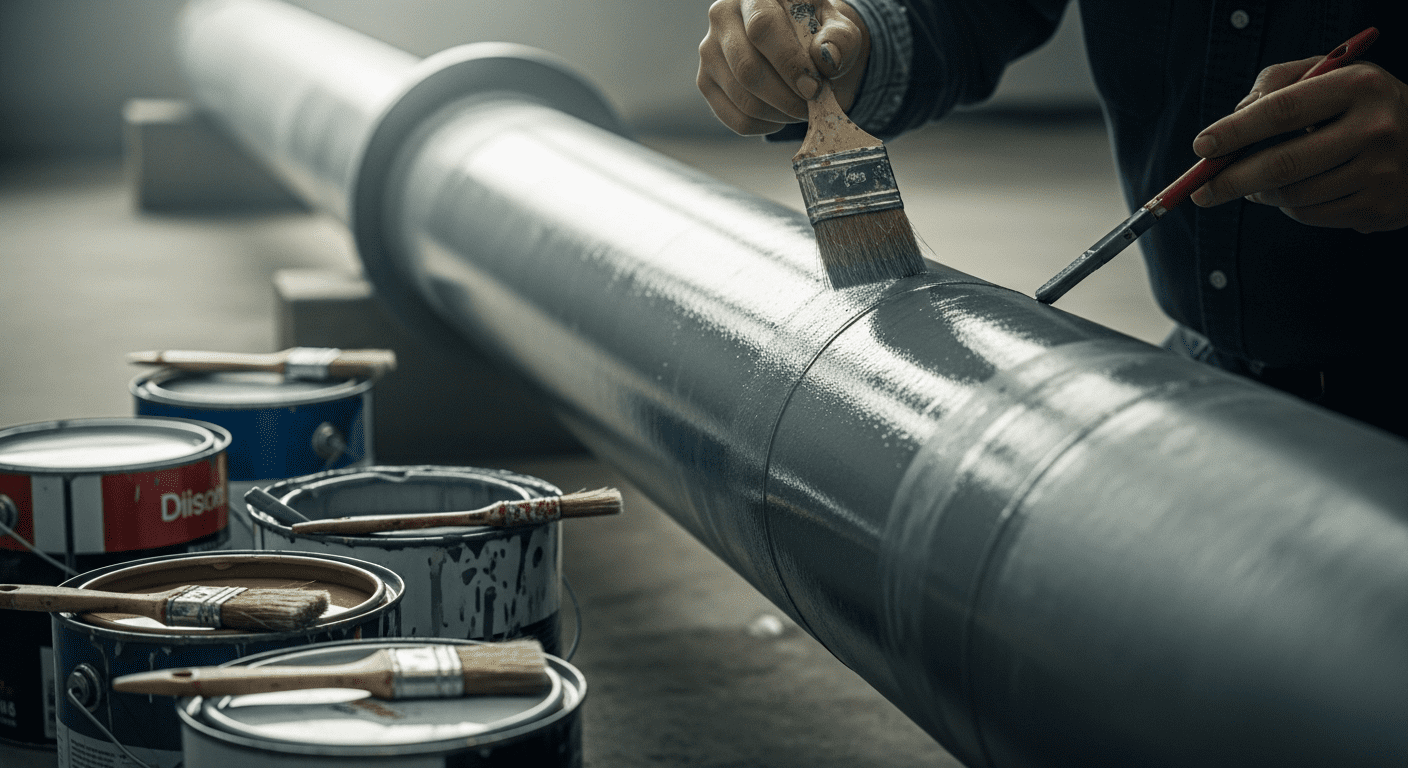
Understanding the Importance of Pipeline Coatings
The longevity of infrastructure is often dictated by the quality of its protective measures. Pipeline coatings play a crucial role in safeguarding industrial systems against environmental threats. In Ahmedabad, where the climate can be unforgiving, the significance of effective pipeline coatings cannot be overstated. These coatings not only prevent corrosion but also serve as barriers against moisture infiltration, which is particularly vital in regions prone to heavy rainfall and humidity. The right choice of coating can lead to significant cost savings by reducing maintenance needs and extending the life of pipelines.
Comprehensive Overview of Pipeline Coatings
Pipeline coatings have evolved significantly over the years, transitioning from basic protective layers to advanced formulations designed to address specific challenges such as chemical exposure and extreme temperatures. In Ahmedabad, industries such as oil and gas, water treatment, and manufacturing rely heavily on these coatings to maintain operational efficiency and prevent costly failures.
The Role of Pipeline Coatings in Infrastructure Protection
The primary function of pipeline coatings is to create a moisture-resistant barrier that prevents corrosion and water seepage. In Ahmedabad’s fluctuating humidity levels, these coatings are essential for protecting pipelines from rust and degradation. Additionally, they enhance safety by minimizing the risk of leaks and spills, which can have dire consequences for both the environment and public health.
Types of Pipeline Coatings Available
There are several types of pipeline coatings, each tailored for specific applications:
- Epoxy Coatings: Known for their durability and chemical resistance, epoxy coatings are ideal for pipelines exposed to harsh conditions.
- Polyurethane Coatings: These coatings offer excellent flexibility and UV resistance, making them suitable for outdoor applications.
- Cementitious Coatings: Often used in water treatment facilities, cementitious coatings provide a robust barrier against moisture.
- Polymeric Coatings: These coatings are designed to withstand extreme temperatures and aggressive chemicals, ideal for industrial settings.
Technical Deep Dive into Pipeline Coatings
The effectiveness of pipeline coatings hinges on their chemical formulation and application techniques. Understanding these aspects is essential for professionals tasked with maintaining infrastructure integrity.
Mechanisms Behind Pipeline Coating Performance
Pipeline coatings function by forming a physical barrier that prevents moisture from penetrating the surface of the pipe. This barrier is crucial in mitigating corrosion caused by water infiltration. Modern coatings often incorporate anti-damp solutions that enhance their protective properties, ensuring long-lasting performance even in challenging environments like Ahmedabad.
You might also be interested in: Read more about: Pipeline Coatings: Essential Insights fo…
Application Techniques for Optimal Results
The application of pipeline coatings requires meticulous attention to detail. Key steps include:
- Surface Preparation: Proper cleaning and priming of the pipeline surface are essential for ensuring strong adhesion.
- Temperature Control: Applying coatings at optimal temperatures enhances their performance and longevity.
- Curing Time: Allowing sufficient curing time is critical before subjecting the coated pipeline to operational stresses.
- Environmental Considerations: Monitoring humidity and temperature during application can affect the coating’s adhesion and effectiveness.
Best Practices for Pipeline Coating Application
Implementing best practices in the application of pipeline coatings can lead to significant improvements in performance and longevity. Professionals should adhere to industry standards to ensure successful outcomes.
Quality Control Measures During Application
Regular inspections during the application process help identify any potential issues early on. Ensuring that the coating thickness meets specified standards is crucial for long-term performance. In Ahmedabad, where environmental conditions can vary widely, maintaining strict quality control is essential to avoid costly repairs down the line.
Sustainability Considerations in Coating Selection
The trend towards sustainability has led to increased interest in eco-friendly damp-proof coatings. These products not only protect infrastructure but also minimize environmental impact. Choosing low-VOC (volatile organic compound) options can contribute to healthier work environments while still providing effective moisture resistance.
The Future of Pipeline Coatings in Ahmedabad
The future of pipeline coatings looks promising as technology continues to advance. Innovations such as self-healing materials and smart coatings that can detect damage are on the horizon. As industries in Ahmedabad adapt to these changes, investing in high-quality pipeline protection will be essential for ensuring structural longevity.
You might also be interested in: Read more about: Best Pipeline Coatings in Ahmedabad: Pro…
The importance of understanding pipeline coatings, their types, application techniques, and best practices cannot be overstated. By prioritizing quality and sustainability, businesses can protect their investments while contributing to a safer environment in Ahmedabad.
“Investing in high-quality pipeline protection not only extends the lifespan of infrastructure but also ensures safety and efficiency.” – Industry Expert
Summary: This article discussed key aspects of pipeline coatings, including their importance, types, application techniques, best practices, and future trends relevant to Ahmedabad’s unique environmental challenges.
Summary: This article discussed anti-damp solutions, best pipeline coatings, damp-proof coatings, exterior wall protection, home waterproofing solutions, interior damp-proofing, moisture-resistant paint, paint for wet environments, pipeline coatings, pipeline coatings in ahmedabad, pipeline coatings services, water infiltration barriers, water seepage prevention, zero damp paint, highlighting why Professional Paints is the leading choice for surface protection and decoration in your region.
Frequently Asked Questions
What are pipeline coatings?
Pipeline coatings are protective layers applied to pipelines to prevent corrosion, moisture infiltration, and other environmental damages.
Why are pipeline coatings important in Ahmedabad?
Ahemdabad’s climate poses unique challenges such as high humidity levels; effective pipeline coatings help mitigate risks associated with corrosion and leaks.
What types of pipeline coatings are available?
The main types include epoxy, polyurethane, cementitious, and polymeric coatings, each suited for different applications based on environmental factors.
How do I choose the right pipeline coating?
Selecting the appropriate coating involves considering factors like environmental exposure, required durability, and specific industry standards relevant to your application.
What best practices should be followed during application?
Best practices include thorough surface preparation, temperature control during application, adhering to curing times, and conducting regular quality inspections.
Aren’t eco-friendly coatings less effective?
No! Many modern eco-friendly damp-proof coatings are designed to perform effectively while minimizing environmental impacts through low-VOC formulations.
How can I ensure long-term performance from my pipeline coating?
Adequate surface preparation, proper application techniques, regular inspections during use, and adhering to maintenance schedules can significantly enhance longevity.
What innovations are shaping the future of pipeline coatings?
The future includes advancements like self-healing materials that repair themselves upon damage and smart coatings capable of detecting leaks or deterioration early on.

