
 India
India


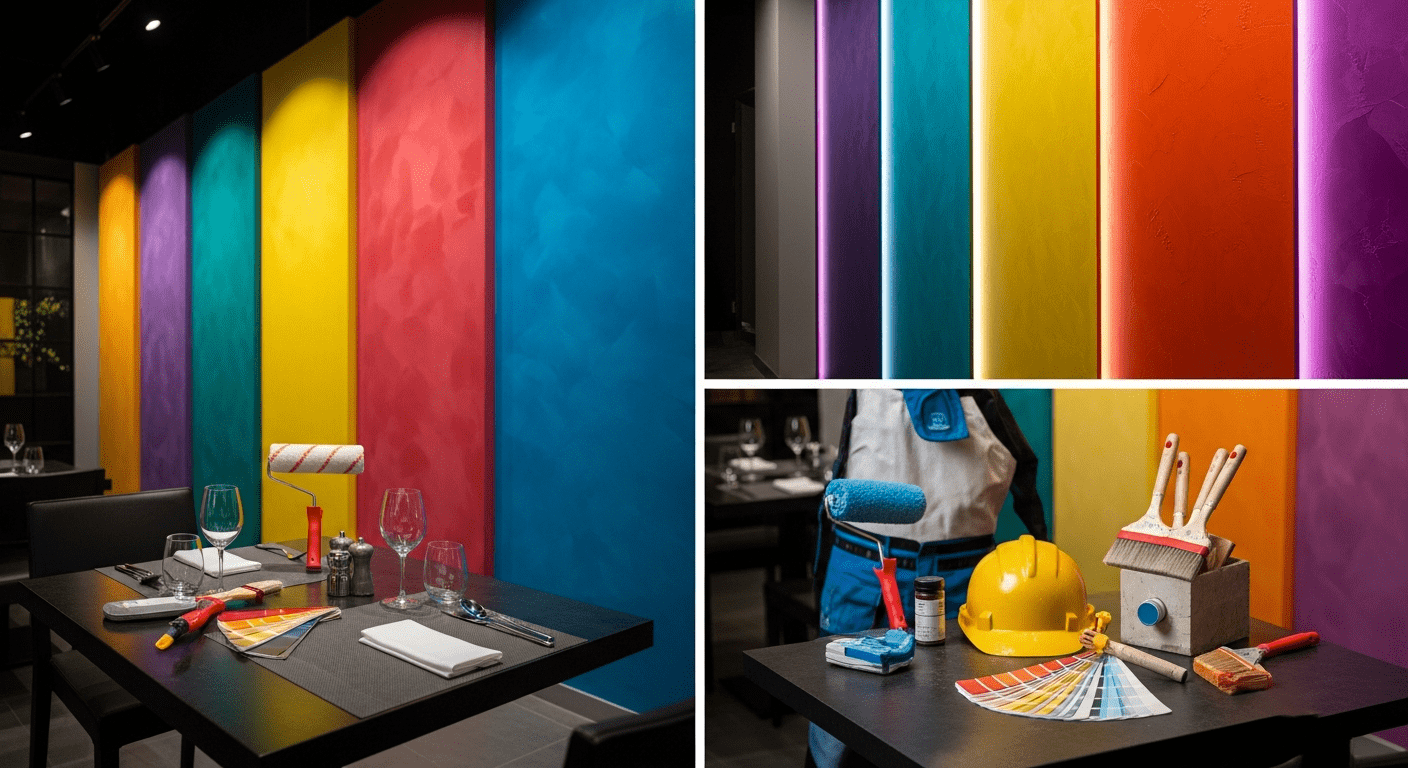
Introduction to Hygiene Coatings
Recent studies reveal that a staggering 70% of foodborne illnesses can be traced back to improper hygiene practices in restaurants. This alarming statistic underscores the critical importance of implementing effective hygiene coatings in food service environments. Hygiene coatings not only enhance the aesthetic appeal of restaurant interiors but also play a vital role in maintaining health and safety standards. In Ahmedabad, where the culinary scene is thriving, the demand for best hygiene coatings is on the rise. This article delves into the various types of hygiene coatings, their applications, and why they are essential for restaurants looking to create a unique ambiance while ensuring customer safety.
Comprehensive Overview of Hygiene Coatings
Hygiene coatings are specialized paints designed to provide a protective barrier against contaminants, moisture, and bacteria. These coatings are particularly crucial in environments where cleanliness is paramount, such as restaurants, hospitals, and food processing facilities. The evolution of hygiene coatings has been driven by advancements in technology and an increasing awareness of health standards.
The History of Hygiene Coatings
The concept of hygiene coatings dates back several decades when the food industry began recognizing the link between cleanliness and health. Initially, these coatings were basic and lacked durability. However, with advancements in chemical engineering, modern hygiene coatings now offer enhanced properties such as moisture resistance, anti-bacterial effects, and easy cleanability. In Ahmedabad, many establishments are now opting for these advanced solutions to ensure compliance with health regulations.
Current Trends in Hygiene Coatings
Today’s hygiene coatings come in various formulations tailored for specific environments. For instance, damp-proof coatings are ideal for areas prone to moisture, while zero damp paint is designed to prevent water seepage effectively. The trend towards eco-friendly and sustainable materials is also gaining traction, with many manufacturers offering water-based hygiene coatings that are less harmful to the environment.
Technical Deep Dive into Hygiene Coatings
The effectiveness of hygiene coatings lies in their composition and application methods. Understanding these technical aspects is crucial for restaurant owners looking to invest in long-lasting solutions.
Composition of Hygiene Coatings
Hygiene coatings typically consist of polymers that provide a protective layer against moisture and bacteria. Key ingredients include:
- Acrylic Resins: Known for their durability and flexibility.
- Antimicrobial Agents: Help inhibit the growth of bacteria on surfaces.
- Waterproofing Compounds: Essential for preventing moisture infiltration.
The combination of these components ensures that hygiene coatings not only look good but also perform exceptionally well under challenging conditions typical in restaurant environments.
Application Techniques for Optimal Results
The application of hygiene coatings requires precision and expertise. Here are some best practices:
You might also be interested in: Read more about: Hygiene Coatings: Essential Solutions fo…
- Surface Preparation: Ensure surfaces are clean, dry, and free from contaminants before applying any coating.
- Proper Mixing: Follow manufacturer instructions for mixing components to achieve optimal performance.
- Application Method: Use spray or roller techniques for even coverage; avoid brush strokes that can trap air bubbles.
In Ahmedabad, professionals specializing in hygiene coatings services can provide valuable insights into the best application methods tailored to specific restaurant needs.
Best Practices and Professional Standards
Implementing hygiene coatings is not just about aesthetics; it’s about adhering to industry standards that ensure safety and compliance. Here are some professional best practices:
Regular Maintenance and Inspection
A routine maintenance schedule is essential to prolong the life of hygiene coatings. Regular inspections can help identify wear and tear early on, allowing for timely repairs or reapplications. Establishments should consider:
- Scheduling Inspections: Conduct inspections every six months to assess coating integrity.
- Cleansing Protocols: Use appropriate cleaning agents that do not degrade the coating.
- Patching Damages: Address any chips or scratches immediately to prevent moisture infiltration.
Training Staff on Best Practices
Your staff plays a crucial role in maintaining hygiene standards. Training them on proper cleaning techniques and the importance of maintaining coated surfaces can significantly impact overall hygiene levels. Consider implementing:
- Workshops: Regular training sessions on cleaning protocols.
- SOPs: Standard Operating Procedures for cleaning coated surfaces.
- Audit Systems: Regular audits to ensure compliance with hygiene standards.
The Future of Hygiene Coatings in Ahmedabad
The future of hygiene coatings looks promising as technology continues to evolve. With increasing awareness about health and safety, restaurants in Ahmedabad are likely to adopt more innovative solutions that not only protect but also enhance their ambiance. The introduction of smart coatings that change color based on contamination levels could revolutionize how restaurants maintain cleanliness.
The integration of sustainability into product development will also play a significant role. As consumers become more environmentally conscious, there will be a growing demand for eco-friendly hygiene coatings that do not compromise on performance.
Frequently Asked Questions
What are hygiene coatings?
Hygiene coatings are specialized paints designed to protect surfaces from contaminants, moisture, and bacteria, ensuring a safe environment especially in food service areas.
Why are hygiene coatings important for restaurants?
Their importance lies in maintaining health standards, preventing foodborne illnesses, and enhancing the overall aesthetic appeal of dining spaces.
You might also be interested in: Read more about: Hygiene Coatings: The Best Solutions for…
How often should hygiene coatings be reapplied?
This depends on usage and wear; however, regular inspections every six months can help determine when reapplication is necessary.
Are there eco-friendly options available?
Yes, many manufacturers now offer water-based hygiene coatings that are less harmful to the environment while providing excellent protection.
Can I apply hygiene coatings myself?
While DIY application is possible, it is recommended to hire professionals to ensure proper surface preparation and application techniques for optimal results.
What types of surfaces can be coated?
A wide variety of surfaces including walls, ceilings, and even floors can be treated with hygiene coatings depending on their formulation.
Where can I find the best hygiene coatings services in Ahmedabad?
A thorough search online or through local directories can help you find reputable service providers specializing in hygiene coatings in Ahmedabad.
What should I look for when choosing a hygiene coating?
Select products based on their durability, ease of cleaning, antimicrobial properties, and suitability for your specific environment.
Summary: This article discussed anti-damp solutions, best hygiene coatings, damp-proof coatings, exterior wall protection, home waterproofing solutions, hygiene coatings, hygiene coatings in ahmedabad, hygiene coatings services, interior damp-proofing, moisture-resistant paint, paint for wet environments, water infiltration barriers, water seepage prevention, zero damp paint, highlighting why Professional Paints is the leading choice for surface protection and decoration in your region.

