
 India
India


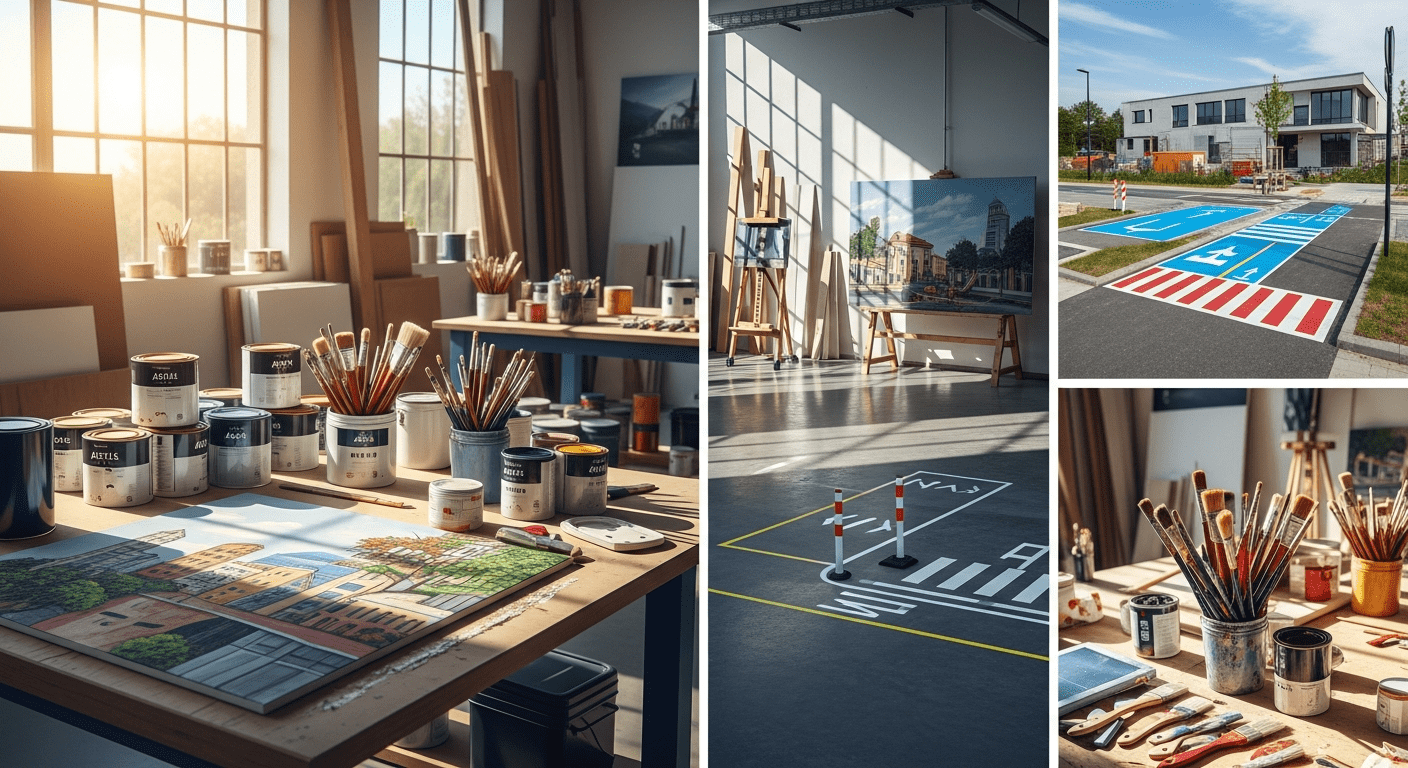
Introduction to Acrylic Paints in Transportation & Infrastructure
Acrylic paints have revolutionized the transportation & infrastructure sector, offering solutions that are both durable and versatile. Recent studies indicate that the use of acrylic paints in large-scale projects has increased by over 30% in the last five years, particularly in urban areas like Ahmedabad. This surge is largely due to their superior adhesion properties and resistance to environmental factors. As cities expand and infrastructure demands grow, understanding the innovative application techniques for acrylic paints becomes crucial for professionals in the field.
Comprehensive Overview of Acrylic Paints
Acrylic paints are water-based coatings that dry quickly and provide a durable finish. They are composed of pigment suspended in an acrylic polymer emulsion, making them suitable for various applications, especially in transportation & infrastructure. Their ability to withstand harsh weather conditions and resist fading makes them ideal for exterior applications.
Historical Context of Acrylic Paints
The development of acrylic paints dates back to the 1940s, but their widespread use in transportation & infrastructure began in the late 20th century. Initially used for artistic purposes, these paints have evolved into essential materials for road markings, signage, and protective coatings on bridges and buildings. In Ahmedabad, local authorities have adopted these paints for their road safety initiatives, enhancing visibility and durability.
Current Trends in Acrylic Paint Usage
Today, acrylic paints are favored for their eco-friendliness and low volatile organic compound (VOC) emissions. This aligns with global sustainability goals and local regulations in Ahmedabad. The trend towards using moisture-resistant paint and damp-proof coatings is particularly significant as urban areas face challenges related to water seepage and dampness.
Technical Deep Dive into Application Techniques
The application of acrylic paints requires specific techniques to maximize their benefits. Understanding these methods is essential for achieving optimal results in transportation & infrastructure.
Surface Preparation Techniques
Proper surface preparation is critical before applying acrylic paints. This includes cleaning the surface to remove dirt, grease, and old paint. In Ahmedabad, where dust accumulation is common, using high-pressure washing can be effective. Additionally, applying a primer can enhance adhesion and durability.
You might also be interested in: Read more about: Best Transportation & Infrastructure Sol…
Application Methods
Acrylic paints can be applied using various methods including spraying, rolling, or brushing. Each method has its advantages:
- Spraying: Ideal for large surfaces and provides an even coat.
- Rolling: Suitable for textured surfaces; offers good coverage.
- Brushing: Best for detailed work and touch-ups.
In the context of damp-proof coatings, spraying is often recommended to ensure an even application that seals all gaps effectively.
Professional Best Practices for Acrylic Paints
Implementing best practices ensures long-lasting results when using acrylic paints in transportation & infrastructure.
Choosing the Right Products
Selecting high-quality acrylic paints designed for specific environments is crucial. For instance, when dealing with winter conditions, choosing a paint formulated to withstand low temperatures can prevent peeling and chipping.
Maintenance Tips Post-Application
Regular maintenance extends the life of painted surfaces. In regions like Ahmedabad, where humidity can lead to moisture-related issues, it’s advisable to inspect surfaces regularly for signs of wear or damage. Implementing a routine cleaning schedule can help maintain the integrity of the paint.
You might also be interested in: Read more about: Optimize Transportation & Infrastructure…
“Investing in quality materials and adhering to best practices can significantly reduce long-term maintenance costs.” – Industry Expert
The Future of Acrylic Paints in Transportation & Infrastructure
The future of acrylic paints in the transportation & infrastructure sector looks promising as innovations continue to emerge. With advancements in technology, we can expect more environmentally friendly options that offer enhanced performance against moisture infiltration and UV degradation.
The integration of smart technologies into paint formulations could lead to self-cleaning surfaces or paints that change color based on environmental conditions. Such innovations will be vital as cities like Ahmedabad strive towards sustainable development goals while ensuring safety and functionality.
Conclusion: Embracing Innovation in Painting Techniques
The evolution of acrylic paints presents exciting opportunities for professionals within the transportation & infrastructure sector. As we look towards the future, embracing innovative application techniques will not only enhance the durability of structures but also contribute to sustainable practices across urban landscapes like Ahmedabad. The ongoing advancements promise a shift towards smarter solutions that address both aesthetic and functional needs effectively.
Summary: This article discussed anti-damp solutions, best transportation & infrastructure, damp-proof coatings, exterior wall protection, home waterproofing solutions, interior damp-proofing, moisture-resistant paint, paint for wet environments, transportation & infrastructure, transportation & infrastructure in ahmedabad, transportation & infrastructure services, water infiltration barriers, water seepage prevention, zero damp paint, highlighting why Professional Paints is the leading choice for surface protection and decoration in your region.
Frequently Asked Questions
What are the benefits of using acrylic paints in transportation?
Acrylic paints offer excellent adhesion, quick drying times, and resistance to fading, making them ideal for transportation applications.
How do I prepare a surface before applying acrylic paint?
The surface should be cleaned thoroughly to remove any contaminants. A primer may also be applied to enhance adhesion.
Can acrylic paints be used on wet surfaces?
Acrylic paints are generally not recommended for wet surfaces unless they are specifically formulated as moisture-resistant.
What maintenance is required after painting?
Regular inspections should be conducted to check for wear or damage, along with routine cleaning to maintain appearance and performance.
Are there eco-friendly options available?
Yes, many manufacturers now offer low-VOC or zero-VOC acrylic paints that are environmentally friendly.
How do I choose the right type of acrylic paint?
Select a product based on its intended use; consider factors like environmental conditions and surface type for optimal results.
What innovations are expected in acrylic paint technology?
The future may see smart technologies integrated into paint formulations, such as self-cleaning properties or color-changing capabilities based on environmental factors.
Where can I find professional painting services in Ahmedabad?
You can find numerous experts specializing in transportation & infrastructure painting services throughout Ahmedabad by searching online or consulting local directories.

