
 India
India


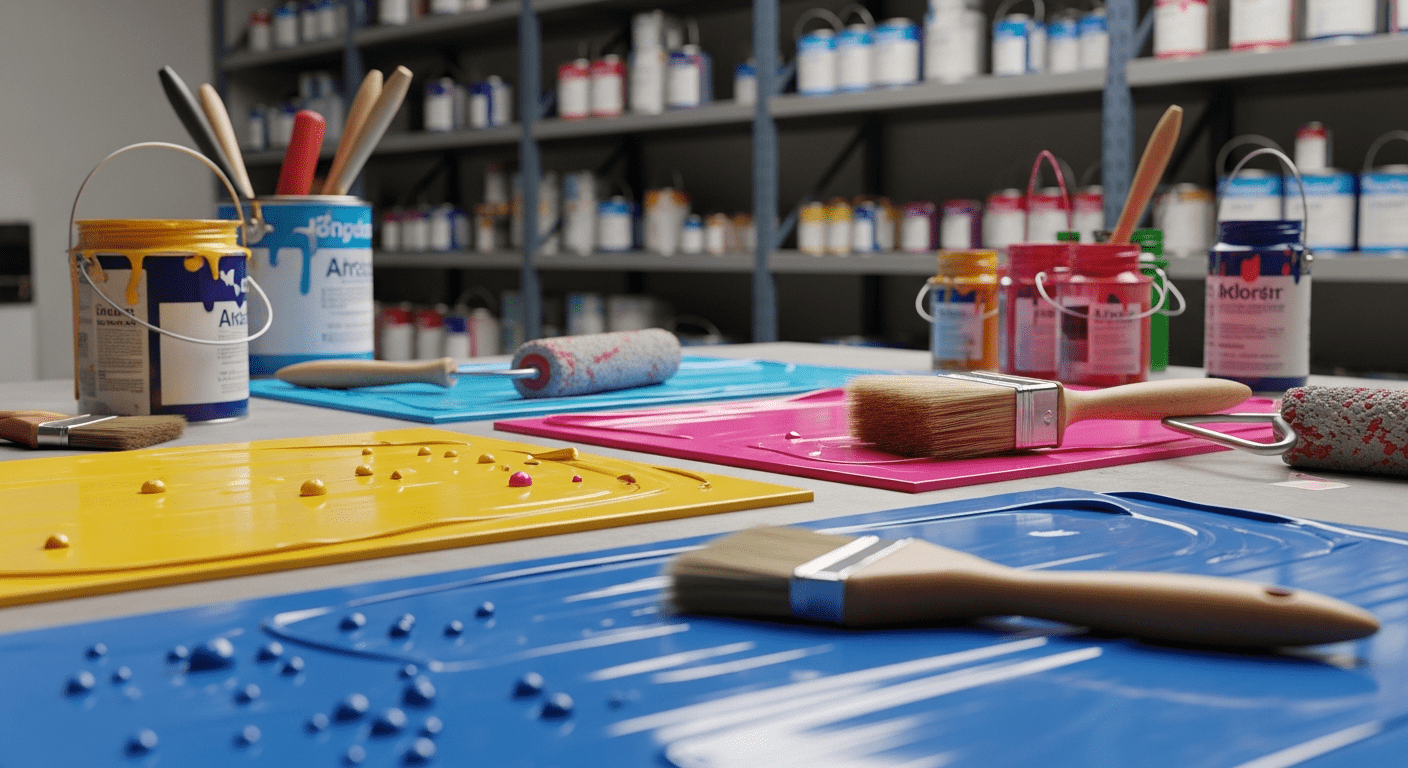
Understanding Hygiene Coatings and Their Importance
Hygiene coatings are specialized paints designed to provide a protective barrier against moisture, bacteria, and other harmful elements. With the increasing focus on health and safety, especially in industrial and commercial settings, the demand for hygiene coatings has surged. These coatings are critical not just for aesthetic purposes but also for maintaining a clean and safe environment. In Ahmedabad, where humidity can lead to various issues like mold and mildew, utilizing the best hygiene coatings is essential for ensuring long-term protection.
What Are Hygiene Coatings?
Hygiene coatings are formulated with antimicrobial properties that inhibit the growth of bacteria, fungi, and other microorganisms. These coatings are ideal for applications in hospitals, kitchens, schools, and other environments where cleanliness is paramount. Unlike traditional paints, hygiene coatings offer additional benefits such as:
- Moisture Resistance: Prevents water seepage and dampness.
- Durability: Offers long-lasting protection against wear and tear.
- Easy Maintenance: Surfaces coated with hygiene paints are easier to clean.
The Role of Hygiene Coatings in Ahmedabad
In Ahmedabad, the climate can be particularly challenging due to high humidity levels. This makes the use of hygiene coatings even more critical. These coatings help in:
- Water Seepage Prevention: Protecting structures from water infiltration.
- Damp-Proofing: Ensuring interiors remain dry and free from mold.
- Enhancing Aesthetics: Providing a clean look while protecting surfaces.
Technical Deep Dive into Hygiene Coatings
The effectiveness of hygiene coatings lies in their unique formulations. These coatings often contain advanced polymers and additives that enhance their performance. Understanding these components is crucial for selecting the right product for specific applications.
Key Components of Hygiene Coatings
The primary components of hygiene coatings include:
- Antimicrobial Agents: These are added to inhibit microbial growth effectively.
- Moisture Barriers: Formulated to repel water and prevent dampness.
- Binders: Ensure adhesion to surfaces while providing flexibility.
How Hygiene Coatings Work
The mechanism of hygiene coatings involves creating a protective layer that not only resists moisture but also actively fights against microbial growth. For instance, when applied to walls in kitchens or hospitals, these coatings can significantly reduce the risk of contamination. Furthermore, they can be used in:
- Interior Damp-Proofing: Essential in areas prone to moisture accumulation.
- Exterior Wall Protection: Shielding buildings from weather-related damage.
Best Practices for Applying Hygiene Coatings
Applying hygiene coatings requires careful preparation and execution to achieve optimal results. Here are some professional best practices to consider:
You might also be interested in: Read more about: Optimize Hygiene Coatings for Effective …
Preparation Steps
Before application, ensure that surfaces are clean, dry, and free from contaminants. This may involve:
- Sanding: Smooth out rough areas to enhance adhesion.
- Cleansing: Use appropriate cleaners to remove grease or dirt.
- Dampness Check: Ensure surfaces are completely dry before coating.
Application Techniques
The method of application can influence the effectiveness of hygiene coatings. Consider these techniques:
- Spray Application: Ideal for large areas to ensure even coverage.
- Roller Application: Suitable for smaller spaces or detailed work.
- Patching: Repair any imperfections before applying the final coat.
The Future of Hygiene Coatings in Ahmedabad
The future of hygiene coatings looks promising as advancements in technology continue to enhance their effectiveness. Innovations such as eco-friendly formulations and smart coatings that change color based on contamination levels are on the rise. As industries evolve, so too will the standards for hygiene coatings, making them an integral part of construction and maintenance practices in Ahmedabad and beyond.
The importance of selecting the right hygiene coatings cannot be overstated. By investing in quality products that offer moisture resistance and antimicrobial properties, businesses can ensure a safer environment for employees and customers alike.
Frequently Asked Questions
What are hygiene coatings?
Hygiene coatings are specialized paints designed to resist moisture and inhibit microbial growth, making them ideal for environments requiring high levels of cleanliness.
Where can I apply hygiene coatings?
You can apply hygiene coatings in kitchens, hospitals, schools, and any area that requires strict cleanliness standards.
You might also be interested in: Read more about: Understanding Hygiene Coatings: Essentia…
How do I choose the best hygiene coating?
Select a coating based on its moisture resistance, antimicrobial properties, and suitability for your specific environment.
Aren’t all paints similar?
No, unlike regular paints, hygiene coatings have added features that protect against moisture and microbial growth.
Can I apply hygiene coatings myself?
While DIY application is possible, professional application ensures better results due to proper surface preparation and technique.
How do I maintain surfaces with hygiene coatings?
Mop regularly with appropriate cleaners and avoid harsh chemicals that could damage the coating’s integrity.
Summary: This article discussed anti-damp solutions, best hygiene coatings, damp-proof coatings, exterior wall protection, home waterproofing solutions, hygiene coatings, hygiene coatings in ahmedabad, hygiene coatings services, interior damp-proofing, moisture-resistant paint, paint for wet environments, water infiltration barriers, water seepage prevention, zero damp paint, highlighting why Professional Paints is the leading choice for surface protection and decoration in your region.

