
 India
India


Introduction to Pipeline Coatings
Pipeline coatings are essential for protecting infrastructure from environmental factors and ensuring longevity. Recent studies indicate that nearly 30% of pipeline failures can be attributed to inadequate coatings, leading to costly repairs and environmental hazards. This is particularly relevant in regions like Ahmedabad, where humidity and temperature fluctuations can accelerate wear and tear on pipelines. Understanding the importance of pipeline coatings not only helps in maintaining operational efficiency but also significantly reduces maintenance costs.
Comprehensive Overview of Pipeline Coatings
The history of pipeline coatings dates back to the early 20th century when the first protective layers were applied to metal pipes. Today, advancements in technology have led to a variety of coating options designed for specific environments and applications. In Ahmedabad, industries such as oil and gas, water supply, and sewage management rely heavily on these coatings to prevent corrosion and leaks.
Types of Pipeline Coatings
There are several types of pipeline coatings available, each with unique properties suited for different applications:
- Polyethylene Coatings: Commonly used for underground pipelines due to their resistance to moisture and chemicals.
- Epoxy Coatings: Known for their strong adhesion and durability, ideal for both internal and external surfaces.
- Cement Mortar Coatings: Often used in water pipelines to provide a protective layer against corrosion.
The Importance of Pipeline Coatings
Pipeline coatings serve multiple purposes, including:
- Corrosion Resistance: Protects pipes from rust and degradation.
- Moisture Barrier: Prevents water infiltration that can lead to structural damage.
- Thermal Insulation: Helps maintain temperature stability within pipelines.
Technical Deep Dive into Pipeline Coating Applications
The application of pipeline coatings is a critical process that requires precision and expertise. In Ahmedabad, where industrial activities are booming, understanding the technical aspects of these coatings is vital for ensuring long-term performance.
Application Techniques
The most common methods for applying pipeline coatings include:
You might also be interested in: Read more about: Pipeline Coatings: Essential Insights fo…
- Spray Application: Ideal for large surfaces, allowing for even coverage.
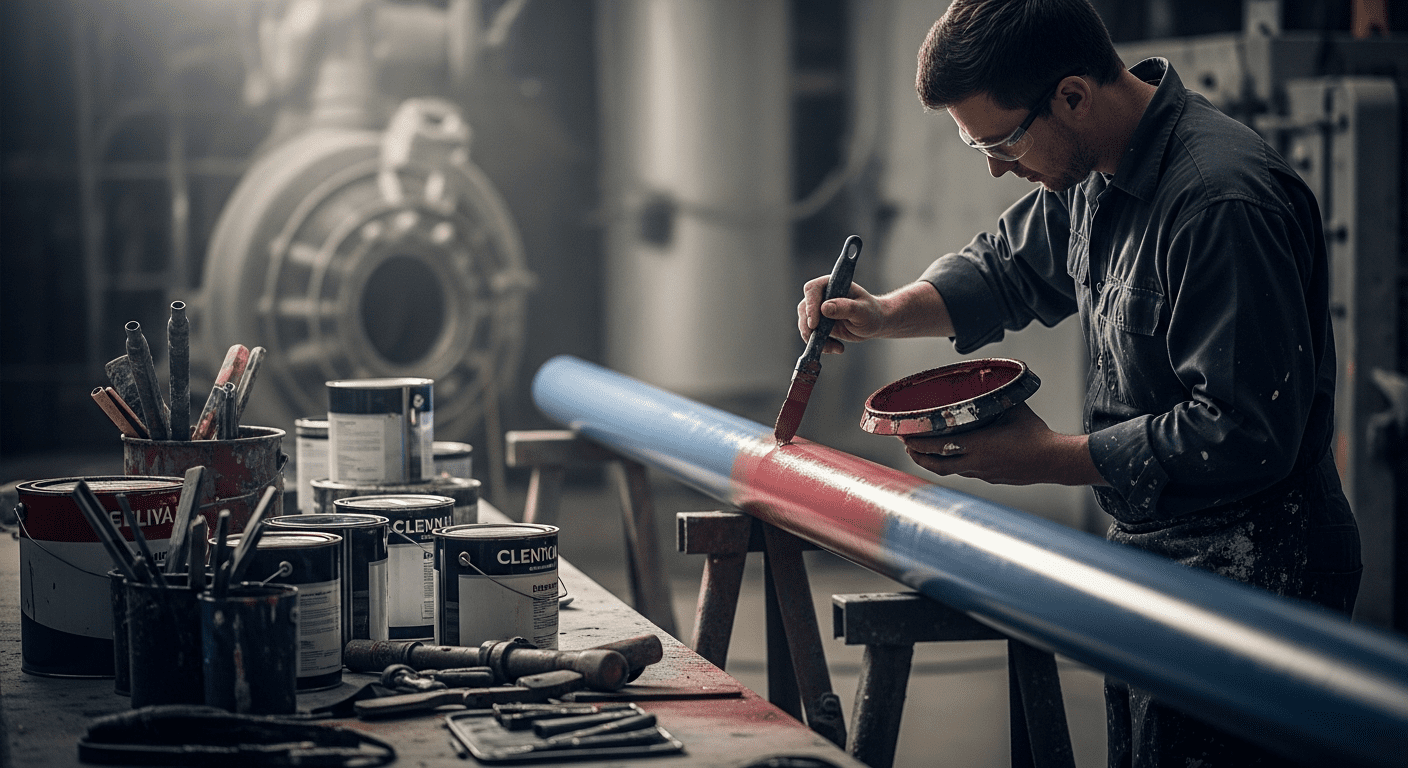
- Brush Application: Useful for touch-ups or smaller areas requiring detailed work.
- Dipping: Effective for achieving uniform thickness on smaller components.
Quality Standards and Compliance
Adhering to industry standards is crucial when selecting pipeline coatings. In India, the Bureau of Indian Standards (BIS) outlines specific guidelines that coatings must meet to ensure safety and effectiveness. These standards help industries in Ahmedabad maintain compliance while selecting the best pipeline coatings for their needs.
Professional Best Practices for Pipeline Coating Maintenance
Implementing best practices in the maintenance of pipeline coatings can significantly extend their lifespan. Here are some expert recommendations:
Regular Inspections
Conducting regular inspections is essential to identify any signs of wear or damage early. Look for:
- Peeled or cracked areas that may expose the underlying material.
- Signs of corrosion or rust around joints and seams.
- Moisture accumulation that could indicate a breach in the coating.
Proper Surface Preparation
The success of any coating application hinges on proper surface preparation. Ensure that surfaces are clean, dry, and free from contaminants before applying any coating material. This step is crucial in regions like Ahmedabad, where dust and humidity can impact adhesion.
The Future of Pipeline Coatings in Ahmedabad
The future of pipeline coatings looks promising as technology continues to evolve. Innovations such as self-healing coatings and environmentally friendly materials are gaining traction. As industries in Ahmedabad adapt to these advancements, they will be better equipped to handle the challenges posed by moisture, corrosion, and environmental factors.
You might also be interested in: Read more about: Best Pipeline Coatings in Ahmedabad: Pro…
The demand for high-quality pipeline coatings will only increase as urbanization continues in Gujarat. Forward-thinking professionals must stay informed about emerging technologies and best practices to ensure they select the best pipeline coatings available.
“Investing in quality pipeline coatings today can save industries from significant costs tomorrow.” – Industry Expert
Conclusion: Embracing Innovations in Pipeline Coatings
The landscape of pipeline coatings is rapidly changing, driven by technological advancements and a growing emphasis on sustainability. As industries in Ahmedabad continue to evolve, embracing innovative solutions will be key to enhancing operational efficiency and reducing environmental impact. The future of pipeline coatings is not just about protection; it’s about creating resilient infrastructure that withstands the test of time.
Summary: This article discussed anti-damp solutions, best pipeline coatings, damp-proof coatings, exterior wall protection, home waterproofing solutions, interior damp-proofing, moisture-resistant paint, paint for wet environments, pipeline coatings, pipeline coatings in ahmedabad, pipeline coatings services, water infiltration barriers, water seepage prevention, zero damp paint, highlighting why Professional Paints is the leading choice for surface protection and decoration in your region.
Frequently Asked Questions
What are pipeline coatings?
Pipeline coatings are protective layers applied to pipelines to prevent corrosion, moisture ingress, and other forms of degradation.
Why are pipeline coatings important?
They extend the lifespan of pipelines by protecting them from environmental factors such as moisture, chemicals, and temperature fluctuations.
What types of materials are used in pipeline coatings?
The most common materials include polyethylene, epoxy, and cement mortar, each chosen based on specific environmental conditions.
How often should pipeline coatings be inspected?
A regular inspection schedule should be established, typically every six months to a year, depending on environmental conditions.
Can I apply pipeline coatings myself?
While some minor touch-ups can be done by individuals, professional application is recommended for optimal results and compliance with industry standards.
What should I look for when choosing a pipeline coating?
Select a coating based on its resistance to moisture, chemicals, temperature stability, and compliance with local regulations.
Are there environmentally friendly options available?
Yes, many manufacturers now offer eco-friendly pipeline coating solutions that minimize environmental impact while providing effective protection.
How do I maintain my pipeline coatings?
Maintenance includes regular inspections, surface cleaning before reapplication, and addressing any signs of damage promptly.
“`

