
 India
India


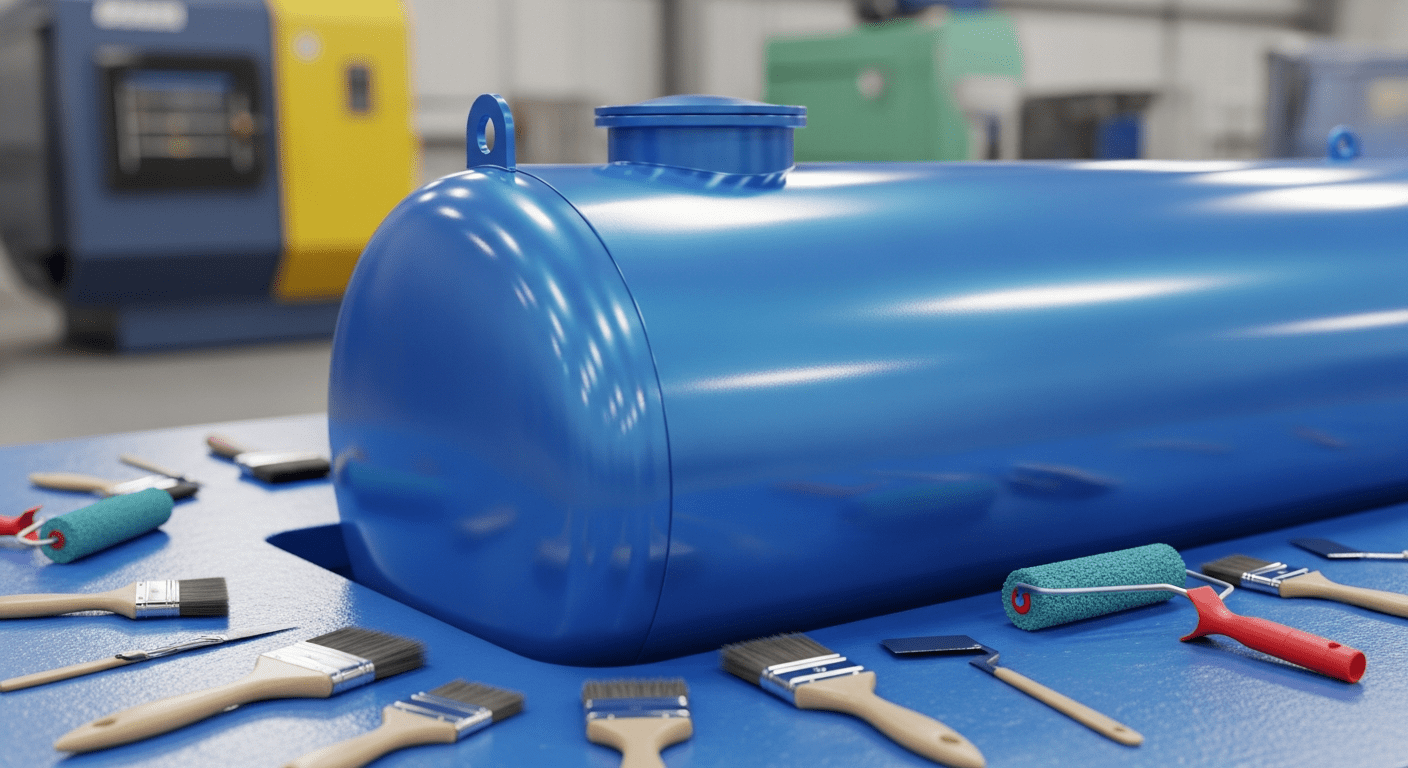
Understanding Tank Coating & Liners
In the industrial sector, the importance of tank coating & liners cannot be overstated. These protective layers are essential for safeguarding tanks against various environmental factors, including moisture, chemicals, and temperature fluctuations. Recent studies indicate that improper tank protection can lead to significant operational losses and safety hazards. This article delves into the significance of tank coating & liners, particularly in regions like Ahmedabad, where climatic conditions can be challenging.
The Role of Tank Coatings
Tank coatings serve multiple purposes, including corrosion resistance, chemical protection, and thermal insulation. They are particularly crucial in industries such as oil and gas, water treatment, and food processing. In Ahmedabad, where humidity levels can fluctuate dramatically, effective coatings help maintain the integrity of tanks, ensuring they function optimally over time.
Types of Tank Liners
There are several types of tank liners available in the market, each designed to address specific needs:
- Polyethylene Liners: Ideal for water storage and agricultural applications.
- Epoxy Liners: Known for their durability and resistance to chemicals.
- Polyurethane Liners: Flexible and suitable for a variety of tank types.
Technical Analysis of Tank Coating & Liners
The technical aspects of tank coating & liners involve understanding the materials used and their application processes. The choice of material is critical; it must withstand environmental stressors while providing a barrier against contaminants.
Material Composition
Most coatings are composed of polymers that offer flexibility and strength. For instance, epoxy coatings are formulated to resist harsh chemicals, making them suitable for industrial tanks. In contrast, polyurethane coatings provide excellent UV resistance, making them ideal for outdoor applications in Ahmedabad.
Application Techniques
The application of tank coatings requires precision. Professionals often use spray techniques to ensure an even layer is applied. This method not only enhances adhesion but also minimizes the risk of bubbles or imperfections that could compromise the coating’s effectiveness.
Best Practices for Tank Coating & Liners
To achieve optimal results with tank coating & liners, adhering to best practices is essential. Here are some expert recommendations:
You might also be interested in: Read more about: Explore Tank Coating & Liners for Lastin…
Surface Preparation
Before applying any coating, thorough surface preparation is crucial. This includes cleaning the tank surface to remove any rust, dirt, or previous coatings that could hinder adhesion.
Regular Inspections
After installation, regular inspections should be conducted to identify any signs of wear or damage. Early detection can prevent costly repairs and extend the lifespan of the tank.
“Investing in quality tank coatings today can save you significant costs in repairs tomorrow.” – Industry Expert
The Future of Tank Coating & Liners in Ahmedabad
The future of tank coating & liners looks promising as technology advances. Innovations such as self-healing coatings and environmentally friendly materials are emerging trends that will shape the industry. As businesses in Ahmedabad seek sustainable solutions, these advancements will play a critical role in enhancing operational efficiency and reducing environmental impact.
Sustainability Trends
Sustainable practices are becoming increasingly important in the paints industry. Companies are now focusing on developing low-VOC (volatile organic compounds) coatings that not only protect tanks but also minimize environmental harm.
Technological Innovations
The integration of smart technologies into tank monitoring systems is another exciting development. These systems can provide real-time data on tank conditions, allowing for proactive maintenance and reducing downtime.
Frequently Asked Questions
What are tank coatings made from?
Tank coatings are typically made from polymers such as epoxy or polyurethane that provide durability and resistance to chemicals.
You might also be interested in: Read more about: Exploring Tank Coating & Liners: Benefit…
How often should tank liners be inspected?
Tank liners should be inspected regularly, at least once a year, to identify any signs of wear or damage early on.
Can I apply tank coatings myself?
While DIY applications are possible, professional application is recommended to ensure proper adhesion and coverage.
What is the lifespan of a tank liner?
The lifespan of a tank liner can vary based on material and environmental conditions but typically ranges from 10 to 20 years.
Are there eco-friendly options for tank coatings?
Yes, many manufacturers now offer low-VOC and environmentally friendly options that provide effective protection while minimizing environmental impact.
How do I choose the right coating for my tank?
Selecting the right coating depends on factors such as the type of liquid stored, environmental conditions, and specific industry requirements.
Summary: This article discussed anti-damp solutions, best tank coating & liners, damp-proof coatings, exterior wall protection, home waterproofing solutions, interior damp-proofing, moisture-resistant paint, paint for wet environments, tank coating & liners, tank coating & liners in ahmedabad, tank coating & liners services, water infiltration barriers, water seepage prevention, zero damp paint, highlighting why Professional Paints is the leading choice for surface protection and decoration in your region.

