
 India
India


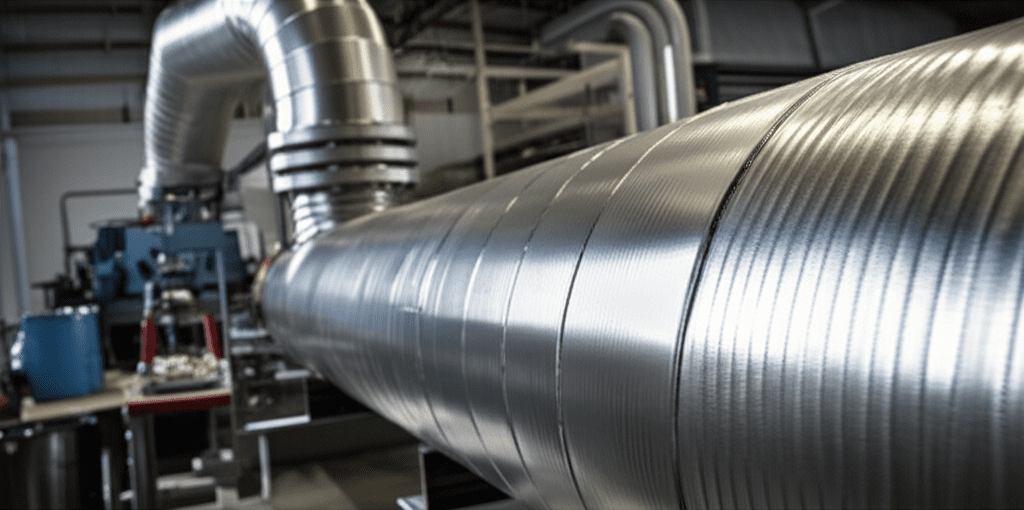
Introduction to Reflective Coatings in the Oil & Gas Sector
The oil & gas industry is constantly evolving, with a growing emphasis on sustainability and energy efficiency. One of the most innovative solutions emerging in this sector is the use of reflective wall coatings. These coatings not only improve aesthetic appeal but also play a crucial role in reducing energy consumption. In regions like Ahmedabad, where temperatures can soar, the application of these coatings can significantly lower cooling costs and enhance operational efficiency. This article delves into the importance of reflective coatings, their applications within the oil & gas sector, and why they are becoming essential for companies looking to optimize their energy usage.
Comprehensive Overview of Reflective Coatings
Reflective wall coatings are designed to reflect solar radiation, thereby reducing heat absorption in buildings and structures. This technology has been particularly beneficial in industrial applications, including the oil & gas sector. The history of reflective coatings dates back several decades, but recent advancements have made them more effective and accessible.
Historical Context and Development
The initial development of reflective coatings began with a focus on residential and commercial buildings. However, as the oil & gas industry expanded, so did the need for energy-efficient solutions. Today, reflective coatings are formulated with advanced materials that enhance their durability and performance under extreme conditions typical of oil & gas operations.
Current Applications in Oil & Gas
In Ahmedabad, where the oil & gas industry is thriving, companies are increasingly adopting reflective wall coatings for various applications:
- Storage Tanks: Reflective coatings help maintain optimal temperatures within storage tanks, reducing the risk of thermal expansion and improving safety.
- Pipelines: By applying these coatings to pipelines, companies can minimize heat absorption, which is crucial for maintaining product integrity.
- Processing Facilities: Reflective coatings on processing facilities can lead to significant energy savings by reducing cooling loads during peak summer months.
Technical Analysis of Reflective Coatings
The effectiveness of reflective wall coatings lies in their composition and application methods. Understanding these technical aspects is essential for maximizing their benefits in the oil & gas sector.
Composition and Characteristics
Reflective coatings typically contain specialized pigments that enhance their ability to reflect sunlight. These pigments can be made from various materials, including titanium dioxide and other inorganic compounds. The key characteristics that make these coatings suitable for industrial applications include:
- Durability: Designed to withstand harsh environmental conditions typical in oil & gas operations.
- Moisture Resistance: Essential for preventing water seepage and damage to structures.
- UV Stability: Ensures long-lasting performance without significant degradation over time.
Application Techniques
The application of reflective coatings requires precision and expertise. Here are some common techniques used in the oil & gas sector:
- Spray Application: Ideal for large surfaces such as storage tanks and pipelines.
- Roller Application: Suitable for smaller areas or detailed work around equipment.
- Brush Application: Often used for touch-ups or intricate designs on facility exteriors.
Best Practices and Professional Standards
Implementing reflective wall coatings effectively requires adherence to best practices and industry standards. Here are some recommendations for oil & gas companies looking to adopt these solutions:
You might also be interested in: Read more about: Exploring Utility Power and Paints in Ah…
Choosing the Right Product
Selecting the appropriate reflective coating is crucial. Factors to consider include:
- Environmental Conditions: Consider local climate factors such as humidity and temperature variations in Ahmedabad.
- Surface Type: Different surfaces may require specific formulations for optimal adhesion and performance.
- Regulatory Compliance: Ensure that selected products meet local regulations regarding emissions and safety standards.
Application Guidelines
To achieve the best results when applying reflective coatings, follow these guidelines:
- Surface Preparation: Clean surfaces thoroughly to ensure proper adhesion.
- Weather Considerations: Avoid application during extreme weather conditions to ensure optimal curing.
- Curing Time: Allow sufficient time for the coating to cure before exposing it to operational stresses.
The Future of Reflective Coatings in Oil & Gas
The future of reflective wall coatings looks promising as technology continues to advance. Innovations such as self-cleaning surfaces and enhanced thermal performance are on the horizon. As sustainability becomes a priority within the oil & gas sector, companies that adopt these cutting-edge solutions will likely gain a competitive edge.
A Call to Action for Industry Professionals
The adoption of reflective wall coatings presents a unique opportunity for professionals in the oil & gas industry, particularly in regions like Ahmedabad. By investing in these technologies, companies can not only reduce their energy costs but also contribute to a more sustainable future. Embracing innovative solutions today will pave the way for a more efficient tomorrow.
“The future of energy efficiency lies in our ability to innovate and adapt.” – Industry Expert
Frequently Asked Questions
What are reflective wall coatings?
Reflective wall coatings are specialized paints designed to reflect solar radiation, reducing heat absorption in buildings and structures.
How do reflective coatings benefit the oil & gas industry?
They help lower cooling costs, improve operational efficiency, and enhance safety by maintaining optimal temperatures within storage tanks and pipelines.
What materials are used in reflective coatings?
The primary materials include titanium dioxide and other inorganic compounds that enhance reflectivity and durability.
You might also be interested in: Read more about: Exploring Industrial Coatings in Oil & G…
Can reflective coatings prevent moisture damage?
Yes, many reflective coatings are formulated to be moisture-resistant, helping prevent water seepage and structural damage.
What application methods are recommended?
Spray application is ideal for large surfaces, while roller and brush applications are suitable for smaller areas or detailed work.
How do I choose the right reflective coating?
Select based on environmental conditions, surface type, and regulatory compliance requirements relevant to your location.
What is the future trend for reflective coatings?
The future includes innovations like self-cleaning surfaces and enhanced thermal performance aimed at increasing sustainability within industries like oil & gas.
Where can I find expert services for applying reflective coatings?
You can consult local experts in Ahmedabad who specialize in industrial painting services tailored to the oil & gas sector.
Summary: This article discussed anti-damp solutions, best oil & gas, damp-proof coatings, exterior wall protection, home waterproofing solutions, interior damp-proofing, moisture-resistant paint, oil & gas, oil & gas in ahmedabad, oil & gas services, paint for wet environments, water infiltration barriers, water seepage prevention, zero damp paint, highlighting why Professional Paints is the leading choice for surface protection and decoration in your region.

