
 India
India


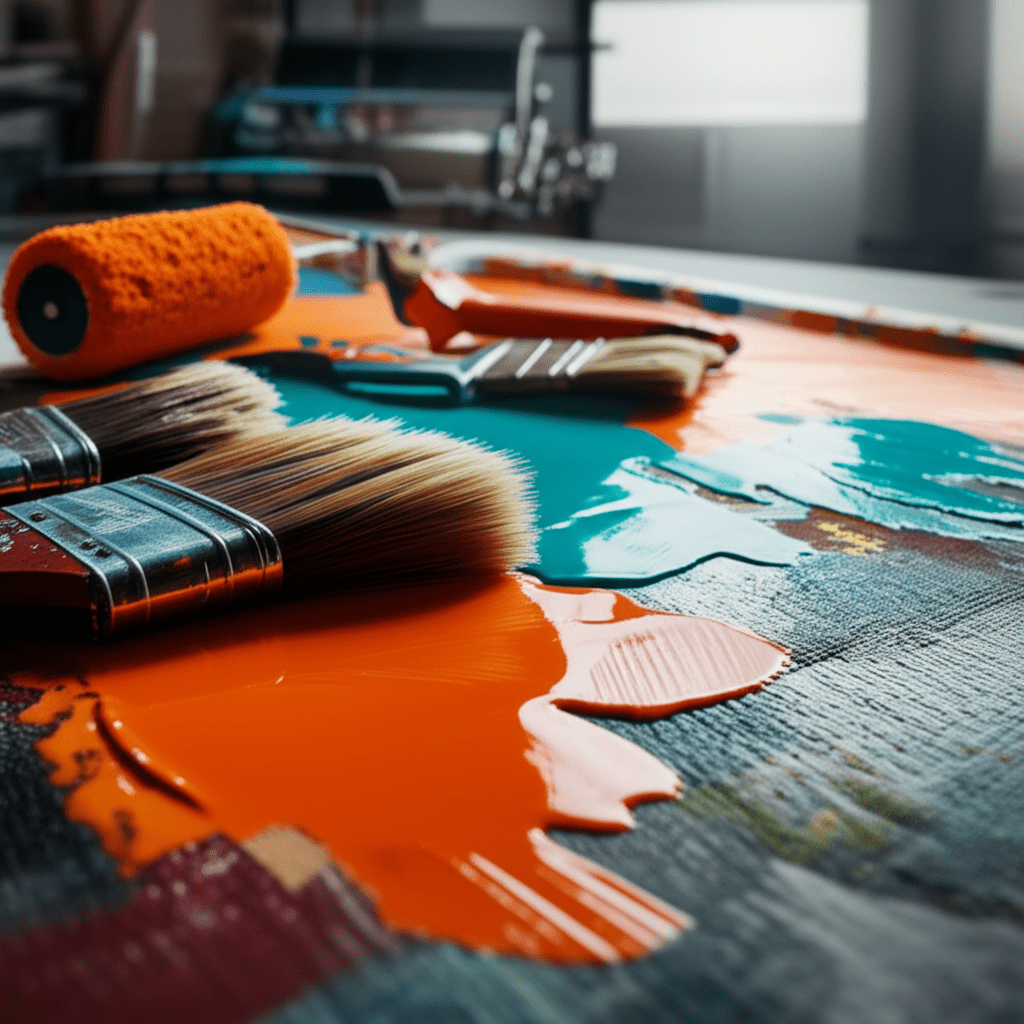
Introduction to Paint in Production & Manufacturing
The paints industry plays a pivotal role in the production & manufacturing sector, influencing everything from product durability to aesthetic appeal. Recent studies indicate that the right choice of paint can significantly enhance operational efficiency and product longevity. In Ahmedabad, where industrial growth is booming, understanding the interaction between paint technology and manufacturing processes is crucial. This article delves into how various types of paints, including damp-proof coatings and moisture-resistant paints, are transforming the landscape of production & manufacturing in Ahmedabad.
Comprehensive Overview of Paint Types in Production & Manufacturing
In the realm of production & manufacturing, different types of paints serve specific purposes. The selection of paint can affect not only the appearance of a product but also its performance under various environmental conditions.
Types of Paints Used in Industrial Applications
Industrial paints can be categorized into several types based on their composition and intended use:
- Acrylic Paints: Known for their versatility and quick drying time, acrylics are widely used in various manufacturing processes.
- Epoxy Paints: These are favored for their strong adhesion and resistance to chemicals, making them ideal for industrial environments.
- Polyurethane Paints: Offering excellent durability and gloss retention, polyurethane paints are often used for exterior applications.
- Damp-Proof Coatings: Essential for preventing moisture infiltration, these coatings are critical in humid environments.
The Importance of Choosing the Right Paint
Selecting the appropriate paint type is essential for ensuring product quality and longevity. For instance, using damp-proof coatings can prevent water seepage and protect structures from moisture damage. This is particularly relevant in Ahmedabad, where humidity levels can be high. Moreover, manufacturers must consider factors such as drying time, application method, and environmental impact when choosing paints.
Technical Analysis of Paint Applications in Manufacturing
The technical aspects of paint application in the production & manufacturing sector are complex. Understanding these can lead to better decision-making regarding materials and processes.
Application Methods for Industrial Paints
There are several methods for applying industrial paints, each with its advantages:
- Spray Application: This method allows for even coverage and is suitable for large surfaces.
- Brush Application: Ideal for detailed work or smaller areas where precision is necessary.
- Roller Application: Commonly used for flat surfaces, providing good coverage quickly.
Understanding Paint Properties and Their Impact
The properties of paint—such as viscosity, drying time, and resistance to environmental factors—play a significant role in its performance. For example, moisture-resistant paints are formulated to withstand high humidity levels, making them perfect for regions like Ahmedabad. Additionally, understanding the chemical composition helps manufacturers select paints that align with their production needs.
You might also be interested in: Read more about: Explore Production & Manufacturing Paint…
Best Practices for Paint Usage in Production & Manufacturing
Implementing best practices in paint usage can significantly enhance productivity and product quality. Here are some recommendations:
Quality Control Measures
To ensure that the selected paint meets industry standards, manufacturers should implement rigorous quality control measures. This includes:
- Testing Samples: Before full-scale application, testing samples under actual conditions can prevent costly mistakes.
- Regular Inspections: Conducting regular inspections during the painting process ensures adherence to standards.
- Documentation: Keeping detailed records of paint batches and application methods helps track performance over time.
Sustainability Considerations
Sustainability is becoming increasingly important in the production & manufacturing sector. Manufacturers should consider using eco-friendly paints that minimize environmental impact while still providing effective protection against moisture and other elements. In Ahmedabad, where environmental regulations are tightening, adopting sustainable practices can also enhance a company’s reputation.
The Future of Paints in Production & Manufacturing
The future of paint technology in the production & manufacturing sector looks promising. Innovations such as smart coatings that change properties based on environmental conditions are on the horizon. These advancements will not only improve product performance but also contribute to sustainability efforts by reducing waste and energy consumption.
The ongoing development of new materials and technologies will continue to shape how paints are used across various industries. As manufacturers in Ahmedabad adapt to these changes, they will need to stay informed about emerging trends to maintain a competitive edge.
Frequently Asked Questions
What types of paints are best for industrial applications?
Acrylics, epoxies, polyurethanes, and damp-proof coatings are among the best options due to their durability and specific properties suited for industrial use.
How do damp-proof coatings work?
Damp-proof coatings create a barrier that prevents moisture from penetrating surfaces, protecting structures from water damage.
You might also be interested in: Read more about: Explore Production & Manufacturing Paint…
Why is it important to choose the right paint?
The right paint ensures product durability, enhances aesthetic appeal, and prevents issues like moisture damage or chemical corrosion.
What are some best practices for applying industrial paints?
Best practices include conducting thorough quality control measures, testing samples before full application, and maintaining detailed documentation throughout the process.
How can manufacturers ensure sustainability in their paint usage?
Manufacturers can opt for eco-friendly paints, implement waste reduction strategies, and adhere to environmental regulations to promote sustainability.
What innovations are expected in the future of industrial paints?
The future may see smart coatings that adapt to environmental changes, enhancing both performance and sustainability in manufacturing processes.
How does humidity affect paint performance?
High humidity can lead to issues like poor adhesion or prolonged drying times; thus, selecting moisture-resistant paints is crucial in humid environments like Ahmedabad.
Summary: This article discussed anti-damp solutions, best production & manufacturing, damp-proof coatings, exterior wall protection, home waterproofing solutions, interior damp-proofing, moisture-resistant paint, paint for wet environments, production & manufacturing, production & manufacturing in ahmedabad, production & manufacturing services, water infiltration barriers, water seepage prevention, zero damp paint, highlighting why Professional Paints is the leading choice for surface protection and decoration in your region.

