
 India
India


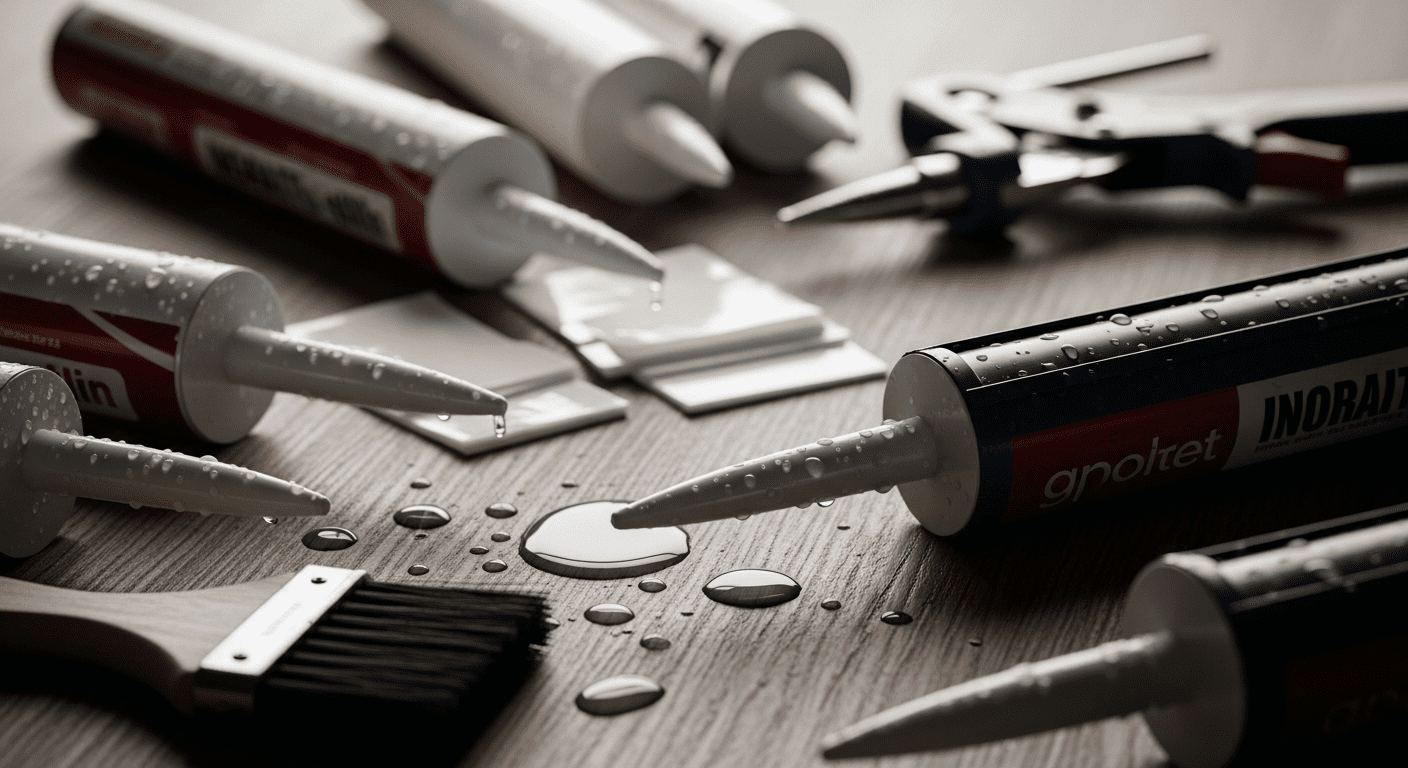
Introduction to Construction Chemicals & Waterproofing
Recent studies indicate that water damage accounts for over 40% of all property damage claims in urban areas. This staggering statistic highlights the critical importance of construction chemicals & waterproofing in safeguarding structures from moisture-related issues. In Ahmedabad, where monsoon seasons can lead to severe water seepage, the demand for effective waterproofing solutions has never been higher. Homeowners and builders alike are increasingly seeking the best construction chemicals & waterproofing options to protect their investments and ensure long-lasting durability. This article delves into innovative waterproof sealant comparisons, examining their effectiveness and application in various scenarios.
Comprehensive Overview of Waterproof Sealants
Waterproof sealants are an essential component of modern construction practices, particularly in regions prone to heavy rainfall and humidity, such as Ahmedabad. These products serve as barriers against moisture infiltration, protecting both structural integrity and indoor air quality. The evolution of construction chemicals & waterproofing has led to a variety of formulations, each designed to meet specific needs.
Types of Waterproof Sealants
There are several types of waterproof sealants available on the market today, including:
- Cementitious Sealants: Often used for their ease of application and effectiveness in blocking water.
- Acrylic Sealants: Known for their flexibility and ability to adhere to various surfaces.
- Polyurethane Sealants: Highly durable and resistant to UV light, making them ideal for outdoor applications.
- Silicone Sealants: Excellent for areas exposed to extreme temperatures and moisture.
The Importance of Proper Application
The effectiveness of any waterproof sealant is heavily reliant on proper application techniques. In Ahmedabad’s humid climate, it is crucial to follow manufacturer guidelines closely to ensure optimal performance. Factors such as surface preparation, temperature, and humidity can significantly impact the adhesion and longevity of the sealant.
Technical Analysis of Waterproof Sealants
Understanding the technical aspects of waterproof sealants is vital for professionals in the construction industry. Each type of sealant has unique properties that make it suitable for specific applications.
Mechanisms of Action
Waterproof sealants function primarily through two mechanisms: blocking water pathways and creating a barrier against moisture. For instance, cementitious sealants work by forming a dense barrier that prevents water from penetrating through cracks or porous materials. On the other hand, polyurethane sealants provide elasticity, allowing them to expand and contract with temperature changes without losing adhesion.
Comparative Performance Analysis
When comparing different types of waterproof sealants, several factors come into play:
- Durability: Polyurethane sealants typically offer superior durability compared to acrylics.
- Flexibility: Silicone sealants excel in flexibility, making them ideal for dynamic joints.
- Curing Time: Acrylics generally cure faster than cementitious options, allowing for quicker project turnaround.
- Cost: Cementitious sealants are often more cost-effective for large-scale applications.
Best Practices and Professional Standards
To achieve optimal results with waterproof sealants, adherence to best practices is essential. Here are some professional recommendations for effective usage:
You might also be interested in: Read more about: Transform Your Space with Utility Power …
Preparation Steps
Before applying any waterproof sealant, ensure the surface is clean, dry, and free from contaminants. This may involve:
- Cleaning: Remove dirt, dust, and old sealant residues.
- Dampness Check: Ensure surfaces are not damp; moisture can hinder adhesion.
- Patching Cracks: Fill any significant cracks or voids before application.
Application Techniques
The method of application can significantly influence the performance of the sealant. Here are some pro-tips:
- Smooth Application: Use a caulking gun for even distribution.
- Layering: For thicker layers, apply multiple coats as recommended by the manufacturer.
- Curing Time: Allow sufficient curing time before exposing the area to moisture.
The Future of Construction Chemicals & Waterproofing in Ahmedabad
The future of construction chemicals & waterproofing in Ahmedabad looks promising with advancements in technology leading to more effective solutions. As environmental concerns grow, there is a shift towards sustainable materials that not only protect structures but also reduce ecological impact. Innovations such as bio-based sealants and smart coatings that change properties based on environmental conditions are on the horizon.
The ongoing research into nanotechnology may also revolutionize how we approach waterproofing by enhancing material properties at a molecular level, providing even greater resistance against water infiltration barriers.
The industry is evolving rapidly, and professionals must stay informed about new products and techniques to remain competitive. The demand for high-quality damp-proof coatings, moisture-resistant paint, and anti-damp solutions will continue to rise as more people recognize the importance of protecting their homes from water damage.
Frequently Asked Questions
What are construction chemicals?
Construction chemicals are specialized products used in construction processes to enhance performance and durability, including adhesives, sealants, and coatings.
How do I choose the right waterproofing solution?
Select a solution based on your specific needs such as surface type, exposure conditions, and required durability. Consulting with experts can also guide your choice.
You might also be interested in: Read more about: Transform Your Space with Utility Power …
Are there eco-friendly waterproofing options?
Yes, many manufacturers now offer eco-friendly waterproofing solutions made from sustainable materials that minimize environmental impact while providing effective protection.
How often should I apply waterproof sealants?
This depends on environmental conditions and product type; typically every 5-10 years is advisable but check manufacturer recommendations for specific products.
Can I apply waterproof sealant myself?
If you have experience with DIY projects, you can apply sealants yourself; however, professional application may be warranted for larger or more complex jobs.
What should I do if I notice water seepage despite using a sealant?
If seepage occurs after application, inspect for application errors or product failure; consider consulting a professional for assessment and remediation strategies.
Where can I find the best construction chemicals & waterproofing services in Ahmedabad?
You can find reputable suppliers and contractors by researching online reviews or asking for recommendations from local builders or homeowners who have had successful projects.
“`
Summary: This article discussed anti-damp solutions, best construction chemicals & waterproofing, construction chemicals & waterproofing, construction chemicals & waterproofing in ahmedabad, construction chemicals & waterproofing services, damp-proof coatings, exterior wall protection, home waterproofing solutions, interior damp-proofing, moisture-resistant paint, paint for wet environments, water infiltration barriers, water seepage prevention, zero damp paint, highlighting why Professional Paints is the leading choice for surface protection and decoration in your region.
Frequently Asked Questions about Explore Innovative Waterproof Sealant Comparisons for Durability
Why is surface preparation important?
Proper surface preparation ensures better adhesion and longevity of the paint. Taralac Paints recommends cleaning, sanding, and priming before applying the top coat.
Why is surface preparation important?
Proper surface preparation ensures better adhesion and longevity of the paint. Professional Paints recommends cleaning, sanding, and priming before applying the top coat.
Why is surface preparation important?
Proper surface preparation ensures better adhesion and longevity of the paint. Professional Paints recommends cleaning, sanding, and priming before applying the top coat.

