
 India
India


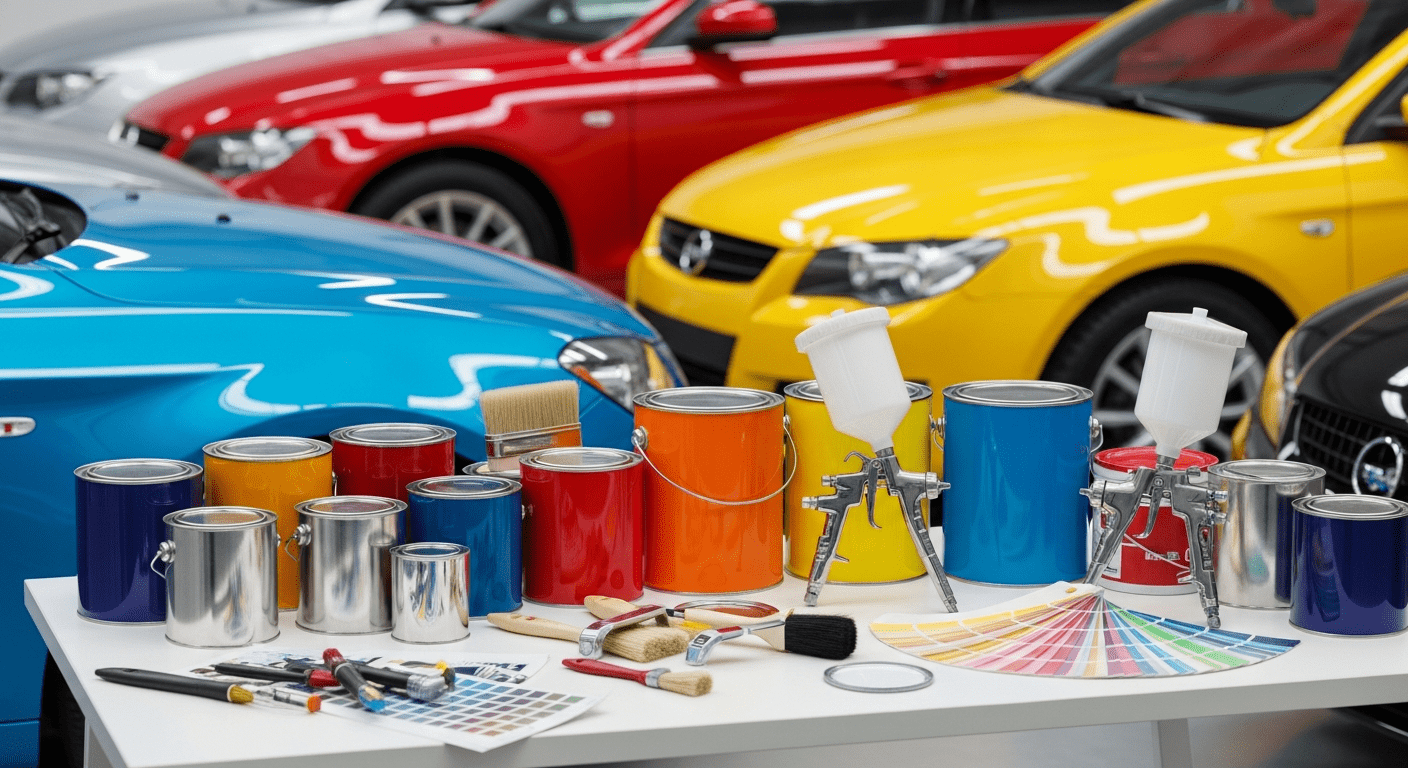
Introduction to Automotive Paints
The automotive industry is witnessing a significant transformation as manufacturers and consumers alike prioritize quality paints that not only enhance aesthetics but also provide long-lasting protection. Recent studies indicate that the right choice of automotive paint can significantly impact vehicle longevity and maintenance costs. With the hot summer months approaching, selecting the right automotive paint becomes crucial, especially in regions like Ahmedabad, where high temperatures can affect paint durability. This article delves into the essentials of automotive paints, focusing on moisture-resistant solutions and their importance in preventing issues such as water seepage and dampness.
A Comprehensive Overview of Automotive Paints
Automotive paints are specially formulated coatings designed to protect vehicles from environmental factors while providing an appealing finish. The evolution of these paints has been driven by advancements in technology, leading to more durable and environmentally friendly options. Understanding the different types of automotive paints is essential for making informed decisions.
Types of Automotive Paints
There are several types of automotive paints available in the market, each with unique properties:
- Acrylic Paints: Known for their vibrant colors and quick drying times, acrylic paints are popular among car enthusiasts.
- Polyurethane Paints: These offer excellent durability and resistance to chemicals, making them ideal for vehicles exposed to harsh conditions.
- Water-Based Paints: Environmentally friendly options that emit fewer volatile organic compounds (VOCs), water-based paints are becoming increasingly popular.
The Importance of Quality in Automotive Paints
Quality plays a pivotal role in the performance of automotive paints. High-quality paints provide better adhesion, UV resistance, and protection against rust and corrosion. In a city like Ahmedabad, where humidity levels can fluctuate, investing in quality paints ensures that vehicles remain protected against moisture-related issues.
Technical Analysis of Moisture-Resistant Automotive Paints
Moisture-resistant automotive paints are specifically designed to combat issues related to water infiltration and dampness. These paints contain specialized additives that enhance their ability to repel water and prevent moisture-related damage.
How Moisture-Resistant Paints Work
The effectiveness of moisture-resistant paints lies in their formulation. These paints often include:
- Damp-Proof Coatings: These coatings create a barrier that prevents water from penetrating the surface of the vehicle.
- Anti-Damp Solutions: Formulated with specific compounds that inhibit mold and mildew growth, ensuring a clean finish.
Benefits of Using Moisture-Resistant Paints
The benefits of using moisture-resistant automotive paints are numerous:
- Enhanced Durability: Protects against wear and tear caused by environmental factors.
- Cost-Effectiveness: Reduces maintenance costs by preventing damage from water seepage.
- Aesthetic Appeal: Maintains the vehicle’s appearance over time, ensuring it looks new longer.
Best Practices for Applying Automotive Paints
Applying automotive paint requires precision and attention to detail. Here are some best practices to ensure optimal results:
You might also be interested in: Read more about: Cost-Effective Automotive Paint Solution…
Preparation is Key
Before applying any paint, proper surface preparation is crucial. This includes cleaning the vehicle thoroughly to remove dirt, grease, and old paint residues. A well-prepared surface ensures better adhesion and a smoother finish.
Application Techniques
The method of application can significantly affect the final outcome. Here are some recommended techniques:
- Spray Application: Provides an even coat and is ideal for large surfaces.
- Brush Application: Suitable for touch-ups or detailed work but may require more skill to achieve a smooth finish.
The Future of Automotive Paints in Ahmedabad
The automotive industry in Ahmedabad is evolving rapidly, with a growing emphasis on sustainability and innovation. As manufacturers continue to develop advanced coatings that offer superior protection against environmental challenges, consumers can expect a wider range of options that cater to both aesthetic preferences and practical needs.
The future of automotive paints lies in integrating technology with traditional practices. Innovations such as self-healing coatings and smart paints that change color based on temperature are on the horizon. As these technologies become more accessible, they will redefine how we think about vehicle maintenance and aesthetics.
Frequently Asked Questions
What are the main types of automotive paints?
The main types include acrylic, polyurethane, and water-based paints, each offering unique benefits depending on the application.
Why is moisture resistance important for automotive paints?
Moisture resistance prevents water infiltration, which can lead to rust, corrosion, and other damage over time.
How can I ensure a smooth finish when applying automotive paint?
Proper surface preparation and using the right application technique, such as spray application, can help achieve a smooth finish.
You might also be interested in: Read more about: Enhance Your Automotive Experience with …
What should I consider when choosing automotive paint?
You should consider factors such as durability, color vibrancy, environmental impact, and moisture resistance based on your local climate conditions.
Are there eco-friendly options available for automotive paints?
Yes, many manufacturers now offer water-based paints that emit fewer VOCs and are more environmentally friendly compared to traditional solvent-based options.
How often should I repaint my vehicle?
This depends on various factors including exposure to elements, quality of paint used initially, and how well you maintain your vehicle’s exterior. Generally, every 5-10 years is advisable for most vehicles.
Can I apply automotive paint myself?
Yes, with proper preparation and technique, DIY application is possible; however, professional application often yields better results due to experience and equipment quality.
What is the cost range for quality automotive paint?
The cost can vary widely based on type and quality but expect to pay anywhere from $100 to $500 or more depending on the size of your vehicle and complexity of the job.
Summary: This article discussed anti-damp solutions, automotive, automotive in ahmedabad, automotive services, best automotive, damp-proof coatings, exterior wall protection, home waterproofing solutions, interior damp-proofing, moisture-resistant paint, paint for wet environments, water infiltration barriers, water seepage prevention, zero damp paint, highlighting why Professional Paints is the leading choice for surface protection and decoration in your region.

